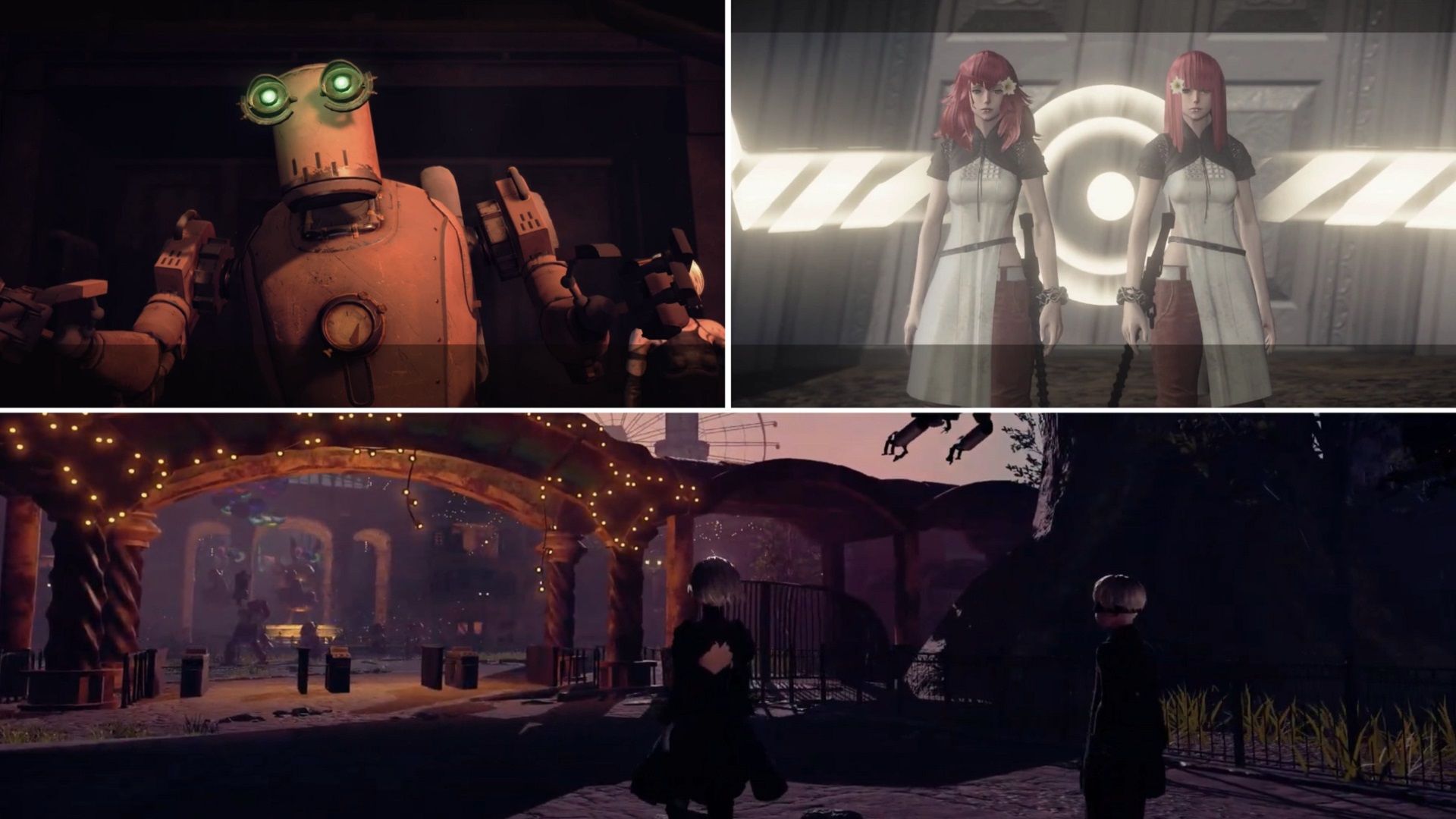
Despite the first game not performing well enough to warrant a follow-up, PlatinumGames surprised and delighted players with NieR: Automata, which left a lasting impression on everyone who experienced it.
With its incredible combat, unique mix of genres, memorable music, and playful way of interacting with the player, Yoko Taro’s game is considered one of the best of the 21st century and is a must-play for anyone who enjoys video games.
What truly makes this statement accurate is the game’s story. It’s considered one of the most thought-provoking and philosophical plots ever created in a video game, and it has generated as much debate as it has positive feedback.
To honor how incredible it is – and get ready just in case a new game is revealed – here are ten moments from NieR: Automata that prove why its story remains so special even now.
There will be minor and major spoilers for all of NieR: Automata.
10. Adjusting the Game’s Configuration
The Difference Between the Player and the Avatar
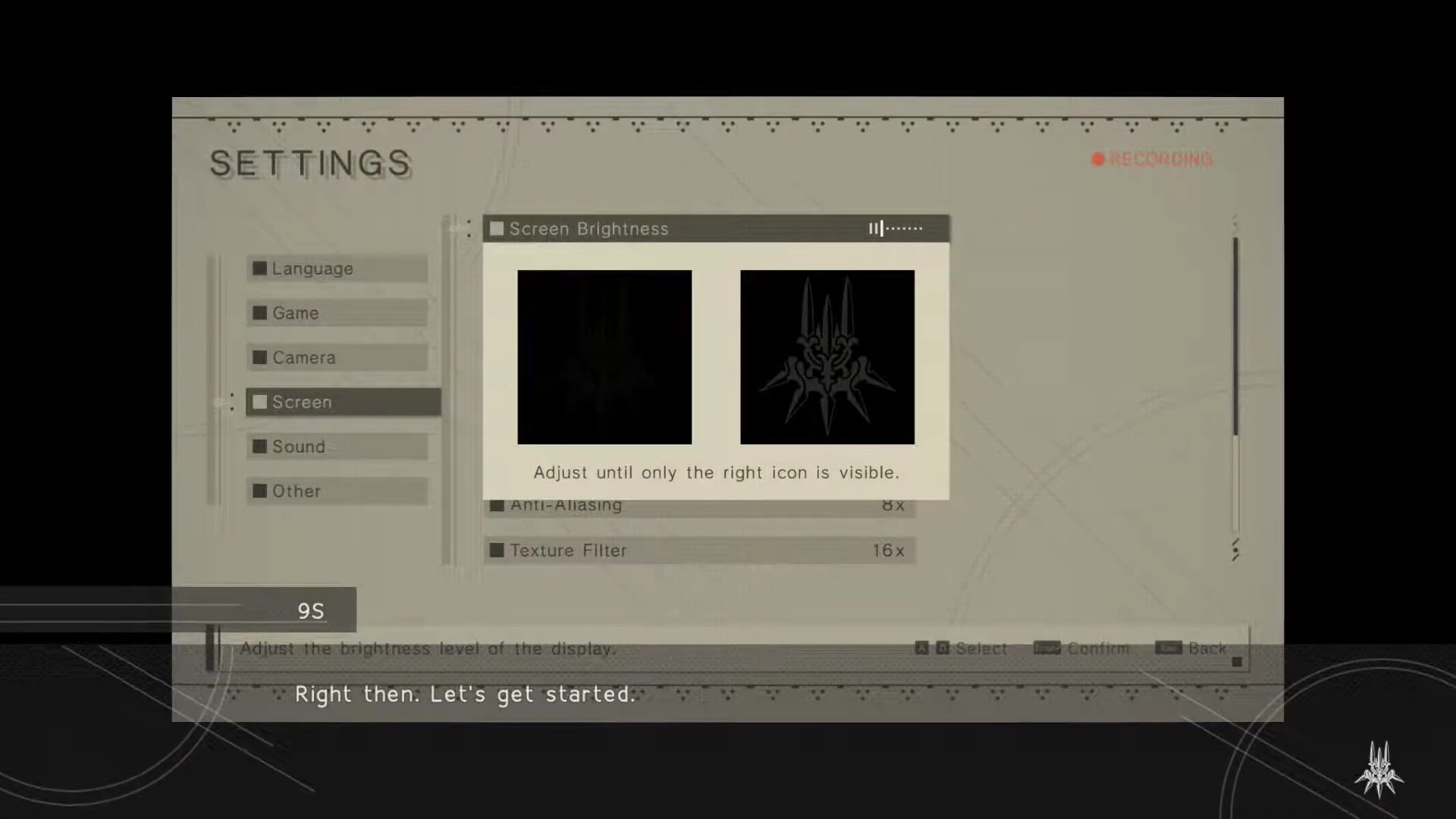
The game starts with a robotic voice helping you customize the sound and visuals. But this isn’t just about personalizing your settings – it’s a key part of the experience itself.
I’ve always thought this moment breaks from the typical feeling of being the main character. There’s a clear separation between the player and the characters we control during the game.
The characters 2B, 9S, and A2 aren’t simply characters with their own thoughts and goals; we directly control them, and changing the game settings actually feels like customizing these androids themselves.
There’s a distinct divide between these two things, and though you might not notice it right away, it hints at a bigger truth that unfolds as things progress: you actually understand far less about the situation – both what’s currently happening and what’s to come – than you believe.
9. Making You Play as a Little Robot
Empathizing with Metal
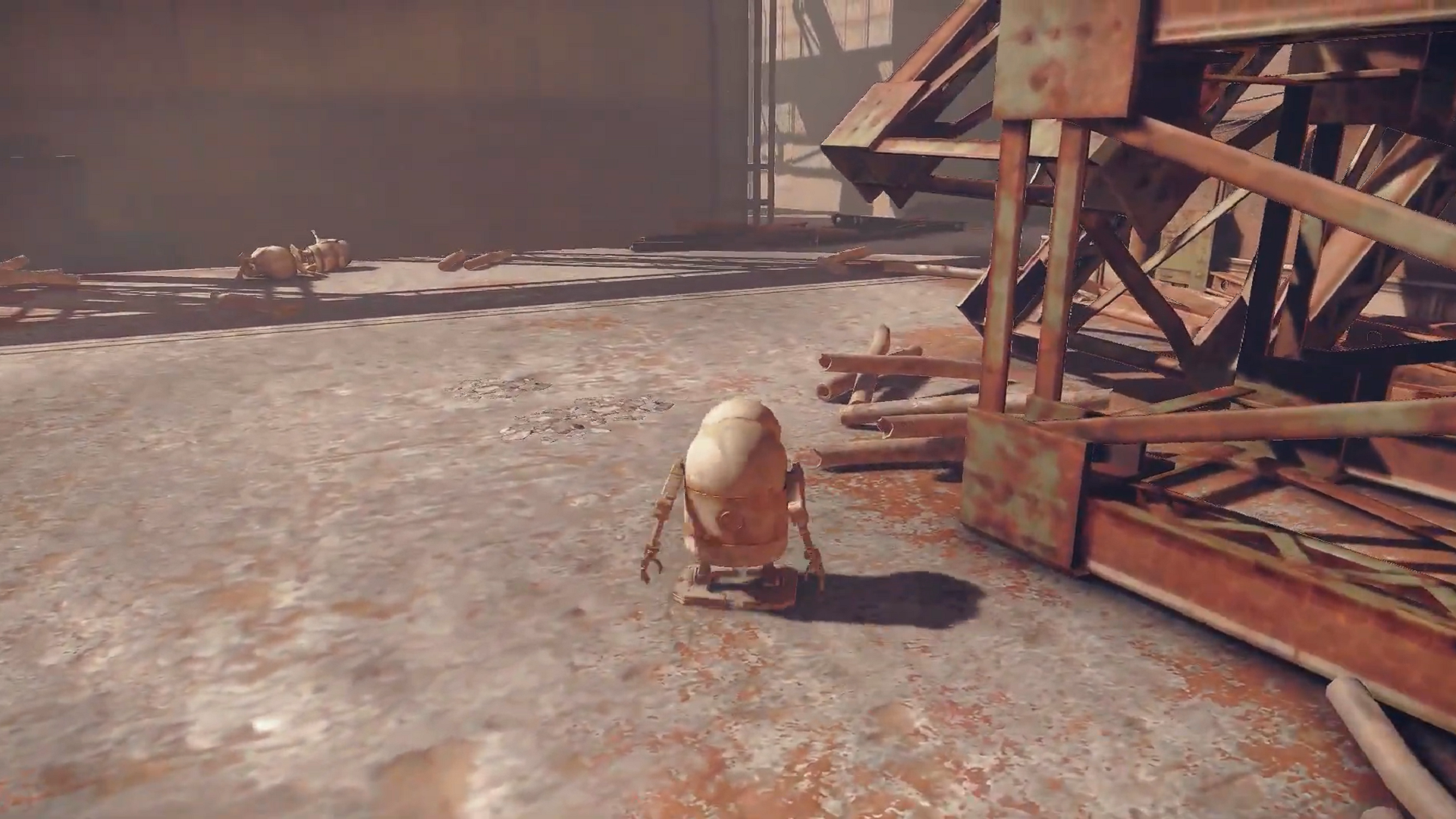
We now shift focus from the beginning of Route A to Route B, where NieR: Automata surprises players by letting them control a small robot.
Even though this section is short and focuses on playing as a tiny robot trying to rescue its brother, it’s one of the first times the game hints at the deeper meaning behind its story.
Primarily, the game encourages us to understand the creatures we’re tasked with eliminating, which is compelling. It also consistently changes how we see things – both in terms of gameplay and the story – and cleverly keeps those two elements working together seamlessly.
When a fast-paced action game unexpectedly slows down and puts you in a vulnerable position – feeling powerless compared to your usual strength – it becomes clear this isn’t just a simple button-masher. It’s a game that wants you to think about the purpose behind your actions.
8. Talking with the Supply Trader
Are We Our Body or Mind?
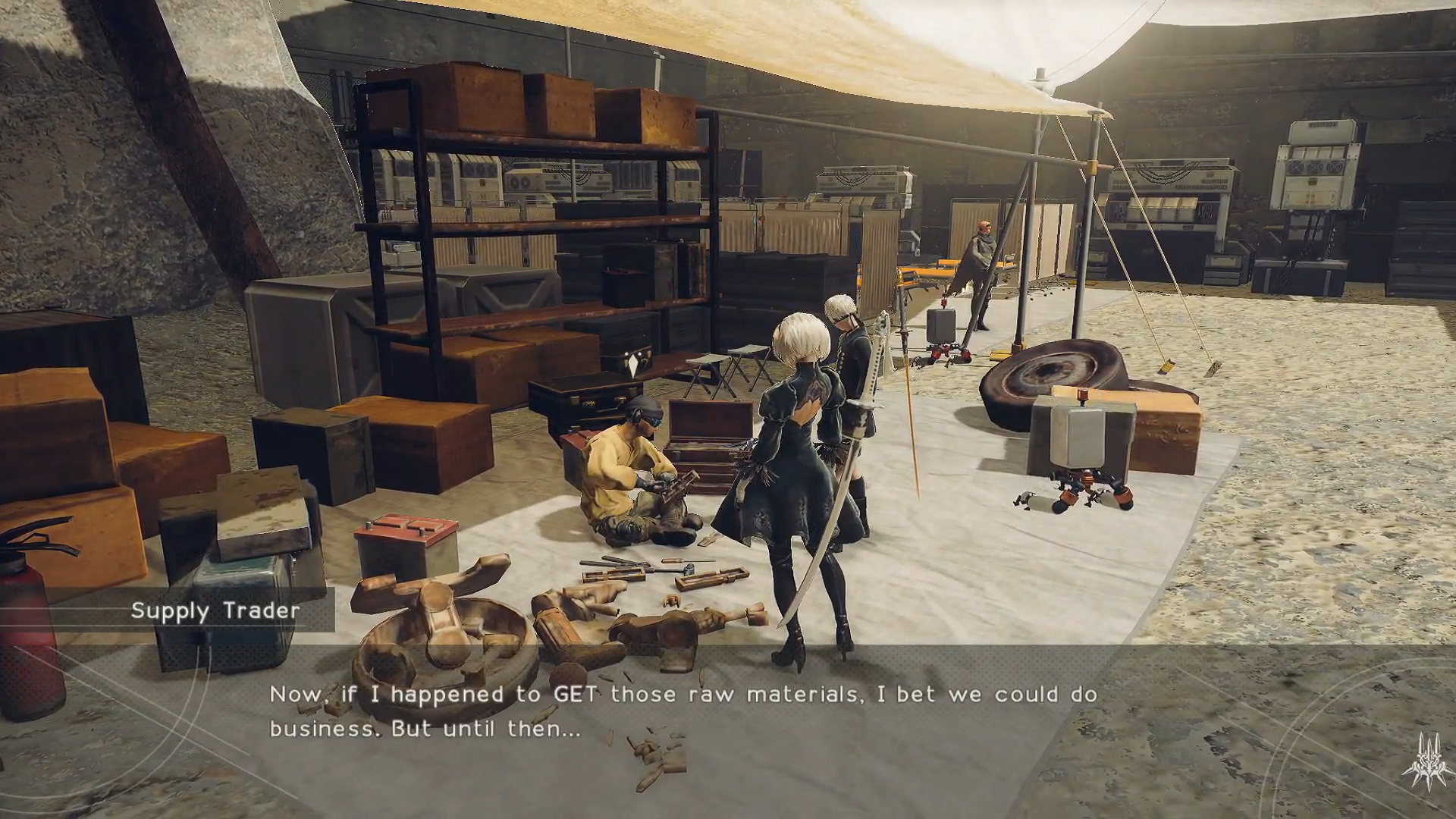
NieR: Automata has many thought-provoking conversations, but I especially enjoy a small exchange with the Supply Trader at the Resistance Camp.
The story features a merchant who has replaced most of his body with artificial parts. He still needs a new leg, but refuses the replacement, because it’s the only original part of him left, and he fears losing his sense of self if he replaces it.
The game strongly references the Ship of Theseus paradox – the question of whether something remains the same if all its parts are replaced. This idea is a key part of the story in NieR: Automata.
Even though it’s just a small character with a limited role, this NPC has a surprisingly touching and engaging conversation – often more so than the narratives in many big-budget games. It quickly becomes clear, within the first few hours of playing NieR: Automata, that the game will challenge you to think deeply and constantly.
7. Conscience as the Save System
Blurring the Line of Identity
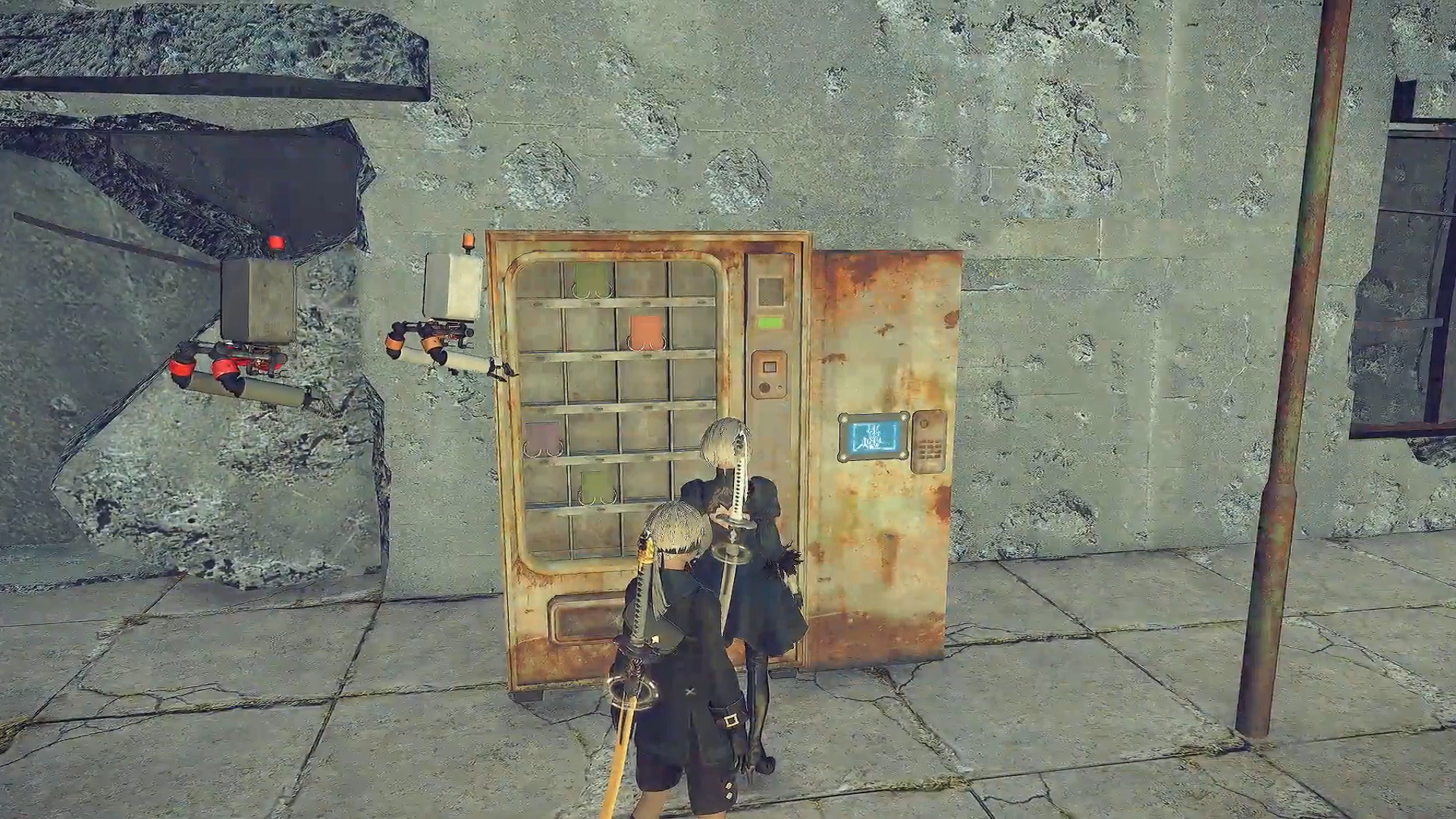
Most video games don’t take the time to explain the details behind the game itself, like why things are presented a certain way. But NieR: Automata goes further – it explains not only the game’s visuals and sound, but even how and why the save system works.
When you locate your first Access Point, you realize that “saving” actually means uploading the androids’ minds to a cloud system. This allows them to be restored after their bodies are destroyed, transferring their consciousness into a new body so they can continue operating.
Similar to the classic thought experiment about Theseus’ ship, the common video game feature of saving your progress isn’t just a technical element – it actually plays a key part in the story, and makes you question what truly defines a character and their sense of self.
It’s amazing when a game makes you think about how it saves your progress and what that says about the game’s world. That level of detail and consistent atmosphere is something every game should strive for.
6. The Romance Between Jean Paul and Simone
One-Sided Devotion
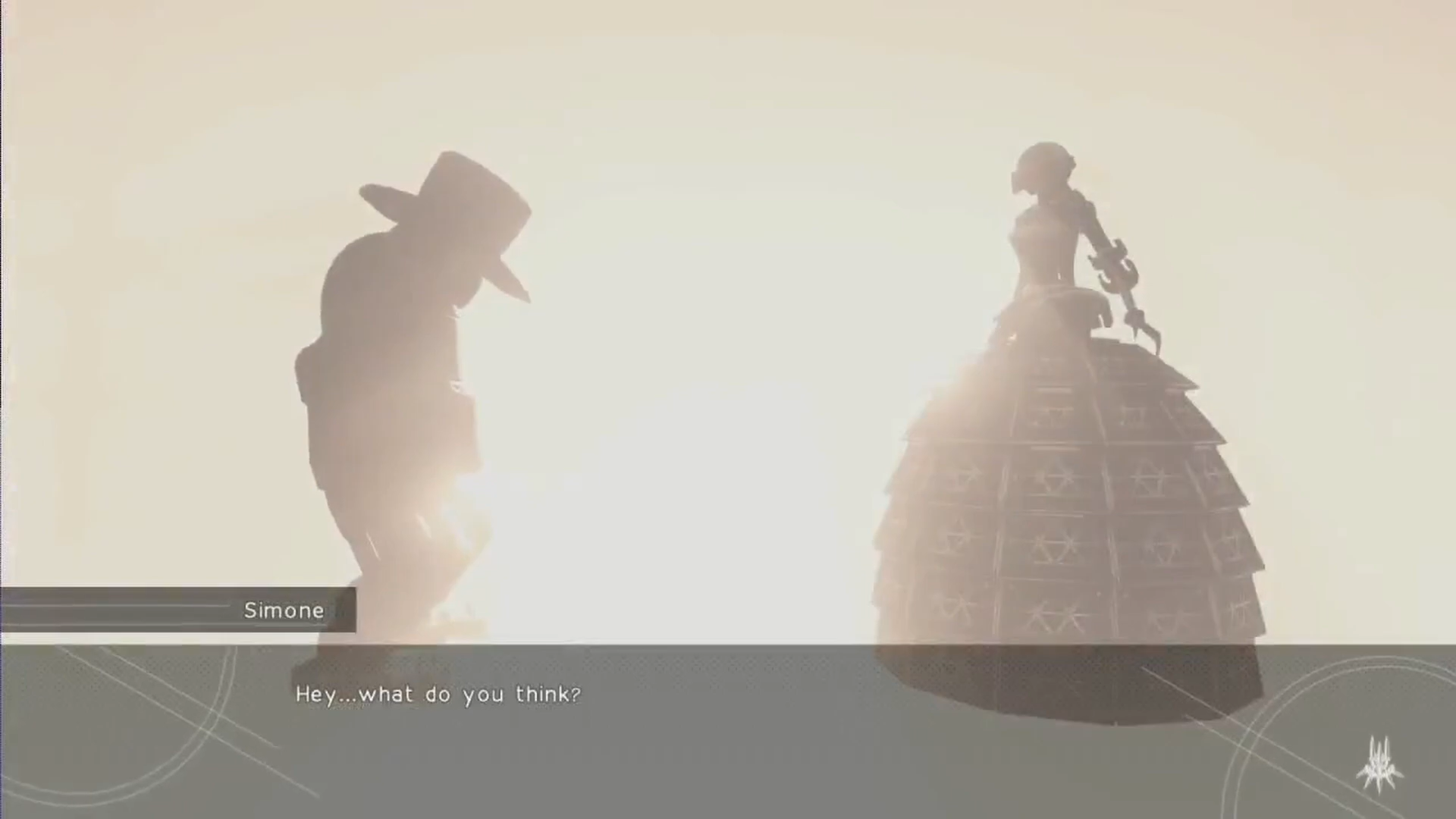
Romance in video games frequently feels predictable and shallow, but the connection between the robots Jean Paul and Simone stands out as something much more compelling.
Honestly, I was blown away by this side quest! It’s not essential to the main story, but it brilliantly ties into one of the boss characters and this really interesting secondary character. Plus, it’s got these cool nods to actual philosophers! The way the story unfolds is just fantastic – it always leaves me wanting to know what happens next. It’s a really well-done subplot.
To truly understand Jean Paul’s detachment and negativity, you need to spend a lot of time talking with him. Similarly, understanding Simone’s unreturned love requires a lot of effort and discussion. As you do, the pieces will start to fall into place, and you’ll finally understand the heartbreaking story of what occurred.
It’s deeply human to seek love, connection, and a lifelong partner. The game NieR: Automata deserves praise for exploring these themes so thoughtfully through a side quest filled with unique and detailed tasks.
5. First Time at the Amusement Park
Traces of Humanity
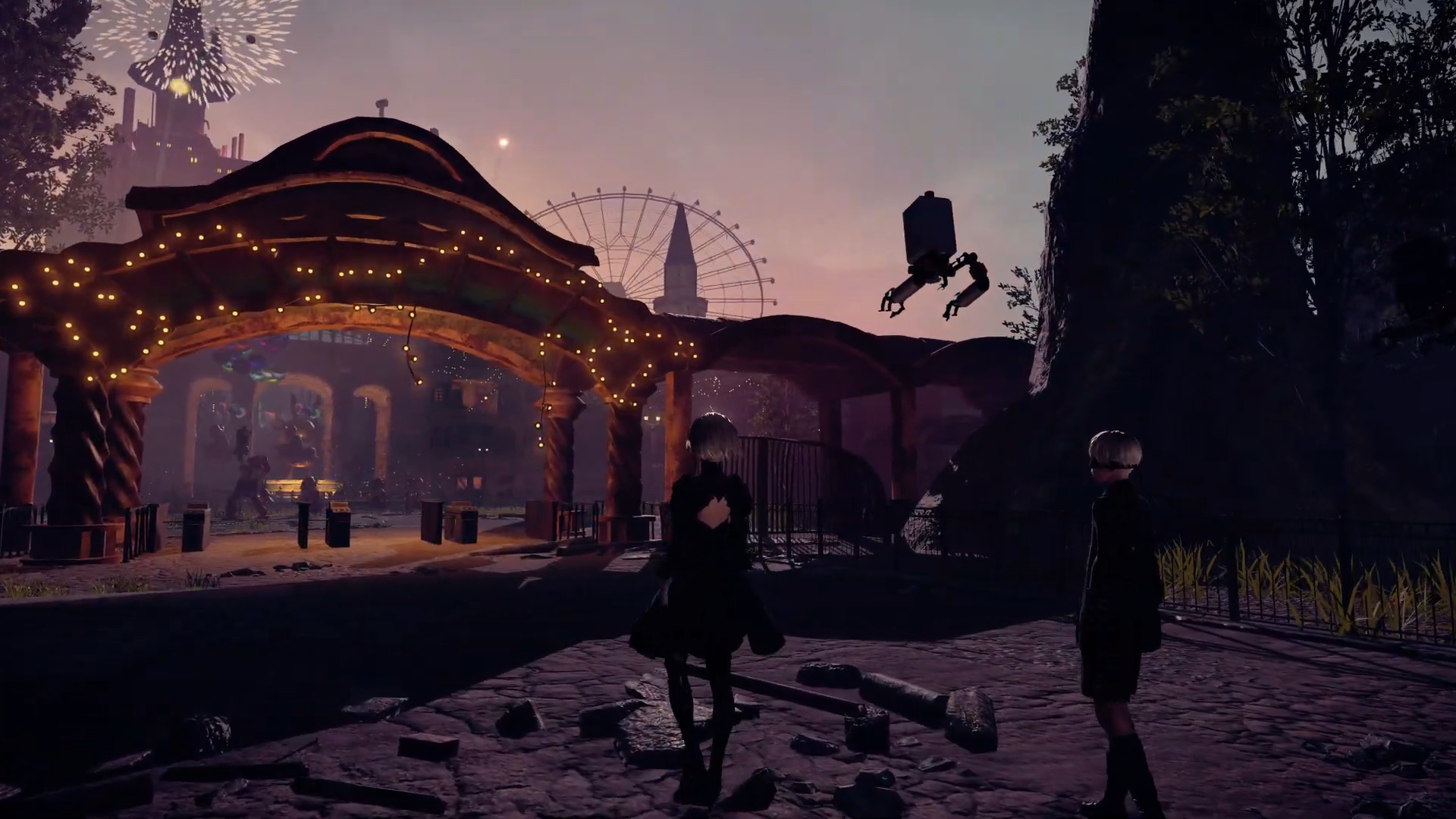
Visiting Amusement Park for the first time was truly magical – one of the best experiences I’ve had as a gamer in the last decade, and there are many reasons why.
After battling robots for hours and learning they’re humanity’s biggest danger, you realize something surprising: they’re starting to act just like the people they’re trying to defeat.
During a particularly moving scene, the music and dance of the opposing sides come together, feeling more genuinely human than anything we’ve seen so far. This moment hints that these ‘enemies’ might not be enemies at all, and could actually be the last remaining trace of what it means to be human.
A lot of the most important moments in NieR: Automata happen quietly, without big cutscenes or characters directly explaining things. This makes the story even more engaging and relies on players to figure out what’s going on themselves.
4. Devola and Popola’s Appearance
An Eternal Sin
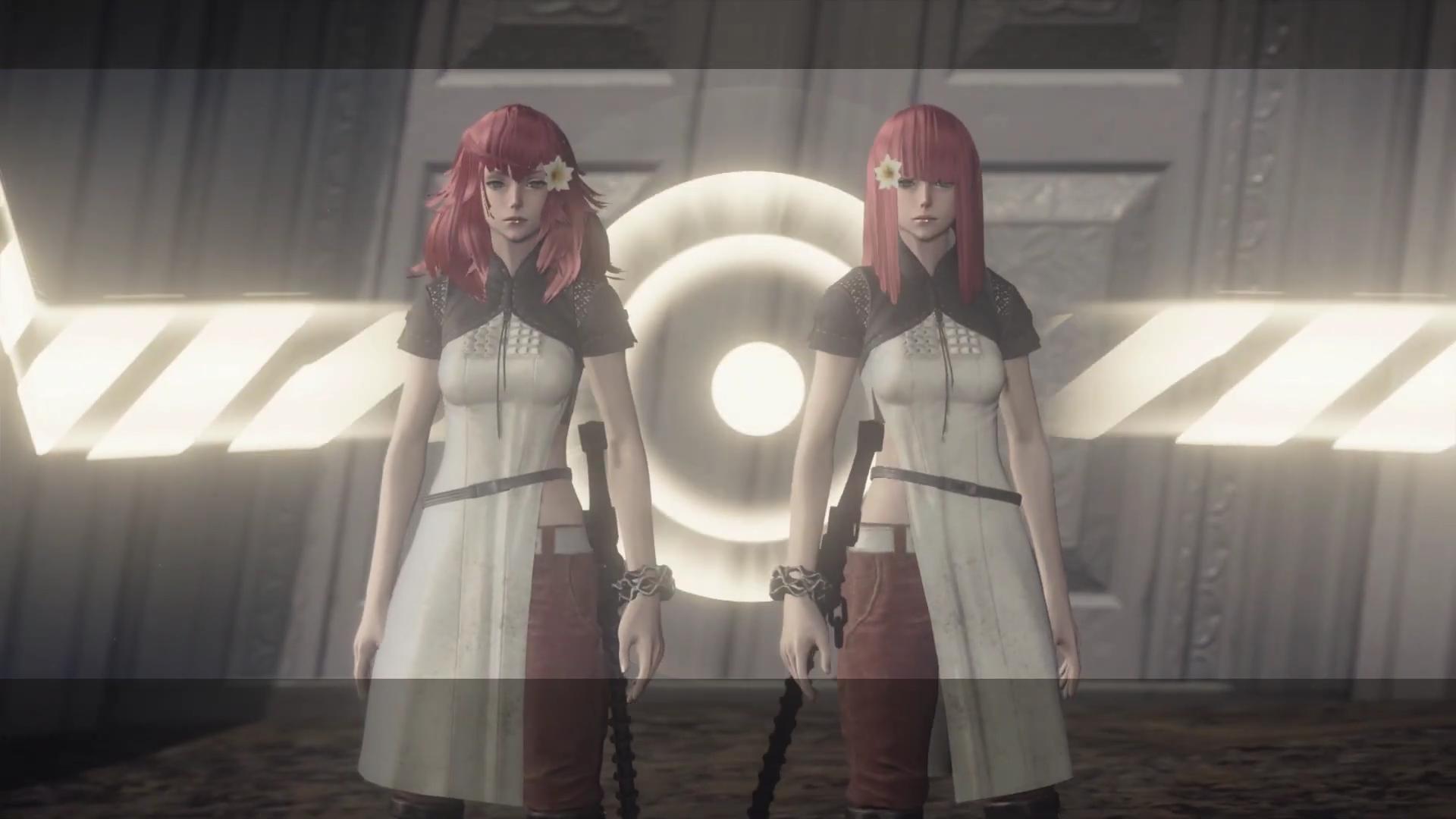
For most of its story, NieR: Automata feels different from the tales of the games that came before it—at least, that’s the impression you get until you meet the characters Devola and Popola.
Although these characters are new to most players, the original versions played a crucial role in the story of Nier and ultimately shaped the world’s destiny after the game’s events.
Their arrival is a surprising but fitting development within the story of NieR: Automata. However, what’s truly remarkable is how it links back to the first NieR game, enriching the overall narrative and adding layers of meaning.
Considering the connections between NieR: Automata and Drakengard is a clever way to establish Automata as a true sequel. It’s done subtly, so both longtime fans and new players can enjoy the game without feeling lost or overwhelmed.
3. Pascal’s Despair
A Tragedy Without Equal
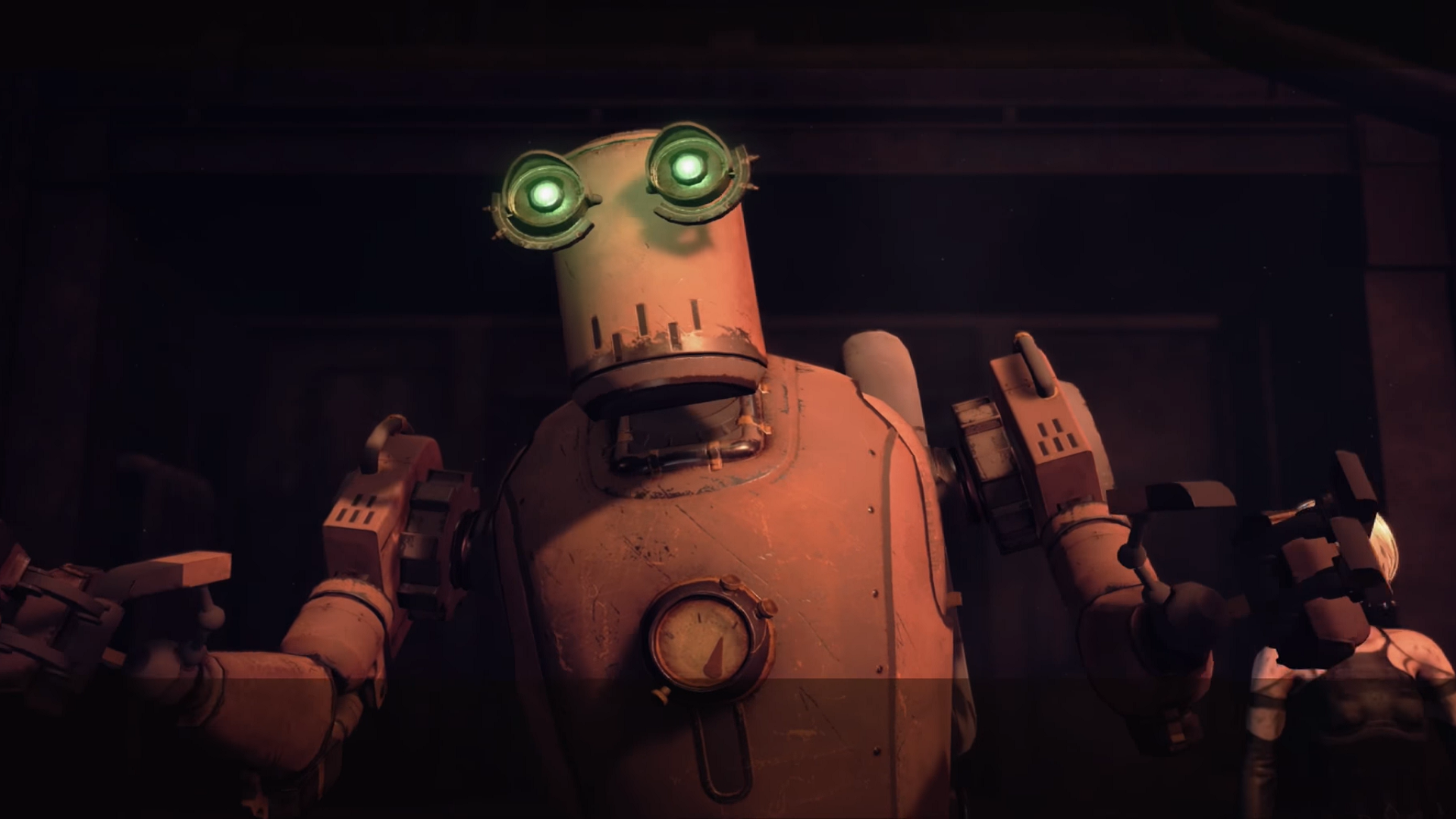
Throughout the game, a central theme is the idea that robots aren’t inherently hostile. But the moment that truly showcases their developed humanity is arguably Pascal’s Despair, the climactic mission for one of the game’s most compelling and nuanced characters.
It just broke my heart to see Pascal, the leader of that sweet robot village, completely devastated. He’d actually taught those little robots how to feel – things like fear – so they’d be able to protect themselves in this really tough world. Seeing them… not okay… it was awful, knowing he’d given them the capacity to understand what was happening.
Dive deeper into NieR: Automata—subscribe to our newsletter
Despite trying to help, his actions ultimately led to a terrible outcome. The children, trapped and terrified by attacking machines in the old factory, tragically took their own lives. The player must then choose whether to kill him, wipe his memory, or hold him accountable for what happened.
Many major games shy away from difficult topics like suicide, childhood trauma, guilt, and grief. However, NieR: Automata bravely tackles these subjects with sensitivity and genuine respect. This adds depth to the game’s powerful themes and makes players truly feel the impact of their choices.
2. 2B’s Initial Monologue
Everything That Lives is Designed to End
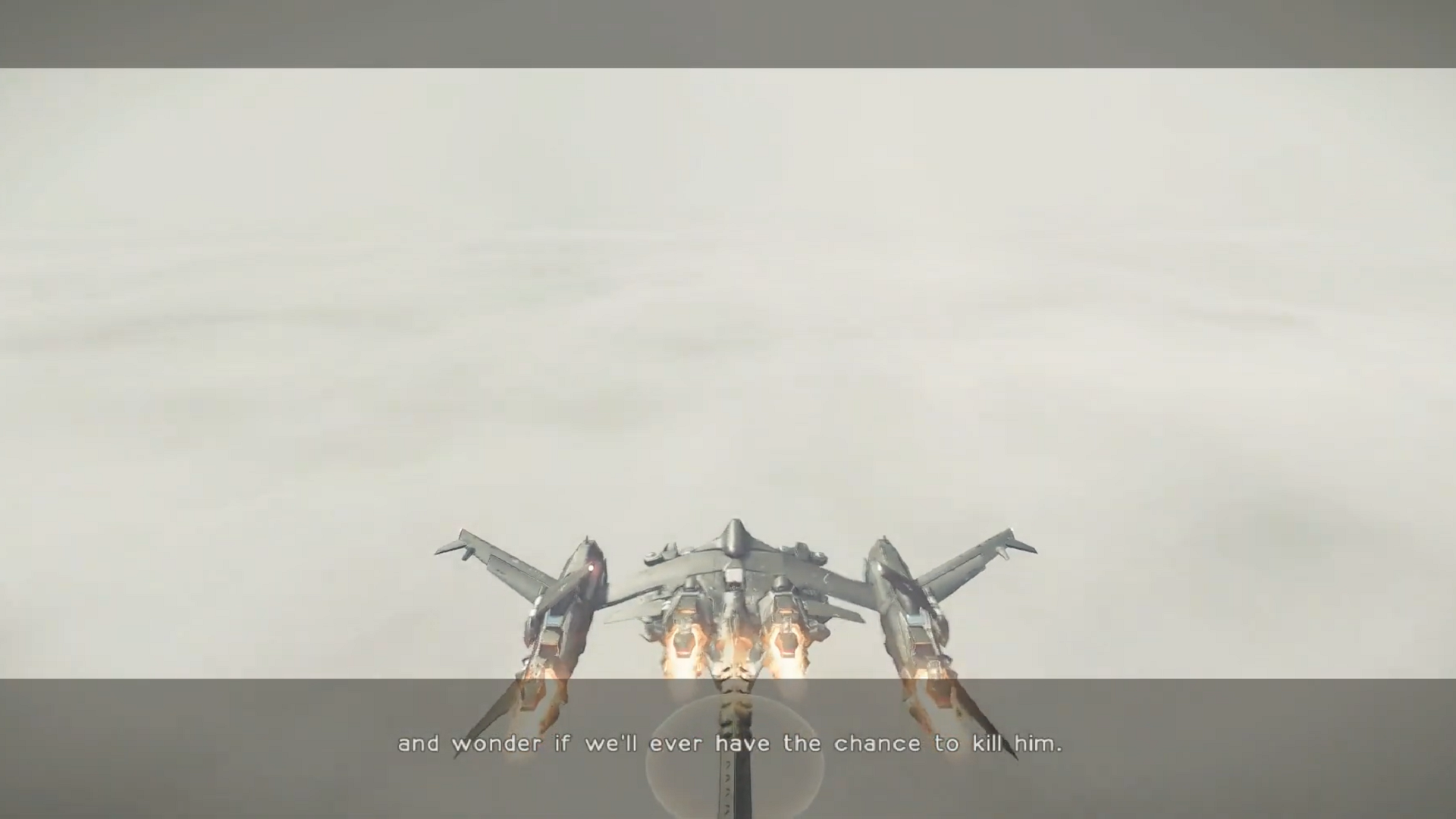
I can’t think of a better or more memorable opening speech than the one 2B gives at the beginning of the game. It’s so impactful, I can even recall it perfectly, even in a language I don’t normally speak.
As a huge fan of NieR: Automata, I’ve always been struck by how the game manages to pack so much meaning into just a few lines of text. It’s like the core themes are beautifully hinted at, and they really hit home as you play through each route. Honestly, the more you uncover, the more those words resonate, making the emotional punch even stronger!
In most games, this would be a truly amazing scene. But here, it’s simply a character speaking their thoughts to a blank screen – a character we haven’t yet seen, though we’ll grow to care for them.
This brief, 46-word speech grapples with big questions – death, life’s meaning, and the possibility of a higher power. It’s remarkably powerful and continues to resonate with audiences, becoming even more meaningful over time.
1. The Credits
Making the Ultimate Sacrifice
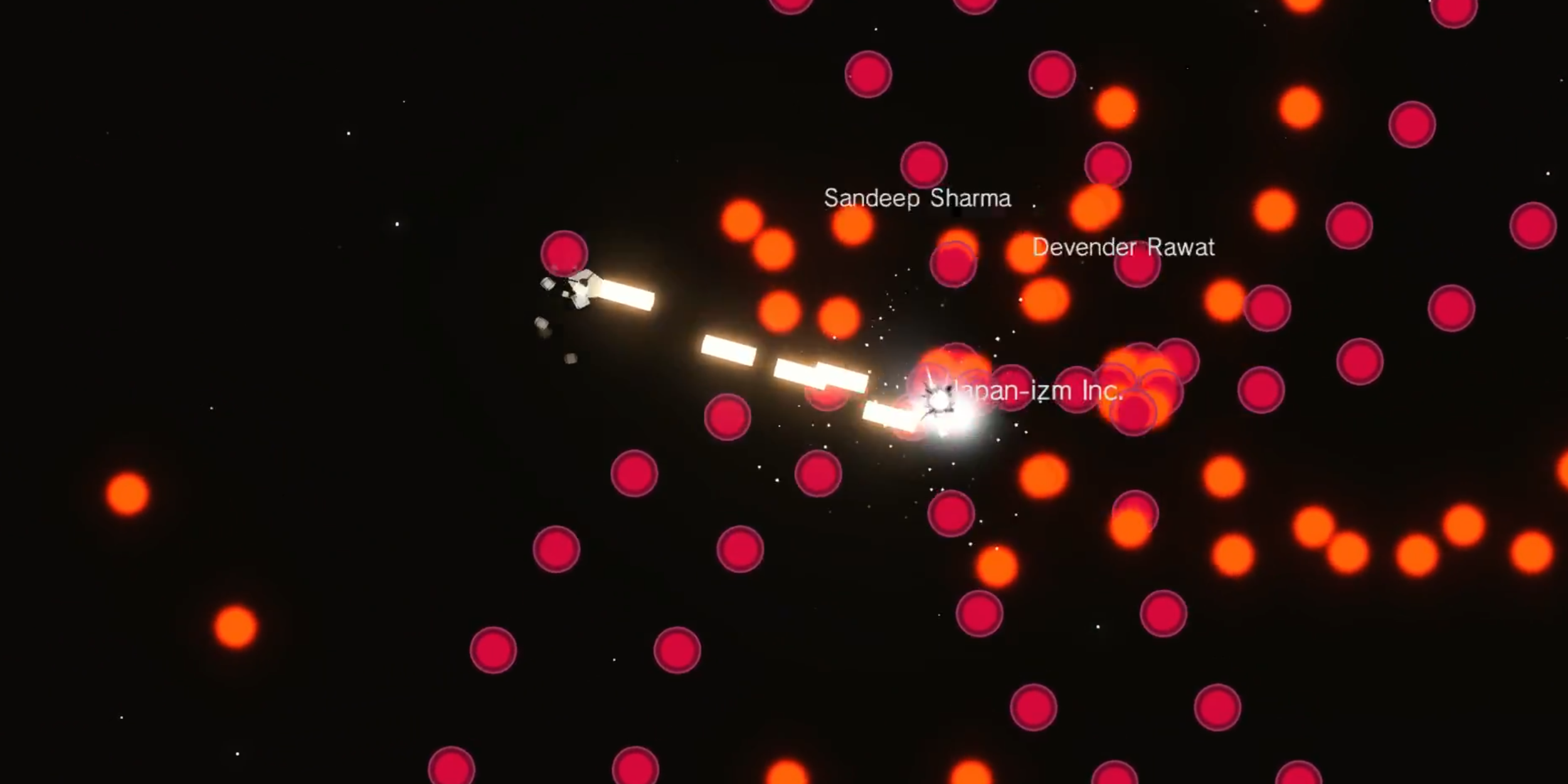
Although it might seem predictable to highlight this, the ending credits of Ending E are truly some of the best ever created for a video game.
Just when you think a game is over, PlatinumGames throws one last surprise your way: a mini-game where you shoot the developers’ names as they scroll by in the credits. But this isn’t just a silly extra – it’s actually a real challenge.
Ultimately, the story culminates in an unexpected alliance: the androids team up with their creators. This collaboration aims to liberate the main characters, leading to a hopeful final cutscene showing 2B and 9S with a sense of optimism.
Near the end of NieR: Automata, the game asks you to delete your saved progress to help other players. This act perfectly embodies the game’s central message: that hope and meaning come from connecting with others, and our existence is tied to the existence of those around us. You can’t succeed without assistance, reinforcing that we rely on each other.
I’ve never been so quick to accept losing so much work, but it felt right. The game was already an incredibly ambitious project, both in its story and what it represented, and this moment really showed what video games can achieve when made with genuine care and dedication.
Read More
- How to Get the Wunderbarrage in Totenreich (BO7 Zombies)
- Change Your Perspective Anomaly Commission Guide In NTE (Neverness to Everness)
- How to Beat Turbines in ARC Raiders
- NTE Drift Guide (& Best Car Mods for Drifting)
- Robinhood’s $75M OpenAI Bet: Retail Access or Legal Minefield?
- Beware! Phishing Emails Are Deceiving Robinhood Users in a Sneaky Plot!
- All Nameless Hospital Endings Full Guide In NTE
- NTE Banners (Current, Next, And Upcoming Banners)
- NTE Fan Shows Off Mint Cosplay
- Deltarune Chapter 1 100% Walkthrough: Complete Guide to Secrets and Bosses
2026-05-10 15:42