It’s clear that Dragon Ball is a hugely influential and important series in anime and manga history. Created by Akira Toriyama, it’s considered the standard for shonen stories and continues to inspire creators today. Even after more than 40 years, the manga remains enjoyable due to its fantastic action sequences, compelling characters, and thrilling plots. However, the anime adaptation hasn’t aged quite as well.
Watching the entire Dragon Ball series – from the original Dragon Ball through DBZ and Dragon Ball Super – can be surprisingly difficult in 2026. It’s almost as challenging as some of Goku’s toughest battles! The series was originally designed for weekly viewing, and that format really shows. Binge-watching exposes flaws in the animation process and reveals details that haven’t held up over time, things that wouldn’t be accepted in modern anime. While Dragon Ball is undeniably a classic, the anime suffers from not fully capturing the artistry of its creator, Akira Toriyama, and this impacts all three main series.
10. Master Roshi’s Comedy is Problematic & Reduces Bulma to Creepy Fan Service
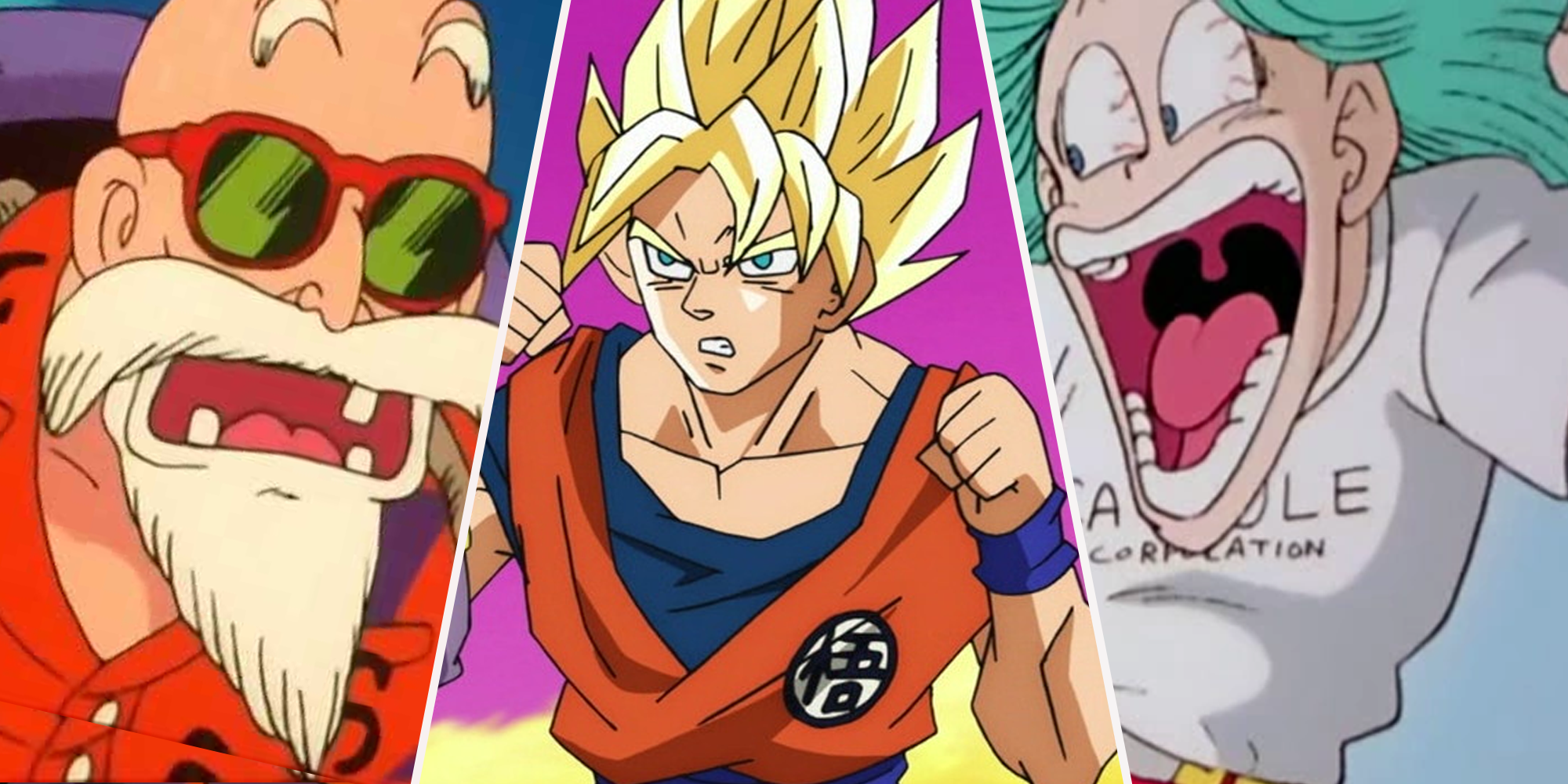
Master Roshi’s humor feels outdated and problematic today. While it was initially a surprising twist to portray a martial arts master as a lecher, it’s now unsettling considering he mostly fixates on a teenage Bulma. Bulma is just sixteen when Dragon Ball begins, and even though she’s better written than many of Toriyama’s female characters, the story often turns to uncomfortable, suggestive situations whenever Roshi appears.
The Dragon Ball anime unfortunately emphasizes Master Roshi’s inappropriate behavior, which was already present in Toriyama’s original manga. While the manga shows more of Roshi’s full personality, the anime adds unnecessary scenes of him making unwanted advances towards Bulma and other female characters, often hurting the overall quality. This issue continues even in Dragon Ball Super. In today’s world, Roshi’s actions are simply unacceptable.
9. Female Characters Are Treated Very Poorly
Akira Toriyama often doesn’t develop his female characters fully. While Bulma is arguably the most well-developed character in Dragon Ball and remains relevant even in Dragon Ball Super, she’s frequently reduced to a role for fans. The biggest issue with the women in Dragon Ball is that Toriyama often introduces them with potential, but then doesn’t give them much to do as the story progresses.
Chichi, Android 18, and Videl all start out as capable fighters, but their roles diminish to primarily being mothers and wives after finding partners. While Android 18 does get some fighting opportunities later on, Chichi and Videl don’t receive the same treatment. One clear improvement in Dragon Ball Super compared to the original Dragon Ball is its more respectful portrayal of female characters like Caulifla and Kale.
8. Dragon Ball’s Slow Pace Only Gets Slower in DBZ
Because the Dragon Ball anime was created while the manga was still being published, the anime sometimes feels slow-paced. The early parts, like the Pilaf and World Tournament arcs, are decent, but the pace really slows down during the Red Ribbon Army arc. When the Dragon Ball Z team takes over with the Piccolo Jr. arc, fights become even slower, and the show spends a lot of time showing characters preparing for attacks and building up their power.
Compared to the original Dragon Ball, Dragon Ball Z suffers from even more pacing issues. While the Saiyan Saga is decent, the Frieza Saga drags on endlessly, making the Namek storyline feel like a real chore to get through. The final battle with Frieza is particularly drawn out, spanning 30 episodes – with 22 of those focused solely on Goku’s part! Dragon Ball Super isn’t quite as bad, but the Tournament of Power feels excessively long, lasting over 30 episodes despite having a time limit of only 48 minutes.
7. The Anime Has Way Too Much Filler
While the filler episodes in Dragon Ball aren’t as noticeable or disruptive as those in series like One Piece, Naruto, or Bleach, they still present a significant issue. In the original Dragon Ball, filler is often blended into the core storyline, making it hard to skip extra anime content without getting lost. This filler also introduces plot inconsistencies, such as incorrectly attributing the creation of the Red Ribbon Army’s Androids to Dr. Frappe instead of Dr. Gero, and Master Roshi giving a wrong explanation of where the Dragon Balls came from. The filler in Dragon Ball Z is even more problematic.
Because the anime started surpassing the manga, fight scenes are often drawn out with unnecessary content, disrupting the original flow of the story. The fight between Goku and Frieza is a prime example, including a section where Gohan battles Frieza in his final form. Similarly, Hercule receives excessive screen time during the Cell Games, diminishing Gohan’s character development. Much of the Great Saiyaman Saga in Dragon Ball Z was anime-only filler, while it only took up four chapters in the manga. And that’s not even considering entire filler arcs like the Garlic Jr. Saga and the Other World Tournament.
6. The English Dub is Full of Mistakes & Pointless Changes
Most of the English dubs for the Dragon Ball series aren’t very well done, with the exception of Dragon Ball Kai and the Dragon Ball Super movies. The original Dragon Ball Z dub is particularly problematic, filled with unnecessary censorship and strange changes – for example, Vegeta bizarrely refers to Goku’s father as a brilliant scientist. This dub transforms Goku from a distinctive character into a typical, generic hero similar to Superman. While the dub of the original Dragon Ball anime is a bit better, it doesn’t consistently stay true to the original Japanese script.
Funimation made some strange changes during the English dub of Dragon Ball Z. They renamed the character Tsuru Sen’nin to Shen, which forced them to change Kami’s fighting name from Shen to Hero. This seemingly small change removed a key connection – the realization that Shen is connected to Shenron. Also, Goku’s proposal to Chi-Chi was made overly sentimental and sincere in the dub. And many fans feel the English soundtrack by Bruce Faulconer doesn’t live up to the quality of the original music by Shunsuke Kikuchi.
5. The Animation Has Low Lows
When it comes to animation quality in the Dragon Ball series, Dragon Ball Super is generally considered the weakest. The animation before the Goku Black Saga is particularly rough, and even that arc isn’t flawless. While Dragon Ball and Dragon Ball Z have more consistent animation overall, both series have moments where the quality dips significantly, especially DBZ.
Some of the worst episodes of Dragon Ball Z are visually rough, with noticeably poor animation and drawing. This is especially true during the Frieza and Cell arcs, where bad art and choppy movements detract from otherwise great fight scenes. The contrast between a well-animated episode and a poorly made one can be really jarring.
TopMob Quiz
—
Results
—
4. Dragon Ball’s Physical Releases Are Shockingly Bad
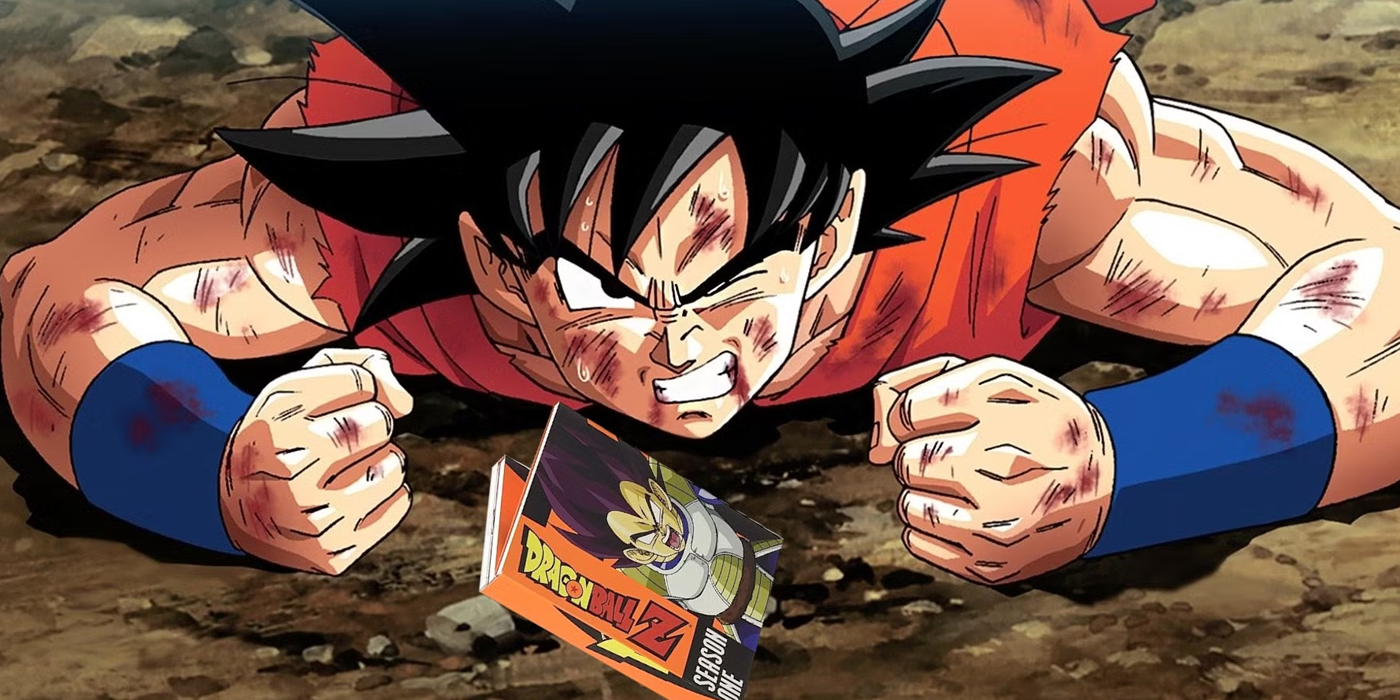
Physical copies of Dragon Ball are notoriously problematic. Almost every DVD and Blu-ray released in North America has significant flaws. The older DVDs often cut off parts of the image and zoom in too close, meaning you miss important details. And some Blu-rays are missing entire frames, plus the colors often aren’t accurate.
It’s surprisingly true that older Japanese broadcasts of Dragon Ball actually looked better than current versions. While you can find high-quality Dragon Ball Z in the pricey Dragon Box sets on the used market, there’s unfortunately no good way to watch the original Dragon Ball series or its movies with the same improved visual quality.
3. The Anime’s Power Scaling is Even Worse Than the Manga
While the power levels in Dragon Ball aren’t always consistent, there’s a clear logic to how Akira Toriyama originally presented them in the manga. Toyotarou, who now creates the manga for Dragon Ball Super, also does a good job of maintaining reasonable power scaling. However, the anime, particularly Dragon Ball Z and Dragon Ball Super, often deviates from this. Toei Animation’s strong preference for Goku frequently leads to him being portrayed as significantly more powerful in the anime than he is in the original manga.
Things get inconsistent during the Buu Saga, with the anime suggesting that Super Saiyan 3 Goku and Kid Buu are more powerful than Ultimate Gohan and Super Buu, which doesn’t make sense given their established abilities. Later, in Dragon Ball Super, the power of God Ki is weakened by allowing many Earthlings to compete with Super Saiyan Blue during the Tournament of Power. A particularly strange example is Android 17 being portrayed as incredibly strong during that arc – it feels illogical and out of place.
2. Dragon Ball Super’s Remake Releases in Just a Few Months
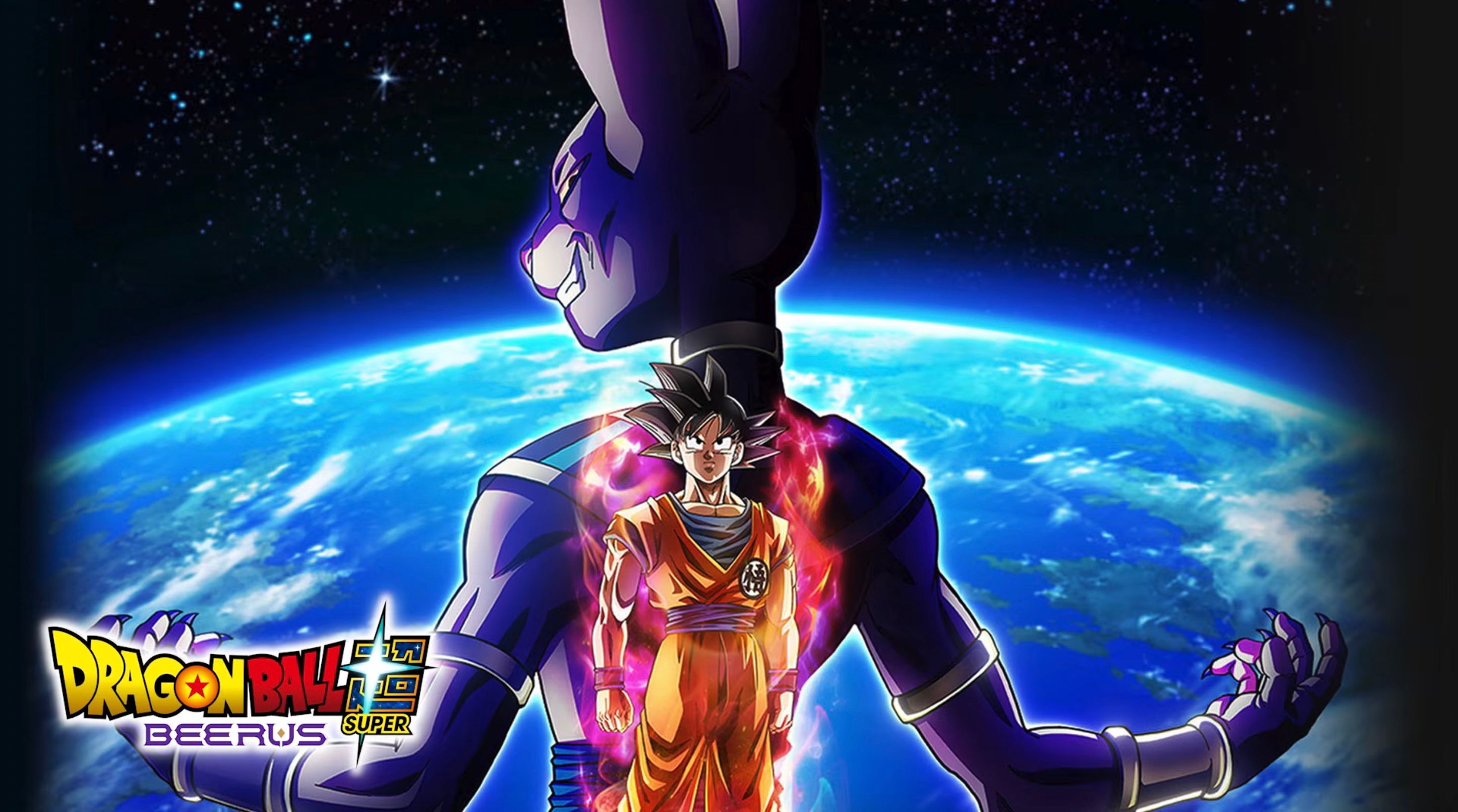
The new Dragon Ball Super: Beerus series is coming out this fall, and it’s likely a better viewing experience than the original Dragon Ball Super anime. This remake promises to be more accurate to the manga and creator Akira Toriyama’s vision, with improved animation, especially for the Beerus and Golden Frieza arcs. Plus, it will be significantly shorter, making it less time-consuming to watch.
After the current Dragon Ball Super: Beerus arc finishes, the anime will start remaking Dragon Ball Z: Resurrection F. While there’s been talk of the new series ending after the Universe 6 Saga, the Goku Black and Universe Survival arcs weren’t badly made enough to disrupt the story if they moved back to the original series. Many fans have been hoping for a complete remake of the original Dragon Ball manga, but it remains to be seen if Dragon Ball and Dragon Ball Z will ever get the same remake treatment as Beerus.
1. The Dragon Ball Manga is Just So Much Better
If you’re hoping to enjoy the Dragon Ball story in 2026, we recommend reading the manga. Akira Toriyama’s Dragon Ball is a true work of art. The manga’s art, layout, fight scenes, characters, and story flow are far superior to any of the Dragon Ball anime adaptations. Both Dragon Ball and Dragon Ball Z have minor mistakes and inconsistencies that you simply won’t find in the original manga.
The Dragon Ball manga offers a more complex and thoughtful experience than the anime series. For example, the manga shows Goku deeply disturbed after defeating Frieza, while the anime portrays him as simply angry and composed. Battles are also more concise, and the manga emphasizes the story’s core themes – acknowledging that someone will always be stronger and the importance of passing on knowledge to the next generation – more effectively. Even the Dragon Ball Super manga, created by Toyotarou, is considered superior to the anime adaptation, continuing smoothly from the end of the Buu Saga. In 2026, for anyone new to the series, there’s no real advantage to watching the Dragon Ball anime over reading the manga.
Read More
- NTE Drift Guide (& Best Car Mods for Drifting)
- How to Get the Wunderbarrage in Totenreich (BO7 Zombies)
- Change Your Perspective Anomaly Commission Guide In NTE (Neverness to Everness)
- How to Beat Turbines in ARC Raiders
- NTE Fan Shows Off Mint Cosplay
- Deltarune Chapter 1 100% Walkthrough: Complete Guide to Secrets and Bosses
- Diablo 4 Best Loot Filter Codes
- How to Unlock the Mines in Cookie Run: Kingdom
- All Nameless Hospital Endings Full Guide In NTE
- Top 8 UFC 5 Perks Every Fighter Should Use
2026-05-11 20:06