
Riot Games, the company behind popular games like League of Legends and Valorant, has reassured players that its Vanguard anti-cheat software will not damage their computers. This statement comes after some users claimed Vanguard was disabling their devices. Riot explained that Vanguard is designed to fight increasingly complex cheating methods, especially those that use hardware to avoid detection.
On May 19th, an update to Riot Games’ Vanguard anti-cheat software appeared to be causing problems with devices that use direct memory access (DMA), particularly those with SATA or NVMe drives. Reports quickly spread online, with some players claiming Vanguard was damaging their computers and sharing images of error screens. Riot Games added to the concern when they posted a picture of cheating devices labeled a “$6k paperweight,” seemingly referencing the issues. Users reported that even after removing Vanguard, their DMA firmware was no longer working, and some experienced warnings about their computer’s IOMMU security features.
Riot Games Says Vanguard Is Not Bricking PCs
Riot Games addressed online concerns about its Vanguard anti-cheat software, clarifying on Twitter that it doesn’t harm or disable any hardware. A recent joke about Vanguard turning devices into ‘paperweights’ referred specifically to cheating devices being disabled within the game Valorant. Riot explained that recent Vanguard updates strengthen security, particularly against cheats using DMA, by preventing unauthorized access to system memory. They emphasized that these protections don’t permanently damage computers or their parts, and any hardware issues experienced are a result of the security measures working as intended, not intentional damage from Vanguard. Riot stated definitively that they would never intentionally interfere with a user’s PC functionality.
So, I’ve been following this whole thing with Valorant’s anti-cheat and it’s pretty interesting. The developer explained that turning off IOMMU would let DMA devices work normally again – basically, outside of just playing Valorant. But you still need IOMMU enabled to actually launch the game. The good news is, most of us won’t even notice anything’s changed. This update was really targeted at cheating hardware that uses DMA. Riot’s been quick to reassure everyone that no hardware is being damaged and nothing else is affected. It all feels a bit like what happened last year, when people were claiming Vanguard was bricking their PCs. Riot said then, like now, that they couldn’t confirm those reports, and they’re sticking to that line.
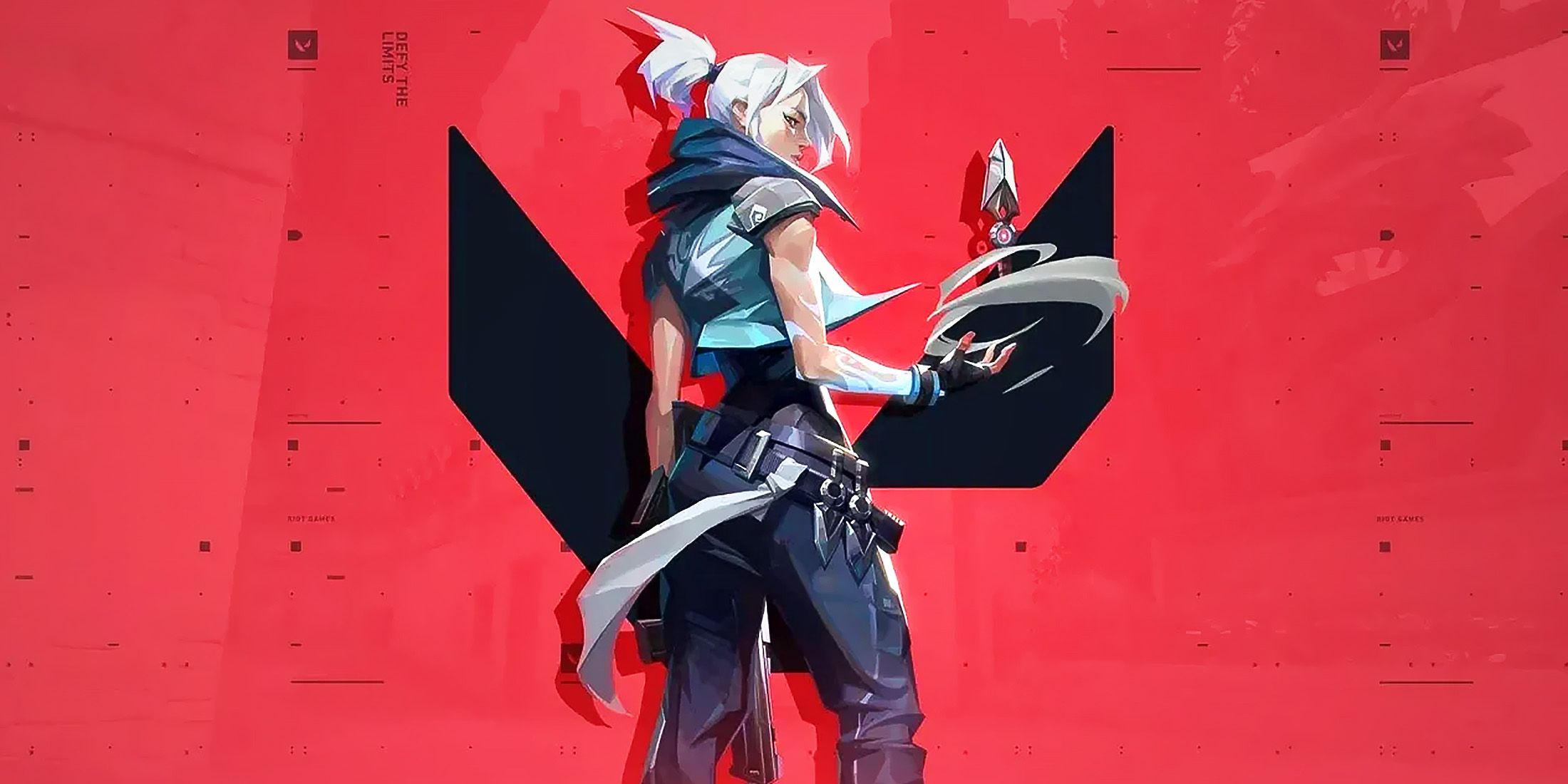
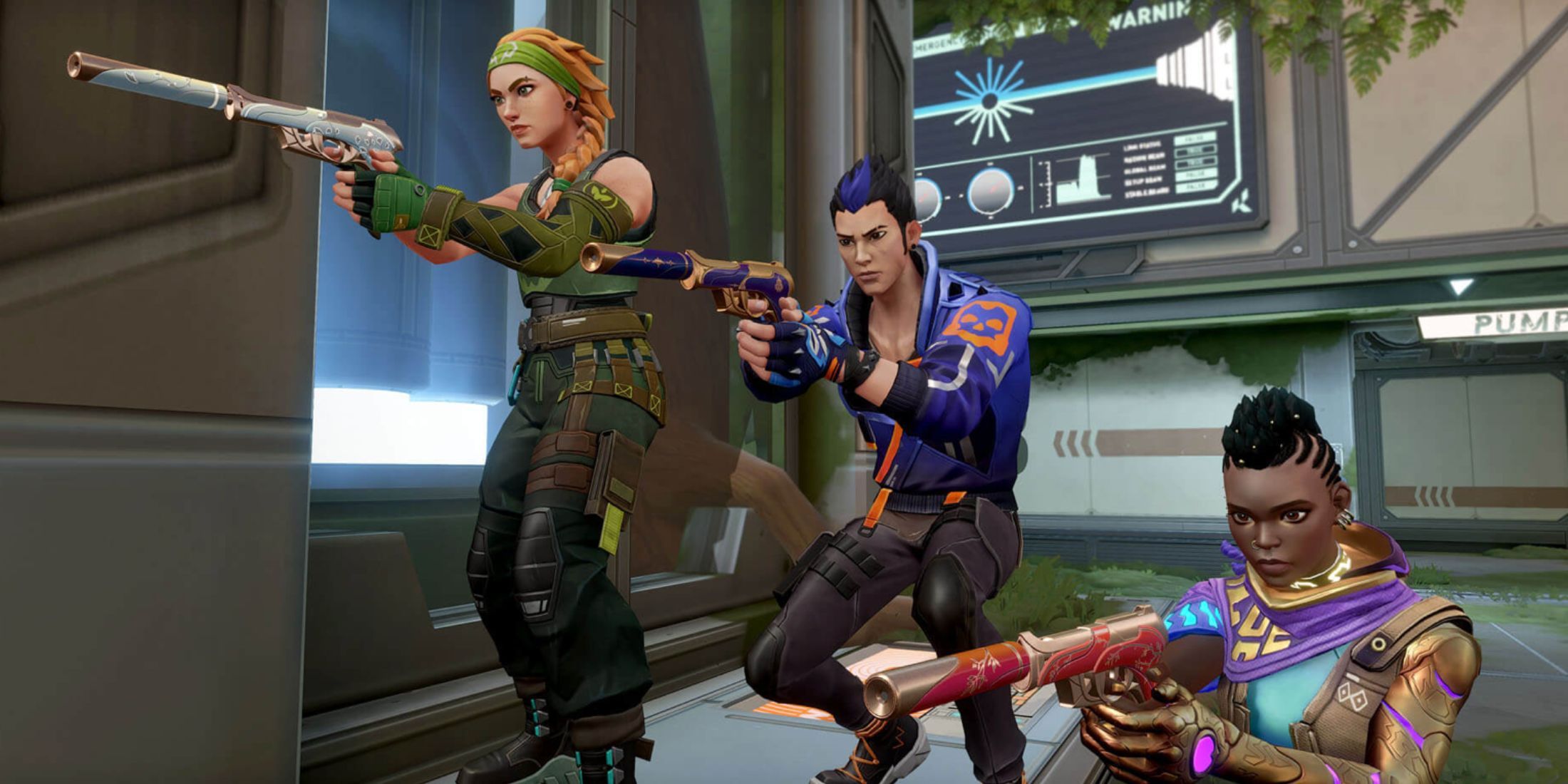
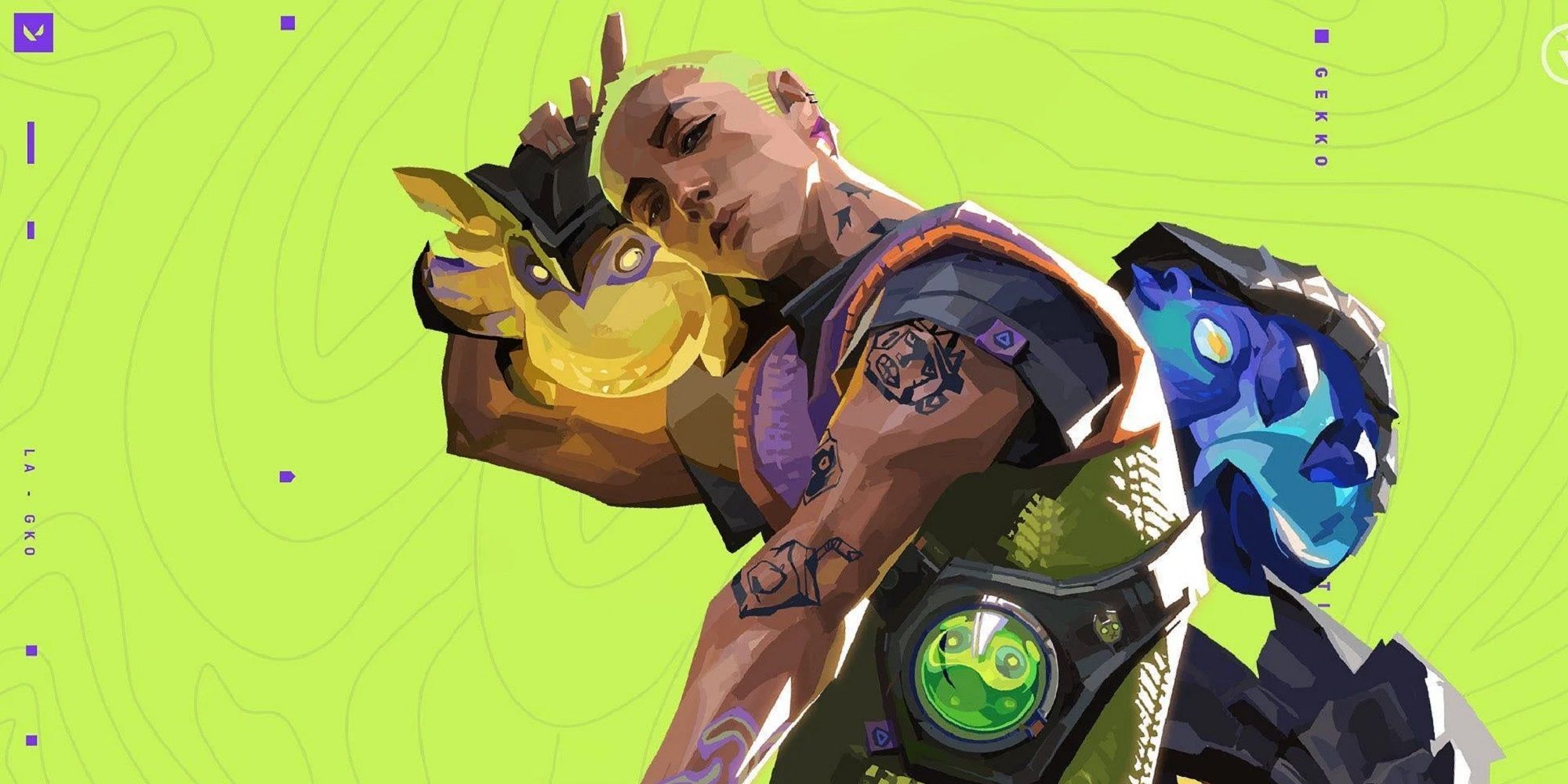
Recent events have ignited a broader conversation about how seriously game developers are tackling cheating. A specific concern is the use of DMA (Direct Memory Access) hardware, which can bypass standard anti-cheat measures by directly accessing a computer’s memory. While Riot Games argues their Vanguard system is a leading anti-cheat solution and many players appreciate their efforts, others are worried about the privacy implications of software that operates at the core level of a computer, and how much control developers are gaining over player hardware.
Scratch & Peek  Identify the cover art while scratching off as little foil as possible.
Results
High Score: 0 —
As a critic, I’ve watched Valorant closely since its 2020 debut, and despite the occasional debates around its Vanguard anti-cheat system, it’s undeniably a huge win for Riot Games. The game consistently draws a large and dedicated player base globally. What really impresses me is Riot’s commitment to keeping things fresh with regular seasonal updates, new characters (or ‘agents’ as they call them), and continuous improvements to the anti-cheat measures. Plus, the thriving esports scene proves Valorant isn’t just a flash in the pan – it’s here to stay.
Read More
- NTE Drift Guide (& Best Car Mods for Drifting)
- All Aswang Evidence & Weaknesses in Phasmophobia
- Diablo 4 Best Loot Filter Codes
- Conduit Crystal Location In Subnautica 2
- Where to Find Prescription in Where Winds Meet (Raw Leaf Porridge Quest)
- Forza Horizon 6: Find the Ohtani Treasure Chest Location
- Boruto: Ikemoto Has Already Hinted At Sasuke’s New Eye After Return
- Best Burst & Full Auto Builds for the M16A4 in BF6
- Starsand Island’s Rarest Achievements and How to Earn Them
- How to Unlock All Maps in Far Far West
2026-05-23 01:42