In the grand, gilded halls of Washington, D.C., where the air smells faintly of stale coffee and ambition, the American Bankers Association and the Bank Policy Institute have thrown a tantrum worthy of a three-year-old denied dessert. On Monday, May 4, 2026, they issued a joint statement so dramatic it could’ve been written by a Dickens ghost: “The CLARITY Act’s stablecoin yield provisions are a menace!” they cried, as if someone had just suggested giving out free truffles to the ducks in the National Mall.
They warned Senators Thom Tillis and Angela Alsobrooks that the current language of the CLARITY Act is “materially short” of protecting bank deposits from “yield-bearing stablecoin instruments.” Translation: “We don’t want anyone but us making money off digital dollars.” Meanwhile, the banks promised to submit “detailed amendment recommendations” to lawmakers “within days,” which sounds suspiciously like a code for “we’ll flood your inbox with 127-page PDFs until you cave.”
This isn’t just a spat over interest rates. Oh no, my dear reader. This is a full-blown battle over who gets to print the world’s most boring IOUs-bank deposits or crypto coins. The banks, in their shiny suits and sensible shoes, are panicking because Congress might let crypto folks play with dollar-denominated instruments under lighter rules. Imagine that: a world where not every rule is a straitjacket! SAB 121, a regulation so strict it makes a nun look rebellious, is already making banks weep into their spreadsheets. Now they’re worried crypto’s wild cousins might get away with wearing flip-flops to the regulatory party.
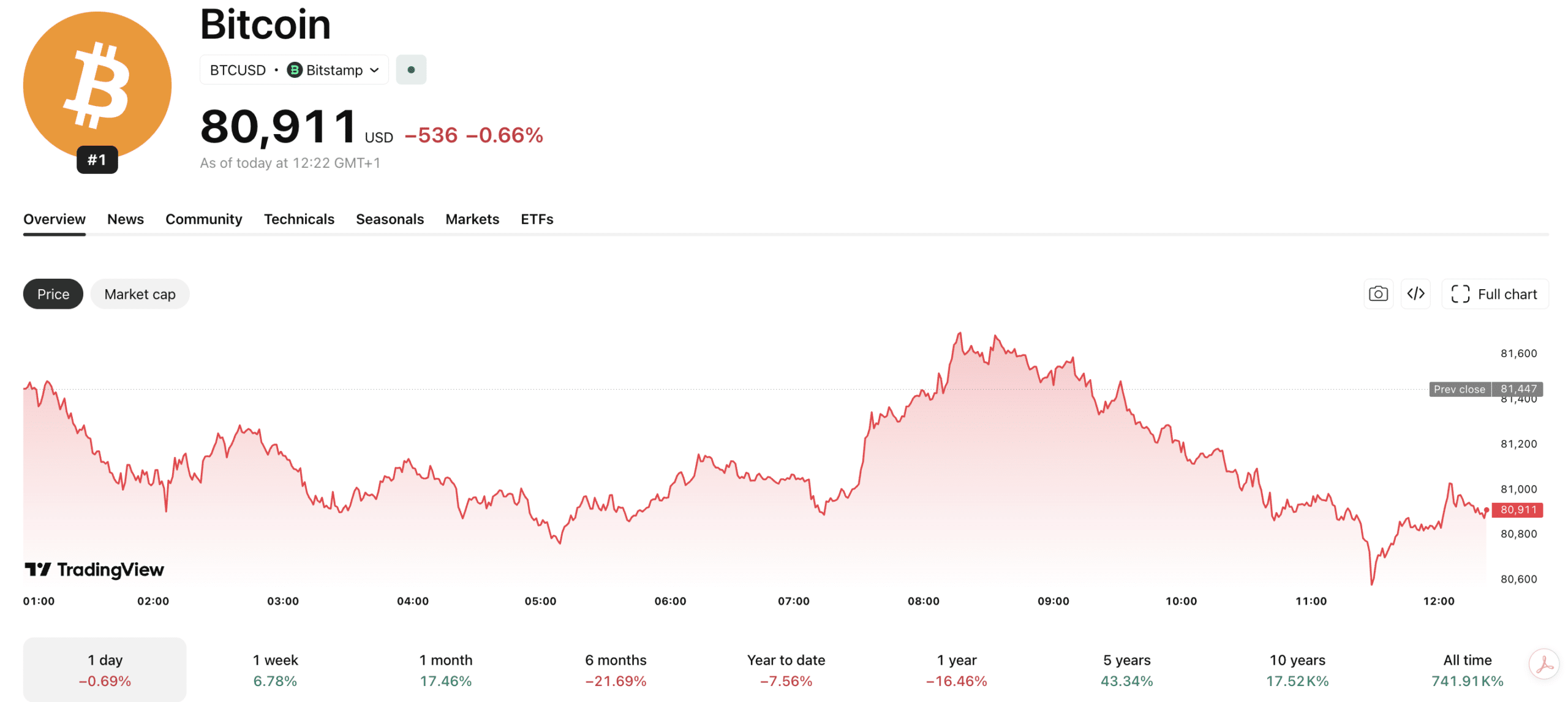
(SOURCE: TradingView)
Clarity Act News: What the Banking Industry Is Actually Demanding
The CLARITY Act, which passed the House in July 2025 with a vote that made even the most stoic lawmakers yawn, has now hit a wall in the Senate. Why? Because the banks are terrified that stablecoins might offer rewards or interest, which they claim is just a fancy way of saying “circumventing regulated deposit accounts.” In other words, they’re afraid people might prefer crypto’s glittery promises over their own stodgy, interest-free savings accounts. The Tillis-Alsobrooks draft, released in April 2026, tried to be the peacekeeper, but the banks’ lobbying efforts turned it into a legislative piñata-just waiting for someone to smash it open.
The draft bans “traditional yield on stablecoins” but allows “rewards based on account balances or duration.” Banks, of course, argue these are just “disguised yield products,” a claim so transparent it could double as a windowpane. They also worry that if stablecoins siphon off deposits, loan portfolios could shrink by 20%, which would be tragic for everyone except the banks’ accountants, who’d finally get a break from doing math.
JUST IN: Senator Cynthia Lummis warns that every day the CLARITY Act is delayed is another day American companies consider building their future somewhere else
– crypto.news (@cryptodotnews) May 7, 2026
DISCOVER: Best crypto to buy right now – CoinSpeaker’s updated guide
CLARITY Act News: SAB 121 and the Unlevel Playing Field – Why Banks Say the Current Framework Is Untenable
The banks’ real gripe isn’t just about deposits-it’s about fairness. Or rather, the lack thereof. SAB 121 forces them to hold capital reserves for crypto assets they manage, while crypto-native issuers like Circle and Tether waltz through life unshackled. It’s like telling the banks to wear lead boots while letting crypto companies tiptoe barefoot. The result? Stablecoins like USDC and USDT dominate the market, while bank-issued coins struggle to get out of the starting gate. The banks, in their infinite wisdom, have decided this is “untenable,” which is just a posh way of saying “we’re mad and we want our toys back.”
President Trump, ever the wildcard, has thrown his support behind the CLARITY Act, calling crypto adoption a “national security issue.” Now the banks are stuck in a political tightrope: oppose the bill too loudly, and they risk alienating Republicans; but compromise too much, and they’ll hand crypto a golden pass. With midterms looming, the Senate Banking Committee is about to become a circus, and the banks are the clowns trying to juggle flaming regulators.
🚨 The CLARITY Act is suddenly looking very real
Polymarket odds jumped to 65% after:• Senate momentum accelerated• Stablecoin disputes cooled• White House pushed for July 4 passage
But now Sen. Gillibrand is drawing a line:
“No crypto market structure bill without…
– Wise Advice (@wiseadvicesumit) May 7, 2026
Crypto Industry and Congressional Response: What the Pushback Against Bank Amendments Reveals
The crypto industry, led by the likes of Coinbase’s Faryar Shirzad, has responded to the banks’ theatrics with the kind of confidence usually reserved for a cat that’s just learned how to open a jar of pickles. Shirzad declared the banks’ claims “rooted in competitive self-interest,” which is about as subtle as a bull in a china shop. Coinbase, he said, will back the Tillis-Alsobrooks compromise without further amendments, a move that sounds suspiciously like a dare.
Prediction markets are now a game of Russian roulette. Polymarket odds hover around 46%, while Galaxy Research shrugs and says it’s a 50-50 shot. Meanwhile, Democratic senators are busy drafting ethics clauses that the White House has rejected, creating a legislative cocktail so volatile it could power a rocket ship. The CLARITY Act’s fate now depends on whether the banks can rewrite the bill without making crypto stakeholders vanish like smoke. If they fail, the Senate Republicans might find themselves caught between a rock and a hard place-or, as the crypto folks would say, a bear and a bull market.
EXPLORE: Best Ethereum wallets for 2026 – CoinSpeaker’s updated guide
Read More
- Forza Horizon 6: Find the Ohtani Treasure Chest Location
- LEGO Batman Legacy of the Dark Knight Batcave Minikits & WayneTech Caches
- Diablo 4 Best Loot Filter Codes
- NTE Drift Guide (& Best Car Mods for Drifting)
- USD RUB PREDICTION
- USD CNY PREDICTION
- Top 10 Must-Watch Isekai Anime on Crunchyroll Revealed!
- GBP CNY PREDICTION
- Cookie Run Kingdom Timeline of Fate Update Guide
- PS Plus Monthly Games for June 2026 Wish List
2026-05-07 18:26