Many video games let you play as the hero, with obvious good goals and rewards for succeeding. But some games intentionally turn this idea on its head. They might reveal later on that everything you’ve been doing was actually wrong, caused harm, or even helped the villain succeed.
These surprising moments work well because they build on everything players have already put into the game, making them question choices they previously felt good about. What the player understands becomes just as important as what they do, and even if they didn’t directly cause a problem, they’re forced to deal with the fallout.
Spoilers ahead!
Shadow of the Colossus
Those Giants Did Nothing Wrong
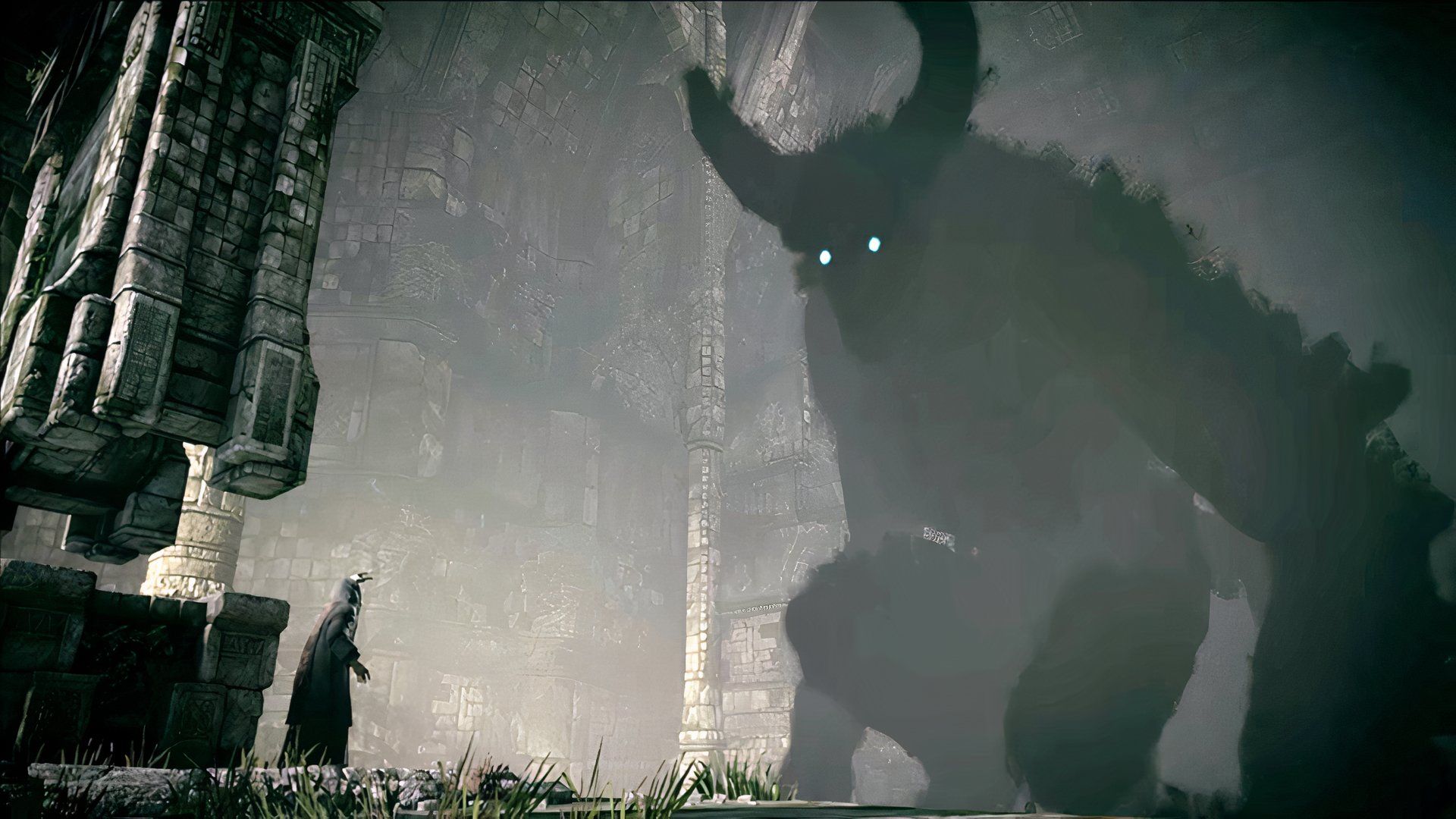
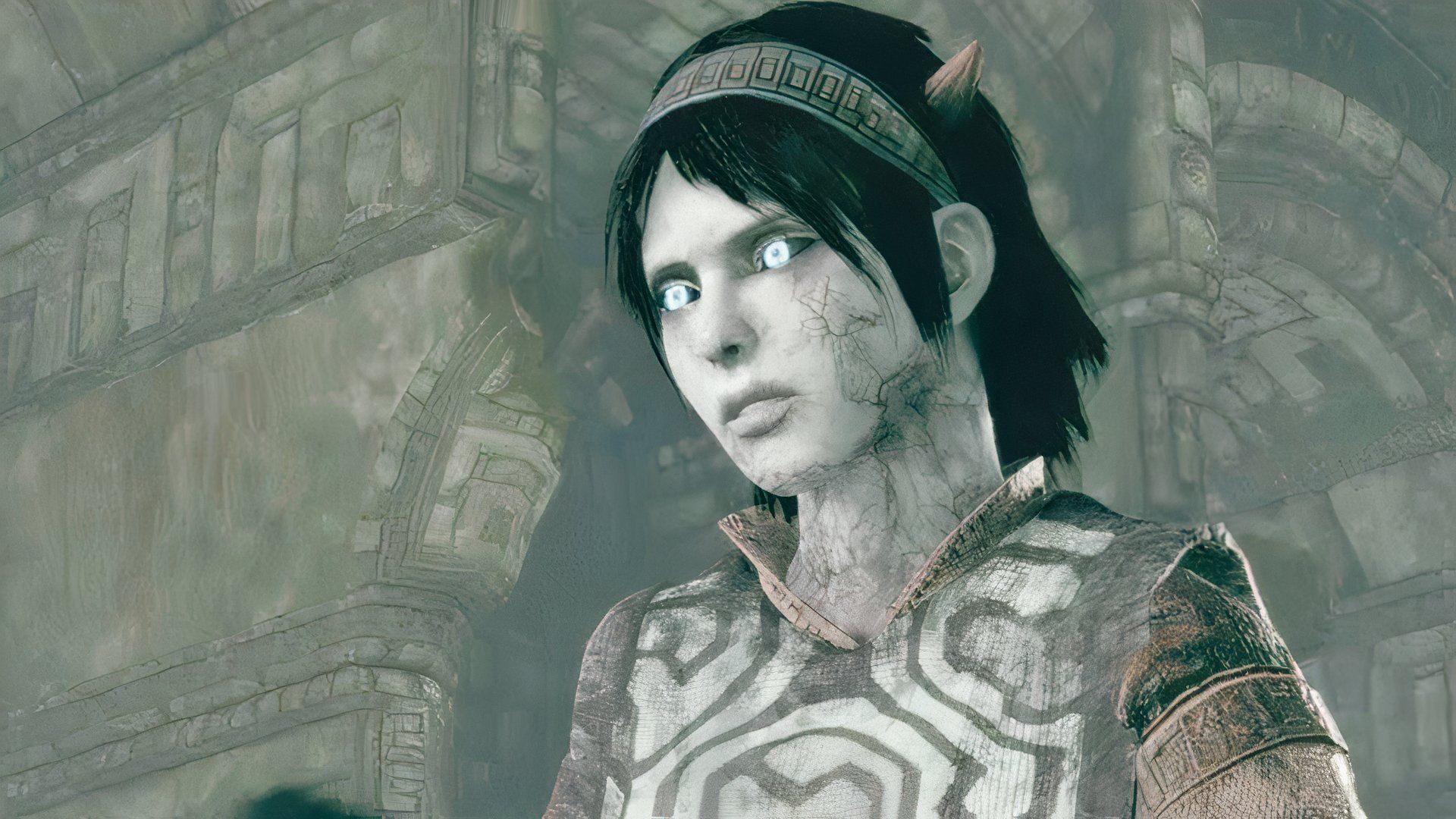
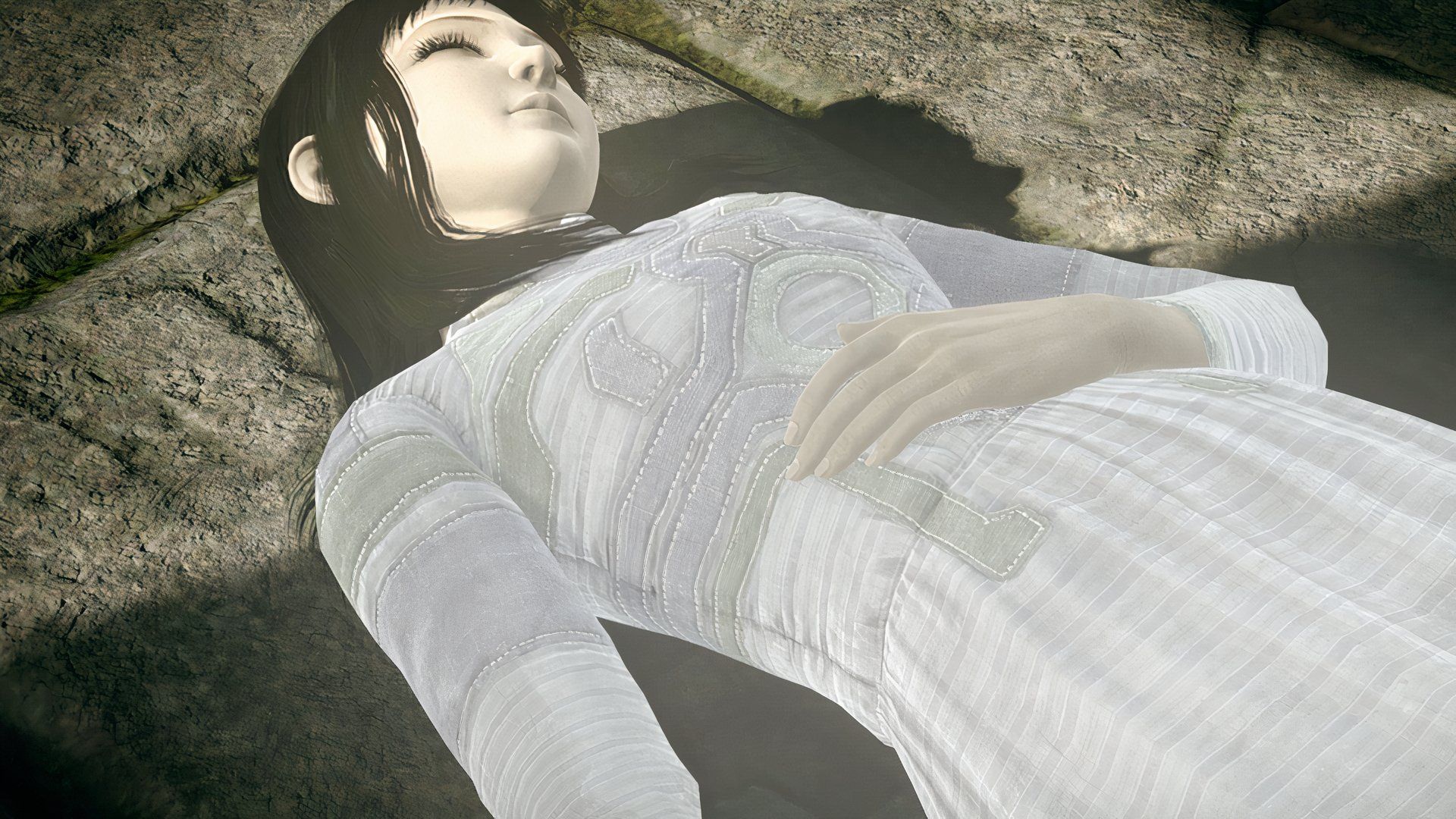
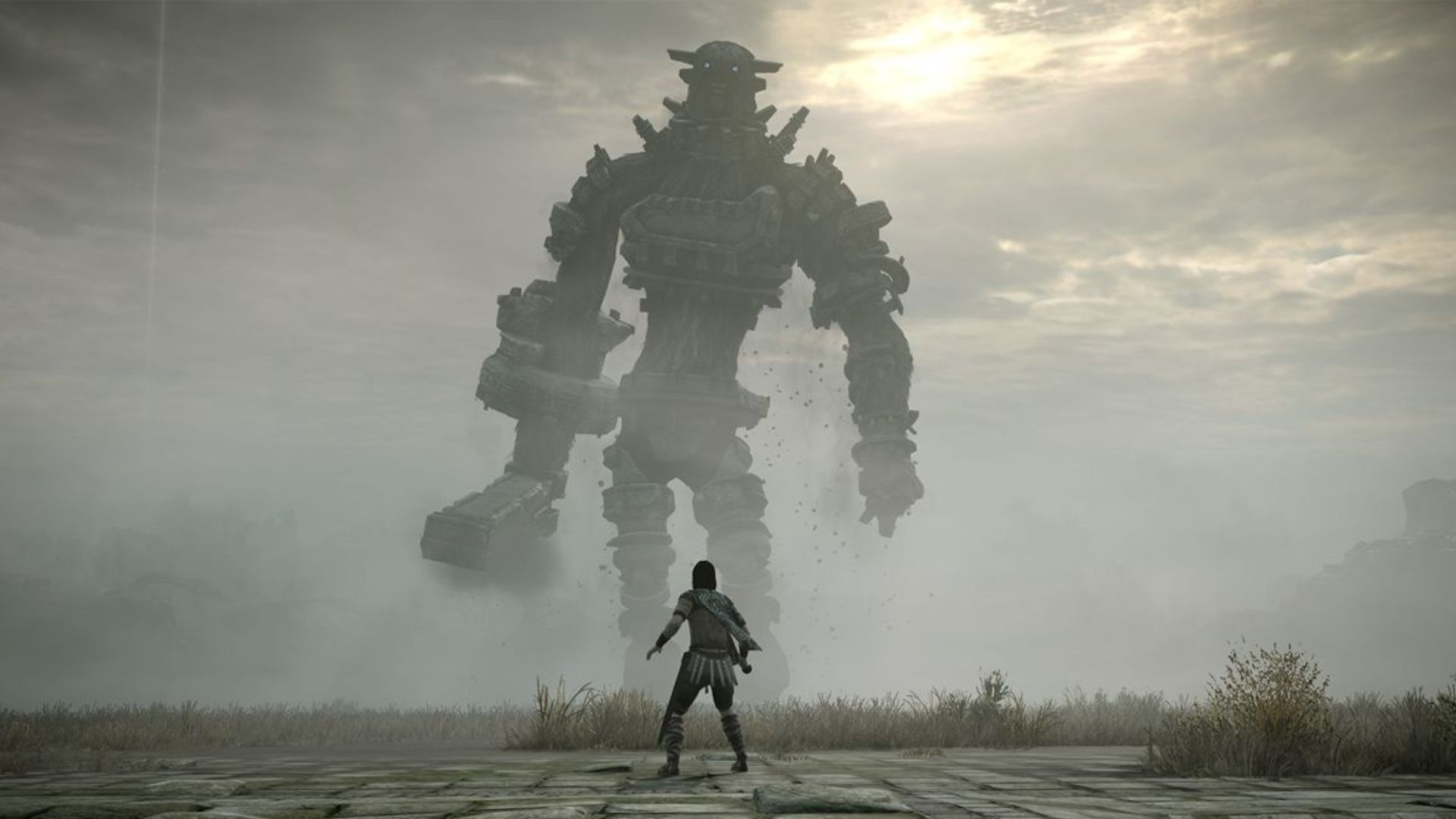
When I first started playing Shadow of the Colossus, it seemed simple enough: you’re trying to bring a girl named Mono back to life by defeating sixteen giant colossi. You play as Wander, and this voice, Dormin, guides you, promising to make it happen if you destroy these creatures. What really struck me, though, is that the colossi aren’t really attacking you. Most of them just wander around, peaceful, until you actually start climbing them!
As the game progresses, small details start to hint that things aren’t as they seem, and the player’s initial sense of doing good begins to crumble. Wander, the main character, visibly weakens, and the world around him becomes darker and more depressing. It’s eventually revealed that Dormin isn’t a force to be destroyed, but a powerful being that was imprisoned, and the player’s efforts have actually freed it. Instead of being a hero, the player has unknowingly unleashed a dangerous power, with Wander becoming the host for this revived entity. The game ultimately portrays the entire adventure as a sad story fueled by obsession, not true heroism.
Saya no Uta
A Misleading Perspective
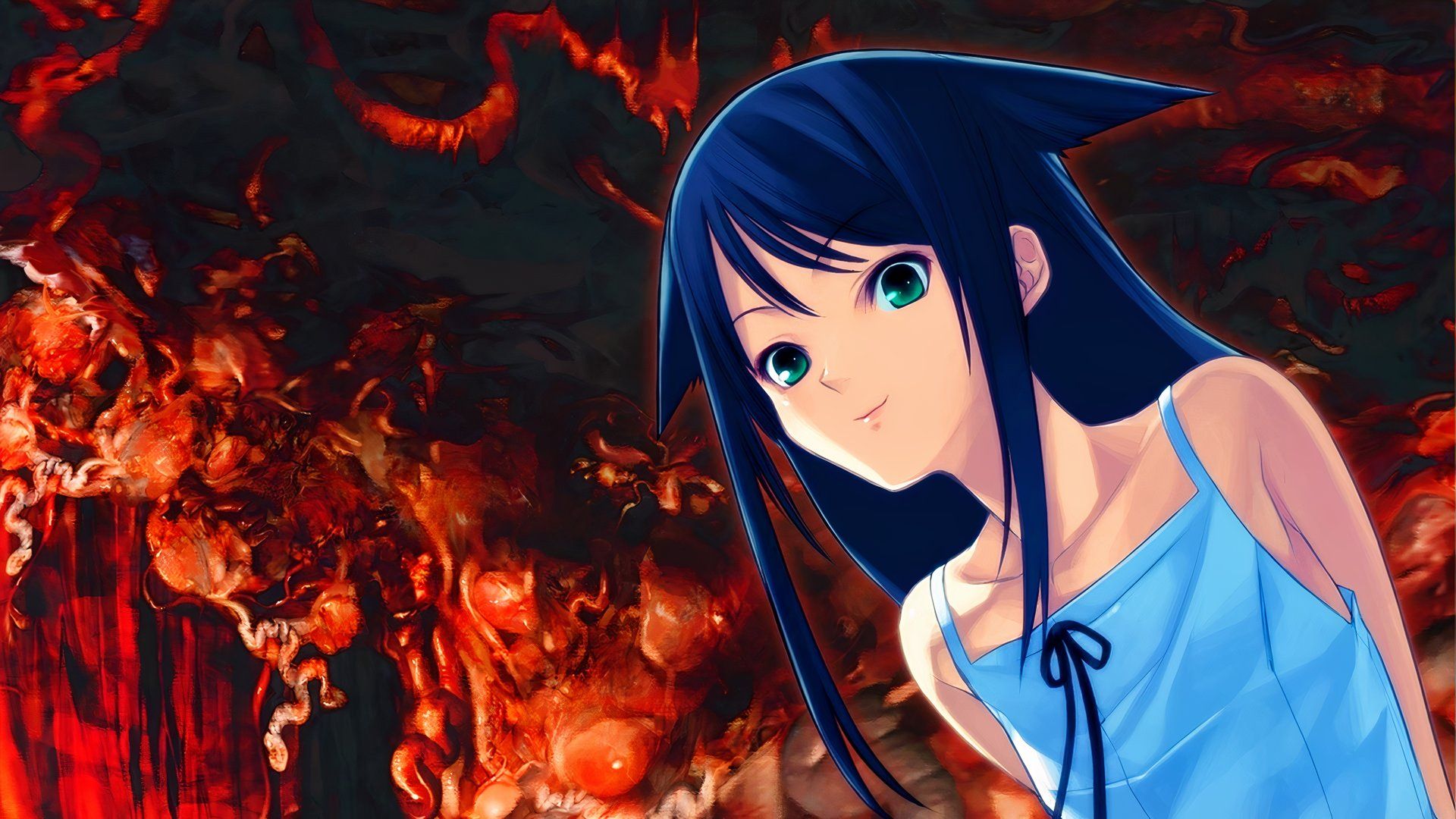
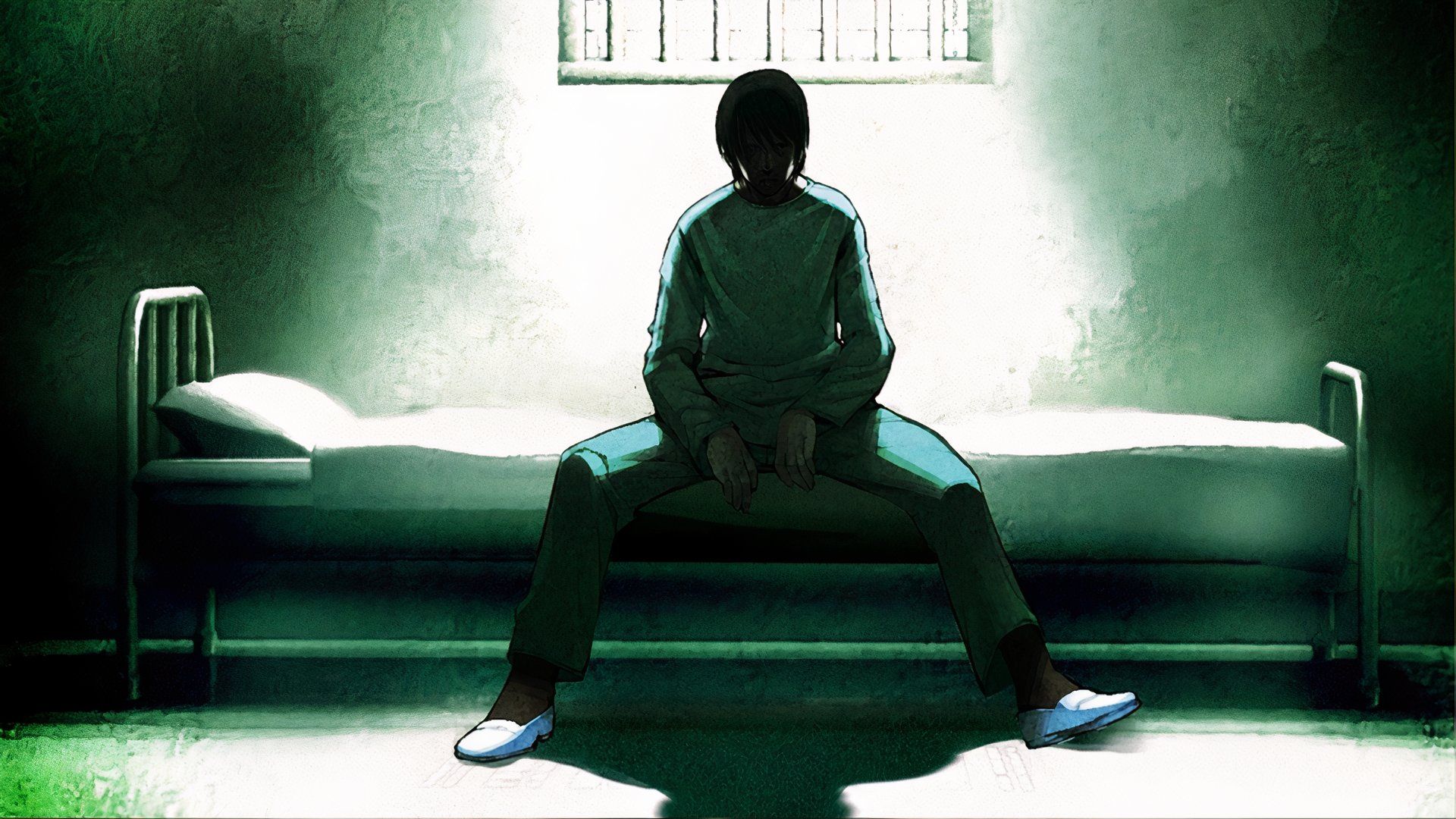
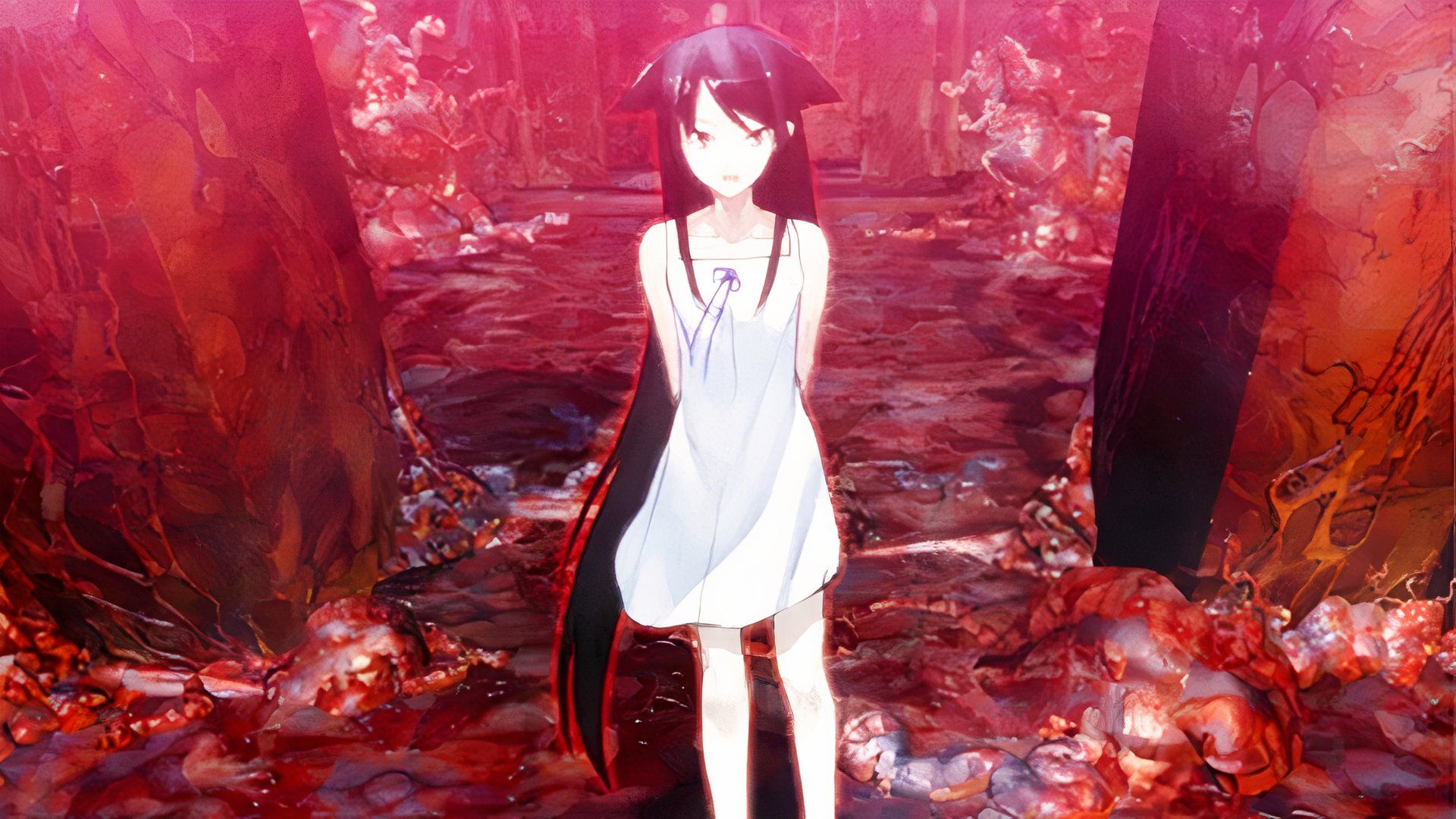
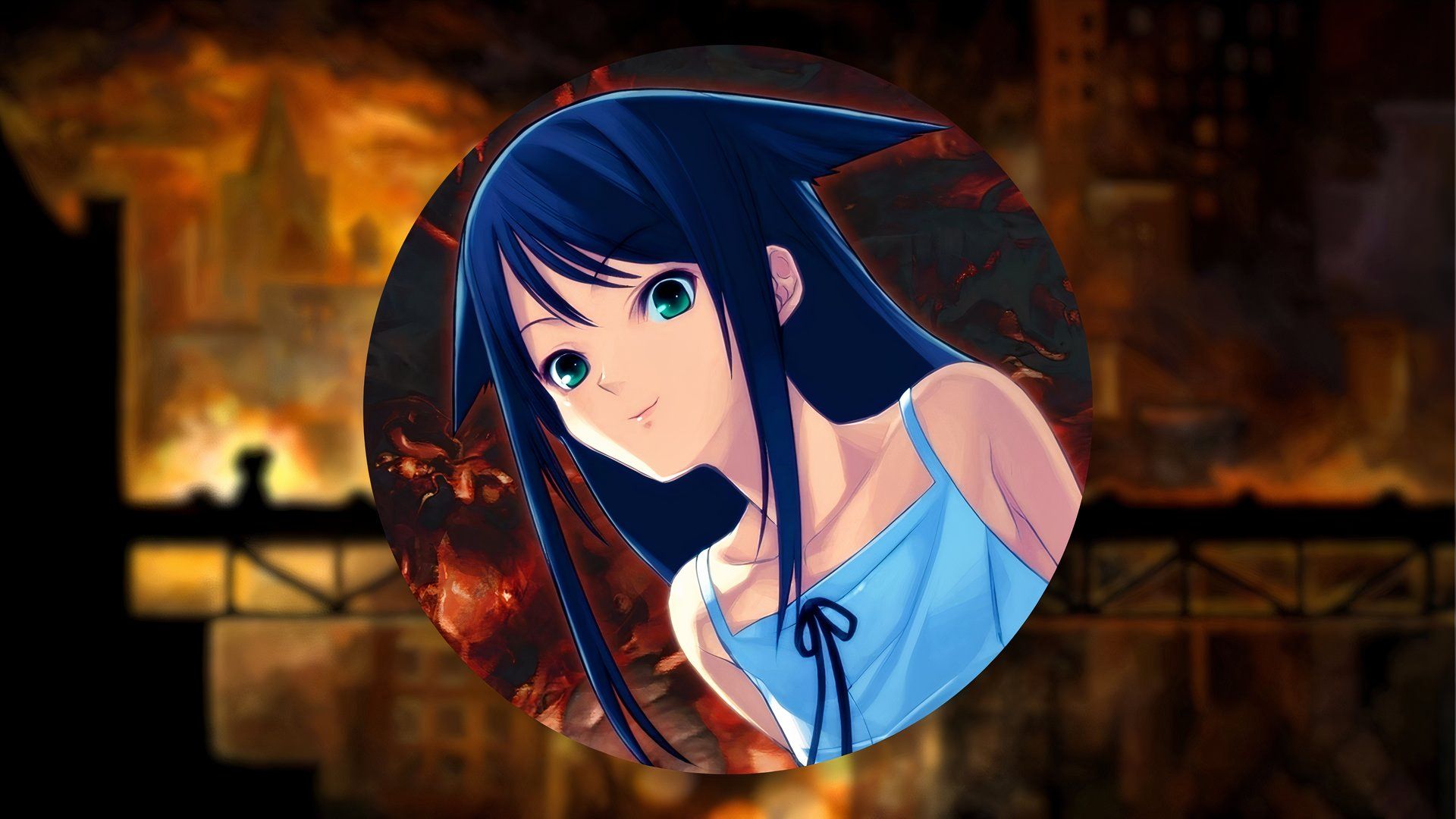
Saya no Uta is a visual novel focused on psychological horror and plays with what’s real and what isn’t, making it best for players already familiar with the genre. The story centers around Fuminori, who experiences a brain injury that distorts his perception of reality, making everything seem frightening and disturbing. The only exception is Saya, a girl who appears to him as normal and offers comfort.
The game is presented through Fuminori’s eyes, so at first, players see things his way. But as the story unfolds, it becomes clear that Saya isn’t human, and she starts to corrupt Fuminori, leading him to do increasingly awful things. What seems like loving or ordinary moments are actually acts of violence or a breakdown of his morals. By the time the truth is fully revealed, players have already been complicit in these events through Fuminori, making the discovery deeply disturbing.
Star Wars: Knights of the Old Republic
A Sith All Along
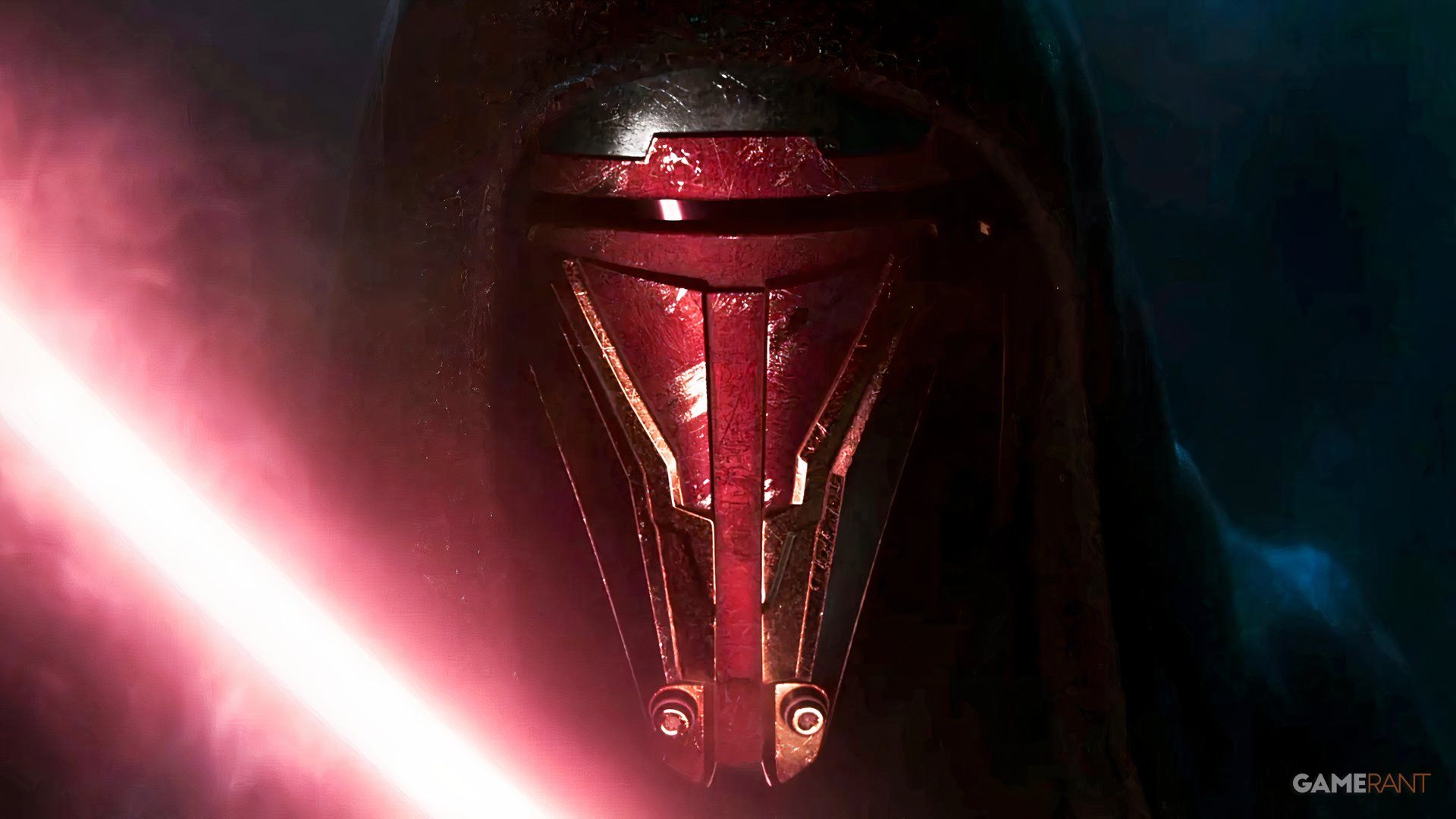
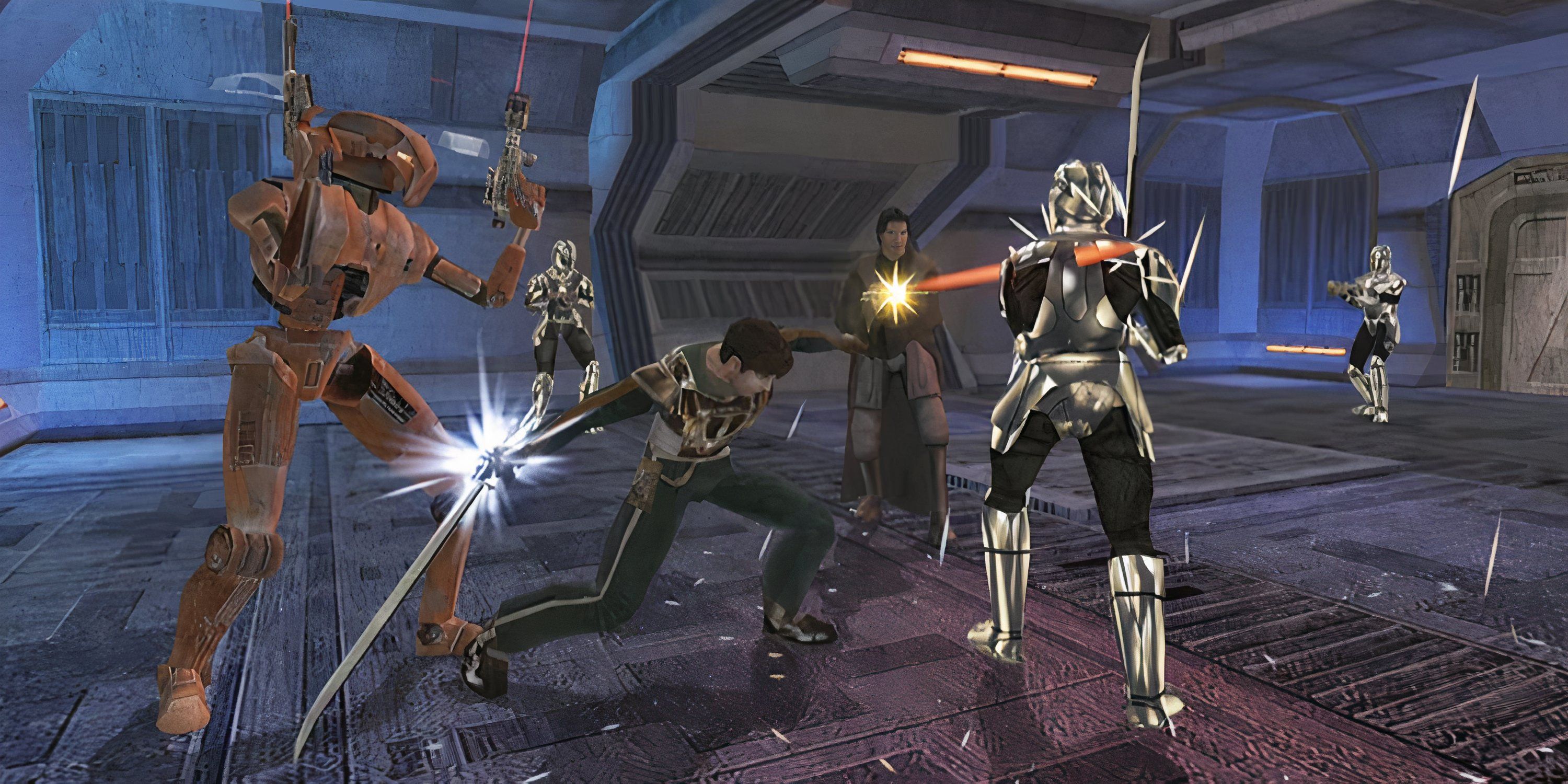
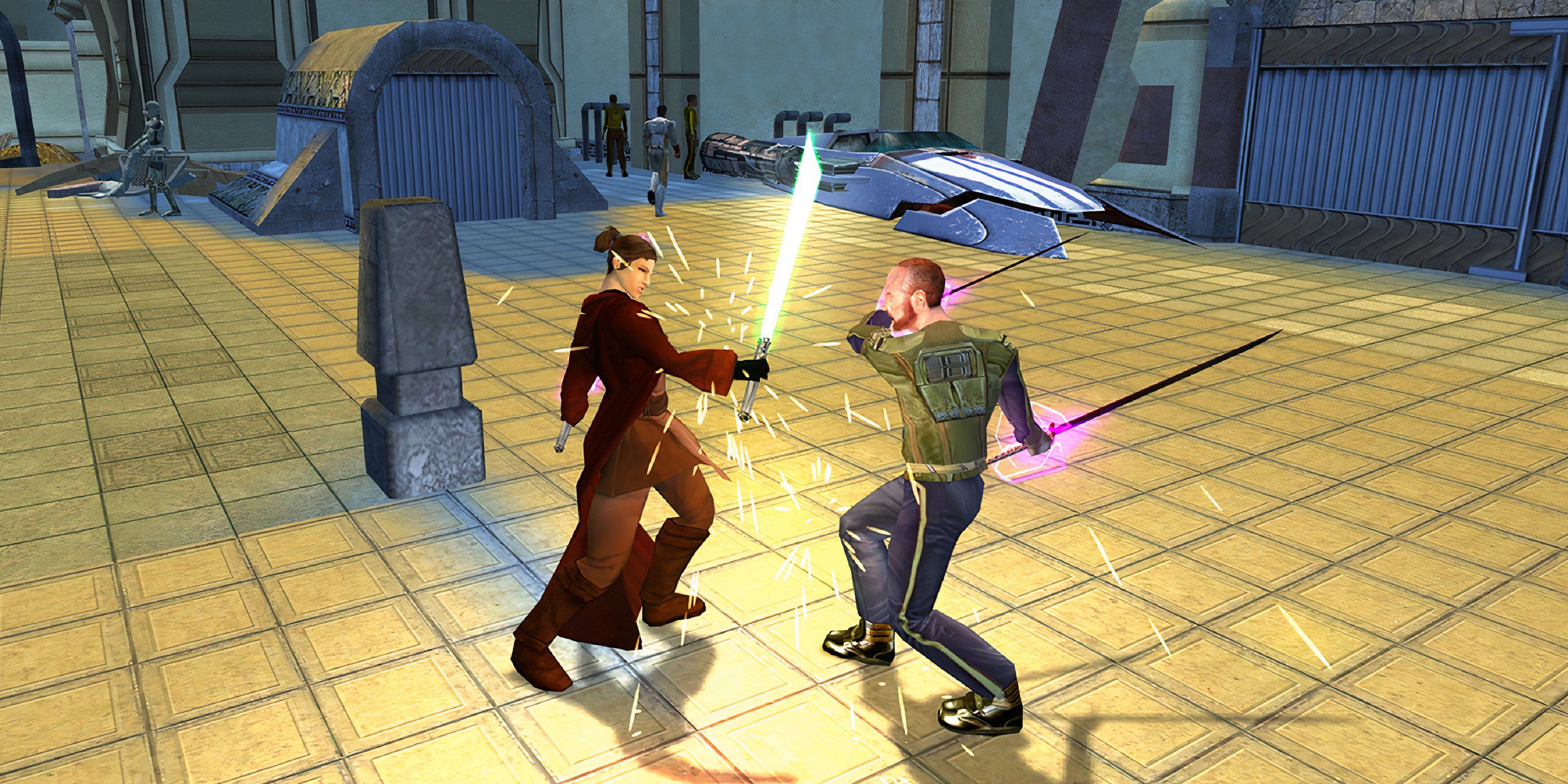
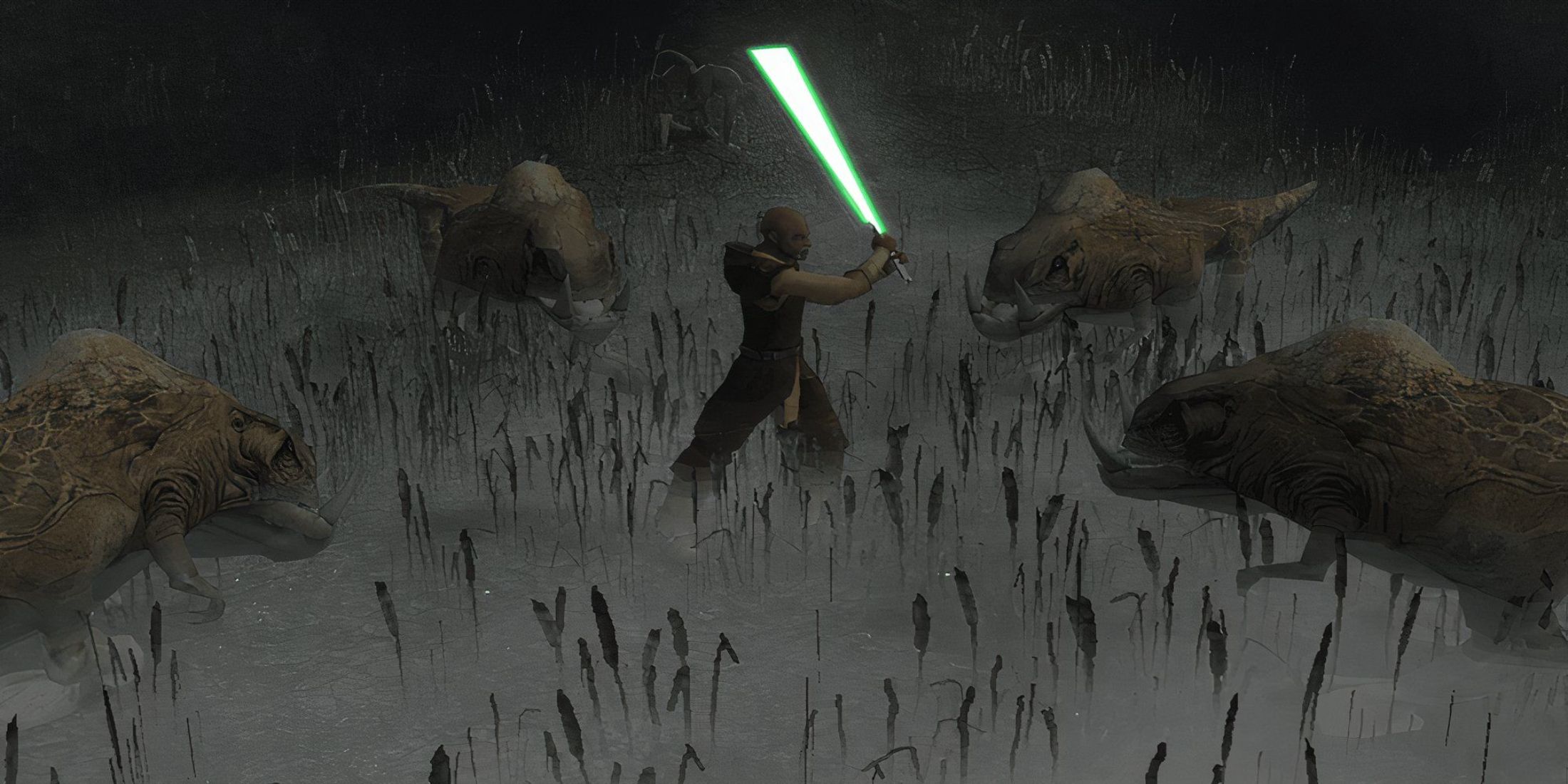
In the acclaimed game Knights of the Old Republic, players create their own character and battle against the evil Sith Lord Darth Malak. The story follows the player’s journey as they’re guided by the Jedi to defeat Malak and save the galaxy.
The story takes a dramatic turn when the player discovers they are actually Darth Revan, a powerful Sith Lord who had their memory wiped. This completely changes how you view the game, as you realize you were once responsible for the war you’re now trying to end. Even though you can choose to be a hero or fall back into darkness, the reveal forces you to face the consequences of your past actions and how they’ve impacted the galaxy. It makes being the ‘good guy’ much more complicated when you learn you used to be the villain.
 Rearrange the covers into the correct US release order.
Your Order
Results
— —
Braid
The Princess Wants You Out Of The Castle
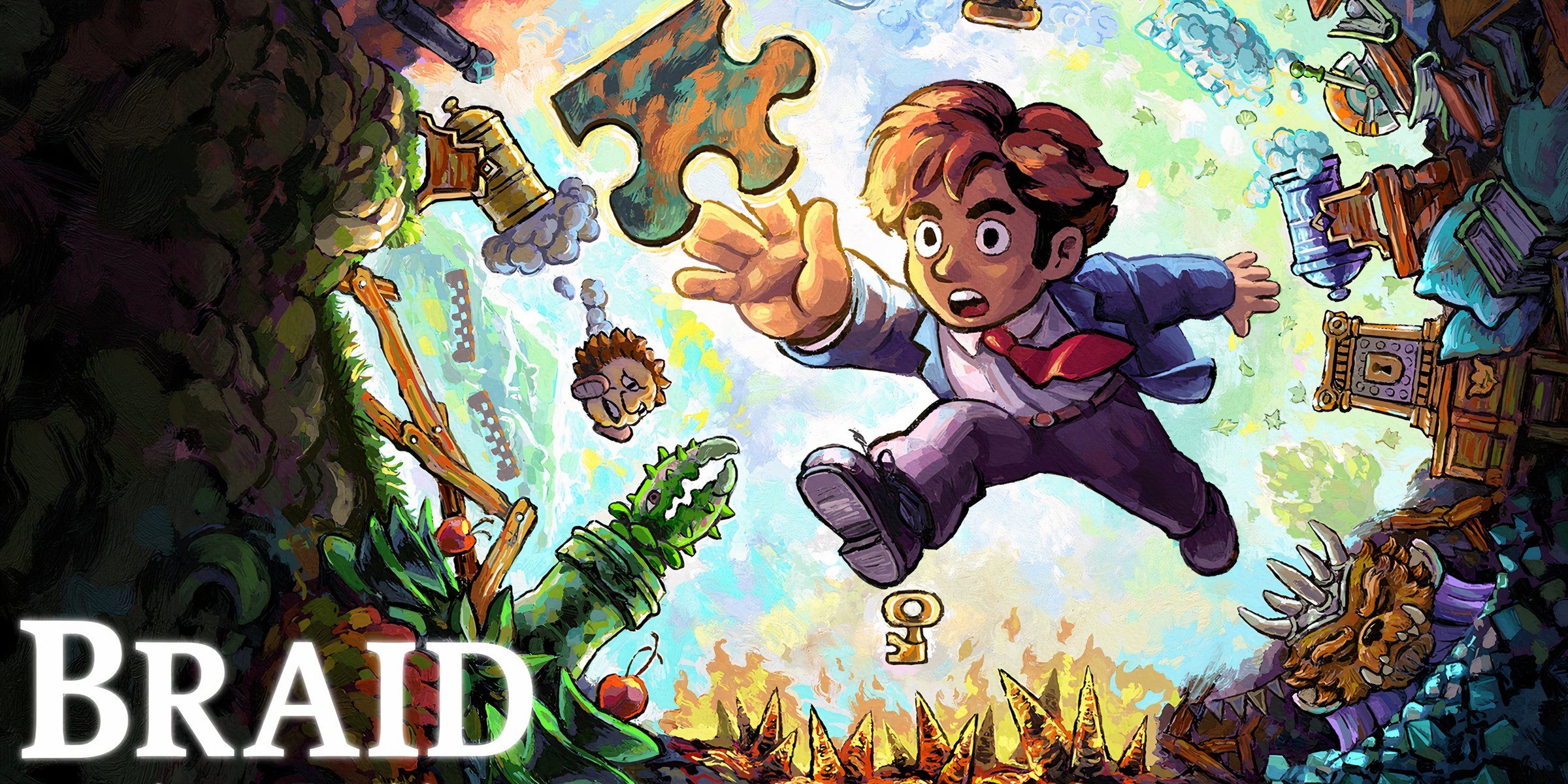
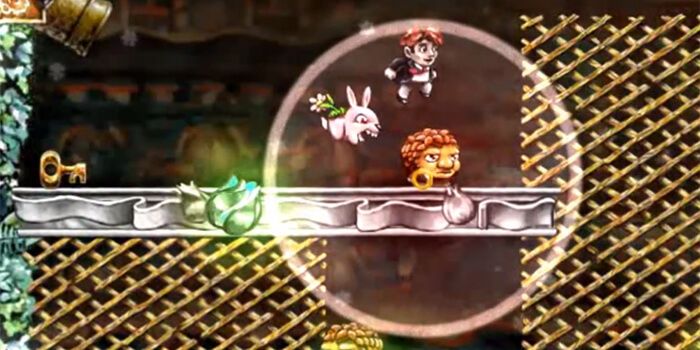
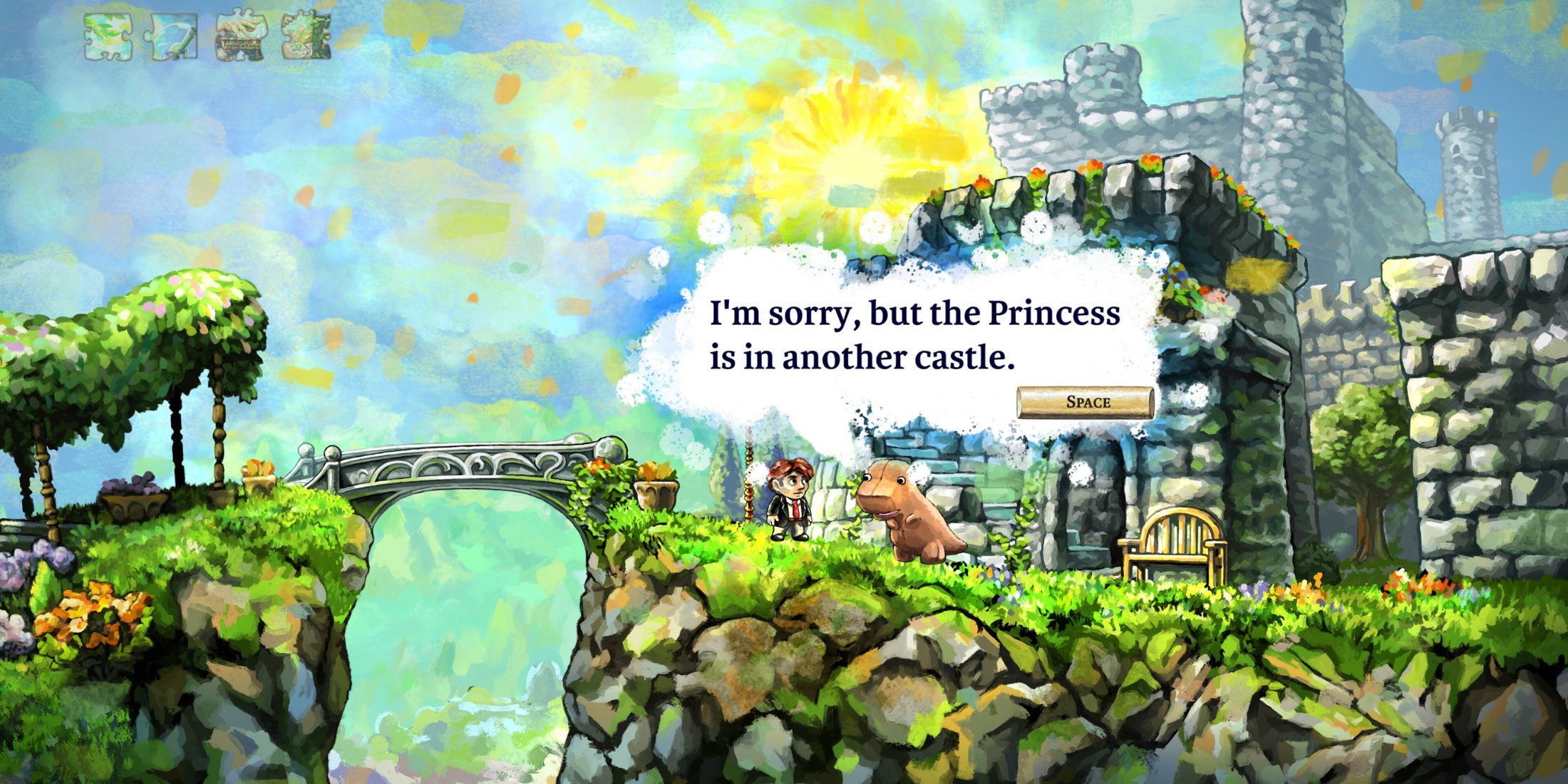

Braid is a puzzle-platformer with a charming look and a story that starts like many others – you play as a hero trying to save a princess. However, the game is unique because it lets you control time, giving you the ability to undo errors and find new ways to solve puzzles.
The story becomes more confusing as you play, told through short, scattered pieces of text. The last level is a huge surprise – many consider it one of the best twists in video game history. What seems like a rescue mission is actually the princess escaping from the player character when viewed in a new light. This completely changes how you see Tim, the main character, making him appear obsessive or even threatening. While the game’s story can be seen as symbolic, the major twist makes it clear that the player wasn’t acting as a hero.
NieR
They Weren’t Monsters
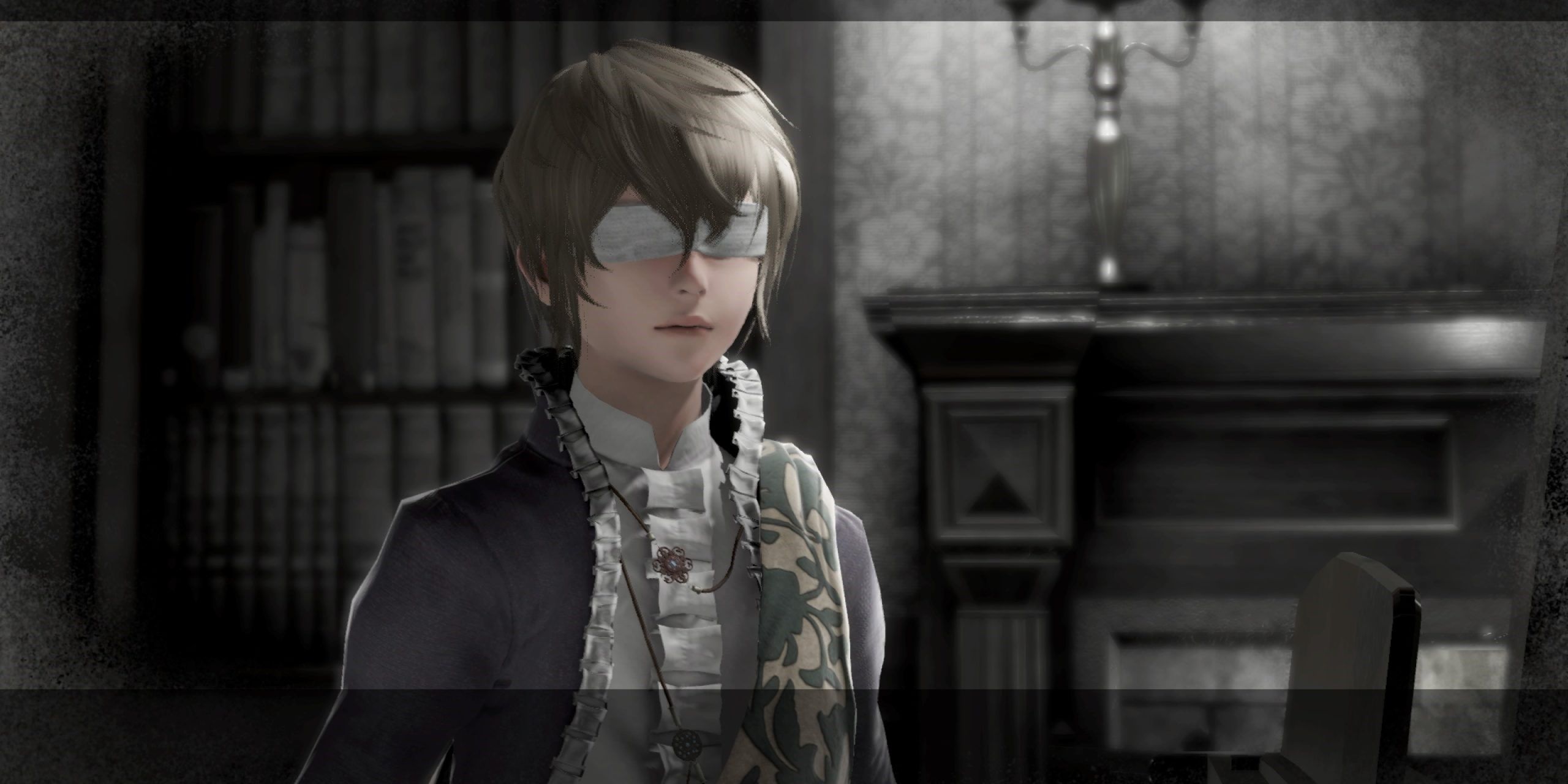

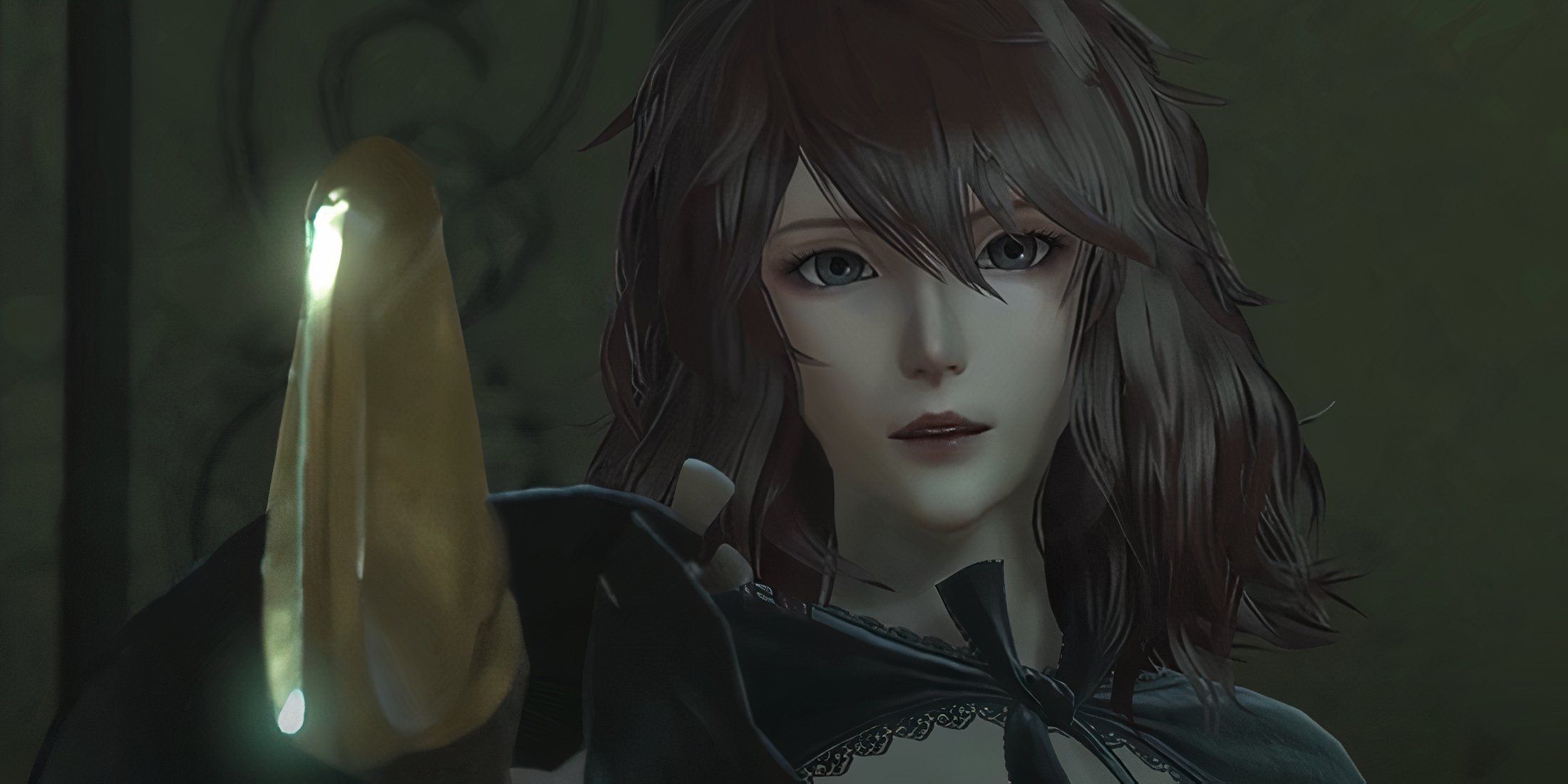
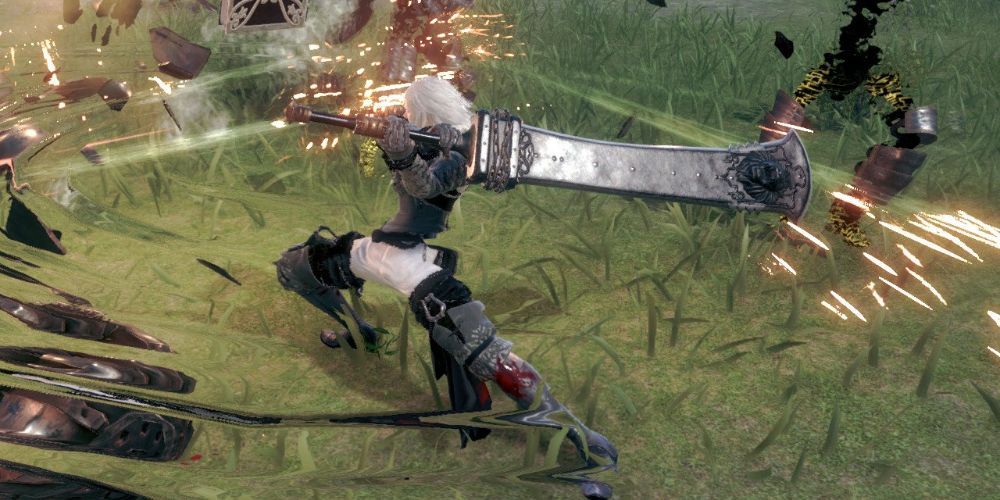
In NieR, you play as a character determined to find a cure for a sick loved one. The game portrays enemies as monstrous creatures called Shades, and fighting them feels like a required part of the journey. At first, these creatures seem like simple, unthinking dangers.
As you play through the game, and especially on repeat playthroughs, you discover the Shades aren’t just mindless monsters. They’re intelligent, feel emotions, and can even communicate. Many of the battles you fight turn out to be based on unfortunate misunderstandings or violence against creatures that are actually capable of thought and feeling. By the time you understand the full story, you’ve already caused lasting harm. The game is designed so that this realization comes too late to fix the damage, and this holds true in both the original game and the updated version.
Terranigma
The Antagonist Was Leading You On
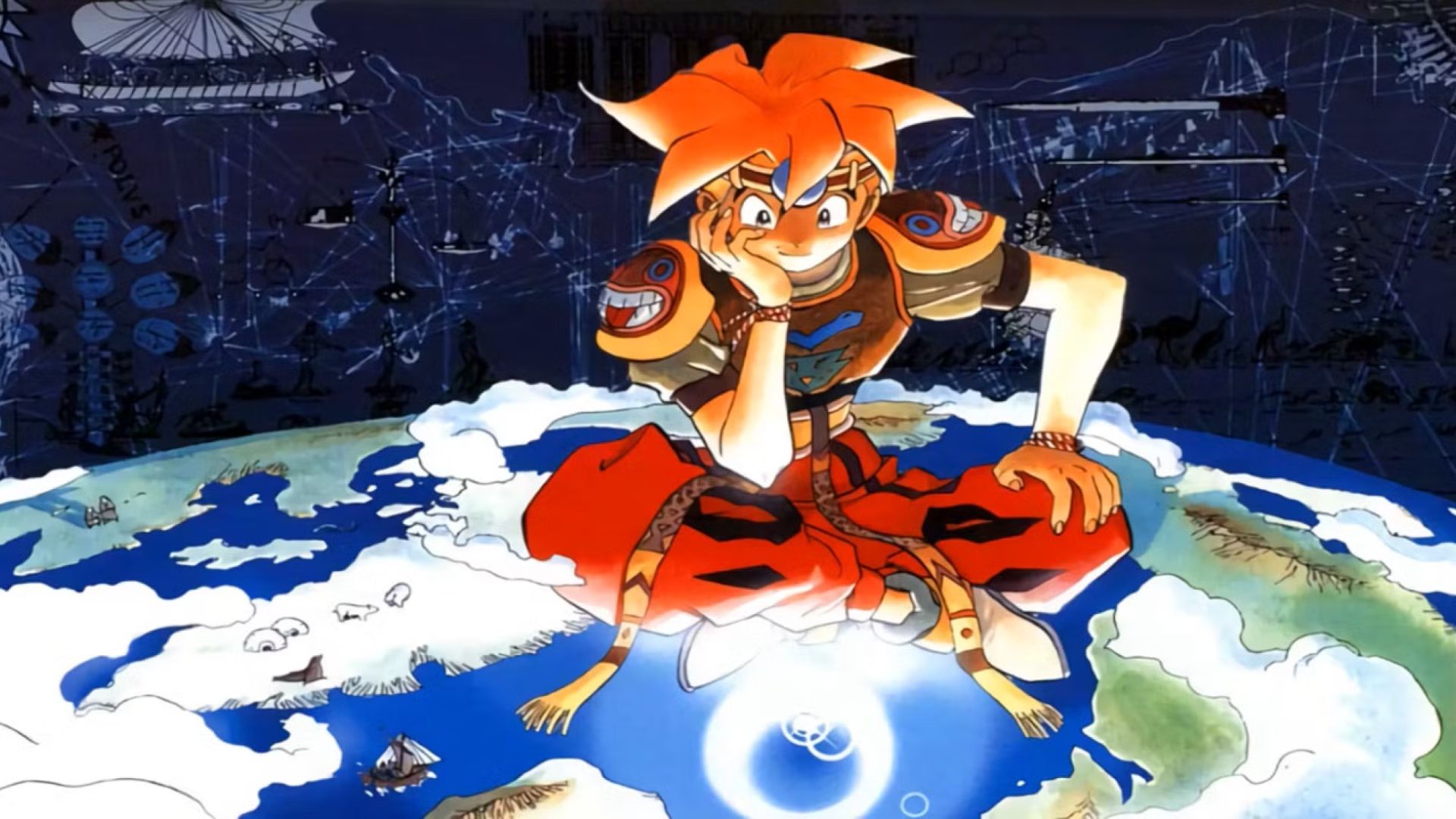
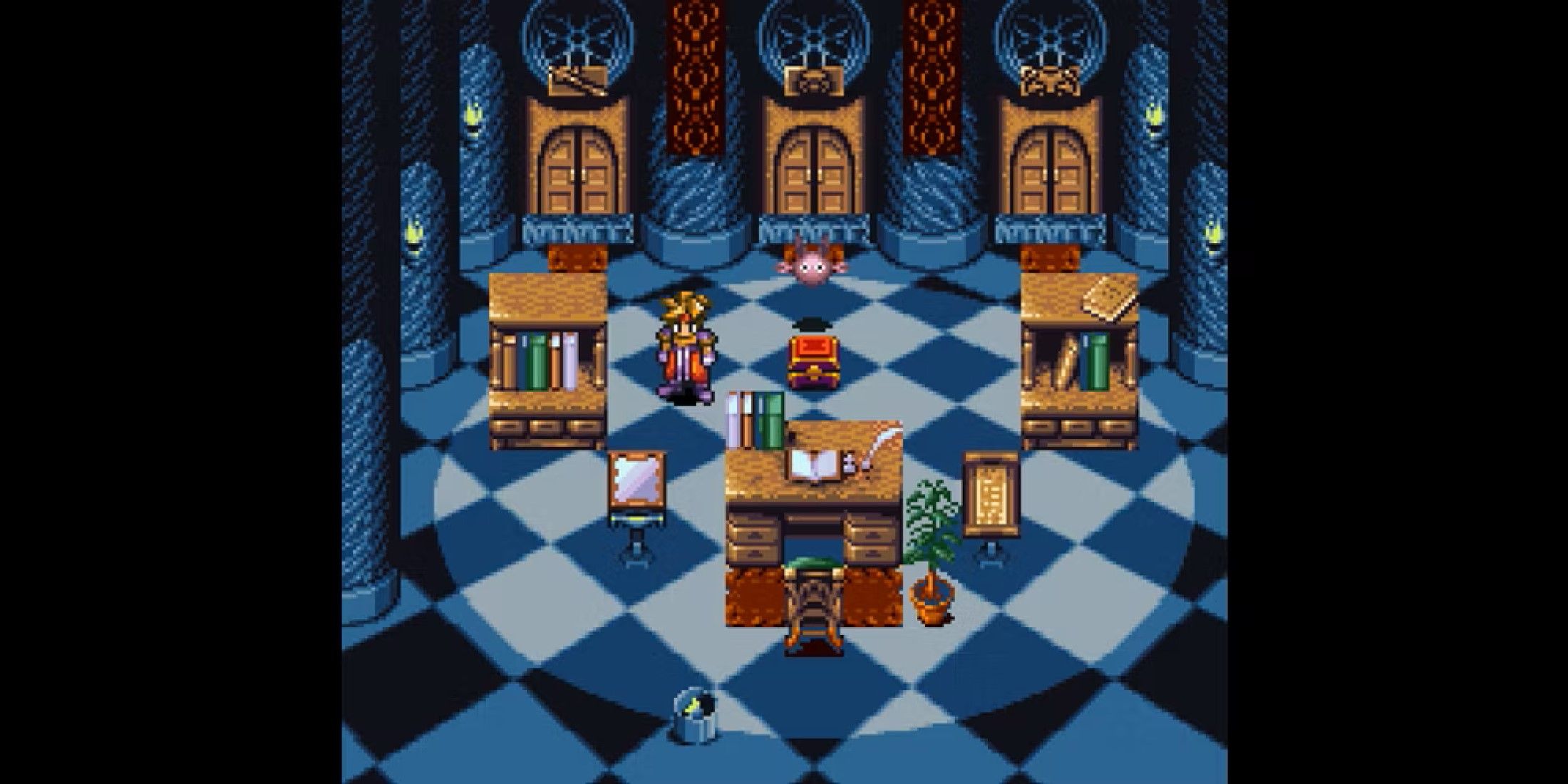
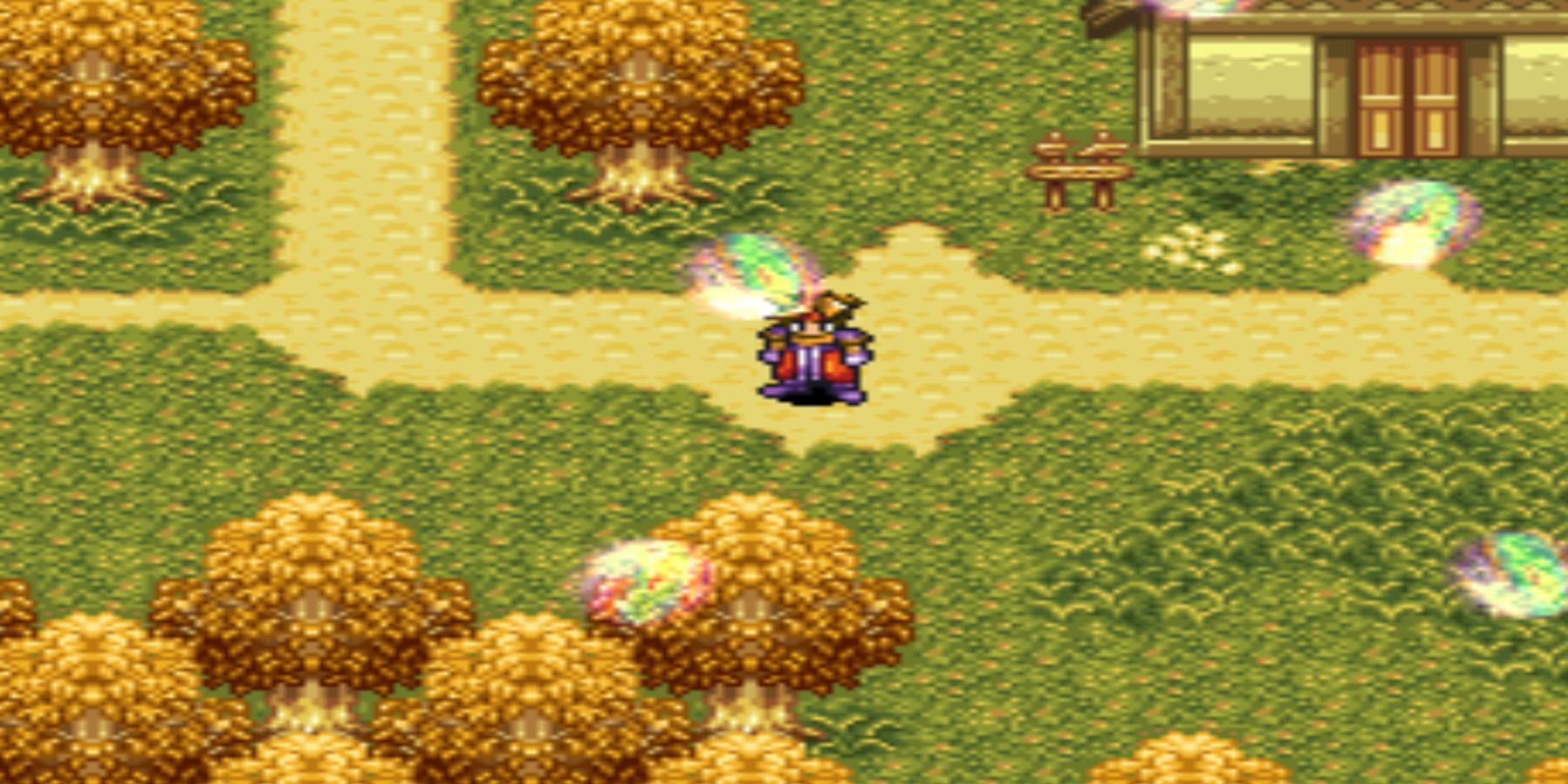
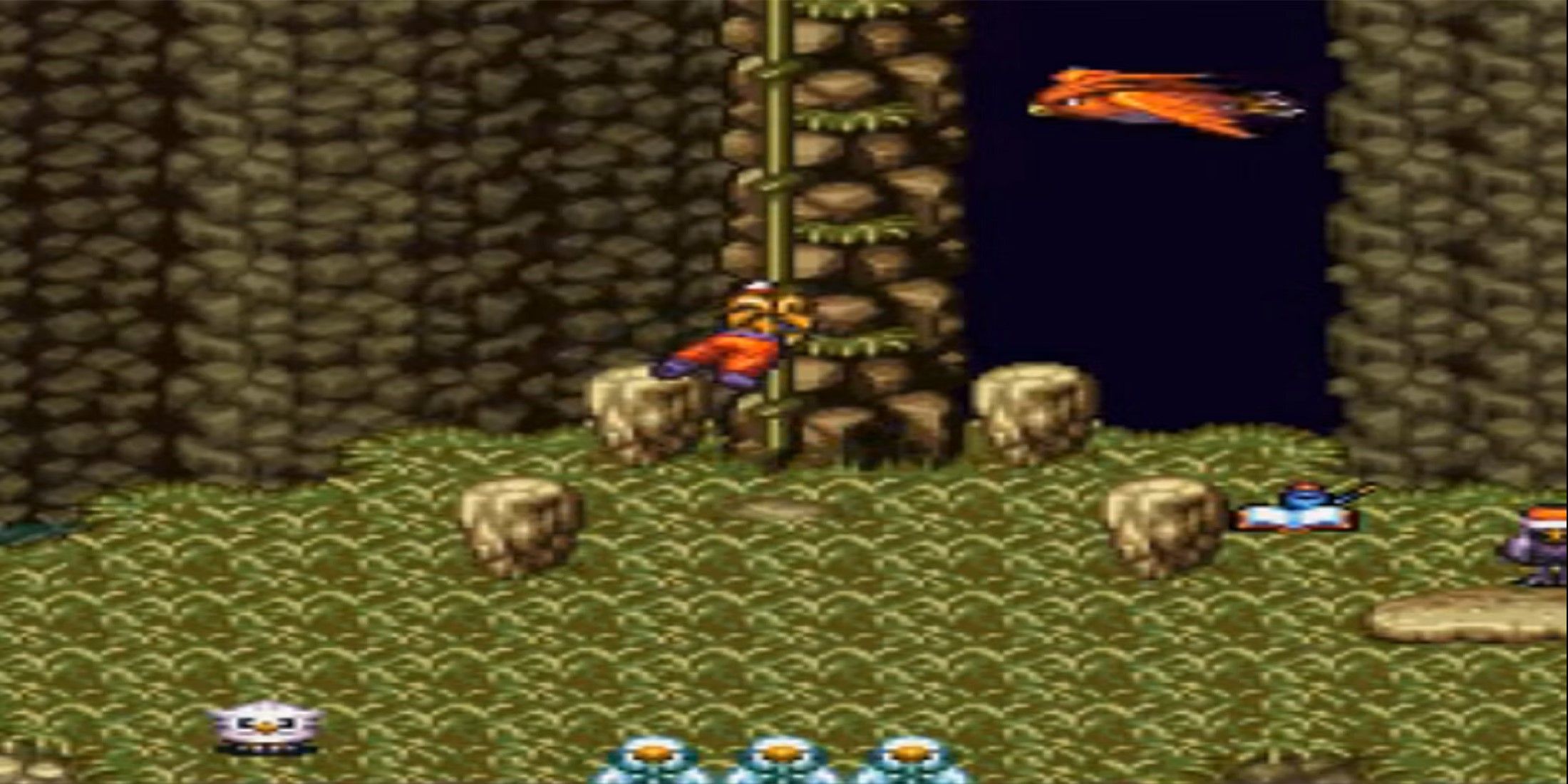
Terranigma starts with a familiar story: a world frozen in time needs to be brought back to life, continent by continent. You play as Ark, who must revive the planet and its inhabitants after a mysterious disaster. At first, the game makes it clear that you’re fixing a terrible mistake.
It soon becomes clear that Ark’s actions are connected to a bigger, mysterious battle between Light Gaia and Dark Gaia. He isn’t simply a force for good; he’s being manipulated by powers with unclear motives. While Ark seems to be fixing the world, he’s also setting in motion a cycle that includes both creation and destruction. The game doesn’t portray Ark as outright evil, but it does make players question whether his actions are truly good, giving them a more complicated perspective on their own involvement. This complexity makes the story stand out as one of the most thoughtful and well-crafted of its time.
Spec Ops: The Line
The Price Of War
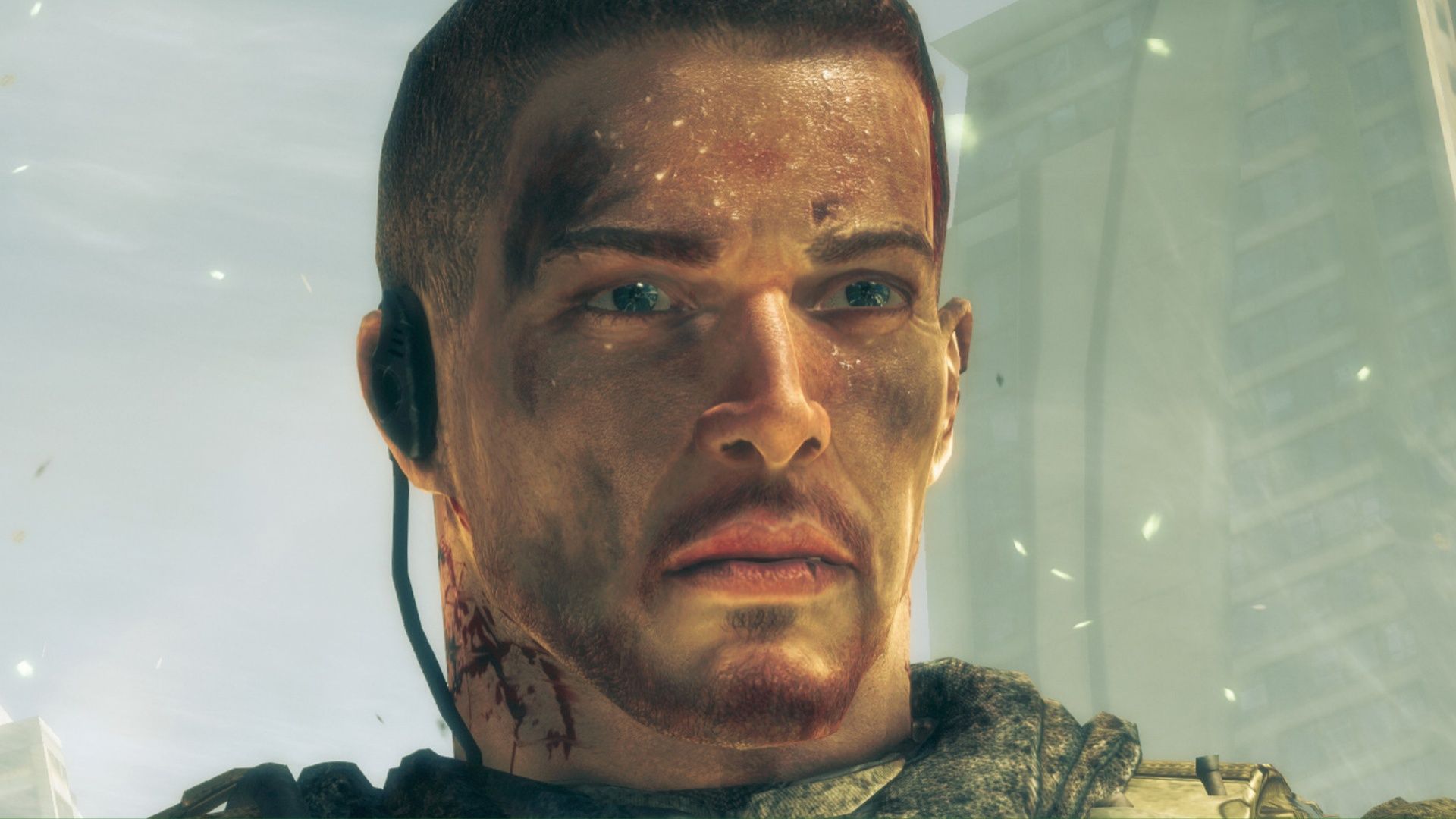
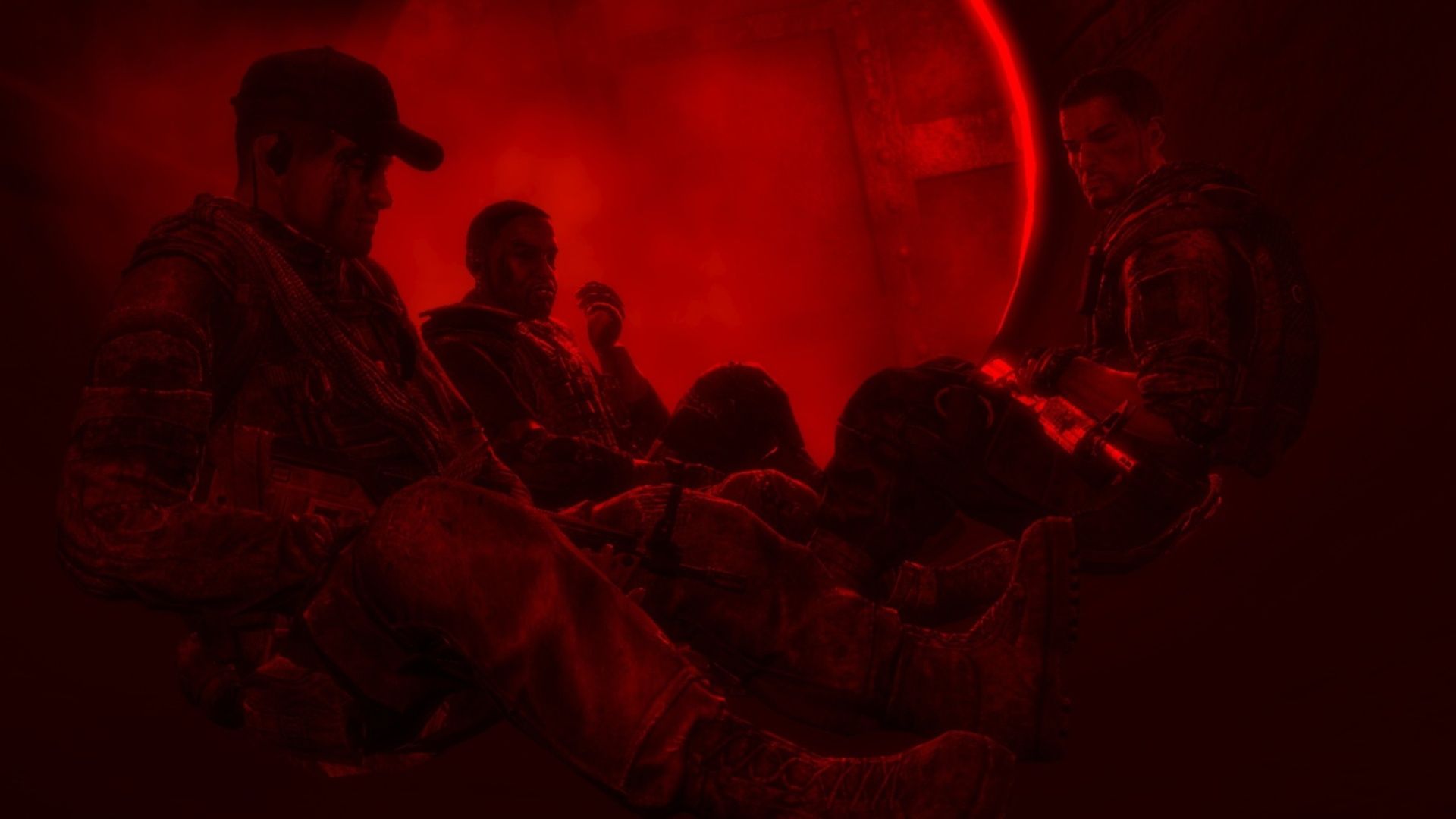
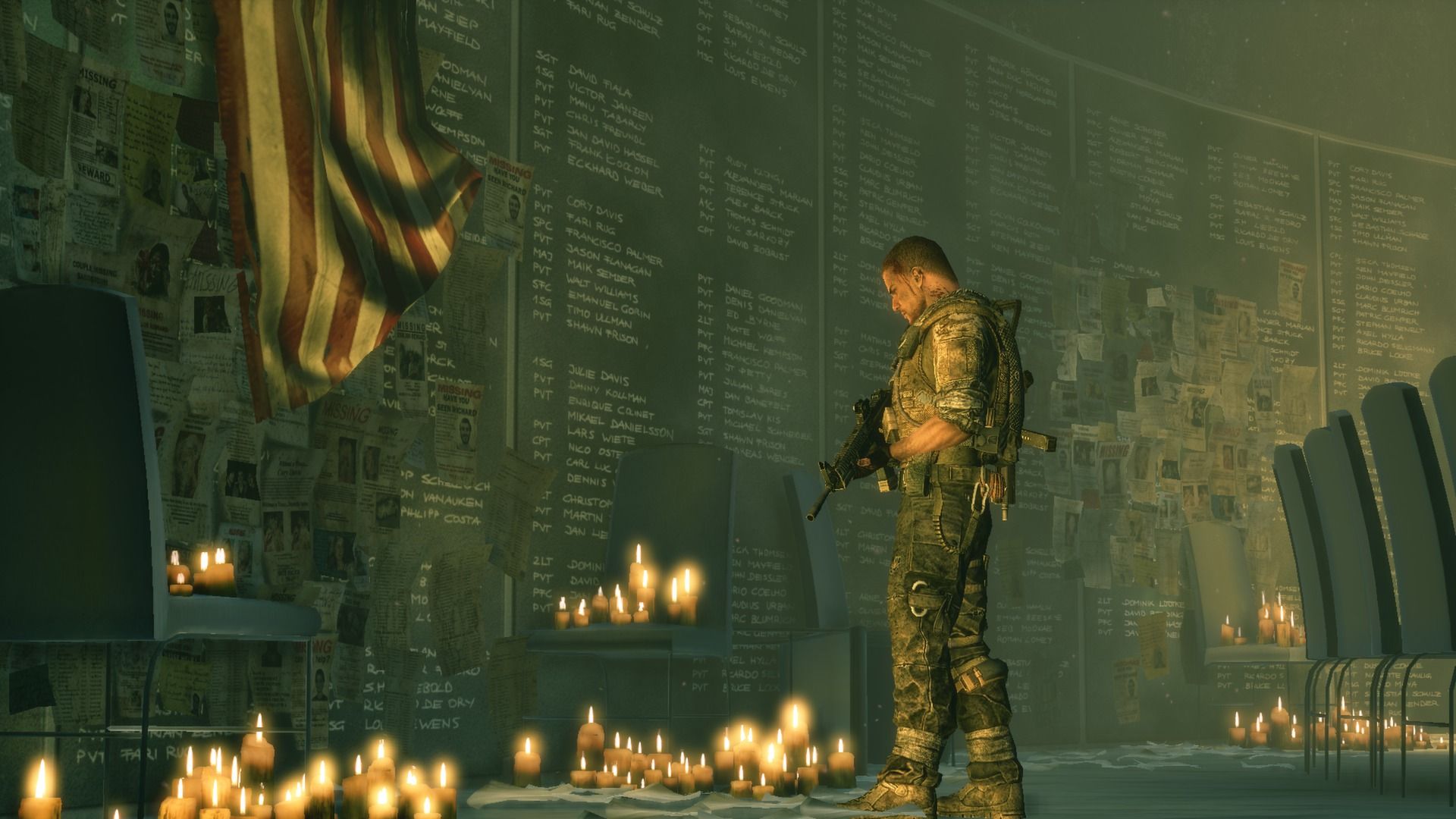
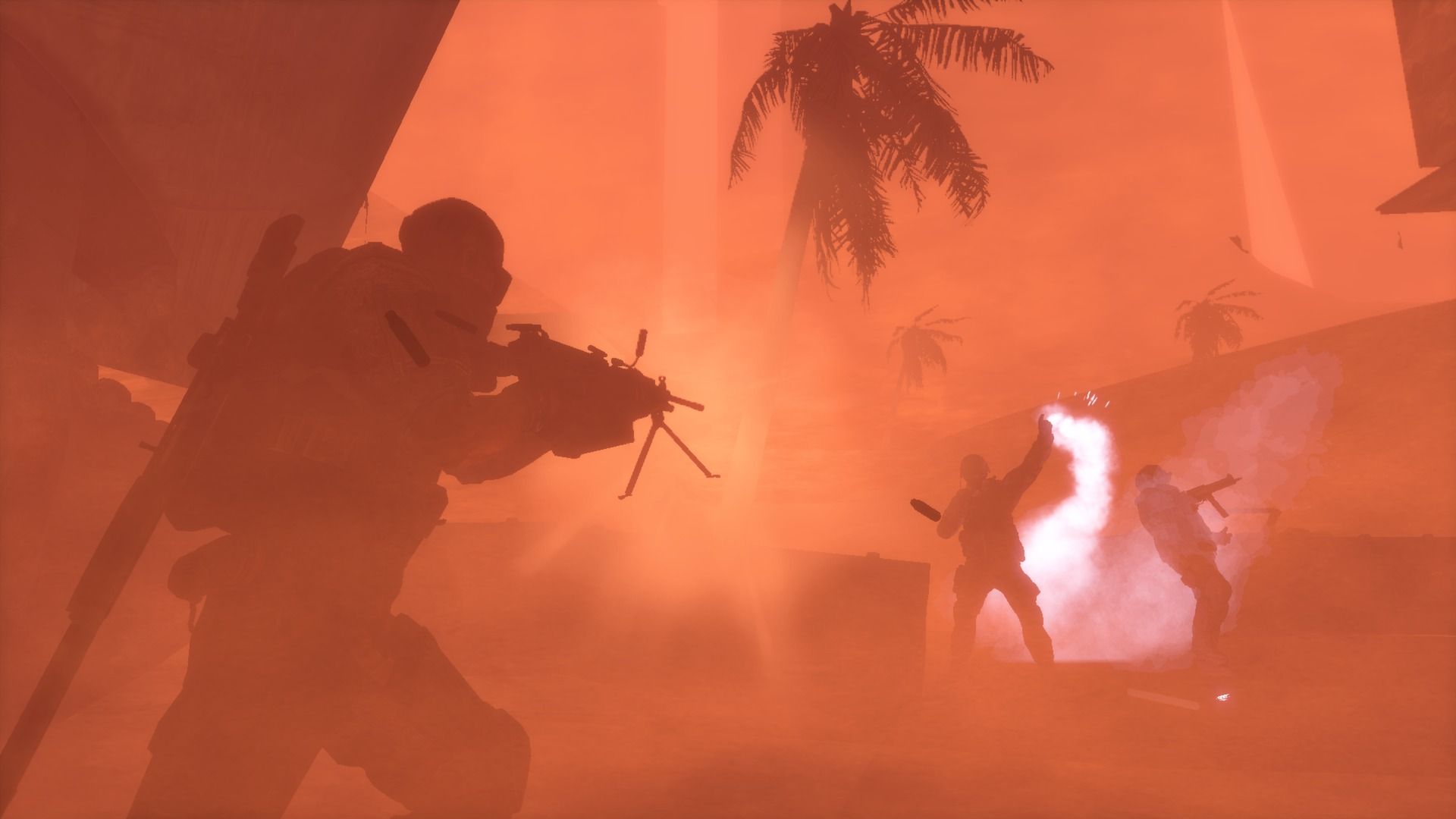
Many consider Spec Ops: The Line a prime example of a game that forces players to confront the ethical consequences of their actions, while also exploring themes of mental health. The game centers around Captain Martin Walker and his team as they venture into the ruins of Dubai, searching for survivors and a missing military group.
As I played, I noticed Walker starting to make some really tough, almost reckless decisions, and it all came to a head when he used white phosphorus. Then, it hit me – civilians were caught in the blast. That moment totally changed how I saw the story. From there, the game started to make me question everything I thought I knew about what was happening and why. It turned out Walker wasn’t seeing things clearly, and a lot of his choices weren’t about what needed to be done, but about what was going on in his own head. By the end, it wasn’t about good versus evil anymore – the lines were completely blurred.
Read More
- NTE Drift Guide (& Best Car Mods for Drifting)
- Diablo 4 Best Loot Filter Codes
- All Aswang Evidence & Weaknesses in Phasmophobia
- Conduit Crystal Location In Subnautica 2
- Where to Find Prescription in Where Winds Meet (Raw Leaf Porridge Quest)
- Forza Horizon 6: Find the Ohtani Treasure Chest Location
- Boruto: Ikemoto Has Already Hinted At Sasuke’s New Eye After Return
- Best Burst & Full Auto Builds for the M16A4 in BF6
- Brent Oil Forecast
- USD RUB PREDICTION
2026-05-02 06:05