With the reveal of Gemini Omni, Google’s AI acting as an in-game coach seems inevitable.
If you search on Google for something like “best open-world games masterpieces,” you’ll usually see an AI Overview right at the top. This overview often provides enough information to answer your question quickly (you can scroll down for more detailed lists, like the one from TopMob). Google is increasingly focused on using AI, and tools like ChatGPT, Gemini, and Claude are changing how we find information and even how we think.
Frankly, quite a few examples of AI usage in games feel inevitable by this point, be it AI-driven companion characters that react based on context, dynamic NPCs that evolve their routines (like Fortnite already did), or generative side-quests that could keep missions flowing forever. Some of these features are already present in one form or another, and they are unlikely to disappear in the future. Pandora is already out of the box; AI isn’t going anywhere, and its influence on gaming will gradually become even more inescapable than it already is.
At this point, one AI application stands out as almost impossible to prevent. Google can implement it directly, without needing permission or help from developers or publishers.
What Is Gemini Omni?
And Gemini Spark? And Project Astra?

Google introduced Gemini Omni on May 19, 2026, a new AI model that significantly enhances its content creation capabilities – including images, videos, and editing. Google explains that Omni can generate almost anything from any type of input, starting with video, by combining Gemini’s reasoning skills with creative abilities. While turning text into images is now common, Omni takes things much further. It can process text, sound, pictures, and videos all at once to create high-quality videos informed by Gemini’s understanding of the real world. And it even offers…
You can also easily edit your videos through conversation.
Google also introduced Gemini Spark, a “24/7 personal AI agent that helps you navigate your digital life.” As specifically stated in this document, the goal is to turn Gemini from a machine that answers questions to a partner that works for you and with you. Although they are seemingly not quite there yet, combining these two technologies could feasibly result in a situation where Gemini, running in a desktop overlay, monitors a player’s gaming session (be it on Steam, Epic, or whatever) and reads what they are doing, why they are doing it, and how they can do it better.
I’m really excited about Project Astra because it’s all about taking different kinds of information – like video, sound, and even my voice – and turning it into one complete understanding of what’s going on. It’s like it’s building a total picture from everything around me, which is pretty cool for gaming!
Real-Time AI Guides That React To Your Gameplay
Going From Browsers To No Browsers
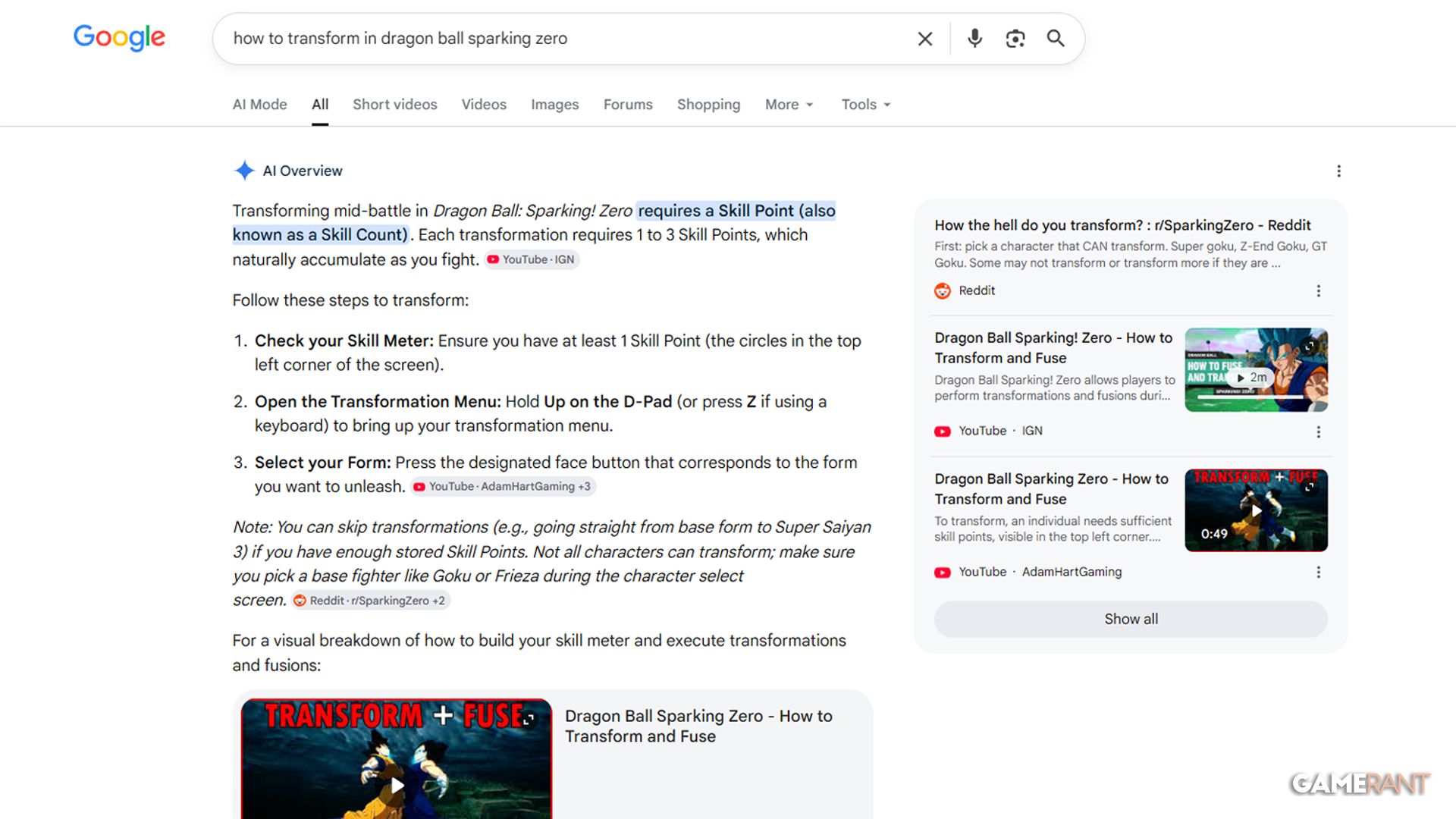
Since the dawn of gaming, every player has found themselves incapable of figuring out what to do, where to go, who to kill, if they can kill, what to buy, what to sell, how to beat, and why can’t Link talk? Consequently, since nearly the dawn of gaming, guides have been part of the cycle, be it via physical publications, call-in services, articles, or videos. When completely stuck, there is absolutely nothing wrong with asking for a bit of help, as that is a far better alternative than just giving up. Google AI has already become part of this process due to the Overview feature, but it can become far more direct and integrated.
If you’re having trouble with a game puzzle, you probably stop playing to search for a solution online using another device. But if Google installs Gemini directly onto your computer as a desktop app, it could eliminate that need. With access to your screen, Gemini could then offer help while you’re playing a game, like during a Steam session.
The Google Desktop App is still under development. It currently works by watching your screen activity, but it can only process fixed images right now, not understand what you’re actually doing or the bigger picture.
If technologies like Omni, Spark, and Astra become widely available, gamers could just ask Gemini for help during a game, and get instant advice right on the screen. Because Windows allows apps to display messages over other programs, Gemini could offer directions – like telling you to “turn left at the second corner” if you’re stuck. It could even go further, automatically playing a difficult section for you or highlighting important areas on the screen to guide you.
From what I gather, anti-cheat software is designed to prevent AI from directly interfering with a game’s code or making changes to it. However, there’s nothing stopping an AI like Gemini from simply observing what’s happening on your screen – similar to a viewer – and then offering advice using Windows features. It’s also important to remember that AI cheating is already a significant issue, meaning this software isn’t a perfect solution.
 Put the consoles in the correct order.
Order the selected consoles from lowest to highest.
Your Order
Results
— —
What About Consoles? Surely, Consoles Can’t Be Impacted?
Not For Now And (Probably) Not By Gemini
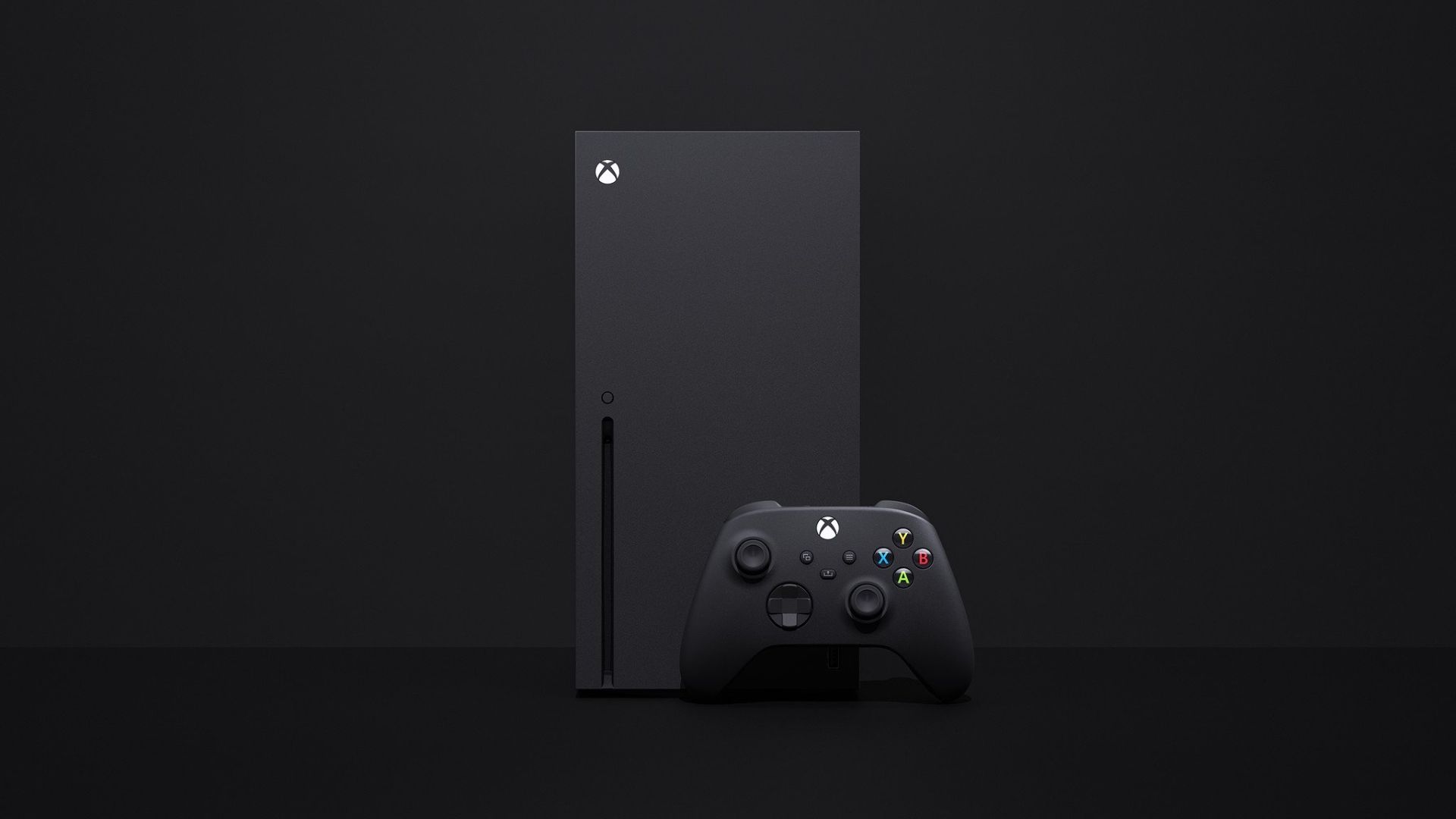
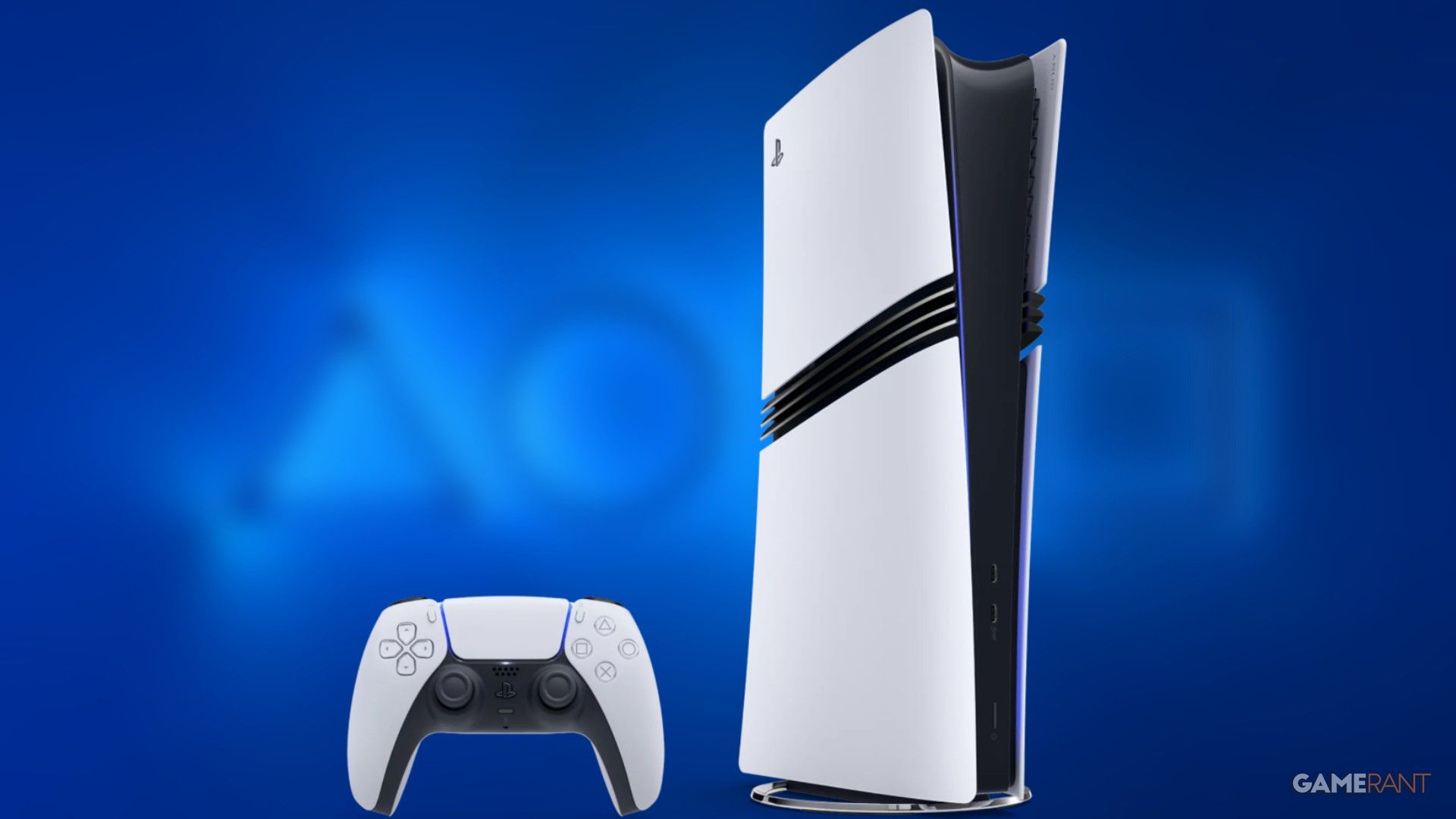

The answer is maybe not by Google AI, but that’s entirely dependent on the roadblocks implemented by manufacturers and not the technology. Due to their closed ecosystems, PlayStation and Xbox consoles are relatively protected from Gemini, as neither Sony nor Microsoft seems likely to extend this type of access (or any) to Google. However, that’s because they might want to do it themselves.
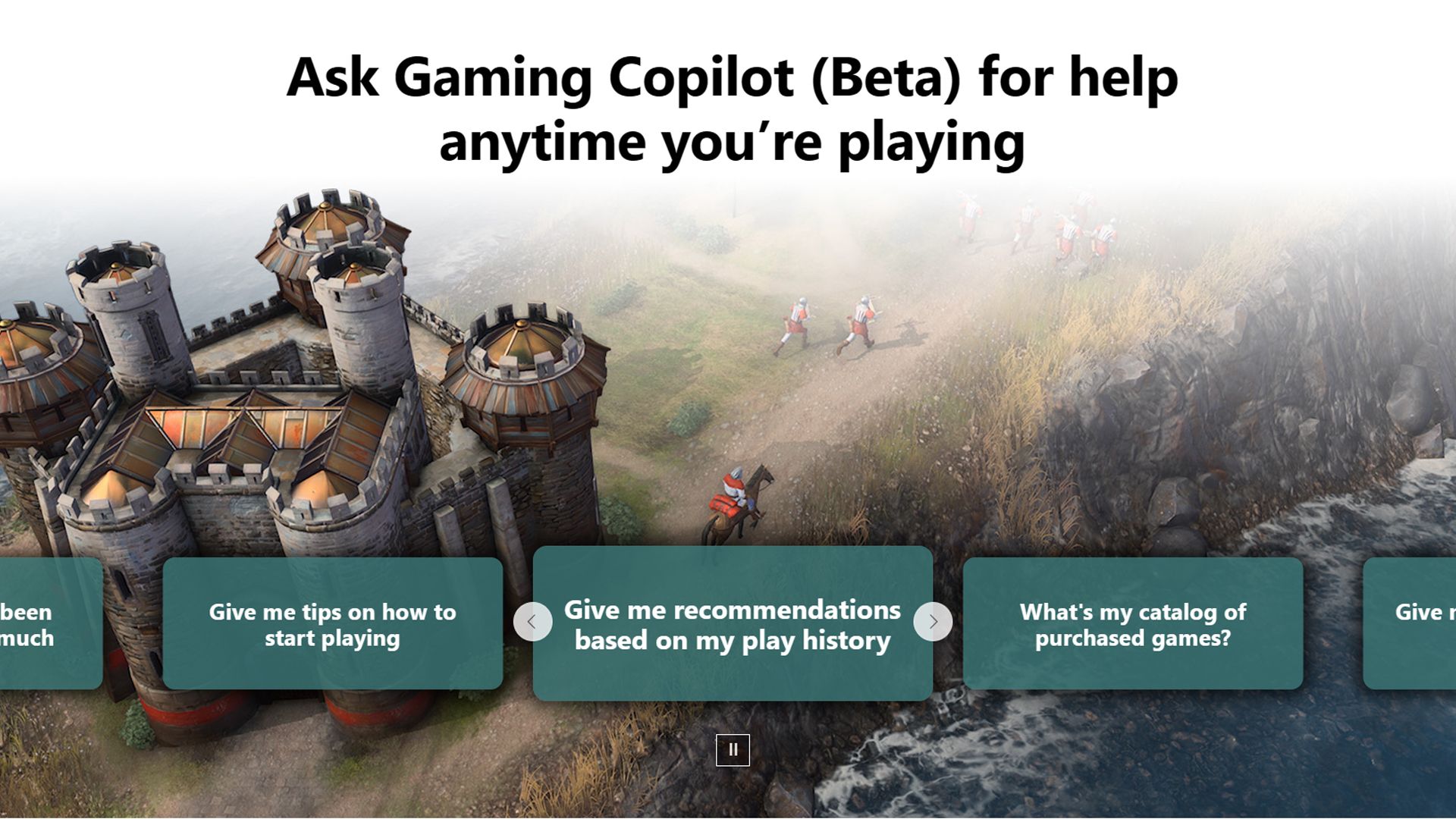
Microsoft has been developing and testing Gaming Copilot for several years, and it’s currently more advanced than Google’s similar AI software. A key feature of Copilot is its ability to assist players within games, and Microsoft intends to continue focusing on this capability. However, Xbox CEO Asha Sharma recently announced that AI development for consoles will be reduced, meaning Copilot will initially be available only on Windows computers.
Sony is very protective of its PlayStation ecosystem, and it is difficult to imagine the company granting access to external AI software. However, that doesn’t mean Sony might not try to develop something themselves. In 2025, Sony patented “AI Generated Ghost Player,” which describes a system that is nearly exactly like the AI-generated guides mentioned above. I recommend reading the “description” and “claims” sections of the patent to get a general idea, but one part of the latter states, “linking the game session to an assistance artificial intelligence (Al) engine, the assistance Al engine operates to provide ghost assistance to the player in accordance with a mode setting, wherein the ghost assistance is provided via a ghost character.”
Nintendo is Nintendo, and it has the most walled-off ecosystem. While it uses NVIDIA’s functional AI-powered learning, the Switch 2 doesn’t use any generative AI. Considering how resistant to modern development the company is, Nintendo probably won’t even consider something like this until 2050. Good, reliable Nintendo.
Read More
- NTE Drift Guide (& Best Car Mods for Drifting)
- All Aswang Evidence & Weaknesses in Phasmophobia
- Conduit Crystal Location In Subnautica 2
- Diablo 4 Best Loot Filter Codes
- Where to Find Prescription in Where Winds Meet (Raw Leaf Porridge Quest)
- Boruto: Ikemoto Has Already Hinted At Sasuke’s New Eye After Return
- Best Burst & Full Auto Builds for the M16A4 in BF6
- USD RUB PREDICTION
- Deltarune Chapter 1 100% Walkthrough: Complete Guide to Secrets and Bosses
- GBP CNY PREDICTION
2026-05-22 15:38