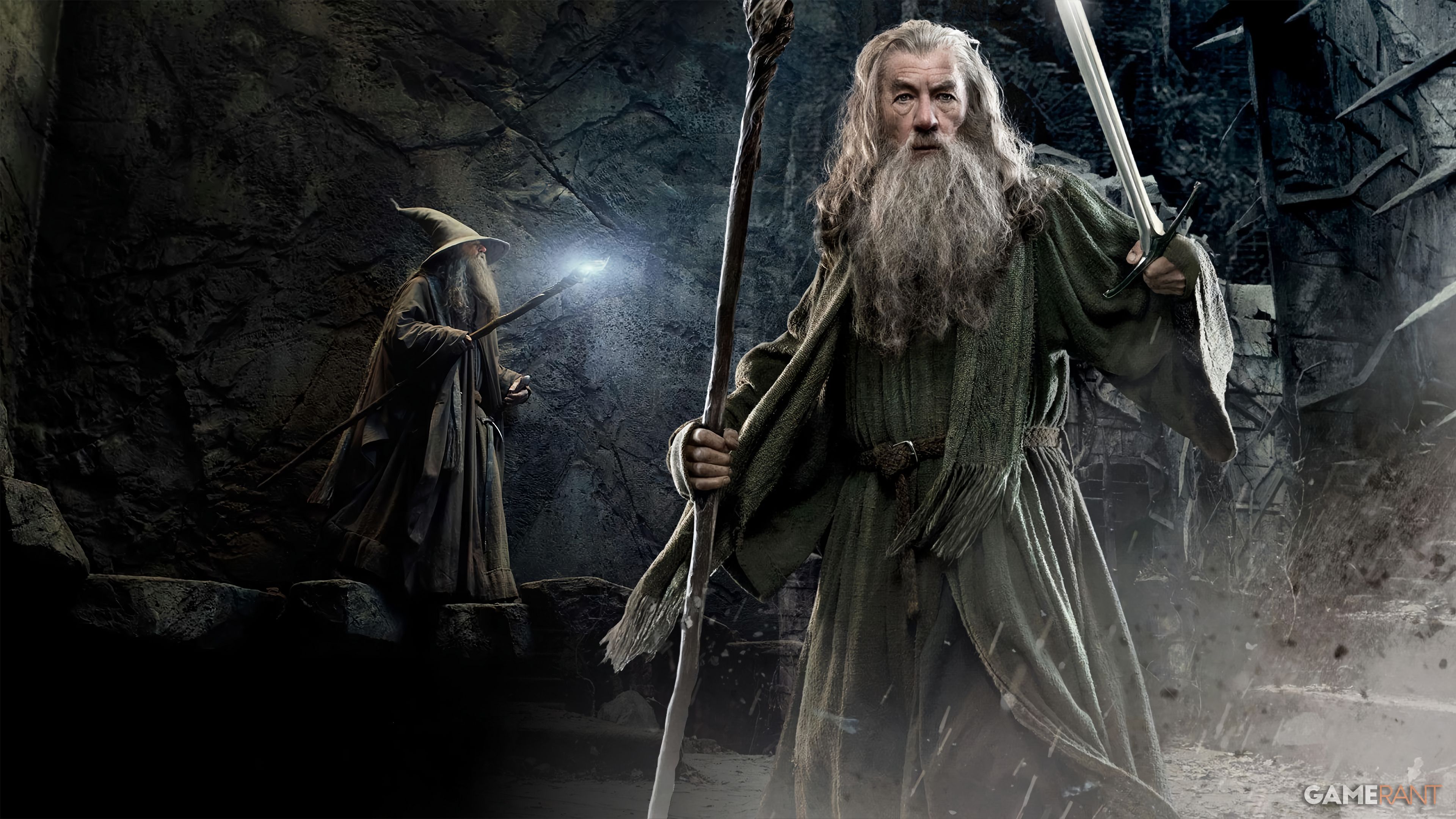
After learning that one of my favorite game developers, Warhorse Studios, is working on an open-world RPG set in J.R.R. Tolkien’s Middle-earth, I was immediately convinced it would be great. I thoroughly enjoyed everything about the developer’s Kingdom Come: Deliverance series, and if its in-progress Lord of the Rings game is anything like it, it should be an automatic pre-order for me. But for myself right now, the question isn’t whether it will end up being a worthwhile investment, or even when and where it will take place in Middle-earth. Instead, I’m more curious about how a fantasy game made by a developer known for grounding its worlds in real-world history will translate unrealistic things like magic, orcs, talking trees, and made-up languages.
Warhorse Studios is entering completely new creative ground, and that’s exciting. The team is full of passionate Lord of the Rings fans with a strong understanding of Tolkien’s world. They also have a proven track record of historical accuracy and success with games like Kingdom Come: Deliverance and its sequel, KCD2. I believe Warhorse is uniquely positioned to create a compelling fantasy universe, and I’m confident they can do it. More than wondering if they’ll succeed, I’m fascinated by how they’ll bring this world to life.
Warhorse Already Has Half the Formula Down
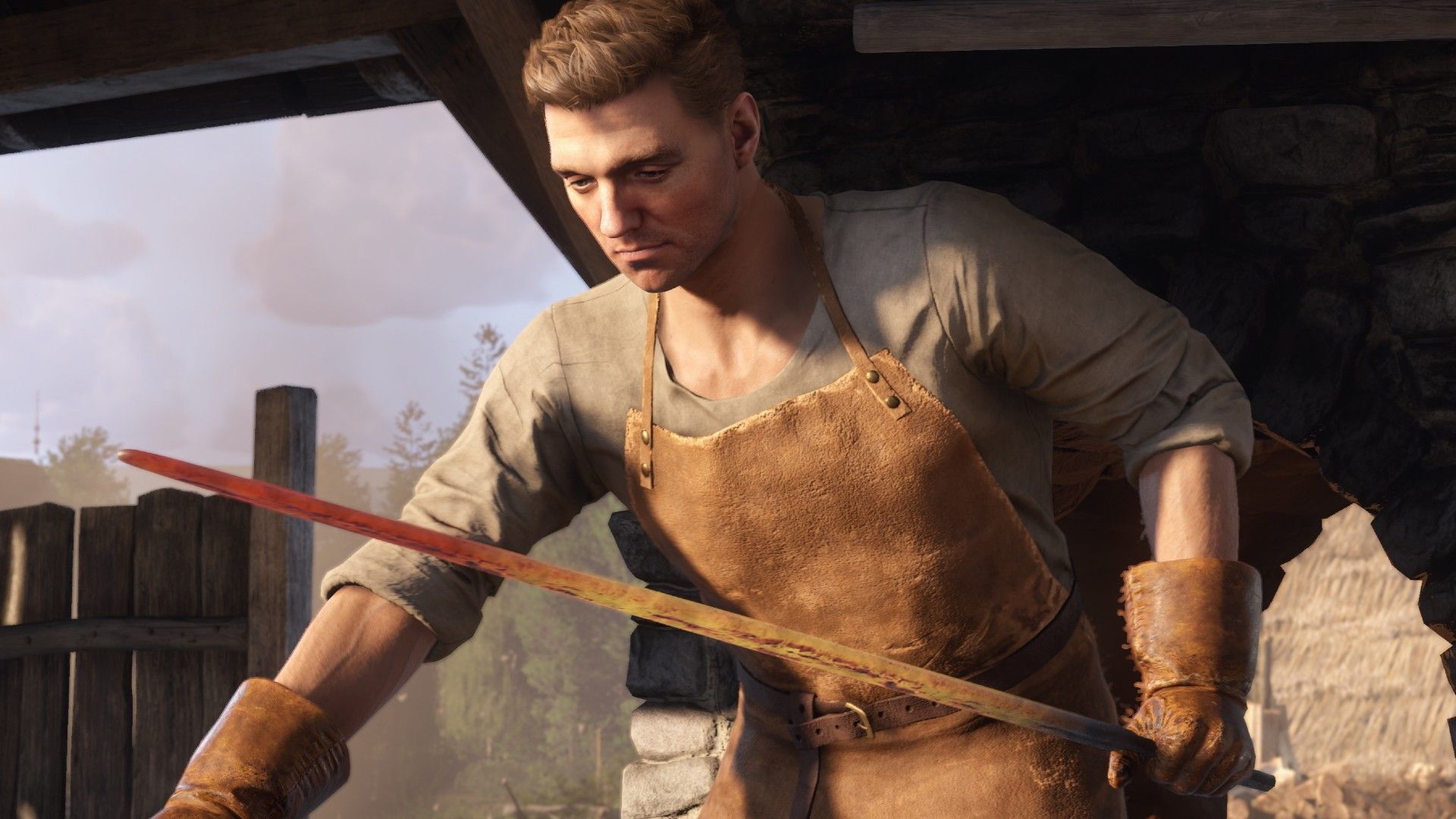
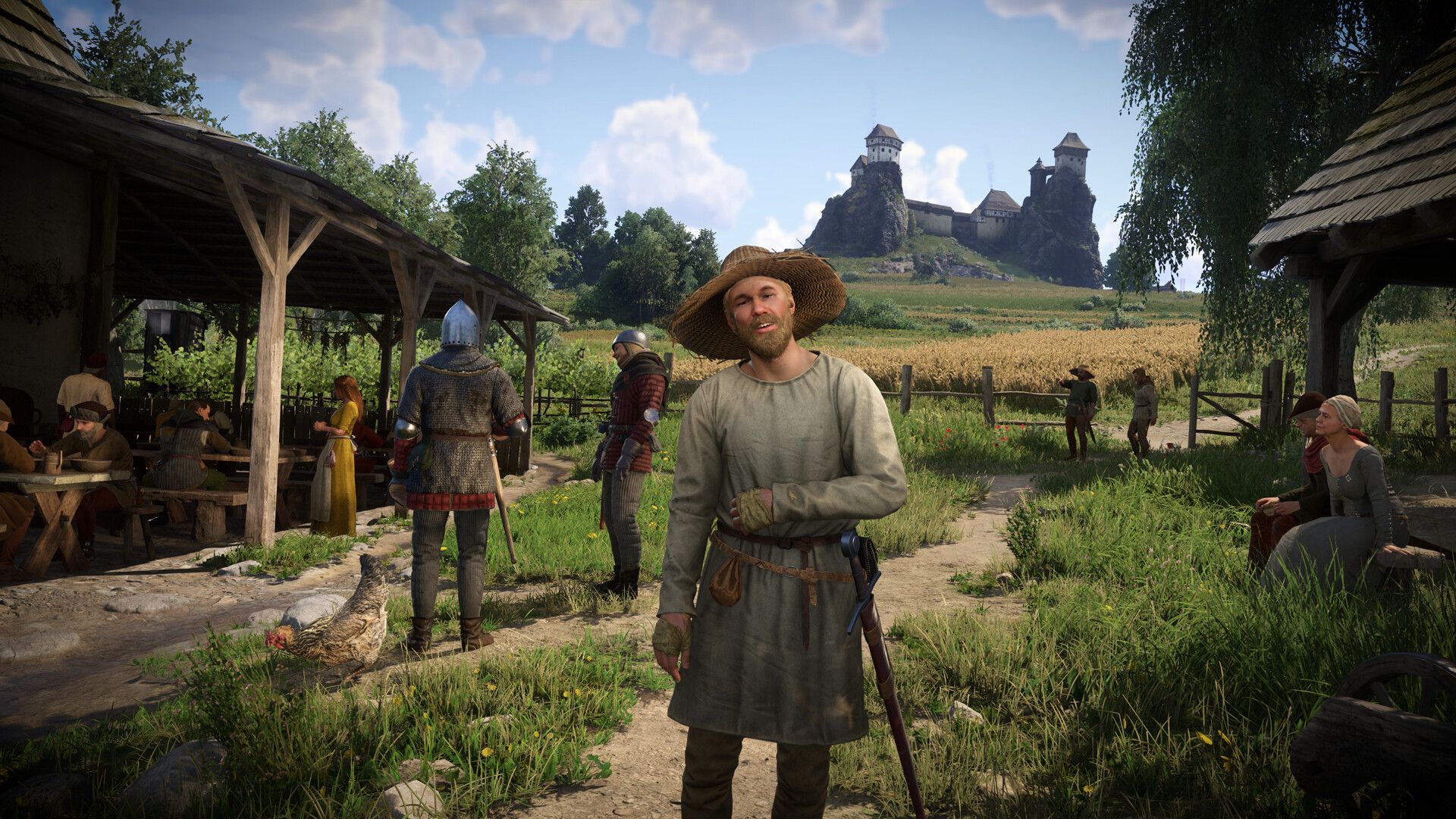
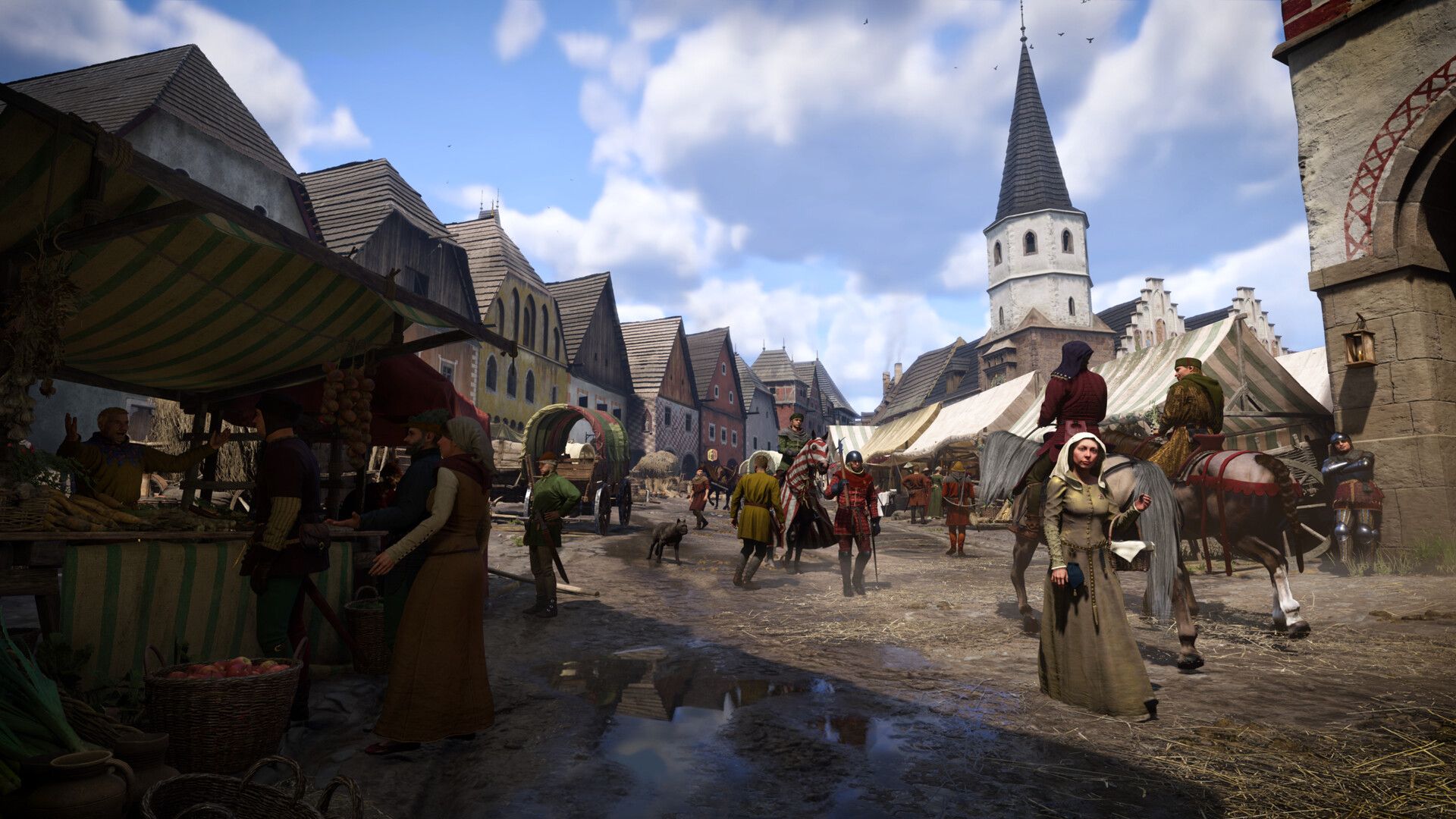
In both Kingdom Come: Deliverance games, Warhorse proved that it has what it takes to make an immersive world that feels tangible because it intentionally restrains itself. By grounding each game’s design in historical authenticity, intense physicality, and raw human conflict, it gave players access to a virtual world that, at times, felt as limited and as taxing as the real world. To some players, that has proven to be a downside, but to many others, it is the hallmark quality of a Warhorse Studios game, and each one is all the better for it.
What’s That Weapon?  Identify the silhouettes before time runs out.
Results
High Score: 0 —
The developer is already well on their way to creating a great Lord of the Rings game. A believable and realistic Middle-earth – with things like long journeys, dangerous roads, lively taverns, messy battles, political conflicts, and distinct cultures – is arguably the most important part. Warhorse Studios has proven they’re excellent at building that kind of immersive world. Now, the trick is to successfully add the magical and mythological elements of Tolkien’s world without sacrificing the realism that makes their RPGs so special.
Warhorse Feels Equipped for Middle-earth’s Fantasy
Warhorse Studios has always built its games around historical accuracy, using it as a guide for what felt realistic, even when taking creative liberties. However, their new project explores a world where magic is real, so they’ll need to adjust their design process to account for these supernatural elements and figure out how to make magic feel authentic and appropriately rare.
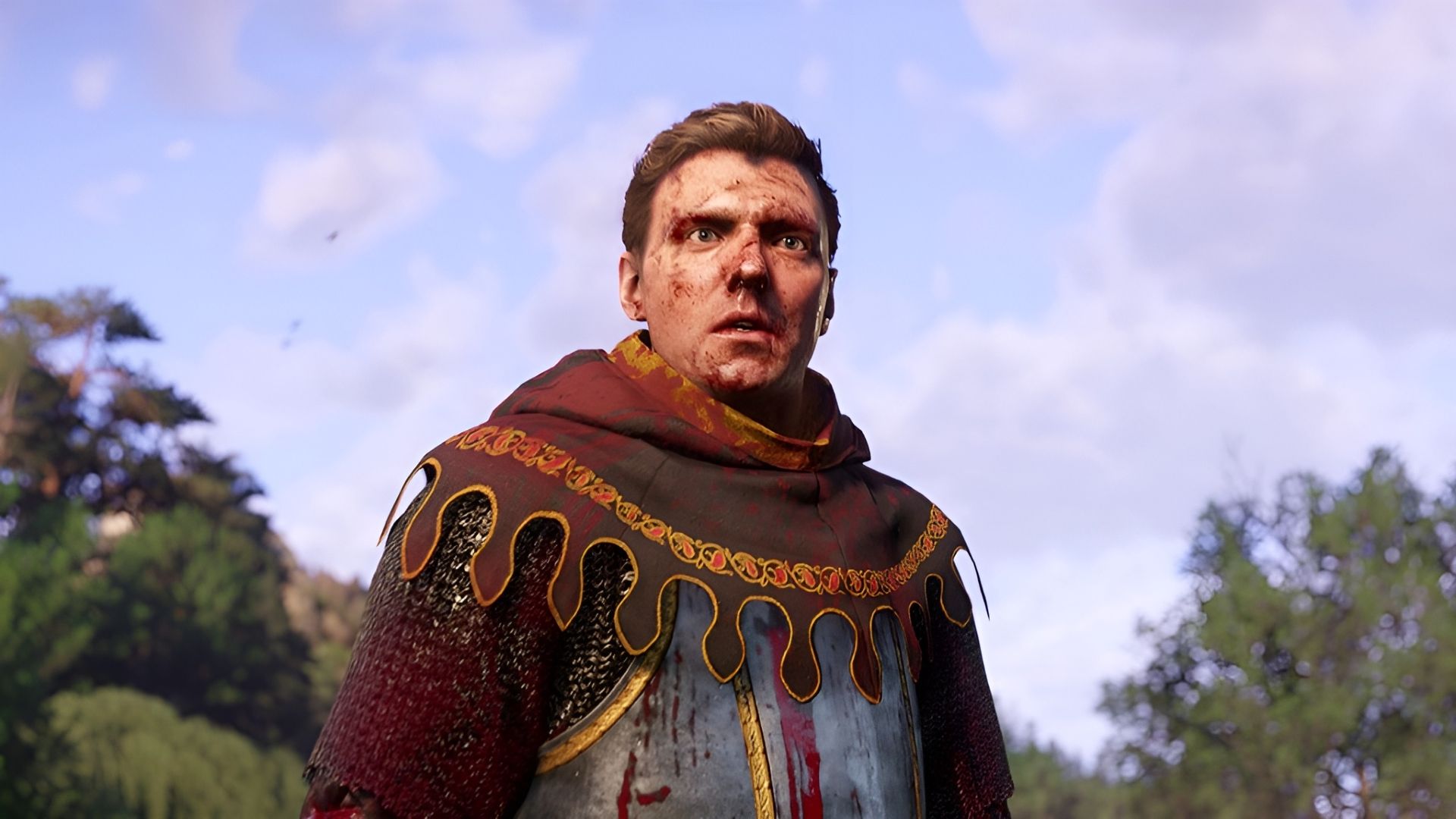
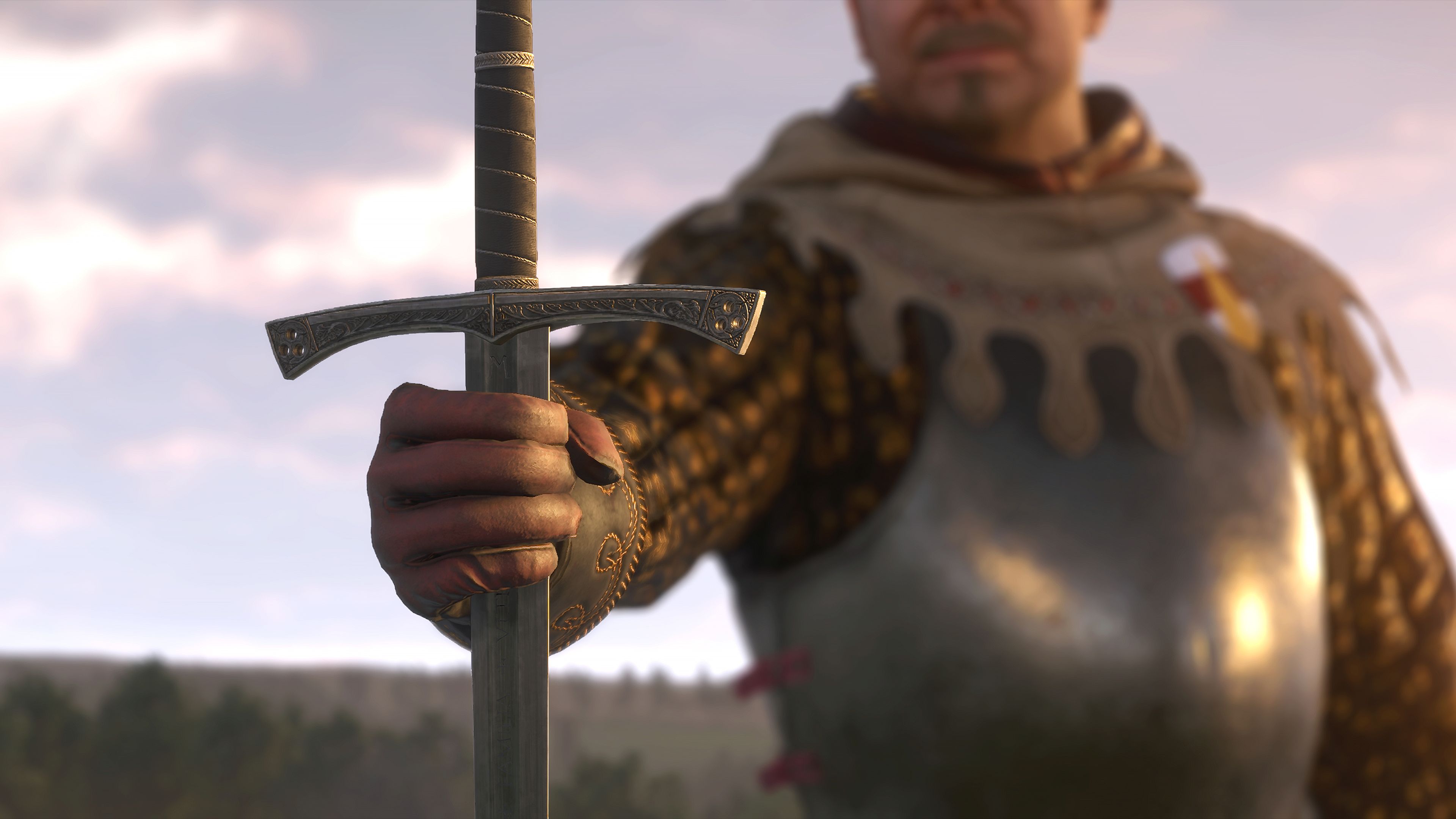
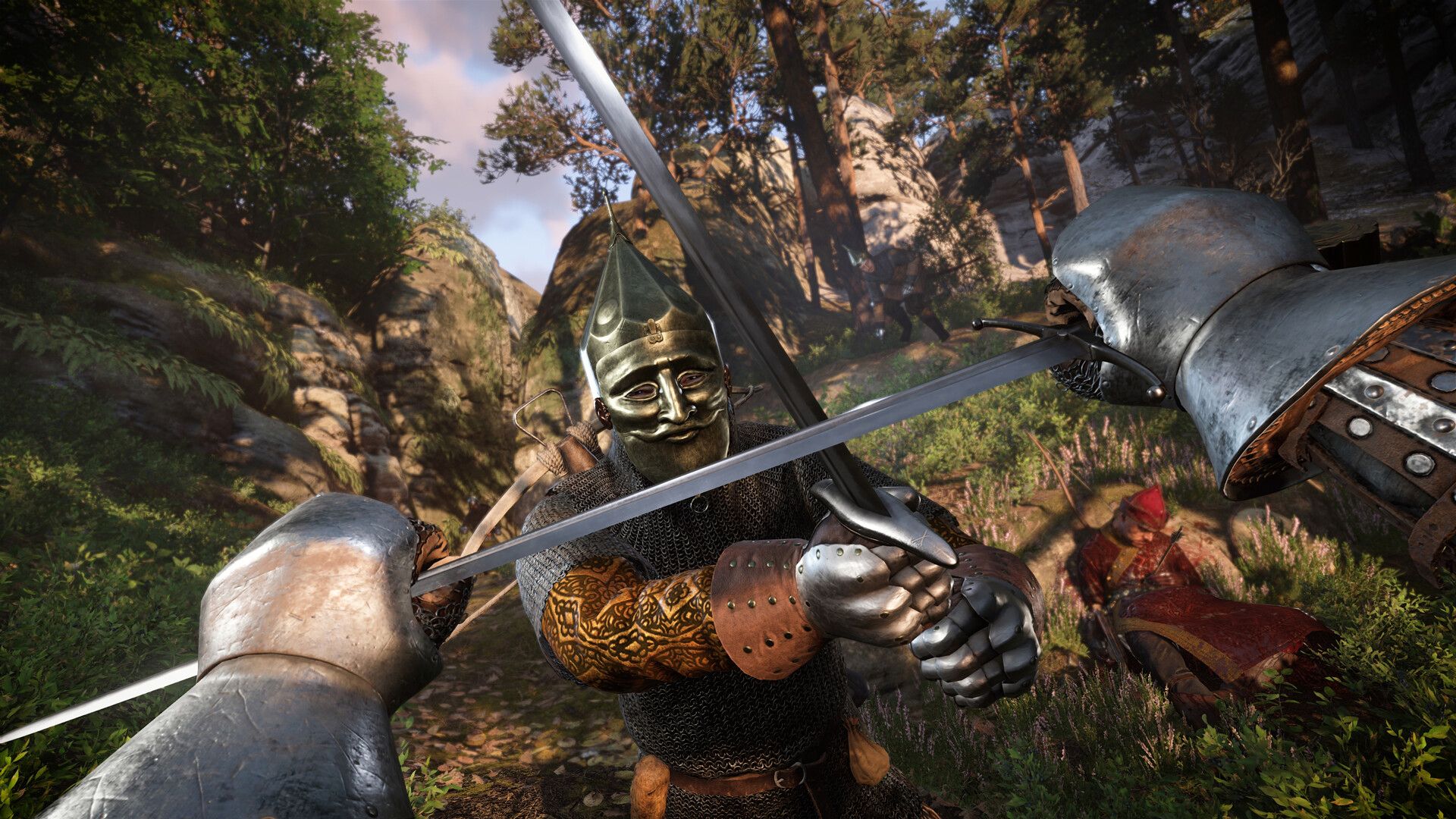
Middle-earth stands out from many fantasy worlds by finding a balance. While magic exists, it isn’t as overwhelming or constant as in games like The Elder Scrolls 5: Skyrim or Dragon Age. Tolkien created a magical world, but avoided the typical ‘over-the-top’ approach often found in fantasy.
With its new focus on a world where magic exists, Warhorse will need to change how it does things to fit this reality.
Tolkien’s fantastical creatures like Ringwraiths and Balrogs feel so real because his stories prioritize building a believable world first. He focuses just as much on everyday details – villages, kingdoms, politics, and travel – as he does on magic. This makes the supernatural elements truly impactful; they stand out because they disrupt a familiar reality, rather than constantly dominating it. This approach surprisingly complements the strengths of the game Warhorse.
Considering Warhorse’s previous work, this game has the potential to feel less like a typical fantasy RPG and more like truly inhabiting the world of Middle-earth. Many Lord of the Rings games prioritize grand battles or heroic characters, but Warhorse seems likely to focus on the everyday life of Middle-earth, gradually revealing its ancient dangers and marvels. This approach could make encounters with creatures like Trolls, Nazgûl, or Balrogs feel incredibly powerful – something many fantasy RPGs don’t quite manage.
Middle-earth’s Magic Still Can’t Be Shoved Aside
Warhorse faces a delicate balancing act. Too few magical elements from Middle-earth, and the game might just feel like Kingdom Come reskinned with Lord of the Rings imagery. Too many, and it could lose the realistic, grounded feel that would make their interpretation of Tolkien’s world truly special. The key is finding a middle ground – a world that feels believable and lived-in, yet still retains a sense of age and mystery.
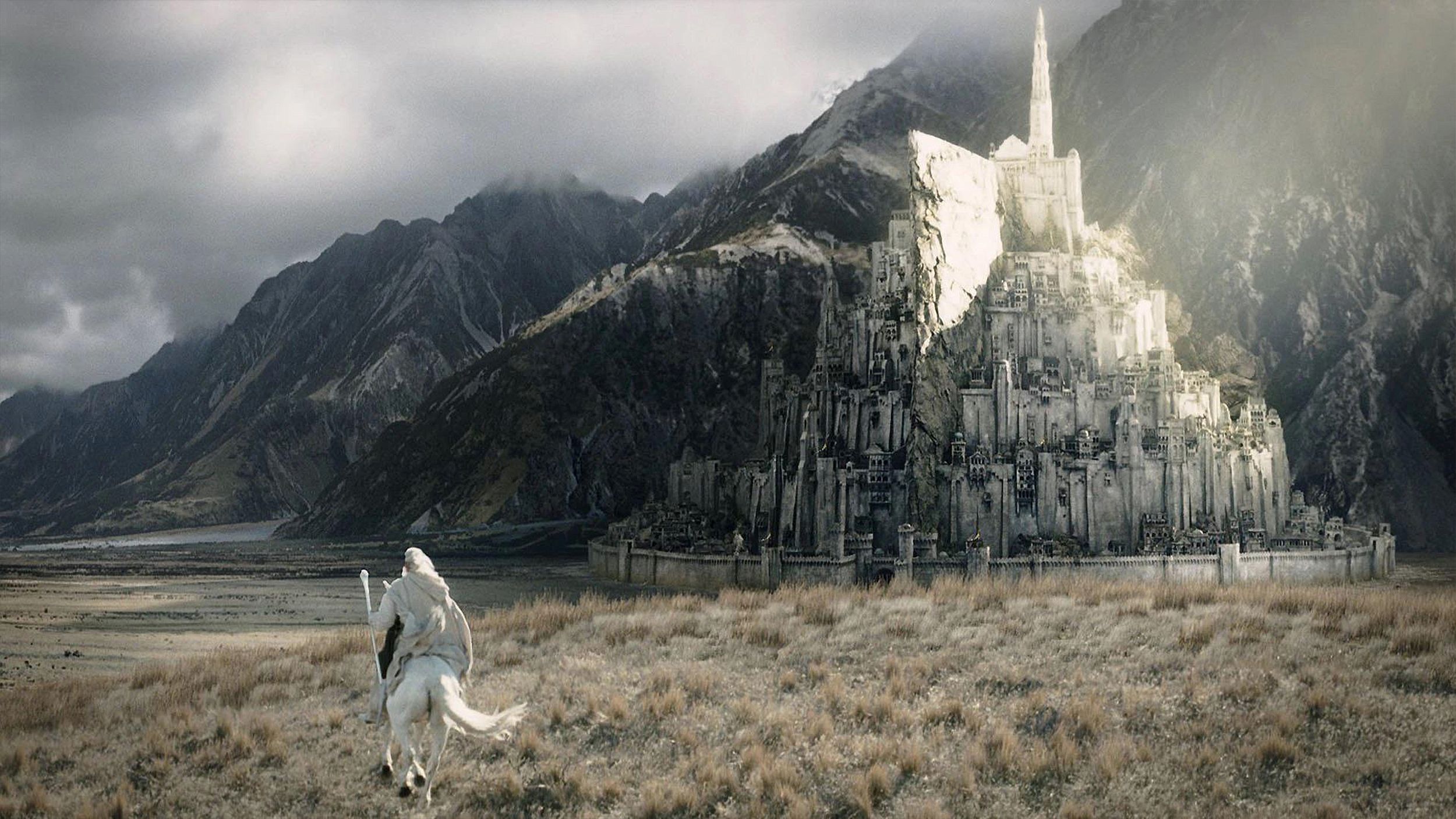
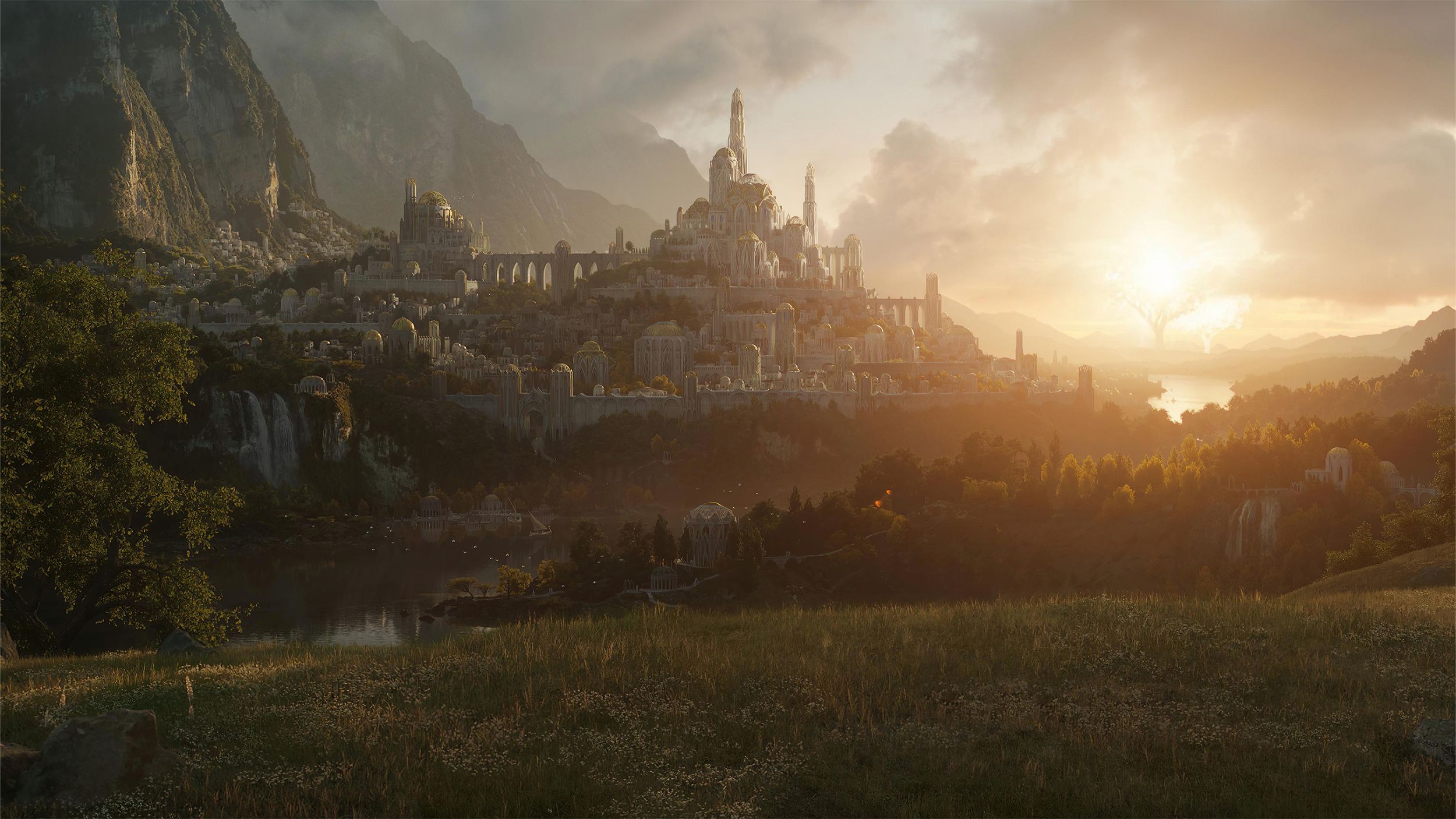
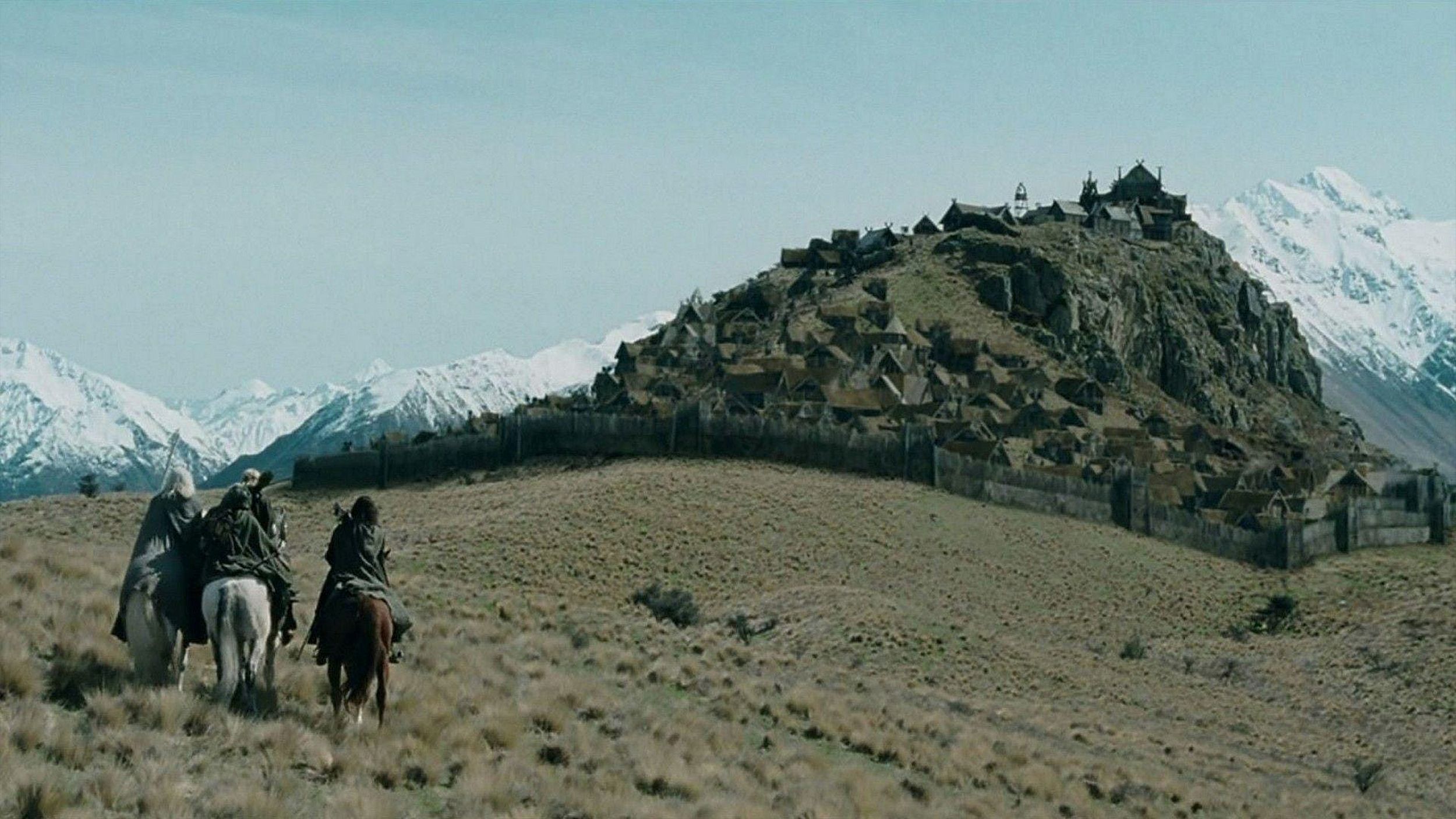
If Warhorse wants its Lord of the Rings RPG to be different from previous games, it should avoid simply trying to replicate the power fantasy that the Shadow of Mordor games already perfected. Those games brilliantly made players feel like a powerful, supernatural assassin. Instead, Warhorse’s game might be more successful by initially making players feel vulnerable and then gradually immersing them in the vast and epic world of Middle-earth.
Considering Warhorse’s previous work, this game aims to feel less like a typical fantasy role-playing game and more like a realistic experience of being in the world of Middle-earth.
That could mean an orc encounter feels dangerous because the player is still just a person with a sword. It could mean magic feels more like something ancient, mysterious, and half-understood than something players casually slot into a build. It could mean a place like Fangorn Forest feels alive before the trees even speak, or a Nazgul feels terrifying long before it ever appears on-screen. In a Warhorse-developed Lord of the Rings RPG, the fantasy may work best when it is treated more like a force the player has to survive than something they are already built to overcome.
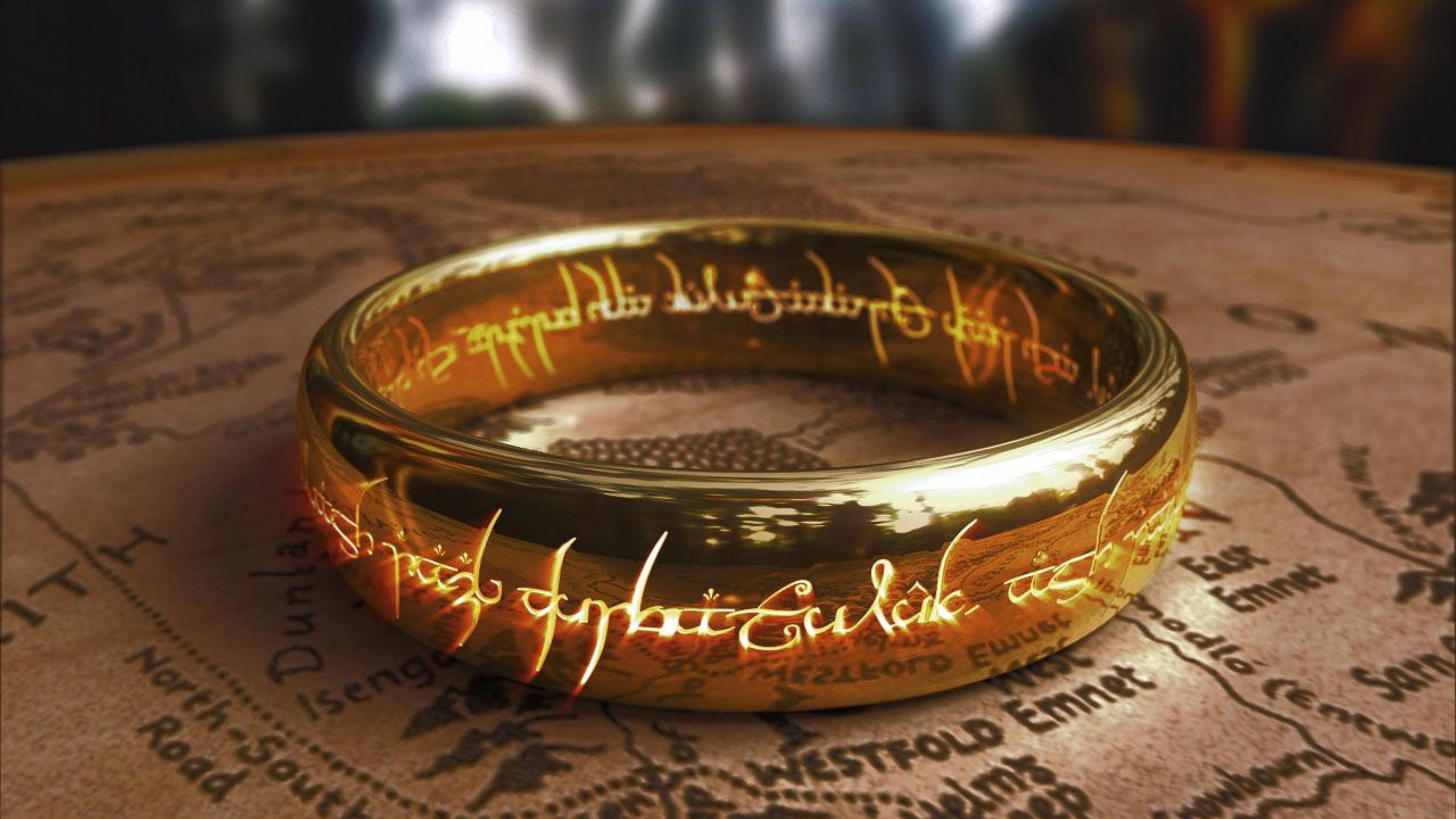
The biggest challenge for Warhorse’s Middle-earth RPG isn’t about the time period or location. While those are important, the real question is whether the developers can successfully blend Tolkien’s rich world with their realistic RPG style without sacrificing the unique qualities of either. If they succeed, this game could be one of the few Lord of the Rings games that makes Middle-earth feel truly authentic and believable, allowing the magic to feel natural and earned.
Read More
- NTE Drift Guide (& Best Car Mods for Drifting)
- All Aswang Evidence & Weaknesses in Phasmophobia
- Conduit Crystal Location In Subnautica 2
- Diablo 4 Best Loot Filter Codes
- Where to Find Prescription in Where Winds Meet (Raw Leaf Porridge Quest)
- Boruto: Ikemoto Has Already Hinted At Sasuke’s New Eye After Return
- Best Burst & Full Auto Builds for the M16A4 in BF6
- USD RUB PREDICTION
- Deltarune Chapter 1 100% Walkthrough: Complete Guide to Secrets and Bosses
- GBP CNY PREDICTION
2026-05-22 15:37