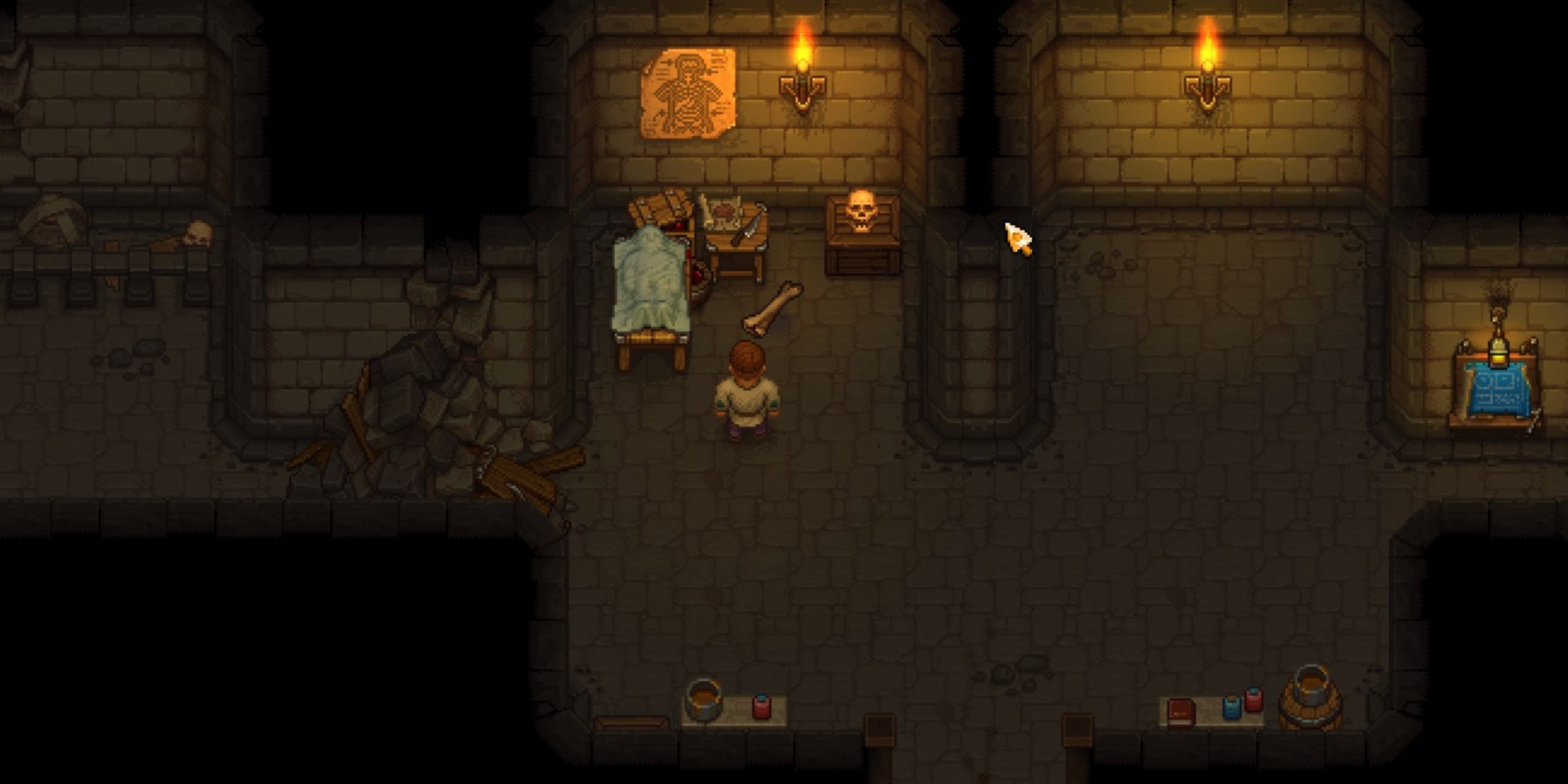
In Graveyard Keeper, players quickly learn how to perform autopsies. As the new caretaker of a neglected graveyard, examining dead bodies becomes a regular task, and autopsies are a key part of that process.
You’re introduced to performing autopsies by a talking skull – a good indication of the game’s quirky style! He’ll cover the basics, but don’t let that fool you. Autopsies become increasingly complex as you progress. To effectively manage your graveyard and improve the quality of bodies, you’ll need a thorough understanding of the system. Read on to learn more about autopsies, corpse ratings, and skull values in Graveyard Keeper.
What is Autopsy in Graveyard Keeper?
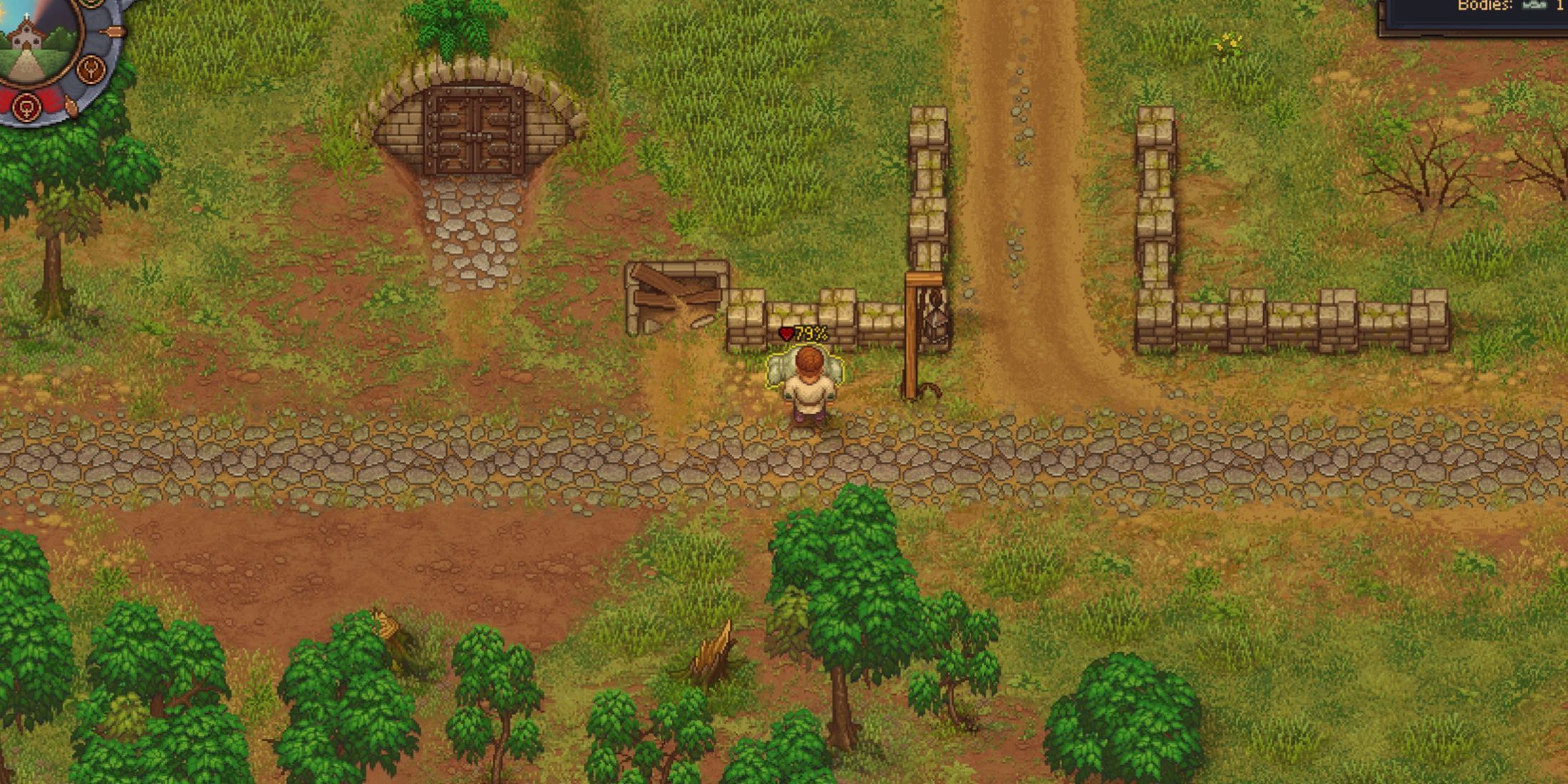
In this game, you’ll perform autopsies – carefully examining bodies and sometimes replacing parts. You’ll be working in a morgue, and your goal is to restore the bodies to the best condition possible before burial, which will improve your graveyard’s reputation.
Each corpse has a mix of red and white skulls:
- Red skulls represent the bad things the person did in life, and lower the Grave’s Score.
- White skulls represent the good and increase the Grave’s Score.
- These skulls decide the final quality of the grave.
When performing an autopsy, your goal is to collect as many ‘white skulls’ as possible by carefully selecting which body parts to keep. In the beginning of the game, Bishop asks you to reach a graveyard rating of five, and collecting more white skulls will help you improve your rating and achieve this quickly.
How to Perform an Autopsy in Graveyard Keeper
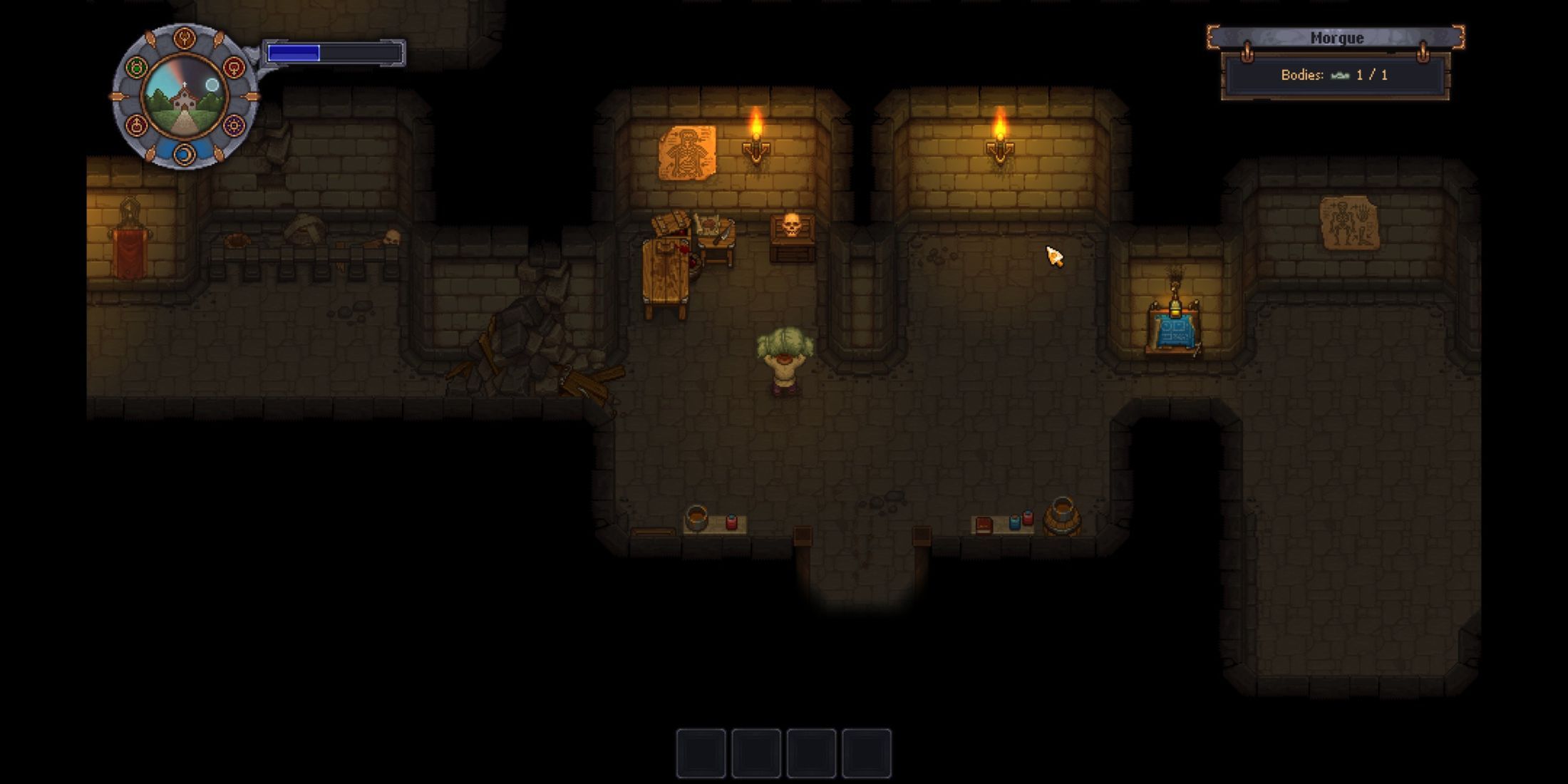
It all starts when a new body is delivered to the morgue – brought in, oddly enough, by a donkey. Immediately, a talking skull instructs you to begin your work. You’ll quickly see a percentage displayed above the body; this number indicates how recently the person died – essentially, how fresh the corpse is.
A body begins at full freshness, but quickly starts to decay. When freshness drops to 90%, one of the white skulls will turn green, which lowers the corpse’s overall quality. This continues to happen with each 10% decrease in freshness.
Immediately move the body to the morgue. The quicker it’s moved, the better its condition will be preserved.
As the game progresses, you’ll be able to use chemicals to get rid of green skulls. However, at the beginning, you won’t have that option, so speed and preserving the body are key.
As a huge fan, I’m really getting into how you start an autopsy in this game! Once you get the body onto the table, you can immediately start working on it. At first, you’re pretty limited – basically just removing layers of flesh. But the more you play, the more tools and options become available, which is awesome!
Getting the Softspares and Hardspares upgrades lets you collect more samples, such as blood, fat, and skin, during autopsies. They’re simple to acquire and significantly improve your control during the procedure.
Players can unlock these features by opening the menu and selecting the Technologies tab. There, they can use points to learn more powerful procedures.
Body Parts and Their Skull Values in Graveyard Keeper
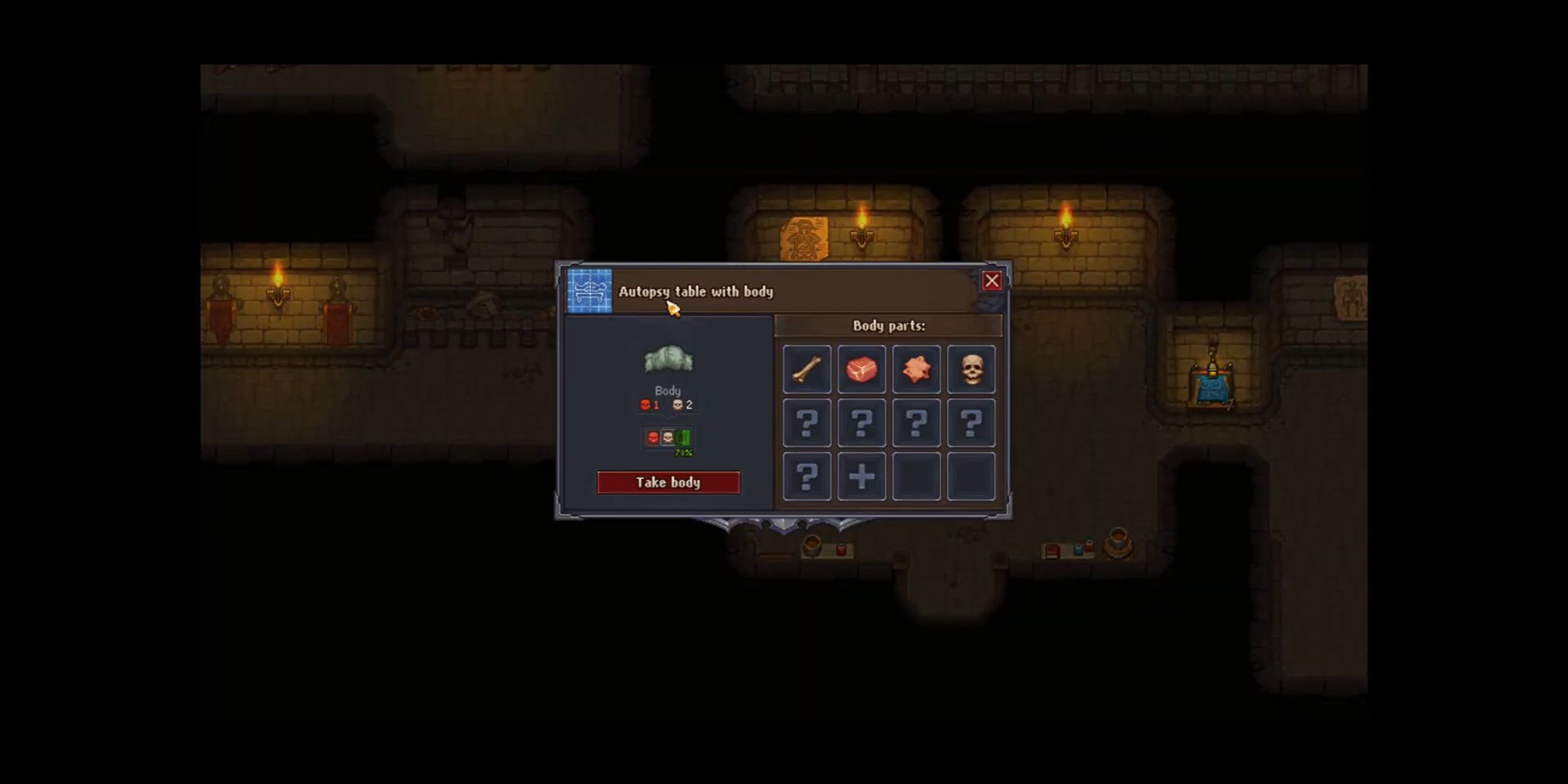
During an autopsy in Graveyard Keeper, removing body parts impacts your skull count. Because you want to collect as many white skulls as possible, it’s crucial to understand which parts to keep and which to discard. Here’s a breakdown of the skull value for each body part:
| Organ | Skull Effect |
|---|---|
| Flesh | Removes one white skull |
| Fat | Converts one red skull into a white skull |
| Blood | Converts one red skull into a white skull |
| Skin | Converts one white skull into a red skull |
| Bone | No change |
| Skull | Gives one red skull |
| Brain | Random effect. Can give you up to two red or white skulls |
| Heart | Random effect. Can give you up to two red or white skulls |
| Intestines | Random effect. Can give you up to two red or white skulls |
While most body parts are consistent, the brain, heart, and intestines are unpredictable. When you remove these organs, they can yield white, red, or a combination of both skulls. The outcome is random – you might get a good result, or you might worsen the body’s condition.
Honestly, messing with organs early on feels like a total risk. I usually try to avoid it unless I absolutely have to. But later in the game, you unlock this awesome perk called Cultist. It lets you see exactly how much each organ is worth before you take it out, which is a game changer. No more guessing during autopsies – you can actually make smart choices!
When examining a body during an autopsy, there’s a risk of making a “Surgeon’s Mistake” – a random error that can occur while removing a part. If this happens, you’ll lose one white skull and gain a red skull, decreasing the body’s overall quality. Luckily, you can take steps to minimize the chance of this error occurring.
As a big fan of the game, I’ve found that getting the Butcher perk is awesome because it makes it way easier to work with things like blood, skin, and bones without messing up. But if you’re dealing with really delicate stuff – you know, the important organs like hearts, brains, and intestines – the Surgeon perk is a lifesaver! It really helps with precision when you need it most.
Okay, so if I’m not happy with how my autopsy’s going and a body part is dragging my score down, I can actually put it back! There’s a little plus icon in the autopsy menu – clicking that restores the part and basically undoes any negative impact it had on the skull count. It’s a lifesaver when I’m trying to perfect a case!
Burying a Body in Graveyard Keeper
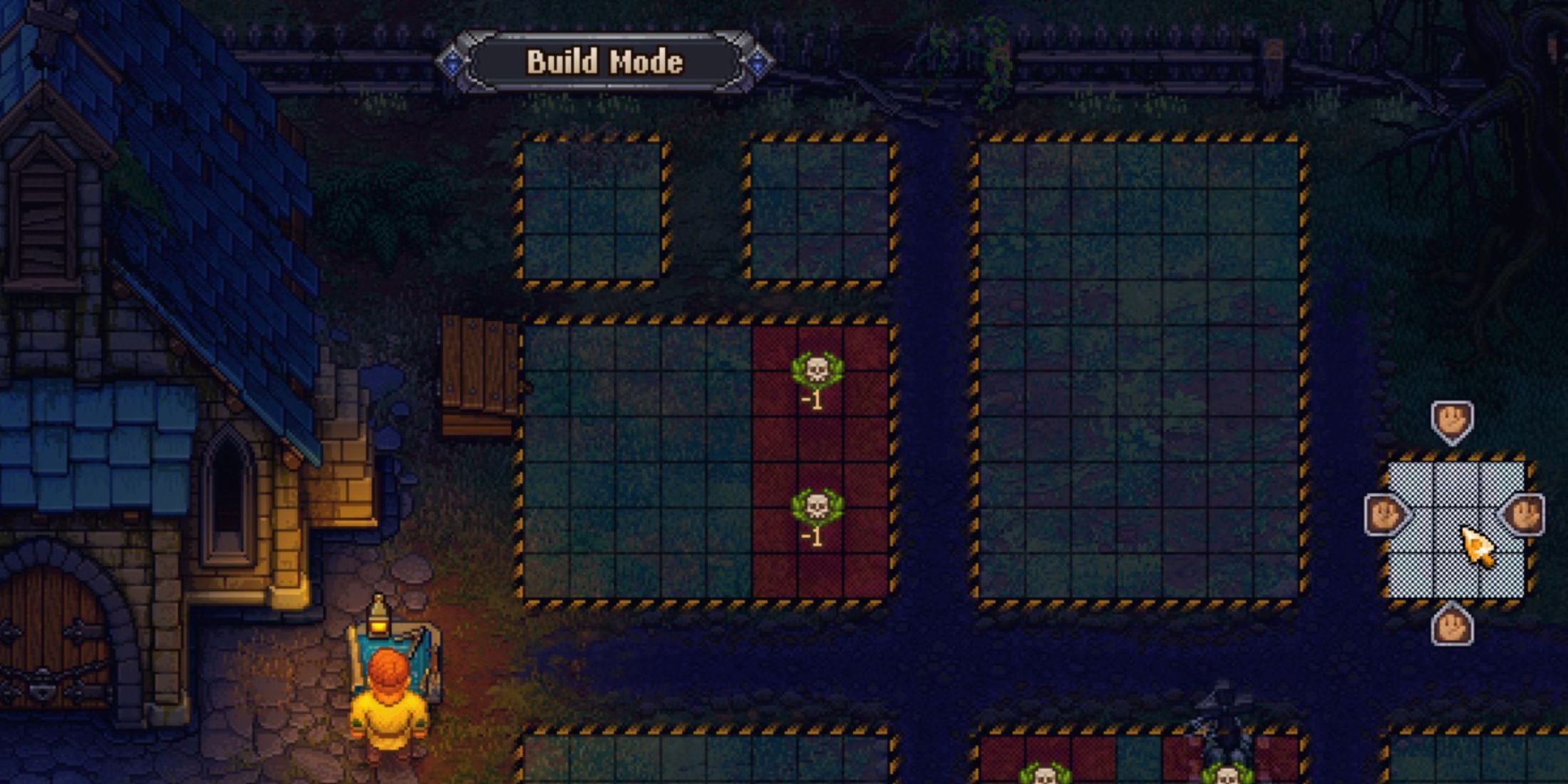
After the autopsy is complete, you’ll need to handle the body. The usual method is burial in your graveyard. To do this, go to the graveyard and use the Blueprint Desk to place a gravesite. Dig the gravesite, and then place the body inside.
Once you’ve placed the body in the grave, use your shovel to fill it with dirt. That completes the burial. Whenever a player buries a corpse, they’ll get a Burial Certificate that can be sold to Horadric.
If a body is damaged or doesn’t meet your quality standards, you still have choices. You can bury it, but this will negatively impact your graveyard’s rating. A better solution is cremation. You can burn the body at the crematorium, which is south of the morgue, and still receive valuable resources like salt and ash, as well as the Burial Certificate.
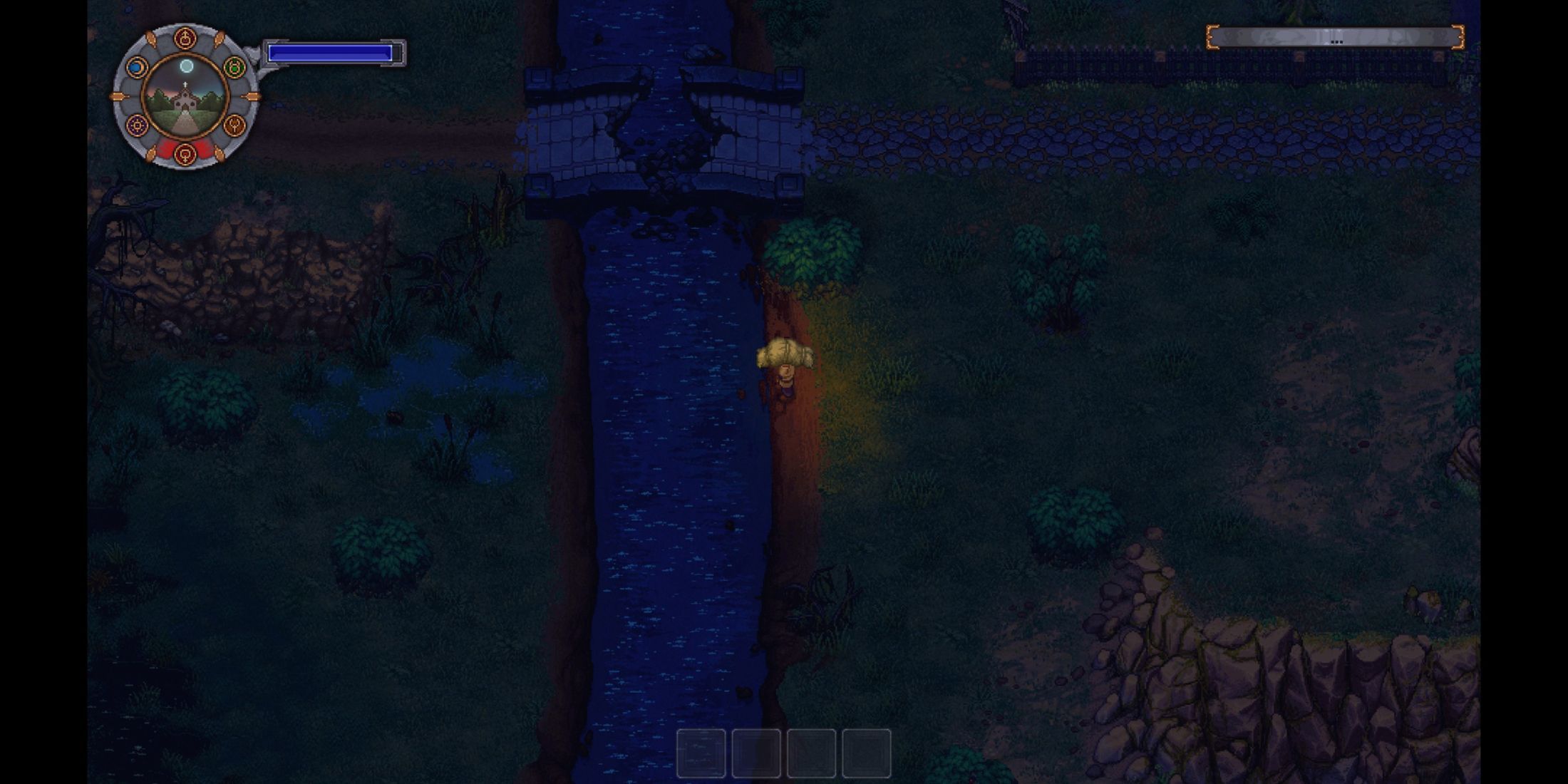
You have another choice: you can dump the body in the river. This immediately removes the corpse, but you won’t get a burial certificate. The first time you do this, a skull character will appear and comment on your actions, but it doesn’t have any lasting effects.
Don’t worry if a poor-quality corpse ends up in your graveyard – you can always correct the situation. Graveyard Keepers can dig up the body and handle it correctly by obtaining Exhumation Permission from Royal Services. With this permission, you can remove older bodies from their graves.
In Graveyard Keeper, once you’ve dug up a body, you have two choices: perform an autopsy or dispose of it. It’s not a glamorous task, but it’s all part of running a graveyard. Whether you cremate the body or rebury it – even after making improvements – you’ll still get a Burial Certificate, just as you would with a typical burial.
Read More
- Forza Horizon 6: Find the Ohtani Treasure Chest Location
- LEGO Batman Legacy of the Dark Knight Batcave Minikits & WayneTech Caches
- Diablo 4 Best Loot Filter Codes
- NTE Drift Guide (& Best Car Mods for Drifting)
- USD RUB PREDICTION
- USD CNY PREDICTION
- Cookie Run Kingdom Timeline of Fate Update Guide
- PS Plus Monthly Games for June 2026 Wish List
- Top 10 Must-Watch Isekai Anime on Crunchyroll Revealed!
- Batman Telltale Episode 5 – All Choices
2026-04-14 20:08