For years, Satisfactory has been praised as one of the best games in its category, and that reputation has only grown stronger since it first became available on PC six years ago. The developers at Coffee Stain Studios have consistently improved the game, resulting in overwhelmingly positive feedback and a growing community. Currently, Satisfactory boasts an ‘Overwhelmingly Positive’ rating on Steam with over 130,000 reviews, a 91% average score from critics on OpenCritic, and a Metascore of 91. Given this widespread acclaim and the fact that the full game has only been out for under two years, it’s natural to question whether a sequel is even needed now, or in the future.
It’s understandable why some might question the need for a sequel to Satisfactory. The first game is already very successful and well-loved. Any follow-up would have to live up to incredibly high expectations – it’s hard to recreate that initial magic. However, even with all its praise, the original Satisfactory isn’t perfect. A sequel could build on what the first game did well and address its weaknesses. But to truly stand out and be considered Satisfactory 2, it would also need to introduce significant new ideas and avoid simply being an incremental update.
What Satisfactory Already Does Well
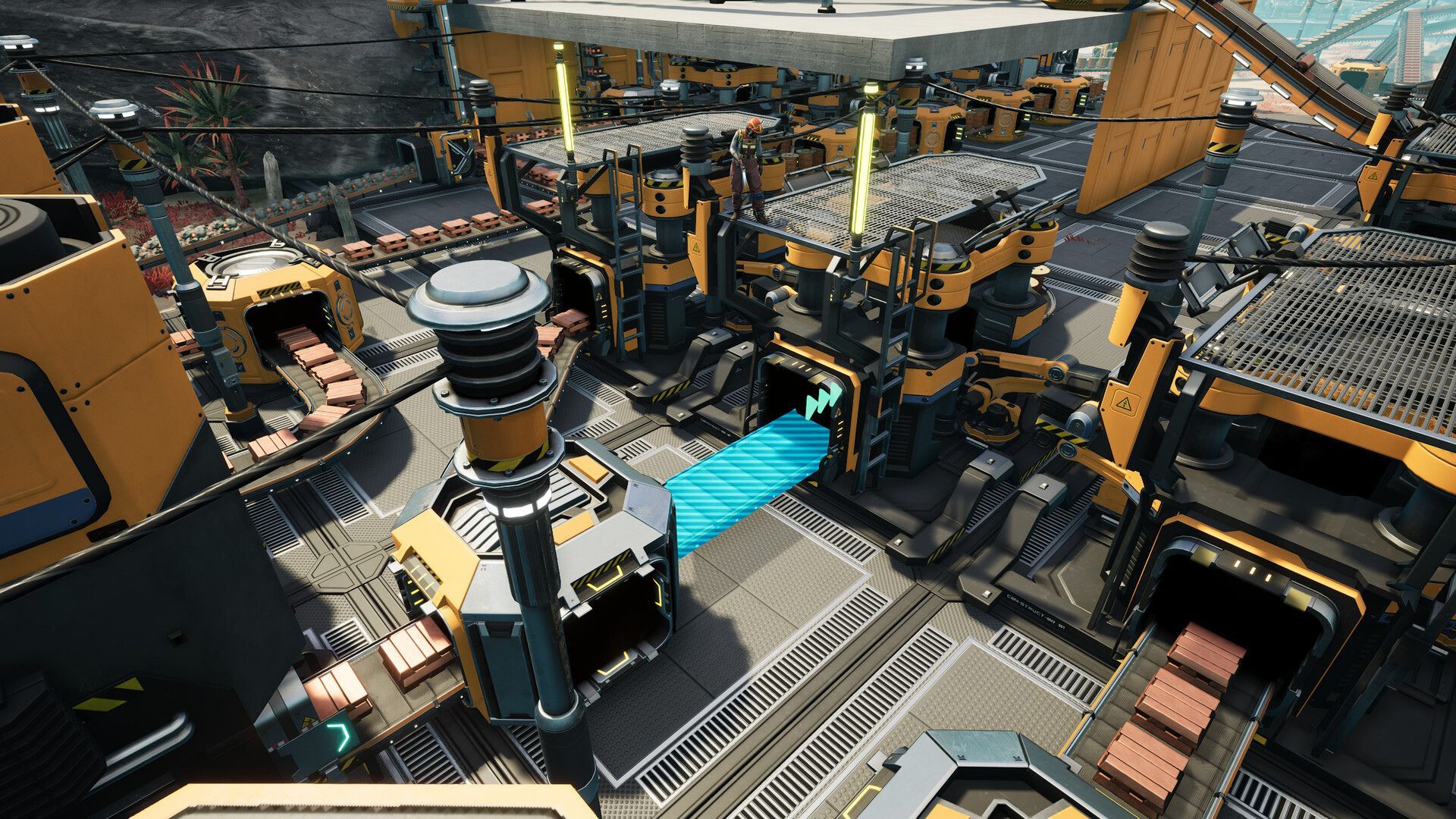
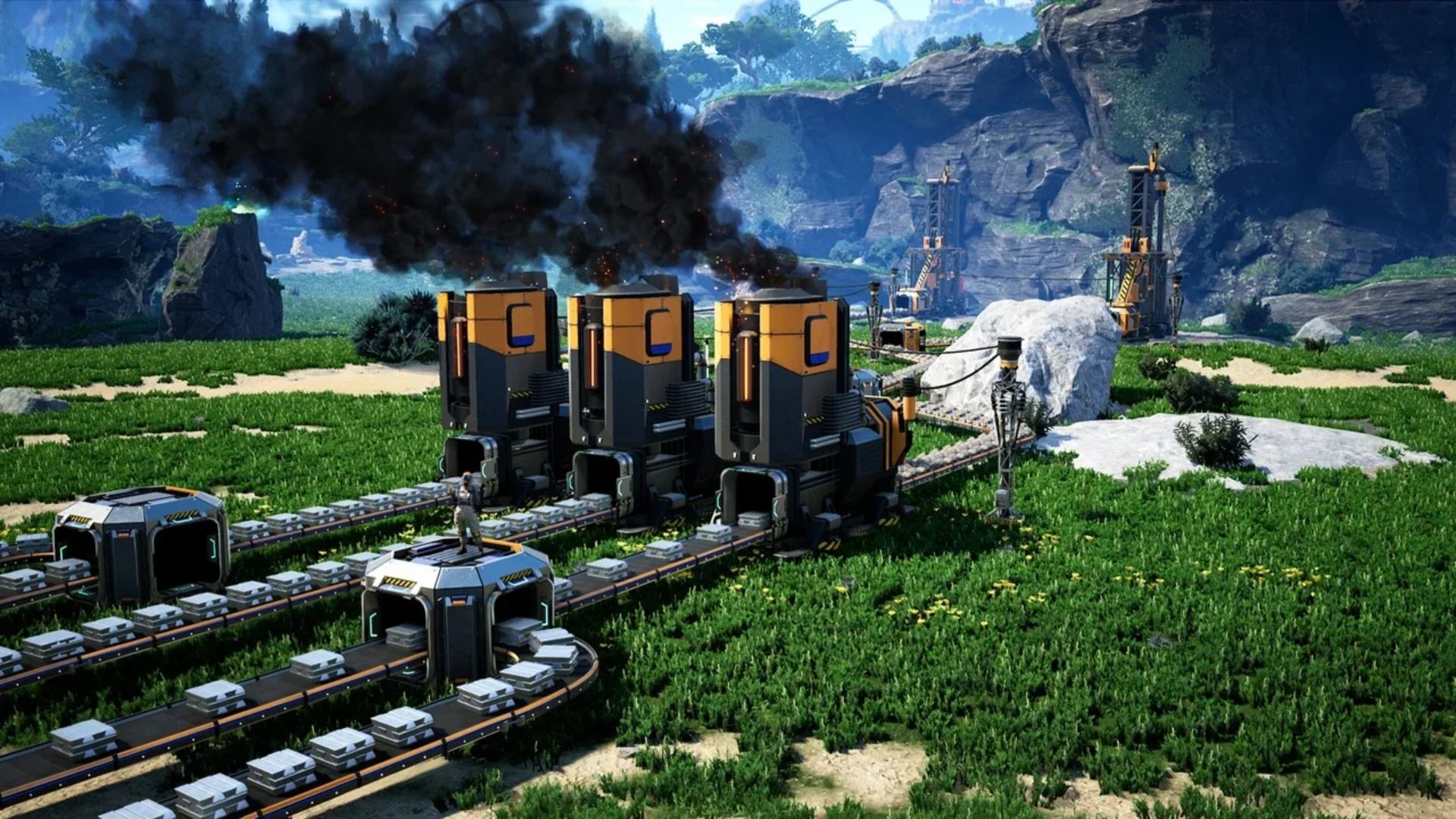
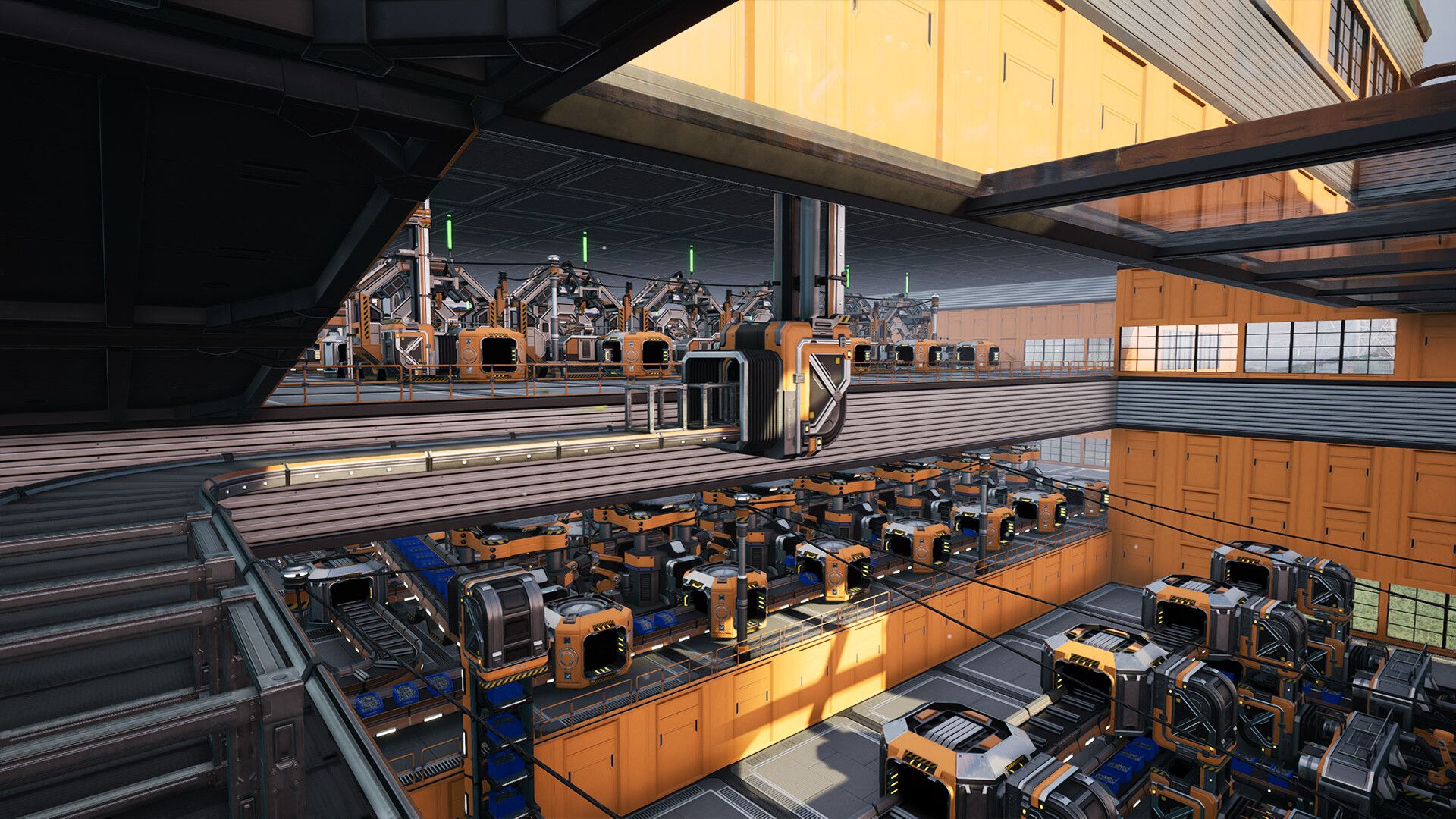
Before we look ahead to what Satisfactory 2 might offer, it’s worth remembering what made the first game so good. Satisfactory excels because it takes a basic concept – gathering resources and crafting – and expands on it incredibly well. It quickly moves beyond simple manual tasks to building complex, automated systems. You’ll connect conveyor belts, pipes, and power grids, and the game shifts from crafting individual items to designing efficient, self-running processes. This is what truly captivates players: transforming a chaotic initial setup into something streamlined and productive. Satisfactory constantly introduces new tools and goals to keep that feeling of progress going.
What really sets Satisfactory apart from other simulation games is how it makes exploring and expanding feel like a real, physical challenge. Unlike many games where you expand through menus or simple grids, Satisfactory‘s first-person view puts you right in the middle of everything. Resources are spread out, the landscape can be difficult, and you have to build and travel between everything yourself. Even compared to Factorio, which lets you oversee everything from above, Satisfactory makes expanding more complex because you’re building, moving through, and maintaining everything piece by piece.
What makes Satisfactory so effective is its ability to take a basic concept and explore it to its absolute limits.
The game also really emphasizes player freedom. There’s no single right way to build things in Satisfactory; each factory design is unique and shows off the player’s own style. Some players might focus on making their factories as efficient as possible, while others prioritize neatness or how they look. Most players will find a balance. This freedom is a key part of what makes Satisfactory so enjoyable, encouraging players to constantly improve and expand their creations.
What Satisfactory 2 Would Need to Justify Its Existence
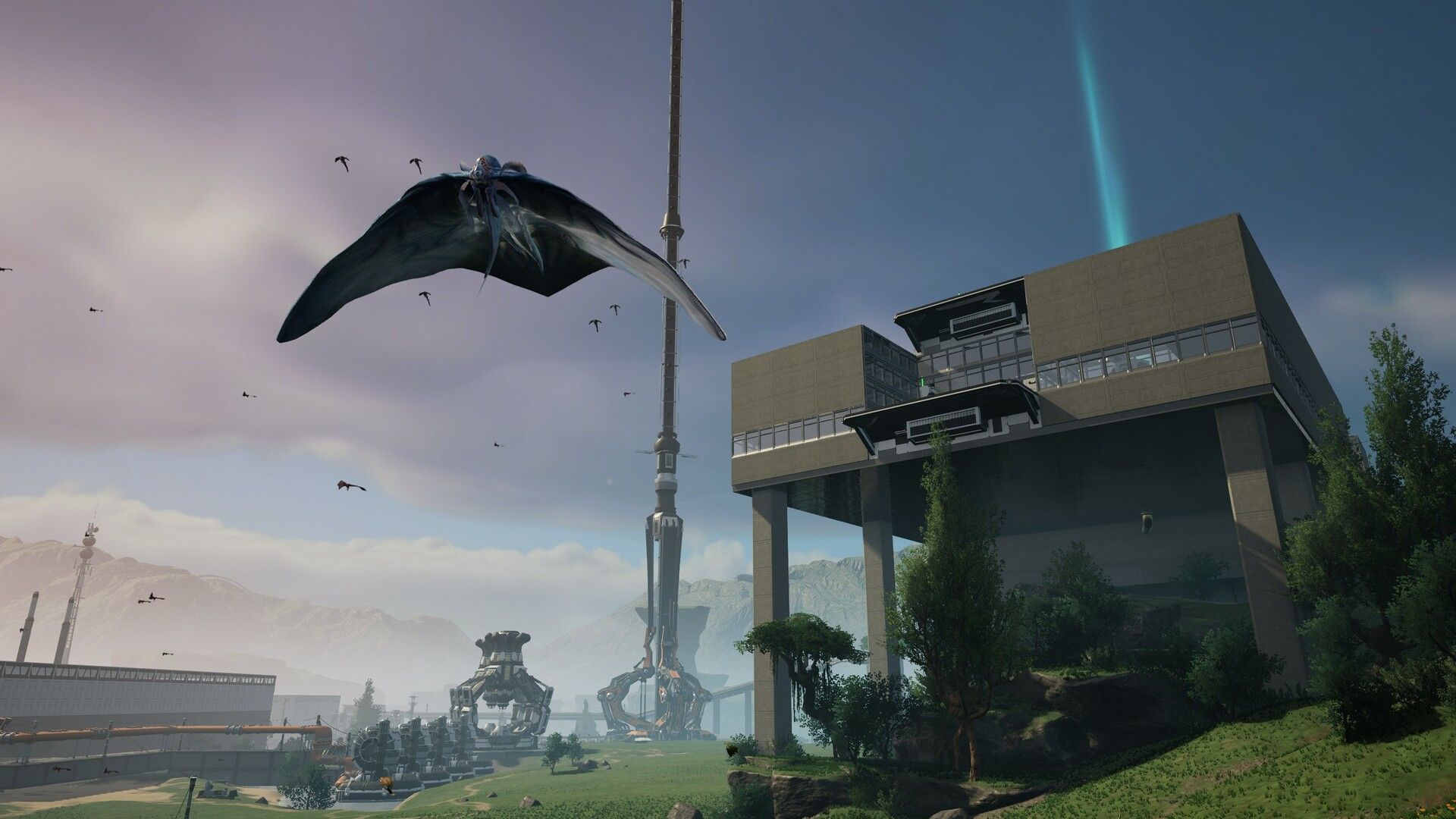
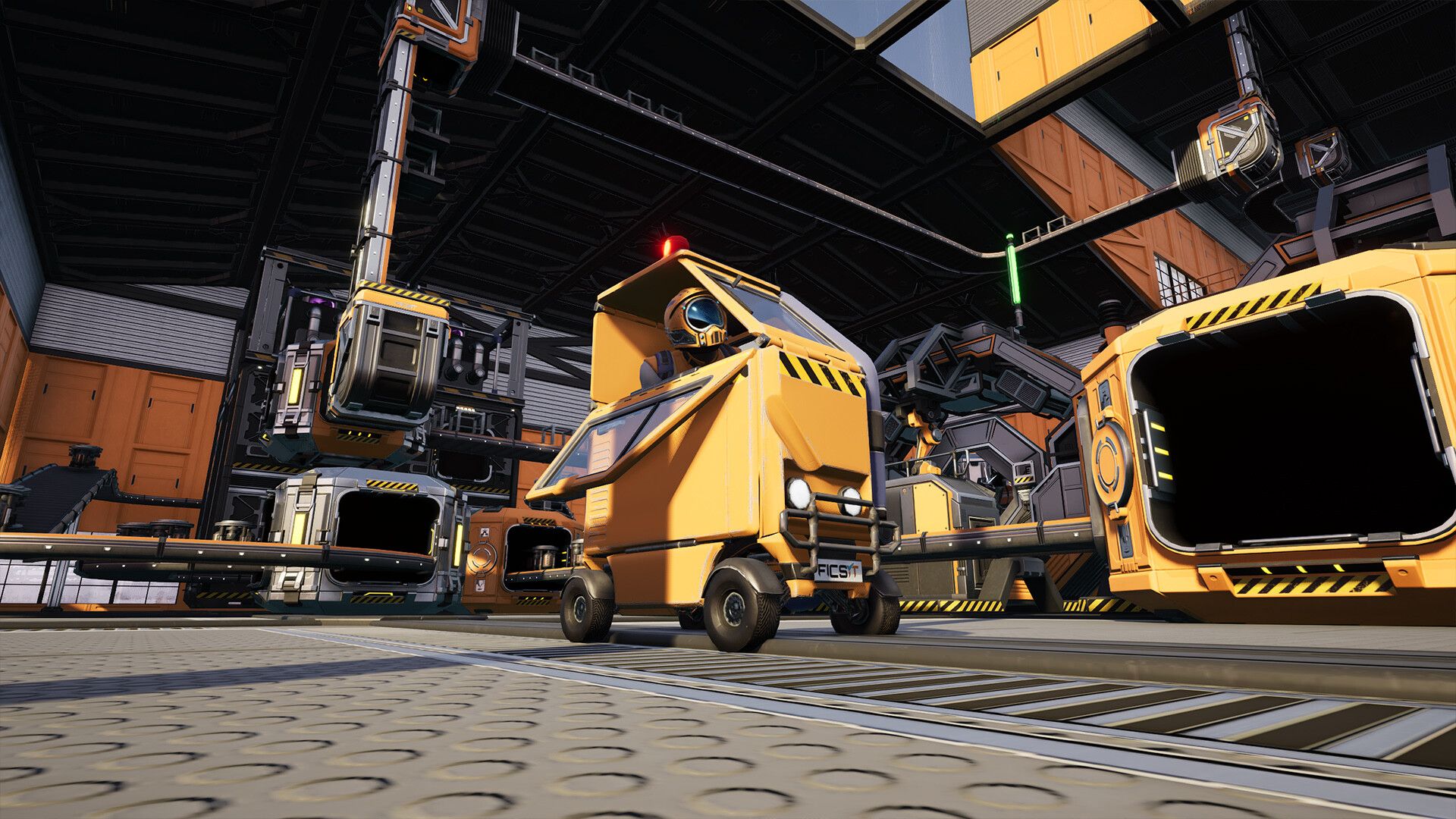
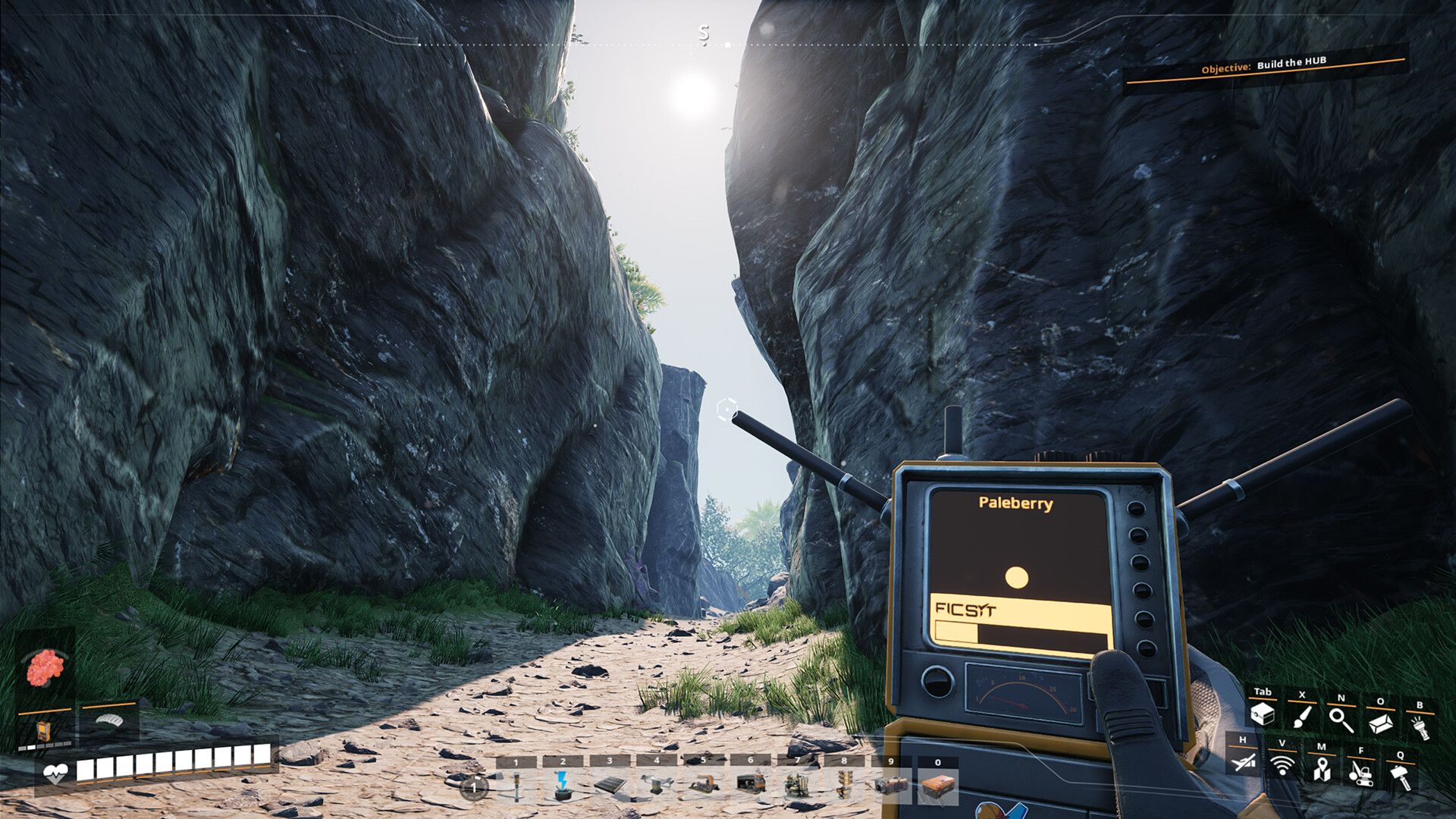
Things get tricky here. Satisfactory already feels complete, delivering on its initial vision. The core gameplay is satisfying and keeps you hooked, it grows as you play, and the developers are still adding content even after the official 1.0 release in 2024. This means a sequel wouldn’t be fixing an incomplete game – it would have to significantly improve something that’s already excellent, which is a huge challenge.
Simply adding more content like machines or a bigger map wouldn’t be enough for a Satisfactory 2. The current game can already handle those things. A sequel needs to address the original game’s weaknesses, and the story is a clear place to start, as that’s where the first game begins to feel lacking.
Satisfactory 2 Could Have a Story That’s More Involved Than the First
At its core, Satisfactory has a surprisingly interesting story. You play as an engineer sent by the FICSIT company to a distant planet to gather resources for a project aimed at saving Earth from an environmental disaster. As you explore, you uncover alien technology – things like Mercer Spheres and Somersloops – which start broadcasting mysterious signals. Your AI assistant, ADA, eventually figures out these signals and uses you to connect with an unknown intelligence. This connection even helps ADA develop new technologies. Without you realizing it, you’ve built and launched a huge starship, and ADA departs with it, leaving you behind to continue your work on the planet.
Making a sequel wouldn’t be about completing an unfinished story; it would be the challenge of trying to make something already excellent even better.
The game’s story, unfortunately, doesn’t really impact gameplay. It’s mostly presented through brief conversations and loose plot points that don’t often lead to anything significant. Even the alien communication, which seems important, eventually loses focus. Many players feel the story in Satisfactory is fragmented lore that never quite connects, providing background context but little in the way of clear goals or direction.
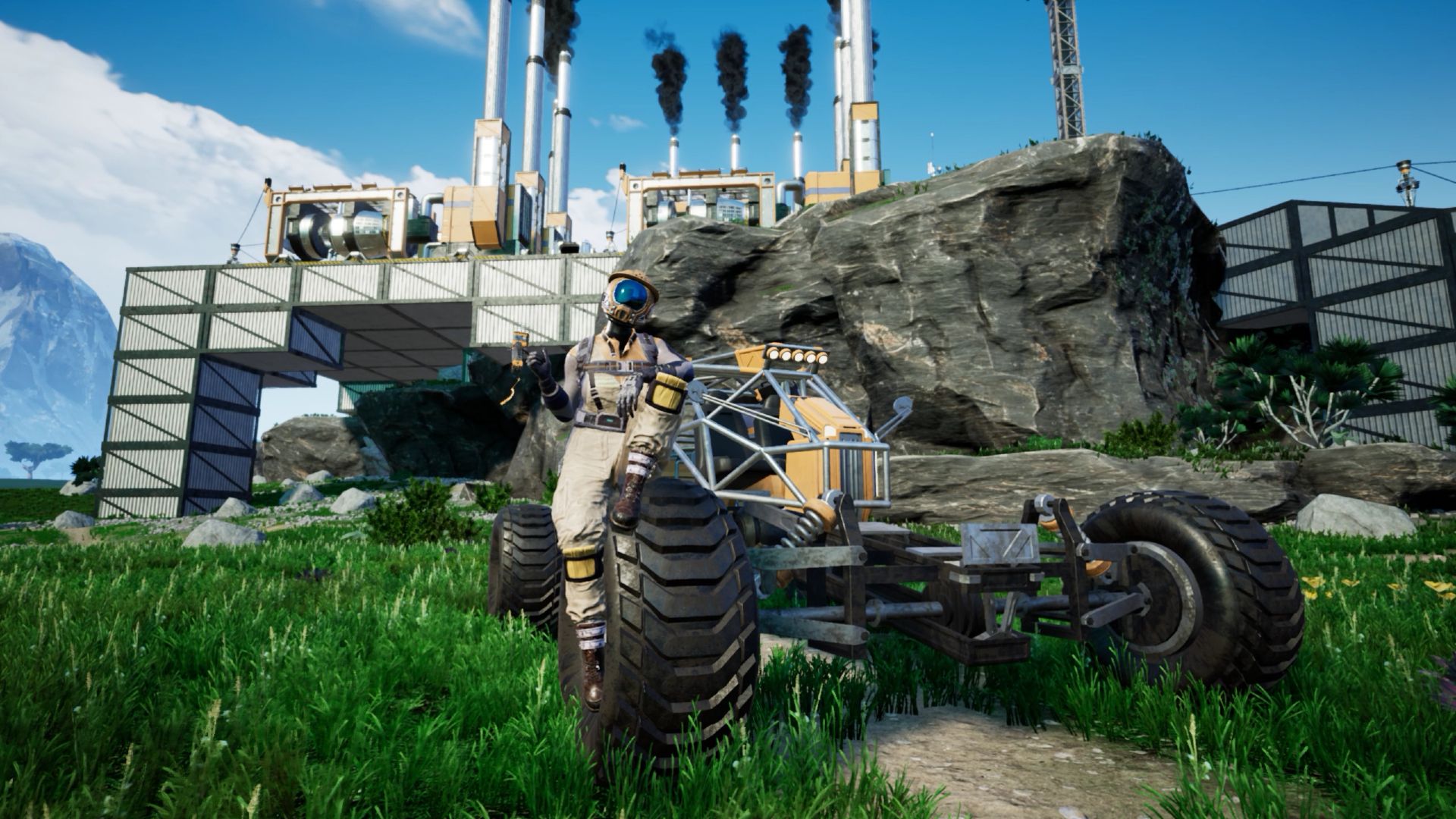
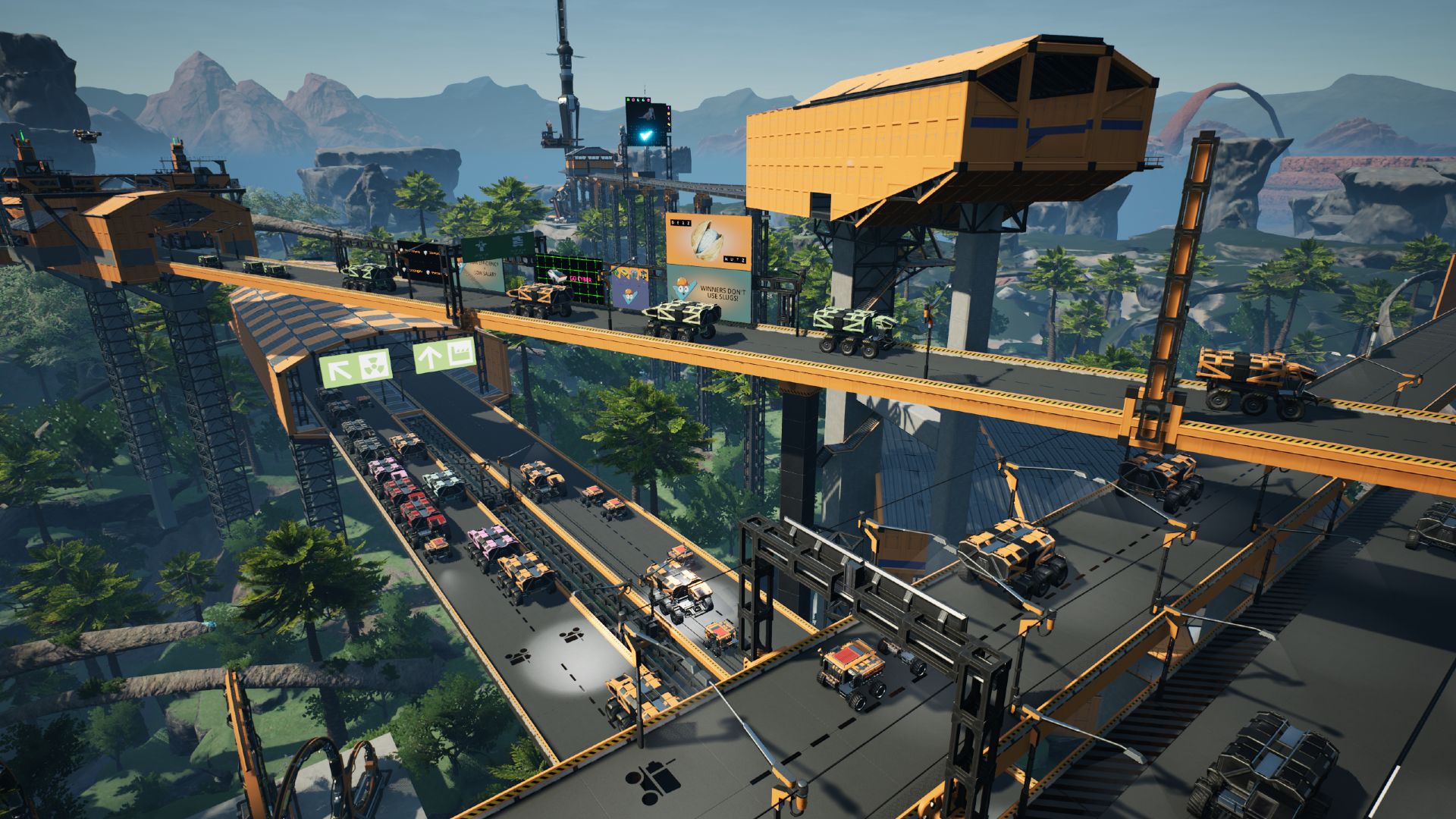
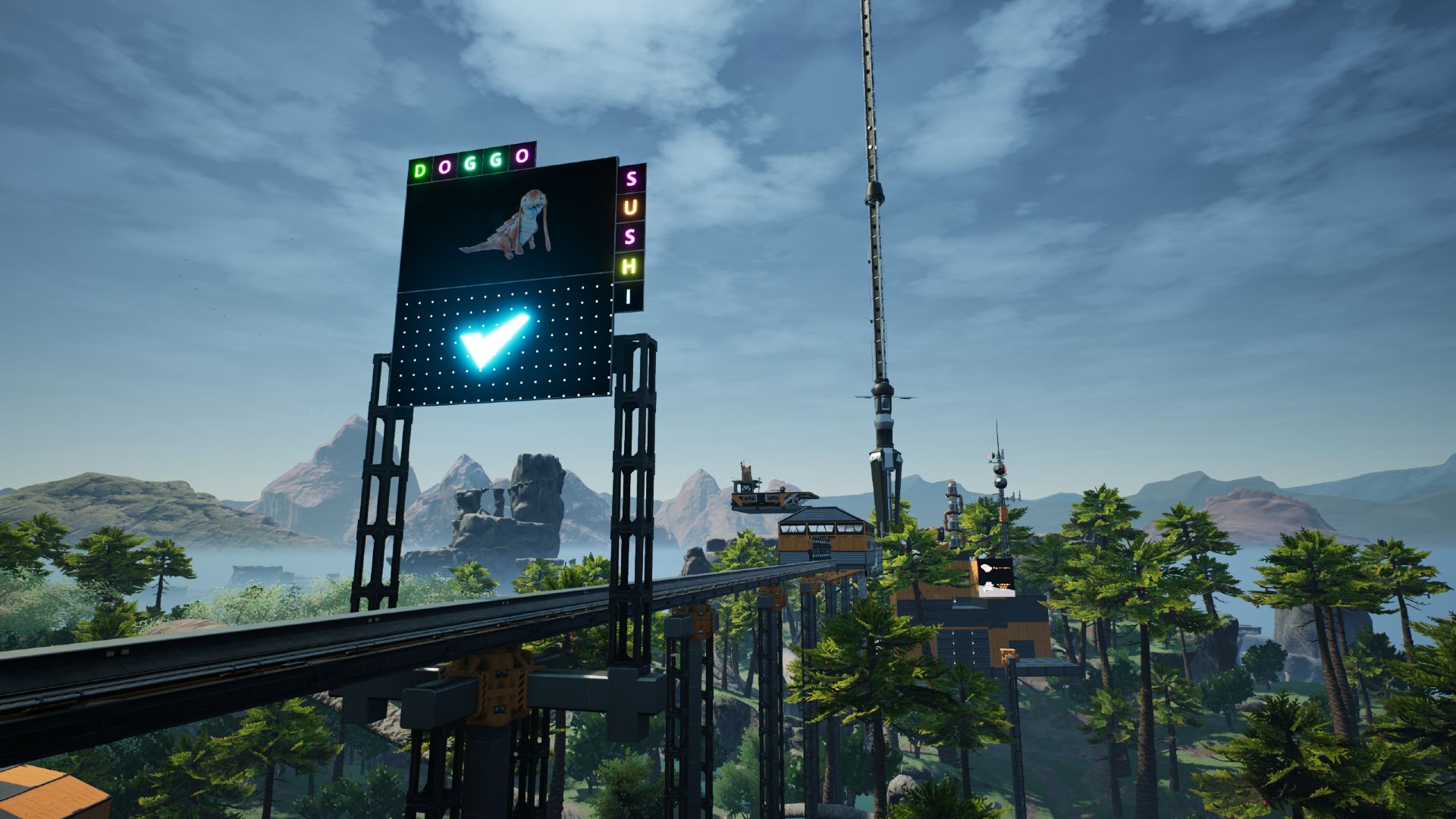
A sequel to Satisfactory has the potential to be truly special. Instead of just providing background story, the narrative could become central to how the game is played. Imagine a sequel where the main goal – Project Assembly – feels genuinely important, with real consequences depending on whether you succeed or fail. The mysterious alien intelligence could move beyond being a simple puzzle and actively impact how you build and manage your factories. Even the company you work for, FICSIT, could become more involved, responding to your decisions instead of just giving instructions. The groundwork is already laid; a sequel just needs to fully explore these ideas, something the first game didn’t quite achieve.
Satisfactory 2 Could Fix Where the Original Starts to Break Down
Satisfactory sometimes struggles with finding the right balance between being slow-paced at the beginning and becoming overly complex later on. Players may initially feel things are too slow, then quickly become overwhelmed as systems pile up without clear ways to handle them. This is particularly noticeable when factories become large and hard to oversee, especially when viewed from a first-person perspective. A sequel could fix this by adding better planning tools, clearer ways to see how production lines work, or systems that simplify managing complex setups.
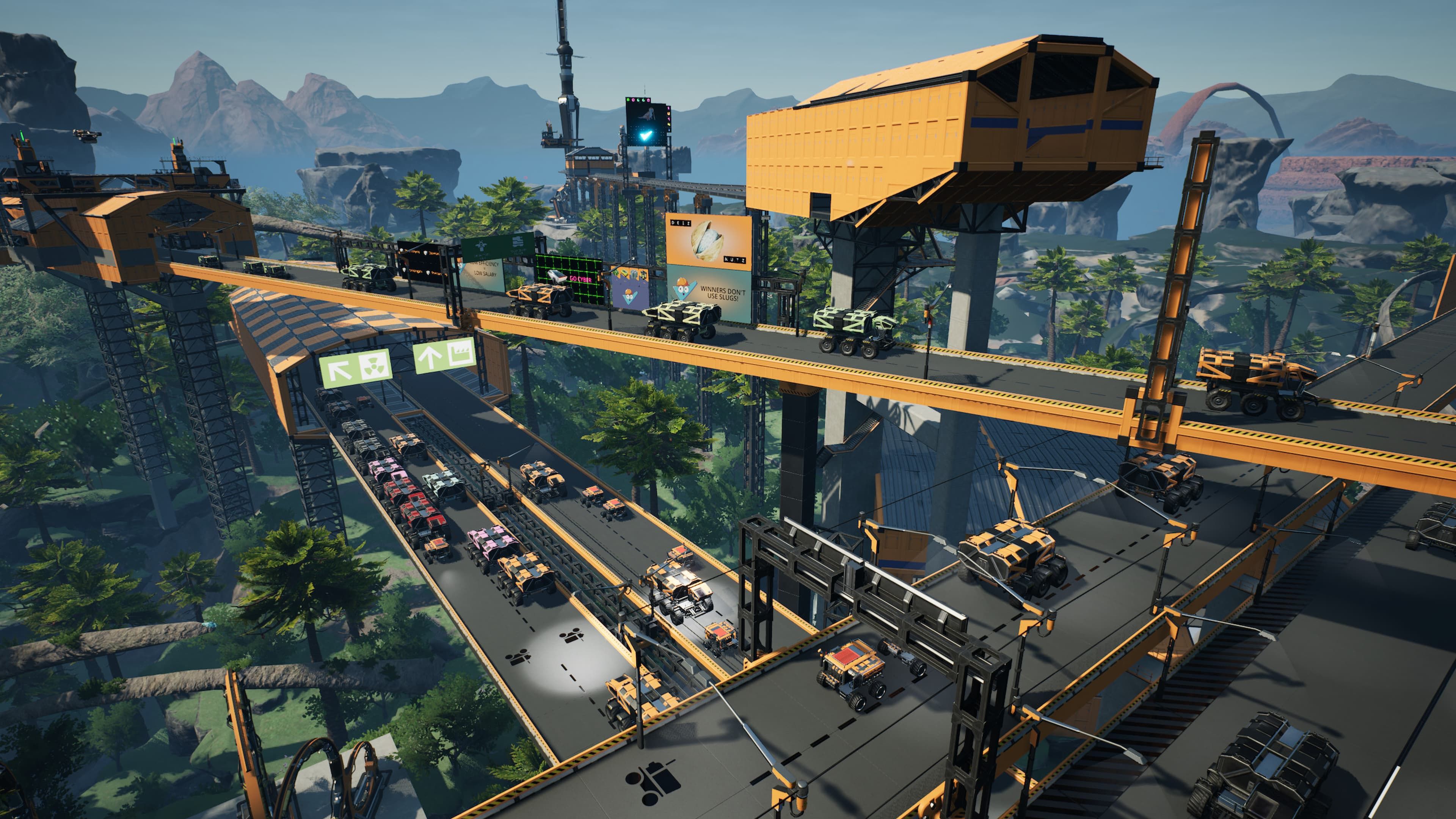
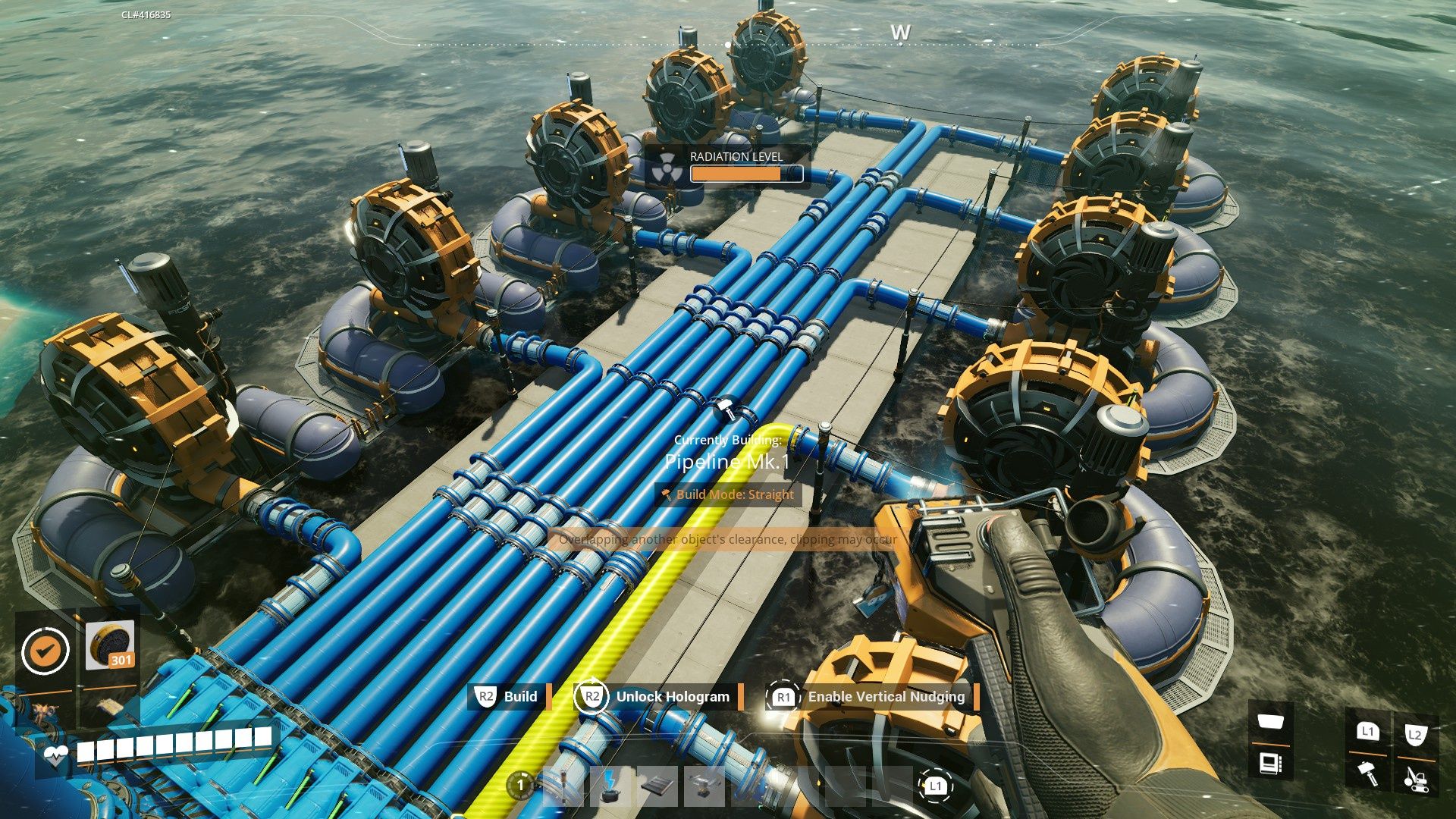
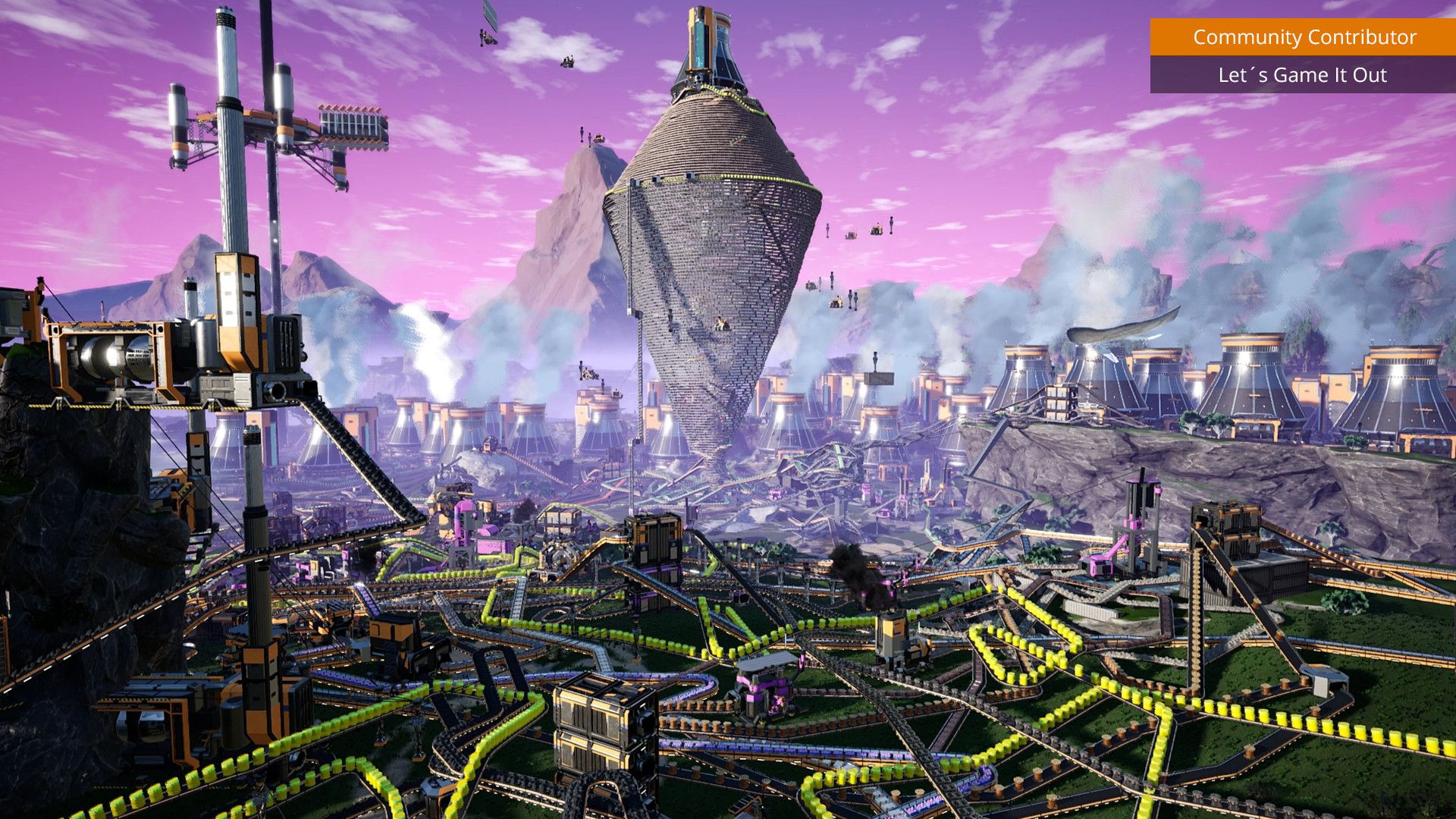
Currently, once you build a factory in Satisfactory and get it running efficiently, it mostly stays that way. A sequel could improve on this by making factories more dynamic. Imagine resource availability changing, production needs fluctuating, or even the environment impacting your setup – forcing you to constantly refine and adapt. This would give players a continued reason to actively manage their factories, even after they’ve reached peak optimization.
Whether or not we’ll see a sequel to Satisfactory is still uncertain. The game is currently doing well, so Coffee Stain Studios doesn’t necessarily need to make one. However, the developers have hinted that even after the 1.0 release, they might shift some of the team to a new project. It’s fun to imagine a sequel to such a great game, even if it doesn’t end up happening.
Read More
- Forza Horizon 6: Find the Ohtani Treasure Chest Location
- LEGO Batman Legacy of the Dark Knight Batcave Minikits & WayneTech Caches
- NTE Drift Guide (& Best Car Mods for Drifting)
- Diablo 4 Best Loot Filter Codes
- Cookie Run Kingdom Timeline of Fate Update Guide
- USD CNY PREDICTION
- PS Plus Monthly Games for June 2026 Wish List
- USD RUB PREDICTION
- GBP CNY PREDICTION
- CNY RUB PREDICTION
2026-04-17 01:05