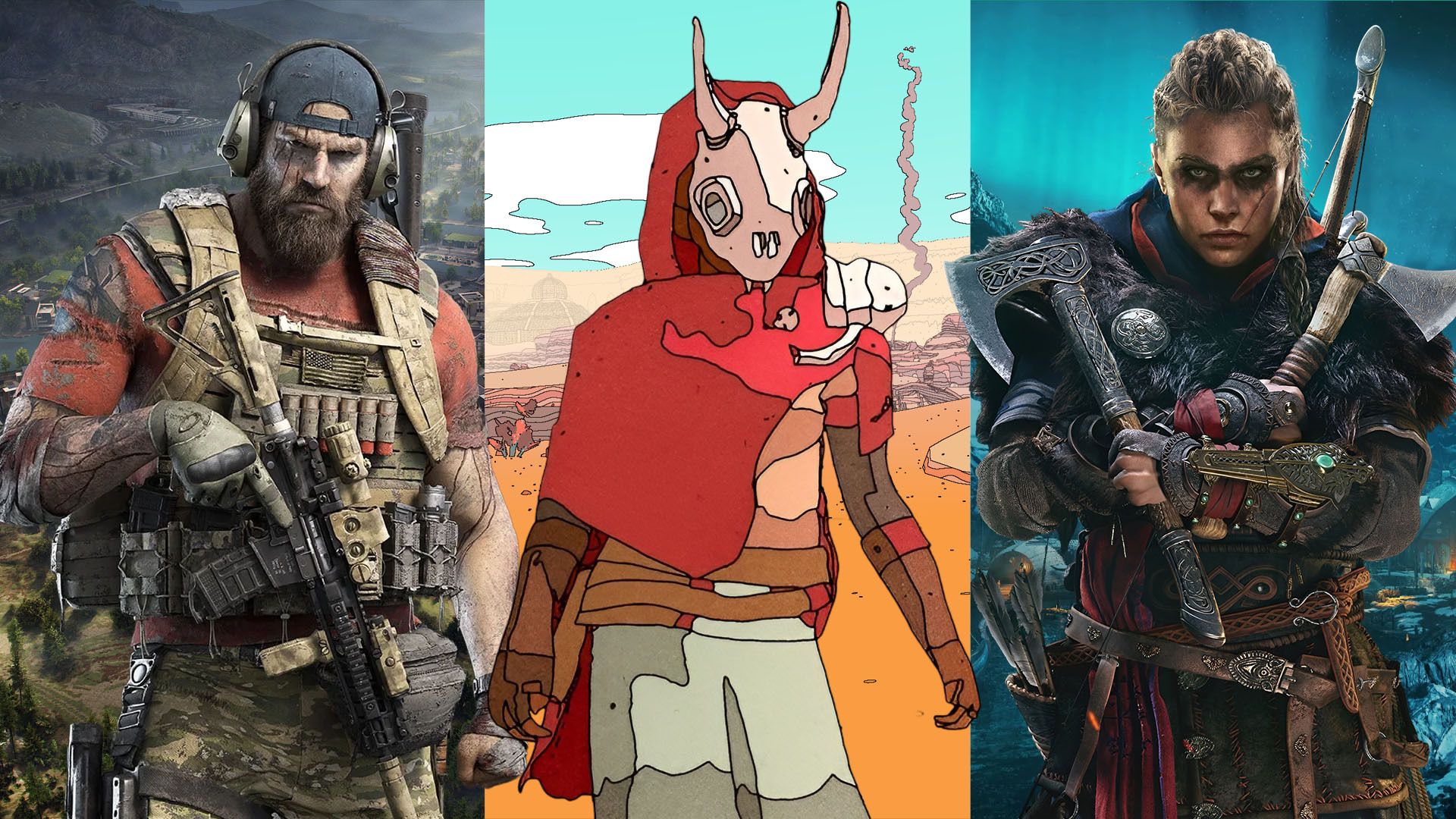
Exploring is a key part of open-world games, but it often feels too guided. Players start a new game excited to discover a world, but that feeling can quickly fade when they open the map and see it covered in markers pointing out every location and reward. This takes away from the sense of discovery.
The increasing use of on-screen markers in games is becoming a real issue. While helpful for some players, these features can overly simplify the experience for others. However, some open-world games handle markers well – either by using them sparingly, providing only gentle hints, or letting players explore and discover things on their own.
Fit the 9 games into the grid.
Results
Pick a game
Map Marker Overload
Where It All Went Wrong
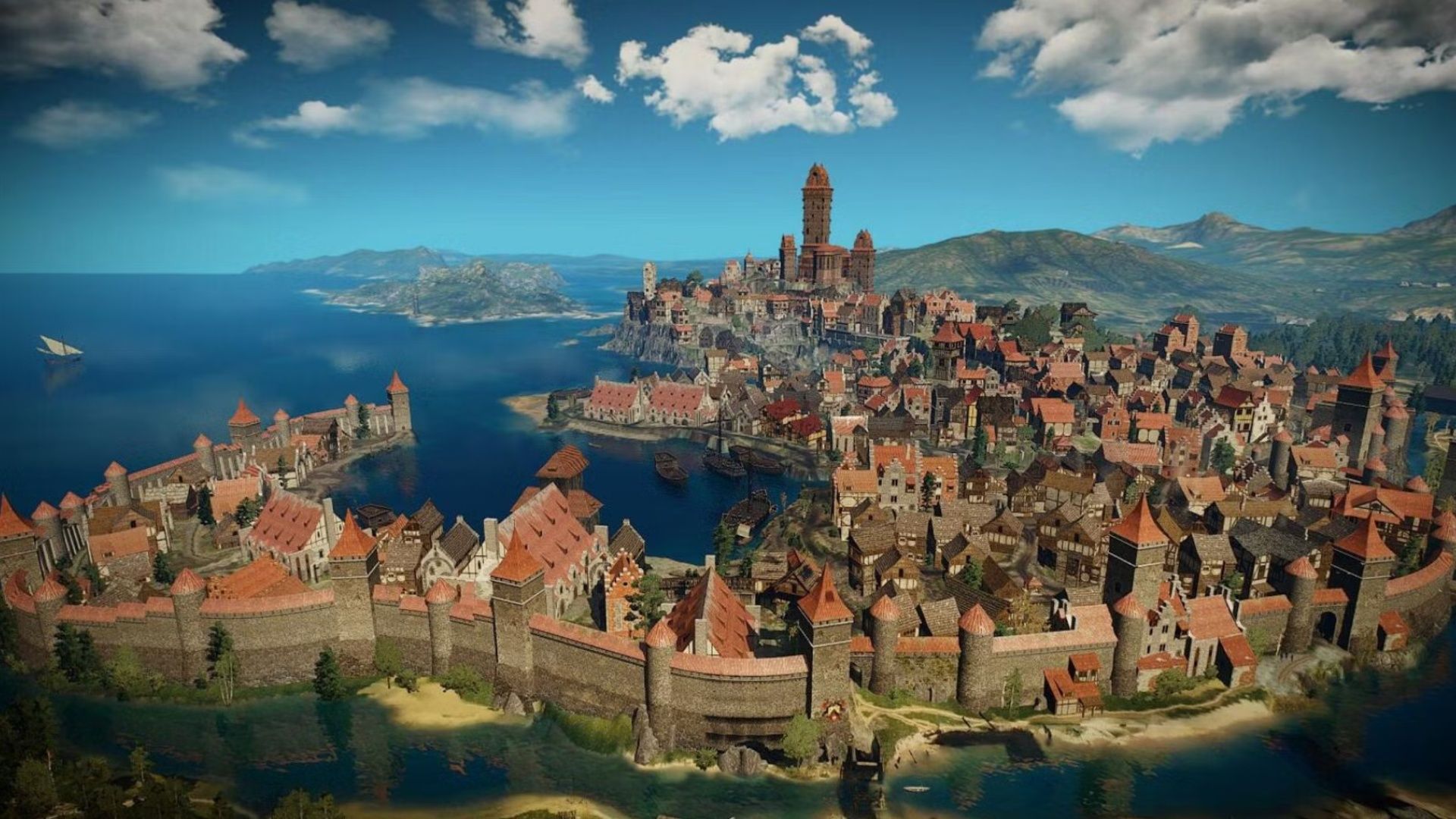
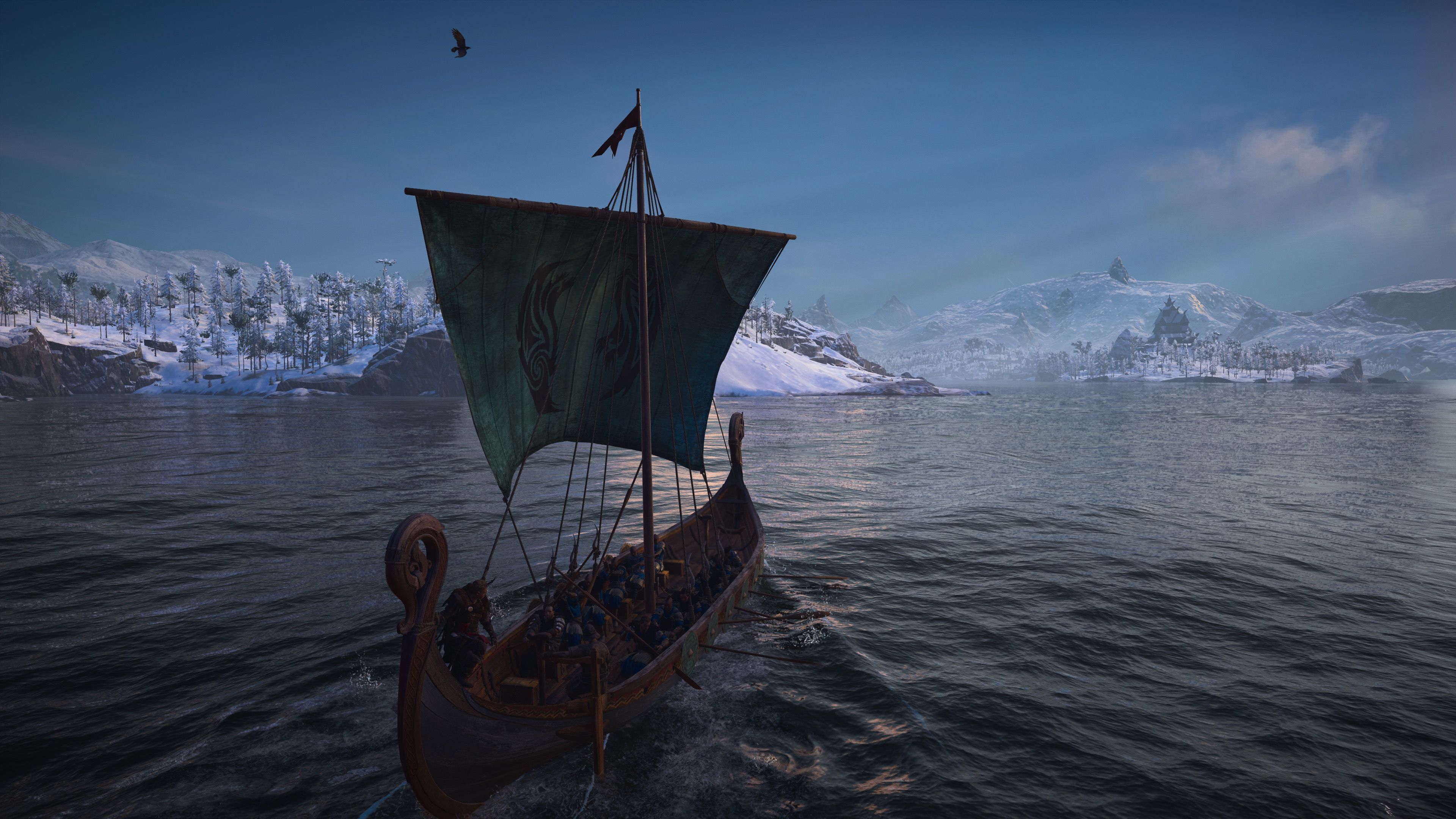
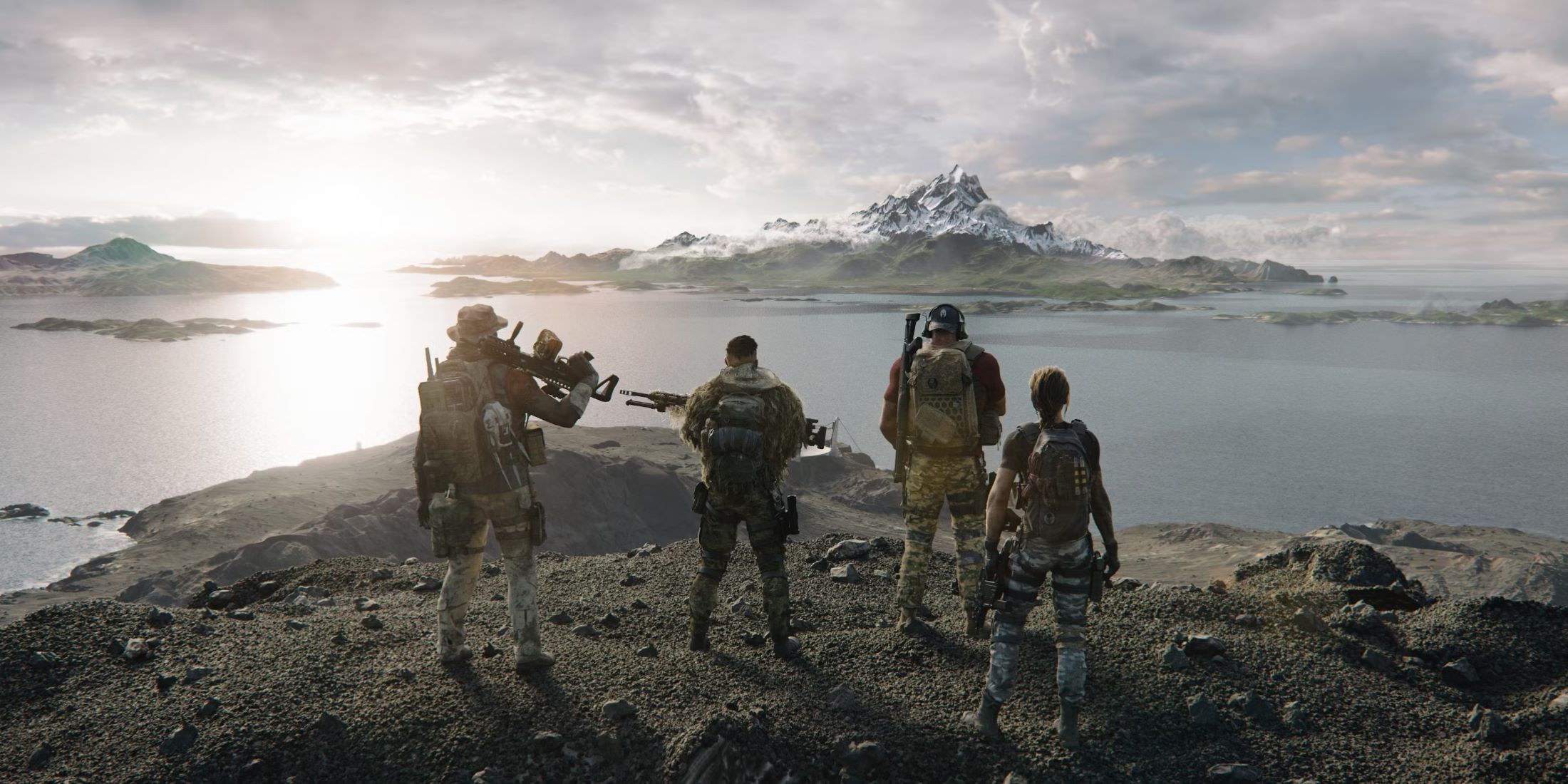
Examples of great games with poor map markers:
- Assassin’s Creed Valhalla
- Tom Clancy’s Ghost Recon Breakpoint
- The Witcher 3: Wild Hunt
Even great games struggle with ‘map marker fatigue.’ Titles like The Witcher 3 can become less fun when the map is filled with tons of points of interest that players see before they actually discover them. This turns exploration into a chore of following icons instead of letting curiosity guide the way, ultimately making the player feel like they’re just completing tasks despite the game seeming open and free.
Games like Assassin’s Creed Valhalla and Ghost Recon Breakpoint fill their worlds with so many activities that it feels like a checklist rather than a genuine experience. These activities often lack depth and seem designed only to occupy space between story missions. This approach removes the sense of wonder and discovery that once defined the genre, as the games essentially hand players everything instead of letting them find it through exploration.
Unlike some games that overuse map markers, these titles use them carefully, or skip them entirely. This approach helps create a truly immersive experience, drawing players in right from the start.
The Legend Of Zelda: Breath Of The Wild
The World Is Your Guide
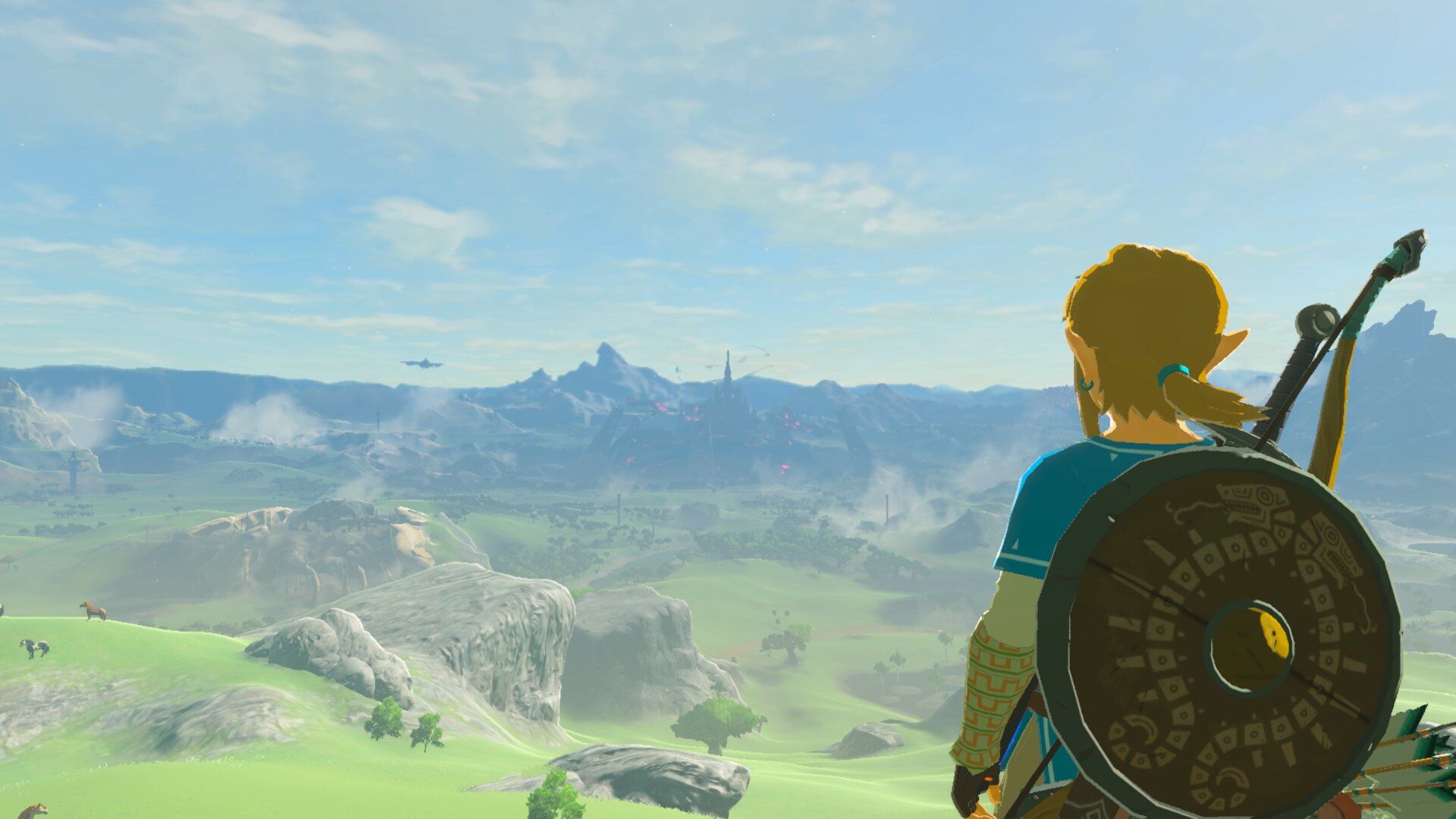
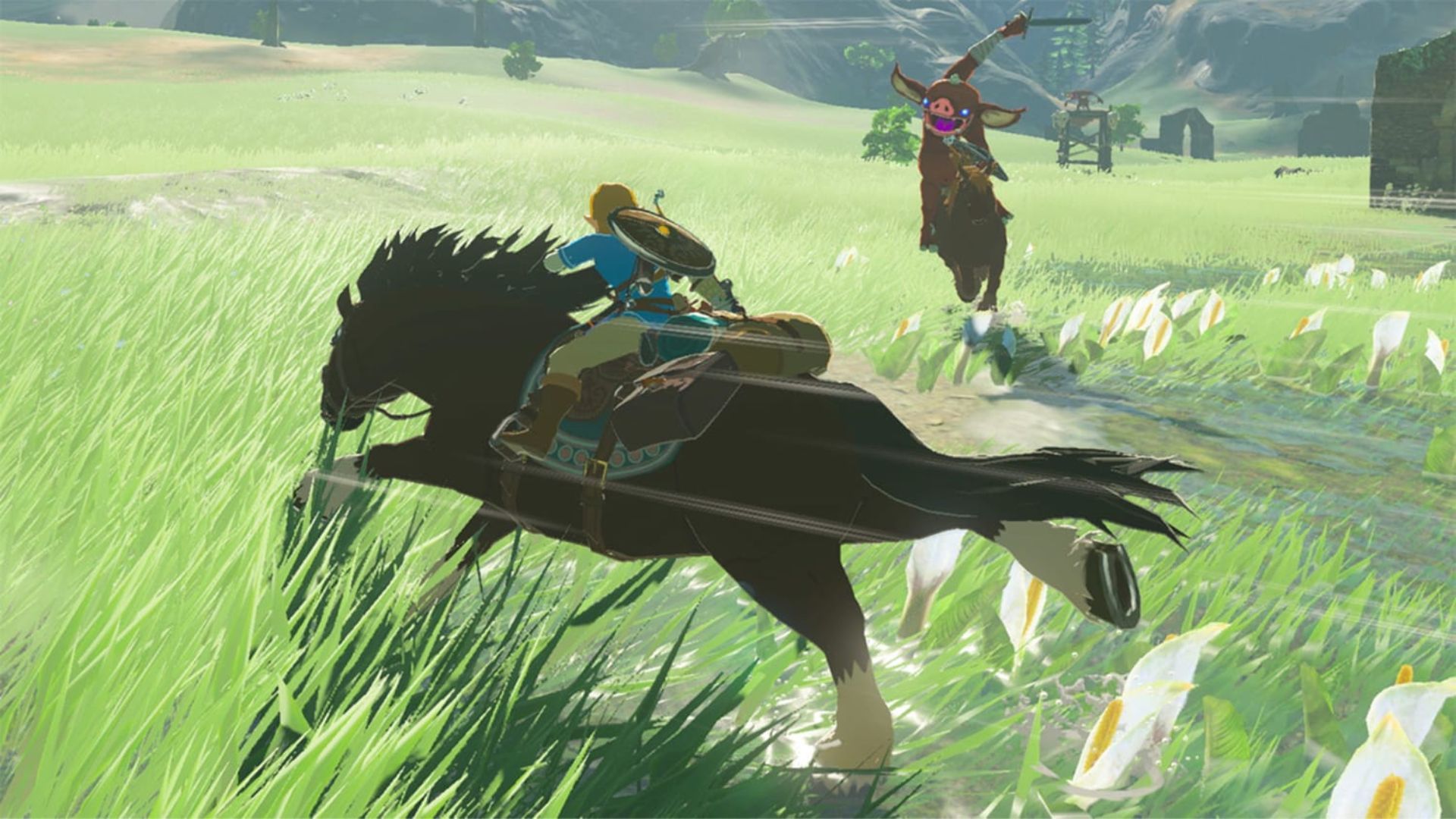
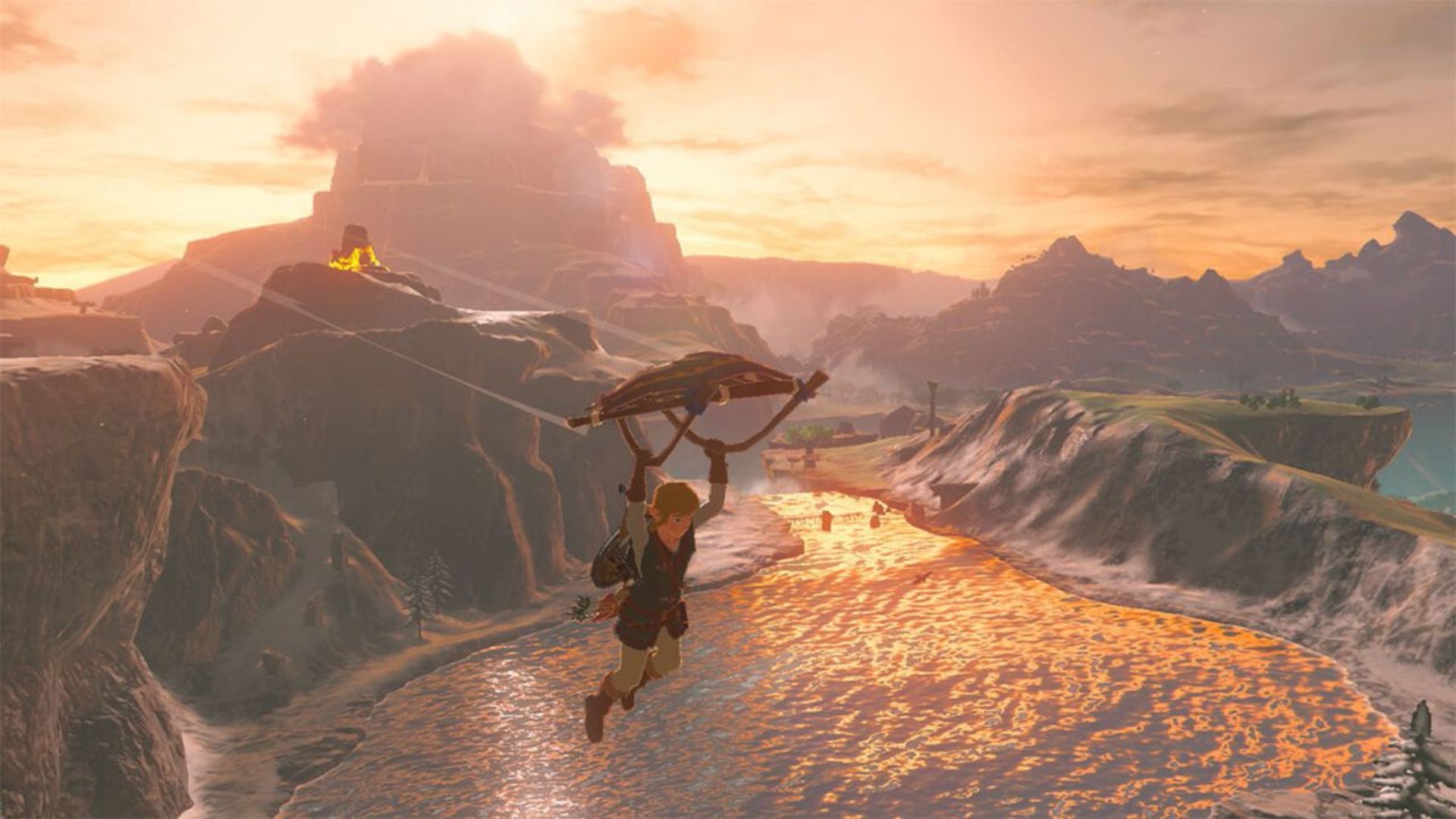
- Environmental markers as opposed to concrete points of interest.
- Curiosity drives progress.
Unlike many open-world games, Breath of the Wild doesn’t rely on traditional map markers. Instead, it guides players using what they can see in the environment – things like towers, shrines, and the shape of the land. These landmarks naturally attract your attention, letting you explore and find your own way. The game world itself shows you where to go, rather than telling you with icons or on-screen directions.
This design choice brings back the joy of exploration that many games lack, making the player feel truly present in the world and encouraging purposeful discovery. By giving players freedom, Breath of the Wild created a deeply engaging and satisfying open-world experience, inspiring numerous other games and fundamentally changing how the genre is viewed.
Elden Ring
What You See Is What You Get
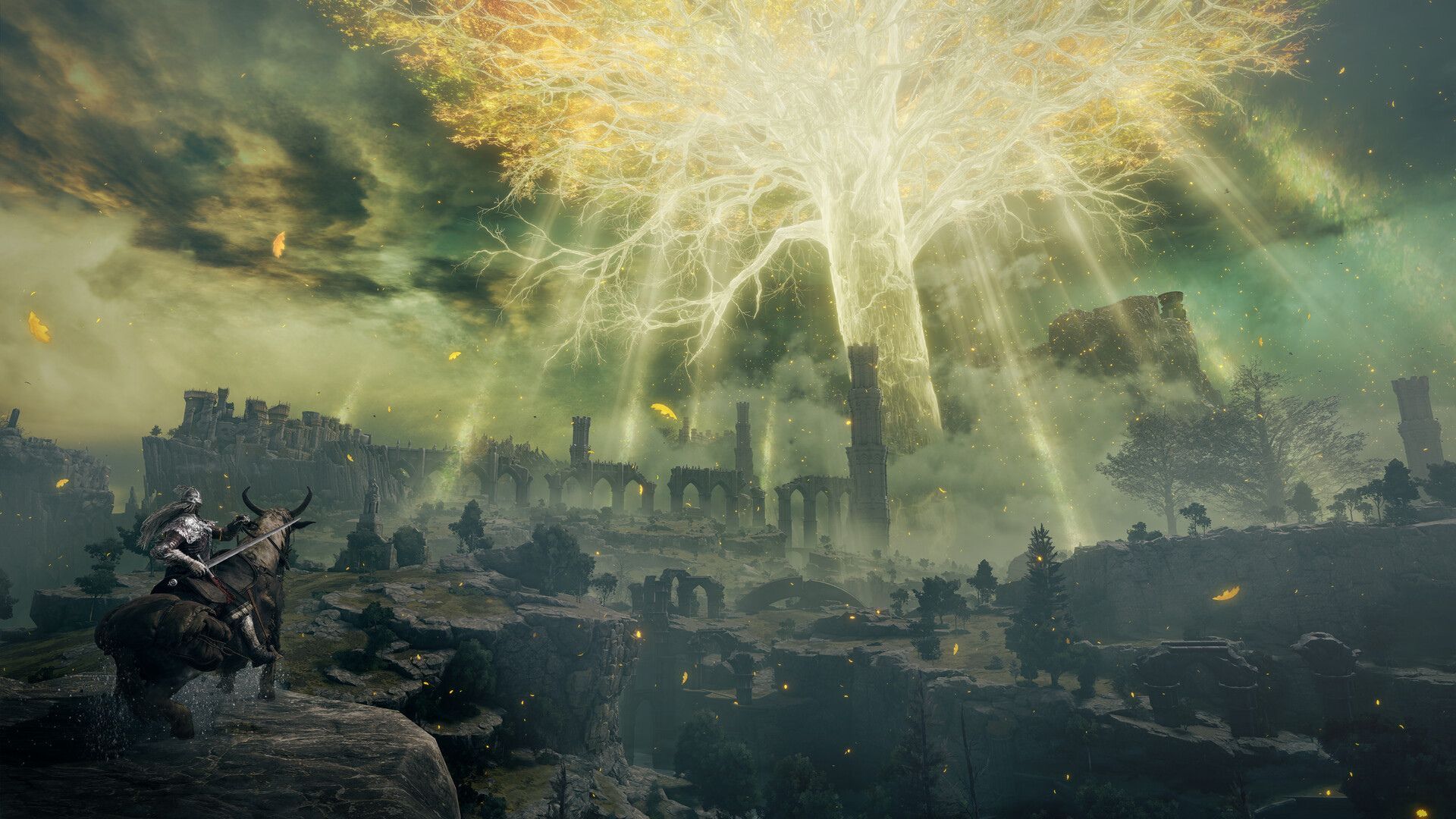
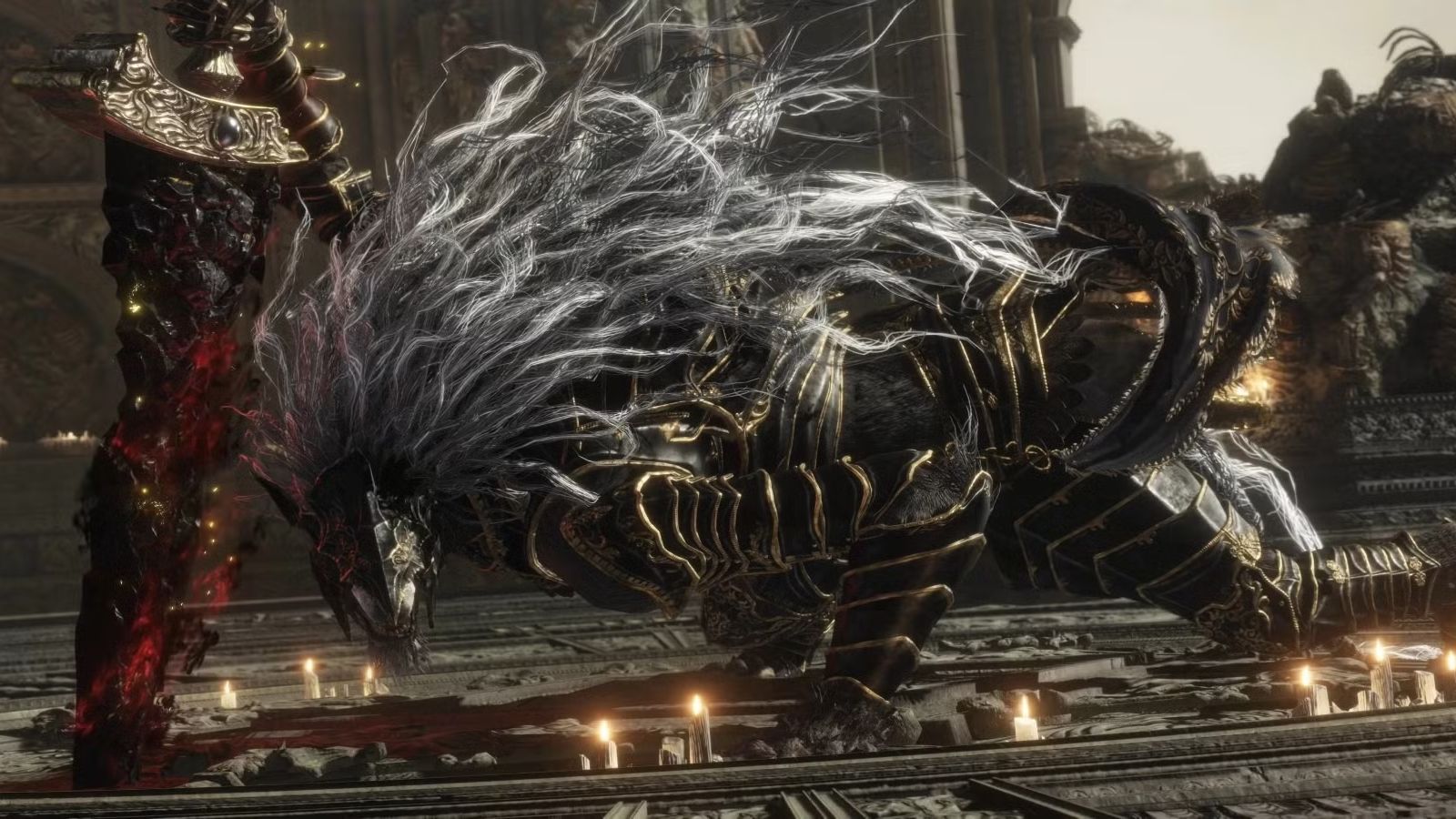
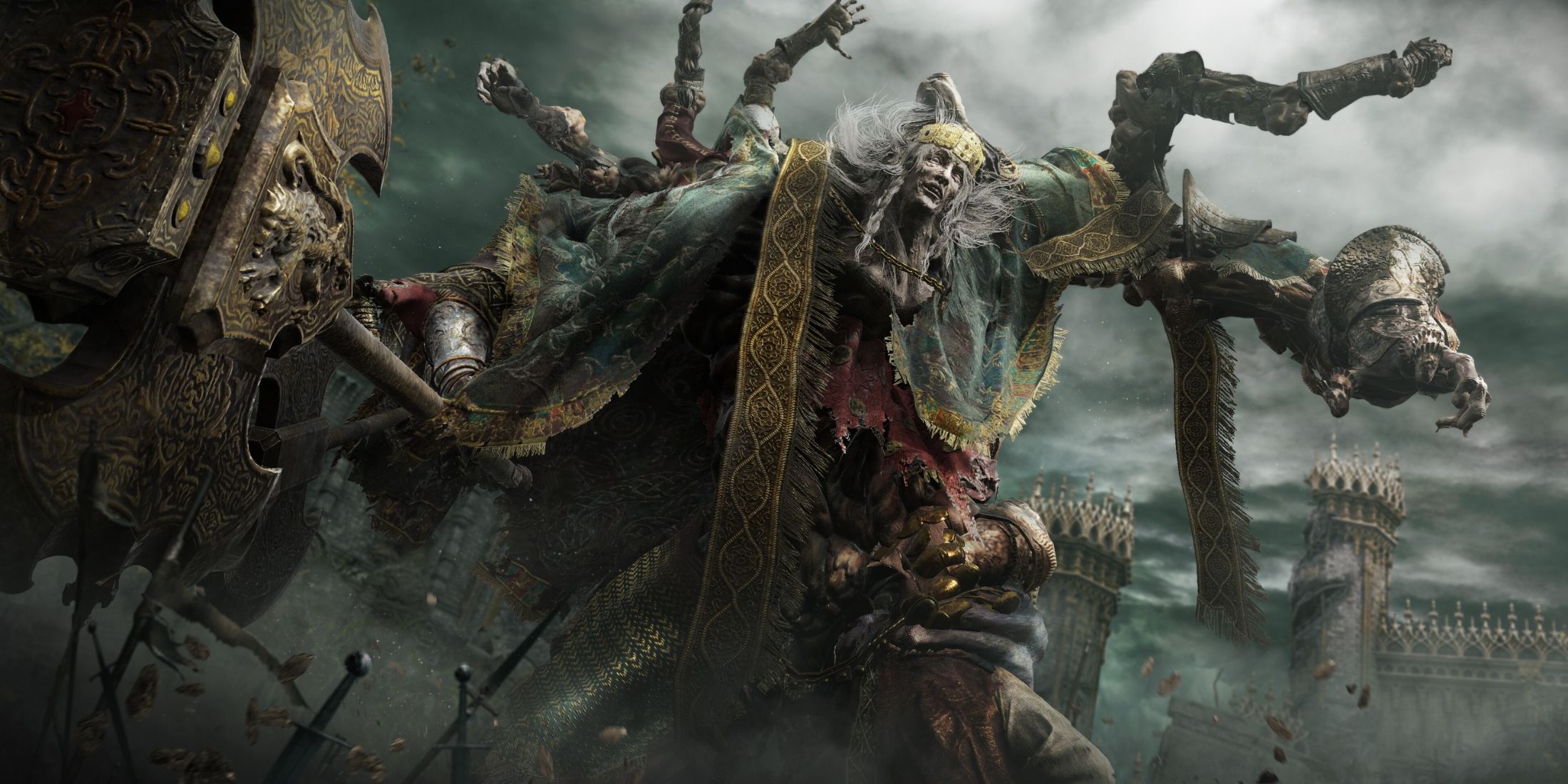
- The map is intentionally vague and focuses mainly on locations rather than specifics.
- Huge landmarks become the main focus.
Elden Ring breaks all the traditional video game rules, and that’s a big reason why it’s become a classic. The game doesn’t hold your hand with quest markers – you’re largely left to explore its beautiful world and discover things on your own. If you want to advance, you’ll need to venture out and create your own path.
Now that the game world is expanding, players can see distant landmarks and intriguing locations, but the path forward isn’t explicitly shown. Instead, they’re given a broad view – perhaps a castle on the horizon – and complete freedom to explore, whether that means riding off into the open world or descending into dark caves in search of adventure and riches.
Outer Wilds
Knowledge Leads The Way
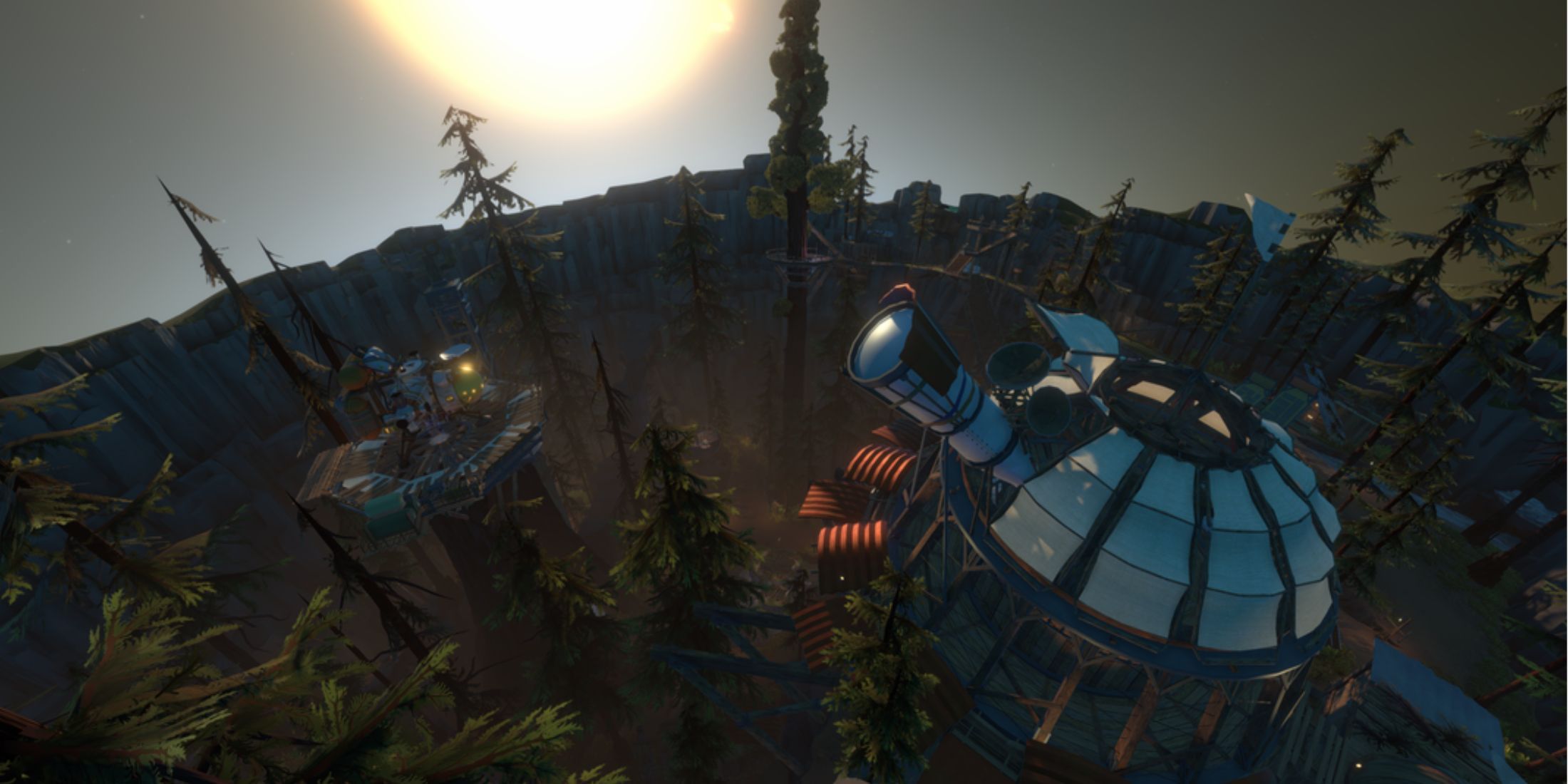
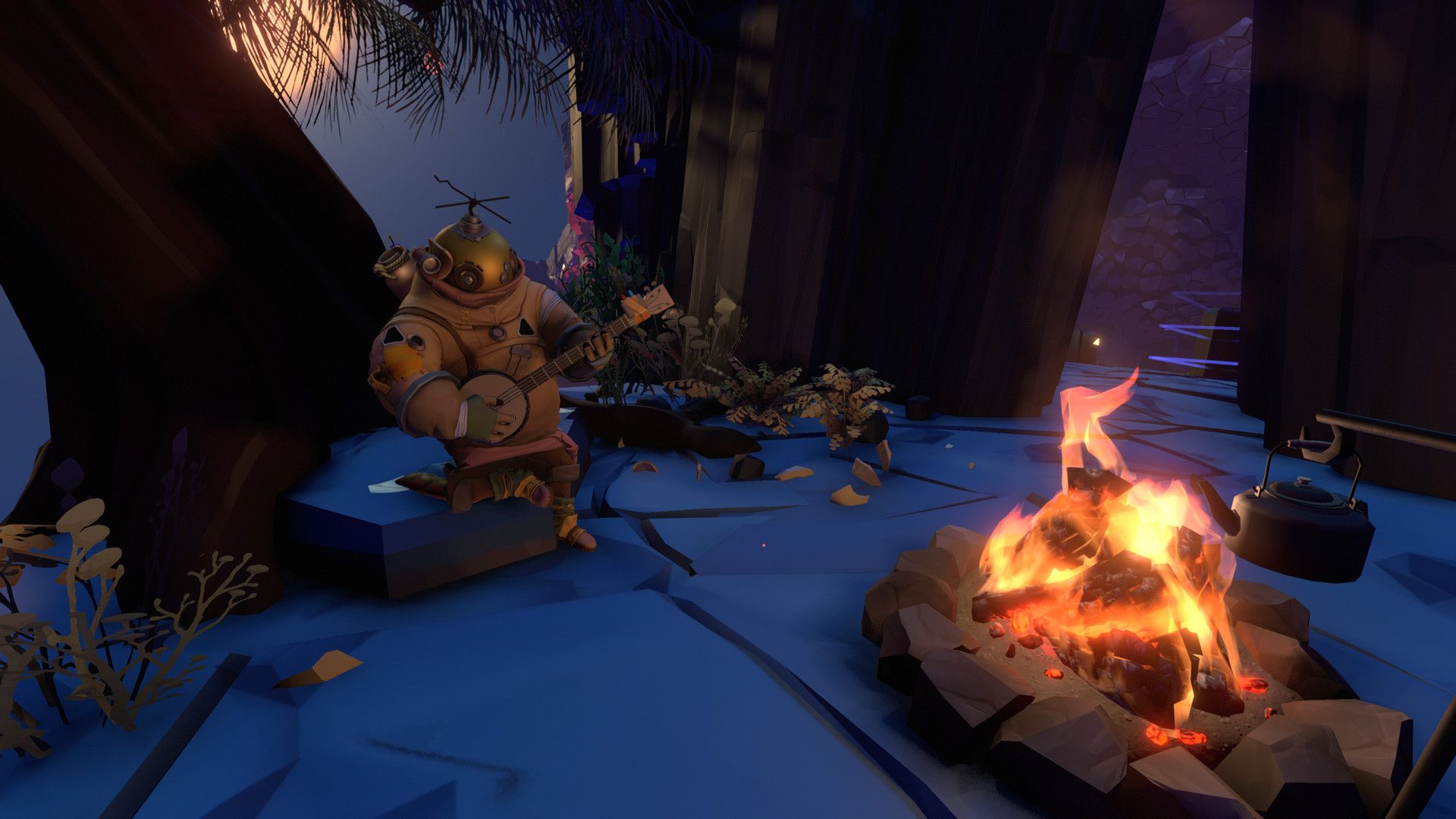
- Markers are removed in place of discovery.
- The desire to see more drives the story.
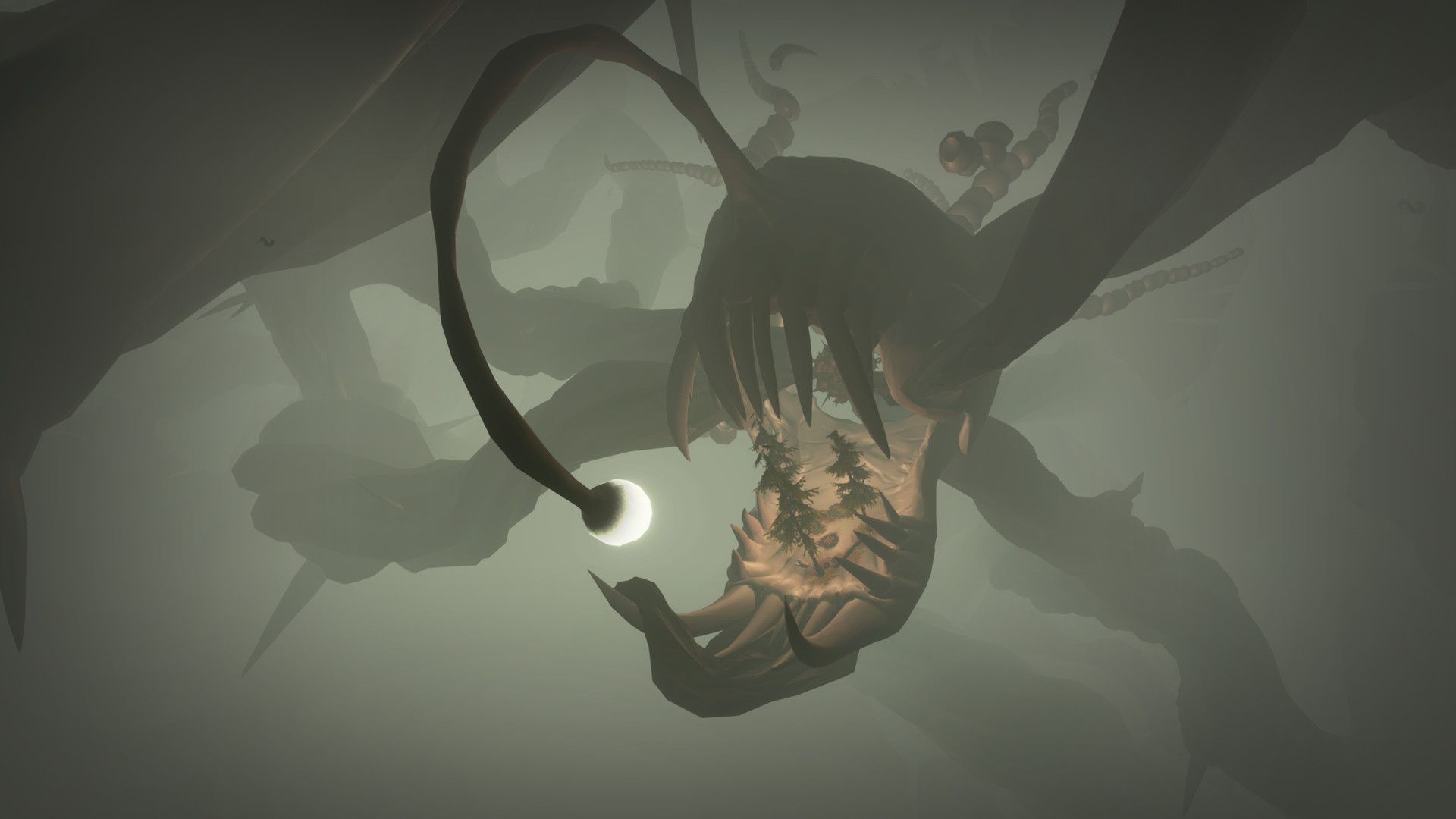
Outer Wilds doesn’t use traditional map markers. Instead, it relies on players gathering information and solving a mystery through experimentation. Your progress depends on understanding the game’s world, and each new discovery changes how you approach things. This unique approach completely flips common gaming conventions that could otherwise hold the experience back.
As a huge fan, I think one of the things that makes Outer Wilds so special is how it doesn’t hold your hand. It’s not a super long game to begin with, and taking away those easy conveniences actually makes the story even more captivating. It creates a really pure gameplay experience, and honestly, a lot of us think it’s the best around. If the game just pointed you to every little thing you needed to do, it would ruin the whole point! The fact that you’re constantly figuring things out for yourself, without being given direct answers, is what makes it so brilliant.
Sable
The Art Of Subtlety
- Minimal guidance and no intrusive UIs.
- Atmospheric design that leans into immersion.
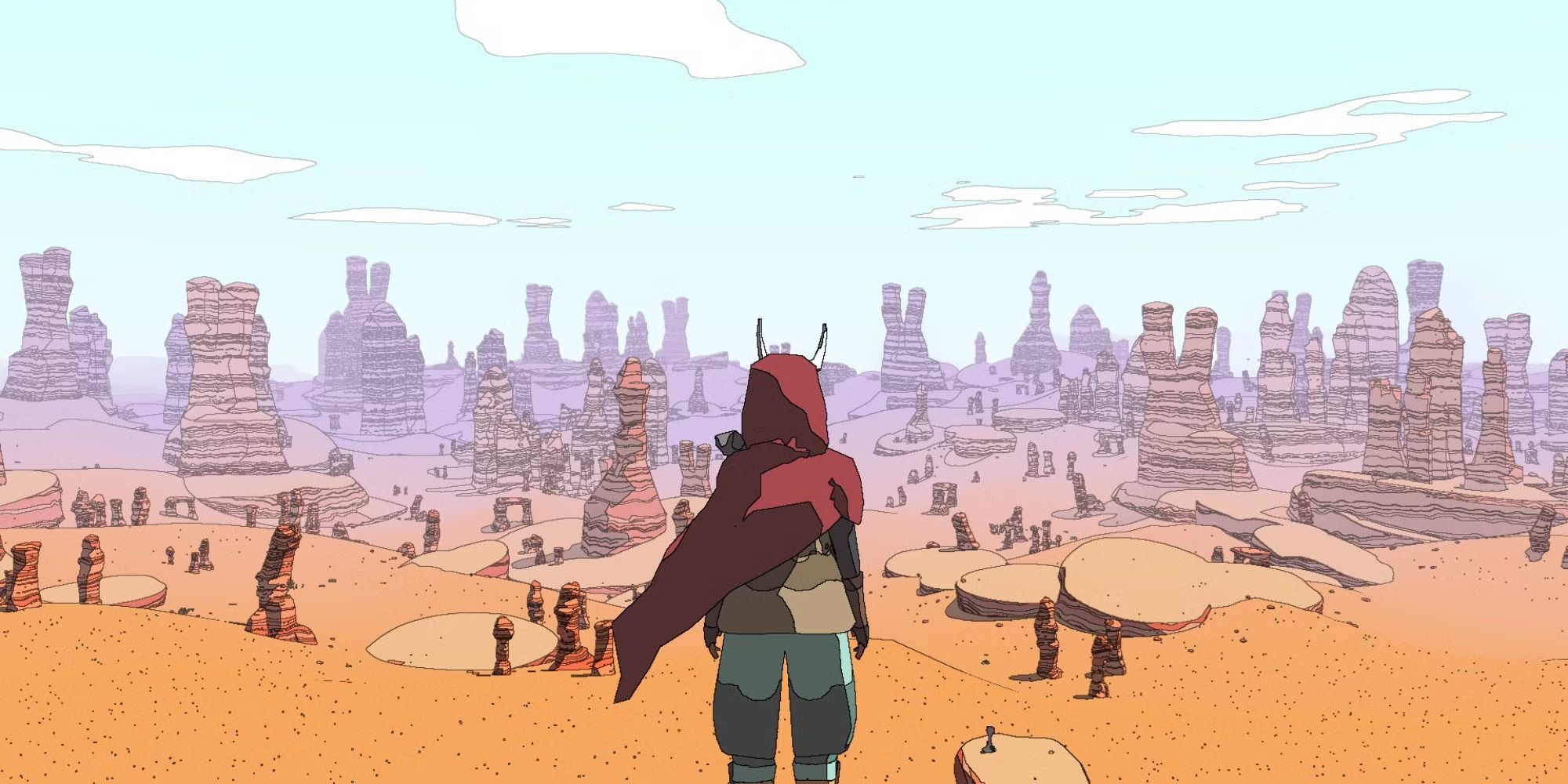
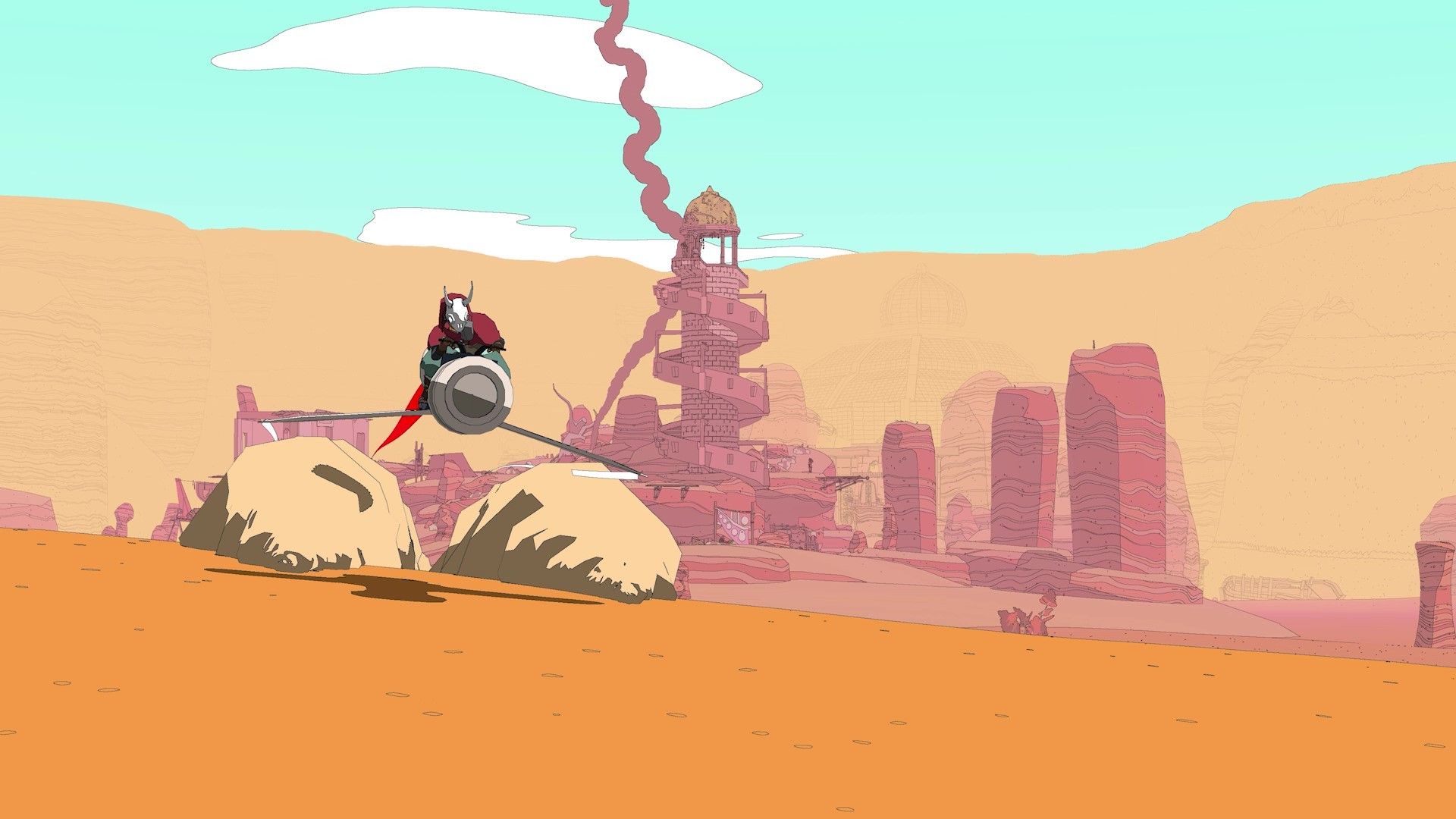
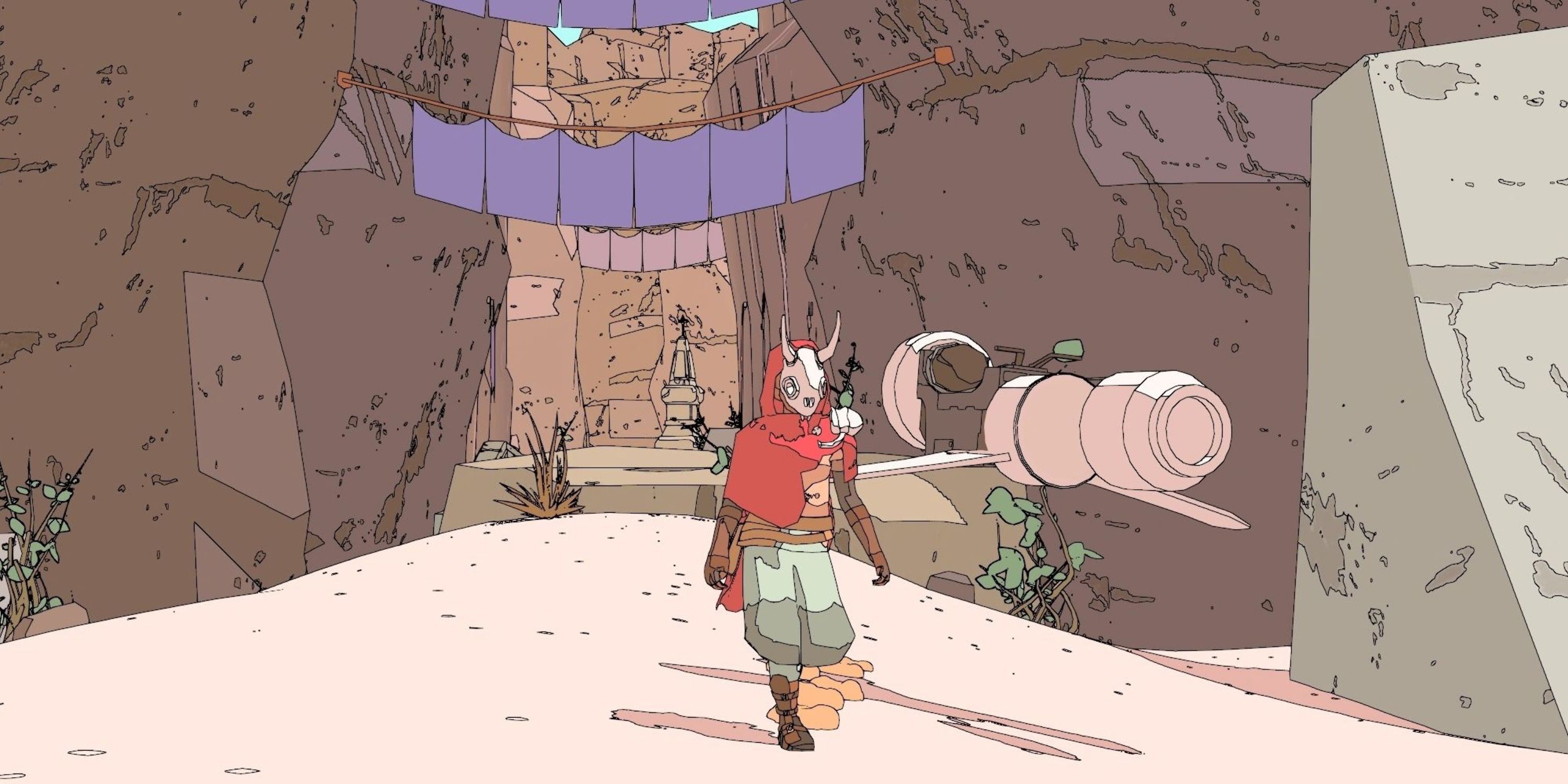
Sable focuses on a simple, understated world design. It gently guides players without being overly prescriptive or forcing them onto a single path. The game features many interesting locations, but discovering them often relies on listening to conversations and exploring, encouraging players to define their own goals rather than having them handed to them.
This creates a much more peaceful exploration experience. Without the stress of needing to rush, players can enjoy the world and its discoveries at their own speed, making the game feel like a journey to savor rather than a task to finish. It shows that sometimes, doing less actually makes the game more engaging. Sable is a particularly calming game, and it intentionally lets players explore and discover things on their own terms.
Tchia
Becoming A Part Of Nature

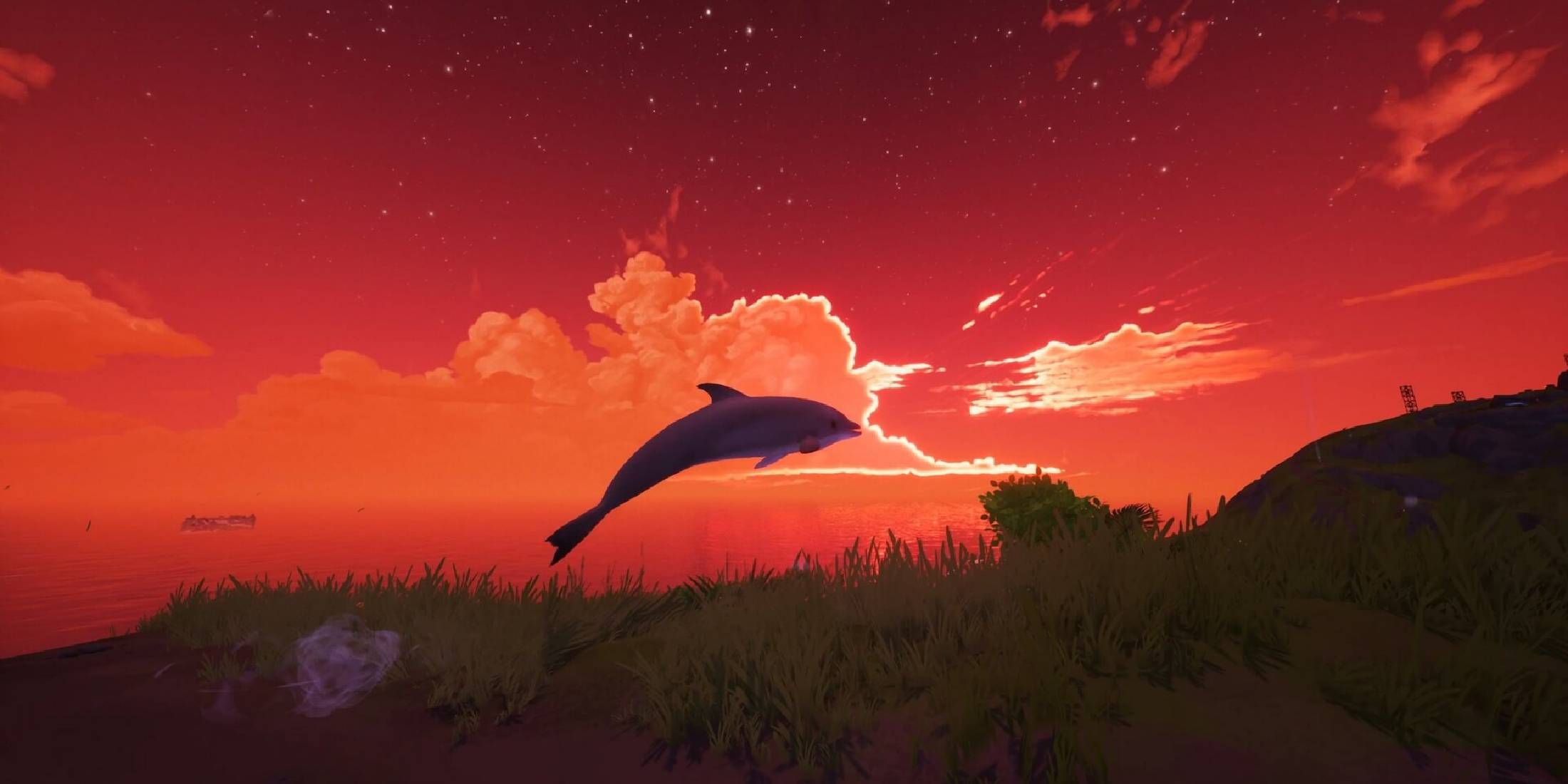
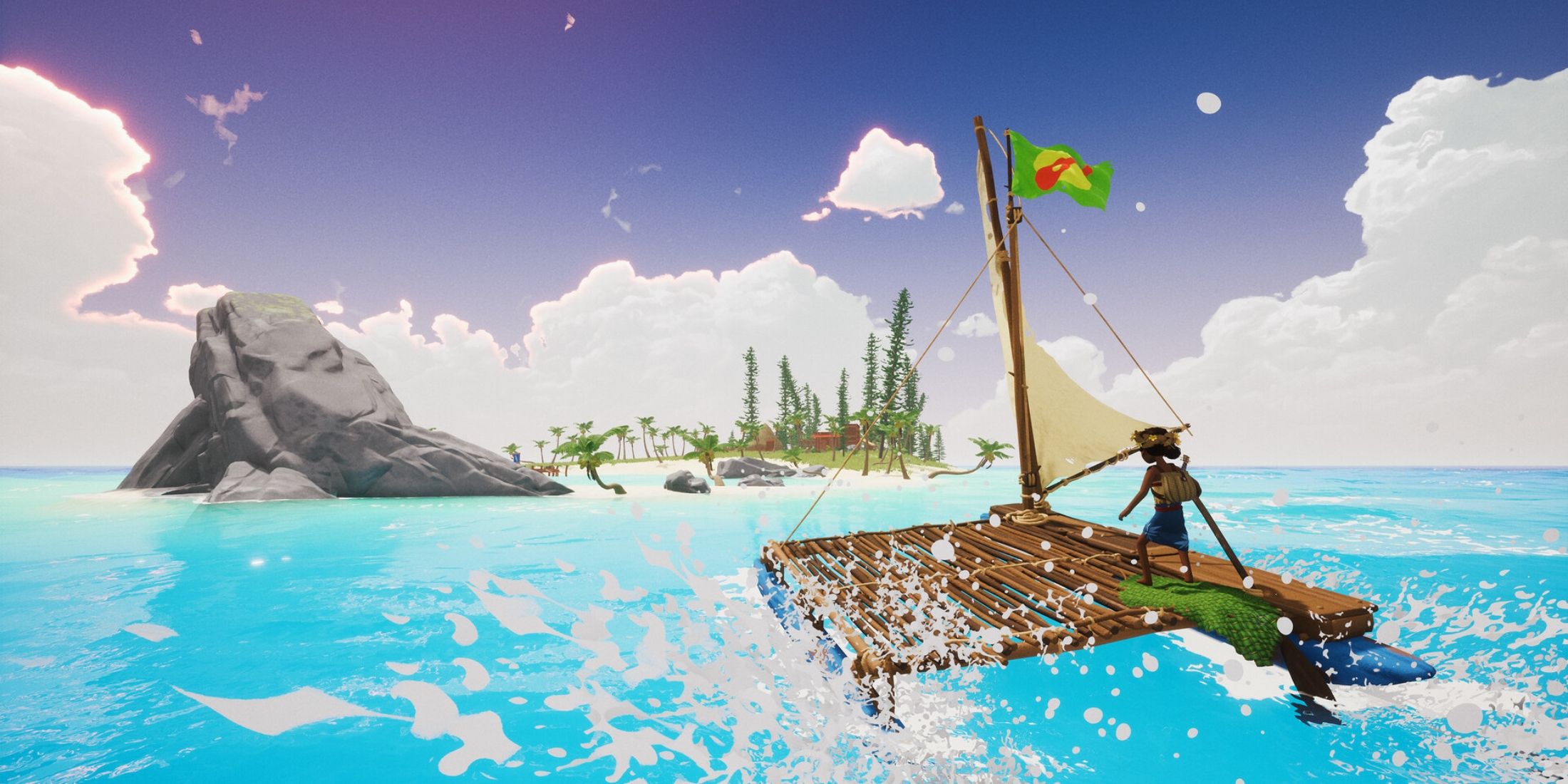
- Different traversal mechanics lead players to new locations.
- Slight guidance, but the emphasis is on freedom.
Tchia uses markers subtly, ensuring they enhance the game without feeling restrictive. Instead of relying heavily on traditional guidance, the game directs players through its various movement options – like climbing and gliding – which naturally draw attention to new areas and interesting landmarks they might otherwise miss.
The game encourages players to explore and discover things for themselves, guiding them through their choices. This creates a fresh and engaging way to experience the world, even without relying heavily on waypoints or obvious markers. It strikes a good balance in open-world games by keeping the interface simple and letting players follow their own curiosity.
Read More
- Forza Horizon 6: Find the Ohtani Treasure Chest Location
- LEGO Batman Legacy of the Dark Knight Batcave Minikits & WayneTech Caches
- Diablo 4 Best Loot Filter Codes
- NTE Drift Guide (& Best Car Mods for Drifting)
- USD RUB PREDICTION
- USD CNY PREDICTION
- Cookie Run Kingdom Timeline of Fate Update Guide
- PS Plus Monthly Games for June 2026 Wish List
- Top 10 Must-Watch Isekai Anime on Crunchyroll Revealed!
- GBP CNY PREDICTION
2026-04-13 22:39