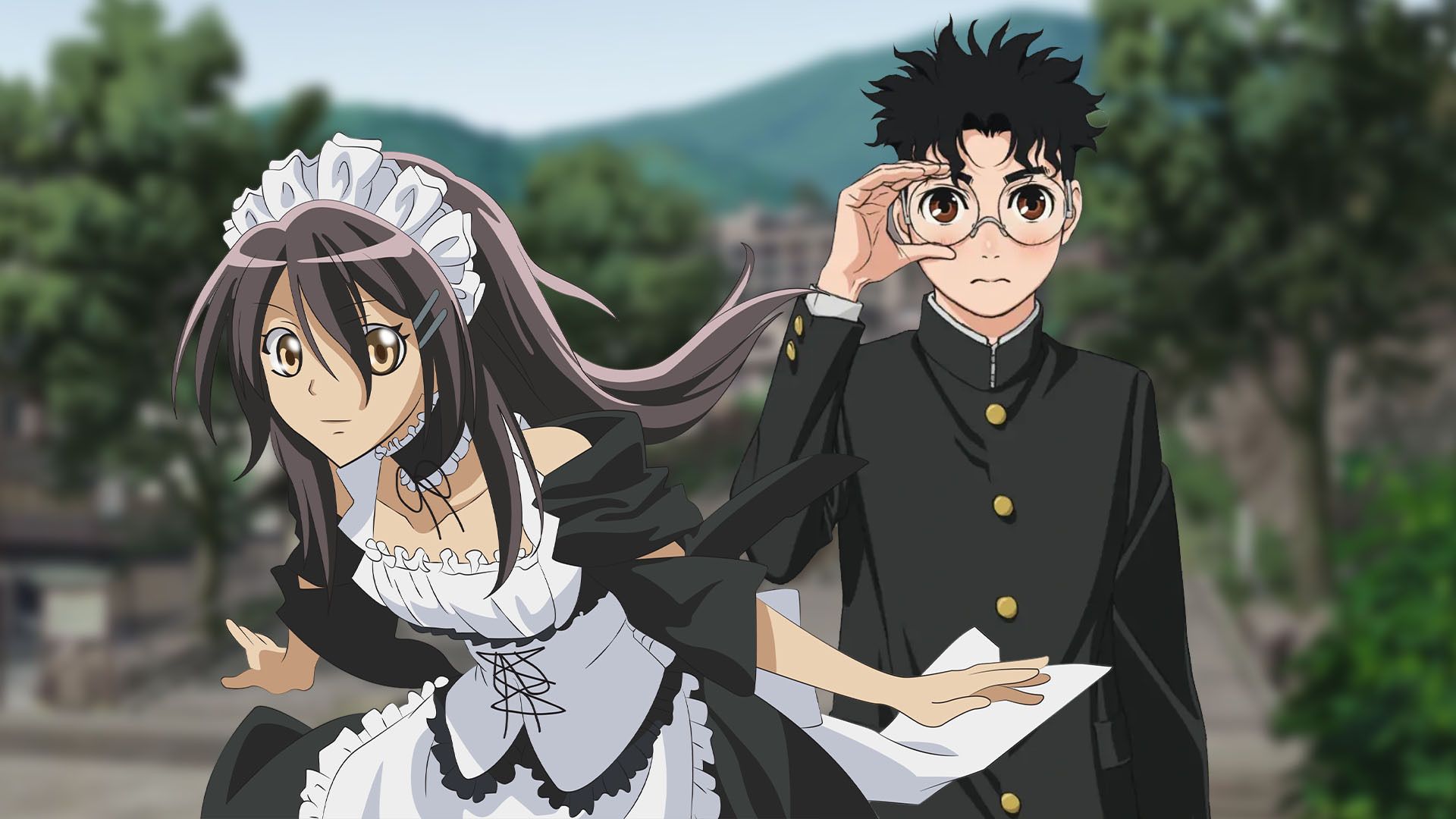
Anime fans who enjoy both Shoujo and Shonen series often discuss the quality of character writing. They debate which main characters have compelling backstories and grow throughout the series, and which ones feel like empty placeholders or exist purely for appealing to the audience.
It’s tricky to say whether female protagonists in shojo anime are better developed than male protagonists in shonen anime. However, by looking closely at recent trends in manga and anime, we can start to figure it out. Here’s a detailed look at the topic.
Shoujo or Shonen Protagonists: Which Are Better & Why?
I’ve been a fan for years, and honestly, some of the best discussions come from those really passionate corners of the fandom. It’s not just about people stubbornly sticking to what they like, though! Sometimes, really insightful fans bring up genuinely interesting points that spark a real debate – the kind where you actually learn something and see different sides of things. It’s those conversations that keep the passion alive, you know?
We have two main aspects to consider when developing characters. First, there’s who they are – their design, function in the story, how they change, and their overall development. Second, there’s everything surrounding them – their history, personality, what they say, and the larger story that builds up around them.
Shoujo anime often features characters who are incredibly innocent and openly emotional. These characters tend to stay within their comfort zones, and the problems they face are usually typical for stories about school life or growing up. Generally, there isn’t much danger or high stakes in these shows—the characters aren’t usually trying to save the world. However, there are exceptions, like series such as Magic Knight Rayeheart, Card Captor Sakura, and Sailor Moon.
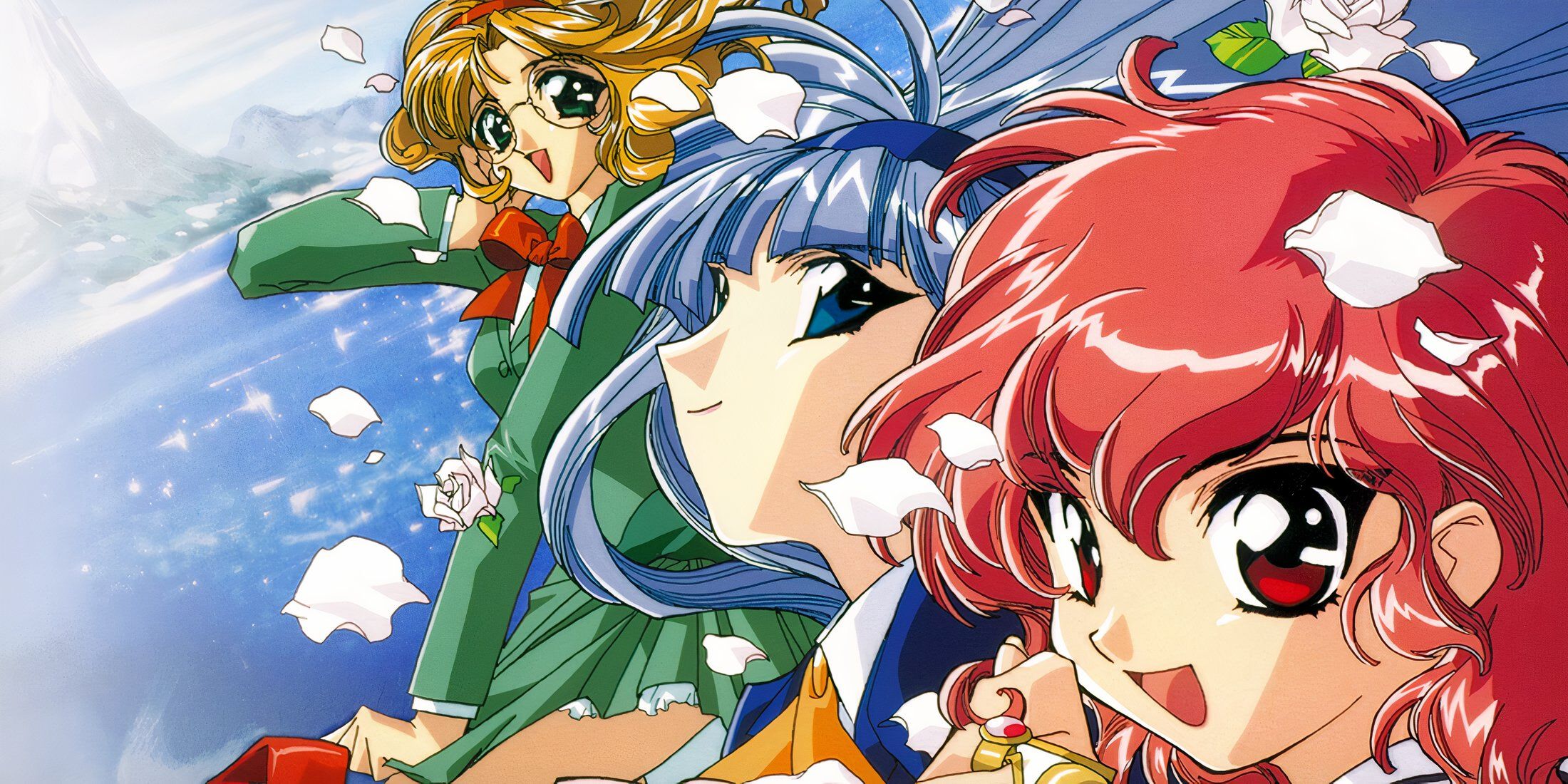
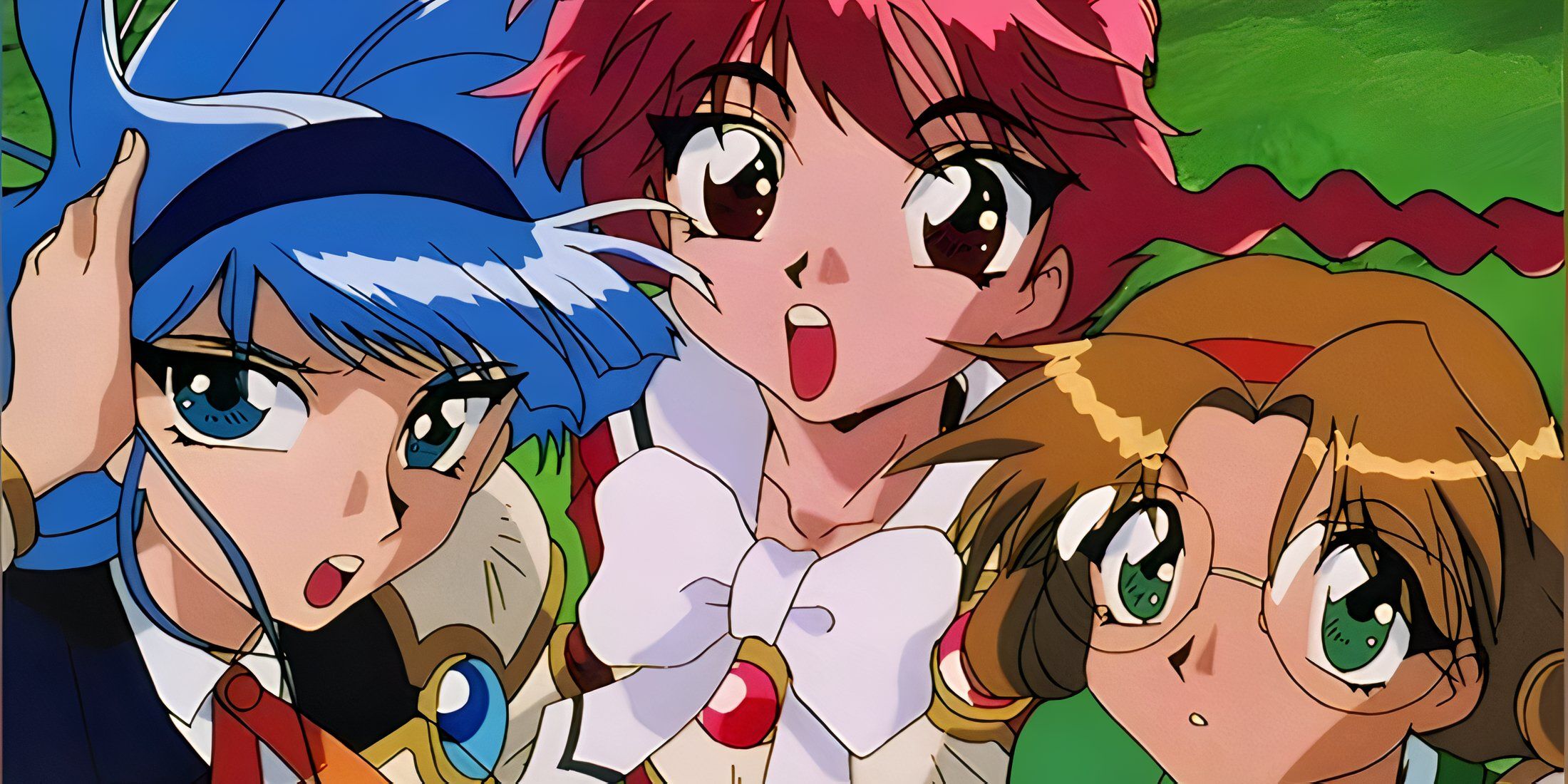
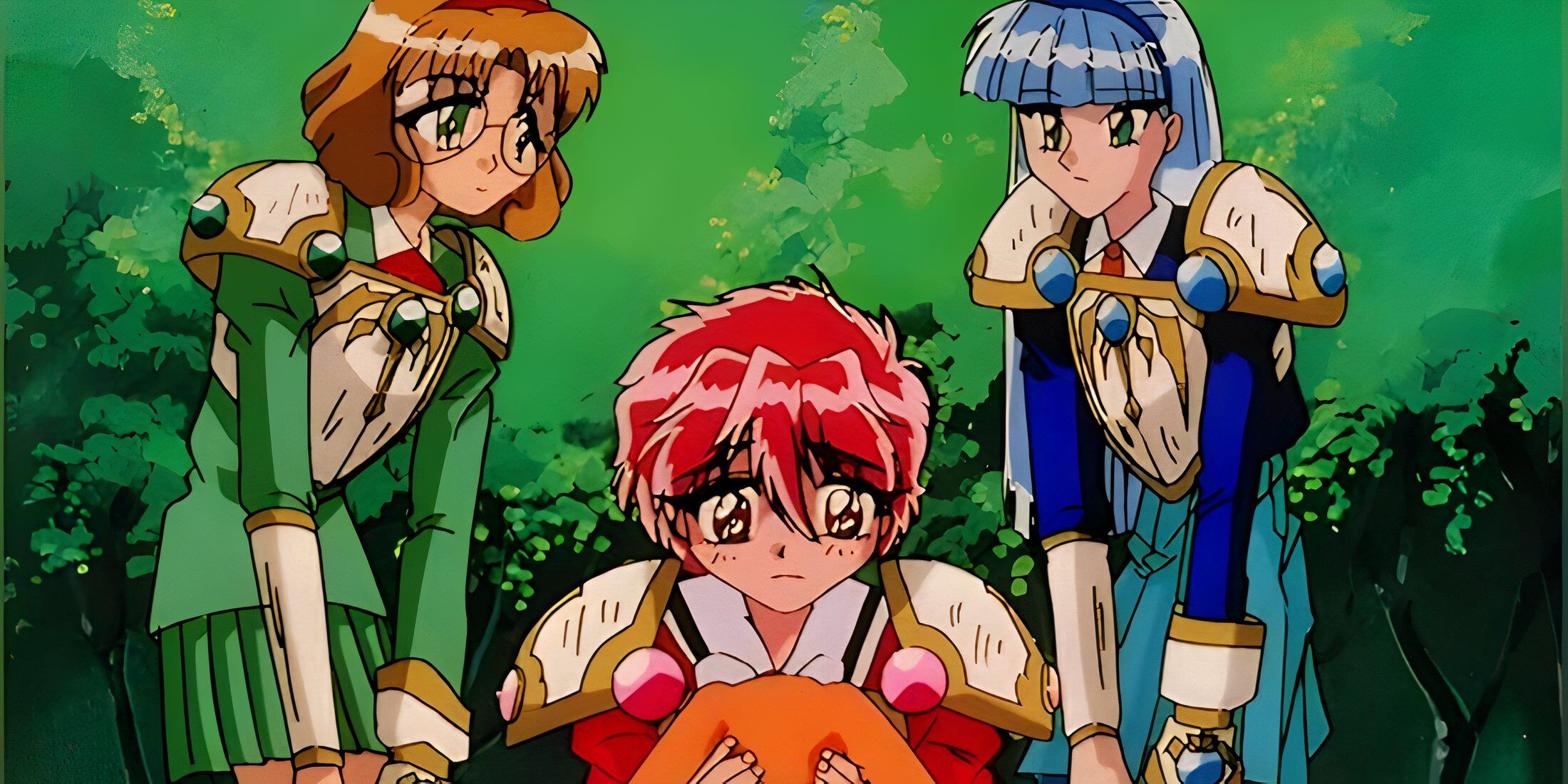
Shonen anime often features intense and difficult situations, like war, loss, and family tragedy. Characters frequently face hardship and are forced to grow up quickly due to necessity. Compared to other anime genres, shonen tends to explore more morally complex and darker themes. This difference in tone is a key way to distinguish it from other types of anime.
So, is one character archetype better than another? Actually, no. Let’s look at them instead from the viewpoint of a skilled narrative designer.
As someone who loves building characters, I’ve found it really helpful to think of character creation in three layers. First, there’s the Background Design – figuring out their history and why they do what they do. Then comes the General Design (I often call it a first draft or character study) where I nail down the basics – how they look, what they wear, all the visual stuff. Finally, the most fun part: Dialogue/Voice design! That’s where I really get to know them by experimenting with how they talk and act when they’re around other people. It’s like bringing them to life through interaction.
A character’s core design—covering their appearance, personality, and background—is summarized on a ‘Character Sheet’ and then brought to life when placed within a story. Thinking about these elements purely from a design standpoint feels like a throwback to earlier times, when they weren’t as noticeable as they often are today.
The Difference Between Shoujo and Shonen
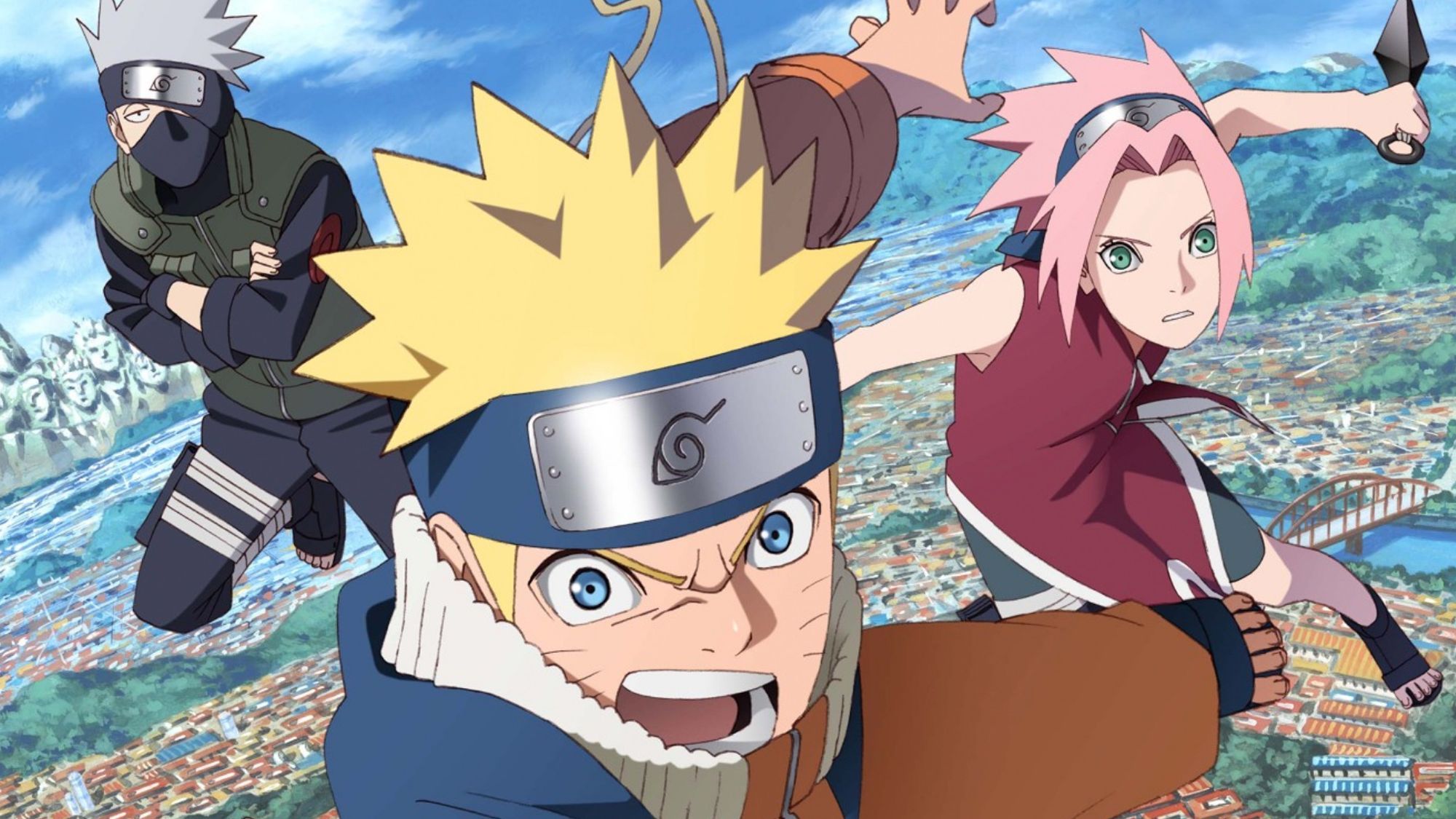
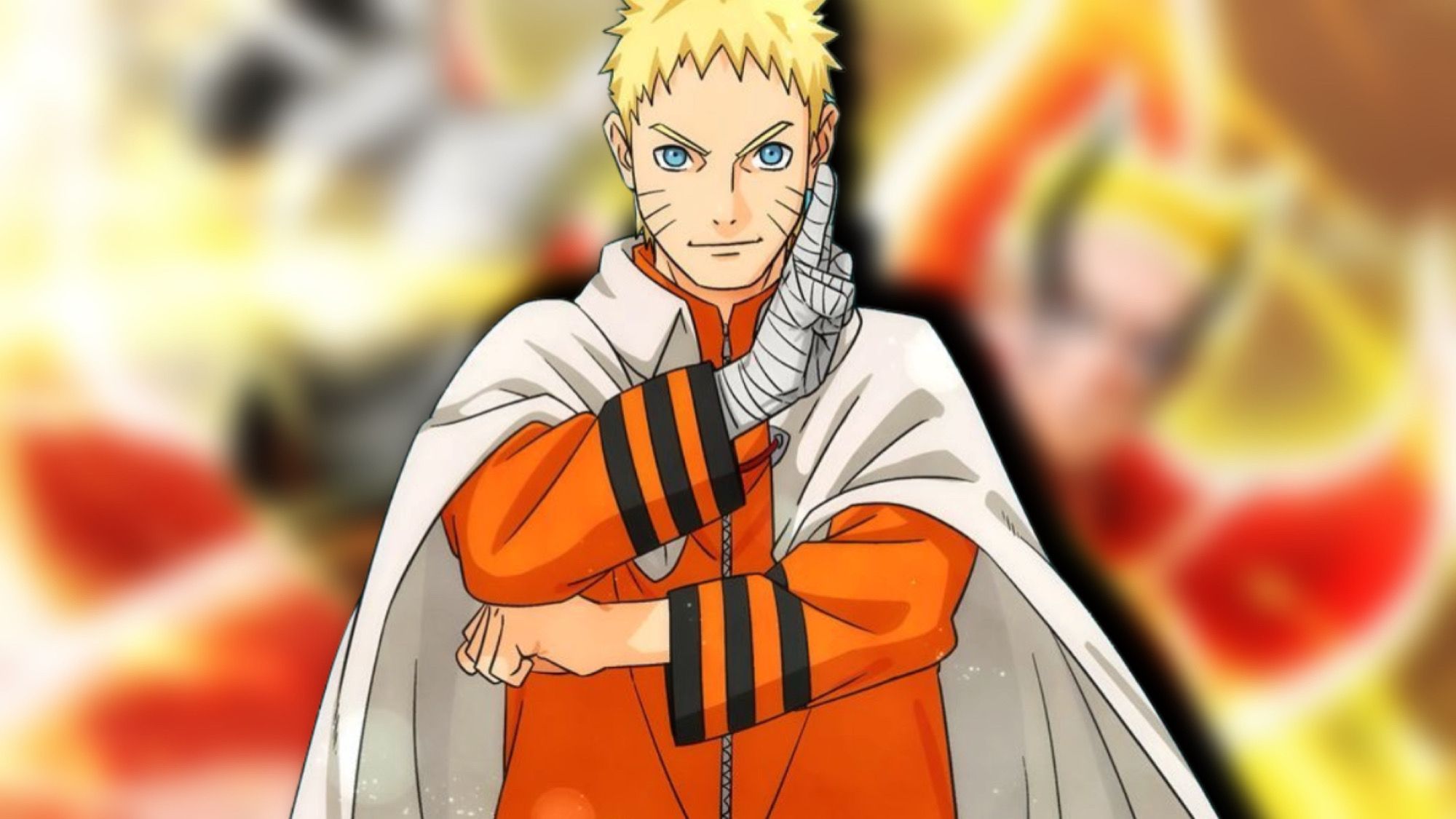
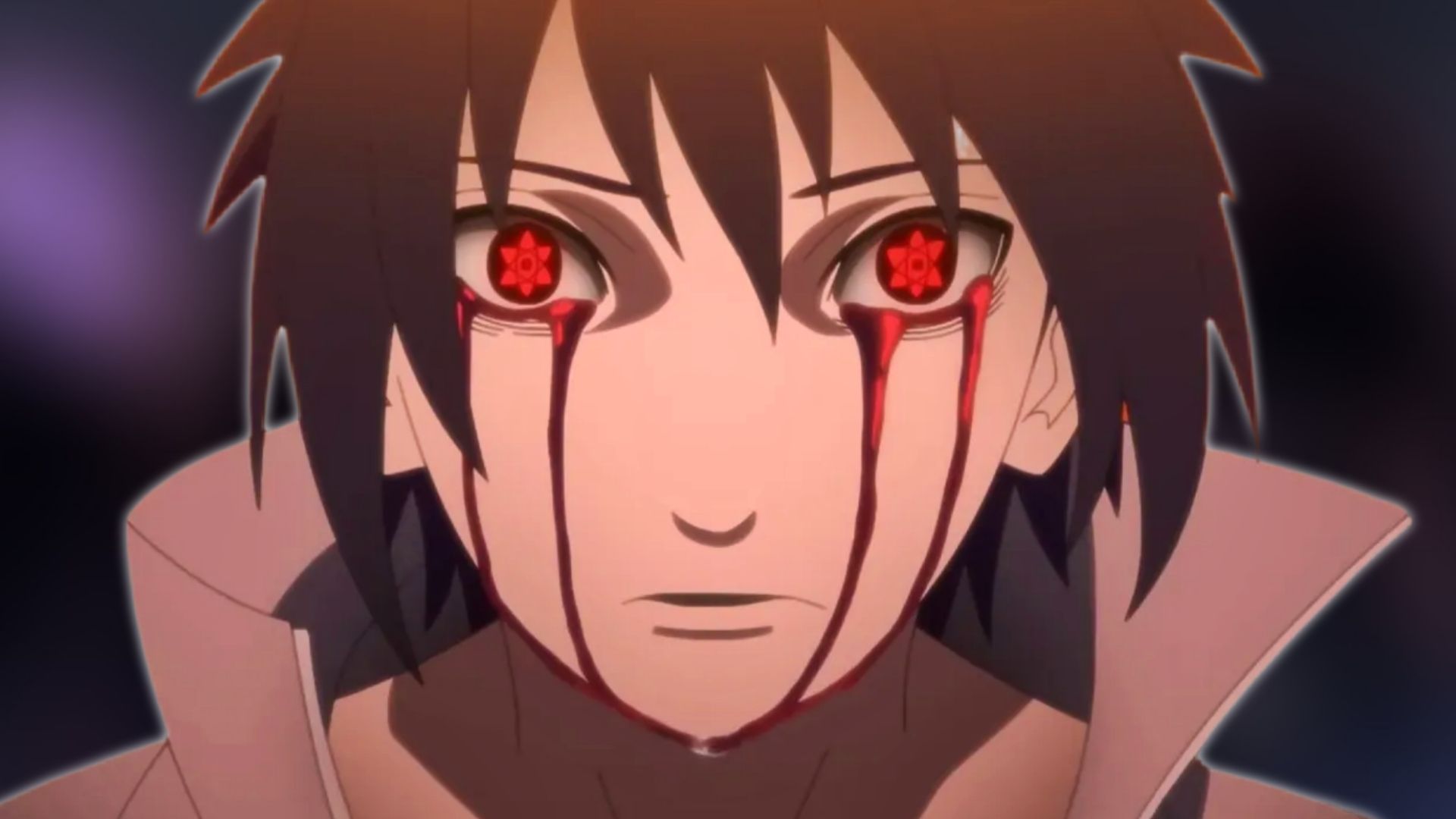
Audiences today are very discerning and quickly notice flaws or inconsistencies in characters. If a character doesn’t resonate with viewers, it simply won’t succeed.
It’s interesting how audience connection works in anime. Sometimes, even well-developed characters don’t resonate with viewers, like Shou Tucker from Fullmetal Alchemist or Shinji Ikari from Neon Genesis Evangelion. But surprisingly, less-developed characters can become incredibly popular – think Kirito from Sword Art Online or Natsu from Fairy Tail. This phenomenon seems to happen even more frequently in shoujo anime than in shonen anime.
Scratch & Peek  Identify the cover art while scratching off as little foil as possible.
Results
High Score: 0 —
Shoujo stories generally have lower stakes and less intense drama compared to Shonen. When drama does happen, it usually revolves around everyday life – things like school, friendships, and romance. Unlike many Shonen series, you won’t typically find world-ending threats like powerful villains, monsters, demons, or invading aliens. The exception, of course, is something like Cardcaptor Sakura, where the antagonist was quite a handful!
Generally, people judge writing by how engaging the story is, especially when things get intense. The more exciting and crucial the plot becomes, the more likely viewers are to consider the show well-written.
It doesn’t make sense to compare a slow-paced, romantic comedy like Toradora to an action-packed anime like Black Clover. While both shows have well-developed characters, some are naturally more compelling than others. Popularity also plays a role – if viewers connect with a character, they’re more likely to become a fan.
I’m always so excited when mangakas share their character popularity rankings! It’s become a fun tradition, usually happening after a good story arc. They’ll reveal who fans love the most – like, the top girl, the top guy, and just the overall most popular character in the series. It’s something I look forward to seeing all the time!
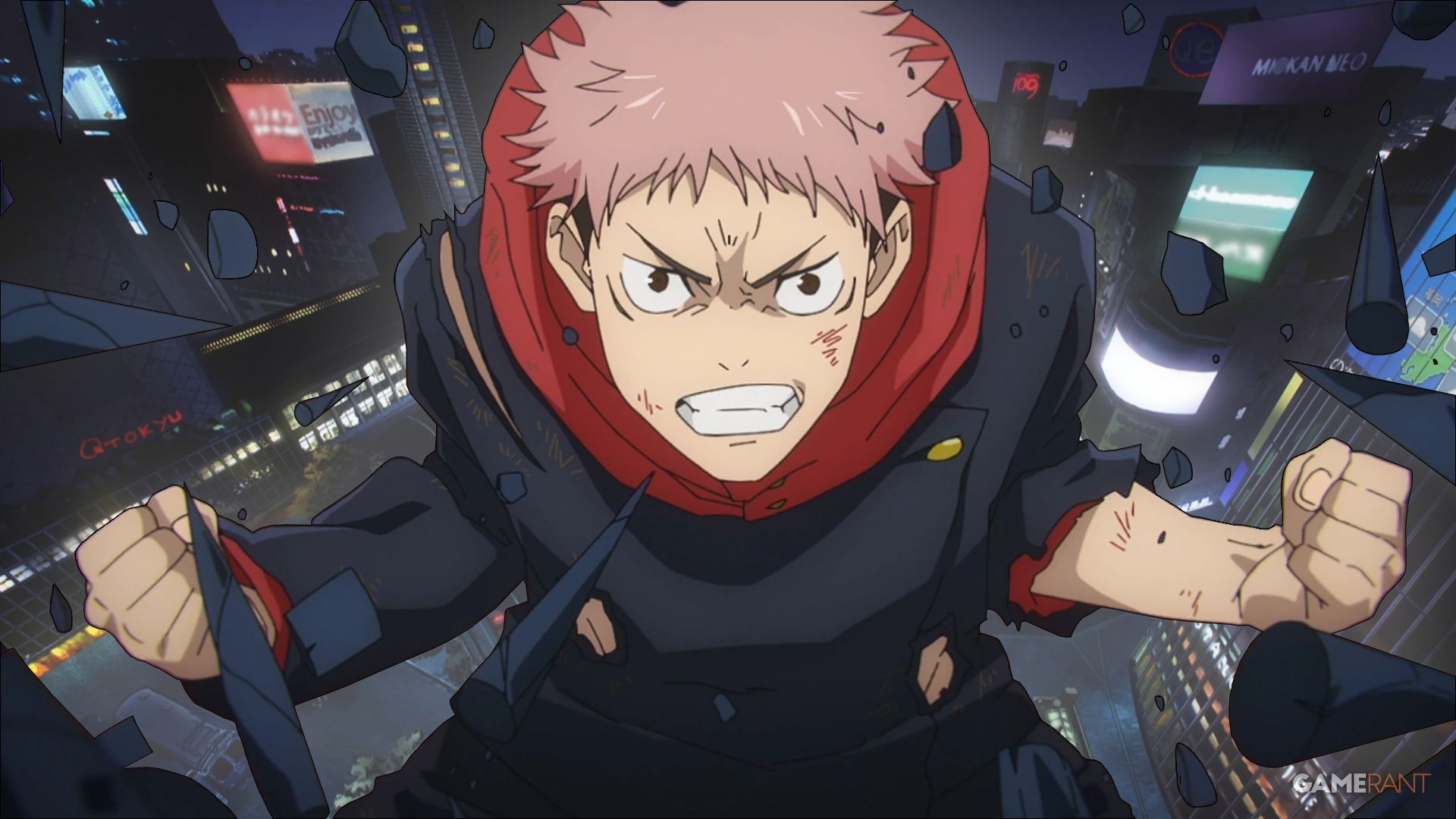
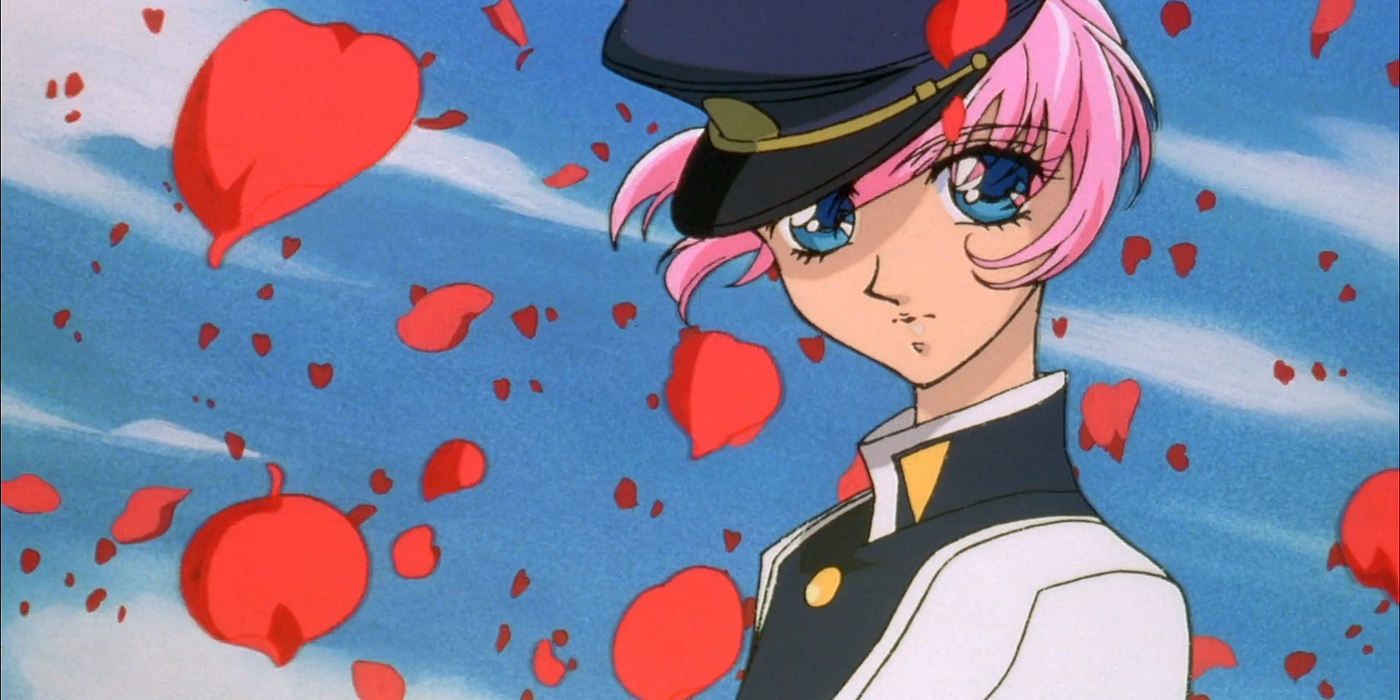
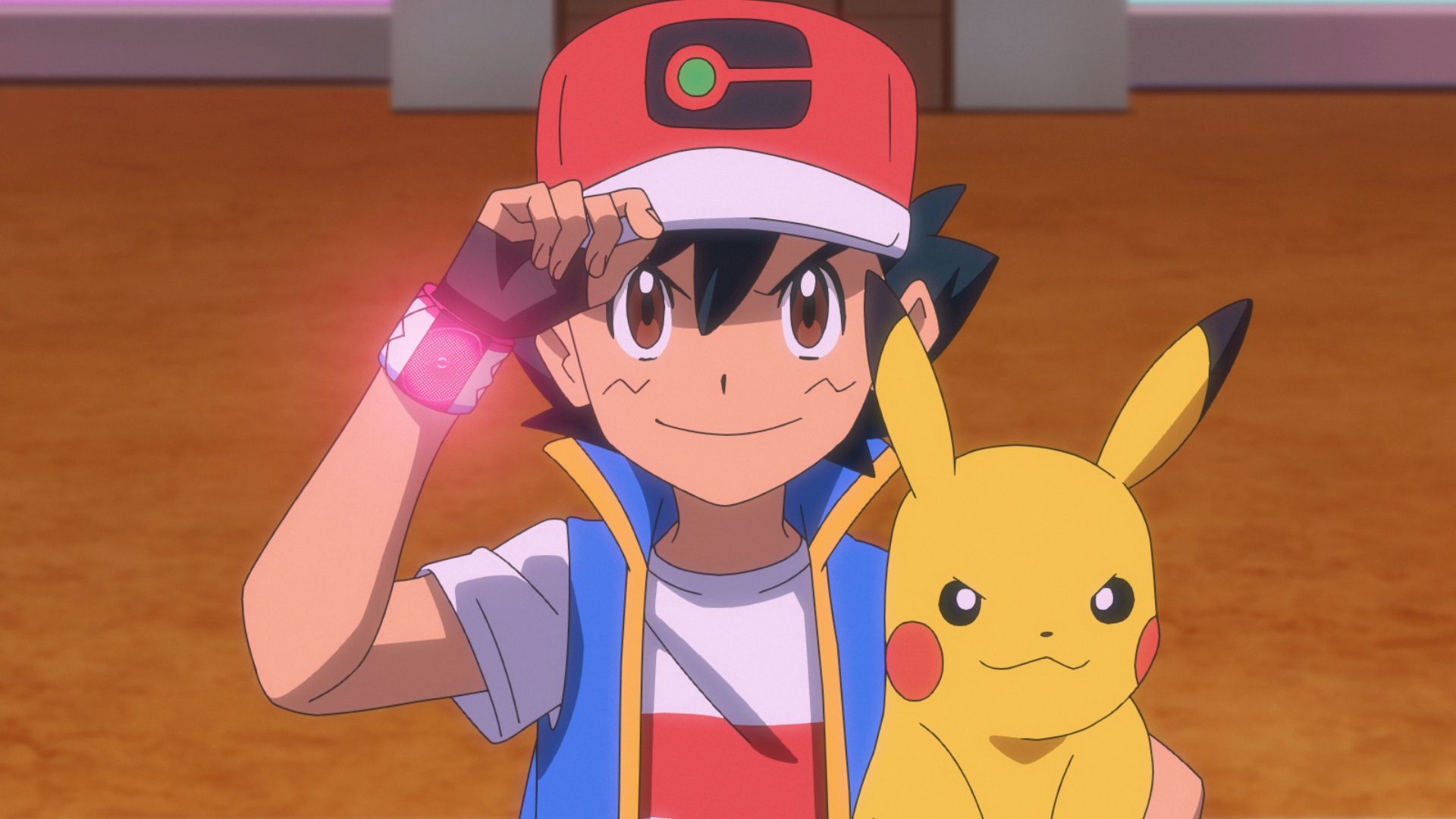

You know, I’ve been thinking a lot about shoujo characters lately, and it strikes me that they really need well-defined personalities. Because they don’t usually have superpowers or a grand destiny, they have to earn your attention with who they are – a compelling personality or some real depth. Of course, there are always exceptions, but that’s just my take!
Unlike some other types of stories, characters in action-adventure series (often called ‘shonen’) aren’t usually weighed down by complex internal struggles. The focus is more on their friendships, their developing abilities, and how they improve as they work to protect the world. The storytelling style is different, and while it can be really effective, the quality can vary quite a bit.
When you’re considering well-written characters, first think about what purpose they serve in the story, and what kind of anime—its genre and setting—they’re a part of.
Read More
- Forza Horizon 6: Find the Ohtani Treasure Chest Location
- LEGO Batman Legacy of the Dark Knight Batcave Minikits & WayneTech Caches
- NTE Drift Guide (& Best Car Mods for Drifting)
- Diablo 4 Best Loot Filter Codes
- PS Plus Monthly Games for June 2026 Wish List
- USD CNY PREDICTION
- USD RUB PREDICTION
- Cookie Run Kingdom Timeline of Fate Update Guide
- GBP CNY PREDICTION
- CNY RUB PREDICTION
2026-05-28 22:07