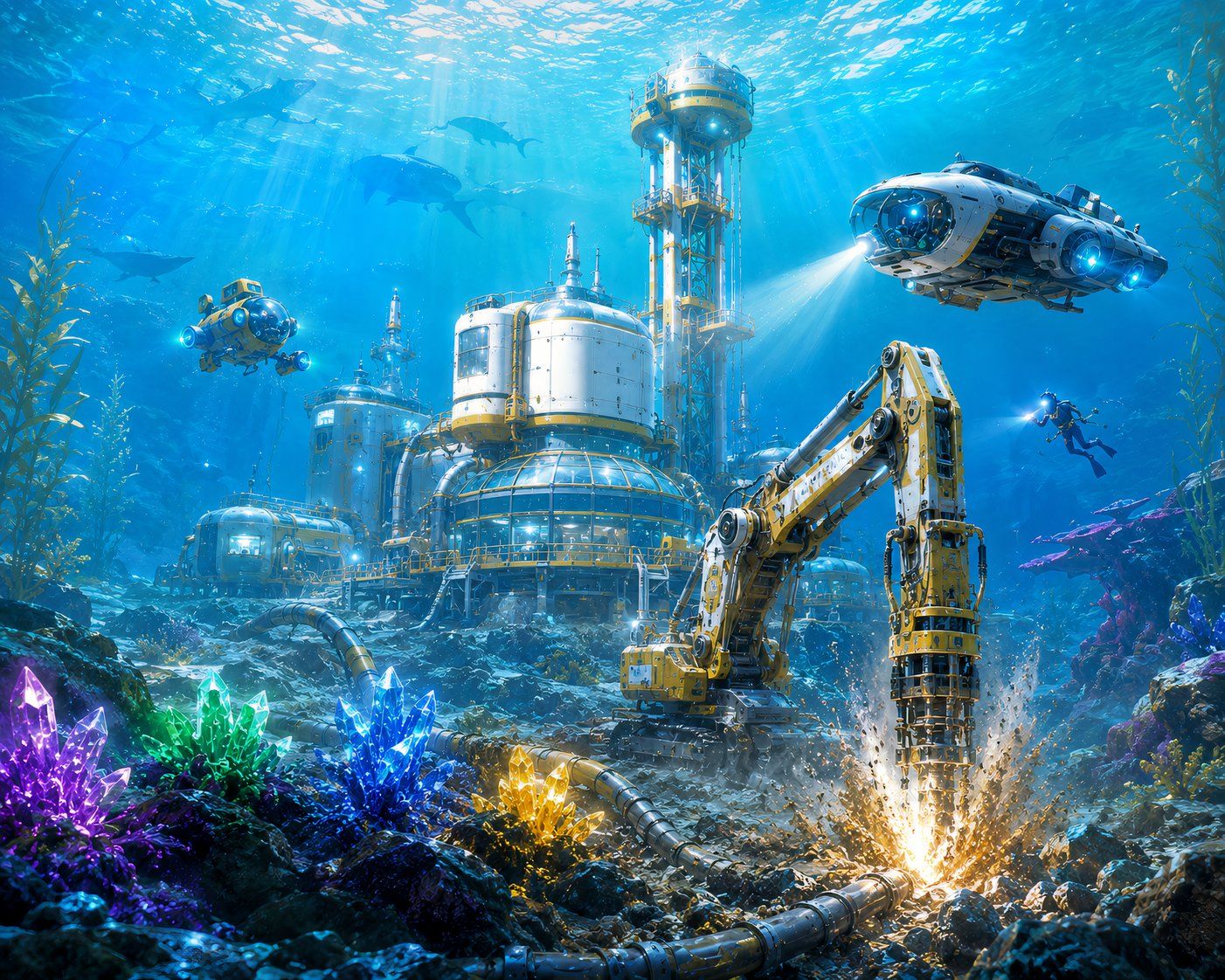
The Ultimate Digital Treasure Hunt
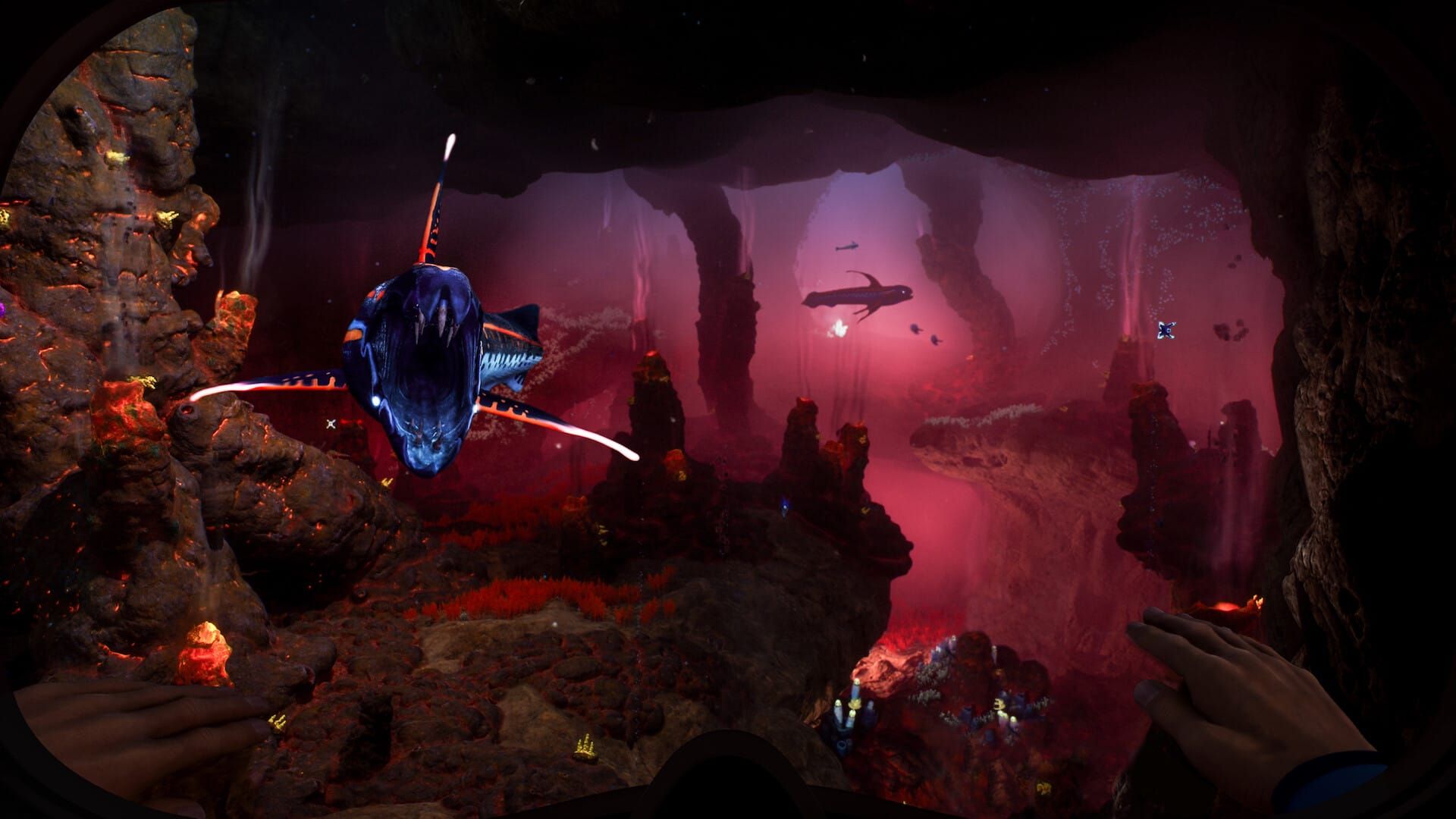
On May 14th, the highly anticipated Subnautica 2 will be released, letting players return to its beautiful, glowing underwater world. The original game was known for its addictive gameplay – exploring the ocean depths, scanning for resources, and collecting alien materials to improve equipment and construct impressive underwater bases. It felt like the ultimate sci-fi adventure. Interestingly, while many are virtually exploring alien oceans through games like Subnautica, a real-life treasure hunt is currently underway in the Pacific Ocean, and it’s powered by the same technology used in gaming.
The Potato-Sized Batteries
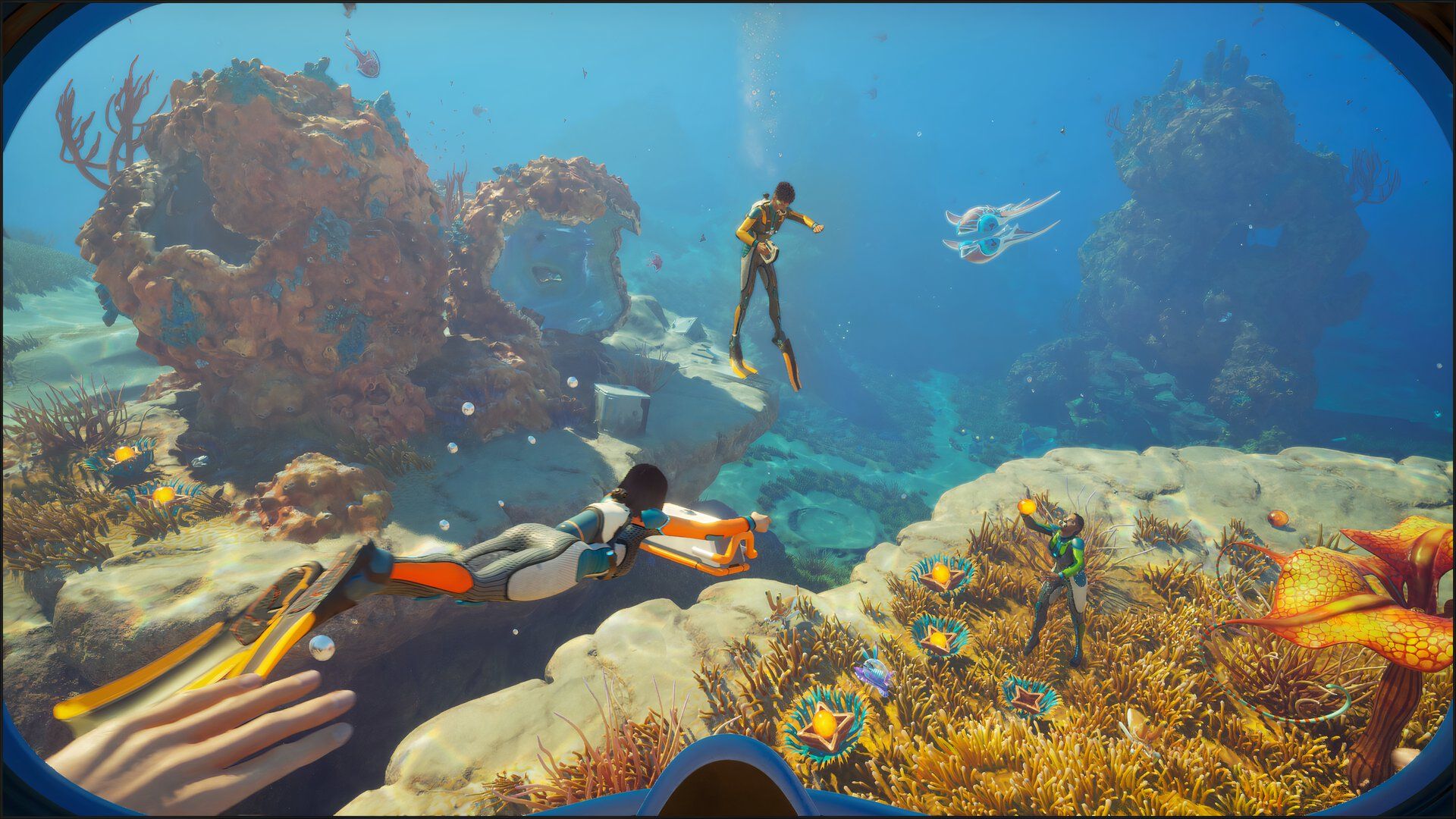
Subnautica 2: How Players Are Changing the Game
We’re experiencing a huge, worldwide surge in technology. The amount of new things being created is incredible. From electric cars to the latest gaming consoles and the powerful AI systems that run our everyday tools, everything requires a massive supply of important metals like cobalt, nickel, manganese, and copper. Demand for these materials has increased so quickly that current supply chains are struggling to keep up.
As a tech and energy enthusiast, I’ve been following the supply chain issues closely, and it’s amazing to learn where the solutions might come from! It turns out the answer isn’t on land, but deep in the ocean. There’s this huge area in the Pacific called the Clarion-Clipperton Zone, and it’s covered in incredible resources. The seabed is literally scattered with these things called polymetallic nodules – they’re basically mineral-rich rocks that have been forming for millions of years as metals slowly build up from the seawater. Honestly, they look a bit like burnt potatoes – pretty strange, but potentially a game-changer!
Real-Life Prawn Suits
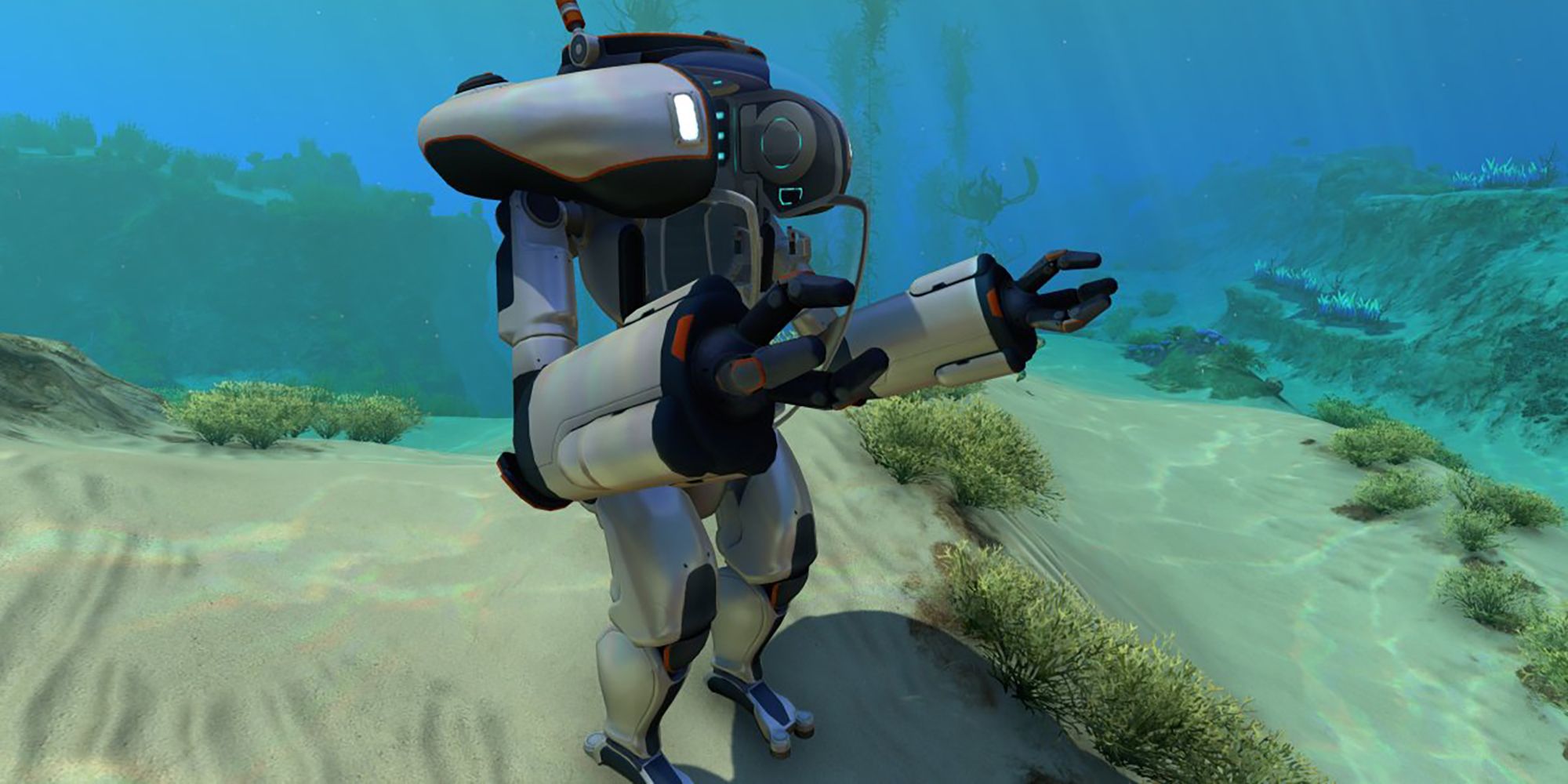
It’s starting to feel like we’re living in the game Subnautica, but in real life. Companies aren’t using typical mining tools to collect these valuable minerals. Instead, they’re using incredibly advanced, multi-million-dollar robotic submarines and underwater ROVs to essentially vacuum up metallic nodules from the ocean floor, thousands of meters deep in complete darkness.
Playing Subnautica and using the Prawn Suit to mine for titanium might seem like a game, but it surprisingly reflects what’s happening in real-world deep-sea engineering. A great example is the Patania II, a machine built by the Belgian company Global Sea Mineral Resources (GSR) to collect minerals from the ocean floor.
Subnautica 2 is Causing Other Games to Move Their Release Dates
Gamifying the Deep Sea
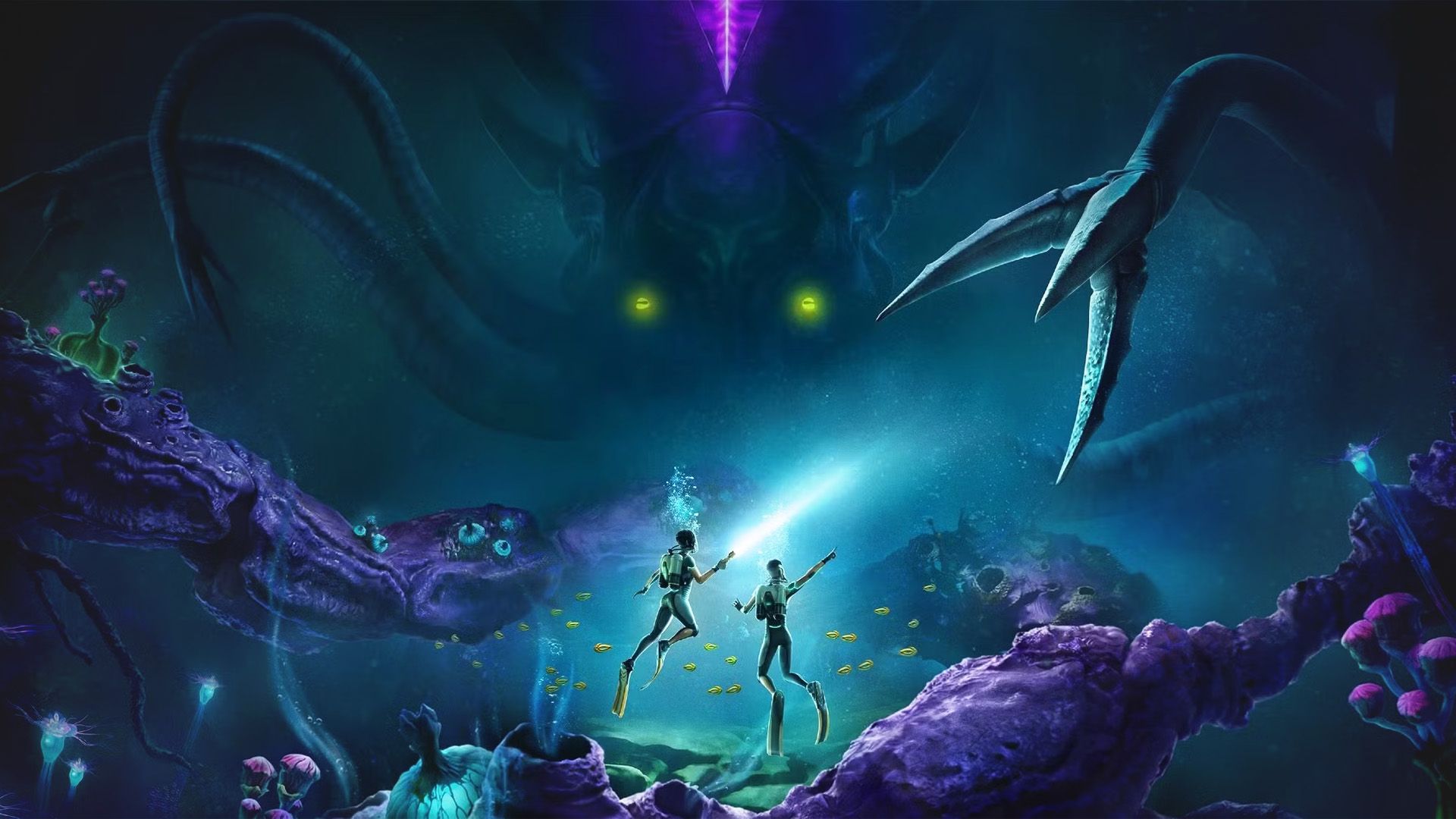
What’s really amazing is how these giant underwater cleaning machines are controlled. Surprisingly, the pilots don’t use traditional steering wheels. Instead, the control centers for these deep-sea missions look a lot like professional video game streaming setups! They often use standard gaming controllers and multiple monitors to navigate the ocean depths, blurring the line between playing a simulator and operating the real thing.
Next time you start playing Subnautica 2 and collect resources for upgrades, it’s ironic to consider this: the device you’re using likely contains minerals mined from the real ocean floor, possibly by someone using a similar controller as yours.
Read More
- Forza Horizon 6: Find the Ohtani Treasure Chest Location
- LEGO Batman Legacy of the Dark Knight Batcave Minikits & WayneTech Caches
- NTE Drift Guide (& Best Car Mods for Drifting)
- Diablo 4 Best Loot Filter Codes
- PS Plus Monthly Games for June 2026 Wish List
- USD CNY PREDICTION
- USD RUB PREDICTION
- GBP CNY PREDICTION
- Cookie Run Kingdom Timeline of Fate Update Guide
- CNY RUB PREDICTION
2026-05-07 19:38