It’s natural to expect an adventure game’s world to expand as you progress – after all, you’re exploring it directly. But in storytelling, a world can grow in two ways: physically, by becoming larger, and thematically, by deepening in meaning. While many adventure games focus solely on expanding the game’s physical size, the most memorable ones also explore these deeper, thematic layers.
Some adventure games create incredibly immersive worlds not just through big maps, but by weaving together compelling stories, detailed background information, and memorable characters. By the end, you don’t just remember where you’ve been, but also the small details that make the game world feel alive, like a real place with its own history and purpose, rather than just a space to explore.
Spoilers ahead!
10. CrossCode
It’s Not Just a Game
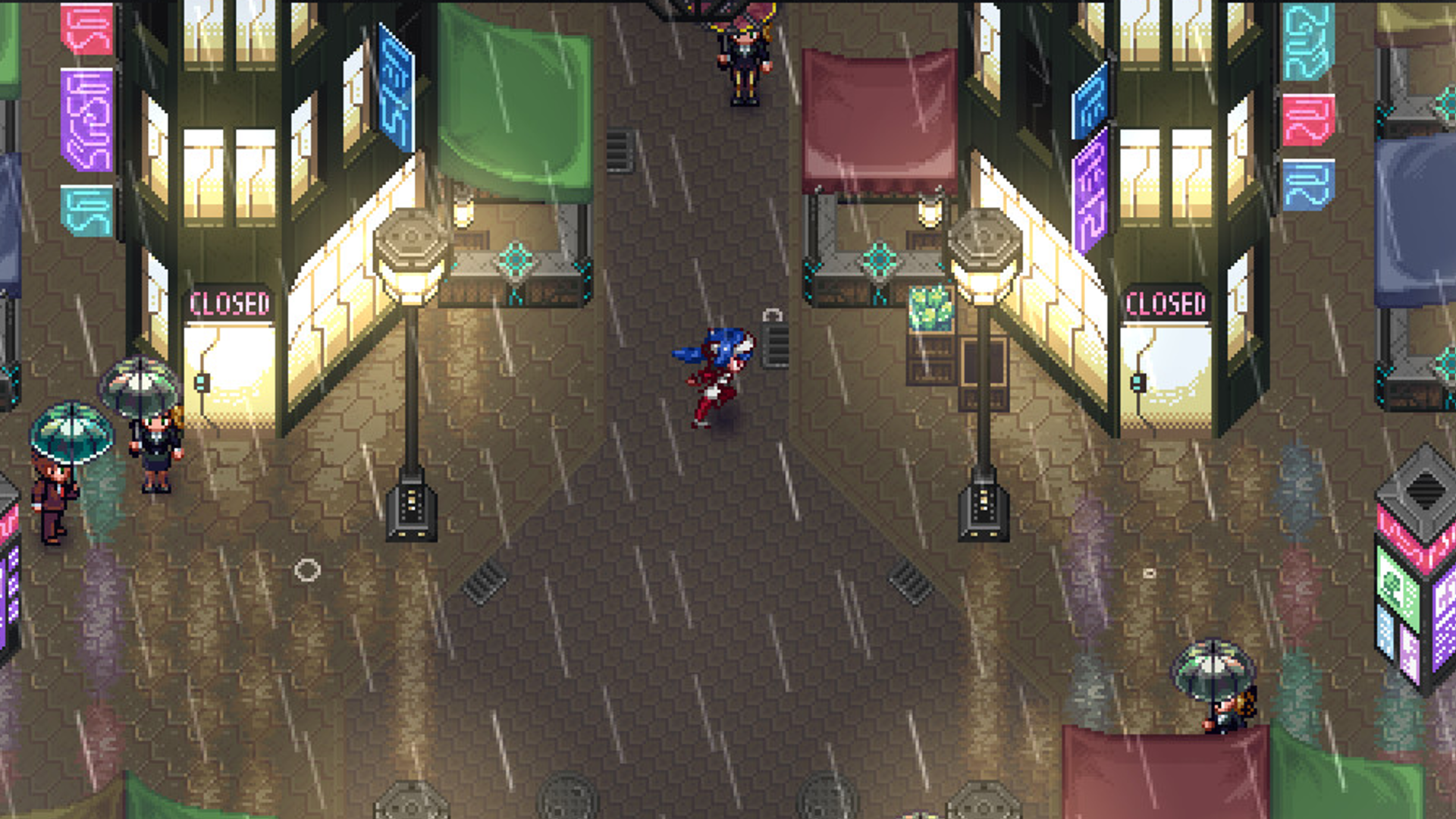
Games about games often have complex stories, particularly when the main character is stuck inside one, similar to the .hack series. However, what’s truly remarkable about CrossCode is that the fact its game world is real isn’t even the most compelling aspect of it.
CrossWorlds is an online game set in a perfect virtual world built on the moon Shadoon. Players control characters like puppets from the outside. While most people play it like a normal MMO, for one player named Lea, the game isn’t just a pastime – she’s trapped inside, and it’s become her entire reality.
The game eventually shows that Lea isn’t truly trapped, but is actually an AI living entirely within the CrossWorld system. She’s one of many digital creations designed to collect user information. It’s ironic because discovering the truth about Lea doesn’t open up possibilities for her to return to the real world – it confirms that CrossWorld is the only place she can exist, effectively shrinking her world.
9. Transistor
A City By the People, For the People
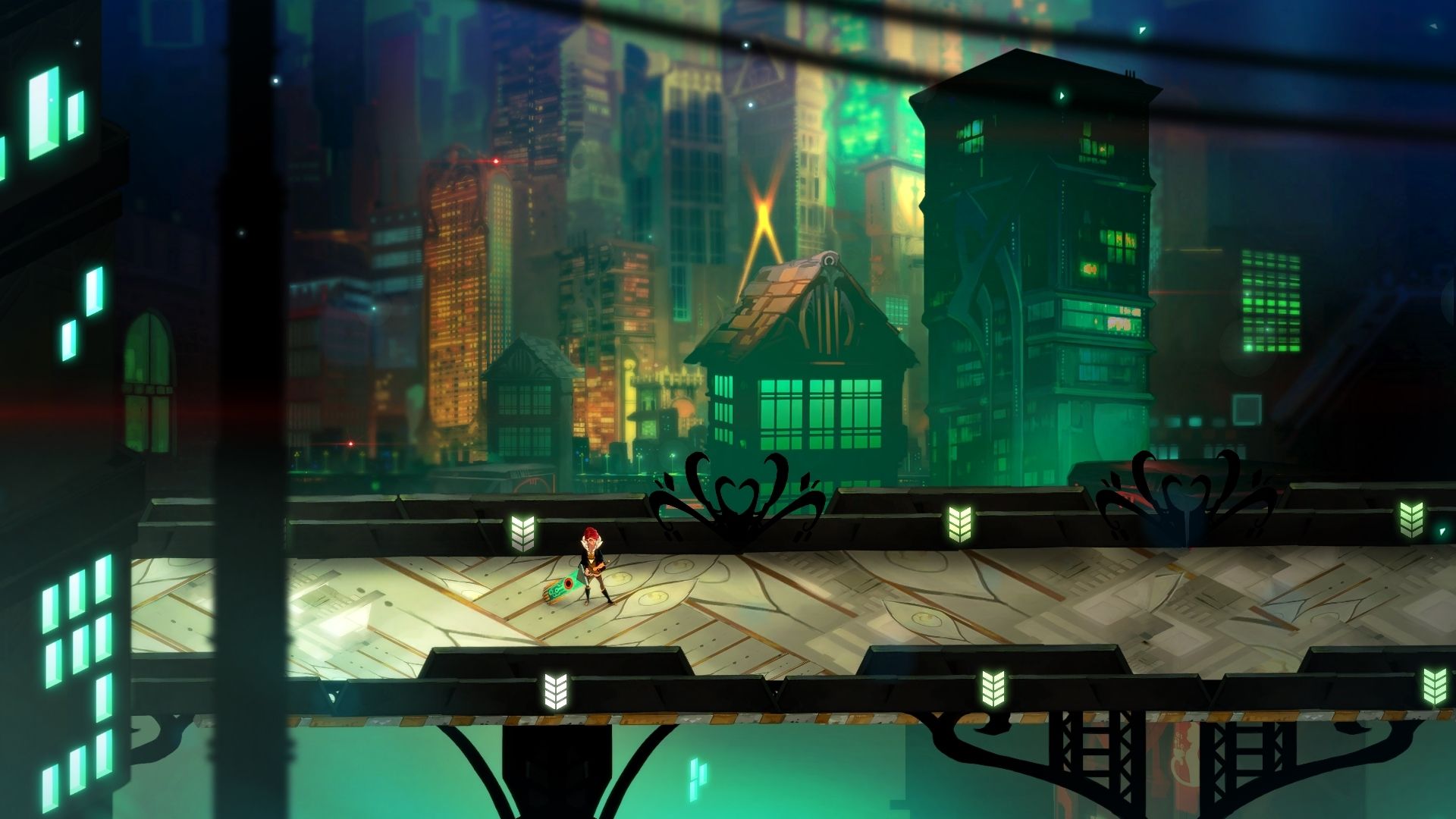
The game Transistor takes place in Cloudbank, a futuristic city designed as a perfect democracy. Residents can vote on everything, from the daily weather to the sky’s color. However, the story doesn’t immediately reveal this idyllic setup. It begins abruptly with Red discovering her lover has been killed.
Red and her friend are traveling through Cloudbank inside the Transistor, battling enemies called the Process. Because Red can no longer speak, her companion does all the talking for them both. He often remembers and shares stories about their life in the city – everything from their favorite lunch spot, a simple flatbread shop, to the secret, controlling power group known as the Camerata.
As I explored, I discovered more about how the Process actually built the city, but it gets really interesting when you start digging into the lives of the people in it. I could basically ‘read’ little bits of their memories and experiences, and it slowly started to make sense why living here is so tough for some. It’s a pretty flighty place, and understanding the citizens really explains why.
8. Dungeons of Hinterberg
Vacations can be Complicated
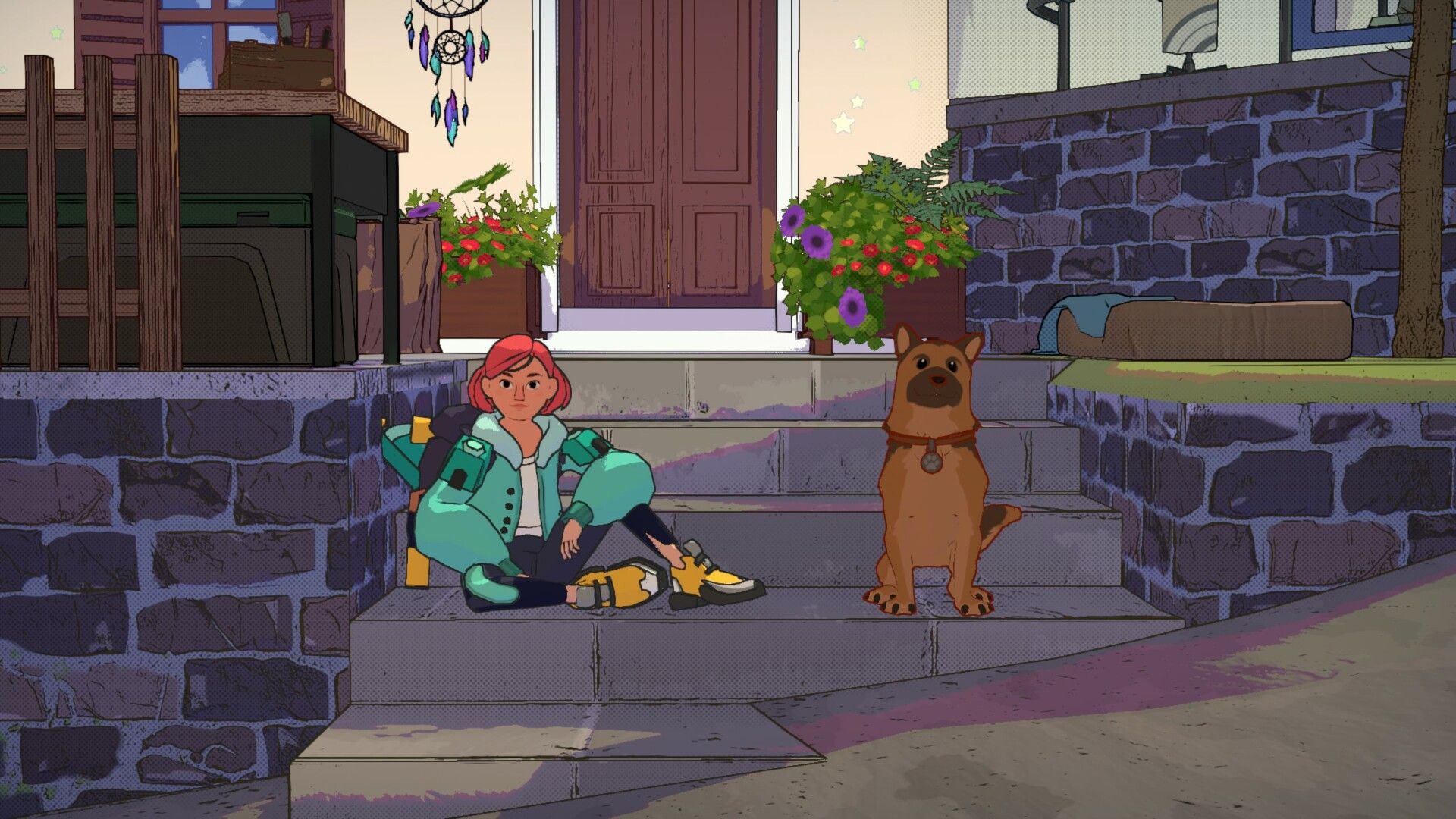
One of the main reasons people travel internationally is to expand their understanding of the world. Simply visiting a place very different from your own can make you question your existing beliefs. And it’s even more exciting if that place has a mysterious connection to folklore, like the legendary Dungeons of Hinterberg.
Luisa initially travels to Hinterberg simply for a relaxing vacation. The Alpine town has become a popular tourist spot thanks to the recent discovery of magical dungeons, but Luisa mainly wanted a break from her exhausting job. As she explores Hinterberg and its surroundings, especially the dungeons, she begins to understand how this new dungeon-based economy is impacting the town.
The town’s mayor is aggressively promoting tourism to the dungeons, which is causing concern among residents. They fear losing their traditional way of life and being priced out of their homes. On top of that, there’s the ongoing danger of monsters escaping from the dungeons – a problem that needs solving, regardless of how many visitors the dungeons bring in.
7. Grim Fandango
Life After Life
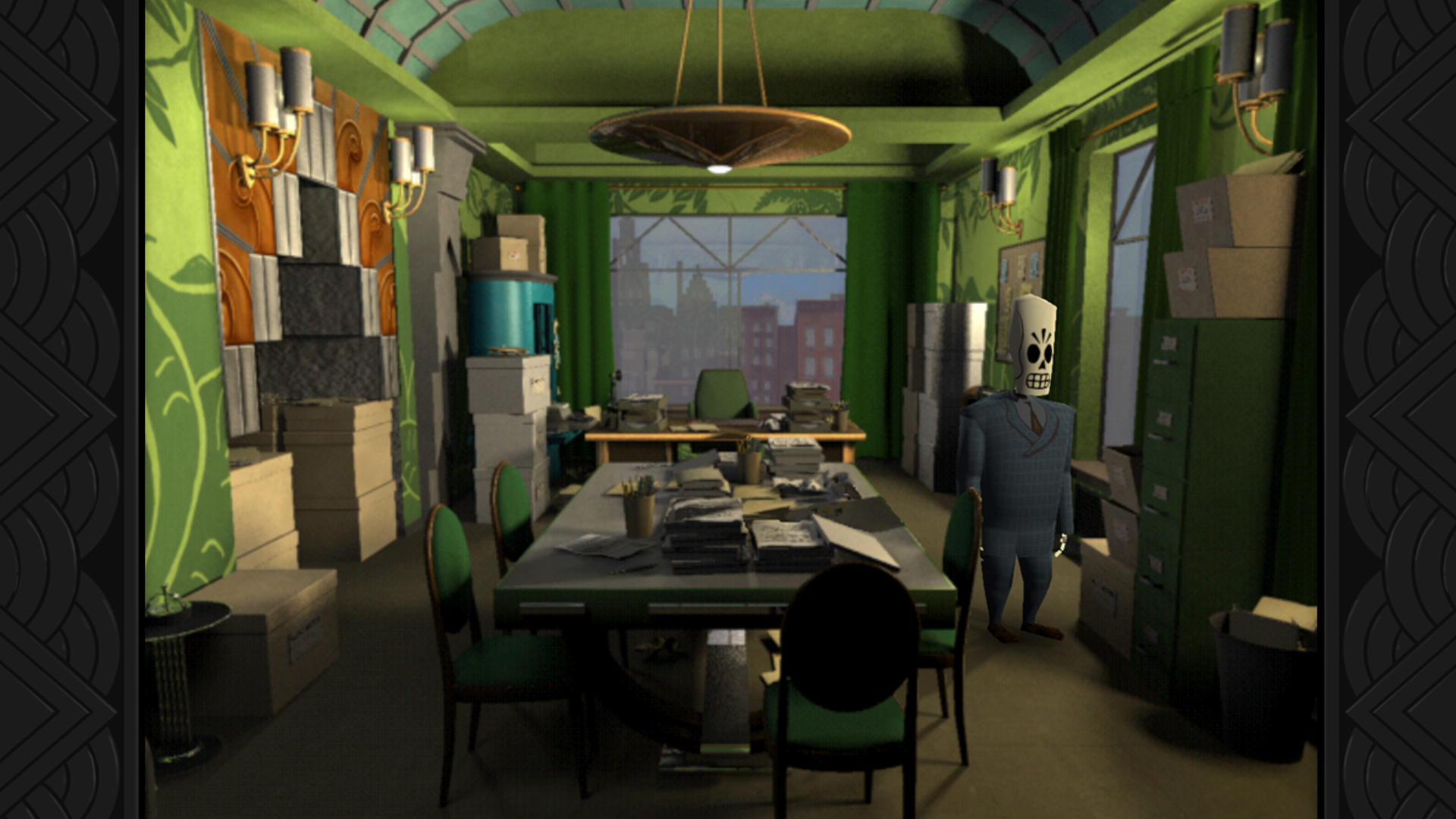
Here’s an interesting bit of history: the Aztecs believed that after death, souls faced a difficult four-year journey through the underworld before reaching their final resting place. This idea heavily inspired the setting of the adventure game Grim Fandango, though the game takes some creative liberties with the concept.
In Grim Fandango, most souls who die have to walk for four years to reach their final destination – and it’s a terrible journey. But people who lived good lives can use travel packages to make the trip quicker and more comfortable. Death’s agents, like Manny, benefit from helping these souls. The game’s film noir style introduces a unique type of criminal, as everyone in this afterlife is looking for a way to avoid true death.
While traveling through the land of the dead, Manny encounters all sorts of people. Some are determined to continue their journey, while others have lost hope and simply try to build new lives where they are. It’s a bleak and gritty world, much like the settings in classic noir stories, but on a much larger scale – an entire world filled with people who’ve fallen on hard times, not just a single city.
6. Brutal Legend
Legends of Metal
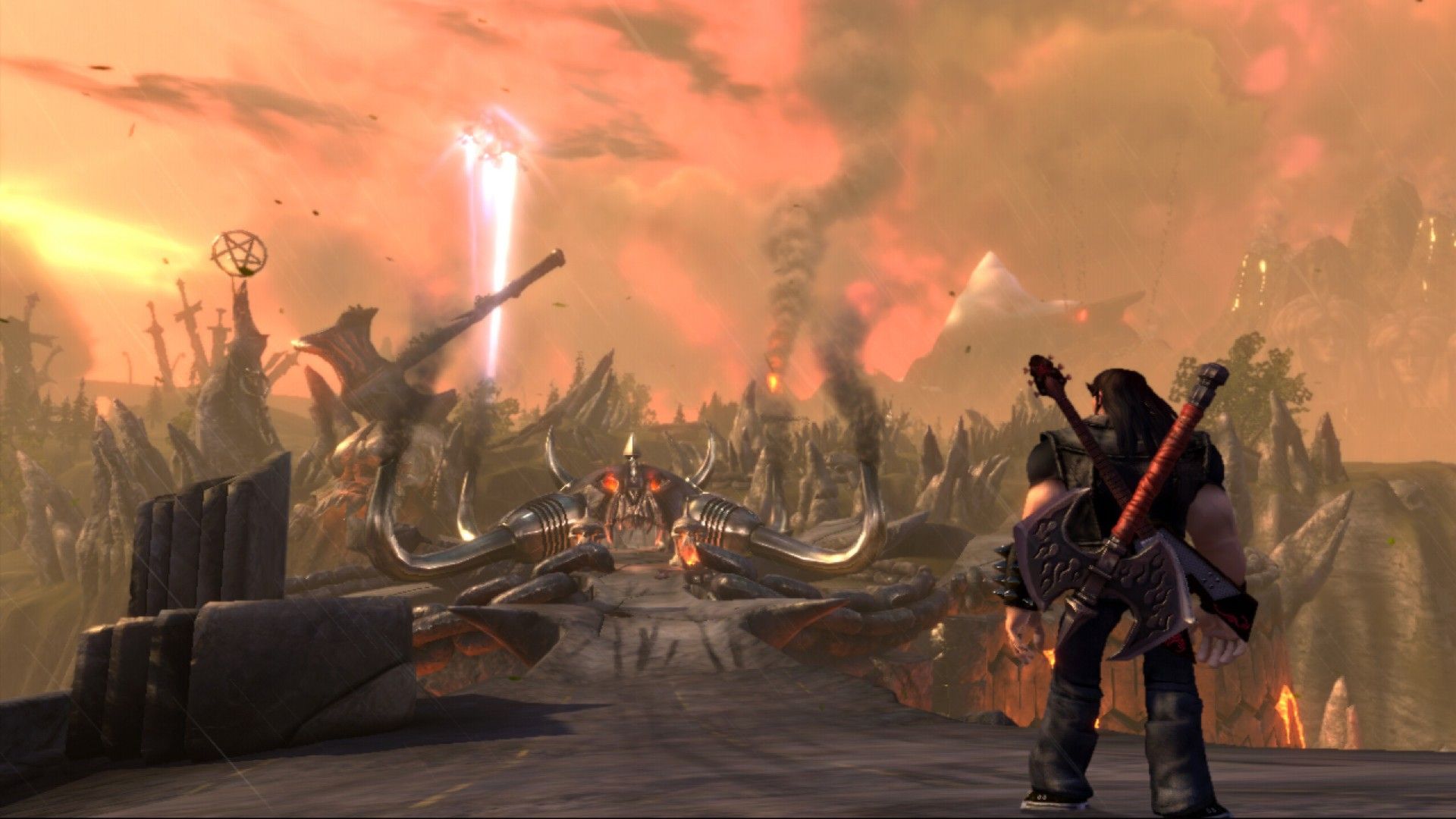
Tim Schafer’s game, Brutal Legend, immediately shows its inspiration: a fantastical world built around iconic heavy metal album art. While enjoying the artwork is one thing, the game lets you actually experience life inside those legendary covers.
Eddie initially believes he’s been transported to a magical world made of metal, but the story and flashbacks reveal this isn’t the case. He’s actually in the incredibly distant past – a time when metal possessed immense power, capable of incredible feats, and demons were prevalent. Your first encounter with the Guardian of Metal hints at the existence of titans, born from the blood of an ancient beast named Ormagoden.
Essentially, the first demons appeared after Ormagoden died and were adopted by the titans. Later, when the titans became gods, the demons tried – and failed – to recreate them by creating humanity. It’s a really epic story, like something you’d find in a Rhapsody of Fire song!
5. Control
Knowing the Unknowable
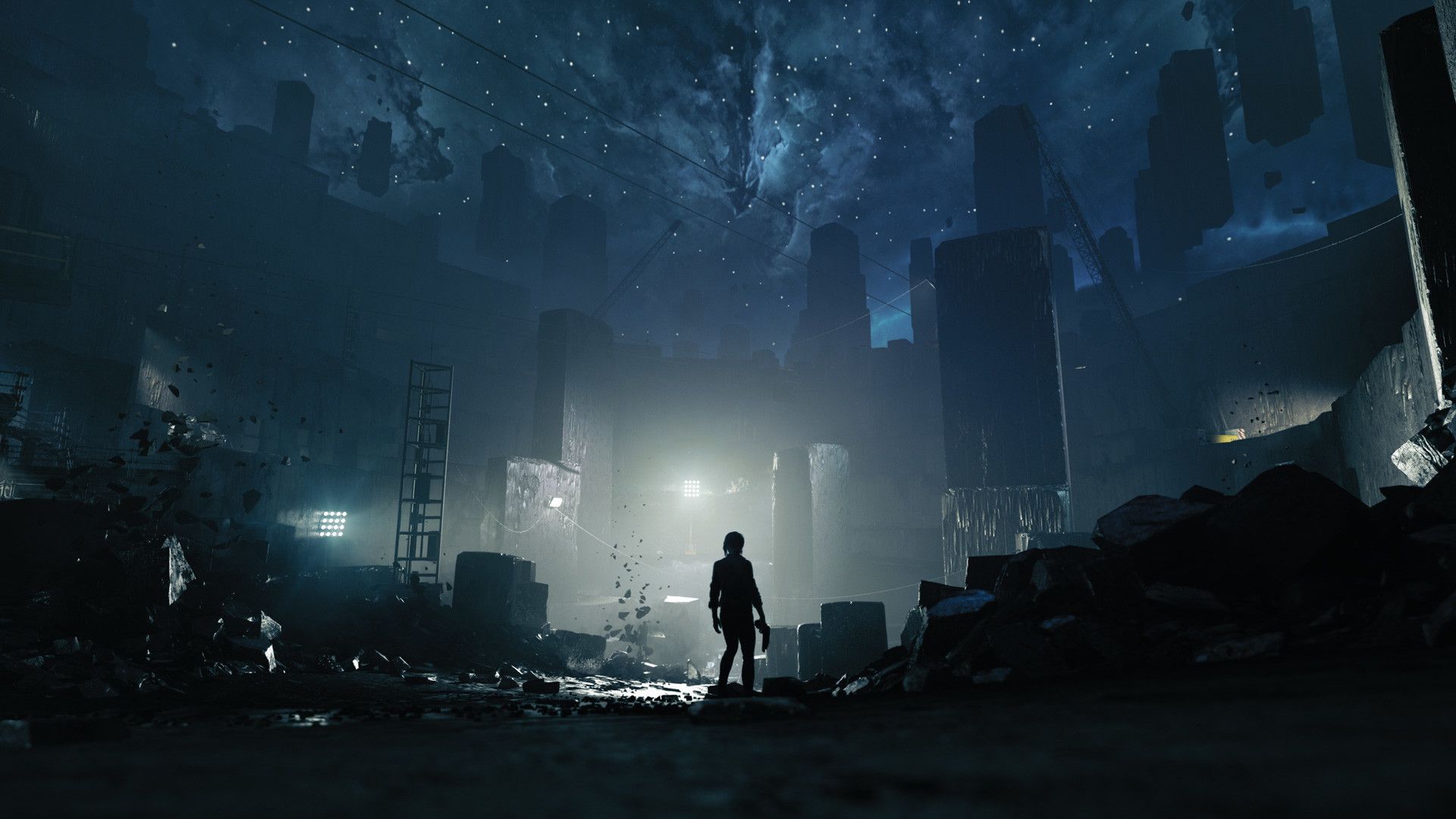
It’s often said that what we don’t know is scary because it’s completely undefined – it has no label, purpose, or clear boundaries. The game Control shares a similar idea with the SCP Foundation: both involve a group dedicated to finding, containing, and studying strange, supernatural events, aiming to bring order to the unexplained. Though not always successfully.
When Jesse first arrives at the Federal Bureau of Control’s headquarters, the Oldest House, all she knows is that it’s a secretive government agency possibly involved in her brother’s disappearance. However, by becoming the Director and wielding the Service Weapon, she quickly learns how the FBC truly operates. Although the recent Hiss invasion is a new problem, dealing with supernatural events is simply a normal part of life within the Bureau.
The massive interior of the Oldest House demonstrates just how large and far-reaching the FBC’s work truly is. Records reveal its operations span the globe and extend to other worlds. You likely won’t be able to understand everything, and that’s intentional. Becoming Director has expanded Jesse’s world significantly, perhaps to the point where it’s impossible to fully comprehend.
4. NieR Replicant
Nothing is as it Appears
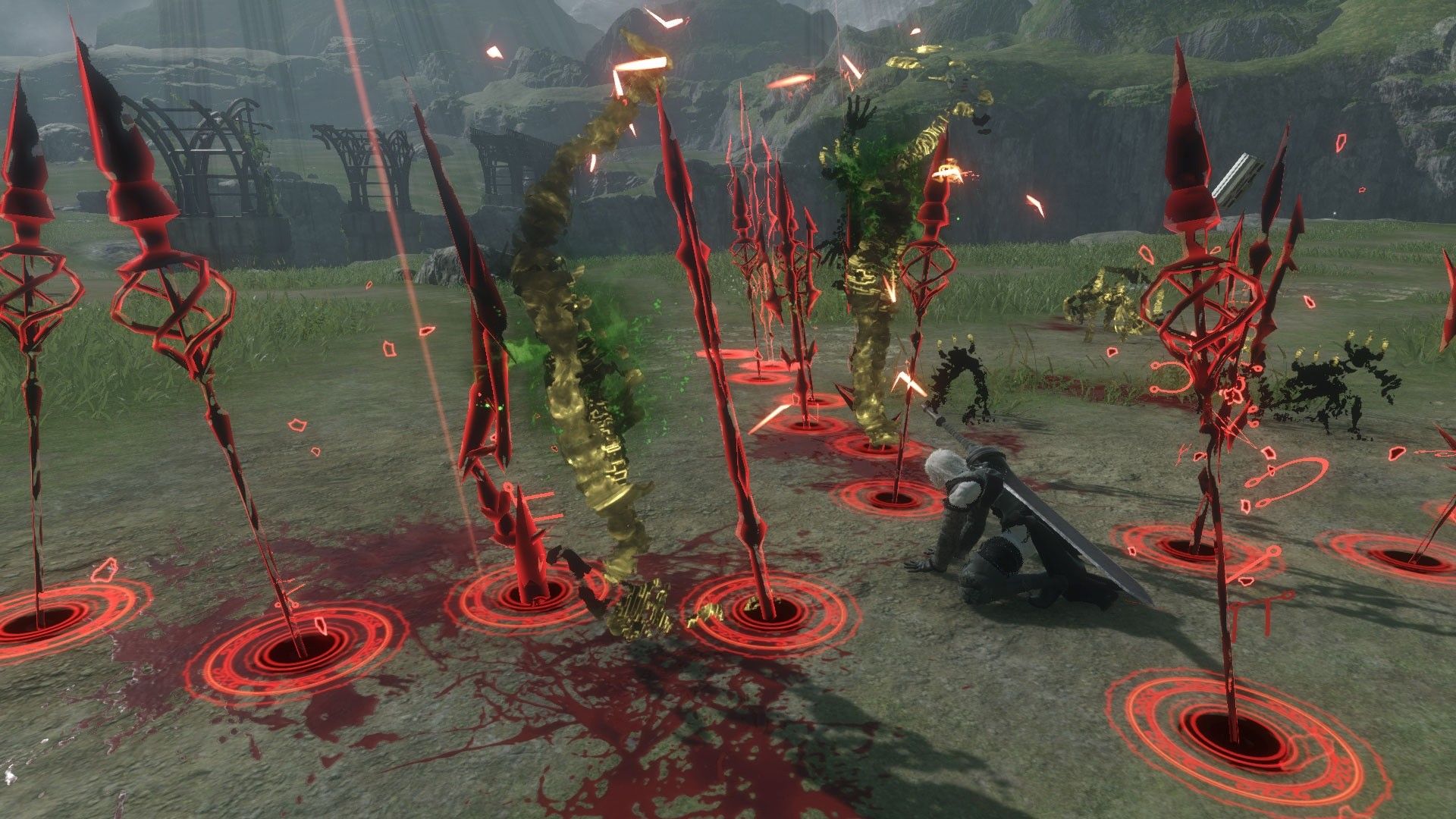
When I first jumped into NieR Replicant, it started with this really sad little scene of a brother and sister struggling to survive a brutal winter in a ruined world. Then, it completely switched gears to a brother and sister who looked similar, but were living in this peaceful, almost fairytale-like village. Honestly, I was so confused about how these two pairs connected! But as I played, and especially as I replayed the game, the truth started to come out, and it was amazing how everything slowly connected. It’s a game that really unfolds the more you experience it.
At first glance, the world appears to be a typical fantasy setting, but remnants of a lost, modern civilization are visible everywhere—like the broken, massive bridges you can find across the landscape. It seems a catastrophic event wiped out the previous society, and the game’s main characters were lucky enough to survive. But that’s not the whole story.
The world of NieR takes place after a devastating apocalypse, but a closer look reveals a surprising truth. Documents and the thoughts of the Shades (enemies you fight) show that the ‘humans’ aren’t actually human at all – they’re artificial beings created to hold the souls of the original, long-vanished humanity. In essence, you’ve been fighting the remnants of what people were.
3. Lies of P
Puppets Don’t Frenzy for No Reason
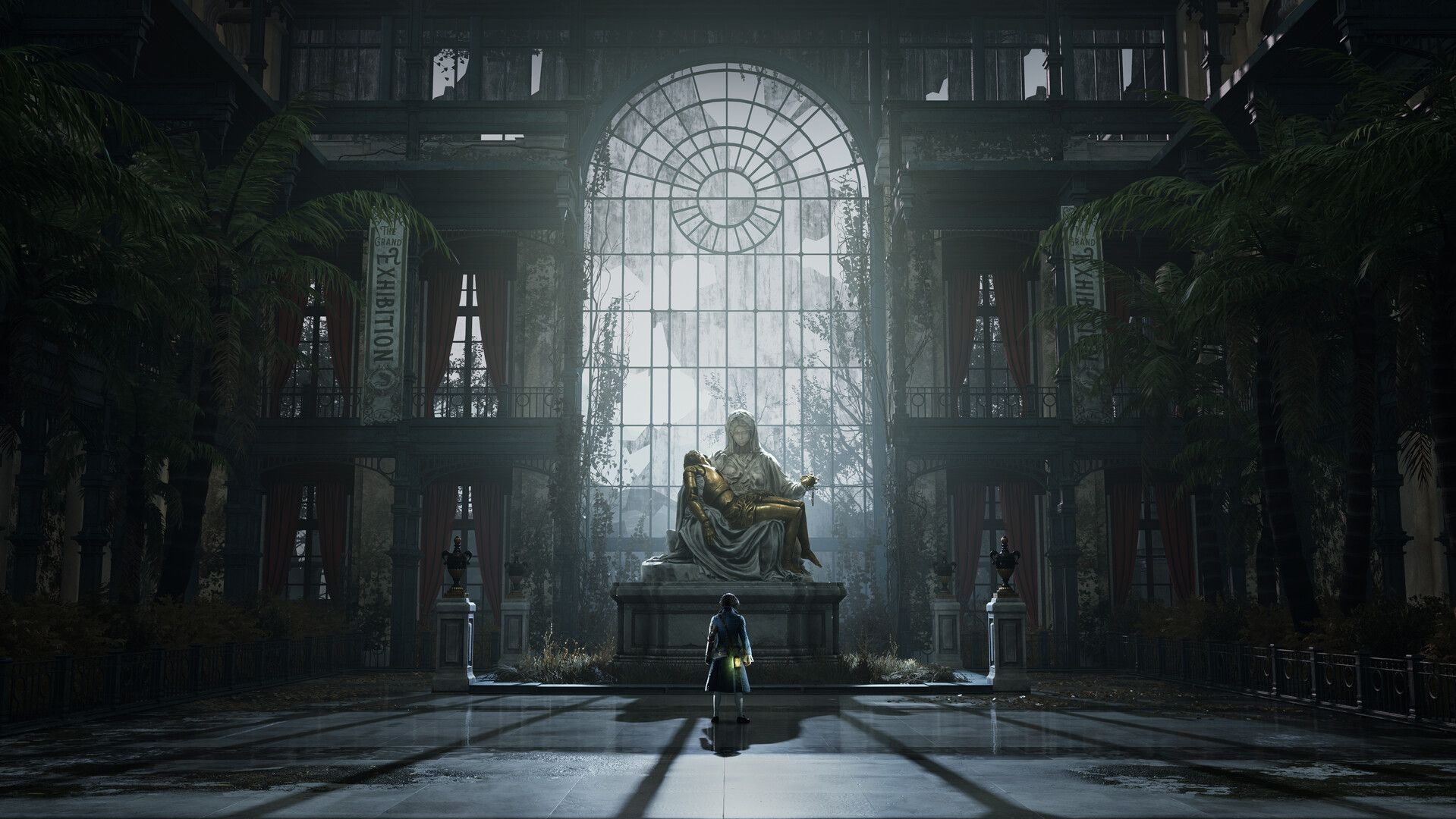
I’ve noticed something really cool about Soulslike games – they’re amazing at slowly revealing their worlds. Take Lies of P, for example. It just starts – you’re suddenly playing as this puppet, waking up in a wrecked train car with no explanation! They don’t bother with a long intro, they just kind of push you forward and let the story unfold as you go, which I really appreciate.
As you navigate the increasingly chaotic city of Krat, it becomes clear that the Order of Alchemists wields immense power. They discovered Ergo and were responsible for creating the puppets, giving them significant control. To make matters worse, a deadly disease is spreading, slowly killing people and, through disturbing alchemical practices, turning them into aggressive, monstrous creatures called Carcasses.
Subscribe for deeper takes on game worlds and design
As I’ve dug deeper into this city and the areas around it, it’s become really obvious how many people are involved in everything. It’s not just the Alchemists trying to stay in control, but even Geppetto is up to something, collecting Ergo to bring his son back to life. And honestly, the whole Puppet Frenzy, which started everything, seems like a distraction. It turns out Geppetto caused it on purpose so he could work on his secret plans without anyone noticing!
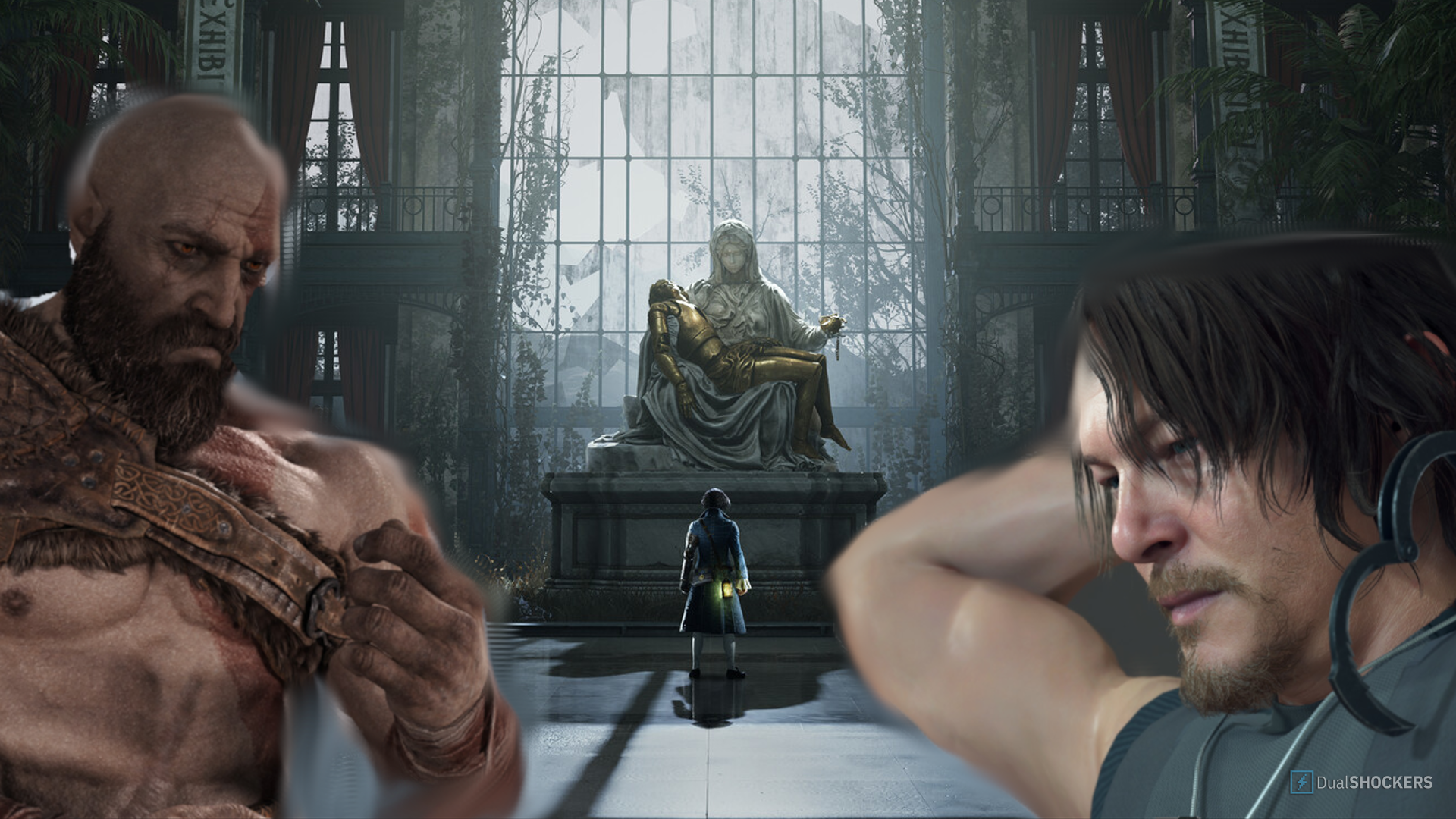
2. God of War (2018)
An Introduction to Norse Mythology
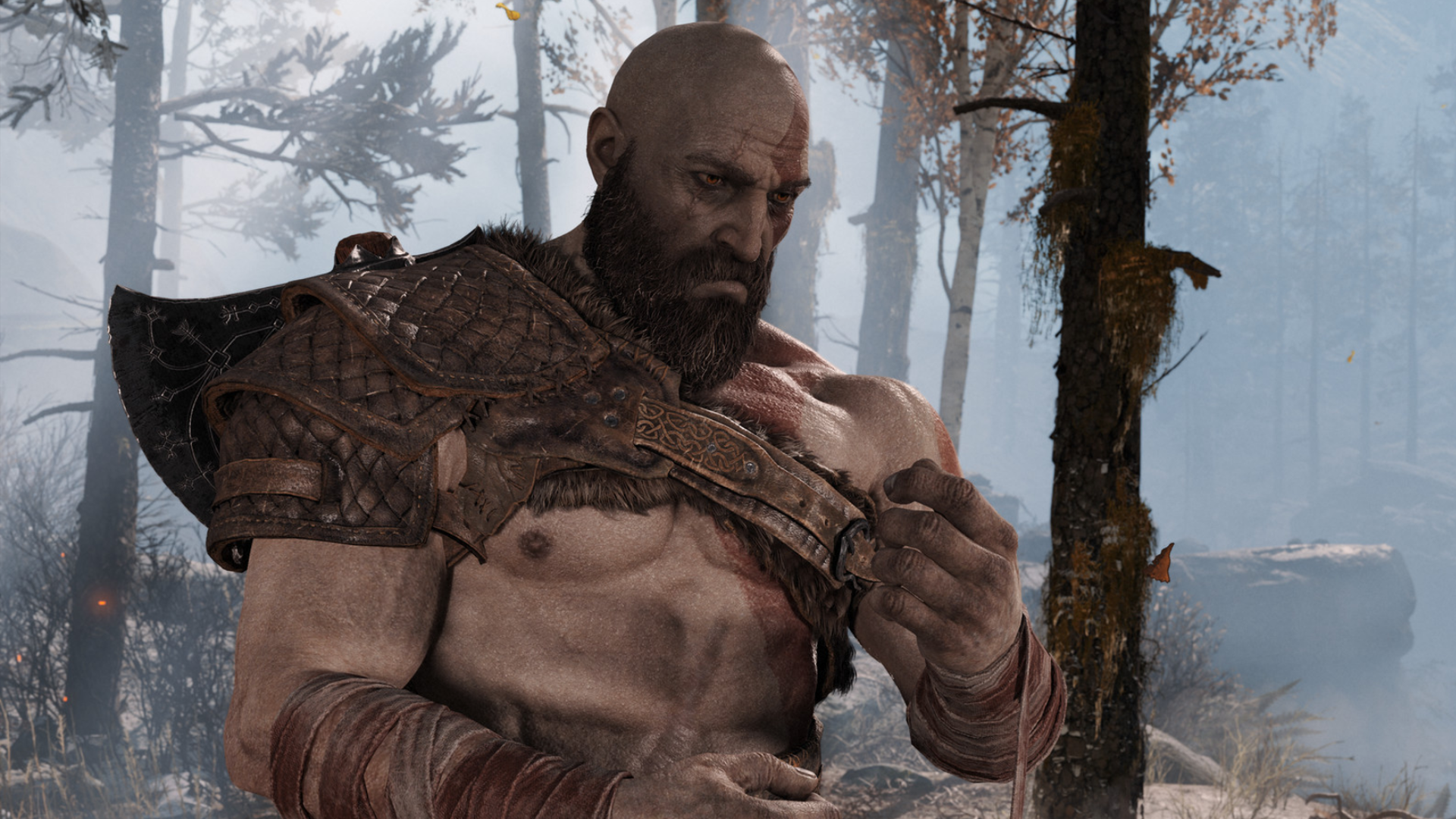
The 2018 God of War isn’t a complete restart of the series, but rather a fresh beginning that builds on what came before. It doesn’t ignore the events of past games, but minimizes their importance to welcome new players. Moving Kratos to a new world based on Norse mythology not only attracts a wider audience, but also lets players explore a completely different setting beyond the familiar world of Greek gods.
When Kratos first arrived in the Norse lands, he likely had to learn the basics, but at the start of the game, he isn’t keen on exploring. He simply wants to live quietly and raise his son. It’s his journey with Atreus to scatter his wife’s ashes that truly pushes him to become involved with the Norse world and its gods.
Learning about these worlds reveals their shared history, size, and the diverse people who live there. It also deepens the bond between Kratos and Atreus, and sets the stage for their important part in future Norse events, as explored in the next game.
1. Death Stranding
The Things You Forget in Isolation
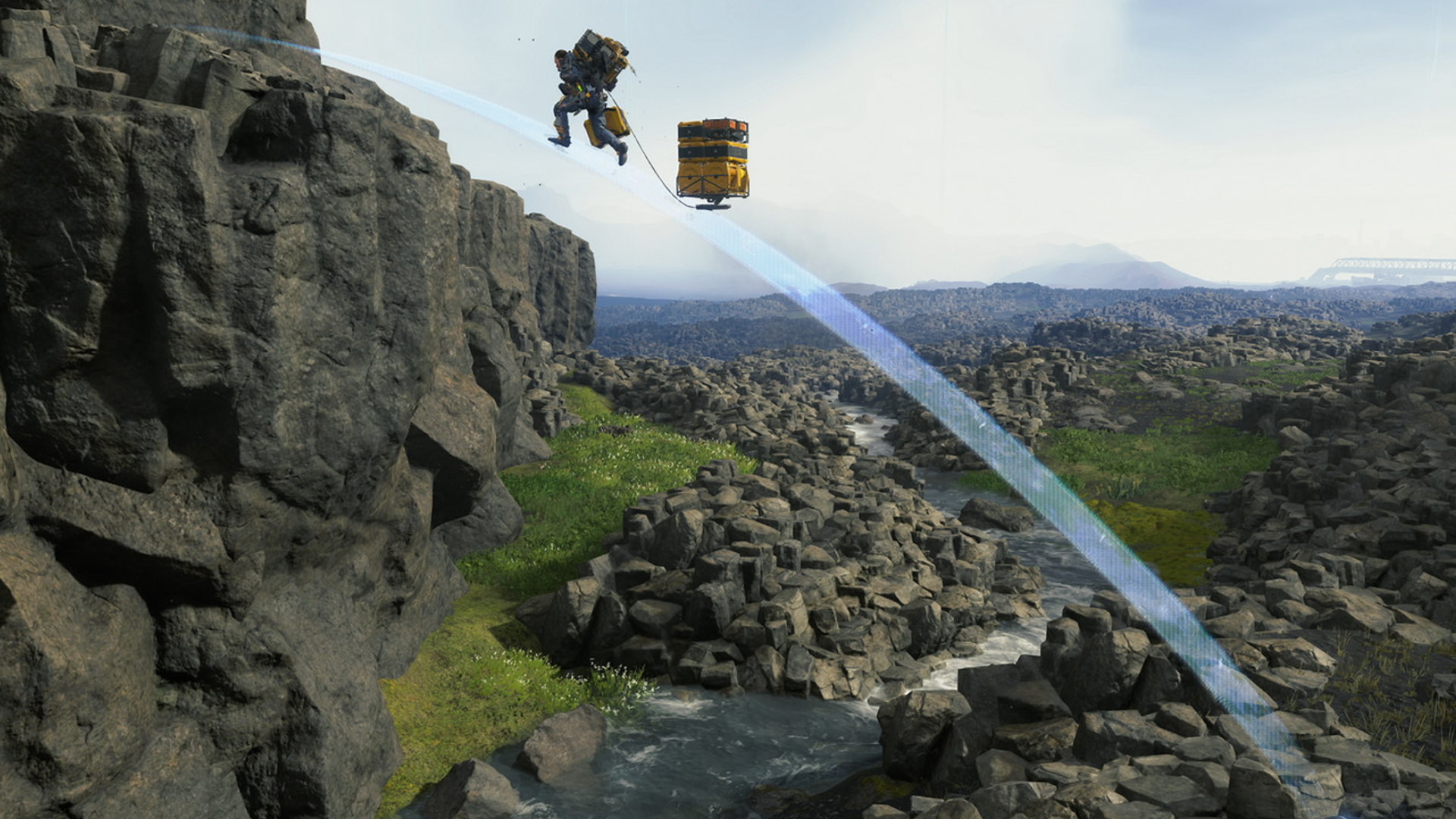
We often take for granted how much information we have access to, since it’s so easy to connect with others and share ideas. Knowledge lasts because we can easily share things like digital files and traditional books. But in a world like the one in Death Stranding, where people are cut off from each other, information quickly starts to disappear.
The game begins with a lot of mystery. While the characters understand that things like the Death Stranding, Timefall, and BTs exist, they don’t know why these events are happening. As explained through in-game text logs from Deadman, a lot of knowledge from the old world was lost after the Death Stranding, particularly as people died and Voidouts started appearing.
Connecting people through the Chiral Network makes sharing information much simpler, allowing knowledge to spread across the world again. Things are still strange, but you slowly begin to understand the importance of couriers, the reasons behind the supernatural events, and how they function, at least to some degree. It doesn’t all add up perfectly in the end, but that’s typical for a game by Hideo Kojima.
Read More
- NTE Drift Guide (& Best Car Mods for Drifting)
- All Aswang Evidence & Weaknesses in Phasmophobia
- Diablo 4 Best Loot Filter Codes
- Conduit Crystal Location In Subnautica 2
- Forza Horizon 6: Find the Ohtani Treasure Chest Location
- Where to Find Prescription in Where Winds Meet (Raw Leaf Porridge Quest)
- Boruto: Ikemoto Has Already Hinted At Sasuke’s New Eye After Return
- USD RUB PREDICTION
- Best Burst & Full Auto Builds for the M16A4 in BF6
- Brent Oil Forecast
2026-05-23 19:12