
Dungeons & Dragons is a world brimming with magic. In fact, out of the game’s twelve main character classes, eight of them use spells, leaving only four that focus solely on combat skills. Magic allows players to call upon allies, unleash fiery attacks on enemies, and even bend the rules of reality for an extra turn, which explains why spellcasting is such a central part of the Dungeons & Dragons experience.
Recently released in Dungeons & Dragons Unearthed Arcana are two new character classes that really excel at fighting spellcasters. The Oath of the Spellguard Paladin and the Magic Stealer Rogue are both designed to counter magic users, which can be incredibly helpful when facing powerful enemies like liches, fiends, or sorcerer-kings. However, Dungeon Masters will need to carefully consider how these classes fit into their game to ensure they aren’t too strong or too weak.
Mystic Subclasses in Dungeons and Dragons Unearthed Arcana
Magic and Anti-Magic Archetypes For the Monk, Paladin, Rogue, and Warlock
Mystic Subclasses is the first playtest material released for Dungeons & Dragons in 2026. Like other ‘Unearthed Arcana’ releases, these subclasses are official options that players can test and provide feedback on before they are officially published. This particular release introduces four new subclasses, all centered around mystical themes:
- Monk: Warrior of the Mystic Arts
- Paladin: Oath of the Spellguard
- Rogue: Magic Stealer
- Warlock: Vestige Patron
The Mystic Arts Monk in Dungeons & Dragons is similar to the Arcane Trickster Rogue or Eldritch Knight Fighter. It gains some spellcasting ability—about a third of a full caster—and can eventually cast spells repeatedly by trading Focus Points (recovered during short rests) for spell slots. Like other ‘gish’ characters, it can also swap an attack for a cantrip, and its core abilities improve its ability to maintain concentration on spells.
 Image via Wizards of the Coast
 The term “gish” describes characters who combine magic with fighting skills. It comes from the Dungeons & Dragons race, the Githyanki, who are known for being both powerful spellcasters and skilled warriors.
The Spellguard Oath is ideal for Paladins focused on shielding their companions from magical threats. These Paladins can use features like Guardian Bond to boost an ally’s defenses, and they gain access to powerful spells such as Counterspell, Shield, and Circle of Power. They’re also adept at disrupting enemy spellcasters, especially those fighting up close. Eventually, their protective aura provides benefits like advantage on Concentration checks and saves against spells, disadvantage for enemies attacking allies within the aura, and even resistance to all damage for the Paladin’s bonded ally.
 Image via Blizzard
 The Magic Stealer Rogue does exactly what its name suggests. Its main skills allow it to steal magical energy from spellcasters, increasing its Sneak Attack damage. It can also end weaker magical effects, giving spellcasters on its team back their spell slots. As they progress, these Dungeons & Dragons Rogues gain even more abilities, like disrupting enemy spellcasters, removing their defenses, becoming permanently hidden from detection, and stunning them while stealing their power.
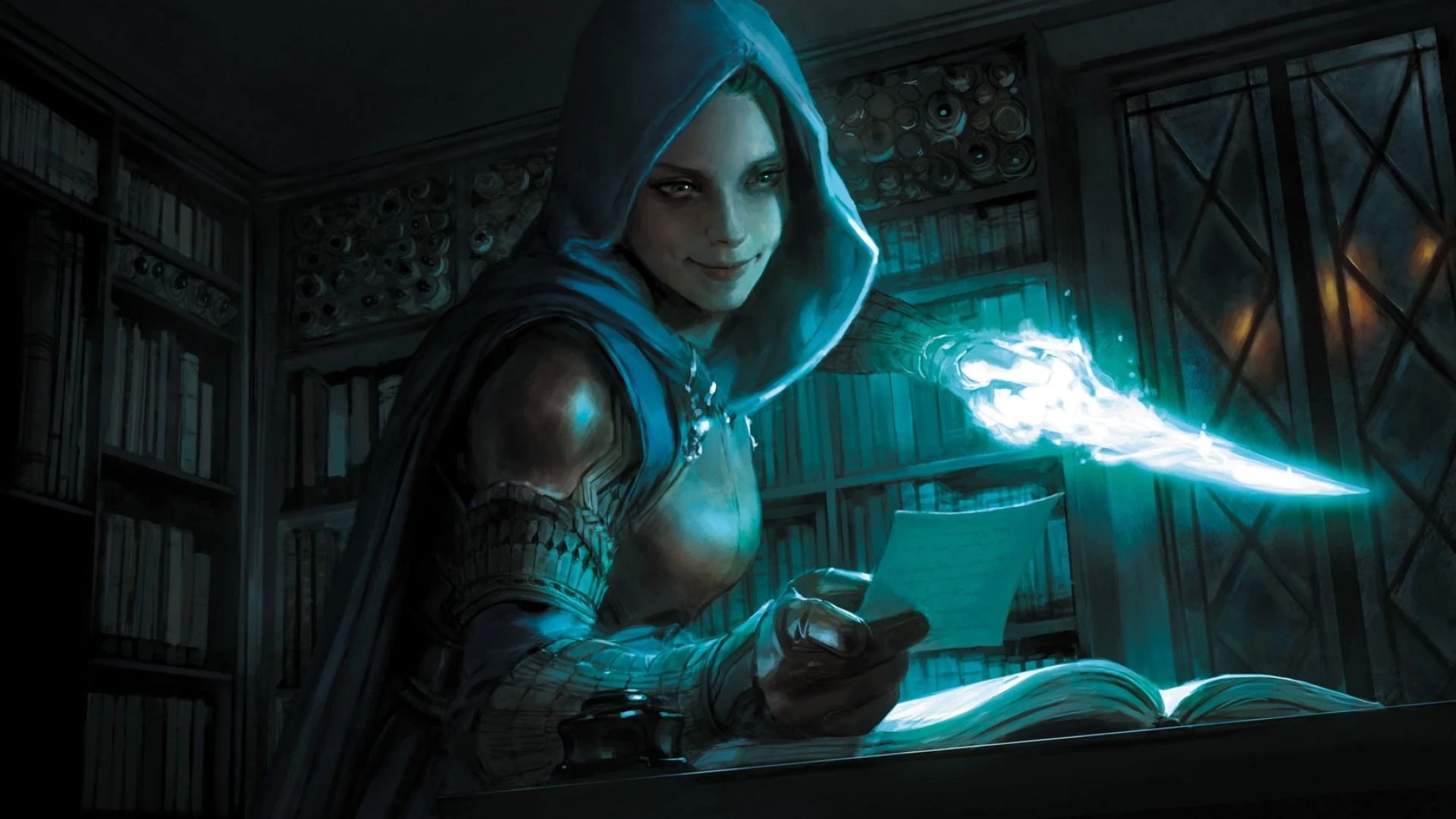 Image via Wizards of the Coast
 The Vestige Patron Warlock forms a pact with a fading or forgotten god, which appears as a constant companion – similar to the animal companion found in the Beast Master Ranger class of Dungeons & Dragons. As the Warlock gains power, this companion emits an aura that benefits the entire party. It can also temporarily transform into a much stronger ally by summoning a celestial, fiend, or undead creature.
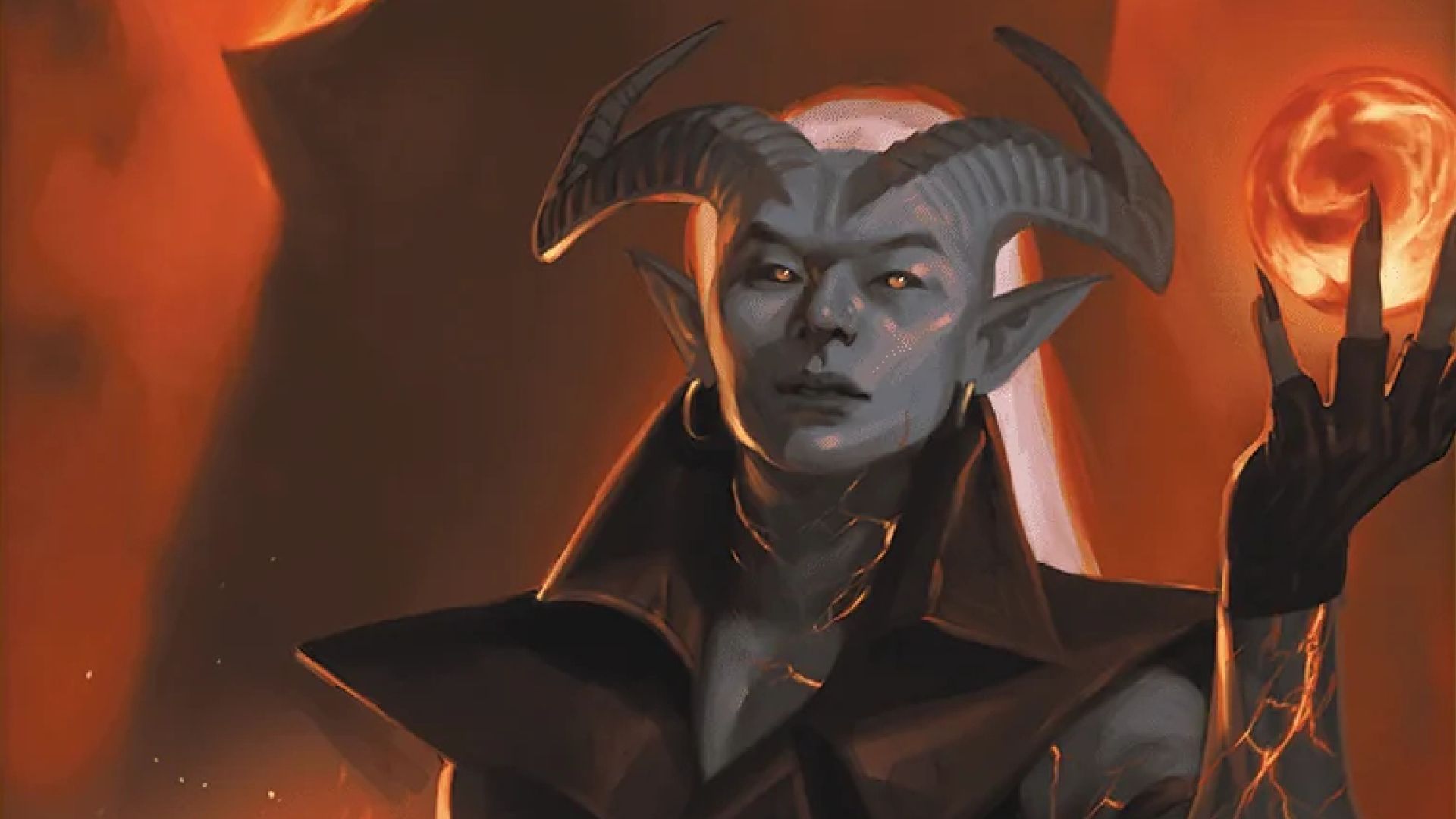 Image via Wizards of the Coast
 We don’t yet know which official D&D books these new character options will be included in, as Wizards of the Coast hasn’t announced any sourcebooks for 2026. However, similar magical subclasses were previously playtested in D&D Unearthed Arcana, so they might be collected in a book focused on magic later this year.
DMs Must Prepare For Players Using Two of These D&D Subclasses
Anti-Magic Subclasses Lose a Lot of Features When Not Fighting Spellcasters
Although the Spellguard Paladin and Magic Stealer Rogue are both magical classes, they actually counter magic rather than using it. This makes them valuable assets to any adventuring party, especially in Dungeons & Dragons where magic can be incredibly powerful. By the time characters reach higher levels, spellcasters often become the most dangerous enemies. These subclasses gain specific abilities to protect themselves from spells and disrupt magical attacks, performing as well as a dedicated Abjuration Wizard in countering magic.
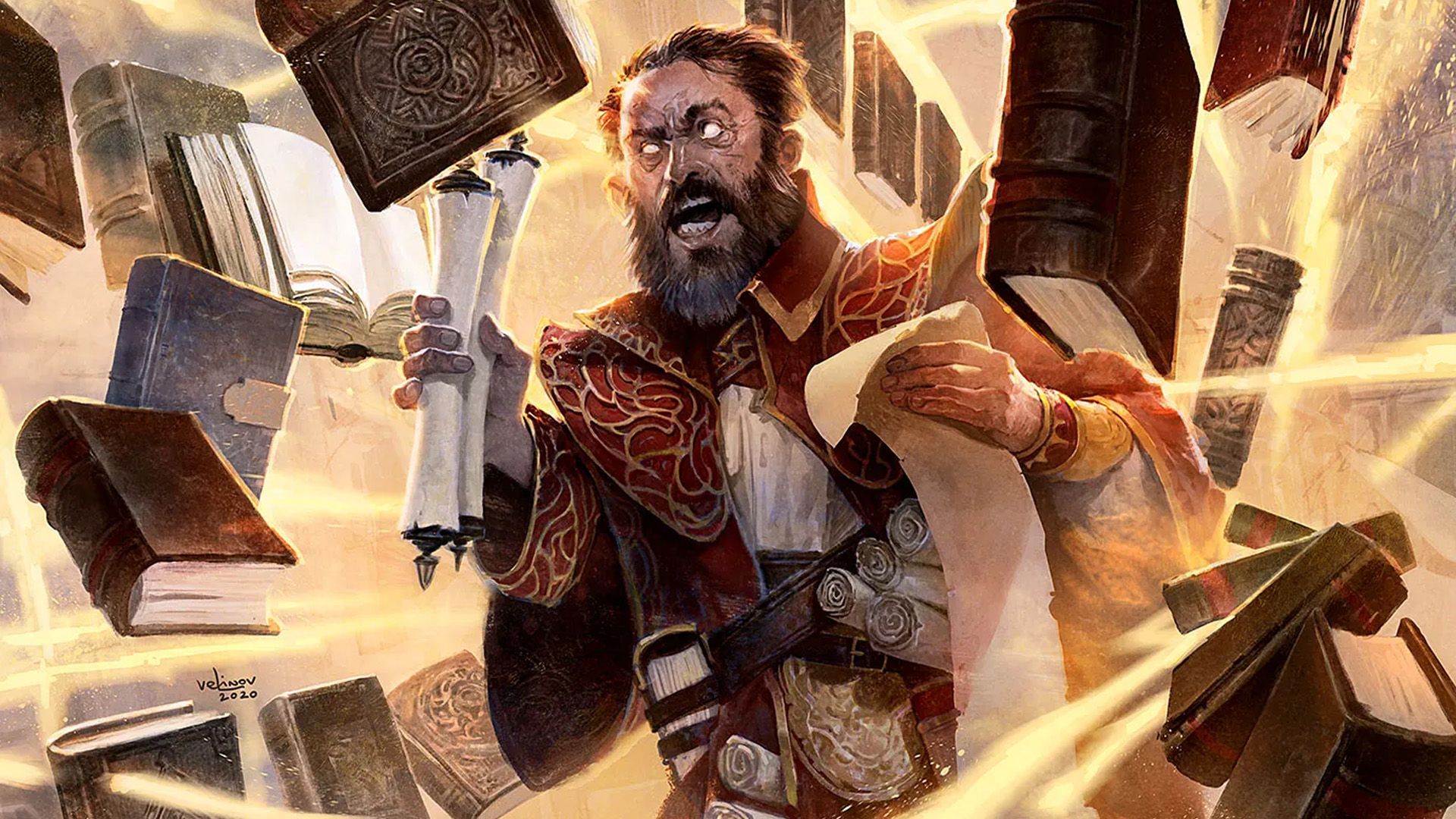 Image via Wizard of the Coast
 While these specialized subclasses offer unique strengths, they also have a significant weakness. Roughly half of their abilities only work against enemies who cast spells. This means those abilities become useless when fighting creatures or warriors who don’t use magic. This problem is made worse by recent changes in the Dungeons & Dragons 2024 Monster Manual, which gave some enemies abilities that seem like spells but don’t actually count as spells. For instance, an Archpriest’s Holy Word or the Performer Legend’s Majestic Song won’t trigger most of these subclass features because they aren’t considered spells.
We’ve used color-coding to show how features work: green indicates general use, red means they work against enemy spellcasters, blue means they need allied spellcasters, and purple highlights those with anti-magic properties.
-
Oath of the Spellguard Paladin
- Level 3
- Guardian Bond
- Spellguard Spells
- Spellguard Strike
- Level 7
- Aura of Concentration
- Level 15
- Spell-Breaking Blade
- Level 20
- Eternal Spellguard
- Bodyguard
- Protection from Magic
- Spell Ward
- Eternal Spellguard
- Level 3
-
Magic Stealer Rogue
- Level 3
- Empower Sneak Attack
- Drain Magic
- Level 9
- Magical Sabotage
- Spell Susceptibility
- Disrupt Spell
- Steal Resistance
- Magical Sabotage
- Level 13
- Occult Shroud
- Improved Drain Magic
- Level 17
- Eldritch Implosion
- Level 3
A classic piece of advice in Dungeons & Dragons used to be: “Shoot your Monks!” While less relevant today – modern Monks can easily deflect attacks in D&D 5e 2024 – it originally referred to their ability to bounce incoming projectiles back at enemies. New Dungeon Masters often avoided using ranged attacks against Monks, worried it would make fights too simple. However, experienced DMs knew better: they’d deliberately target the Monk. This allowed the player to demonstrate their character’s unique skills and created a memorable, exciting moment in combat.
The same principle holds true for Spellguard Paladins and Magic Stealer Rogues. Dungeon Masters running these classes should include a good number of spellcasting enemies to give those characters opportunities to use their abilities, but not so many that other players are left out. Remember that every class has its strengths and weaknesses, and it’s the DM’s job to use both when designing engaging D&D encounters. Challenge all your players – give your Monks something to do, but also test the defenses of your Spellguards and Magic Stealers.
Read More
- NTE Drift Guide (& Best Car Mods for Drifting)
- How to Get the Wunderbarrage in Totenreich (BO7 Zombies)
- All Aswang Evidence & Weaknesses in Phasmophobia
- How to Get Necrolei Cyst & Strong Acid in Subnautica 2
- Where to Find Prescription in Where Winds Meet (Raw Leaf Porridge Quest)
- Conduit Crystal Location In Subnautica 2
- Diablo 4 Best Loot Filter Codes
- Boruto: Ikemoto Has Already Hinted At Sasuke’s New Eye After Return
- Best Burst & Full Auto Builds for the M16A4 in BF6
- Best Where Winds Meet Character Customization Codes
2026-01-16 20:10