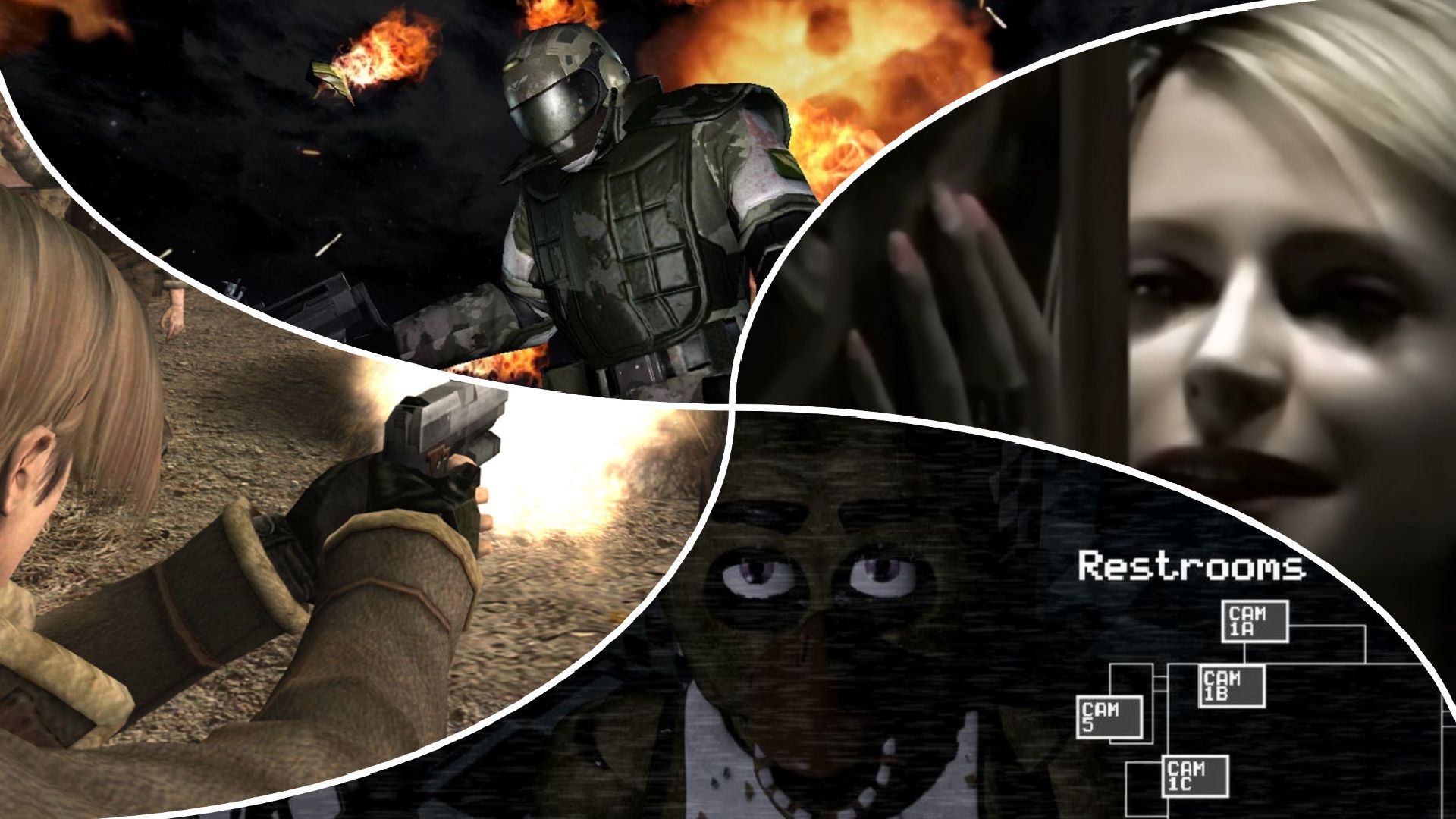
Creativity builds on itself, and art consistently inspires new art. This is especially true with video games. Many games borrow ideas and features from others, often popularizing them through well-known titles. These titles, in turn, inspire even more games, creating a never-ending cycle of innovation.
Lots of games are credited with shaping modern gaming, across all genres. However, people often underestimate just how much of an impact horror games have had.
Certain horror games unexpectedly paved the way for many of the features we see in modern games. They influenced how games are designed, how stories are told, and other key elements of game development. While you might not realize it, these older titles are just as important today as they were when they were first released.
Simply put, modern gaming wouldn’t be the same without these examples.
10. F.E.A.R.
This is How You Do Genre Hybrids
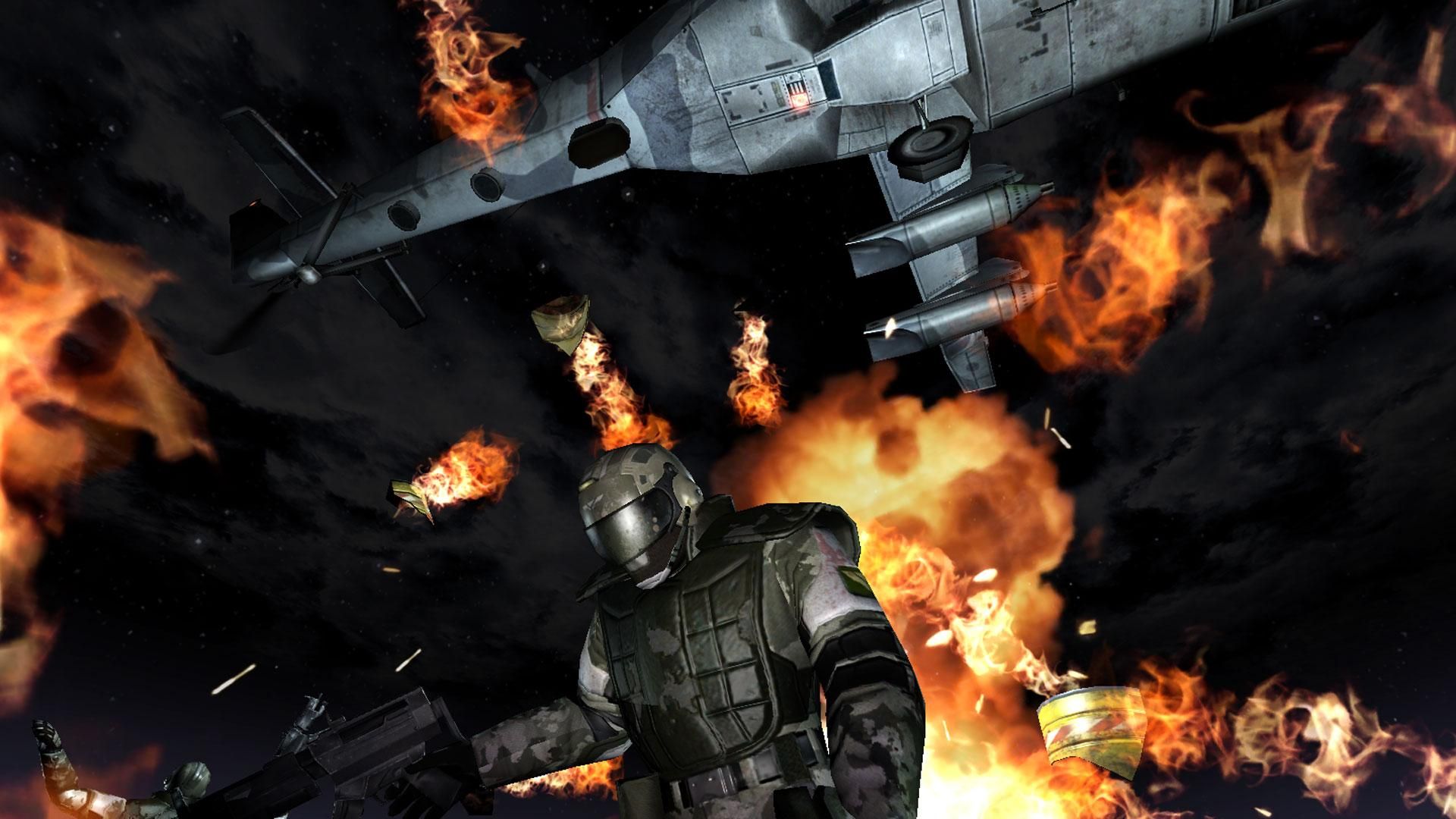
If you’re talking about survival horror games with remarkably smart enemies, two titles always come up: S.T.A.L.K.E.R. and F.E.A.R. Released first, F.E.A.R. was groundbreaking, establishing a new level of A.I. intelligence in gaming and successfully blending the first-person shooter and horror genres.
The AI in this game is remarkably clever. It features hundreds of voice lines intended to reveal your hiding spot, like announcing “He’s behind the table!” if you take cover. Beyond that, the enemy forces behave like a real tactical team, coordinating to surround and pursue you effectively.
The game expertly mixes fast-paced shooting with genuinely scary moments, largely thanks to the character Alma. This combination proved influential, with other popular games like BioShock later adopting a similar approach. It creates a compelling experience where players feel both powerful and vulnerable – you can fight back, but you’ll still be on edge while doing so.
Though it’s fading from mainstream memory, F.E.A.R. remains incredibly influential, successfully blending first-person shooting with genuine horror elements.
9. Eternal Darkness: Sanity’s Requiem
Breaking the 4th Wall is Spooky
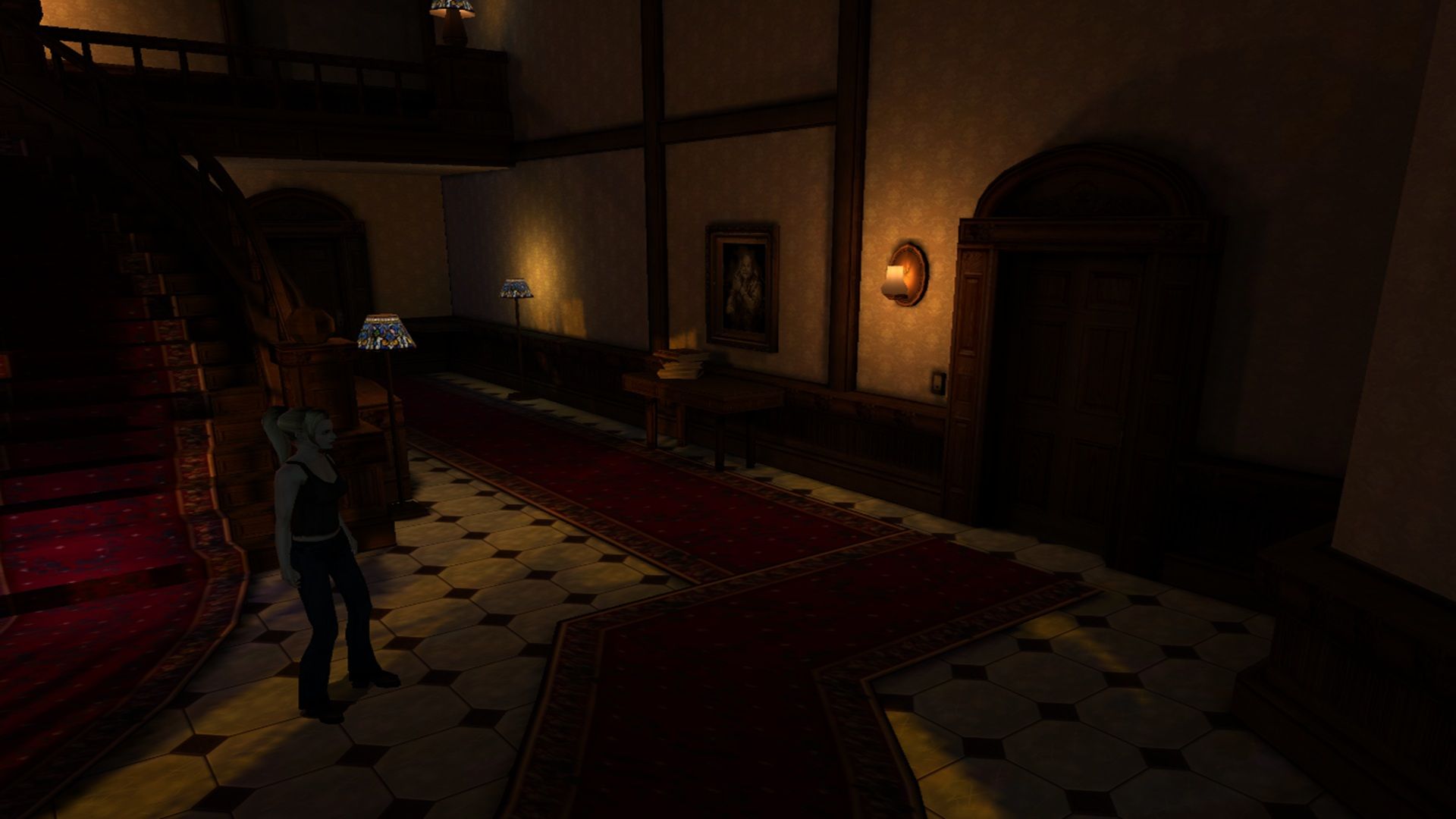
Although not widely acknowledged, there was a noticeable increase in games breaking the fourth wall – directly addressing the player – after the release of Eternal Darkness: Sanity’s Requiem on the GameCube. While other games didn’t necessarily credit it, Eternal Darkness helped popularize this technique.
What really sets the fourth wall breaks in Eternal Darkness apart, for me, is that they’re not just clever tricks like in Metal Gear Solid – remember Psycho Mantis reading your memory card? These aren’t about showing you how a game works. They’re designed to genuinely mess with your head and make you question what’s real. The game actually messes with your TV volume, changes your controller settings, and even pretends to crash, all to scare you! It’s a totally different level of immersion and creepiness.
Eternal Darkness: Sanity’s Requiem didn’t treat the ‘fourth wall’ – the boundary between the game and the player – as something to avoid. Instead, it saw it as a powerful tool for creating fear. Many games now try to shock players by directly addressing them or interacting with the game system itself, but Eternal Darkness was the first to really popularize this technique in the horror genre.
Man, if the ending of Doki Doki Literature Club totally messed you up, you’ve probably got Eternal Darkness to thank for planting that seed of crazy. That game really pioneered messing with your head in a way that influenced a lot of stuff, and I’m pretty sure Doki Doki borrowed some of its tricks!
8. Dead Space
The Pinnacle of Sci-fi Horror Games
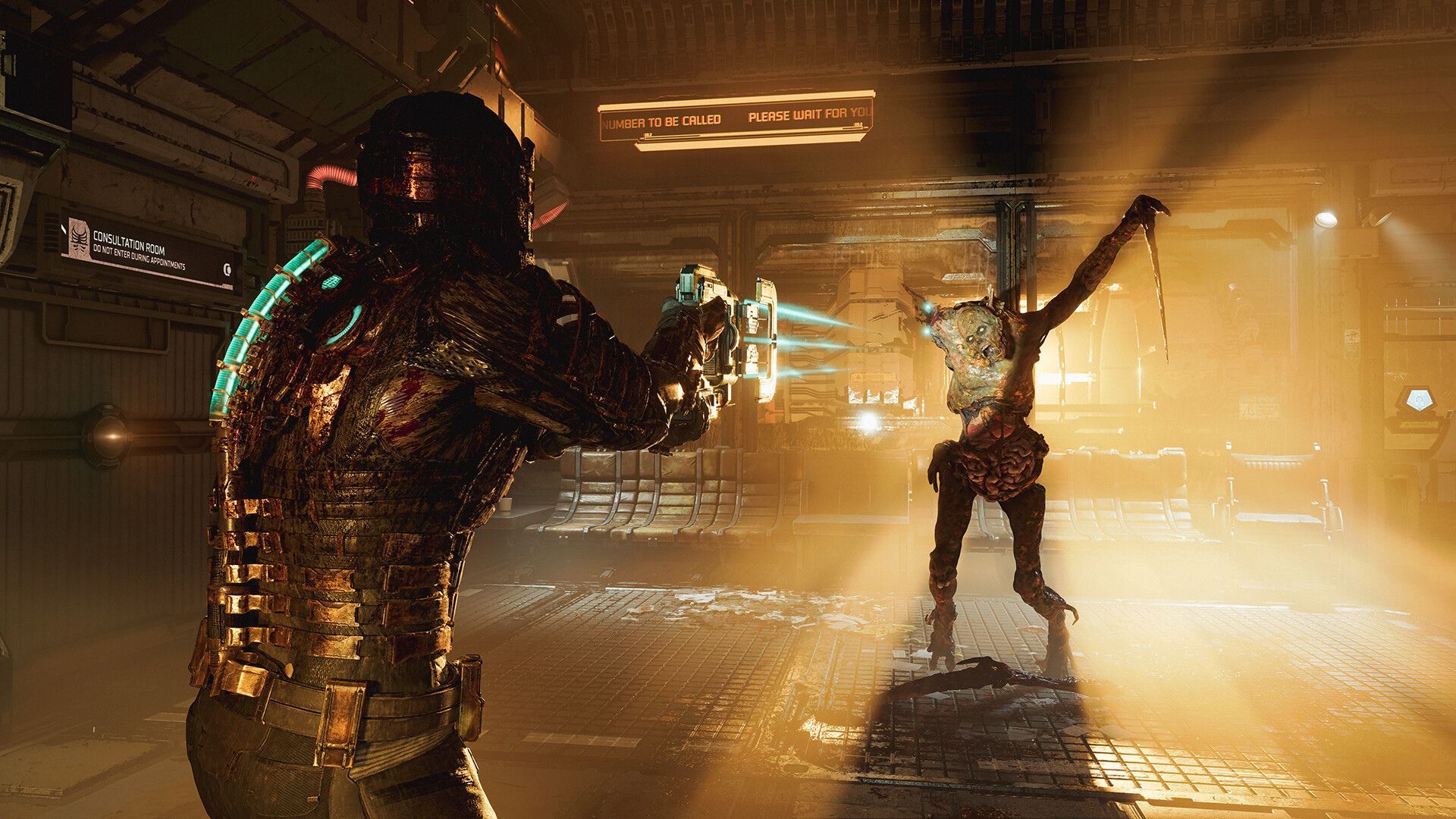
Science fiction and horror have always been a great combination – think of games based on movies like Alien, or imagining a scary game set on the spaceship from 2001: A Space Odyssey. While sci-fi horror took a bit to gain traction in gaming, Dead Space is largely responsible for bringing the two genres together.
Even now, many horror fans consider the original Dead Space, and especially its sequel, Dead Space 2, to be among the best horror games ever made, largely because of how well they combined scary moments with a science fiction environment.
Dead Space introduced innovative gameplay to the horror genre, featuring abilities like Stasis and a unique combat system where players dismember Necromorphs instead of simply shooting them. The focus is on slowing enemies down – either to escape or to finish them off, as they’ll really try to ambush you.
It’s kinda wild to think this game actually started as an idea from another horror game on this list! And then it went on to inspire a ton of other sci-fi horror titles, like SOMA and Signalis. It’s cool seeing how games build on each other – it doesn’t look like that’s gonna stop anytime soon!
7. Until Dawn
Make Your Choice
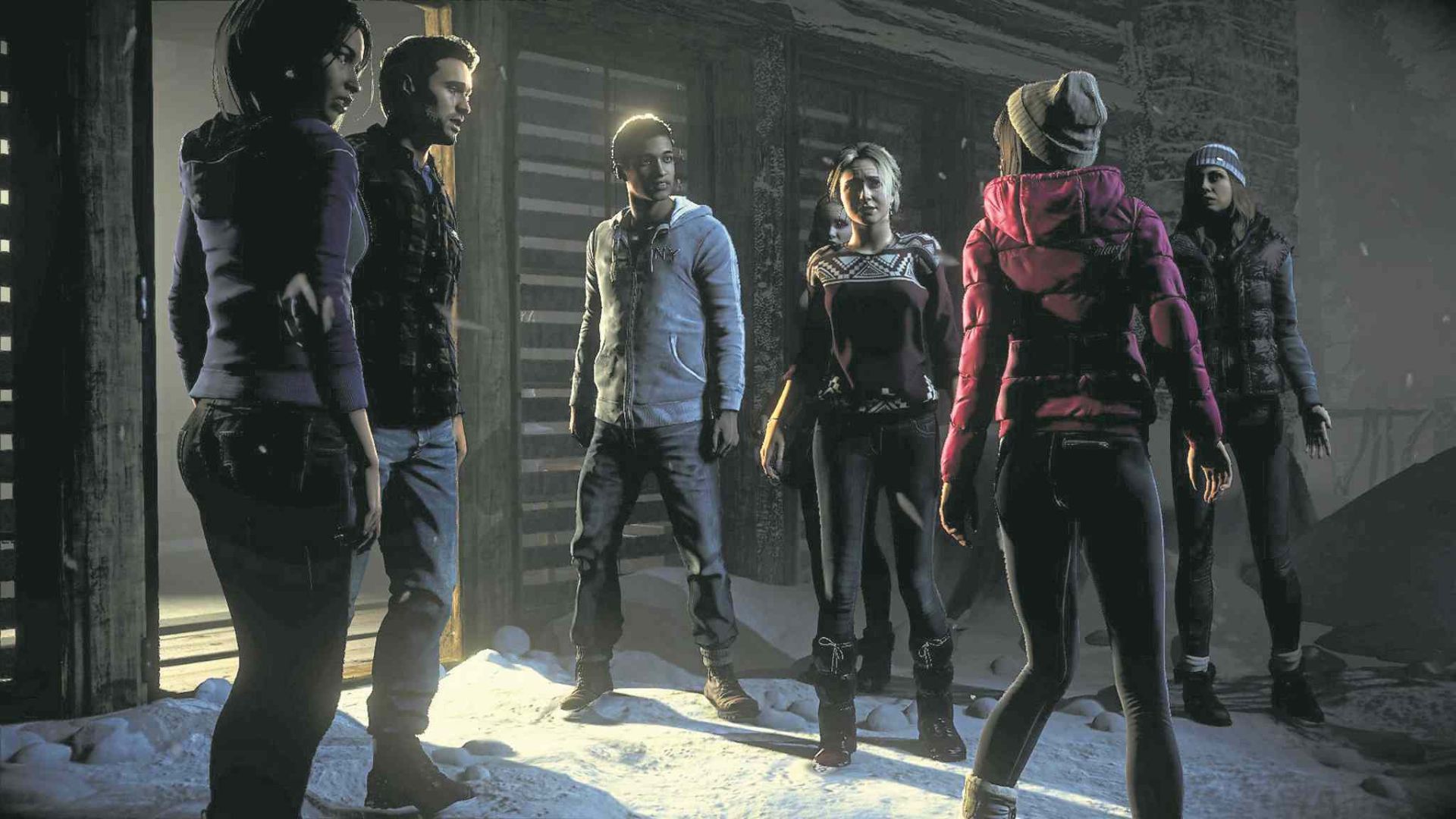
Supermassive Games creates immersive horror games where your decisions really matter, impacting the story and how it unfolds. They first gained recognition with their game, Until Dawn, which pioneered this approach, particularly by showing how your actions affect your relationships with other characters.
I’m not a fan of Until Dawn – I find the acting weak and the story cheesy. However, it’s clear the game has had a big impact on horror, extending beyond video games with its recent movie adaptation, which sparked a lot of debate. It’s also inspired the developers to create similar games since then.
I really love games like The Dark Pictures Anthology and The Quarry. They’re all variations on the ‘choose your own adventure’ horror formula, and honestly, that’s a good thing!
6. Layers of Fear
Helped Popularize the Walking Simulator
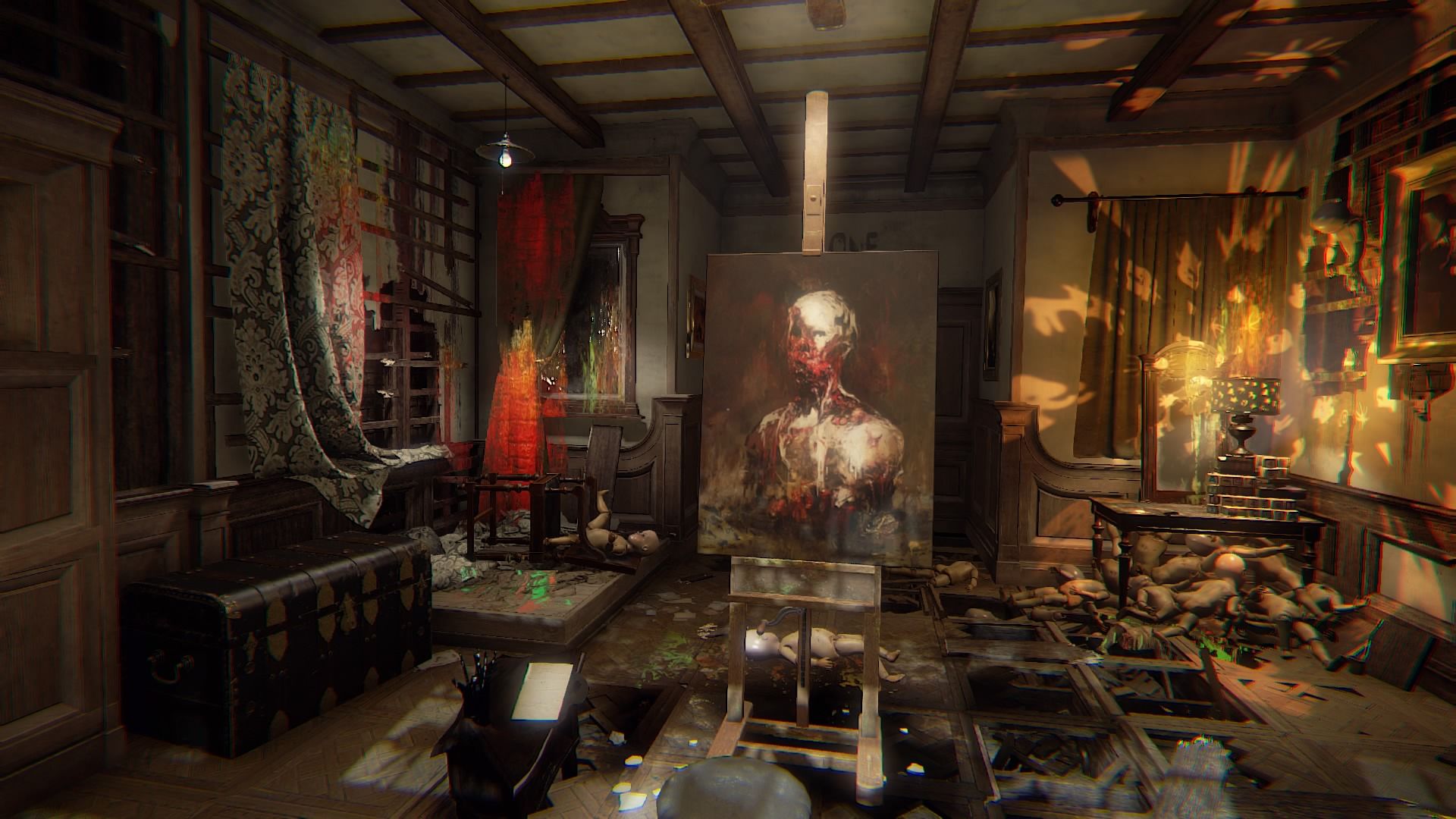
Walking simulators offer a relaxed gaming experience, focusing on story and atmosphere rather than complex challenges. The popularity of this genre was significantly boosted by the success of Layers of Fear, a breakout hit from Bloober Team.
Layers of Fear sparked a lot of debate when it was released, as people either really enjoyed its story-driven approach or strongly disliked the limited gameplay – there wasn’t much to do besides move around and occasionally interact with objects. This division continues today, with walking simulators generally being something people either love or hate.
Walking simulators have become surprisingly popular in gaming, even attracting big titles like Death Stranding. This has opened up amazing storytelling experiences for all kinds of players, and games like Layers of Fear have really helped to pave the way.
As long as a game has a good story and strong performances, I’m fine with it even if the gameplay is minimal and mostly consists of watching cutscenes.
5. Amnesia: The Dark Descent
You Can Only Run and Hide
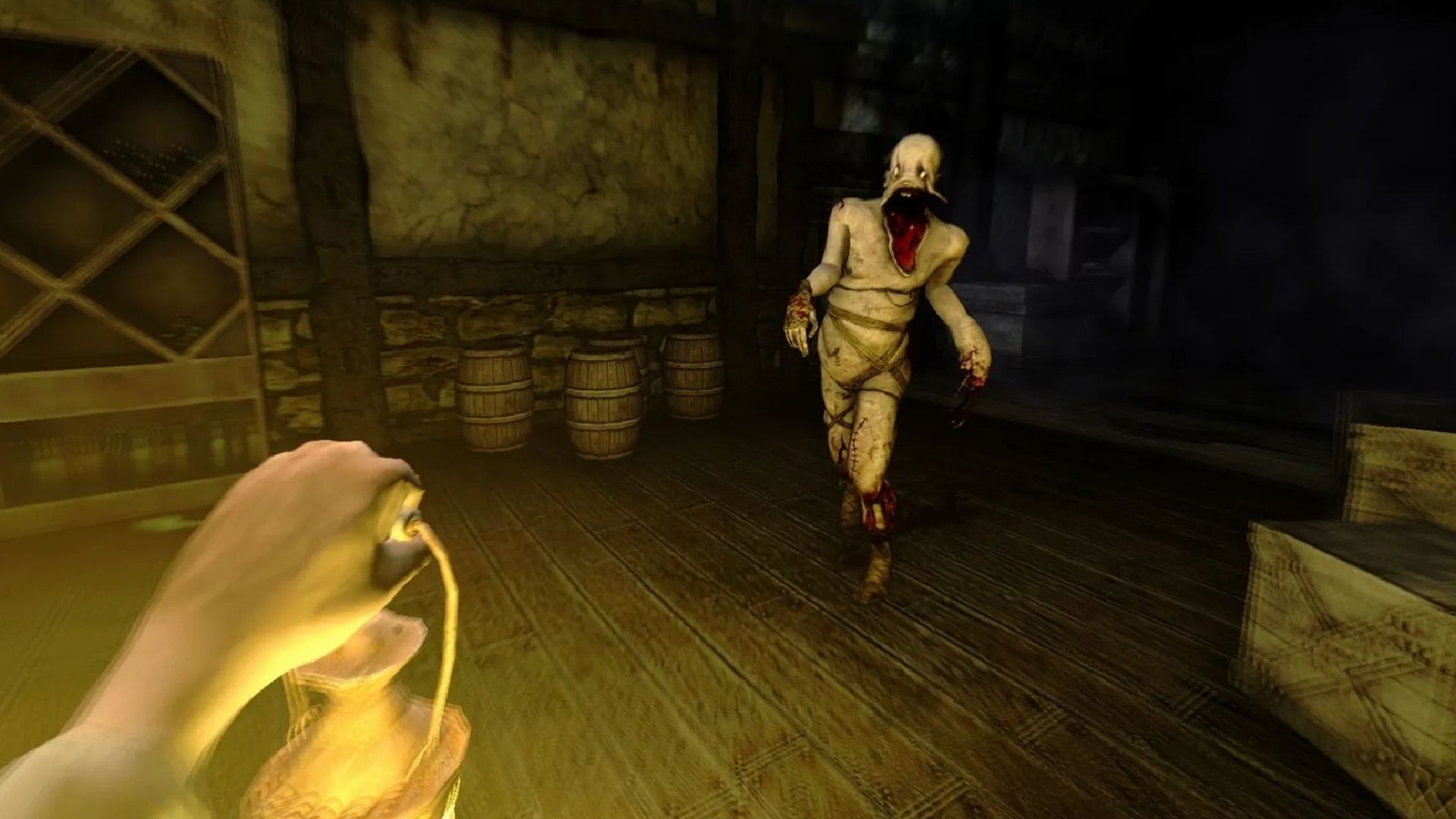
Survival horror games generally focus on overcoming scary situations with whatever tools you can find. But some games take a different approach, putting you in a truly vulnerable position. Instead of fighting back, you’re left defenseless and have to rely on stealth and hiding to avoid whatever’s chasing you.
Amnesia: The Dark Descent was a groundbreaking horror game that made the ‘hide-and-seek’ style of gameplay incredibly popular. Games like Outlast quickly followed, proving just how influential it was to the horror genre. Even watching someone play can be intensely stressful, as you share their panic while they desperately search for a safe hiding spot.
Many popular horror games today, like those focused on hiding and seeking, clearly borrow ideas from Amnesia and Outlast – and Outlast itself was heavily influenced by Amnesia. It’s a trend that’s become quite common!
Even the newest Resident Evil game, a major title in the horror genre, sometimes forces you to simply run and hide – something that wouldn’t have been acceptable in horror games just over ten years ago. The fact that Amnesia, with its focus on hiding, could impact a huge franchise like Resident Evil really shows how much the genre has changed since Amnesia came out.
4. Five Nights at Freddy’s
The Catalyst of Mascot Horror
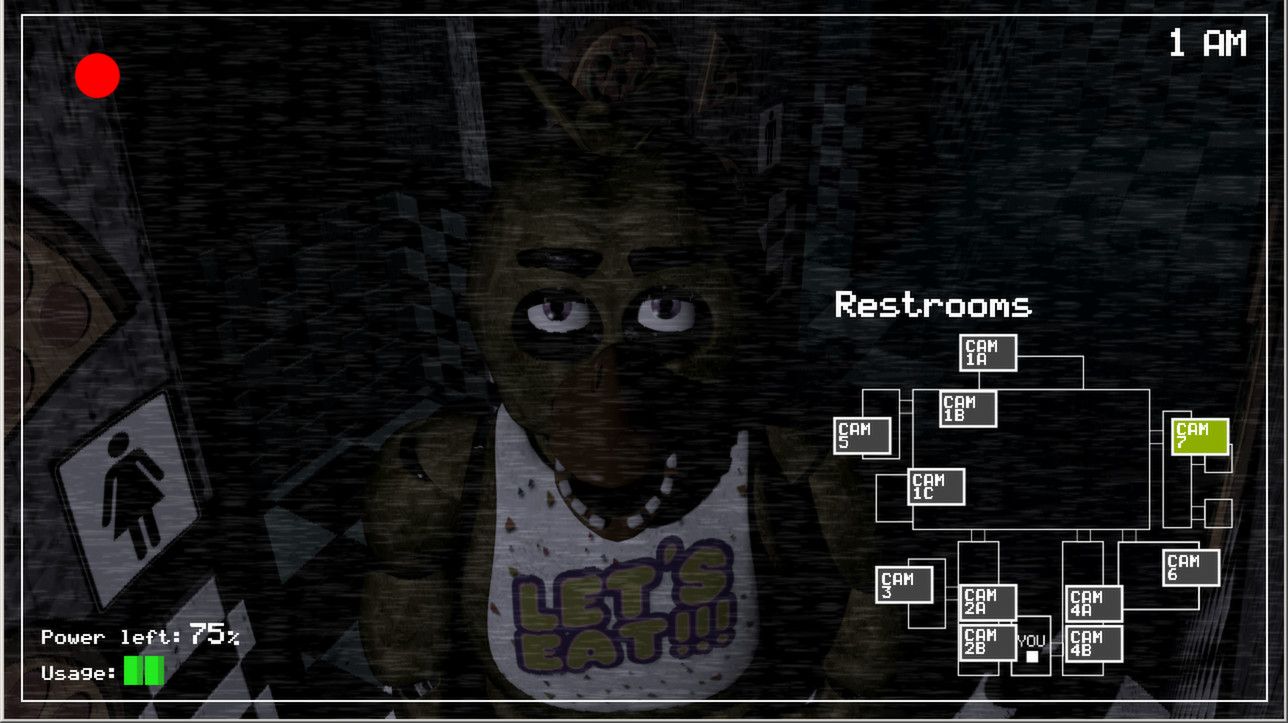
When Five Nights at Freddy’s was first released, the excitement around it was incredible. The game itself is fairly straightforward – you’re stuck in a security office, monitoring cameras and power, all while trying to survive a series of frightening jumpscares.
This game felt fresh and daring, especially when most horror games focused on action. It quickly inspired many similar games, starting with other titles in the ‘Five Nights at…’ series that used almost identical gameplay. But eventually, it went further and essentially created a whole new subgenre of horror: Mascot Horror.
Many ‘mascot horror’ games feel like they’re just trying to make a quick profit, but Five Nights at Freddy’s was the first of its kind. Because of its popularity, the genre quickly became oversaturated, losing its impact and mainly existing to sell merchandise to children.
Even now, people are still arguing about whether Five Nights at Freddy’s changed horror games for the worse with its focus on creepy characters, and that really shows how much of an impact it had.
3. Silent Hill 2
Completely Revolutionized Psychological Horror
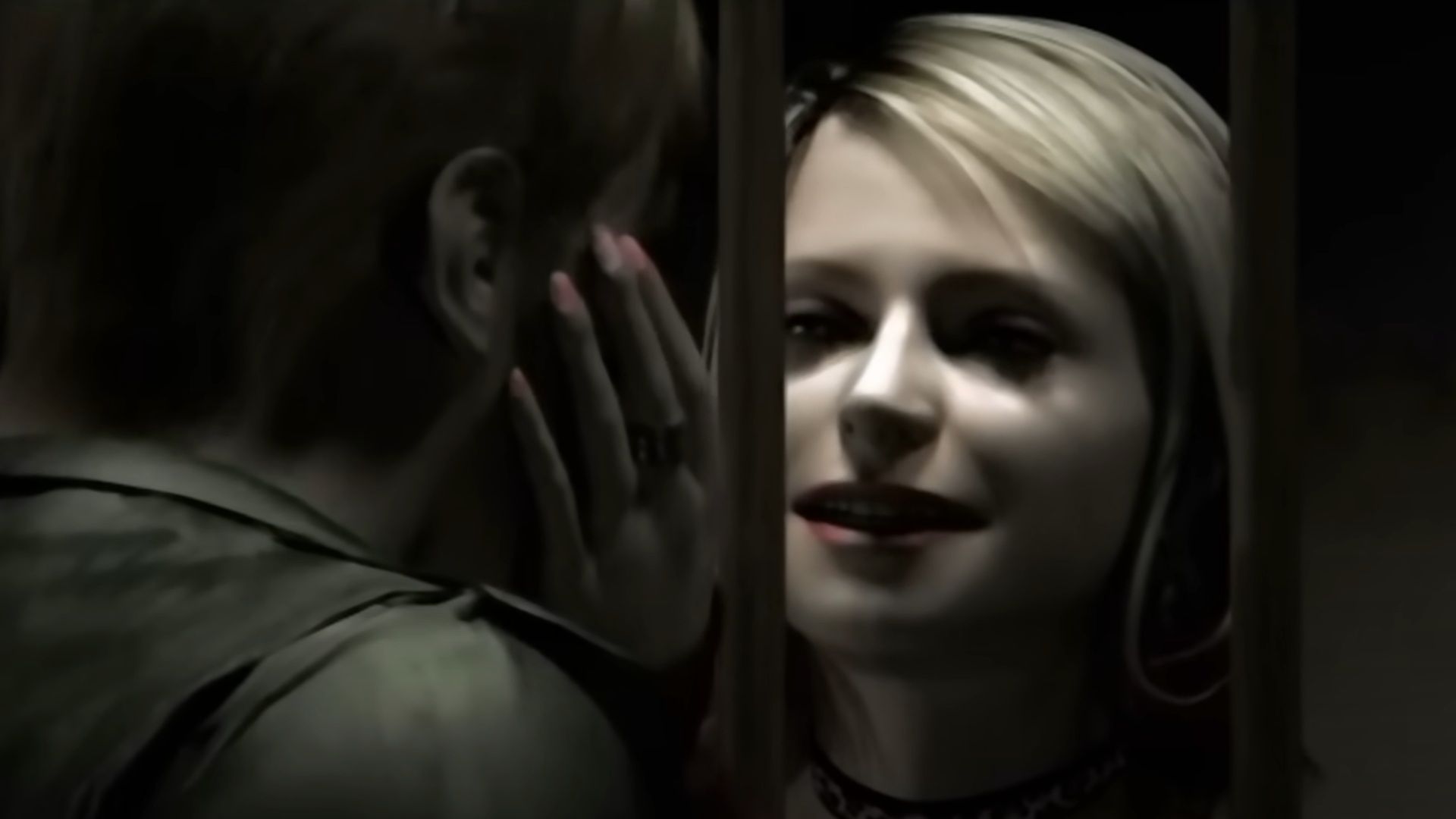
Silent Hill is famous for its immersive atmosphere and deep symbolism, and Silent Hill 2 is widely considered the best game in the series. It didn’t just redefine psychological horror within the Silent Hill universe; it influenced the horror genre as a whole. The recent remake of Silent Hill 2 successfully captures that original magic, giving new players a glimpse into the roots of many modern horror games.
As a big fan, it’s interesting to me that Silent Hill 2 doesn’t often inspire games outside the horror genre, but it’s a huge influence on so many other horror titles! What really stuck with me, and clearly stuck with other developers, was the idea of playing as someone who is the abuser. It was such a fresh and unsettling concept, and I’ve definitely seen echoes of it in games like Mouthwashing and Cry of Fear. It’s cool to see that influence still being felt today.
Subscribe to our newsletter for insights into horror’s legacy
Beyond just the story, the game’s sound, creatures, and world are all incredibly detailed and full of deeper meaning. Truly, every aspect of the game is exceptional and set the standard for horror games for years to come.
With the remake now released and being just as amazing – or even surpassing – the original, I’m excited to see what new horror games will be inspired by it.
2. The Last of Us
Can’t be Scared if You’re Crying
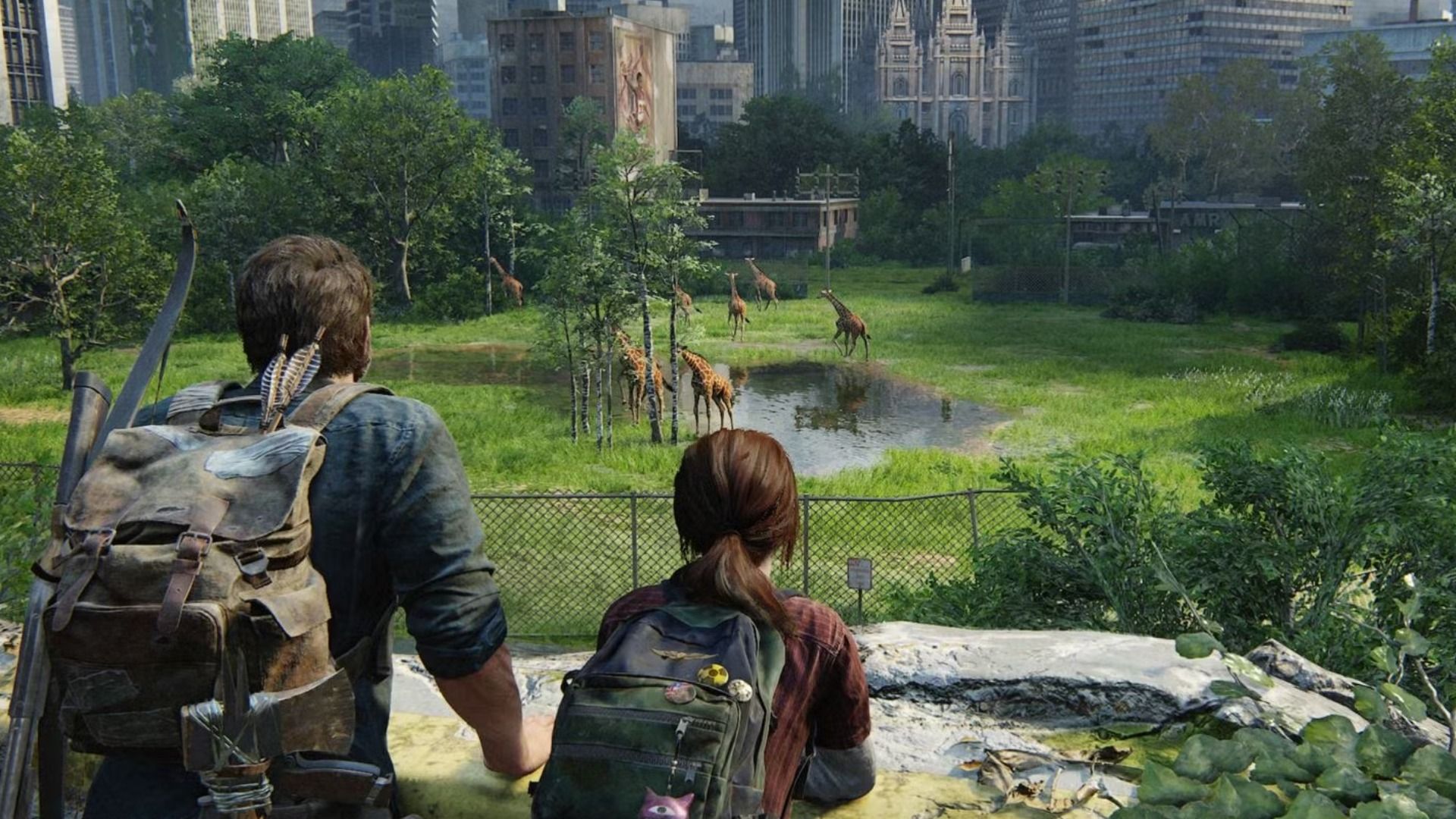
When players first started The Last of Us, they had no idea how emotionally impactful it would be. While many games explored post-apocalyptic settings at the time, few prepared players for the intense story and heartbreaking moments that unfolded right from the beginning – many were moved to tears within the first thirty minutes.
The Last of Us was a landmark game, celebrated for its compelling story and realistic characters. It broadened the appeal of video games, attracting people who didn’t typically play them and offering a level of dramatic storytelling rarely found elsewhere.
The game revealed its emotional core, quickly becoming a fan favorite and inspiring other developers to create more cinematic experiences. The Last of Us proved that a dramatic, story-driven approach could be incredibly successful, resonating with both gamers and those who don’t typically play games, who embraced its serious tone.
The Last of Us demonstrated that video games, even scary ones, can be powerfully moving and artistically stunning. This helped change how people view games, recognizing their potential for emotional depth and beauty.
1. Resident Evil 4
The Blueprint of Modern Gaming
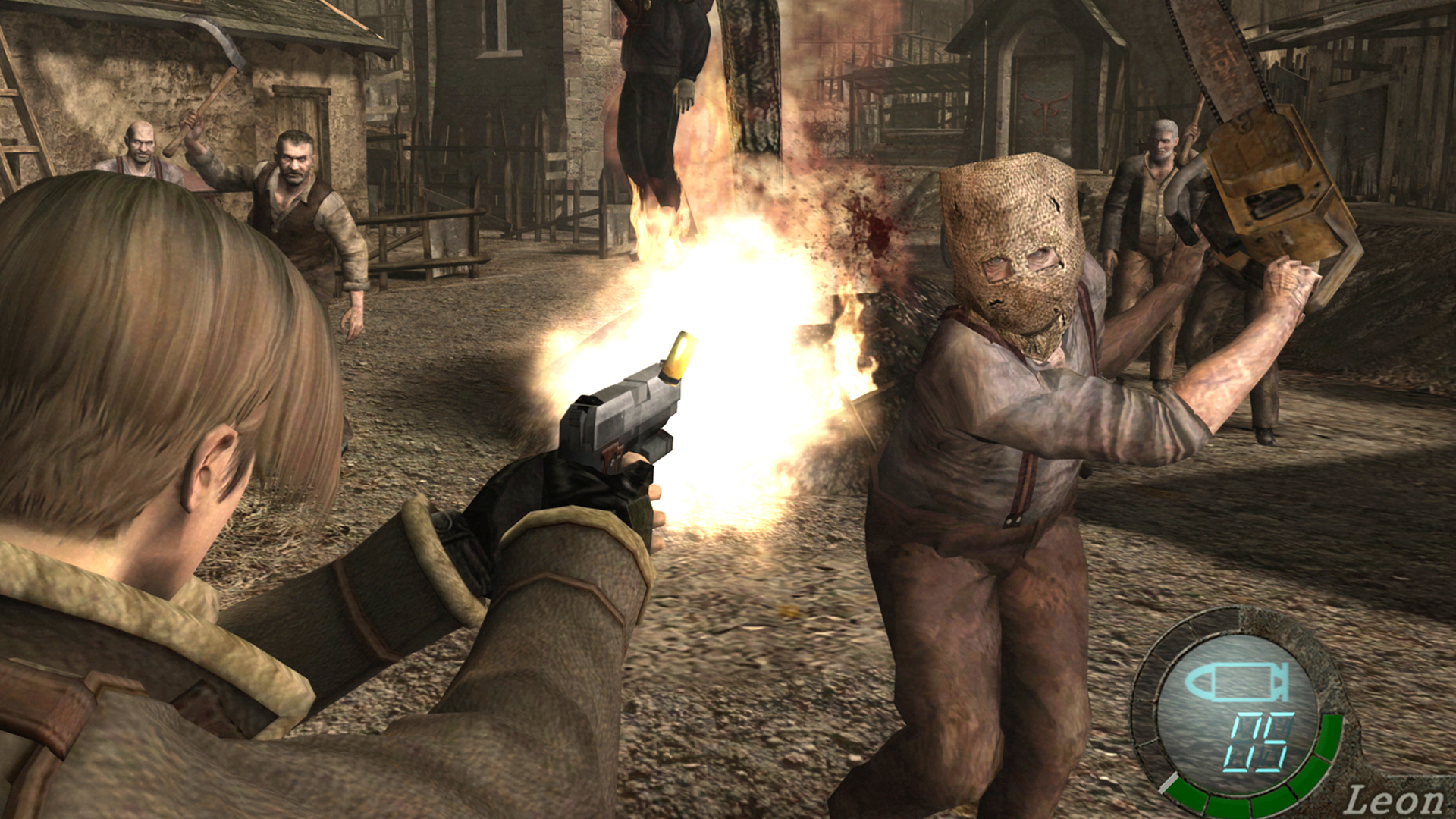
Resident Evil 4 pioneered the popular over-the-shoulder camera angle used in many video games today. It heavily influenced numerous titles that followed, including Dead Space.
It’s hard to think of a recent game, especially in the horror genre, that hasn’t been influenced by Resident Evil 4. Its impact goes beyond just the over-the-shoulder camera angle; the game revolutionized things like managing limited inventory, including memorable companion characters, and using quick-time events. It masterfully blended action and horror, essentially defining the standard for future Resident Evil games and horror titles for years to come.
The Resident Evil 4 Remake is a vast improvement over the original in terms of graphics and gameplay. However, the original game remains far more impactful and influential.
Resident Evil 4 is a hugely influential game, and many consider it one of the most important horror games ever made – and a landmark title in gaming history. Its impact can still be seen in games today.
Read More
- Re:Zero Season 4, Episode 6 Release Date & Time
- NTE Drift Guide (& Best Car Mods for Drifting)
- How to Get the Wunderbarrage in Totenreich (BO7 Zombies)
- How to Beat Turbines in ARC Raiders
- How to Get Necrolei Cyst & Strong Acid in Subnautica 2
- Diablo 4 Best Loot Filter Codes
- Alan Wake Event in Phasmophobia, Explained
- Top 8 UFC 5 Perks Every Fighter Should Use
- How to Craft Repair Tools in Subnautica 2
- USD RUB PREDICTION
2026-03-15 16:42