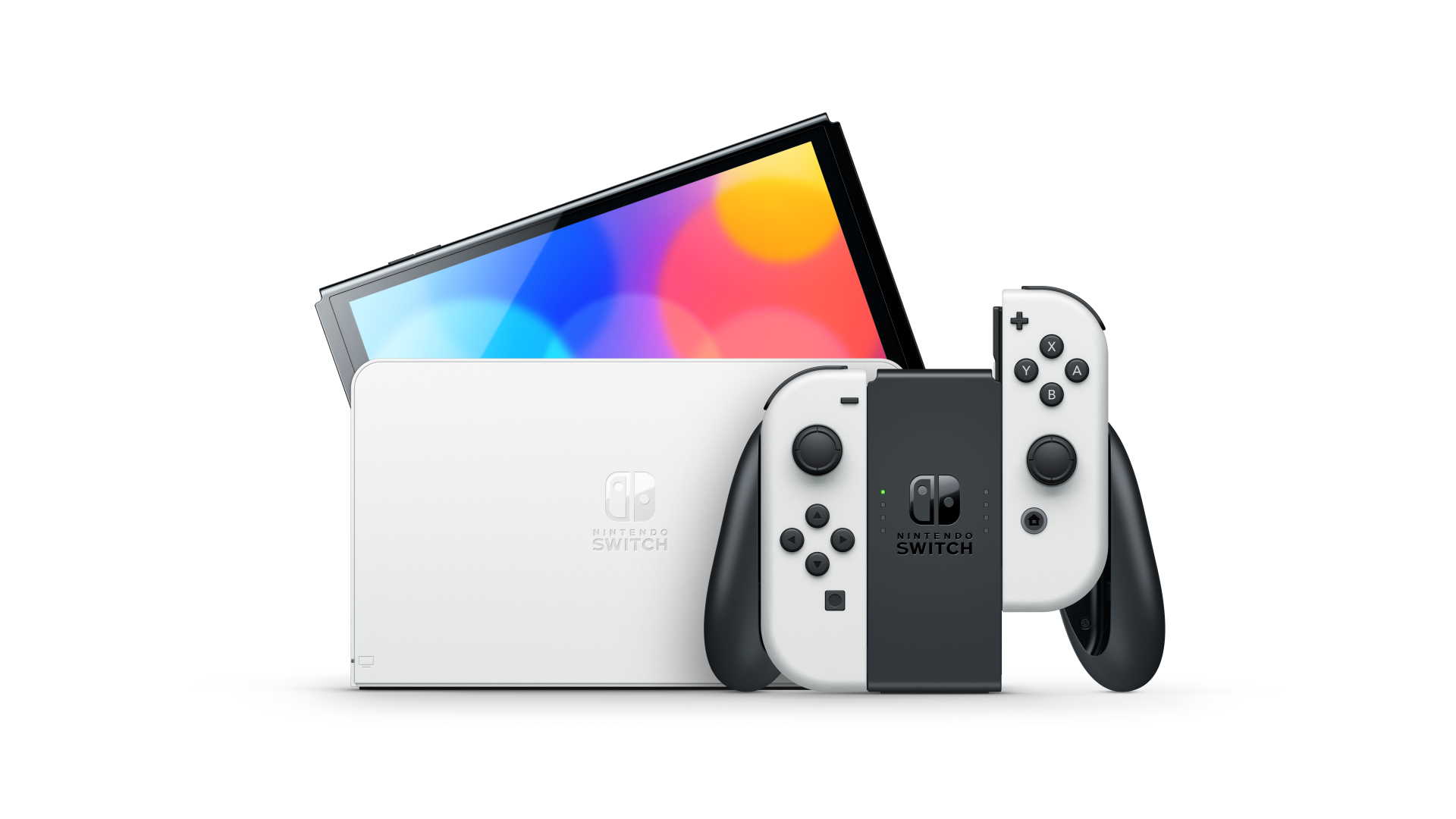
I’ll admit, I didn’t expect to be wowed. For years, I’ve been saying the Switch OLED was the perfect version of Nintendo’s console – it finally had the right screen, stand, and sound. So, I thought the new Switch 2 would have a lot to prove. But then I tried it, and my opinion changed.
The Switch 2 isn’t a simple upgrade; it’s a completely new generation of console. This review will help you decide if its improvements are worth the cost.
Hardware Specs: Switch 2 vs Switch OLED
Before we get into the feel of the thing, here’s how the two consoles stack up on paper.
Build and Design: Familiar, But Better In Every Way That Matters
At first look, the Switch 2 seems like a larger version of the original. This isn’t a bad thing – Nintendo hasn’t tried to completely change things, but they’ve definitely improved what was already good.
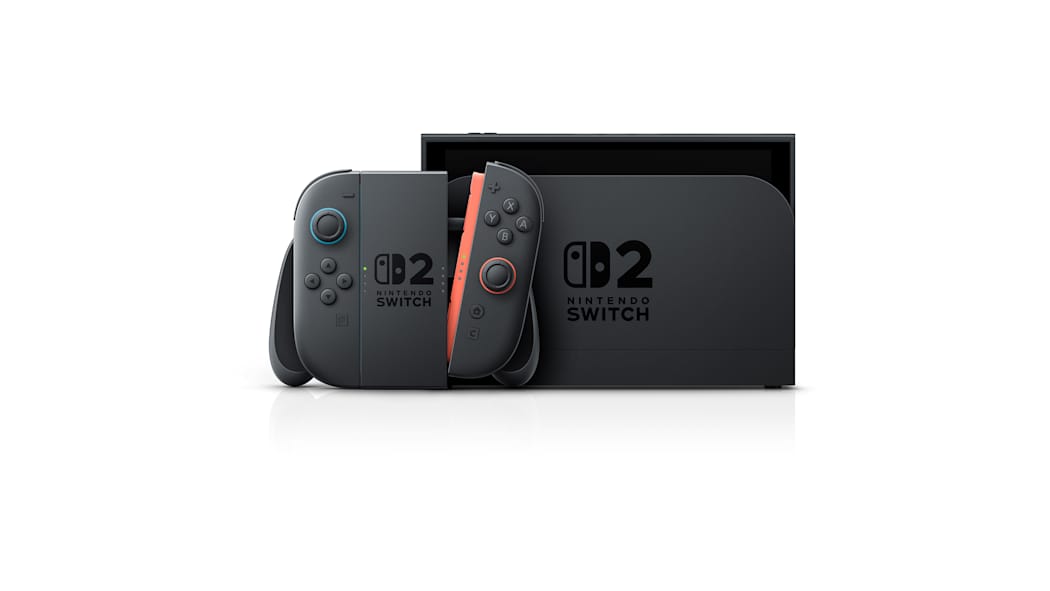
The new Joy-Con 2 controllers connect magnetically, a big improvement over the original Switch’s sliding attachment method. With the original Joy-Cons, I often worried if they were securely connected, causing a frustrating interruption during gameplay. The Joy-Con 2s, however, click firmly into place, providing a solid, wobble-free connection that feels much more reliable.
The new C button on the right Joy-Con controller launches Nintendo’s GameChat feature. But the most innovative part is the controller’s mouse functionality. When you set the Joy-Con flat, it acts like a mouse, using a sensor to track movement. It works remarkably well in compatible games, offering a fresh way to play. It’s still uncertain if developers will consistently support this feature, but the technology is present and quite ingenious.
The Screen: Good, But Not What You’re Expecting
The Switch 2 features a 7.9-inch LCD screen instead of OLED. This means colors won’t be as vibrant, blacks won’t appear as dark, and the overall picture won’t have the same level of depth and contrast.
Despite some compromises, the leap to a full 1080p resolution makes games look noticeably sharper when played in handheld mode – the level of detail is impressive. While there’s a trade-off involved, 1080p on a 7.9-inch screen is genuinely enjoyable, and if you’re upgrading from the original Switch, you’ll be amazed by the difference.
Performance: This Is What It Was Always Supposed to Be
This is where the Switch 2 truly justifies its cost. Playing major Nintendo games feels like getting the experience you’ve been waiting for – consistently smooth performance, without any sacrifices or slowdowns, even during intense moments. It simply performs flawlessly.
When connected to a TV, the Switch 2, with its 4K upscaling technology, finally feels like a truly current-generation console – something the original Switch didn’t quite achieve. Games load much faster, and even older Switch games run better thanks to the faster processor, even without special updates.
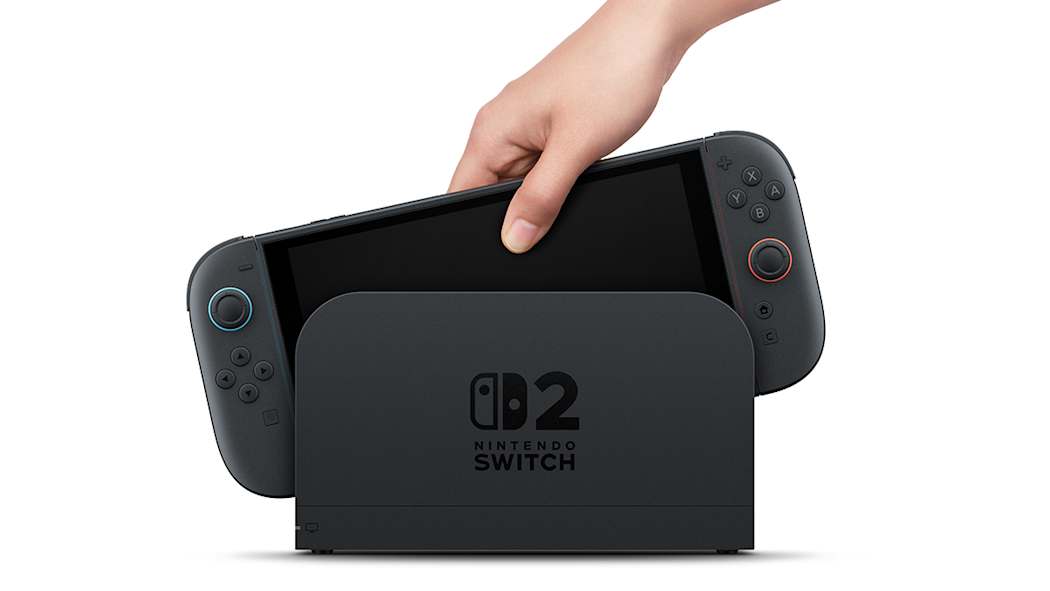
Backwards Compatibility: Mostly Great
Most games originally made for the first Switch work well, and a few even run better on the new console. However, Nintendo is facing some criticism for charging extra for “Switch 2 Edition” upgrades of games people already own. It’s worth watching how Nintendo handles this going forward.
Storage: 256GB Changes Everything
Upgrading from 64GB to 256GB storage means you won’t need to buy an extra memory card right away. Plus, the new microSD Express technology delivers truly fast speeds, making app installations and loading times even quicker.
Nintendo Switch OLED Model: The Review That Started It All
Originally published October 6, 2021: preserved below
Before I got the Switch OLED, I rarely played games using the handheld mode. I’m not getting any younger, and I’ve always thought the standard Switch screen was too small for the games I like to play.
I enjoy a bit of Super Mario Maker 2 or even Super Mario 3D World + Bowser’s Fury from time to time, but honestly, I usually prefer playing on my big TV with a proper controller. I definitely felt that way… until I got the Switch OLED! That screen is just incredible – it totally changed things for me.
Nintendo Switch OLED Model: Vibrant and big
The Switch OLED’s stunning screen and slightly larger size might even make you want to play handheld, if you usually don’t. However, it’s really only worth buying if you always want the newest technology, or if you have an original Switch and are looking for a significant upgrade, especially for better battery life. The OLED model’s battery lasts about as long as the newer standard Switch, which is a big improvement over the very first versions.
The improvements primarily focus on playing games handheld. While it’s not a Switch Lite and can still be connected to a TV using either the new OLED dock or the original black dock, it’s clearly built as a better handheld experience.
Okay, so it’s not a huge overhaul, but the new model feels really good in your hands. The Joy-Cons are still the same ones I already have, but the white color looks sharp! What really makes a difference is the stand. Seriously, the old one was terrible – a cheap little piece of plastic. This new stand runs the whole length of the console and you can adjust it to any angle. It actually stays put and works! With the bigger screen, I’m honestly excited – I think I might finally be able to set it up on a table and play with friends when someone else is using the TV. It’s a small change, but it makes a big difference to how I’ll actually use the system.

Louder audio, gorgeous in handheld
Honestly, the speakers are a huge upgrade. Having the speakers on the front makes a massive difference – the sound is so much clearer, especially the mid and low tones, and it gets loud. I was playing Metroid Dread and actually had to turn the volume down because it was bothering everyone else! Thankfully, with the latest update, you can connect Bluetooth headphones if you want to play quietly and wirelessly, although Nintendo says there might be a little bit of lag. It’s not just for the OLED model, but it’s a really welcome addition either way.
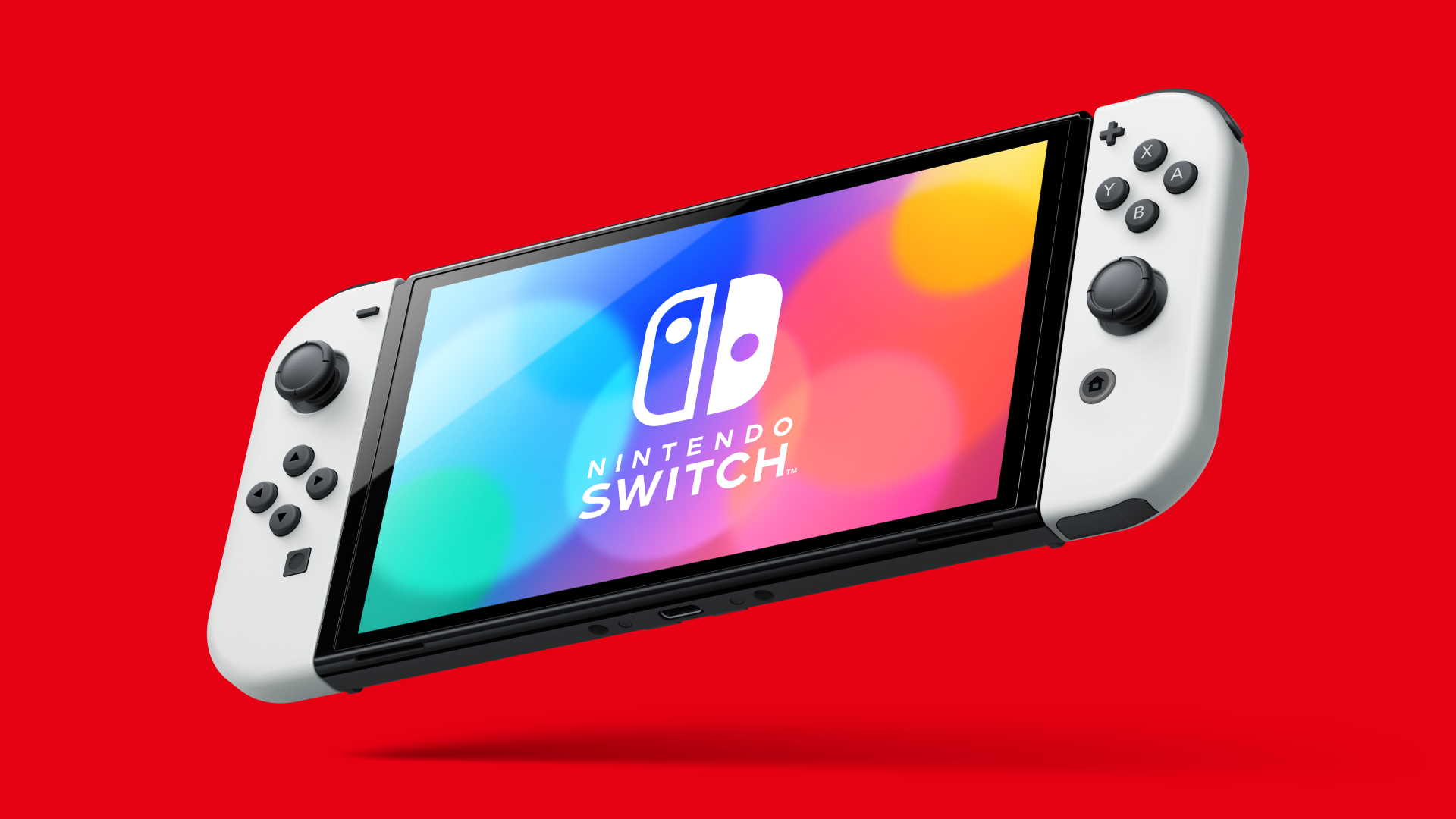
The standout feature is definitely the screen. I didn’t think anything could make me switch from playing games on my TV to using a handheld device, but the OLED screen changed my mind. I initially started Metroid Dread on the TV to record footage for a review, but I quickly realized I needed to try it in handheld mode – that seemed to be the whole idea behind the OLED. I ended up playing Metroid Dread whenever I had the chance. You can find more details in the full review, but basically, the review footage focuses on the beginning of the game because I switched to handheld mode and never went back.
Resolution isn’t an issue
Don’t worry, games on the Switch OLED don’t look stretched or blurry. Unlike the 3DS XL, which simply made a low-resolution image bigger, the Switch OLED maintains a clear HD 720p resolution. The screen size increased from 6.2 inches to 7 inches thanks to the new OLED technology. Surprisingly, the console itself doesn’t feel much bigger. The OLED screen minimizes the borders around the display, and combined with its vibrant colors, improved contrast, and overall better picture quality, it looks larger than a standard 7-inch screen.

The OLED screen really makes games look vibrant and immersive. Nintendo is known for bright, appealing graphics, and they shine on this screen. Games like Super Smash Bros. Ultimate, Mario Kart 8 Deluxe, WarioWare: Get it Together!, and especially Metroid Dread, look fantastic. It’s something you have to see to fully appreciate. I was skeptical at first, but I think I’ll be playing more games in handheld mode now. I usually game on an OLED screen, but sometimes docked games lose some clarity when upscaled. However, the handheld OLED’s 720p resolution looks perfectly sharp on the 7-inch screen, and the difference from 1080p isn’t noticeable.
More storage, but still not enough
Honestly, one of the first things I noticed is the storage – they bumped it up to 64GB, which is nice, but still not huge. I definitely still plan on getting a MicroSD card, but maybe not right away like I did with my old Switch. The dock is different too; they added an ethernet port, which is awesome for faster downloads (Nintendo’s network can be slow!), but it meant removing one of the USB ports on the back. I personally didn’t use those ports much, so it doesn’t bother me, and I’d much rather have a wired connection.
Verdict: Which Switch Should You Buy?
Three consoles, one question. Here’s where we land.
If you don’t yet own a Nintendo Switch, the Switch 2 is the clear choice. It offers improved technology, a larger selection of games, better performance, and can play all your old games too. While the OLED model is still a good option and costs less, it’s hard to recommend over the Switch 2 for new buyers unless you’re on a tight budget.
If you have one of the very first Nintendo Switch models or the original V2, upgrading to the Switch 2 is a no-brainer. The performance is significantly better, the new Joy-Con 2 controllers connect magnetically – a much-needed improvement – and playing games in handheld mode at 1080p resolution makes a real difference while you’re on the go.
If you already have a Switch OLED, deciding whether to upgrade is tough. The new Switch 2 has a standard LCD screen, which isn’t as good as the vibrant OLED screen you likely loved. However, the Switch 2 is more powerful, has more storage, offers a clearer picture when played handheld, and will soon have games you can’t play anywhere else. If you primarily play on the go and enjoy new Nintendo games, the Switch 2 is worth the cost. If you mostly play on your TV and are satisfied with the games you already have, it might be best to wait until more exclusive games are available before buying.
No matter which Nintendo Switch you own, the idea of a console you can play on the go and at home is brilliant. The Switch 2 simply takes that great concept and improves on it.
Nintendo Switch 2 | Manufacturer: Nintendo | Price: £395.99 / $449.99 | Reviewed on retail hardware
The Nintendo Switch OLED Model is made by Nintendo and costs £309.99 in the UK or $349.99 in the US. It was first reviewed in October 2021.
Read More
- NTE Drift Guide (& Best Car Mods for Drifting)
- How to Get the Wunderbarrage in Totenreich (BO7 Zombies)
- All Aswang Evidence & Weaknesses in Phasmophobia
- How to Get Necrolei Cyst & Strong Acid in Subnautica 2
- Conduit Crystal Location In Subnautica 2
- Where to Find Prescription in Where Winds Meet (Raw Leaf Porridge Quest)
- Diablo 4 Best Loot Filter Codes
- Best Burst & Full Auto Builds for the M16A4 in BF6
- How to Craft Repair Tools in Subnautica 2
- Best Where Winds Meet Character Customization Codes
2026-03-16 19:49