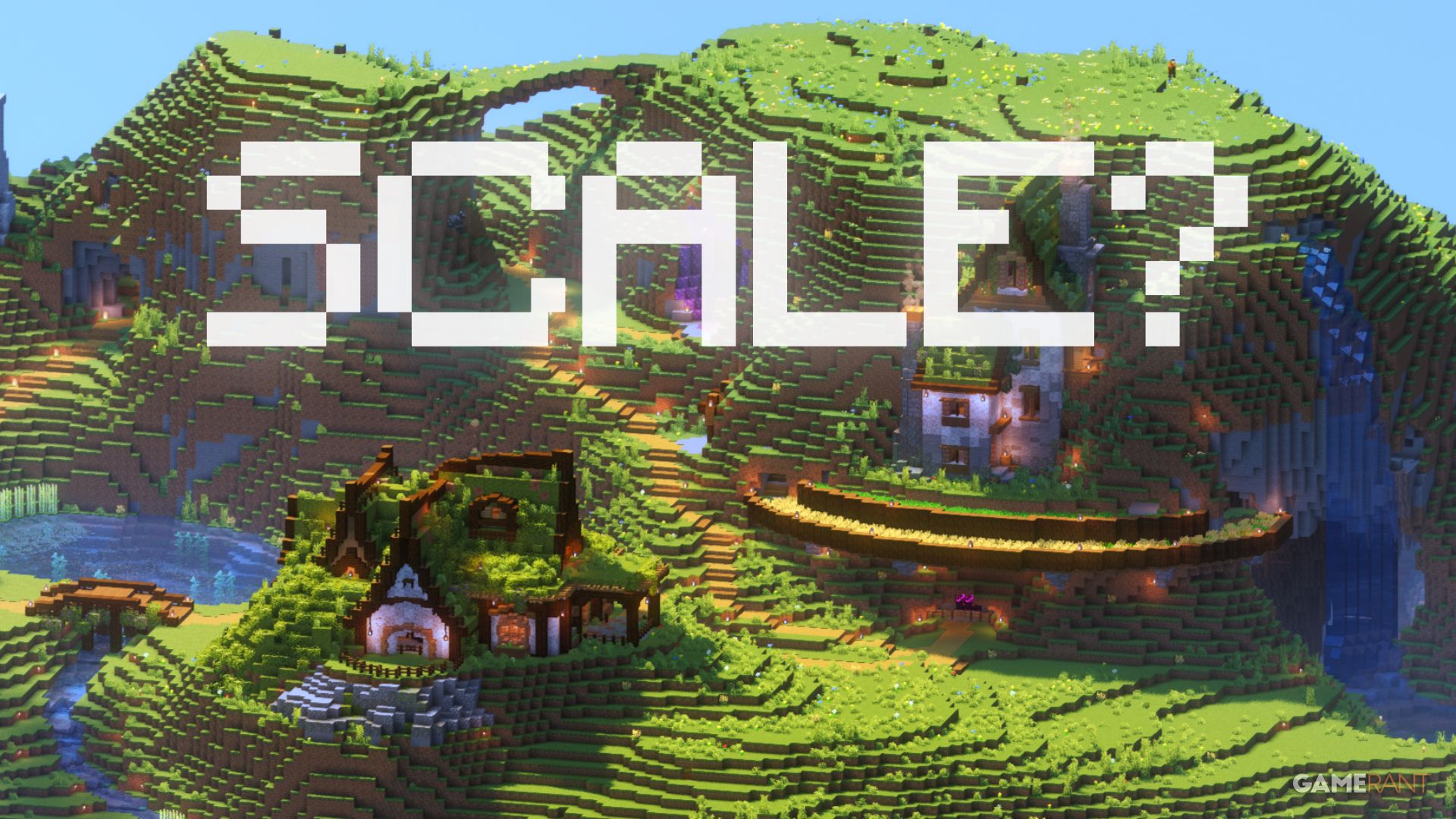
Considering Minecraft is the best-selling video game ever, largely due to its vastness and endless potential, asking if it’s too big might seem strange. However, it’s a valid question. Over the past fifteen years, the game has only grown – with more landscapes, creatures, building materials, and features added constantly. The real issue isn’t simply the size of Minecraft‘s world, but what the game allows you to do within it.
It’s debatable whether Minecraft truly makes the most of its expansive open world – whether its additions create genuine depth or just make it bigger. For longtime players like me, who’ve watched the game develop, this is a key question. I believe Minecraft’s biggest weakness isn’t a lack of new areas or creatures, but a lack of realistic ecological detail to match its incredible size.
Why Minecraft Grows the Way It Does
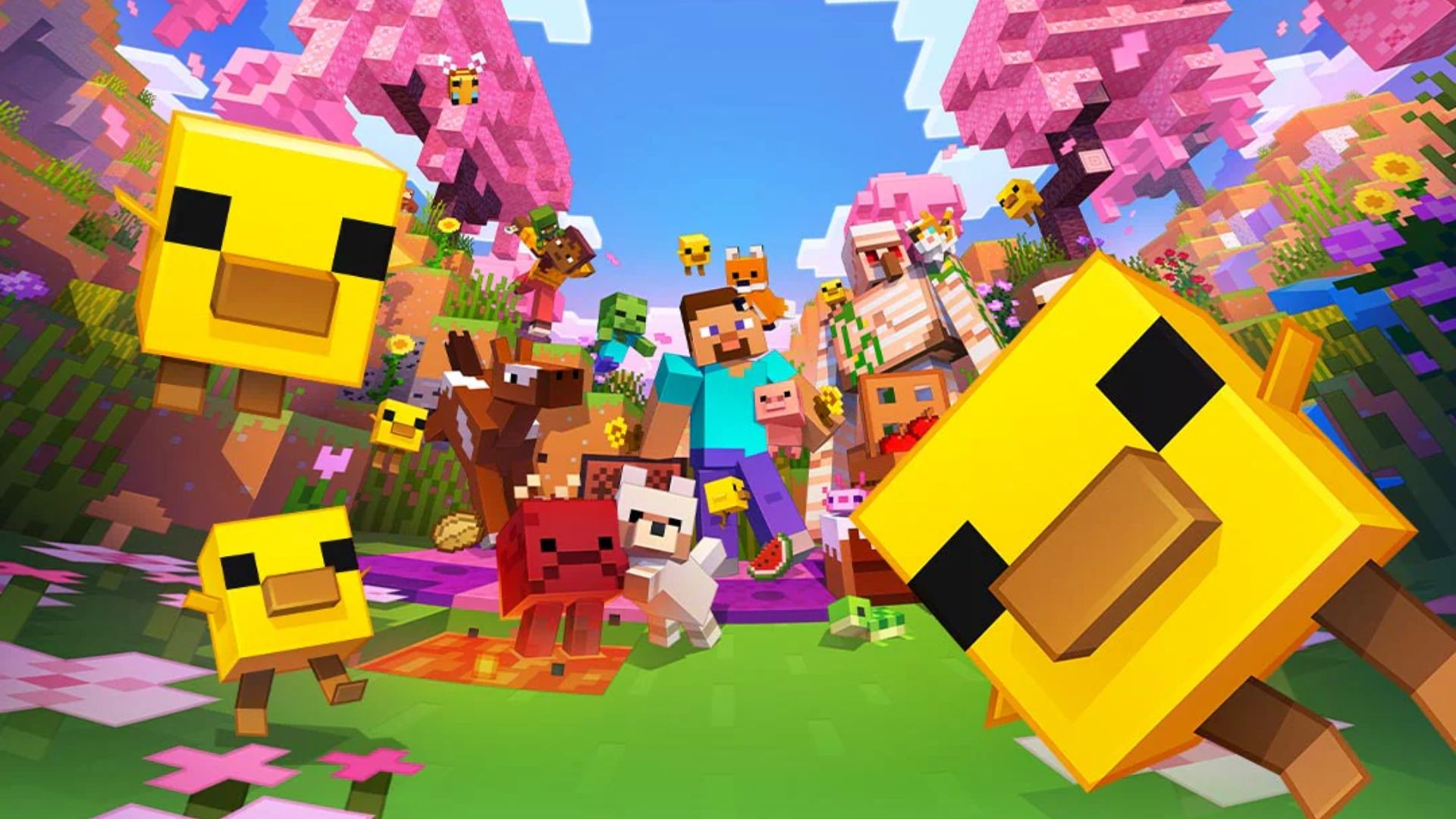
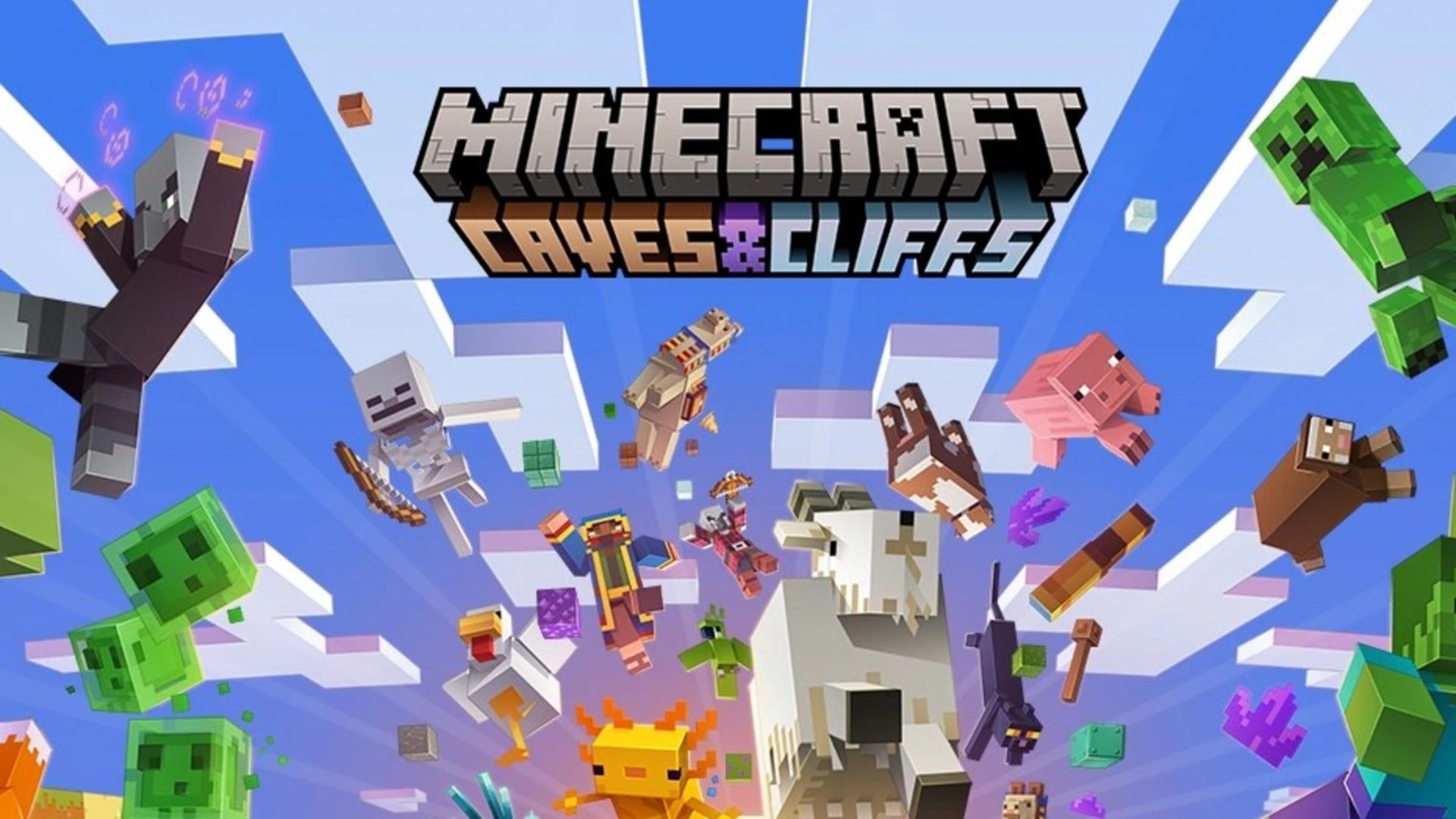
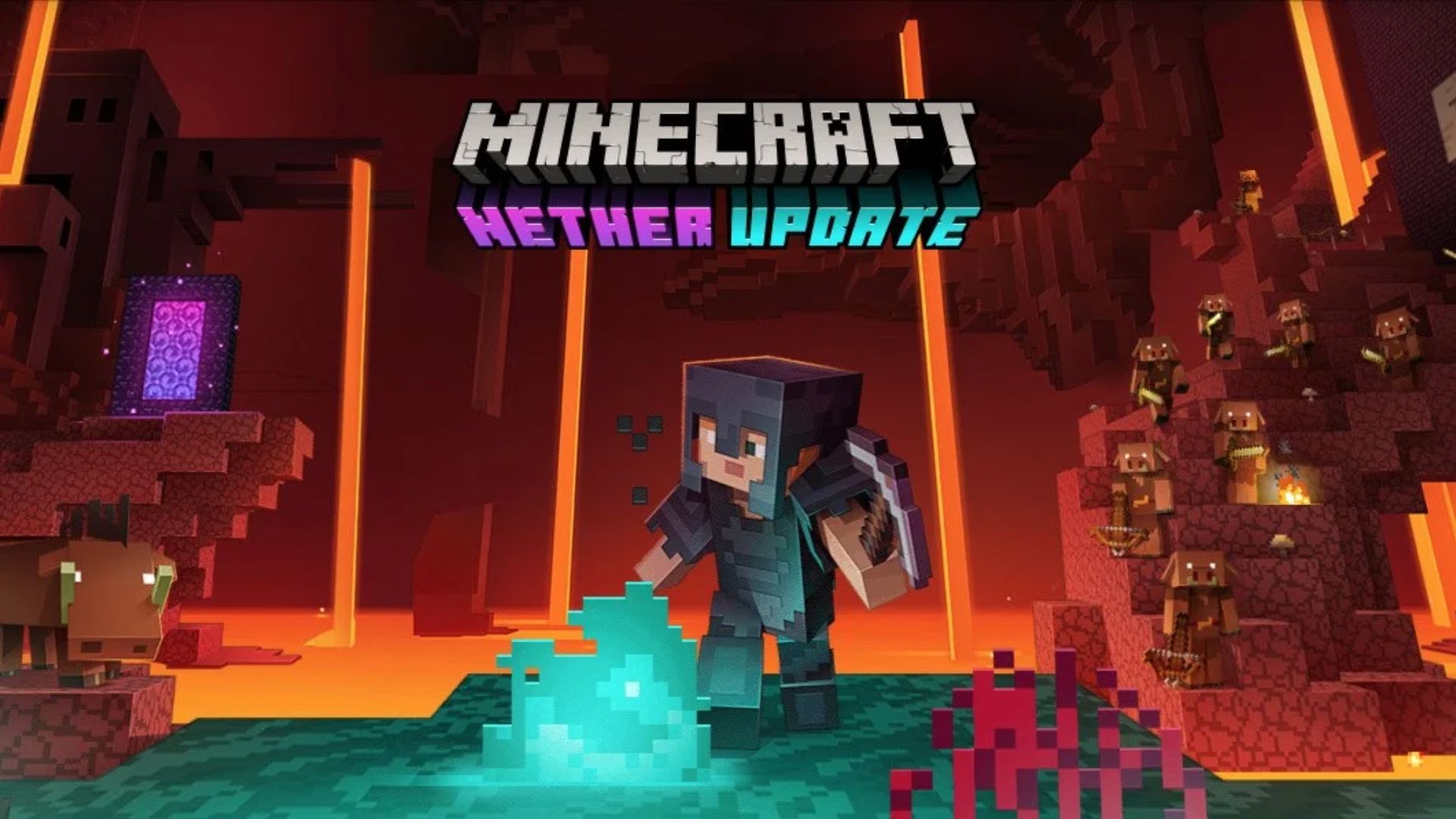
To really understand how Minecraft is evolving, it’s helpful to look at Mojang’s approach to updates. For a long time, the game has expanded ‘outward’ – adding new areas (biomes), blocks, and creatures. While Minecraft is already a deep game, and updates have changed over time, this pattern of simply adding new content to the existing world remains common. New things are introduced, and the game world grows to include them.
It’s not necessarily a negative that Minecraft offers so much freedom, as that’s a big part of what makes it popular. Keeping updates accessible to everyone – players of all ages and styles – is a good thing. However, the game’s growth sometimes feels disjointed. Despite Minecraft’s vastness, exploring it can feel less like wandering through a dynamic world and more like viewing a collection of beautiful, but static, scenes. The game has plenty of width, but sometimes feels lacking in depth.
What Ecological Depth Actually Means
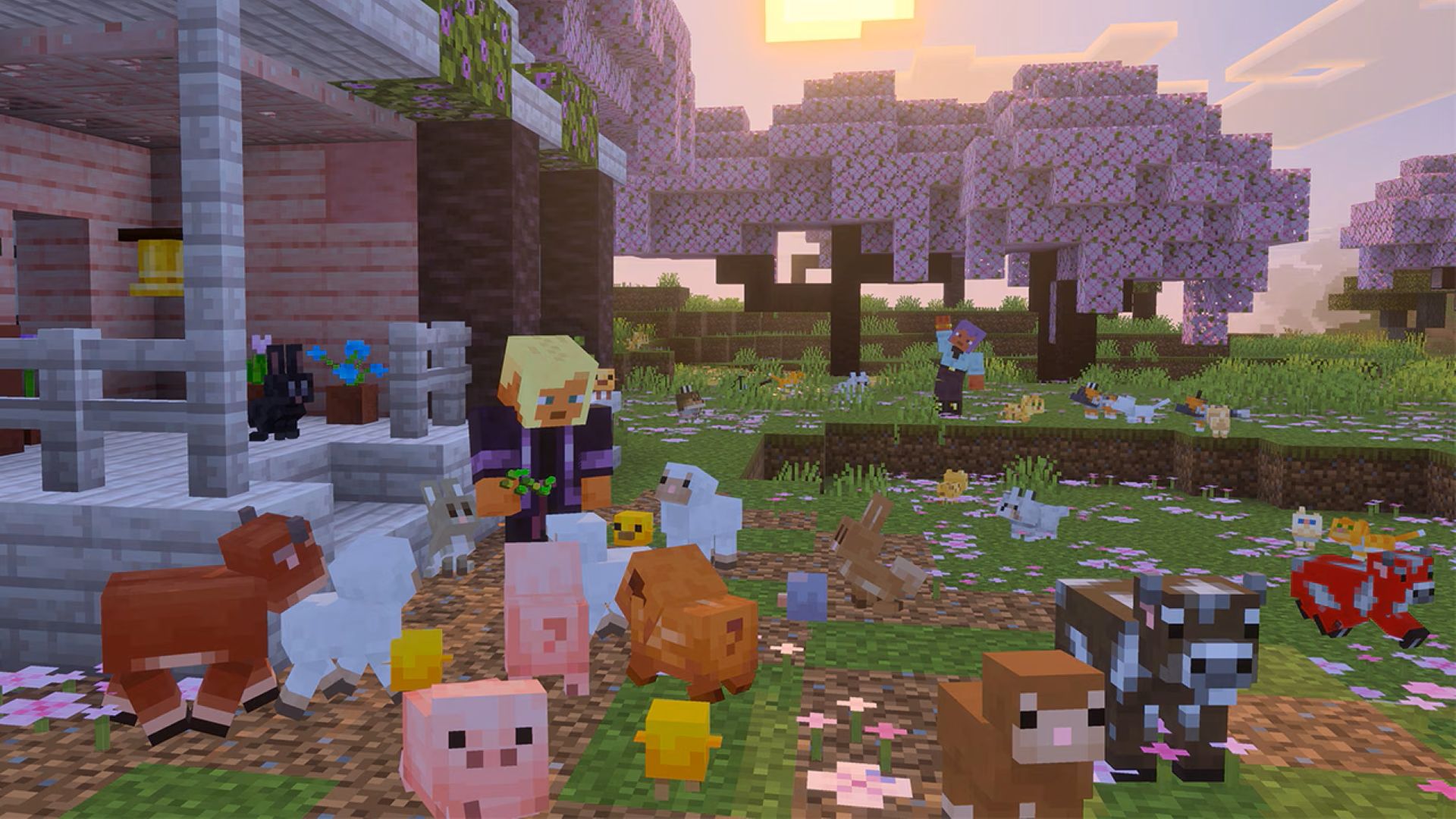
Even though Minecraft already has a huge variety of things to see and do, one clear way to make it even better is by adding more ecological detail. Currently, many creatures like cows, chickens, bats, and foxes exist in the game, and they can even interact with items. However, they don’t actually change the environment around them. If they did – if their actions visibly shaped the land, creating a world that feels more alive and responsive – it would add a new layer of depth to the game, complementing its already vast size.
How Greater Ecological Depth Could Look In Minecraft
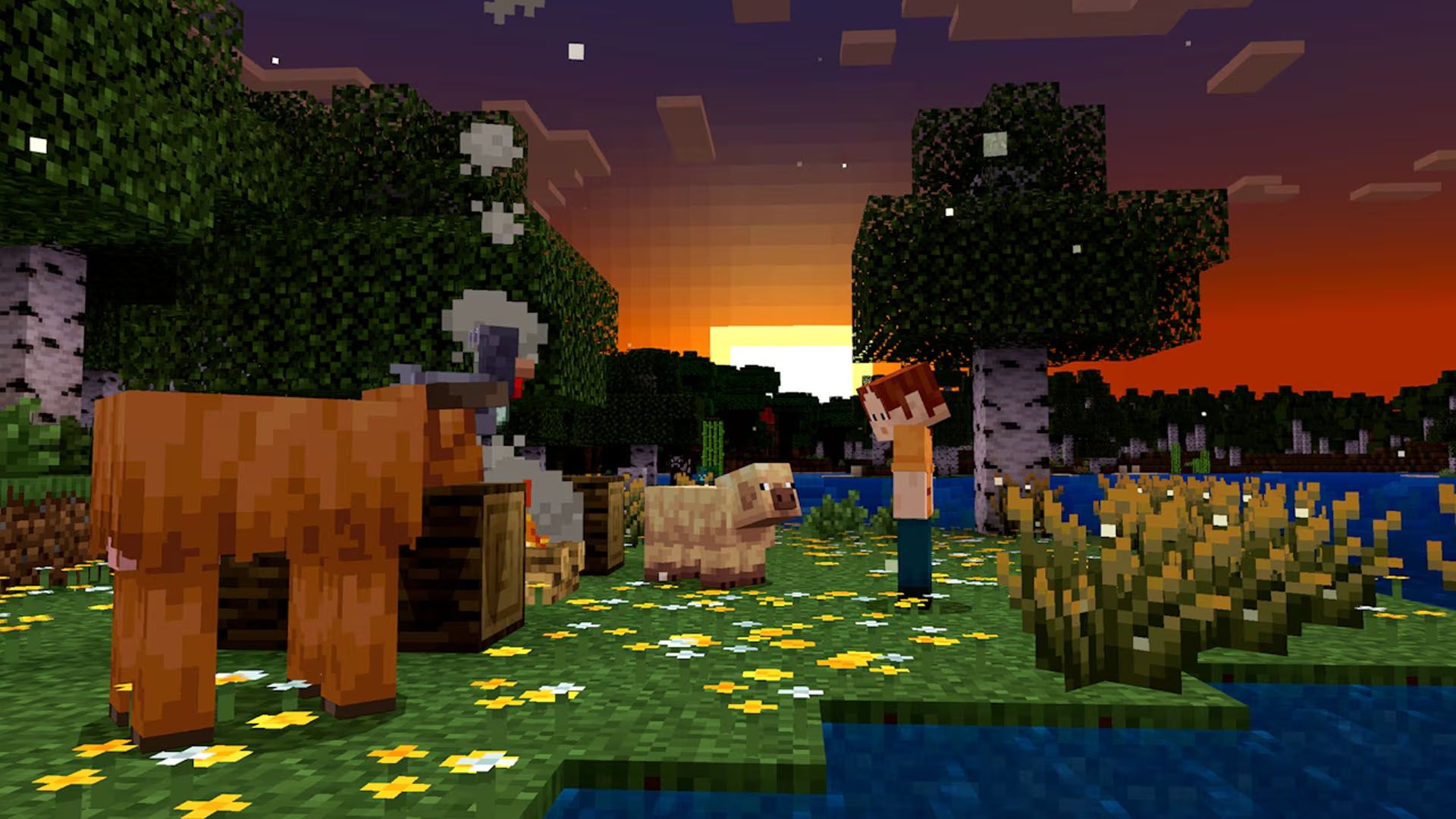
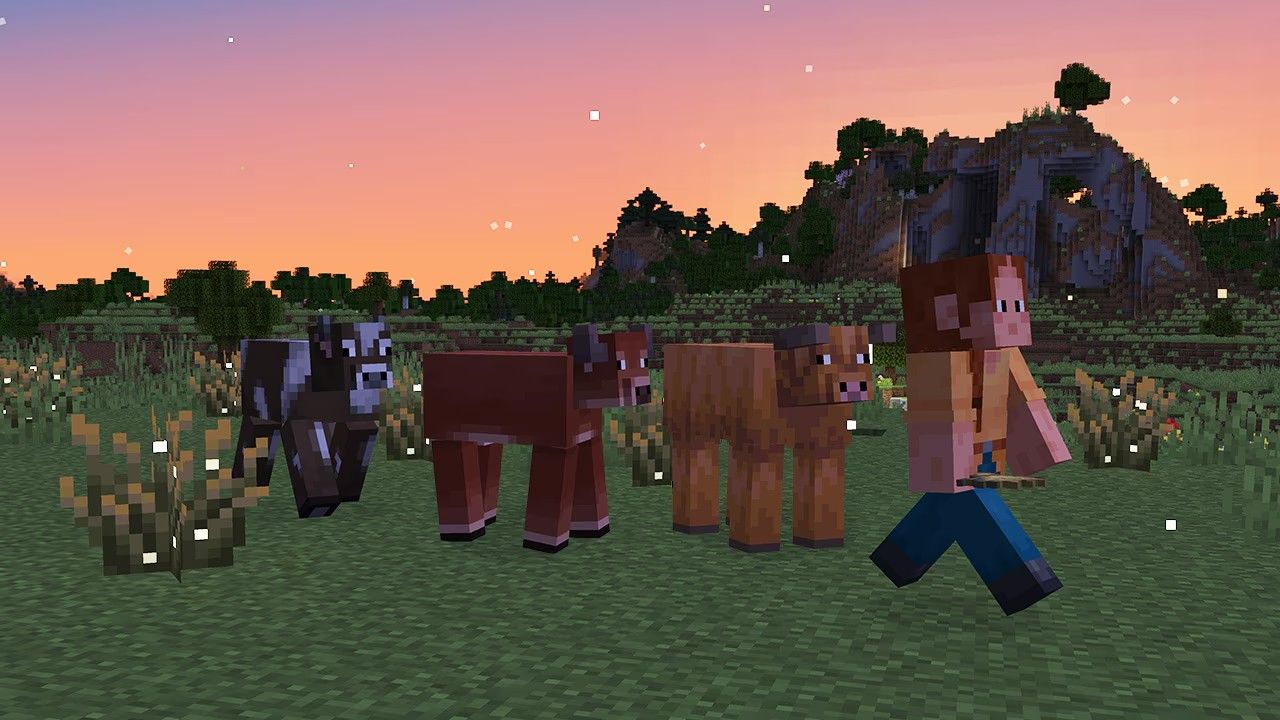
YouTuber Klei_Wright’s video, Why Mojang Struggles to Design Ecologies, offers a great example of how game design can be improved. The video points out that real-life bats play a crucial role in ecosystems – they help plants grow, spread seeds, and manage insect populations. However, in Minecraft, bats are just for show. Giving bats a purpose within the game, like speeding up crop growth but slightly reducing the harvest size, would make the game more educational and engaging. It would be a win-win: a helpful feature and a more interesting design element.
These examples highlight the difference between how creatures in Minecraft behave now and how much more realistic they could be without drastically changing the game. Bees are the best current example of this balance: they pollinate plants, make honey, and protect their hive when threatened. This small, self-sustaining system makes the meadow biome feel unique compared to other grassy areas, and it suggests that adding more similar systems throughout the game would be a positive change.
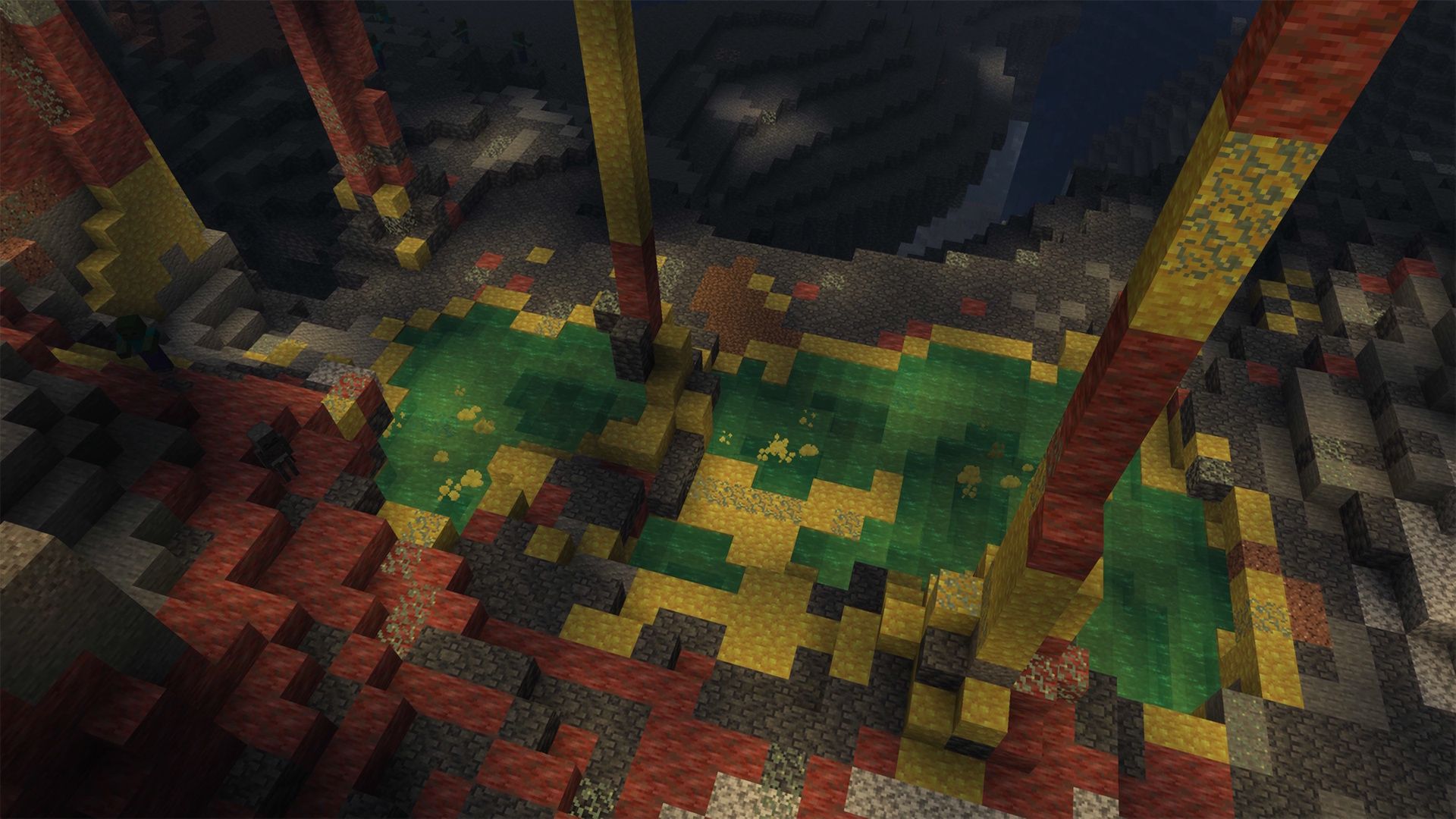
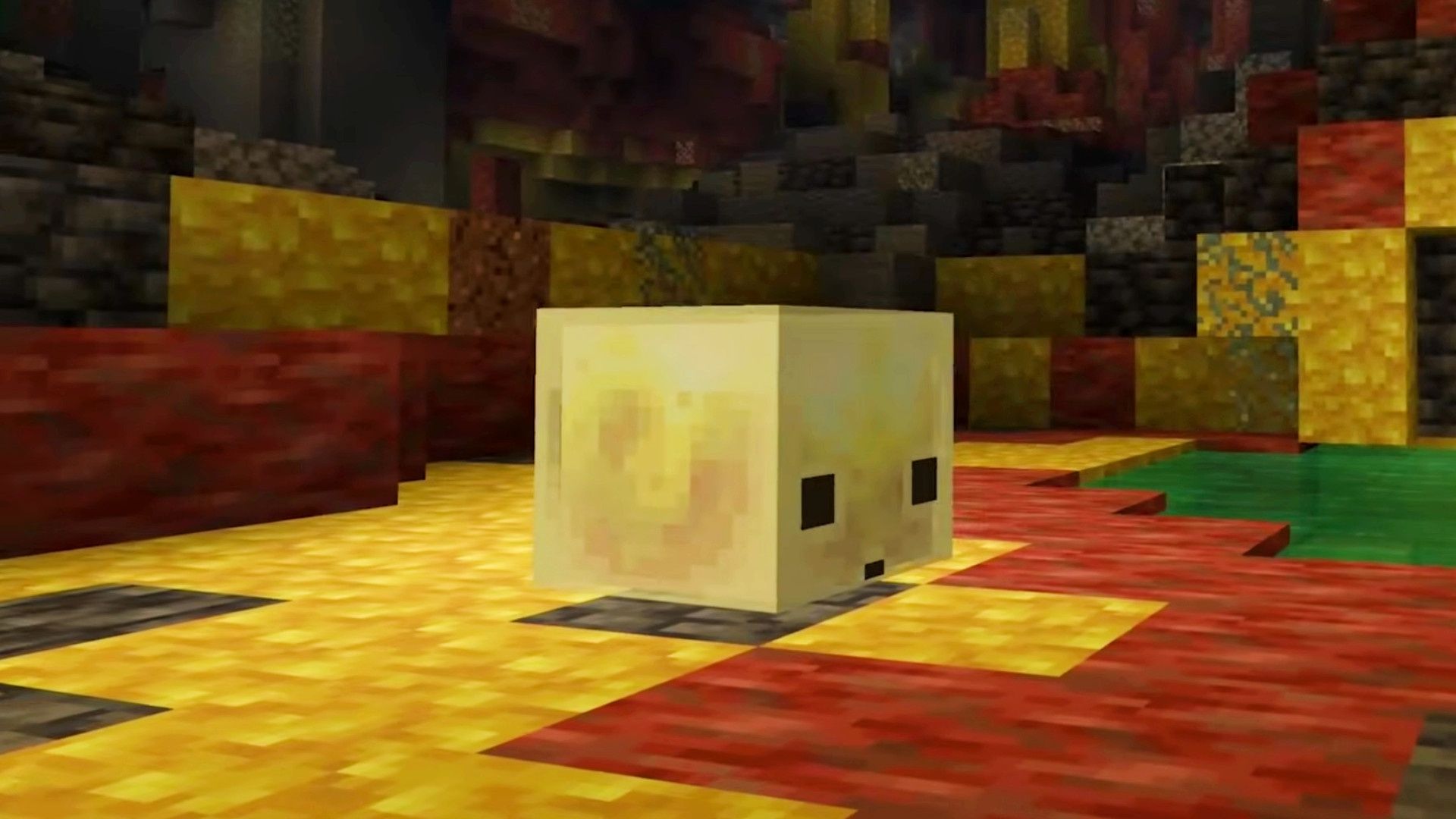
The new ‘Sulfur Cube’ mob suggests the upcoming Chaos Cubed update will feature creatures that don’t just exist in the world, but actively change it. This mob seems to absorb materials from nearby blocks, altering its own characteristics in the process.
A Conversation About Minecraft’s Untapped Potential
This idea connects to a long-running discussion within the Minecraft community about how much more potential there is within the game itself. Projects like the Ecologics mod, which focuses on realistic ecosystems, show that adding more depth and interconnectedness isn’t just feasible—it also makes the game much more enjoyable.
Why Minecraft Will Probably Stay This Way

Even with all the possibilities, major, complex changes aren’t likely to appear in a standard Minecraft update anytime soon, and there are two main reasons why. Firstly, creating realistic and evolving ecosystems is incredibly difficult to do within a game as large as Minecraft. Accurately simulating how populations interact and change across its vast, ever-changing world requires a lot of computing power and careful design.
 Find all 10 pairs
Results
More importantly, these changes don’t align with Mojang’s vision for the game. Jens Bergensten, Minecraft’s lead designer, created a document called Minecraft Game Design Principles which clearly explains why the game avoids features that constantly change or require ongoing player involvement – the kind of systems needed for a more complex, realistic environment.
“If there is a before or after, it would be something else than ‘vanilla’ Minecraft.”
Minecraft’s design intentionally focuses on the player as the main source of change, rather than the world evolving on its own. While realistic ecosystems remember past events and build upon them, Mojang has deliberately avoided this in the core game. As Jeb explains, the game is built around the player’s actions being the primary force of change, not a continuously evolving world.
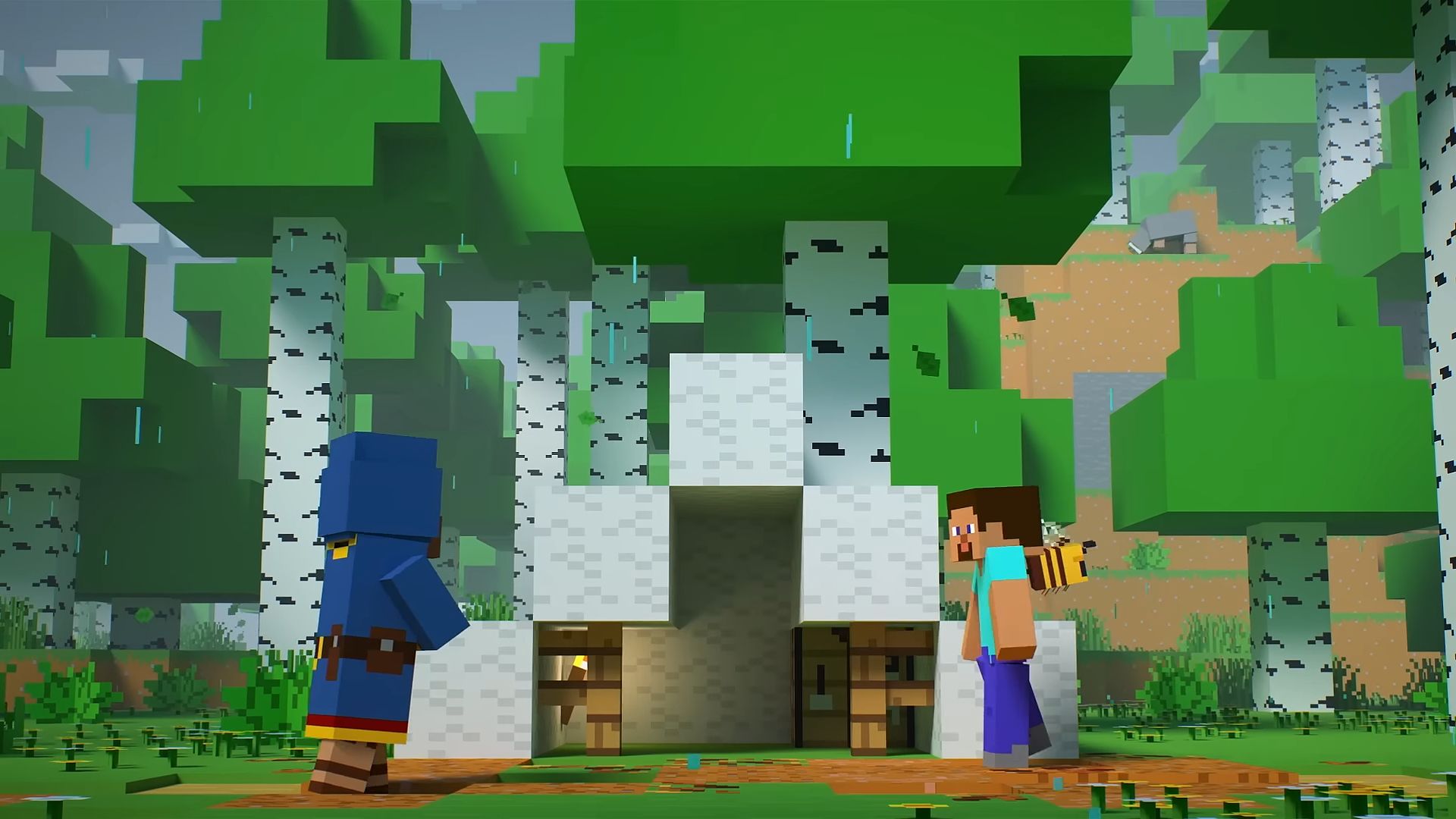
When villages were first added to the Minecraft beta, we intentionally designed them to stay static. Villagers wouldn’t build new structures on their own, and we didn’t include any systems for automatically adding buildings. If a village needs defenses, like a wall, players have to build it themselves. Minecraft provides the world and the villagers, but it’s up to players to decide how things develop and change.
A Wide World, With Room to Go Deeper
These concerns are valid, and it’s an oversimplification to ignore them. We’ve already seen how even simple mob behaviors – like sheep grazing or Endermen moving blocks – can be frustrating for players, leading to ongoing discussions about balancing them. However, those mobs don’t really offer players any opportunities in return. Future systems could allow players to interact with, influence, or even benefit from these ecological interactions.
Jeb even included a clause allowing himself to override the game’s rules when necessary. Since then, Minecraft has become more detailed and realistic in quieter ways, such as with bees pollinating plants, the Warden reacting to noises, and the way Sculk spreads. The new ‘Chaos Cubed’ update, featuring sulfur caves filled with poisonous gas and a creature that changes shape by eating different blocks, promises to add even more of these intricate layers to the game.
As Minecraft gets older and more popular, it’s becoming increasingly important to focus on adding depth to the game, not just more content. This feels less like an option and more like a necessity. And that’s a good thing – the feeling of limitless exploration, especially vertically, is what originally made Minecraft so successful.
Read More
- Change Your Perspective Anomaly Commission Guide In NTE (Neverness to Everness)
- Robinhood’s $75M OpenAI Bet: Retail Access or Legal Minefield?
- All Nameless Hospital Endings Full Guide In NTE
- Lonely Player Anomaly Commission Guide In NTE (Wandering Puppet Locations)
- All Skyblazer Armor Locations in Crimson Desert
- Midas Tower ReroRero Phone Booth Location in NTE
- How to Complete Funny Blocks Game in Infinity Nikki
- NTE Banners (Current, Next, And Upcoming Banners)
- Beware! Phishing Emails Are Deceiving Robinhood Users in a Sneaky Plot!
- Jujutsu Kaisen Modulo Gets An Official Anime Trailer By Studio MAPPA
2026-05-05 01:35