Video game piracy is getting a lot of attention lately, especially as developers use increasingly complex software to fight it. Recently, a popular anti-piracy program called Denuvo was reportedly fully cracked for single-player games. This means games that used to be protected by Denuvo may now be easier to pirate.
This advancement is significant because a feature many people disliked might not be available soon, or if it returns, it could be very different. Ultimately, it’s crucial to grasp how these technologies work, how they impact your gaming setup, and what steps you should take regarding DRM and your overall gaming experience.
Cracked ≠ Fully Preserved
Not A Perfect Solution



Details:
- Offline builds miss updates, fixes, and online systems
- Bypassing DRM does not recreate the full live experience
While people often talk about removing Denuvo as a way to preserve games, it’s not quite accurate. Cracked versions are usually based on an older version of the game and don’t include updates, bug fixes, or new content added after release. This is a bigger problem now, because modern games change a lot over time with these updates, fundamentally altering how they’re played.
This means you might find several different, unofficial copies of the same game online, each working slightly differently and potentially breaking after a game update. These cracked versions are essentially fixed points in time and don’t receive ongoing improvements like official releases, making them less desirable, especially for games that are constantly being updated with new content.
Often, these games lack the online features players expect, which isn’t a problem for games designed to be played solo. However, many other games simply don’t have multiplayer at all, including any related content. While patched versions of pirated games sometimes appear, it’s not reliable and relies on dedicated fans rather than official developers.
Performance Differences Go Both Ways
Removing One Thing May Break Another

Details:
- DRM can introduce CPU overhead in specific scenarios
- Removing it does not guarantee higher performance
Denuvo, a security technology used in games, has often been criticized for potentially slowing down performance, especially on computers with limited processing power. This has sometimes led to negative reviews for games that use it. While Denuvo can add some strain on the system, particularly in games that already demand a lot from the processor, the extent of this impact depends on how well it’s implemented within each game.
It’s important to understand that simply removing DRM doesn’t usually make a game run better. Most modern games are limited by things like the graphics card, how well the game engine is built, or how fast the computer’s memory is. Any performance gains from removing DRM are typically small and often vary, proving that how well a game is optimized is the biggest factor in its performance, not whether or not it has DRM.
DRM Isn’t Just Denuvo
Just Another Name In The System


Details:
- Multiple protection layers often exist beyond a single solution
- Removing one system doesn’t mean the game is DRM-free
Denuvo often gets blamed for all the problems with DRM (digital rights management), but it’s usually just one part of a larger system. Other DRM methods, like those built into online stores, already handle things like verifying ownership and enforcing platform restrictions – completely separately from Denuvo’s anti-tamper technology.
Instead of just one security measure, many games use several layers of protection. This means even if someone bypasses one layer, other restrictions might still be in place. So, a game labeled ‘DRM-free’ might technically be true, but in reality, it could still have platform checks or other safeguards. It’s more accurate to think of DRM as a collection of systems working together, rather than a single lock to break.
DRM Integration Can Affect Development And Patching
Issues On Both Sides Of The Fence
Details:
- Anti-tamper systems must be re-integrated with each update
- Can introduce friction into patch deployment pipelines
Adding Denuvo Anti-Tamper isn’t a simple, permanent fix. It usually needs to be added and checked with each new version of the game, which adds more work for developers. While this helps keep the anti-tamper system working, it can make testing and releasing updates more complicated than if the game didn’t have DRM.
Even if it doesn’t cause huge delays, adding DRM creates extra work for support teams after a game launches. This can significantly slow down how quickly updates – especially frequent ones – can be released. More complex updates require more work to re-implement the DRM, and even small patches might need adjustments to the anti-tamper system. This adds an unnecessary step that developers would prefer to skip, and players will understandably be annoyed by any resulting delays.
Removal Tends To Happen Eventually
It’s Only A Matter Of Time


Details:
- Many games remove DRM after the initial sales window
- Later builds are often more stable and complete
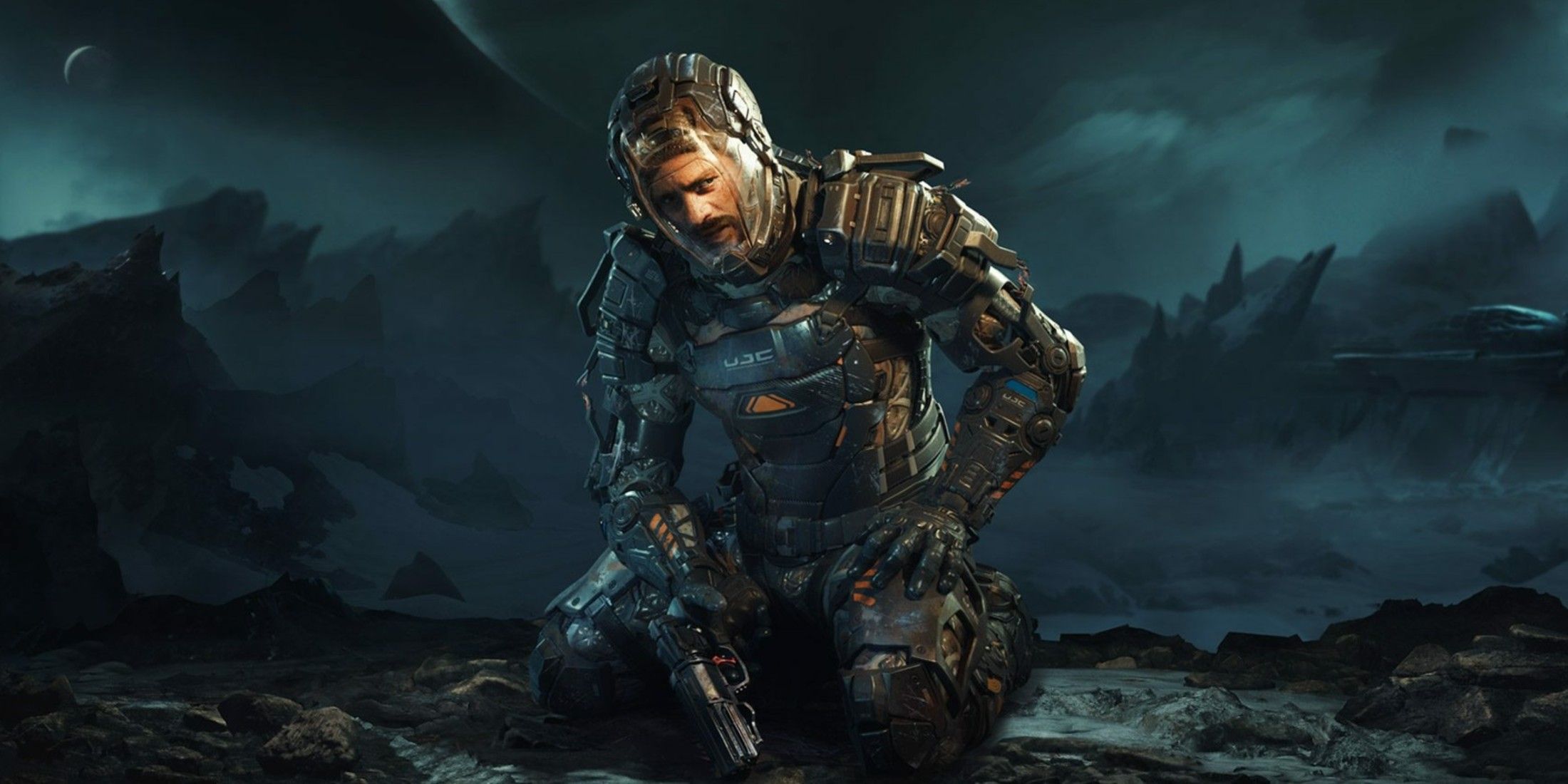
It’s become increasingly common for game developers to remove DRM (digital rights management) technology like Denuvo months or even years after a game’s release. They often do this after the initial surge in sales, both to improve how players view the game and to avoid having to maintain the DRM system long-term.
As a fan, I’ve noticed that the later versions of this game are almost always the best ones to play. They’ve had all the bugs fixed and are really polished. A lot of people think taking out the DRM – that copy protection software – is the only reason it runs better, but it’s more than that. Technically, the version after they removed the DRM is usually considered the definitive one. It’s cool because it brought a lot of people back to the game – people who didn’t want to deal with the DRM before, or even those who’d tried a pirated version and now wanted the full, official experience.
Read More
- Change Your Perspective Anomaly Commission Guide In NTE (Neverness to Everness)
- All Nameless Hospital Endings Full Guide In NTE
- Lonely Player Anomaly Commission Guide In NTE (Wandering Puppet Locations)
- Robinhood’s $75M OpenAI Bet: Retail Access or Legal Minefield?
- Midas Tower ReroRero Phone Booth Location in NTE
- Beware! Phishing Emails Are Deceiving Robinhood Users in a Sneaky Plot!
- NTE Banners (Current, Next, And Upcoming Banners)
- All Skyblazer Armor Locations in Crimson Desert
- All the Free Games You Can Claim in May 2026
- How To Get Day Off Arc (Free S-Rank Arc) In NTE
2026-05-07 01:36