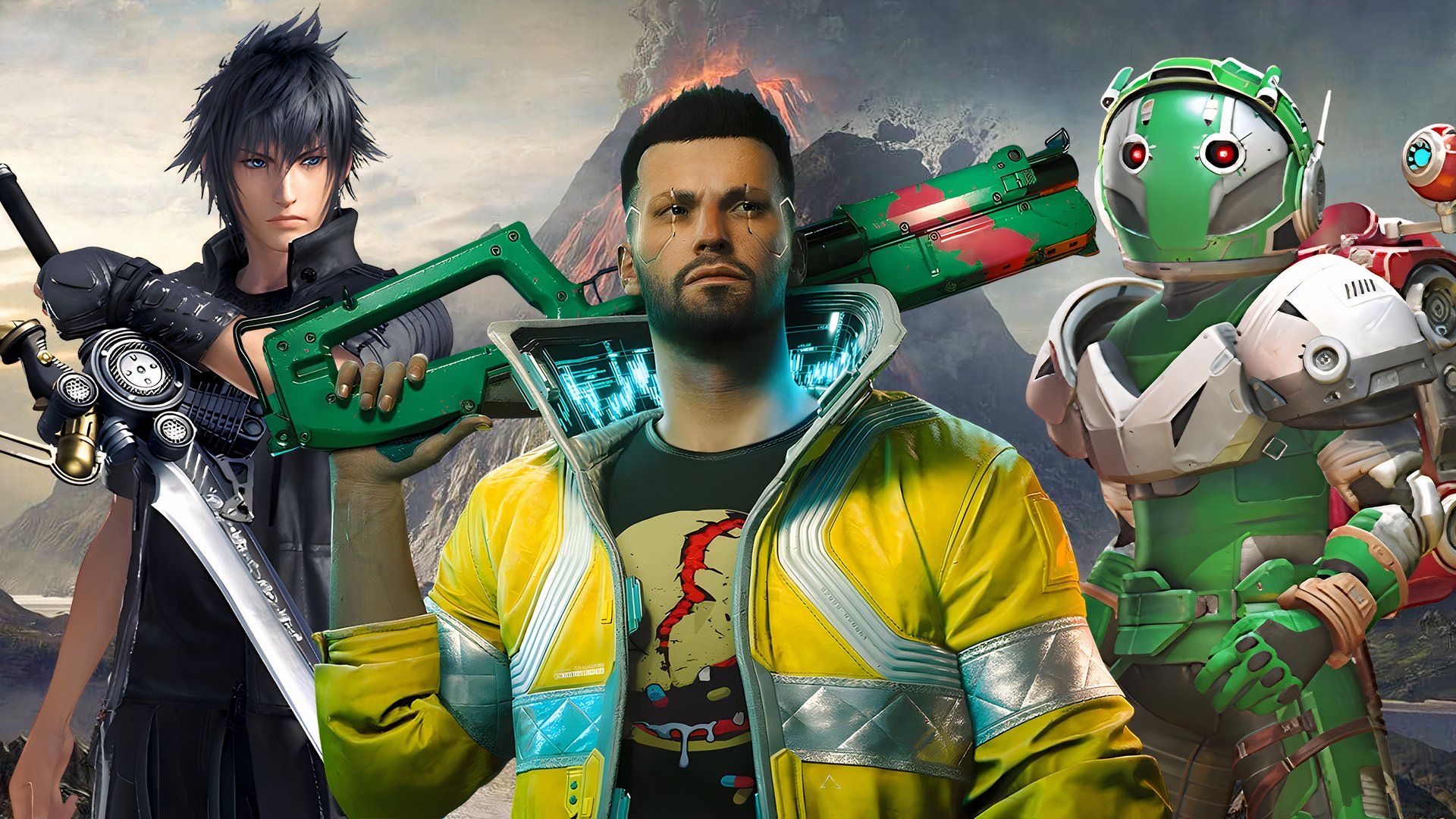
Many popular games don’t immediately win over players when they first launch, particularly now when initial sales are so important for a game’s survival. While a weak launch can often ruin a game completely, some titles can actually turn things around and become incredibly successful. These games learn from their mistakes, improve significantly, and ultimately become memorable favorites thanks to overcoming early challenges.
We’ve been seeing a lot of games make surprising recoveries lately. Many started with rough launches that upset players, but then turned things around with bold changes. Some improved gradually with consistent updates, while others released major overhauls that addressed key complaints. Which games have pulled off these turnarounds most effectively?
Destiny and Destiny 2
Third Time Is Always The Charm
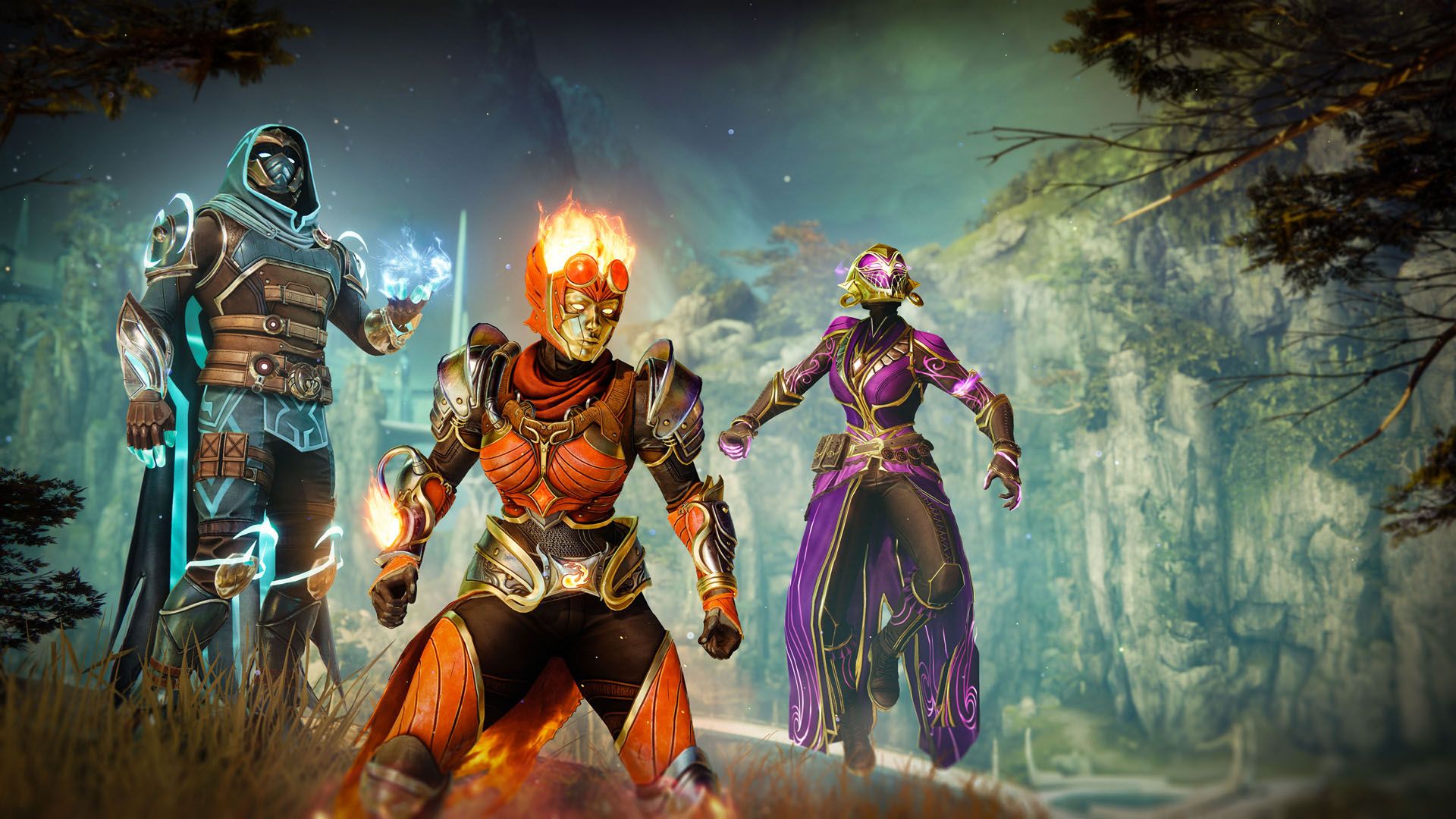
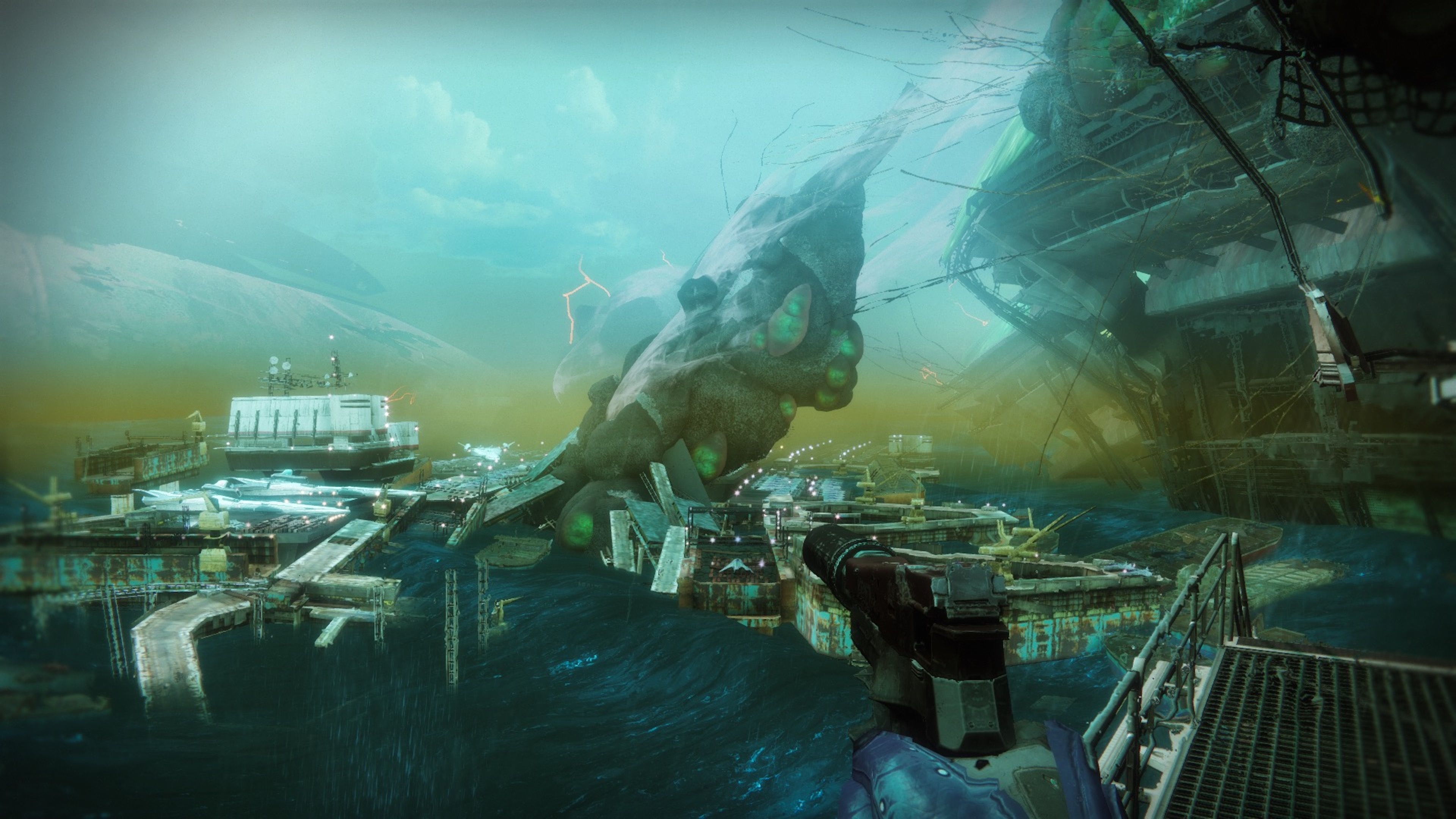
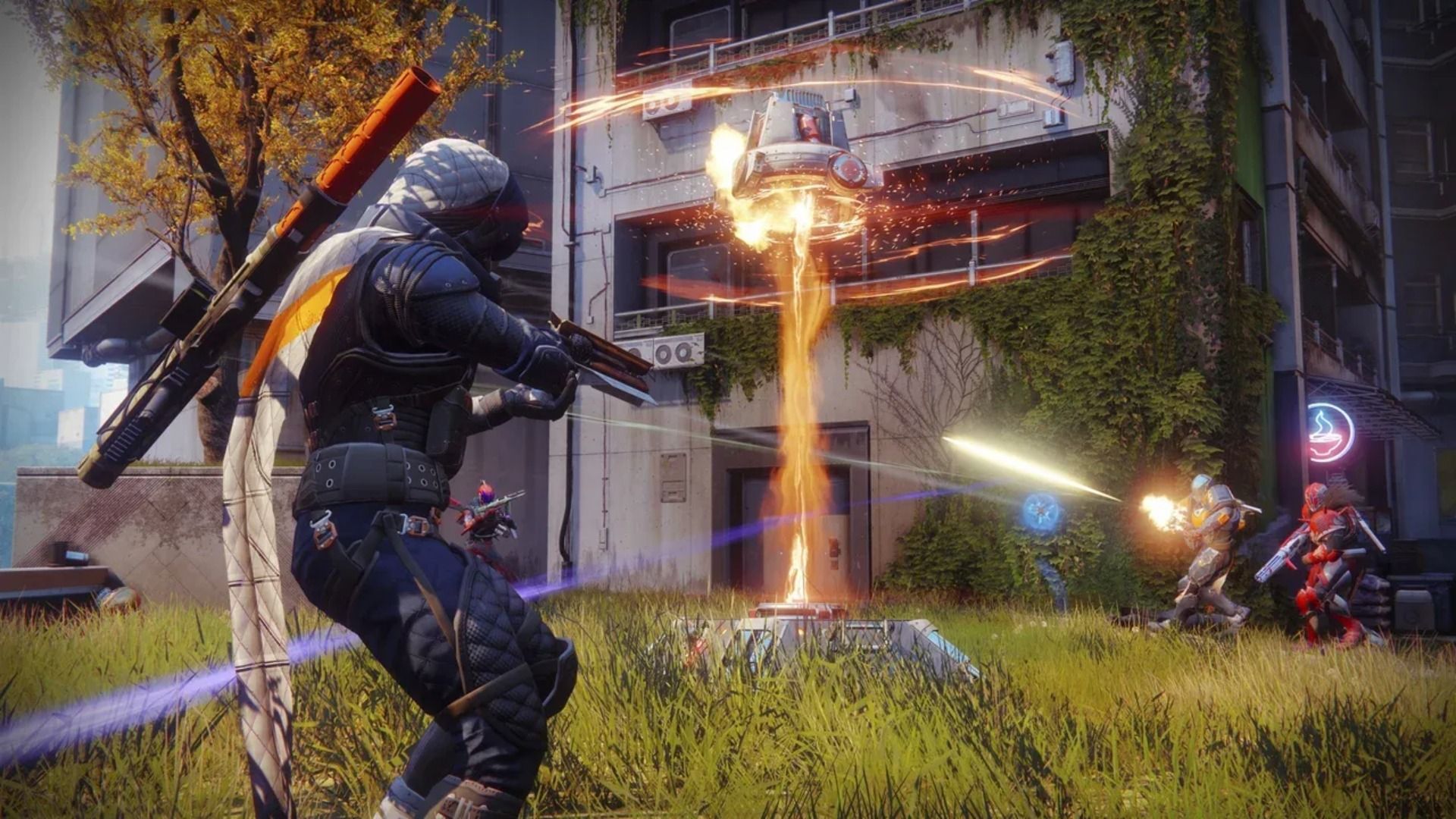
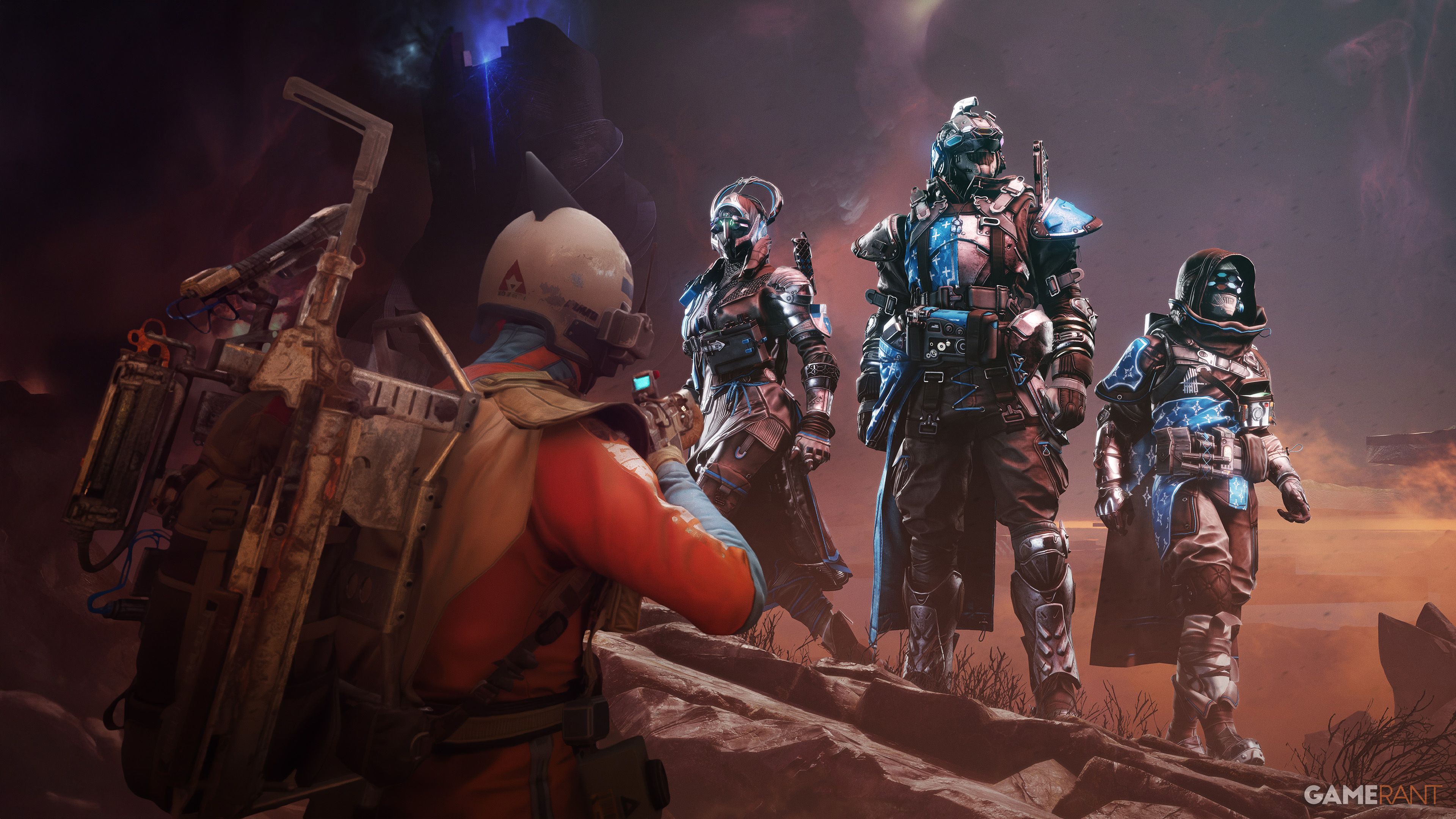
When the creators of Halo set out to make a new sci-fi shooter, the 2014 game Destiny received a lot of different reactions. Players loved the fast-paced shooting and unique abilities, which became a hallmark of the series. However, the game was criticized for its weak story and unengaging plot. The initial version also required a lot of repetitive grinding, making it a typical example of a “looter shooter.” It wasn’t until the third major expansion, The Taken King, that the game really came into its own. This expansion added new ways to play with others, let players wield swords, and introduced new character classes to keep things fresh. Importantly, it also included one of the game’s strongest story arcs, finally delivering on the promise of the narrative as players battled Oryx, the Taken King, and his army.
After the difficult launch of the original Destiny, many expected Bungie to avoid the same mistakes with Destiny 2 in 2017. However, the sequel faced similar problems: a weak and confusing opening story, confusing changes to how the game played, activities that quickly became repetitive, and gameplay that took time to become enjoyable. It wasn’t until the Forsaken expansion—the third one released—that Destiny 2 really started to attract players. Forsaken brought major improvements like a better loot system, a compelling story with real consequences (including the death of a popular character, Cayde-6), and a new seasonal release schedule to keep things fresh, along with a more focused and easy-to-understand narrative.
Diablo 3
Debuted The Infamous Real-Money Auction House
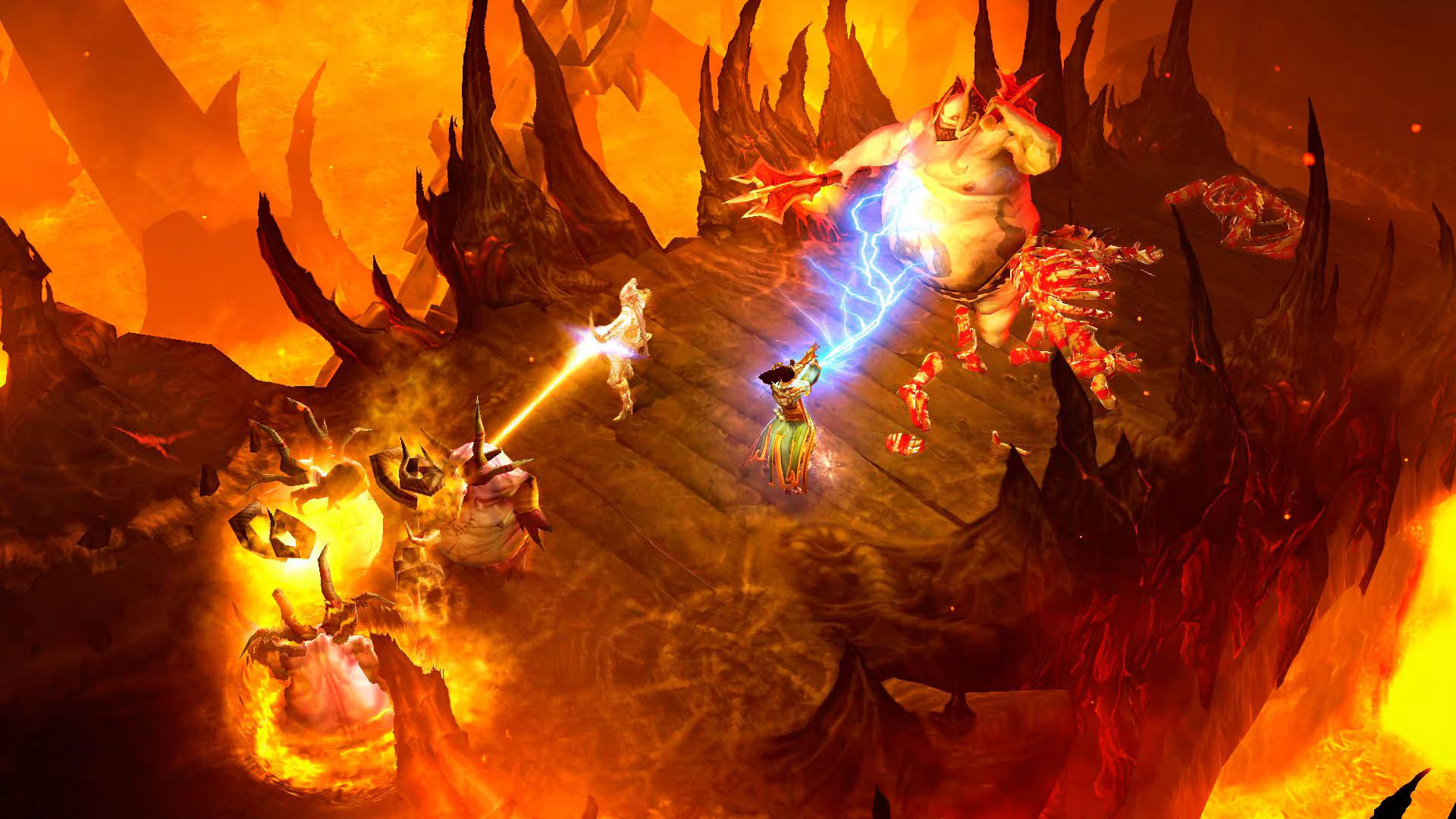
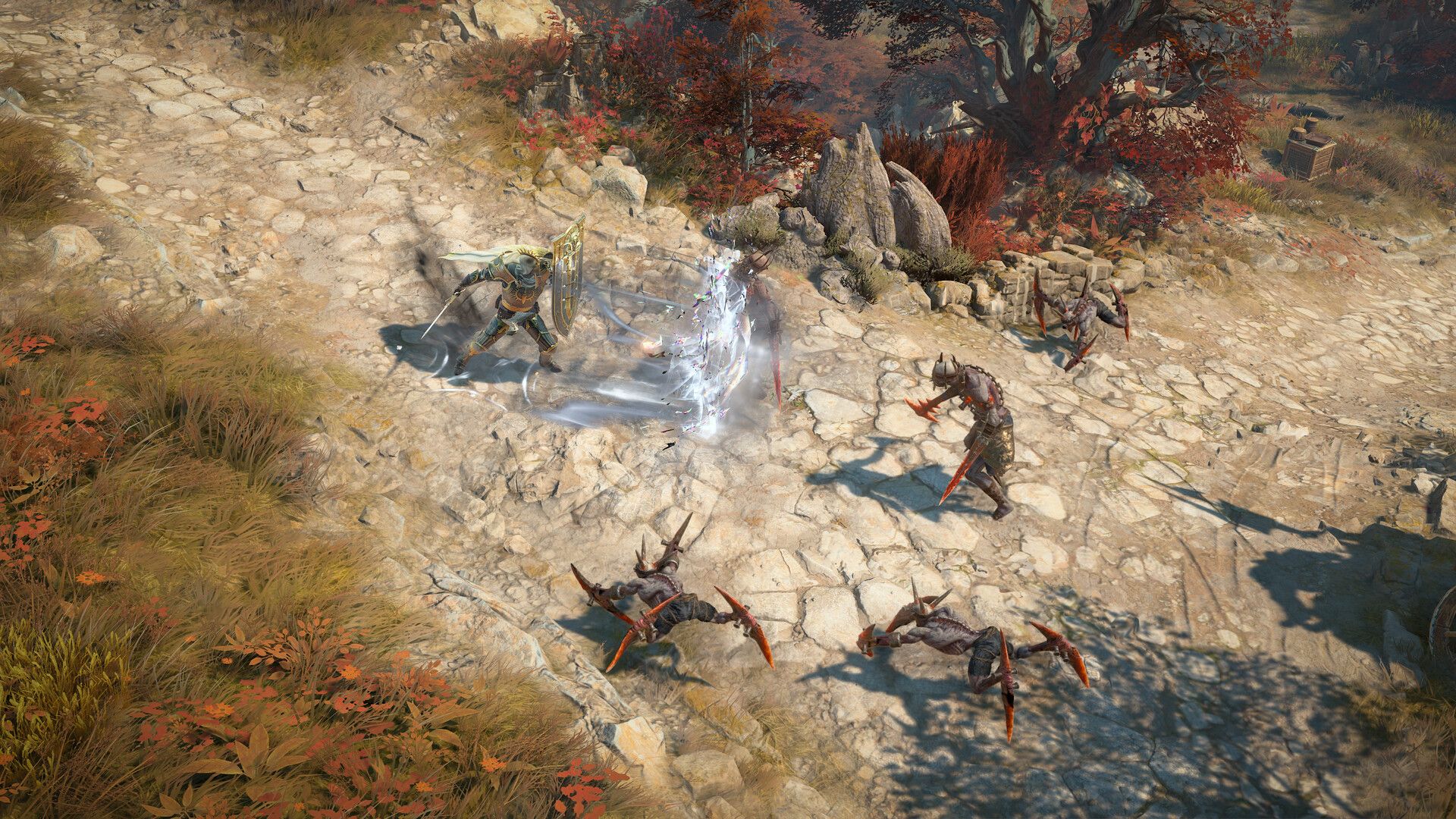
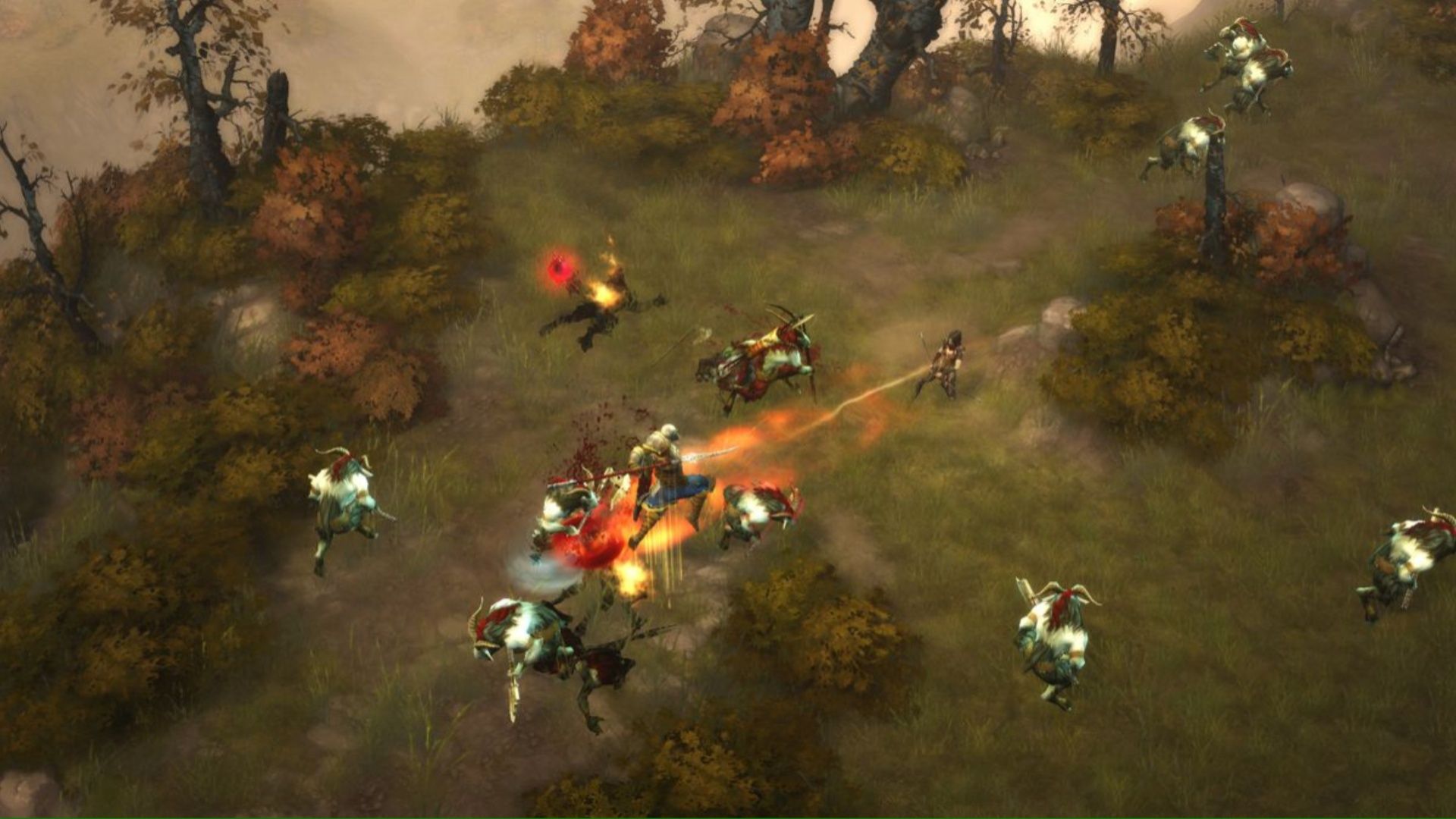
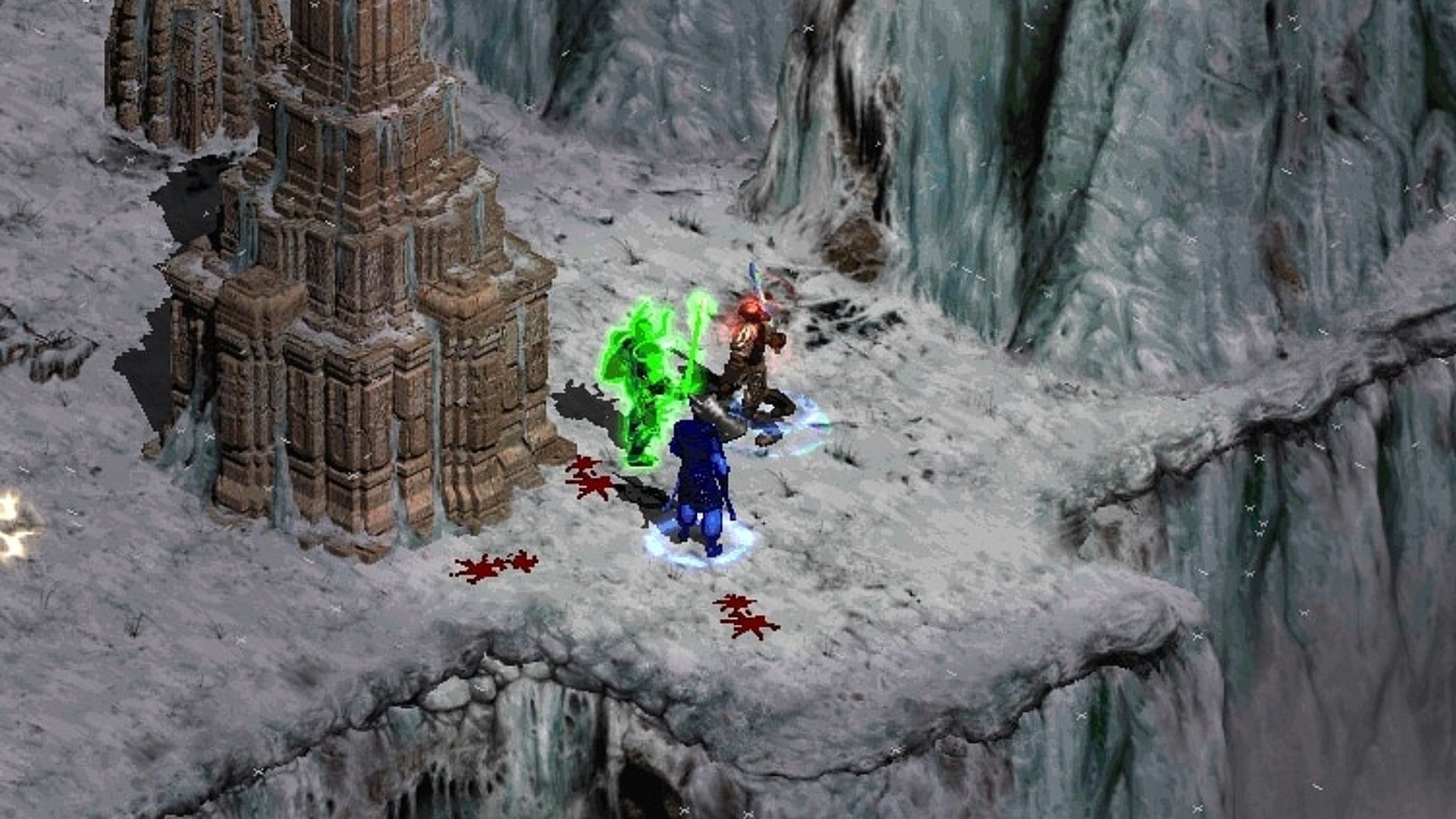
Fans of action RPGs were thrilled with the 2023 release of Diablo 4, especially after the disappointment of 2022’s Diablo Immortal. Immortal, a mobile game, didn’t quite live up to the Diablo name, and what started as a joke about it being a simplified version sadly turned out to be a warning sign. However, Diablo 3, released in 2012, also had a rocky start. Its brighter visuals and always-online requirement were controversial, but the biggest problem was the real-money auction house. Intended to stop unofficial trading, it ended up making Diablo 3 feel like you could simply buy your way to success, with the best items being sold for real money.
Players were happy when the Auction House was removed in 2014, as it allowed for the introduction of Loot 2.0 – a system that made item drops more intelligent and tailored to each player’s class. Around the launch of the Diablo 3: Reaper of Souls expansion and the Crusader class, the game underwent major improvements. Difficulty settings became clearer, monster levels adjusted automatically, regular Seasons offered fresh rewards, and Adventure Mode, with its Bounties and Nephalem Rifts, provided a variety of gameplay options.
 Find all 10 pairs
Results
Final Fantasy 15
Shipped An Incomplete Mess, With A Broken Second Half
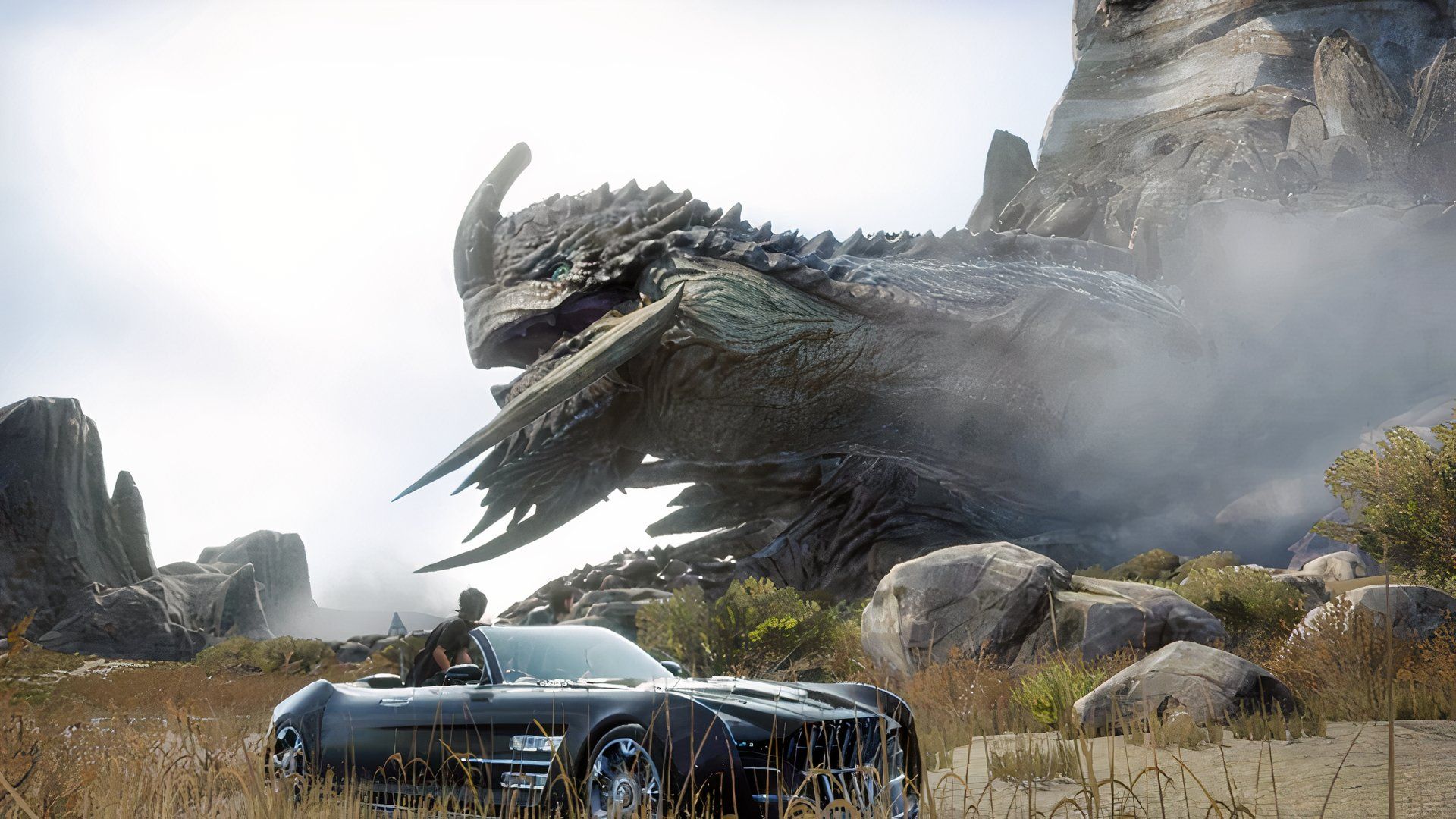
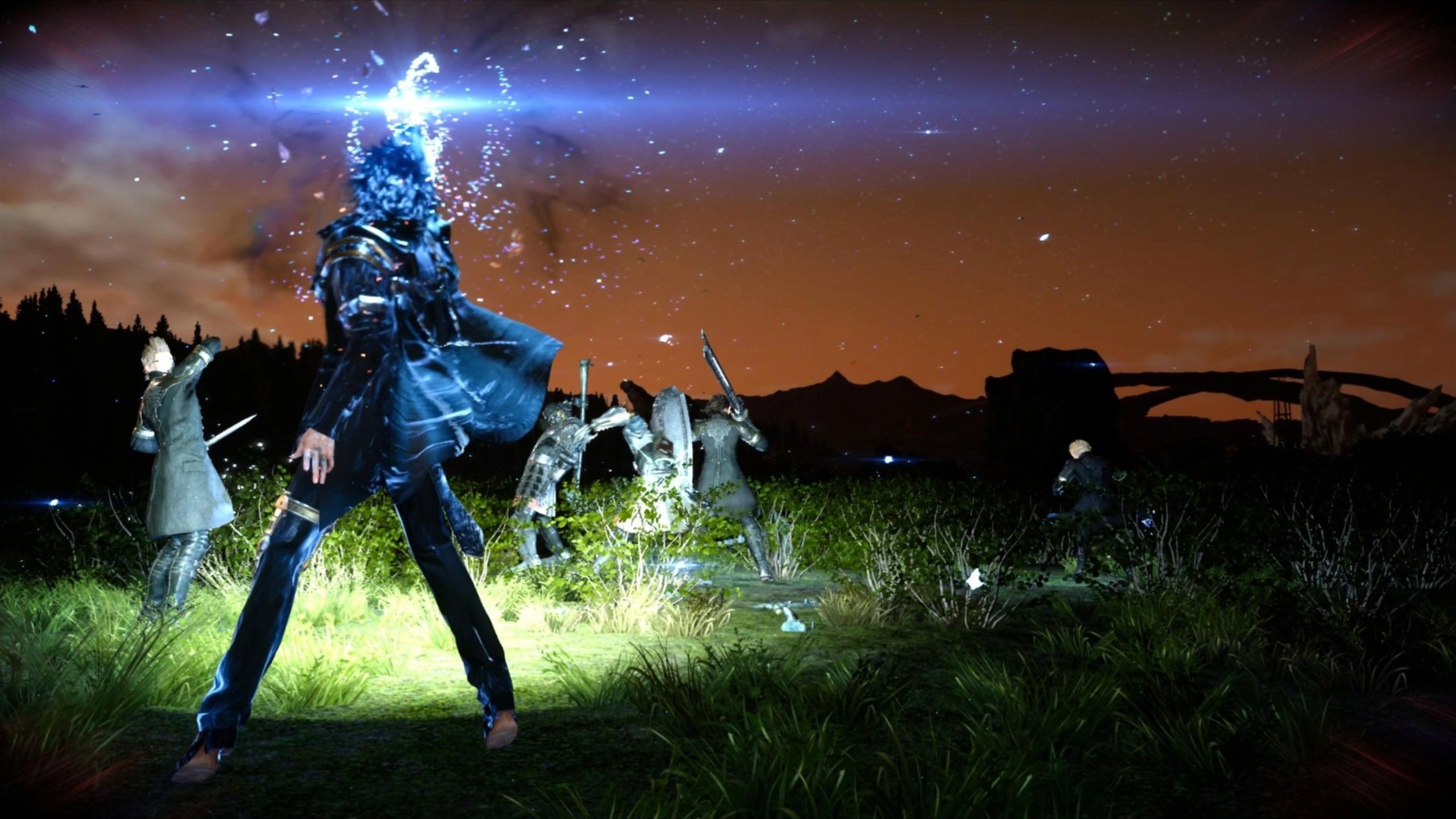
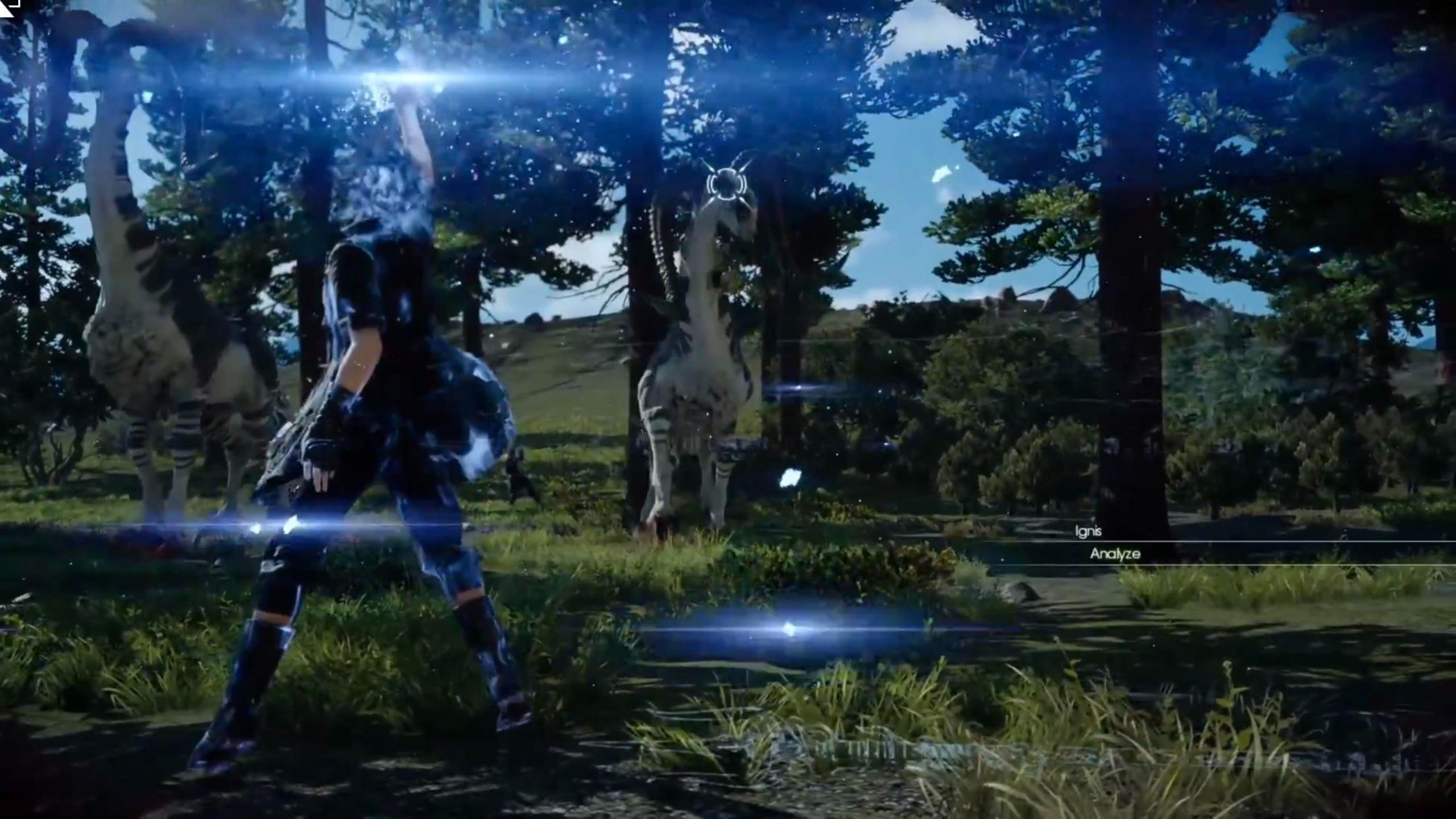
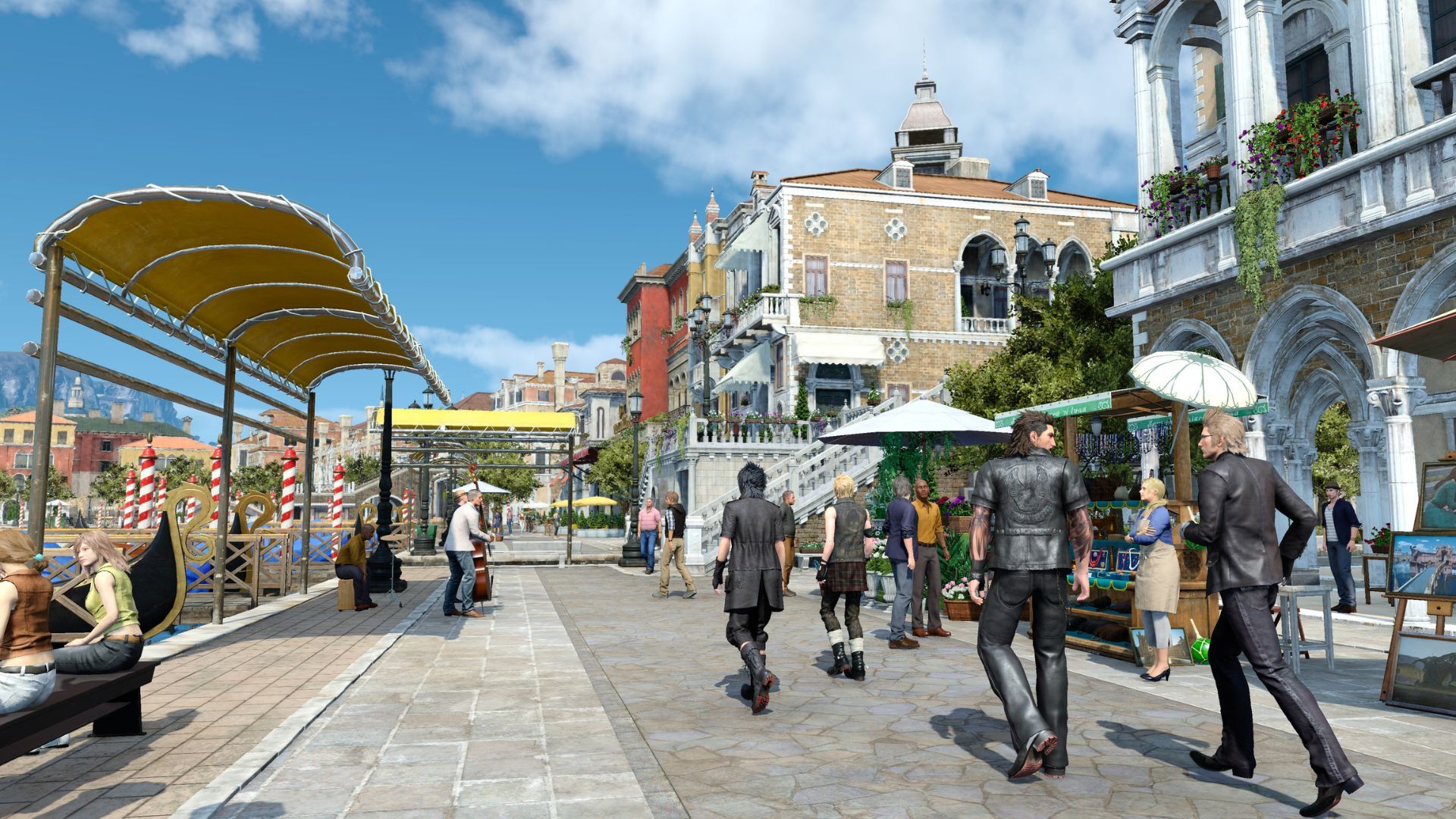
There was a lot of anticipation for the release of Final Fantasy 15, especially since it had been in development for ten years. What began as a different game, Final Fantasy Versus XIII, eventually became Prince Noctis’s story in FF15 – a significant change for the series. The game features a vast, open world where Noctis can teleport, and he’s joined by a small team of three companions who fill the roles of a typical Final Fantasy group – a gunslinger, a mage, and a tank. Most of the battles are action-focused and take place while Noctis and his friends are on a journey across the country to reclaim his throne.
Despite its initially appealing look, Final Fantasy 15 began to show problems as players progressed. You’re limited to playing only as Noctis, the game becomes very straightforward, and the ending felt disappointing. It quickly became clear that the game was released before it was truly finished. As fans worried about the series’ future, Square Enix worked to improve FF15, starting with a revised version of the disliked Chapter 13, which tied up loose ends in the story. Downloadable content then fleshed out the backstories of Noctis’s friends, and a co-op mode was eventually added. The 2018 Royal Edition includes all of these improvements.
The Elder Scrolls Online
Felt Very Generic, Unforgiving Compared To Its Standalone Counterparts
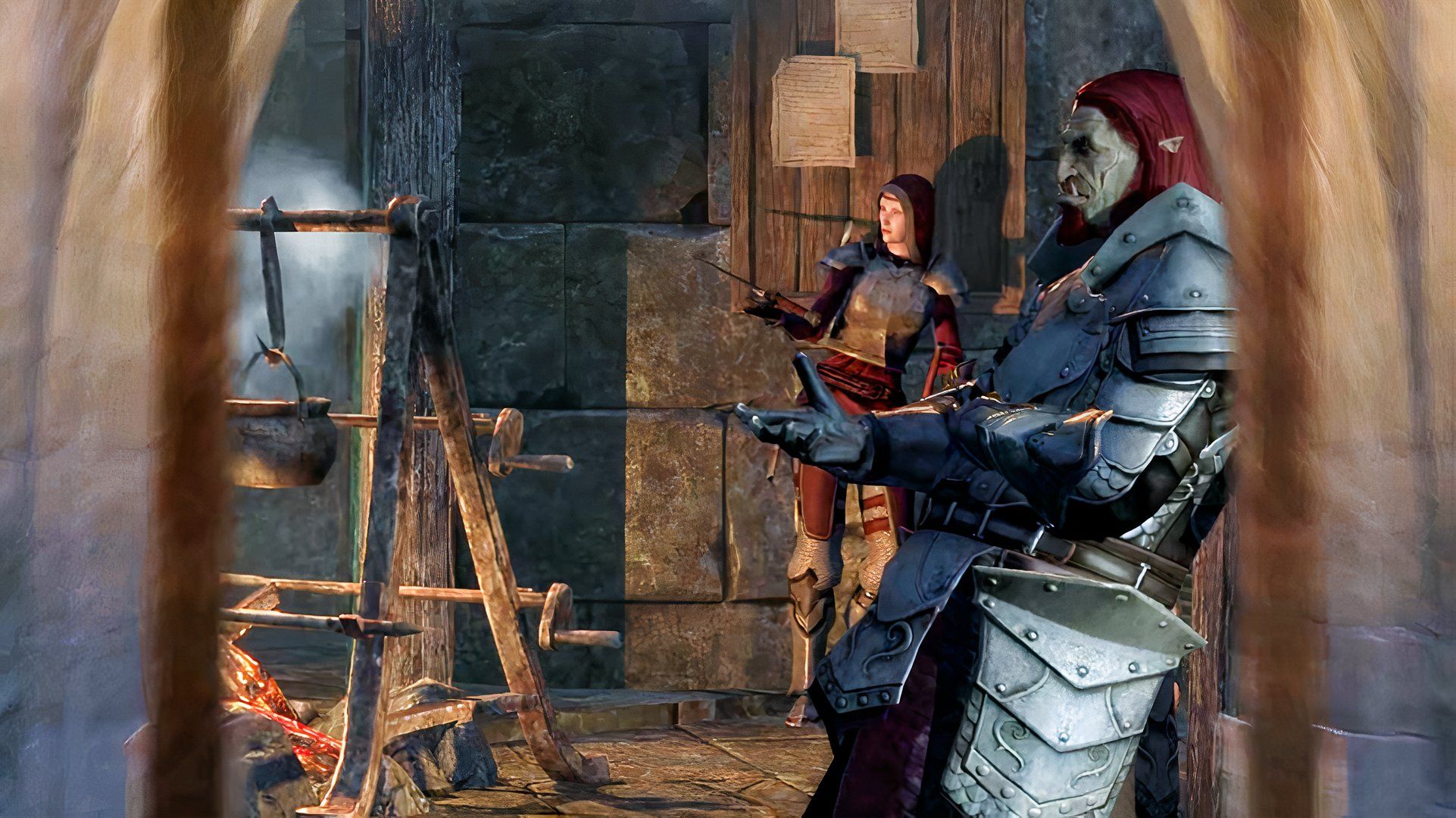
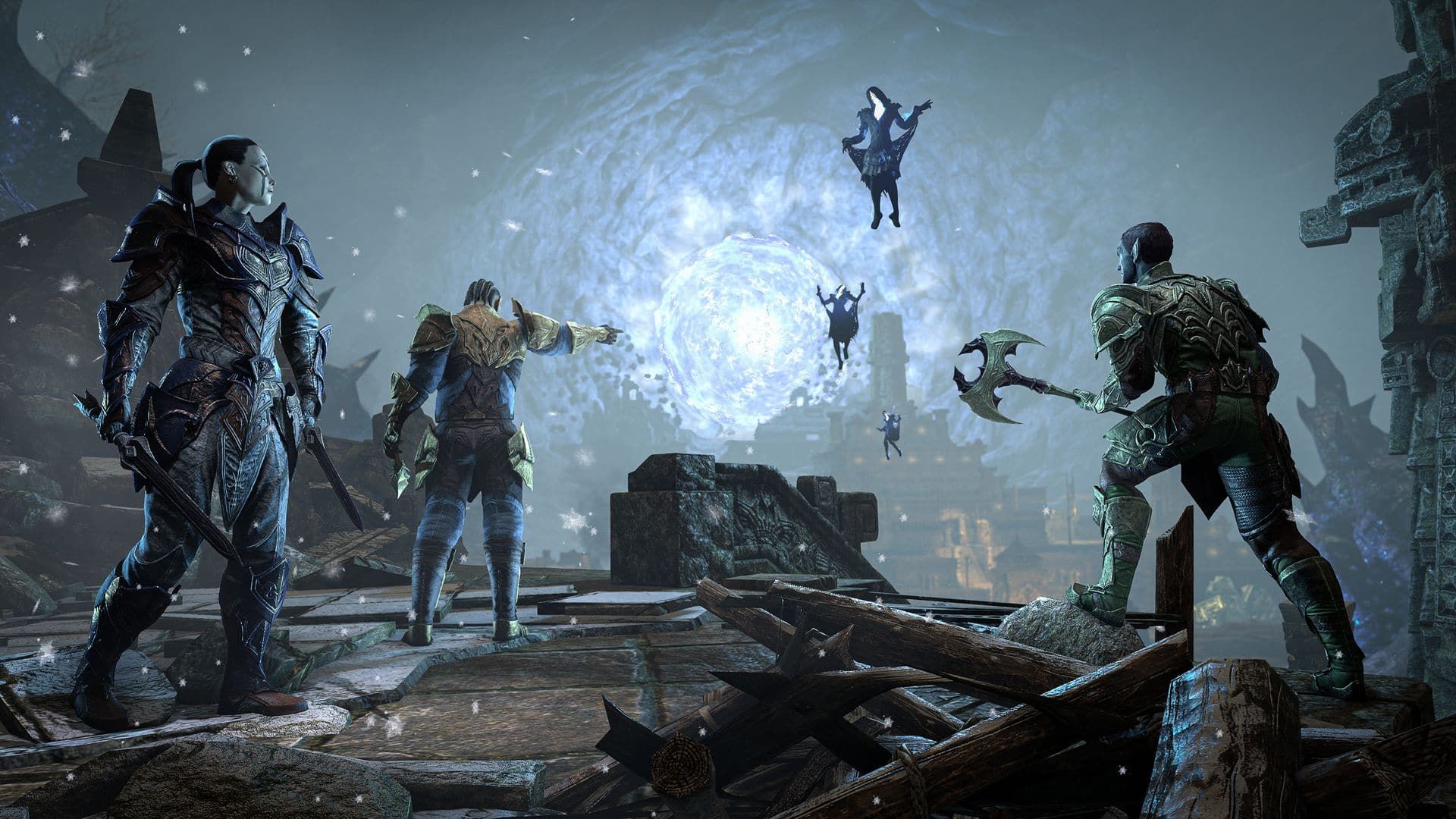
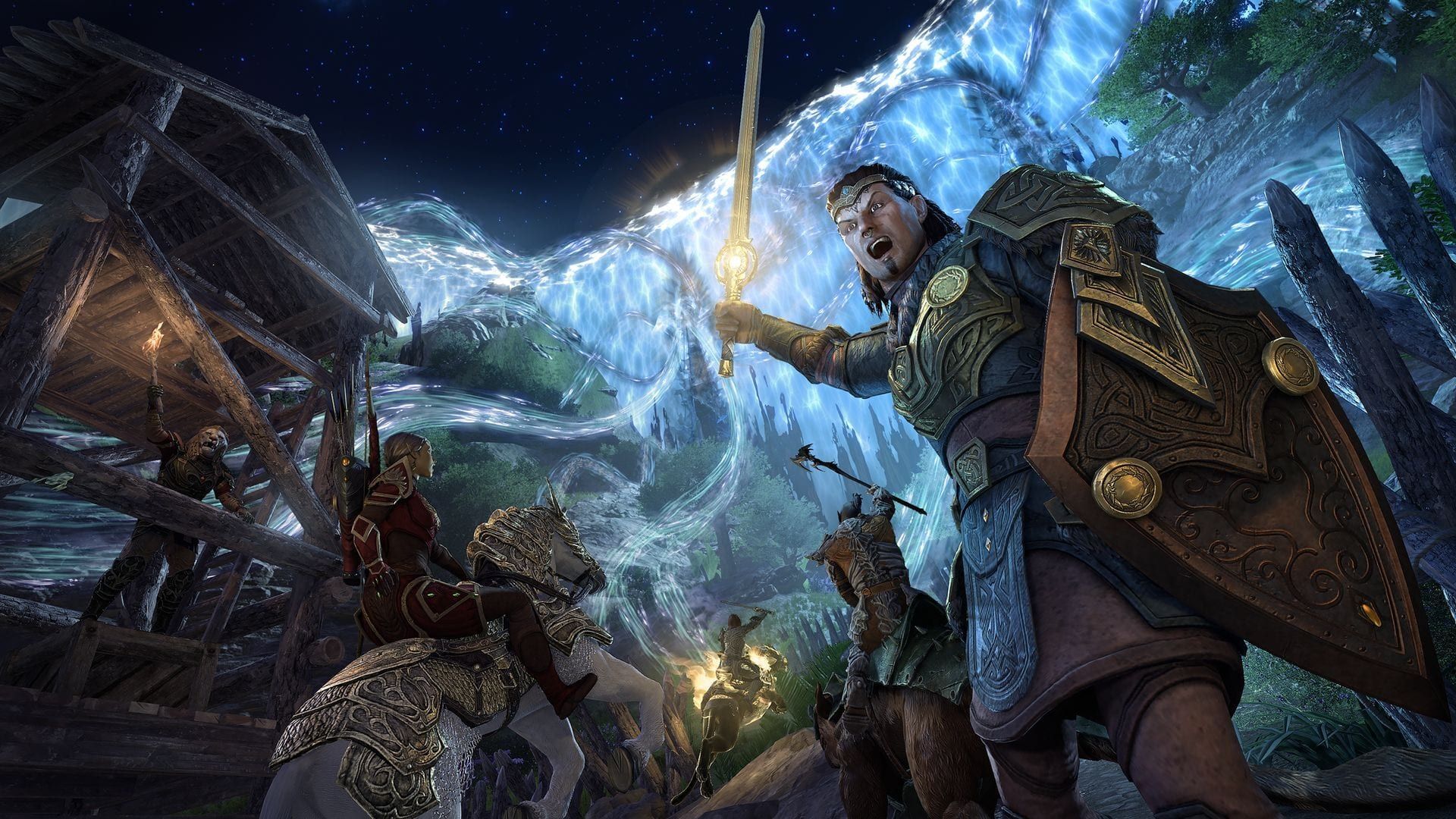
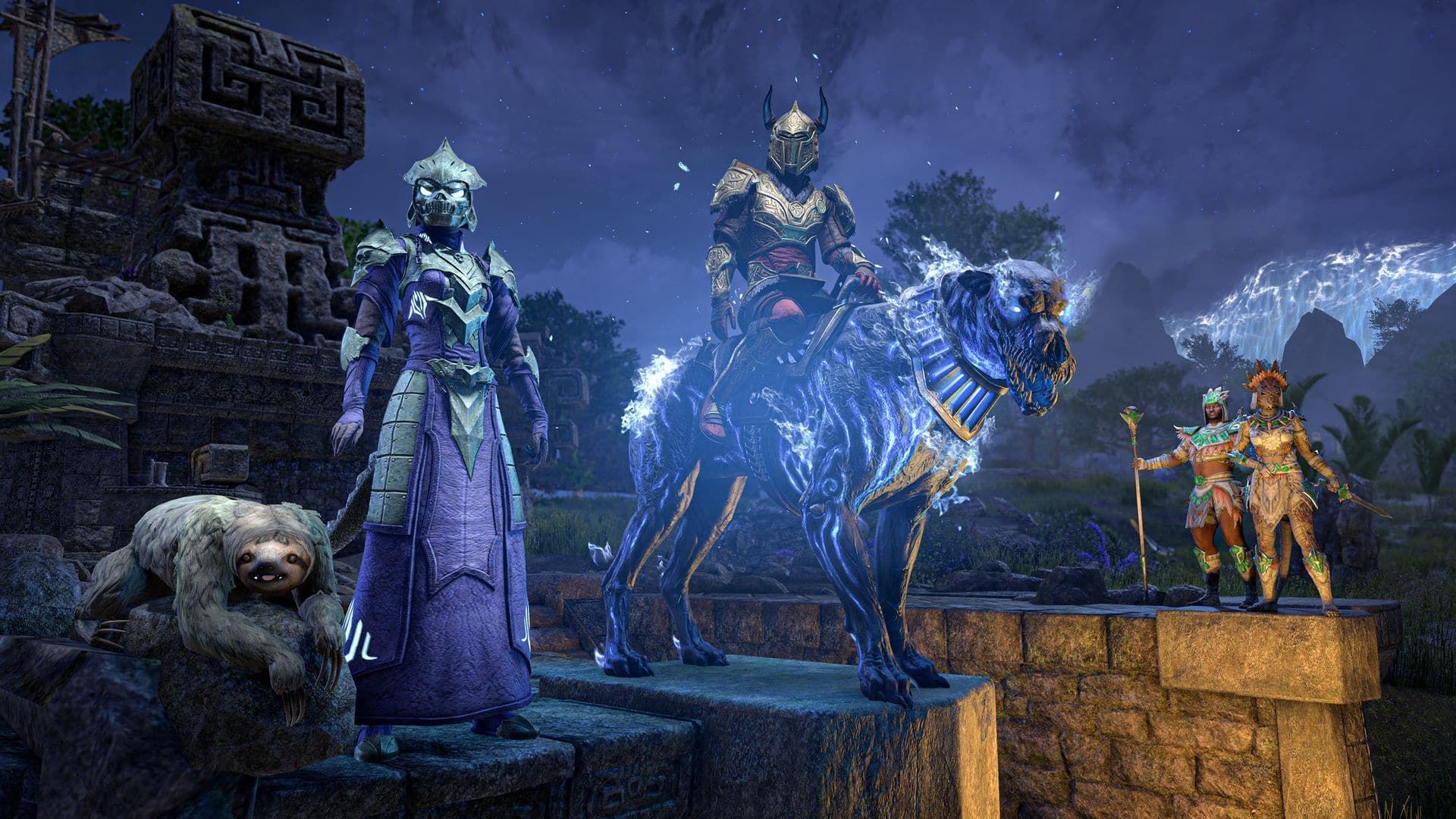
When The Elder Scrolls Online was released in 2014 as a prequel to the main series, players took on the role of the Vestige, a resurrected hero caught in the middle of Molag Bal’s attempt to conquer the world. It featured the hallmarks of an Elder Scrolls game – a vast, open world and rich backstory revealed through books and quests. However, beyond these similarities, the initial launch of the MMO fell short. It suffered from clunky animations, areas locked behind level requirements, and uninspired quests – problems common to many other MMOs. This was a significant departure from the immersive depth typically found in Elder Scrolls games, and many felt the $60 price tag, plus the required subscription, was too high.
After a long wait, the game received a major update in 2016 called “Tamriel Unlimited.” This overhaul removed restrictions on character progression, introduced seasonal events with rewards, allowed players to easily reset their skills to try different builds, and added downloadable content that gradually expanded the game world and introduced entirely new character classes—the Warden (added with the 2017 Morrowind expansion), the Necromancer (with 2019’s Elsweyr), and the Arcanist (with 2023’s Necrom Chapters). Crucially, this 2016 update also allowed players to purchase the game once and play forever, making it available to both longtime fans and new players.
Warframe
Initial Microtransactions, Destiny Comparisons Hurt Its Playerbase
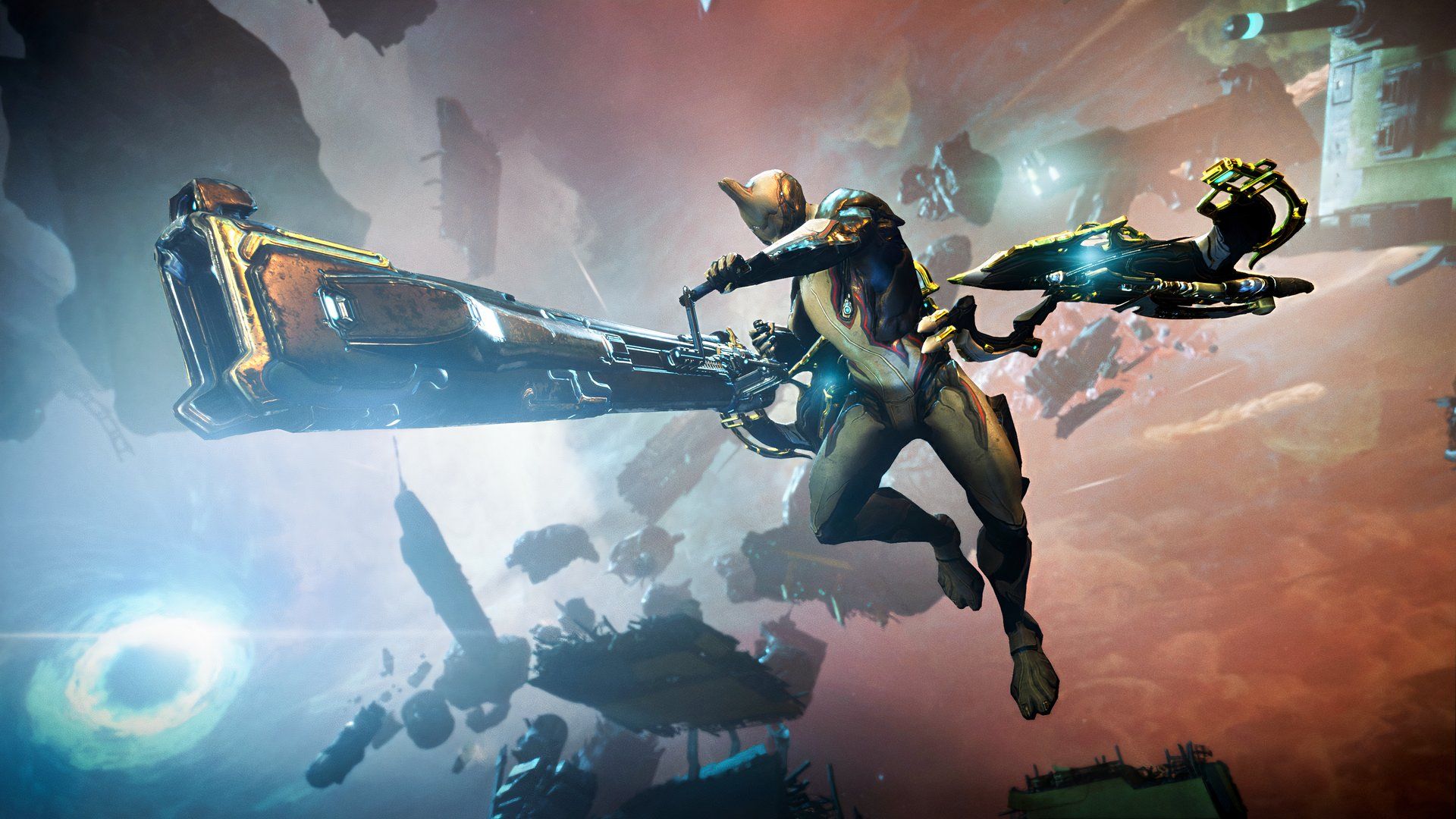
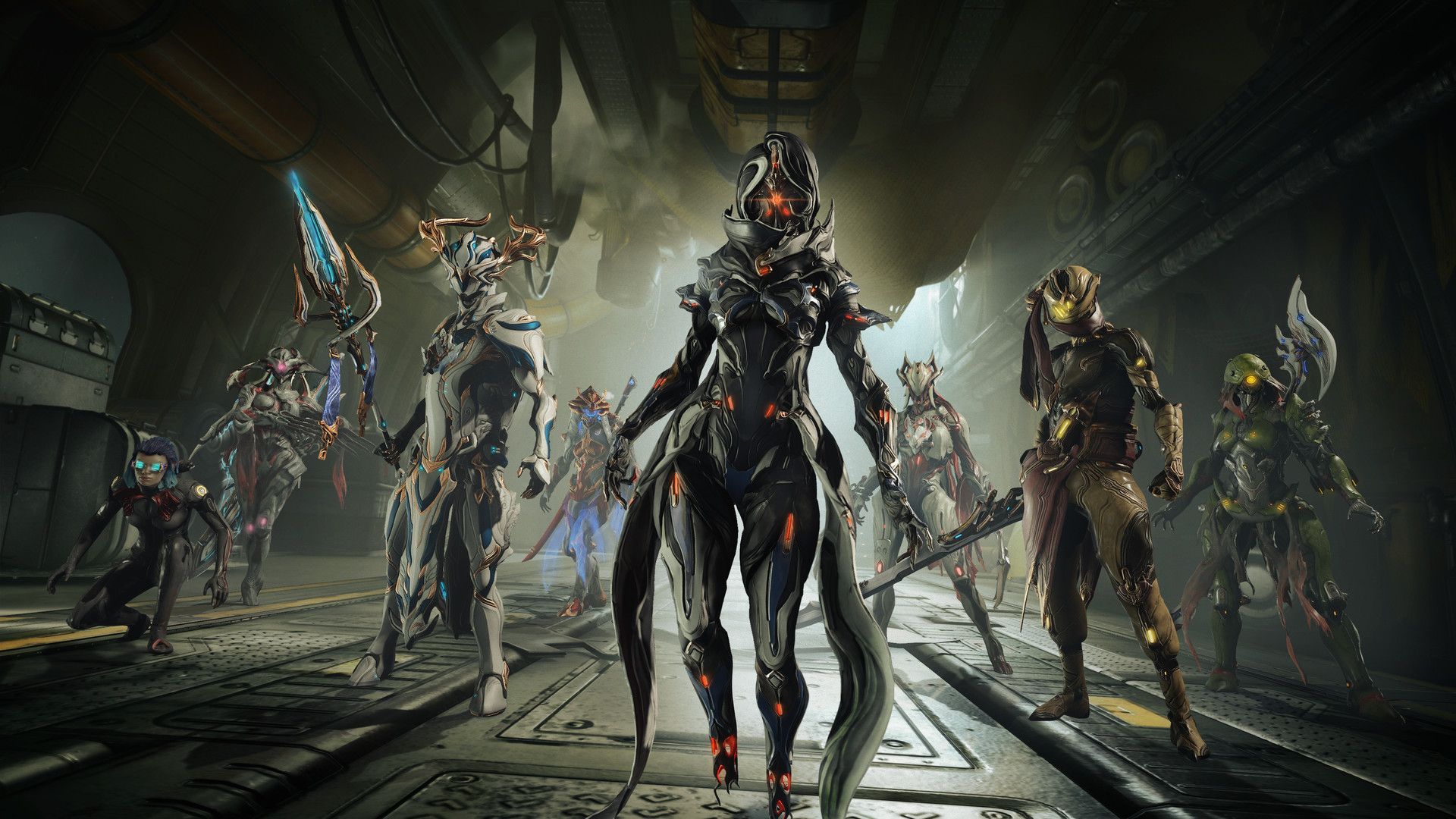
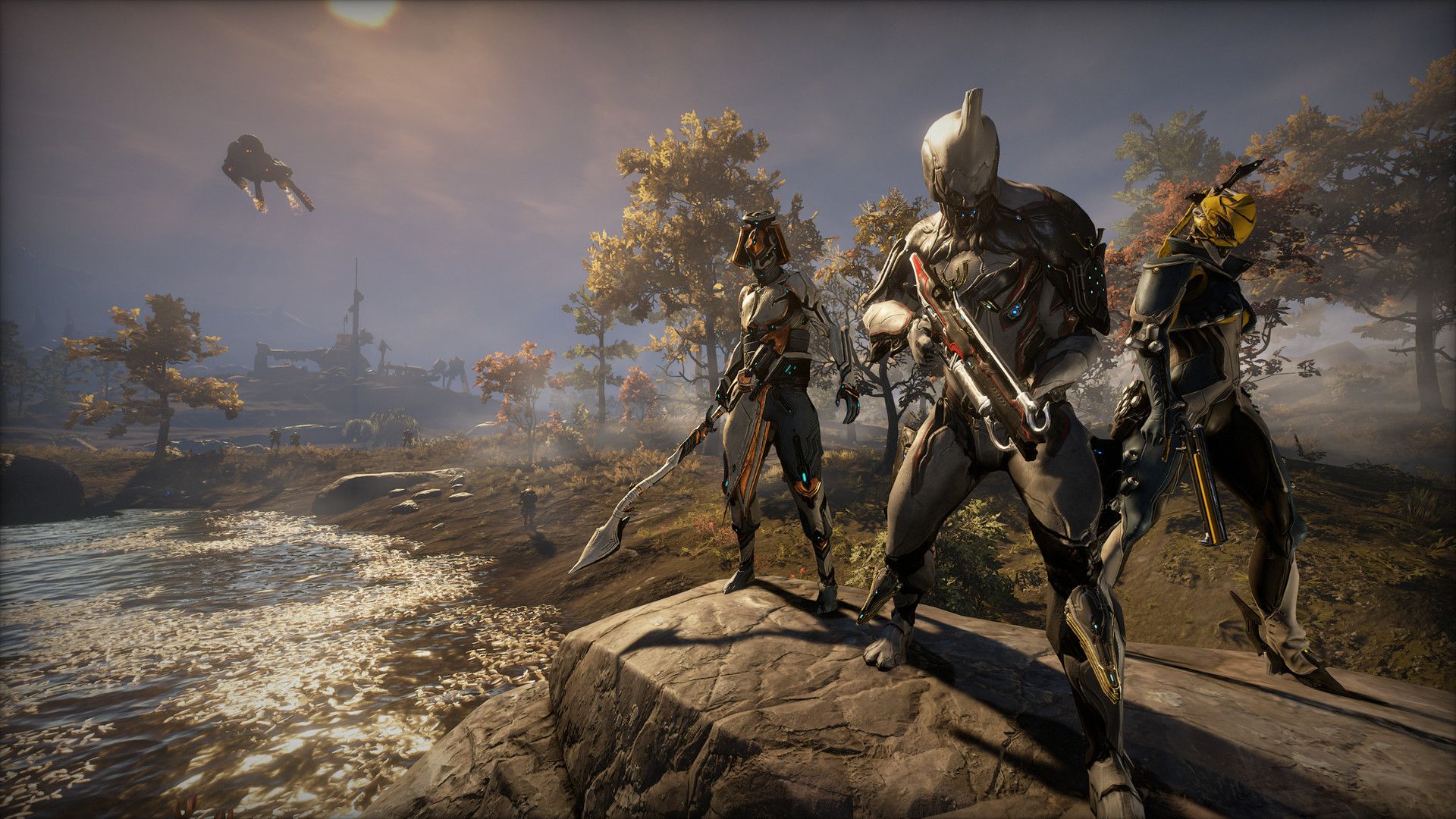
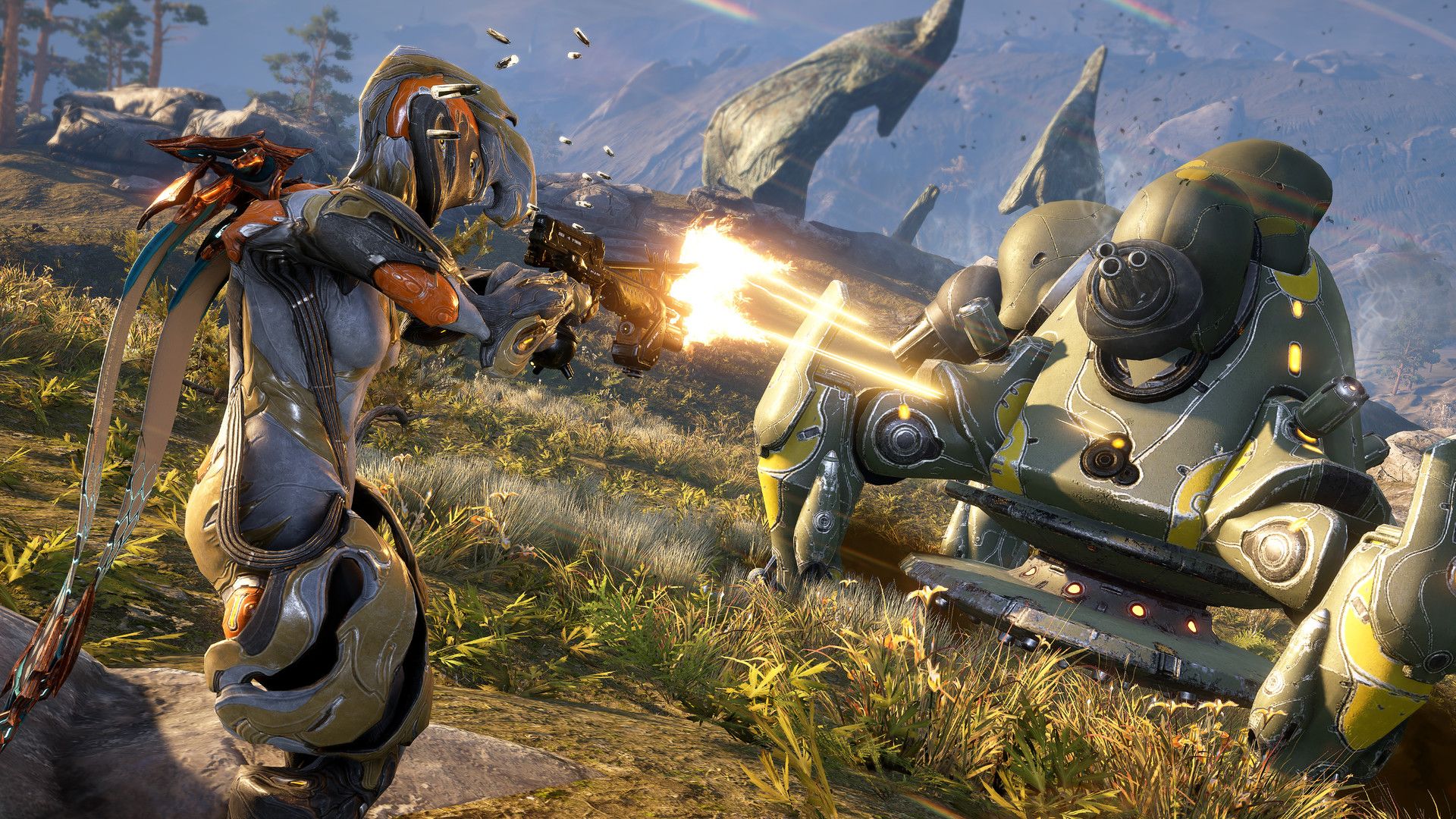
Back in 2013, when players first saw Warframe, it was often compared to Destiny, which was highly anticipated for release the following year. Considering Warframe was created by a smaller team and Digital Extremes’ previous Star Trek game wasn’t well-received, it’s understandable why some players initially preferred Destiny. Adding to the challenges, certain in-game purchases, like extensive skill trees, left a bad impression, and Warframe was already facing financial difficulties with limited funding, contributing to a decreasing player base.
Digital Extremes lived up to its name by completely eliminating microtransactions. Instead, players could purchase “Founder’s Packs” with in-game currency and items, which helped the game stay afloat when it first launched as a free-to-play title in the early 2010s, before it received much media coverage. This commitment to the free-to-play model proved successful, as a dedicated fanbase – and popular streamers like TotalBiscuit – spread the word about the game. The 2015 “Parkour 2.0” update revolutionized movement, turning Warframe into the fast-paced “ninjas in space” experience it’s known for today. By 2019, Warframe had amassed around 50 million registered players and firmly established itself as a unique game, separate from Destiny, thanks to its distinctive post-apocalyptic science fiction setting.
Cyberpunk 2077
A Broken Launch Redeemed By Slow Refinements
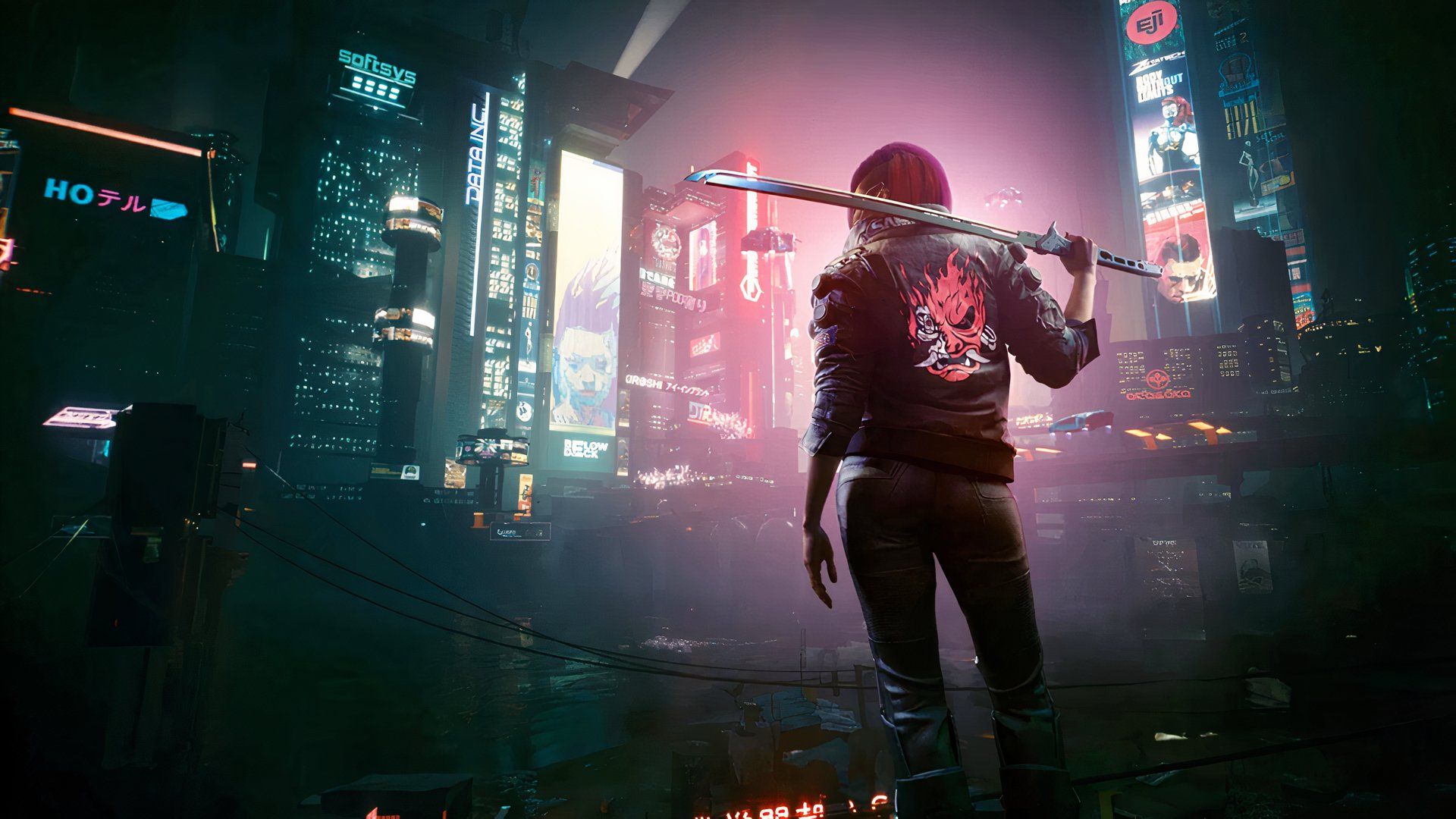
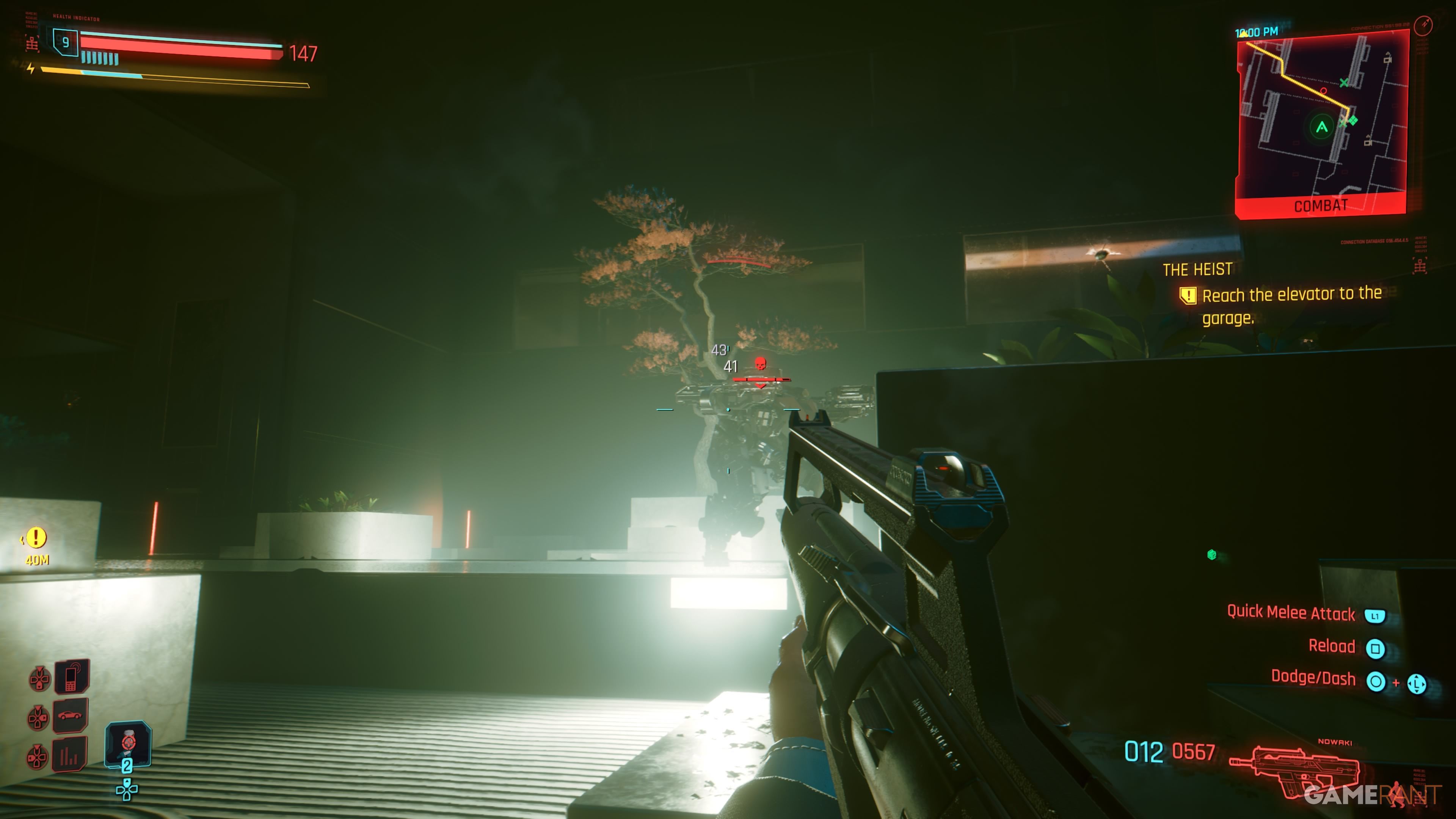
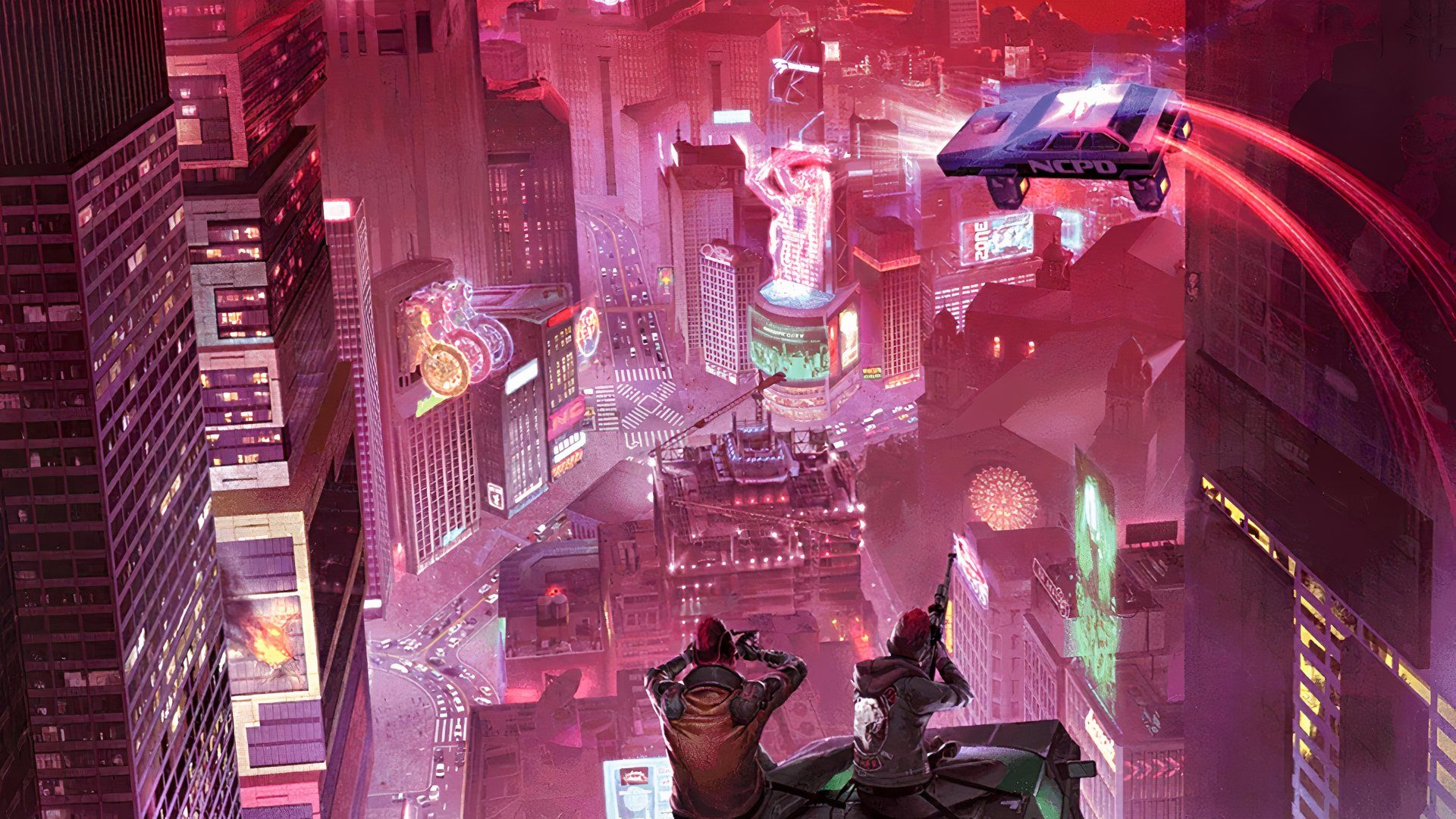
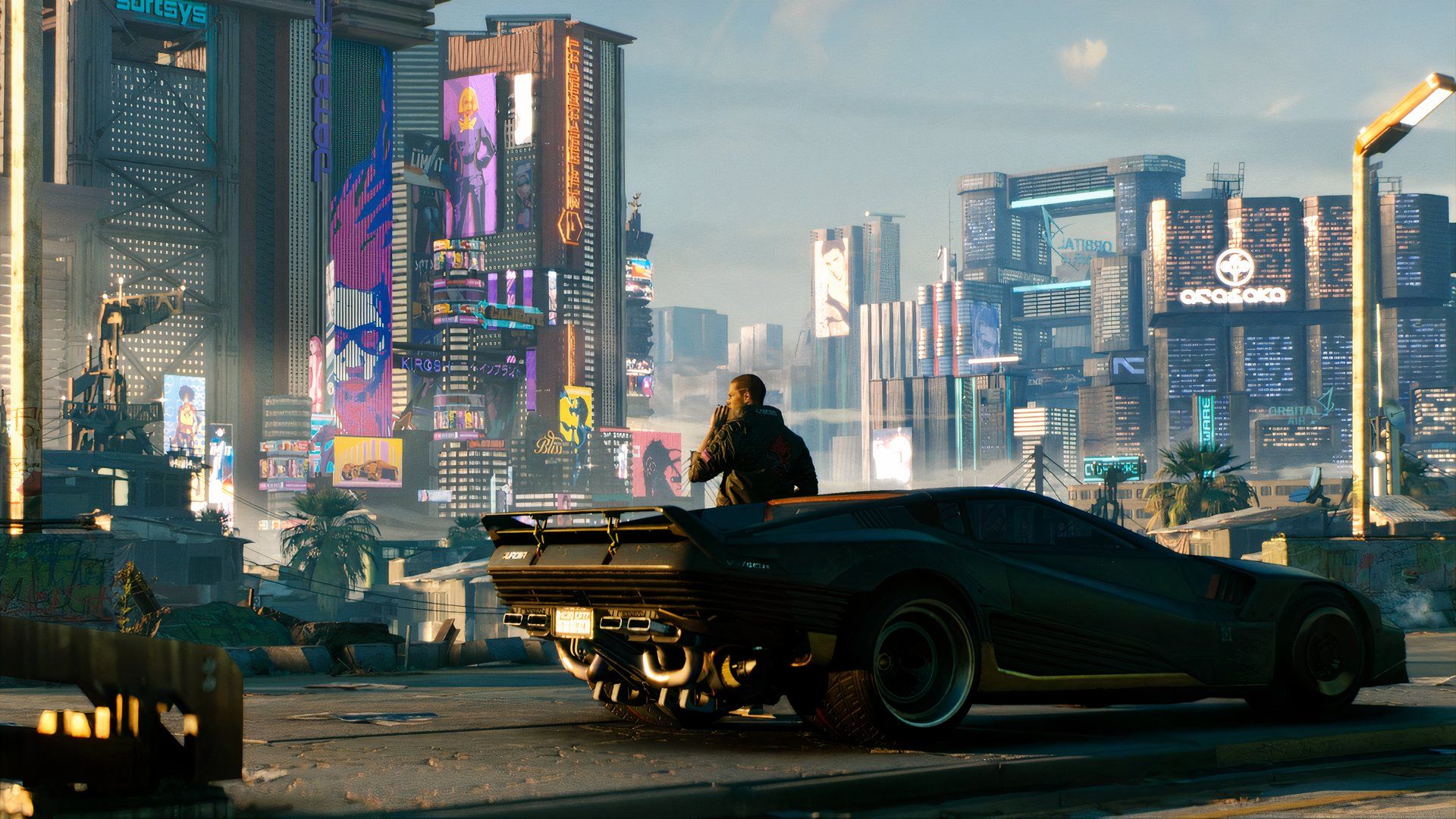
The initial marketing for Cyberpunk 2077 began around 2018, but development actually started in 2012, following the release of The Witcher 2. After an eight-year wait, there was huge pressure to create a role-playing game with the same complex gameplay and storytelling as The Witcher series (particularly The Witcher 3), all while staying true to the cyberpunk setting. The game’s launch, however, was met with mixed reactions. Players enjoyed the immersive open world and compelling story, but many struggled with the game’s mechanics and numerous bugs.
When Cyberpunk 2077 launched, it was plagued with problems. Players requested refunds, and Sony even removed it from the PlayStation Store. CD Projekt Red (CDPR) faced a lawsuit alleging they misled investors about the game’s condition. However, the popular Netflix anime Cyberpunk: Edgerunners sparked renewed interest. This was followed by Update 2.0 and the Phantom Liberty expansion, which significantly improved the game. Update 2.0 resolved many bugs and technical issues, and Phantom Liberty added a wealth of new content – including a new skill tree, quick hacks, and vehicle combat – along with a compelling story that drew players back into Night City.
No Man’s Sky
Overpromised Everything Except The Aesthetic
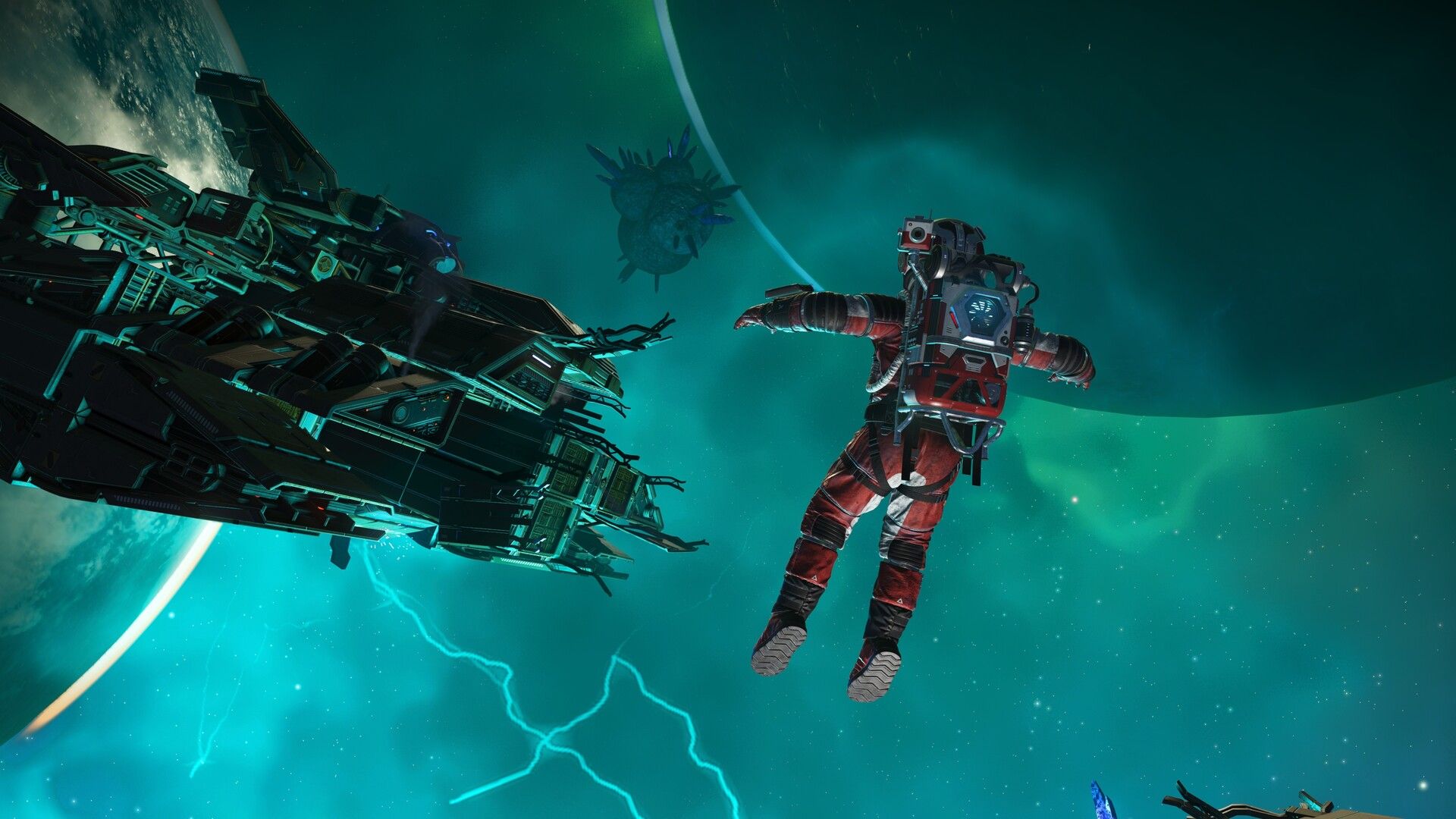
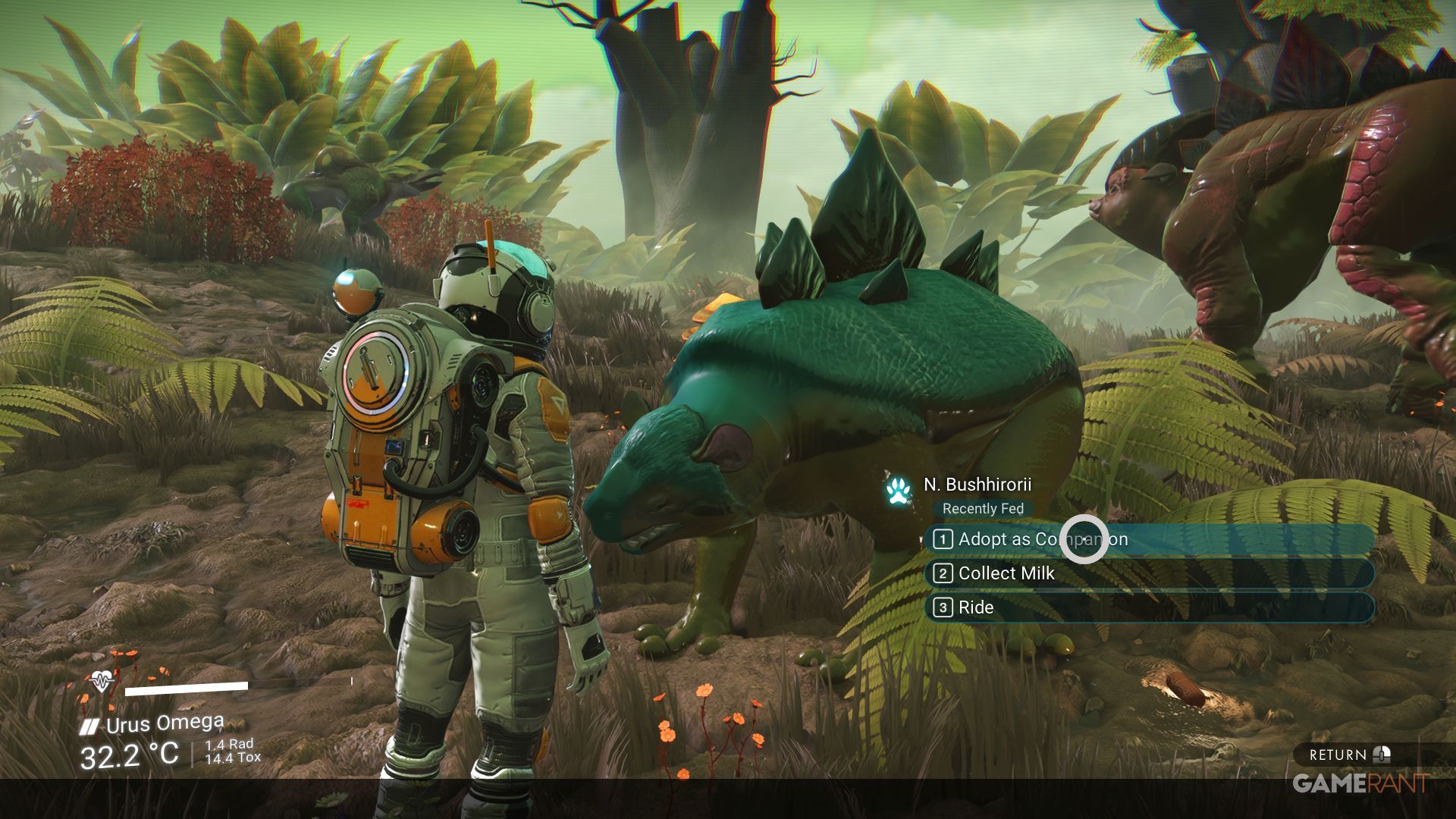
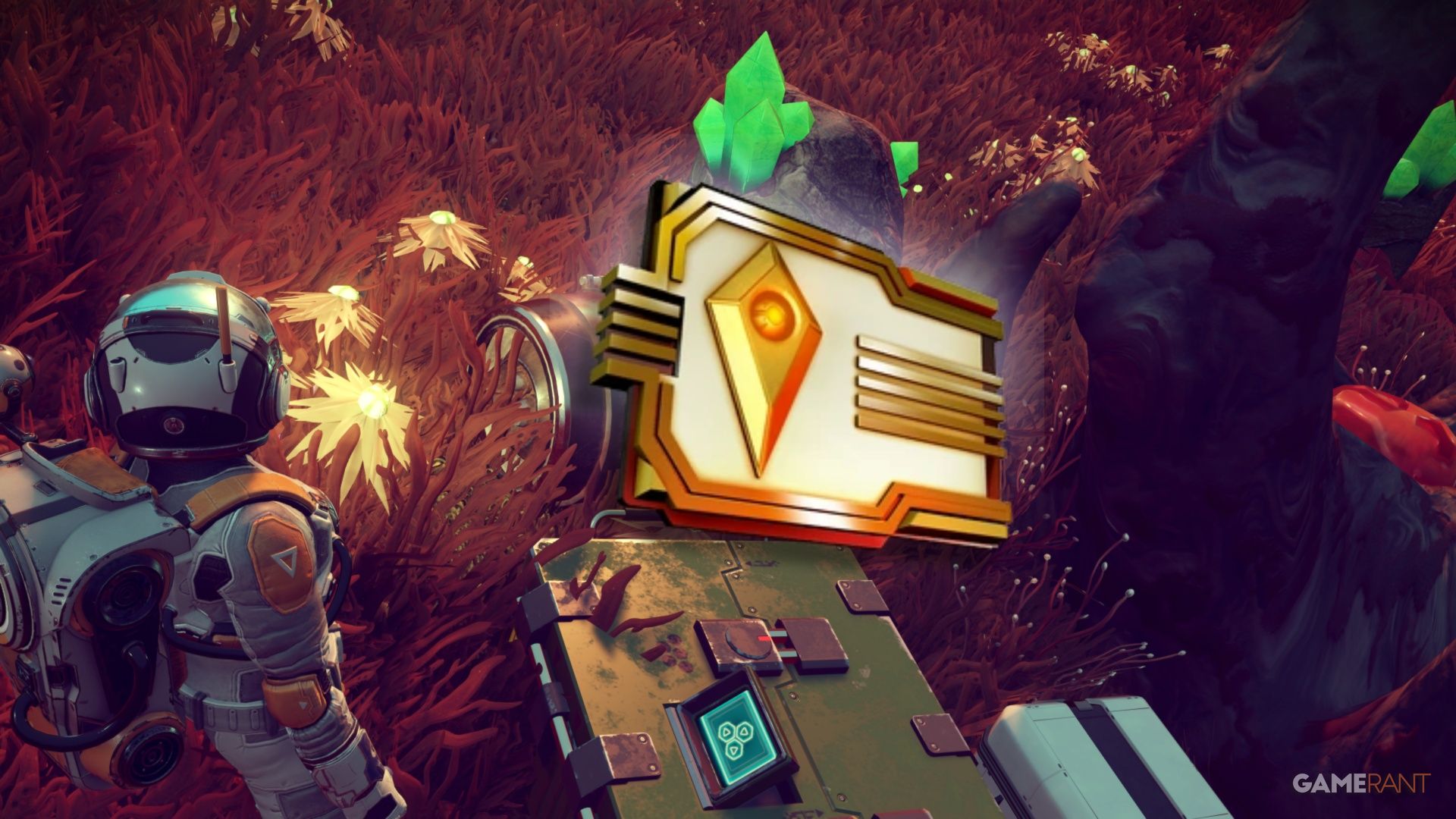
I remember when Hello Games first showed off No Man’s Sky back in 2013, and it totally blew my mind! They promised this unbelievably huge universe that was different for every player – every star, planet, plant, and creature would be unique. They even talked about multiplayer and civilizations developing on their own! Plus, the game looked amazing, like something straight out of those classic 70s and 80s sci-fi movies – a really fresh look compared to a lot of the space games we were seeing. But when it actually launched in 2016, it turned out to be nothing like what they’d promised, honestly.
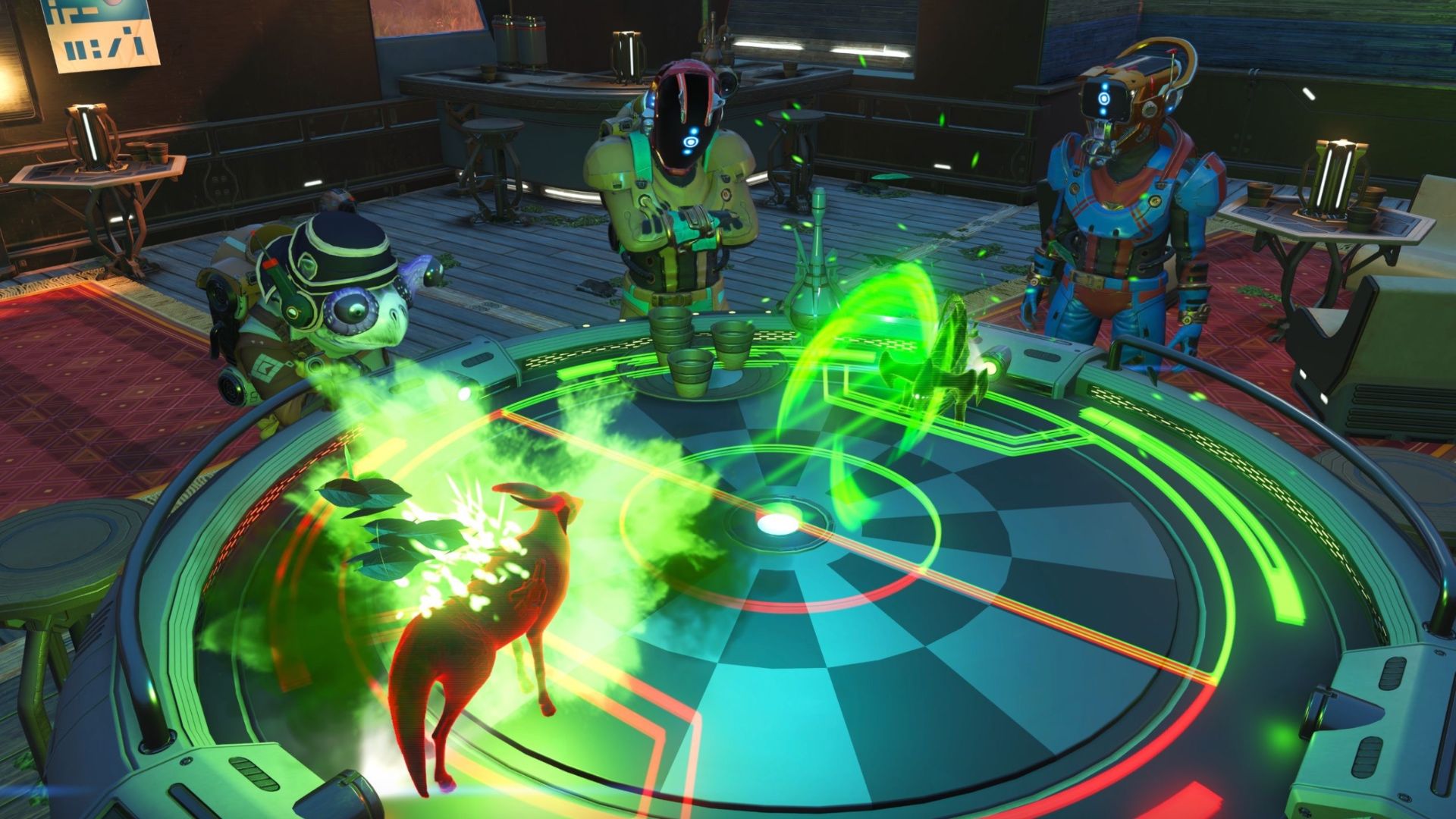
When No Man’s Sky first came out, it quickly became clear that relying on procedural generation had its limits. Basically, there were only so many building blocks, which meant exploration started feeling pretty samey after a while. The vastness just felt…empty, and the cool visuals couldn’t really fix that. But Hello Games didn’t give up! They started turning things around with the ‘Foundation’ update, which brought players back and added some new ways to play. Then ‘Pathfinder’ in 2017 made exploring planets a lot smoother. From 2018 all the way through 2024, they kept adding stuff – multiplayer, more things to do, and even improved how the game generated its worlds. And then, with 2026’s ‘Xeno Arena’, they went all-in with a whole creature-capturing and battling system. It’s come a long way!
Final Fantasy 14
A Launch So Bad Square Enix Had To Nuke The Game
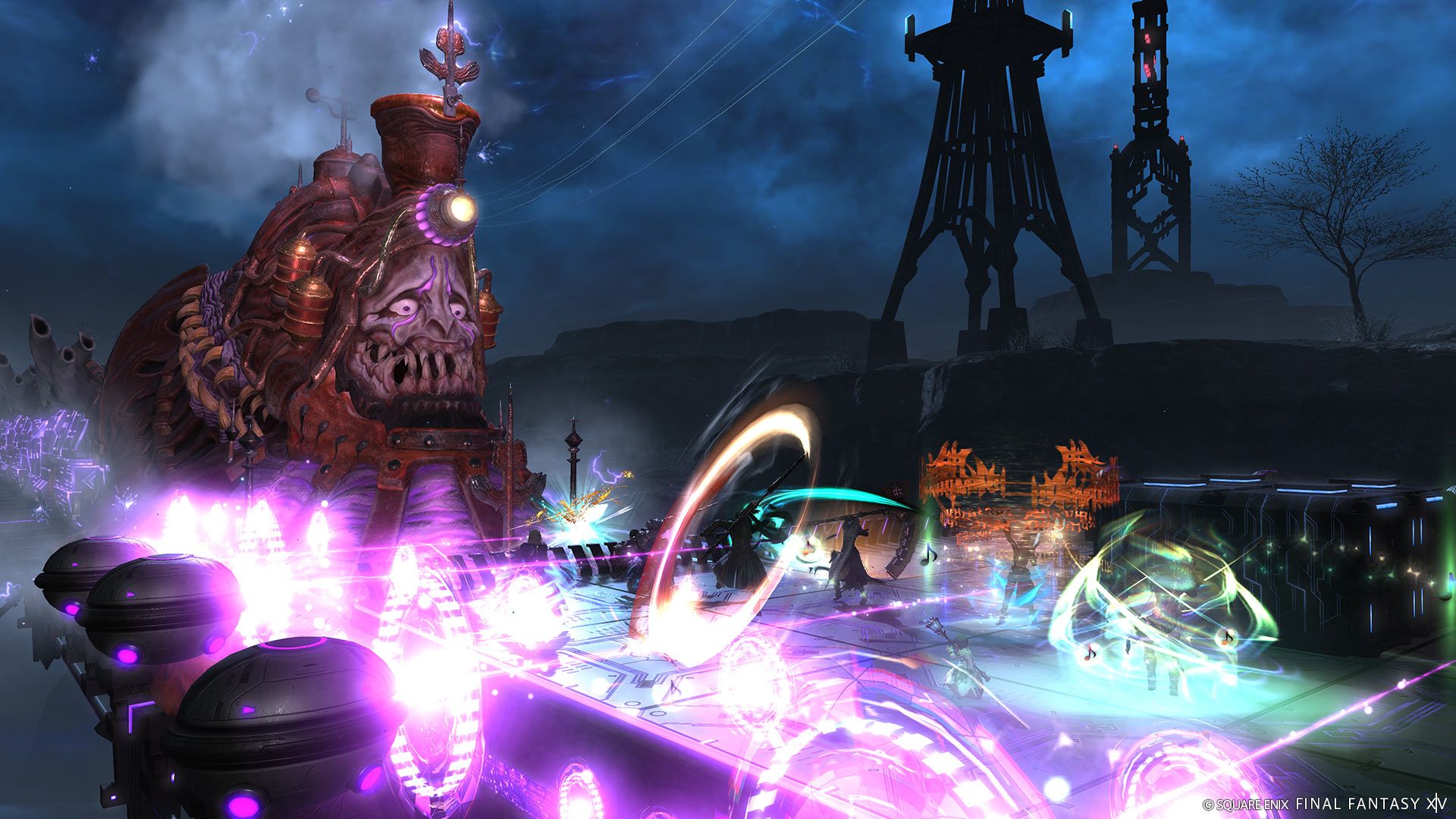
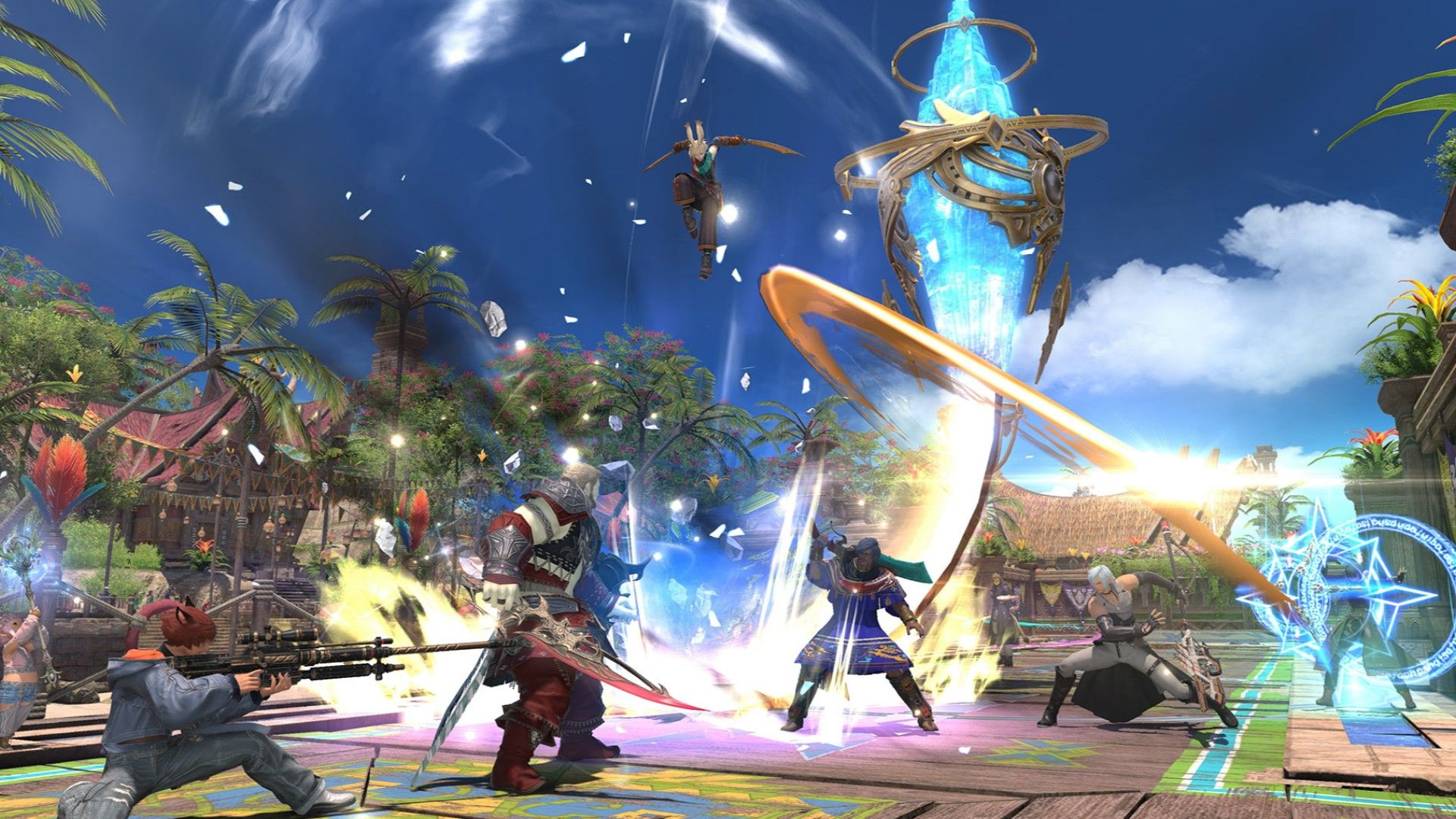
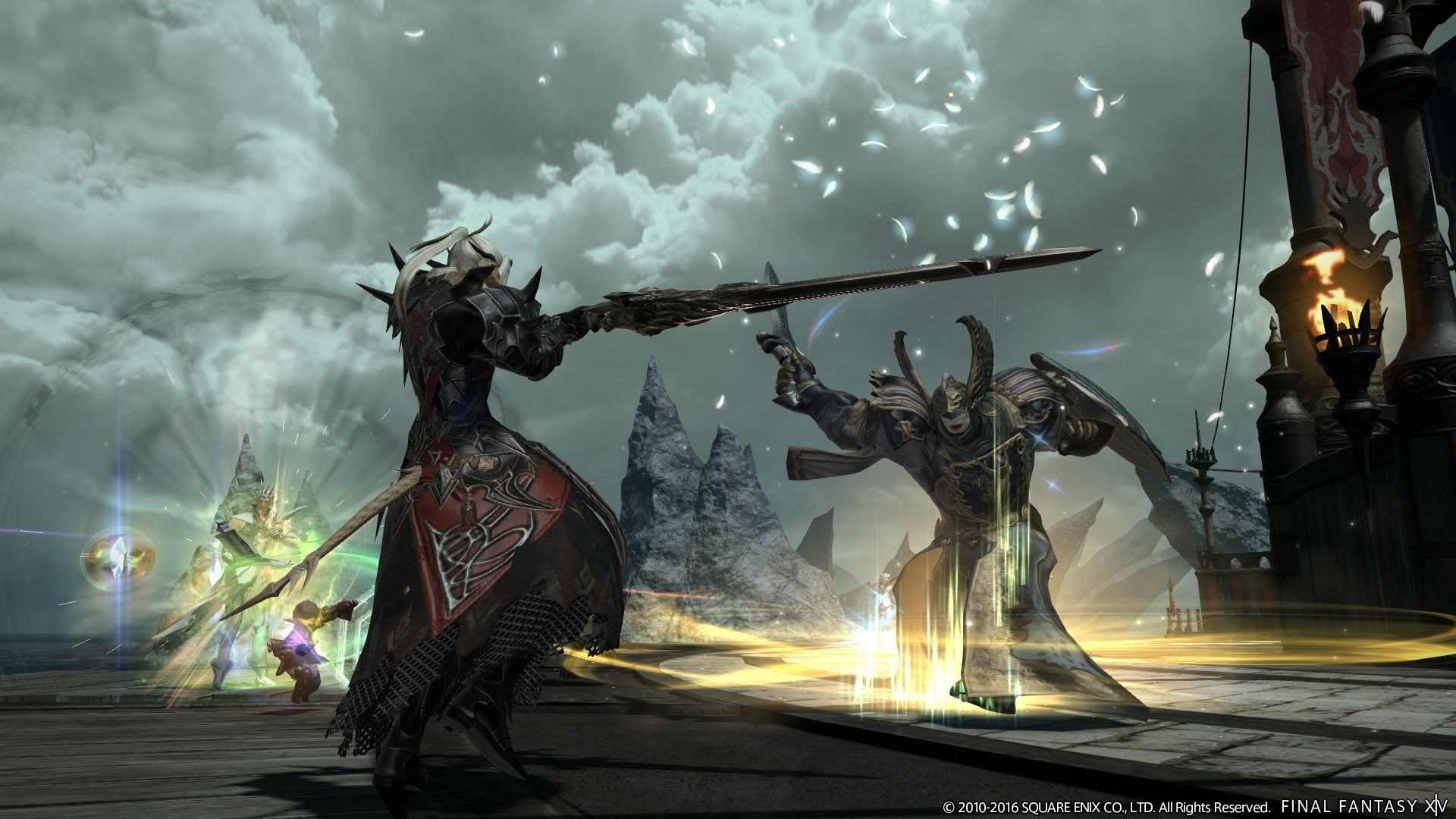
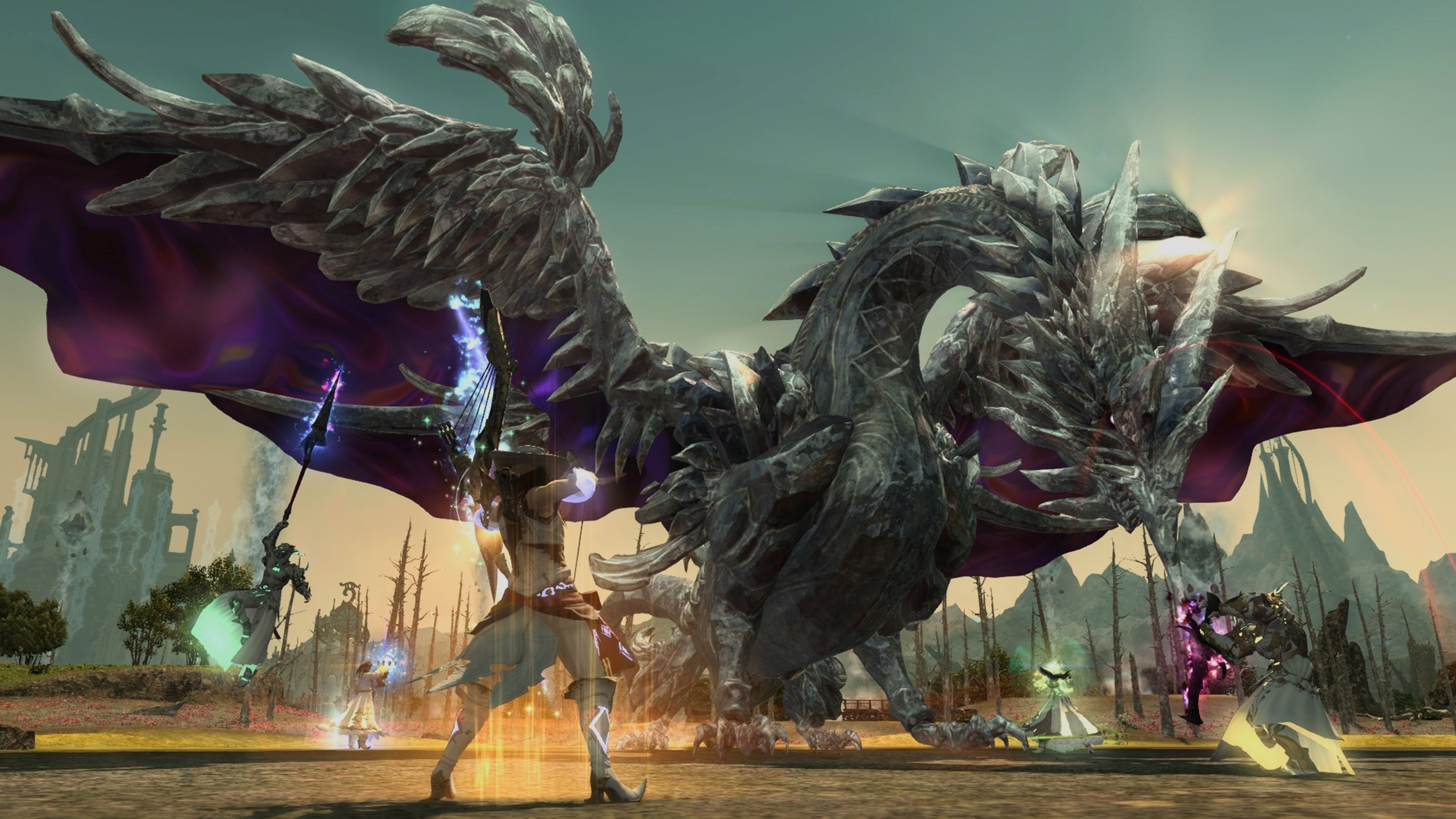
When Final Fantasy 14 launched in 2010, it was a huge disappointment to fans, despite being in development since 2005. The game suffered from major technical issues, with servers unable to handle the number of players, and wasn’t well-optimized for PC gamers. Many found the game’s menus, controls, and overall interface overly complicated, and leveling up felt restrictive due to limited, time-based quests. Other problems included strange glitches like invisible walls, items that wore down without any warning, a lack of an in-game encyclopedia, a system that favored damage-dealing classes for experience points, no way to trade items with other players, and a lack of support for gaming mice. To make matters worse, Square Enix charged players a monthly subscription fee to play this flawed game, which understandably frustrated fans.
Square Enix eventually had to formally apologize to players and completely rebuild the game, releasing what they called “Version 2.0.” Before that, Patch 1.18 significantly improved the combat and introduced a new storyline. This culminated in the “End of an Era” trailer for A Realm Reborn, which coincided with the game servers shutting down – and, within the game’s story, the destruction of the existing world, fast-forwarding the narrative five years. After this massive overhaul, Final Fantasy 14 became a highly praised MMO, known for its engaging story, easy-to-learn controls, and exciting combat and class system.
Read More
- Change Your Perspective Anomaly Commission Guide In NTE (Neverness to Everness)
- How to Get the Wunderbarrage in Totenreich (BO7 Zombies)
- All Nameless Hospital Endings Full Guide In NTE
- Beware! Phishing Emails Are Deceiving Robinhood Users in a Sneaky Plot!
- Robinhood’s $75M OpenAI Bet: Retail Access or Legal Minefield?
- NTE Banners (Current, Next, And Upcoming Banners)
- How to Beat Turbines in ARC Raiders
- All the Free Games You Can Claim in May 2026
- NTE Fan Shows Off Mint Cosplay
- Midas Tower ReroRero Phone Booth Location in NTE
2026-05-09 07:37