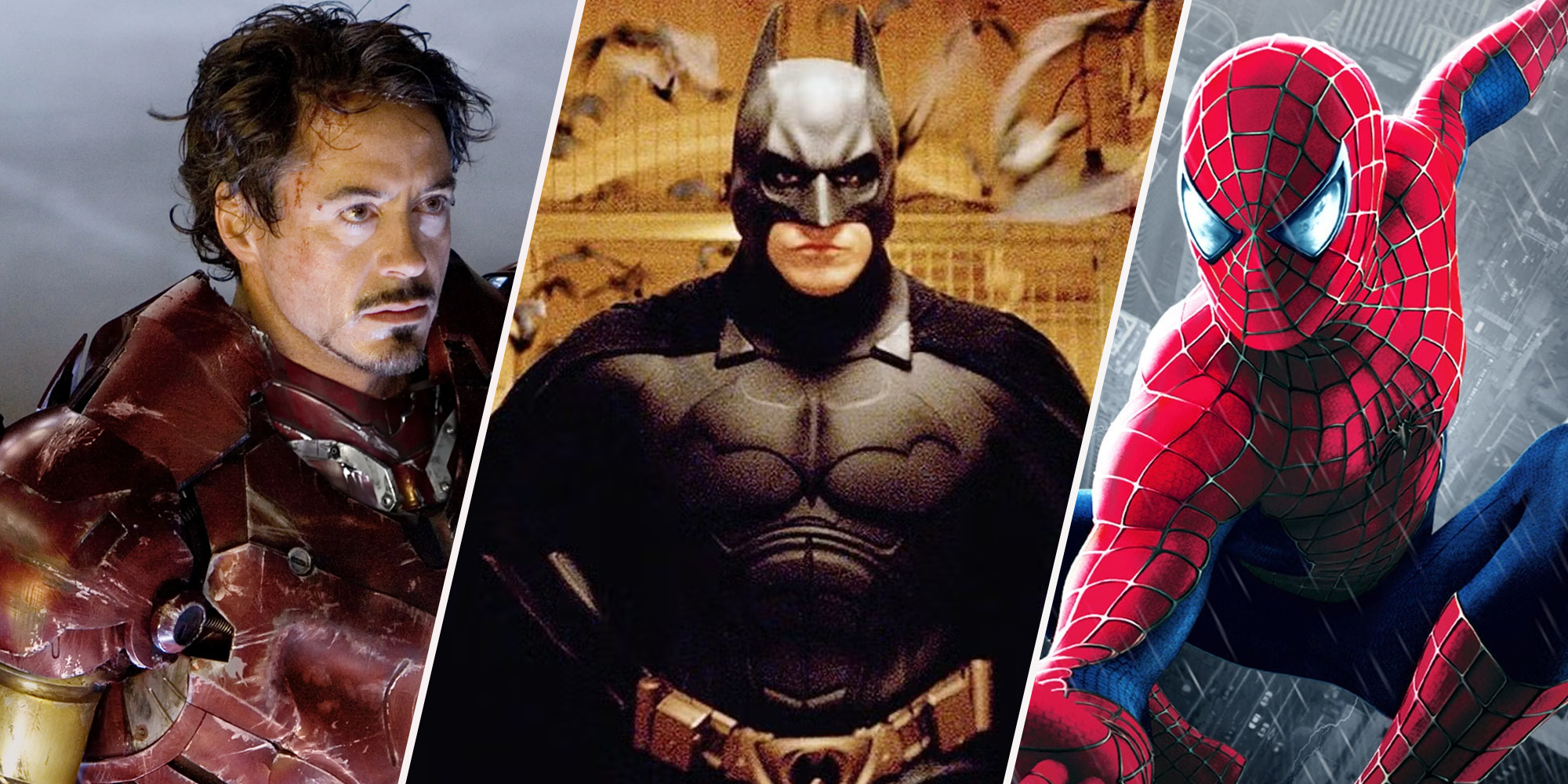
Both DC and Marvel rely on origin stories to launch successful superhero movies. Before the action and expansive universes, audiences need to connect with the hero’s beginnings and understand what makes them tick. For many, especially those new to the comics, these origin films are the first step into a hero’s world, revealing the experiences, motivations, and fears that turn them into legends.
The most compelling superhero origin stories aren’t simply about someone gaining powers; they connect those powers to relatable human experiences. These stories often explore themes like overcoming loss, finding purpose, or learning from mistakes. Whether it’s a wealthy person escaping imprisonment, an outcast discovering their place, or a shy teen grappling with regret, these films work because they focus on the personal journey of change before showcasing the extraordinary abilities.
10. Doctor Strange Perfected the MCU Origin Formula
Released in 2016, Doctor Strange starts by showing us Stephen Strange as a very confident, even arrogant, man – long before he becomes a hero. Benedict Cumberbatch plays Strange as a brilliant neurosurgeon who is initially cold and uncaring. The movie takes time to establish just how emotionally distant he is before a car accident damages his hands and sets him on a different path.
Seeing the movie in a theater really emphasized how much Strange changed as the story went on. At first, he’s not very likable – he seems arrogant and dismissive. The audience actually responded more to his attitude than to the idea of him becoming a superhero, which made his eventual transformation feel even more impactful. Once he arrives at Kamar-Taj, the contrast is striking. A man who always valued independence and disregarded others is now in a place that demands self-control, patience, and letting go.
The movie felt fresh and surprising because Marvel hadn’t explored magic and the mystical to this extent before. The scenes in the mirror dimension, with their shifting and distorted cities, were truly disorienting and immersive, especially the exciting chase through a folding city – a visual style unlike anything seen in previous Marvel films. Despite all the impressive effects, the most powerful moments were often the quieter ones, like when Doctor Strange grappled with losing his purpose after being unable to practice surgery.
The biggest impact of the story isn’t the magical powers, but the emotional journey. The Ancient One focuses on challenging Strange’s feelings before his abilities, forcing him to confront his flaws. He doesn’t become a hero right away; instead, he struggles with opening up and letting go of his pride. This slow process of self-discovery is what makes his growth meaningful and his eventual change so rewarding.
9. Ant-Man is Ant-Mazing
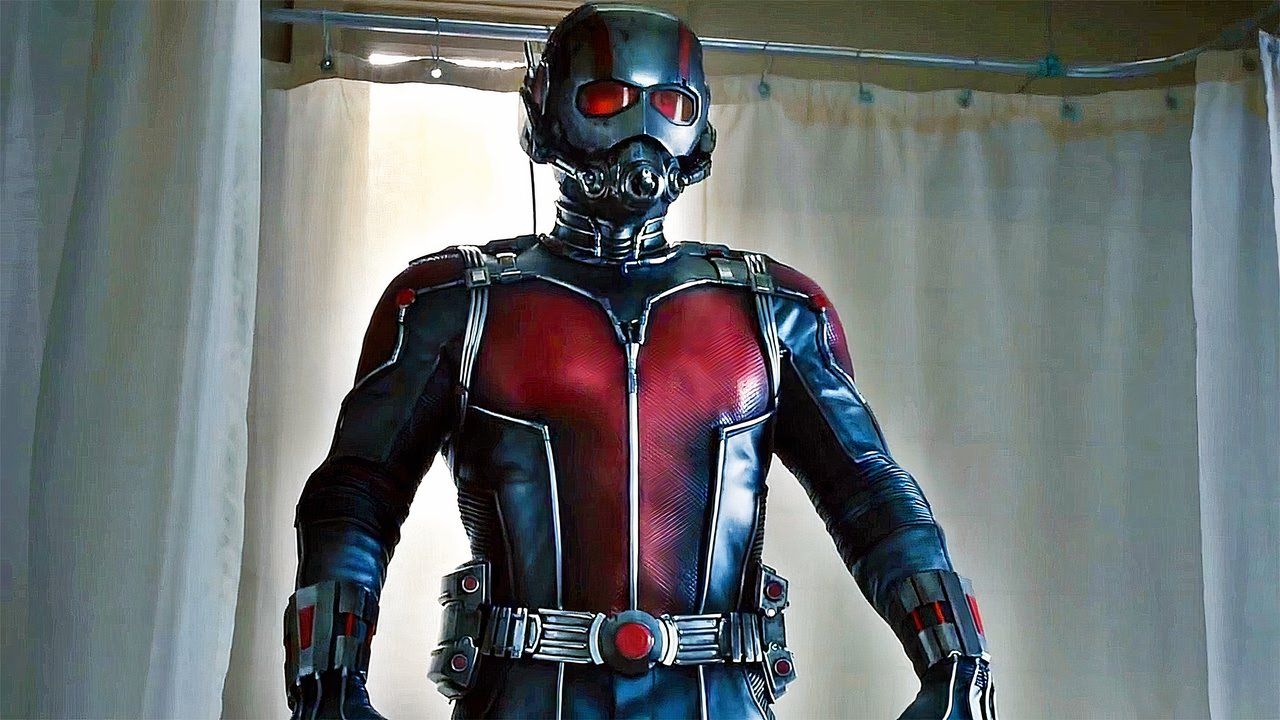
Before becoming the superhero Ant-Man in the 2015 movie of the same name, Scott Lang (played by Paul Rudd) is shown as an ordinary man trying to get his life back on track after being in prison. Unlike many other heroes in the Marvel Cinematic Universe, Scott doesn’t start with a huge destiny or world-saving mission – he’s simply focused on staying out of trouble and rebuilding his relationship with his daughter.
You know, what really struck me about this latest installment was how intimate it felt. Usually, these films deal with world-ending threats, but this one smartly scaled things back. It’s a surprisingly refreshing change of pace. And Scott’s reasons for doing what he does? They’re wonderfully personal. The movie keeps returning to his relationship with his daughter, and it grounds his choices in a really compelling way. It doesn’t feel like he’s fulfilling some grand destiny; it feels like a father desperately trying to hold onto what truly matters.
The training scene in the bathtub is what really made the origin story stand out. Seeing Scott fumble with the suit, where small things suddenly feel huge, was both funny and suspenseful. A simple fall felt like a dangerous drop from his point of view, even though it happened in an ordinary bathroom. This contrast – everyday settings combined with superhero-level danger – made the whole idea feel surprisingly personal and relatable on screen.
Scott doesn’t become a typical superhero. Even with his suit, he’s often unsure of himself and makes things up as he goes along, rather than following a flawless plan. This makes him relatable, particularly when he’s both confident and hesitant at the same time.
8. Man of Steel is the Definitive Superman Origin Movie
Released in 2013, Man of Steel offered a fresh take on Superman, portraying him as a more solitary and emotionally reserved character compared to previous versions. Henry Cavill’s portrayal of Clark Kent shows him as someone struggling to find his purpose long before he becomes a celebrated hero.
Clark’s childhood wasn’t marked by boldness or self-assurance; instead, he grew up hesitant and reserved. His powers are seen as more of a problem than a gift, leading to a more subtle, internal struggle than typical for a Superman narrative.
You know, the scenes with Jonathan Kent really stuck with me. The way they kept hammering home the need for secrecy and being careful… it completely reshaped how I saw Clark’s whole journey. It wasn’t about him being destined to be Superman, it felt like he slowly, and understandably, came to terms with who he was, given the constant pressure to hide. It made his choices feel so much more earned and realistic.
Henry Cavill truly feels like Superman when he plays the role. He embodies the character effortlessly, as if it’s a natural fit rather than something he has to act. It’s clear he’s deeply studied the comics and other source material, which results in a thoughtful and realistic performance throughout the film.
The film focuses more on Superman’s internal struggle with his identity than on the massive destruction around him. The scenes showing Krypton depict a fantastical, ancient past, contrasting with the more realistic feel of Earth. The music by Hans Zimmer and the film’s subtle visuals emphasize Clark Kent’s emotional separation from both worlds. Ultimately, the movie portrays Superman as a character still discovering his purpose, rather than a fully realized hero.
7. Wonder Woman is Still One of the Best DCU Movies Ever Made
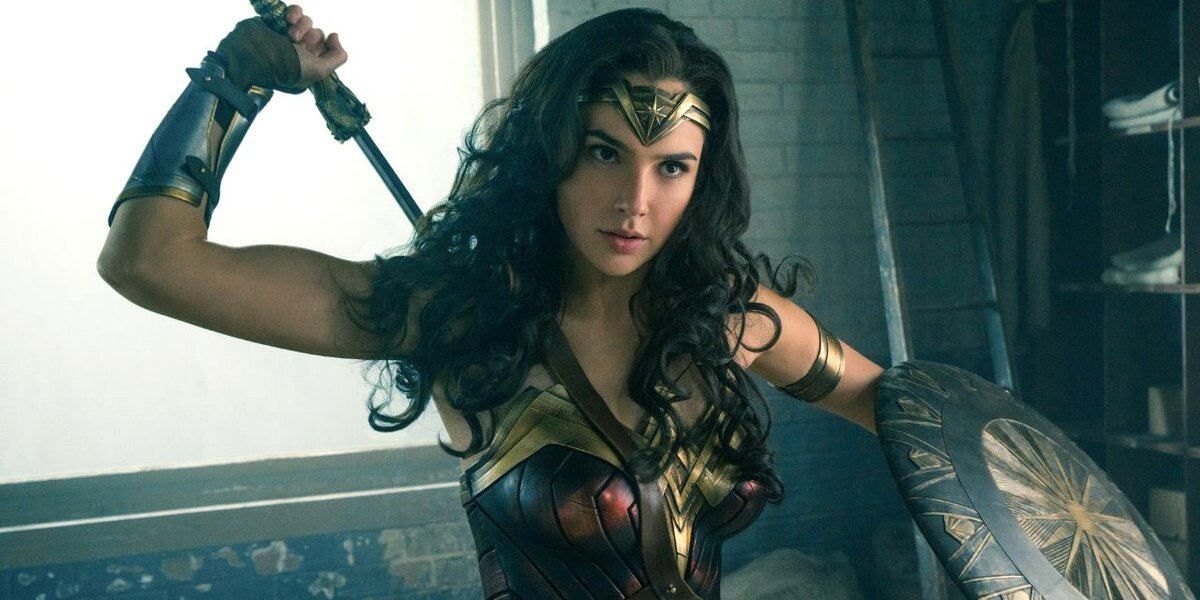
Gal Gadot first played Wonder Woman in her own movie in 2017, and the film resonated with audiences because it focused on her compassionate nature rather than a jaded outlook. Growing up among the Amazons on Themyscira, Diana believes she can end all wars by defeating the god of war, Ares, when she ventures into the world.
The most powerful parts of the movie happen when Diana’s hopeful beliefs clash with the harsh realities of World War I. Instead of making fun of her optimism, the film takes it seriously, which makes the emotional scenes surprisingly impactful.
The scene in Wonder Woman where she enters No Man’s Land is one of the most powerful moments in superhero films of recent years. It perfectly shows Diana’s natural desire to protect people, even when everyone says it’s hopeless. The scene is especially effective the first time you watch it because the movie deliberately slows down and creates tension before she runs into the gunfire.
Re-watching the film highlights how carefully the scene is constructed. The soldiers’ initial reluctance and the constant reminders of the dangerous terrain build up to this moment, making it feel natural and impactful. Diana’s choice isn’t impulsive; it shows her overcoming her hesitation, adding a powerful emotional layer to the action.
Gal Gadot and Chris Pine both deliver warm and believable performances, adding to the film’s emotional core. It was a pleasant surprise to see Wonder Woman develop a romantic connection; it didn’t detract from her strength, but instead revealed a more relatable and human side. This relationship allows us to see Diana grappling with feelings of connection, vulnerability, and trust in a way that goes beyond her experiences with mythology and warfare.
6. Deadpool is a Hilarious, Fourth-Wall Breaking Masterpiece
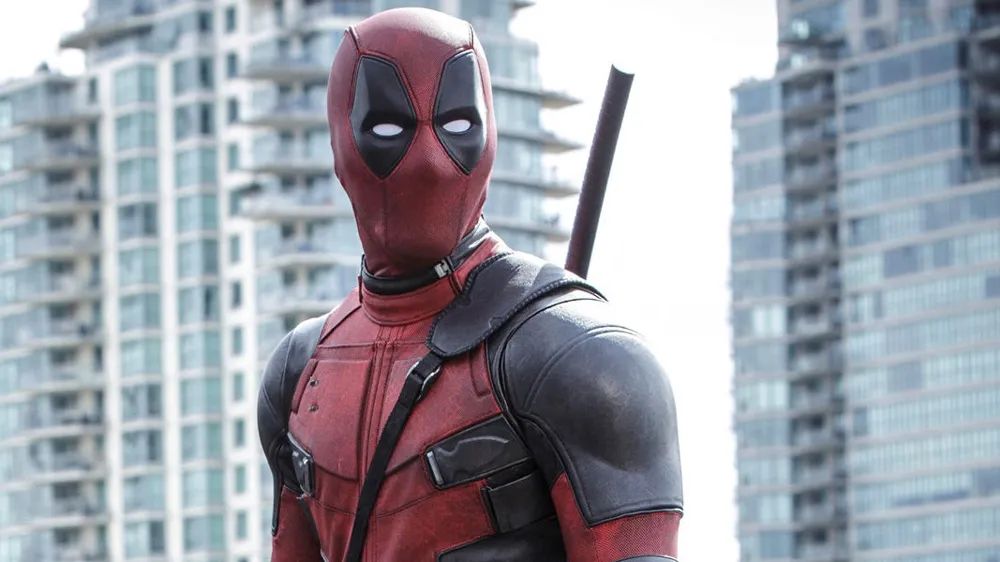
By 2016, when Deadpool came out, most superhero origin stories followed a predictable pattern. What made Deadpool different was its willingness to break that pattern. Ryan Reynolds, as Wade Wilson, frequently jokes about typical superhero tropes, even while the movie still uses the standard origin story format.
Okay, so the first time I watched this, it was a bit of a wild ride! It jumps all over the place between brutal action happening now and these little pieces of the past. We meet Wade as this really cynical, tough guy, and then he finds out he’s got cancer, which leads him to sign up for this crazy experiment. It leaves him messed up, but also super-powered. Honestly, the movie is funny – like, consistently funny – but it’s also got these moments that are just…off. It wasn’t until I watched it again that I really understood why those moments felt so unsettling.
The humor in the film doesn’t quite land as genuine comedy, instead feeling like an attempt to avoid deeper issues. As you get to know the story, Wade’s responses to changing into a new form – particularly seeing what he’s become – feel more raw and emotional. The way the story jumps around also seems deliberate, mirroring the chaos in his life.
What’s most striking about the film, in retrospect, is its interesting contrast: the main character constantly denies being a hero, but consistently acts heroically. The story keeps putting him in situations that demand heroic behavior, even though he rejects the title.
5. Captain America: The First Avenger Has One of the Best MCU Endings Ever
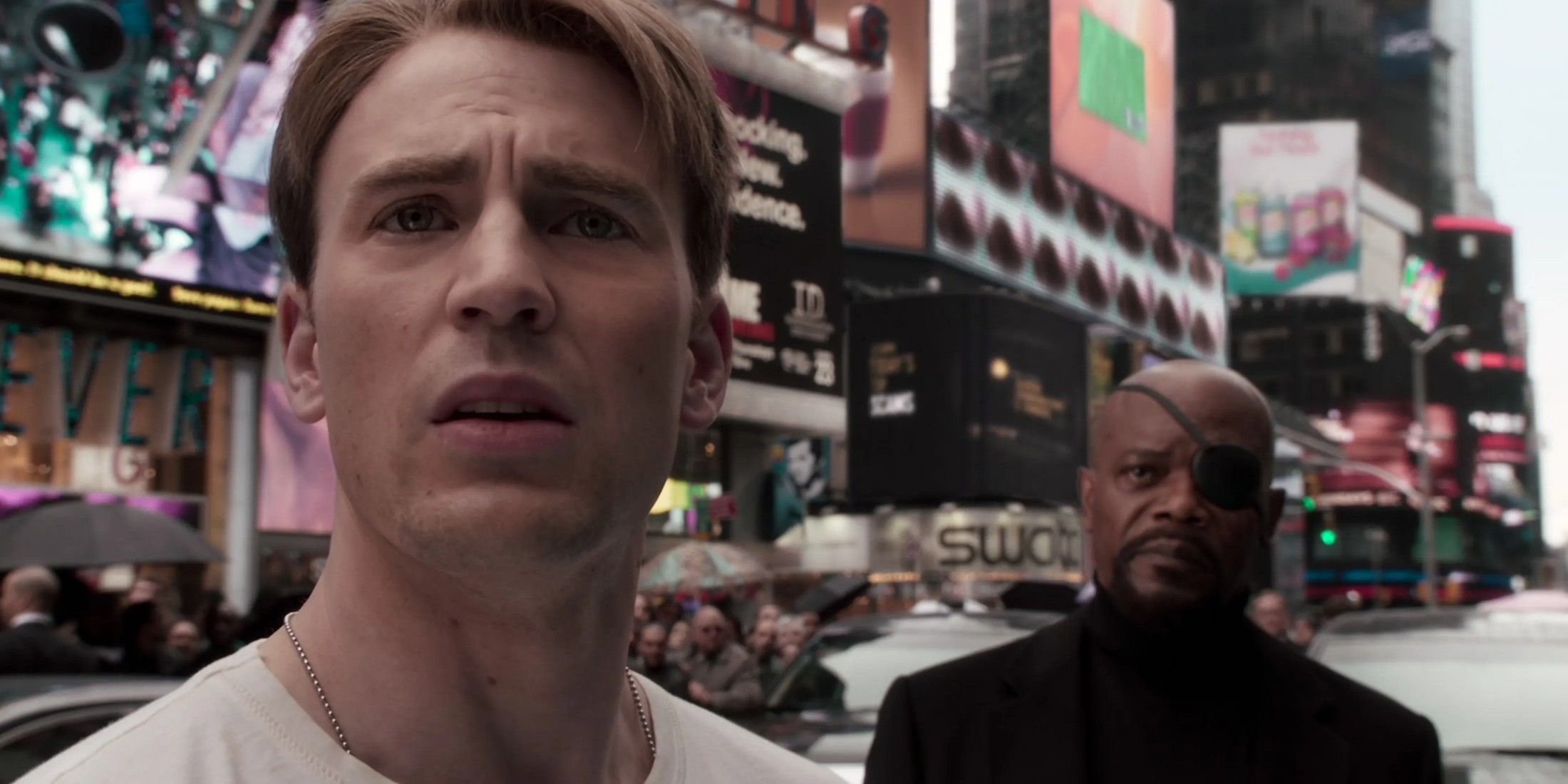
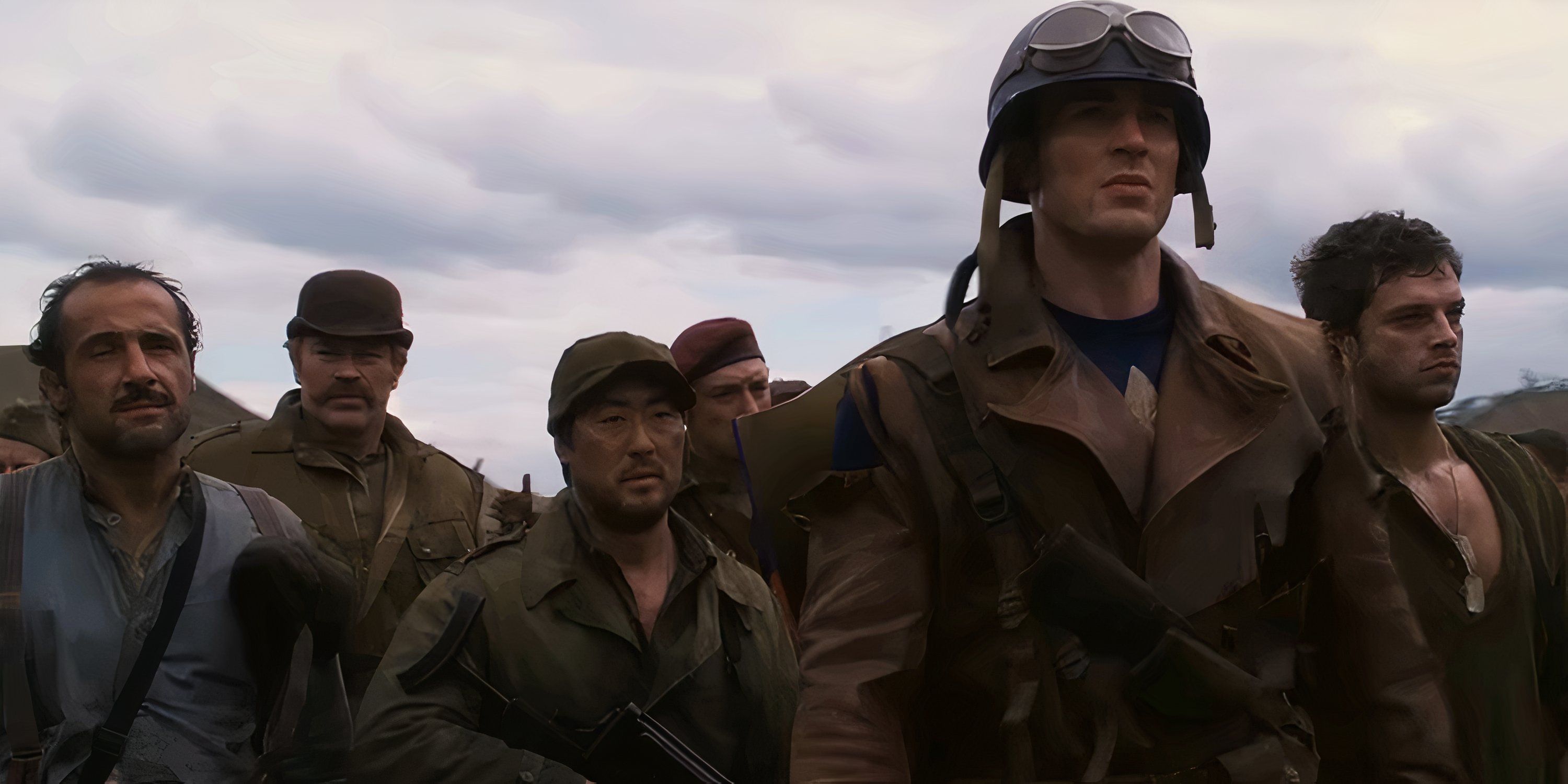

Released in 2011, Captain America: The First Avenger shows us Steve Rogers before he gains his superpowers and iconic shield. Chris Evans plays Steve as a physically frail but determined man who constantly tries to join the army during World War II, despite being repeatedly turned down. The film’s greatest strength is how it establishes Steve Rogers as a genuinely admirable character before he becomes Captain America. Evans portrays Steve as someone defined not by strength, but by his unwavering persistence, honesty, and natural instinct to protect others, even when facing difficult odds.
The grenade training scene is particularly memorable. Steve immediately dives onto what he thinks is a live grenade, acting without needing to be told what it is. This moment powerfully establishes his character right away, even before he gets his suit or the super-soldier serum. It’s a scene that subtly changes how you view everything that happens next.
As a movie fan, I always appreciated how Captain America: The First Avenger felt different from other Marvel films that came out around the same time. It wasn’t trying to be cool or sarcastic – it was genuinely heartfelt, and that really shaped every scene. Even the way people talked to each other felt honest and direct, kind of like Captain America himself. It made the whole fantastical story feel surprisingly real and relatable, even with all the superhero stuff going on.
4. Spider-Man is One of Sam Raimi’s Best Films
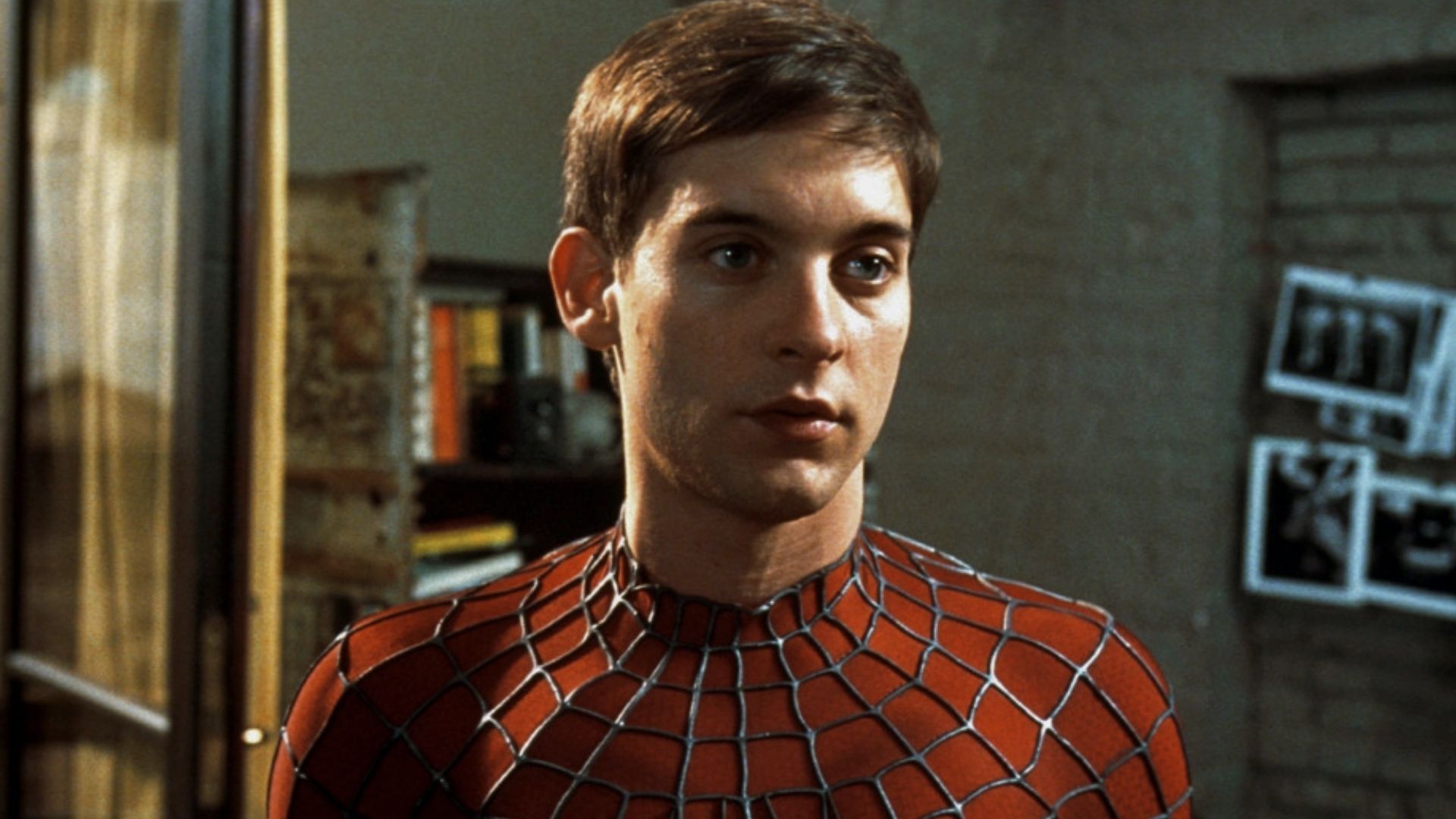
Okay, let me tell you, Sam Raimi’s Spider-Man from 2002 still holds up as one of the best superhero origin stories ever made. Tobey Maguire is fantastic as Peter Parker – he really captures that awkward, lonely teenage experience, and you genuinely feel for him as he deals with school and his crush on Mary Jane Watson. It’s a classic for a reason!
The movie takes its time showing Peter’s normal life before anything exciting happens. The spider bite isn’t presented as an easy path to power, but as something that throws his life off course. Even when he first starts testing his new abilities – jumping around and discovering his strength – it feels genuinely wondrous, a more natural and less rushed introduction than we often see in superhero movies.
What really makes this film stand out is how well it brings the idea of a “friendly neighborhood Spider-Man” to life. It concentrates on smaller acts of heroism – things like stopping minor crimes and helping people with everyday problems. These moments actually felt more powerful than the big action scenes when I first watched it, because they made Spider-Man feel relatable and connected to the local community, rather than focusing on world-ending threats.
The death of Uncle Ben is the story’s most powerful emotional core. When Peter understands he played a part in it, the story shifts focus – it becomes about taking responsibility, not just having powers. This sense of guilt and the need to improve himself stays with Peter throughout the story, even in calmer moments.
3. X-Men: First Class is a 10/10 Superhero Movie
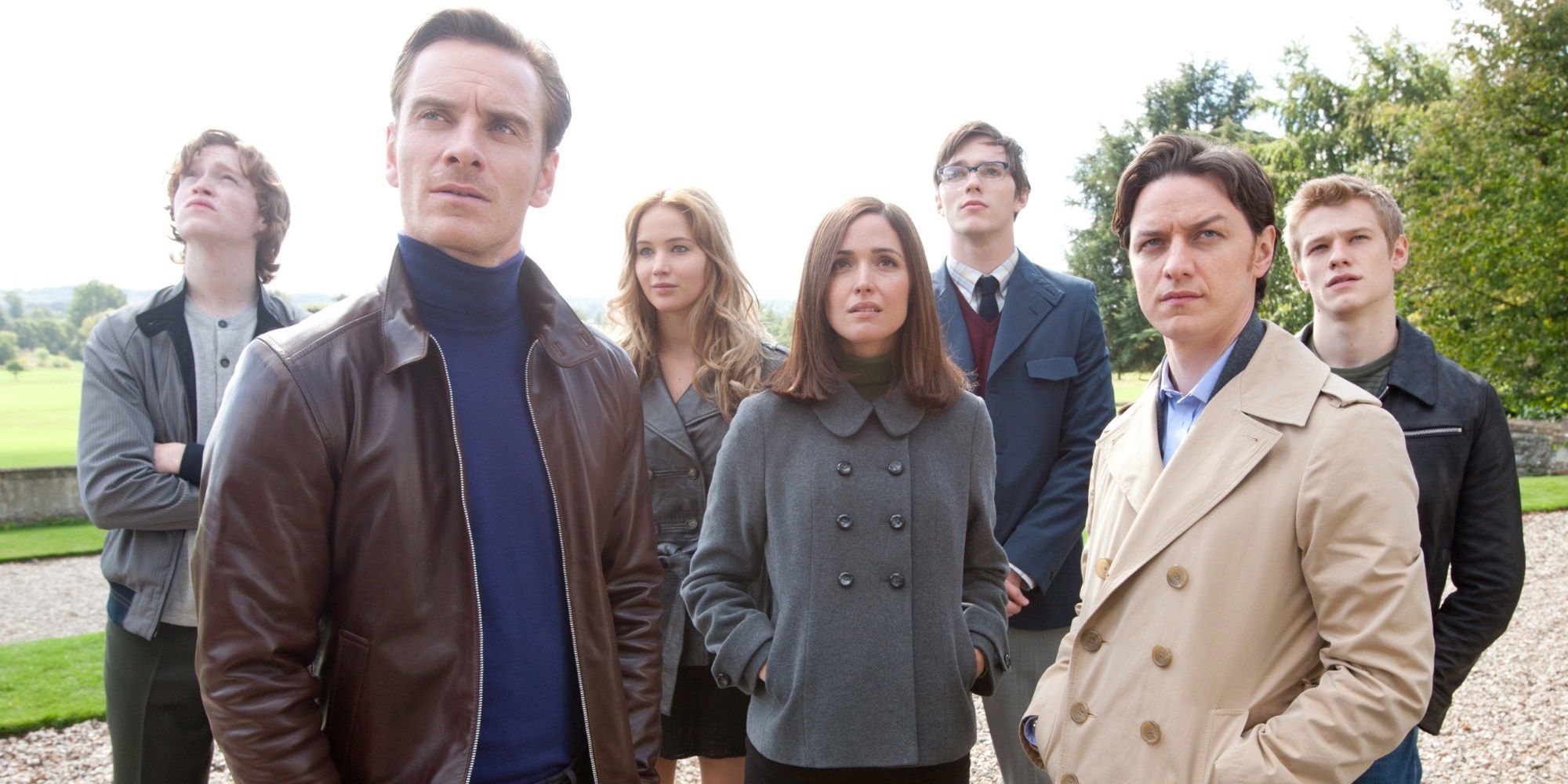
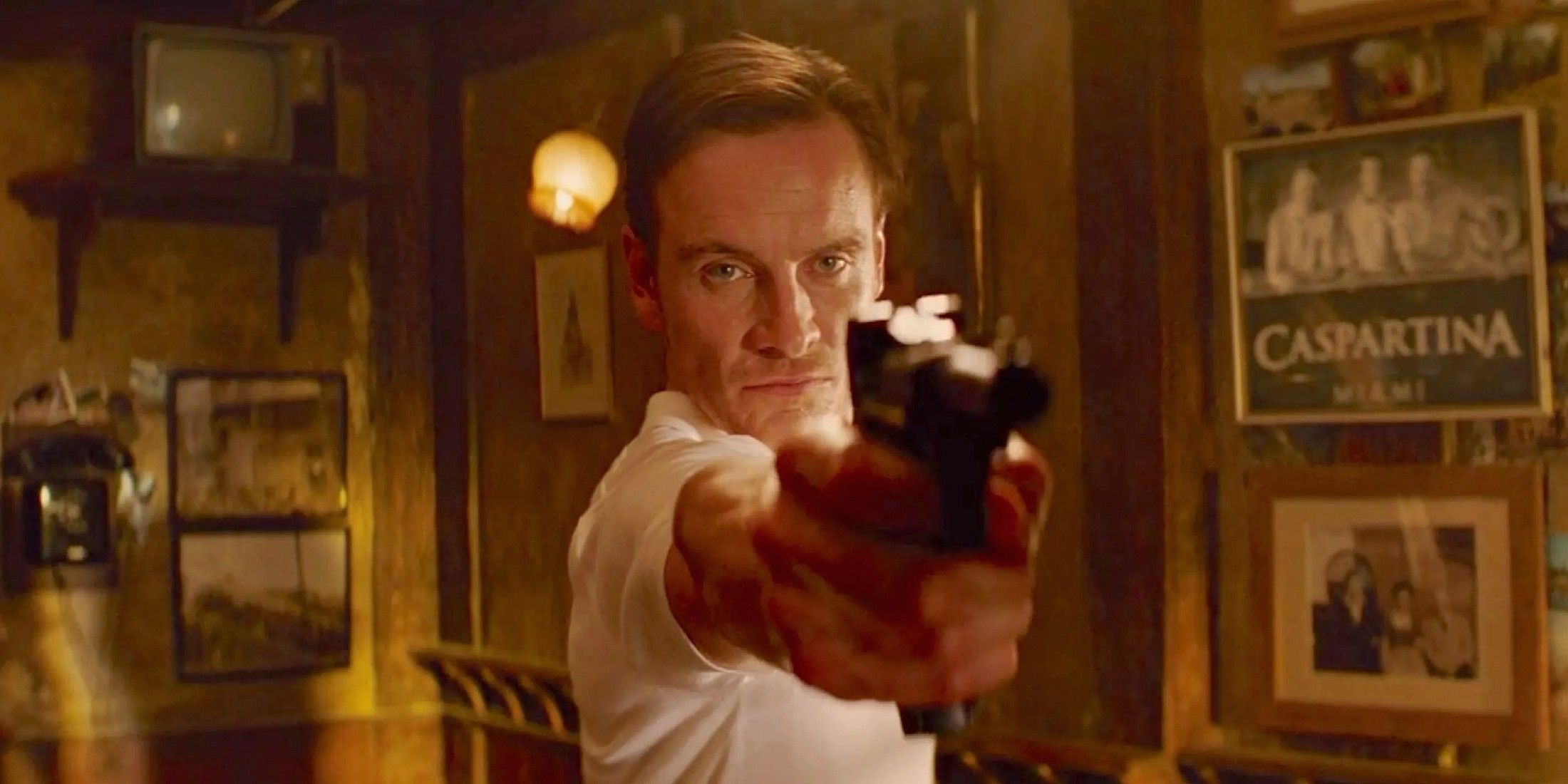
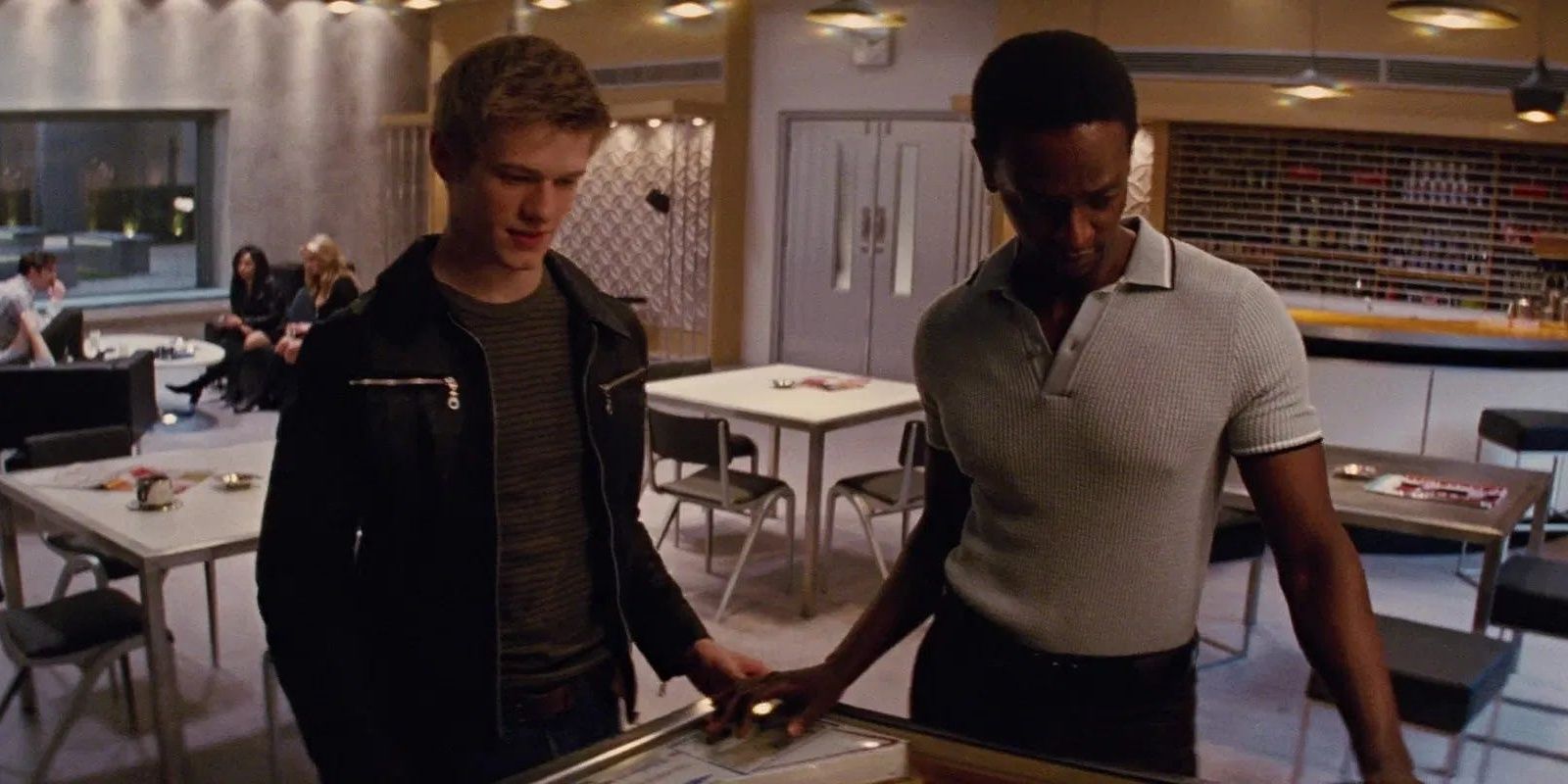
Instead of centering on a single hero, the 2011 film X-Men: First Class tells the story of how Charles Xavier and Erik Lehnsherr became friends. James McAvoy and Michael Fassbender play the younger versions of Professor X and Magneto in the movie.
I really appreciated how X-Men: First Class started. Instead of jumping right into the mutant stuff, it immediately grounded Erik Lehnsherr’s character by showing us his childhood during the Holocaust. Those early scenes, especially with Michael Fassbender, weren’t just about historical context; they made his anger feel completely earned and like something he carried with him, not just a personality quirk. It instantly gave his motivations so much weight.
Throughout the film, Erik’s strong emotions are consistently present and stem from deep-seated grief and a lack of trust built up over years, even though his reactions seem to be about what’s happening right now. Charles Xavier, portrayed by James McAvoy, offers a contrasting viewpoint, embodying hope and the idea of living together peacefully. They quickly become friends, recognizing something in each other, but their differing beliefs slowly pull them apart. The conversations between these two characters are particularly impactful, often more so than the action sequences, and become even more noticeable upon a second viewing as you realize how carefully the shift in their relationship is portrayed.
The film’s 1960s Cold War setting is crucial, adding a unique feel and connecting the mutant conflict to a time of widespread fear and international stress. This historical context highlights that both characters are reacting to the same circumstances, but reaching very different conclusions.
2. Iron Man is the Masterpiece That Kicked Off the MCU
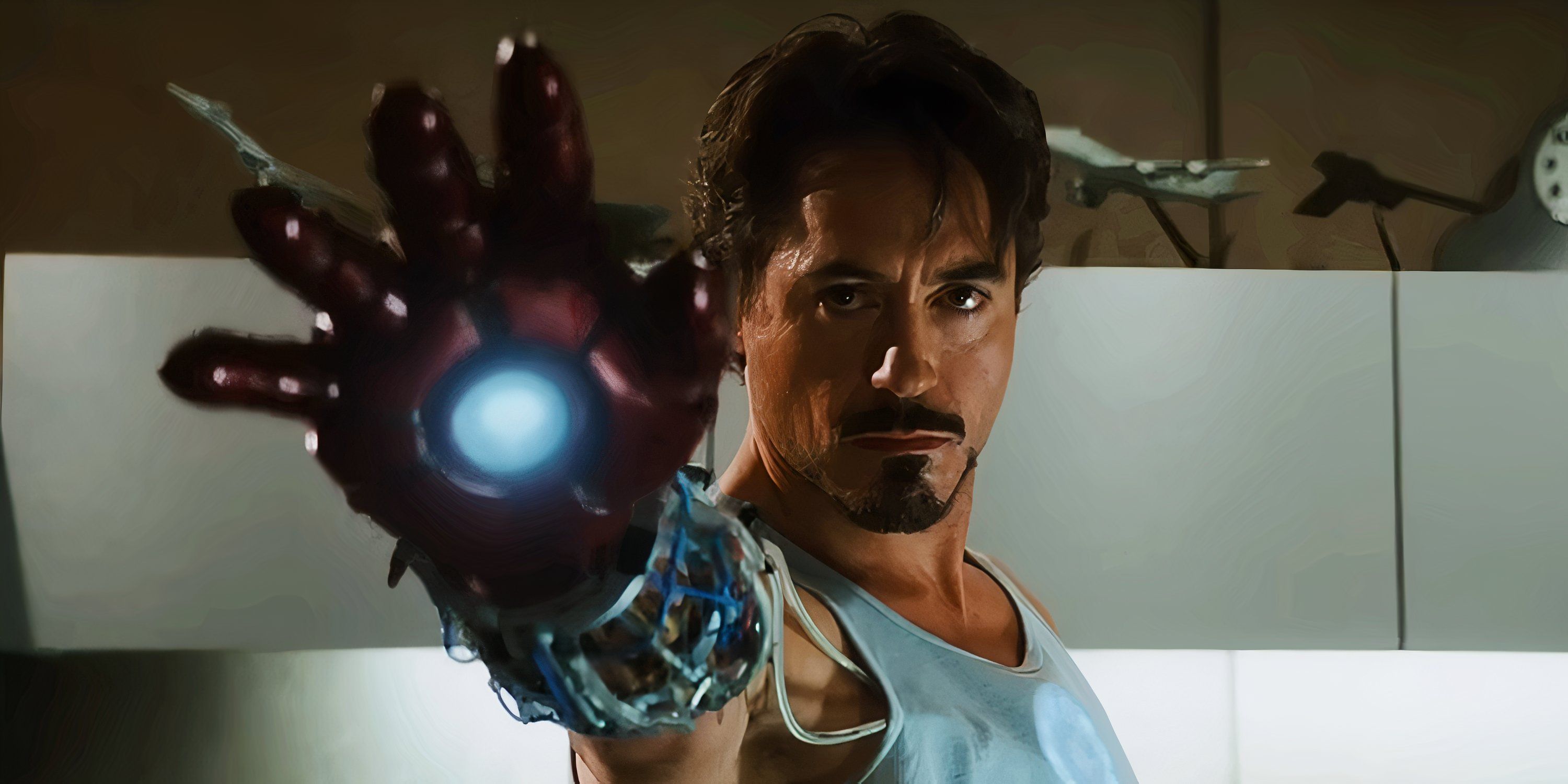
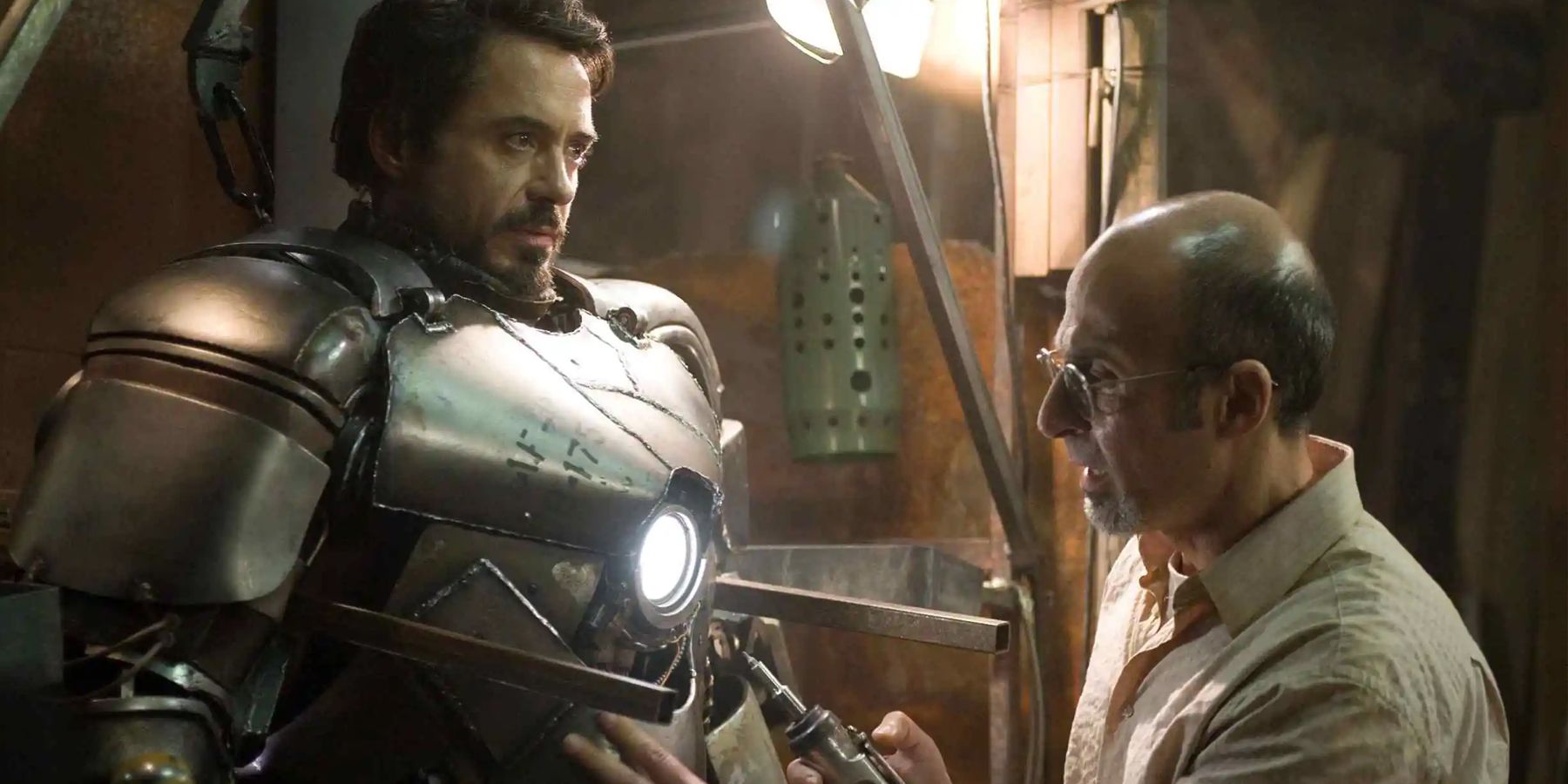
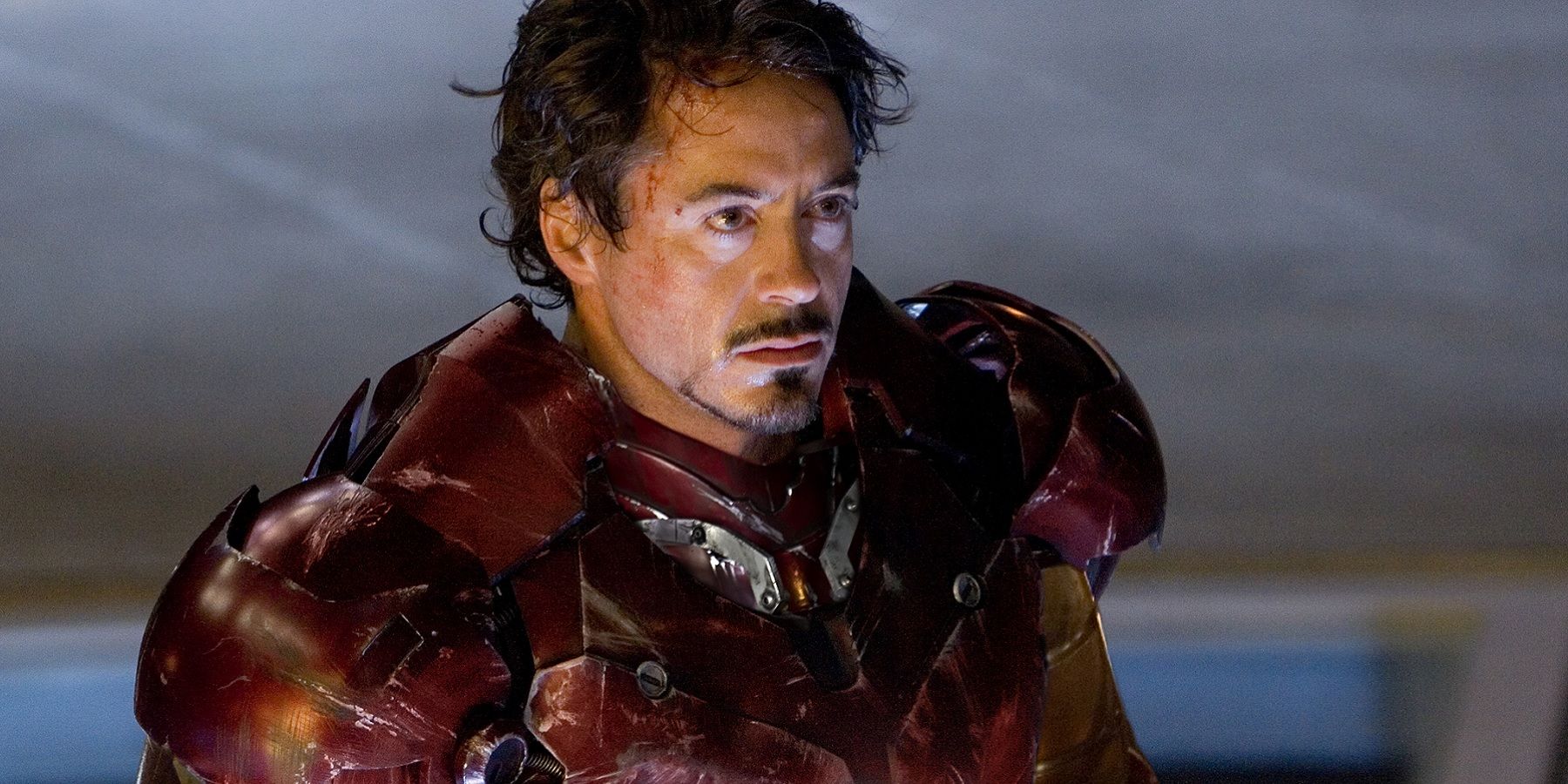
When Iron Man came out in 2008, it surprised many by changing superhero movies forever. Robert Downey Jr. brilliantly plays Tony Stark as a character who is both confident and flawed – arrogant, charismatic, but also avoids showing weakness. The film initially presents Stark as a wealthy arms dealer who feels untouchable. Downey Jr. portrays him as clever, self-assured, and emotionally distant, until his capture forces him to face the consequences of his inventions.
What truly makes the film’s beginning work is that Tony Stark’s imperfections aren’t magically fixed after he becomes Iron Man – they stick around, making his development feel realistic and deserved. The scene in the cave is still the most memorable part. He builds his first suit quickly and under immense pressure, using whatever materials he can find and simple tools. His escape is raw, intense, and feels incredibly urgent and unpolished.
Watching the story again after seeing how Tony Stark’s journey concludes in Avengers: Endgame adds a new layer of emotion. Knowing his ultimate fate makes earlier scenes, particularly when he starts taking more responsibility, feel much more impactful. It’s difficult not to see the beginning of his story as the start of a long, inevitable sacrifice.
Watching the film again and again, it’s become clear that Tony’s journey is more about overcoming discomfort than achieving confidence. While the movie remains funny, it’s increasingly difficult to miss the underlying sense of unease.
1. Batman Begins is the Best Origin Movie Ever Made
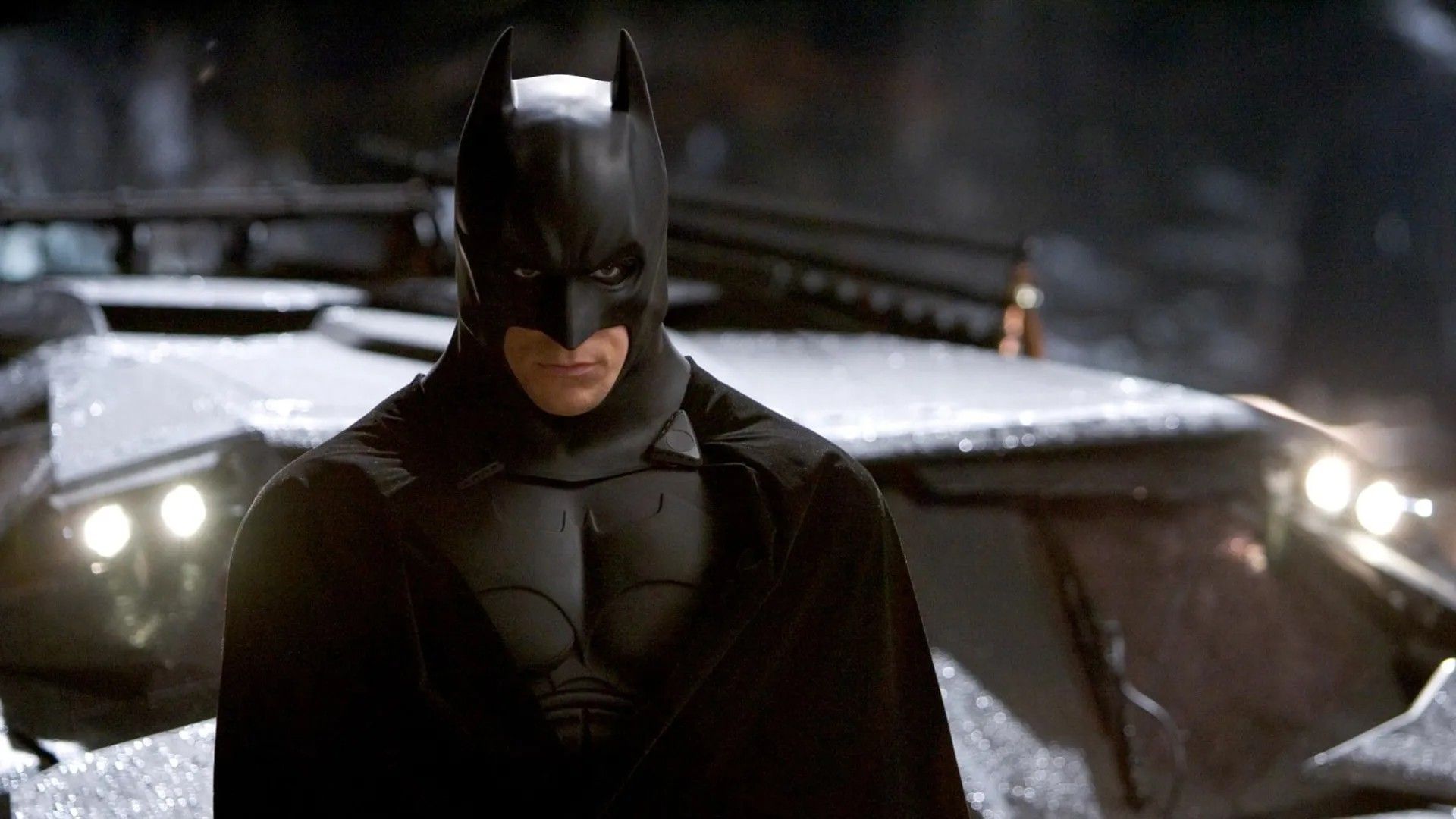
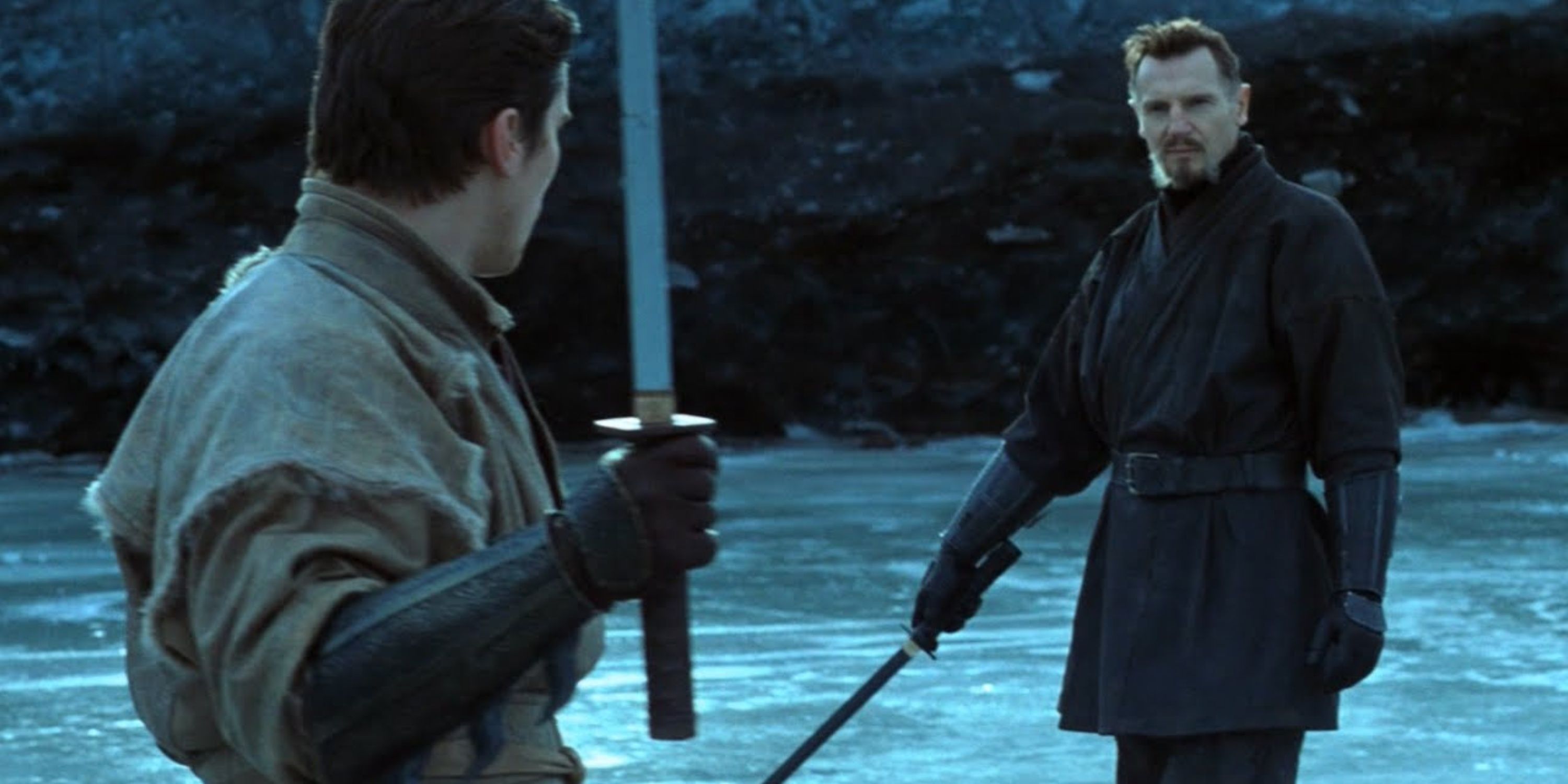
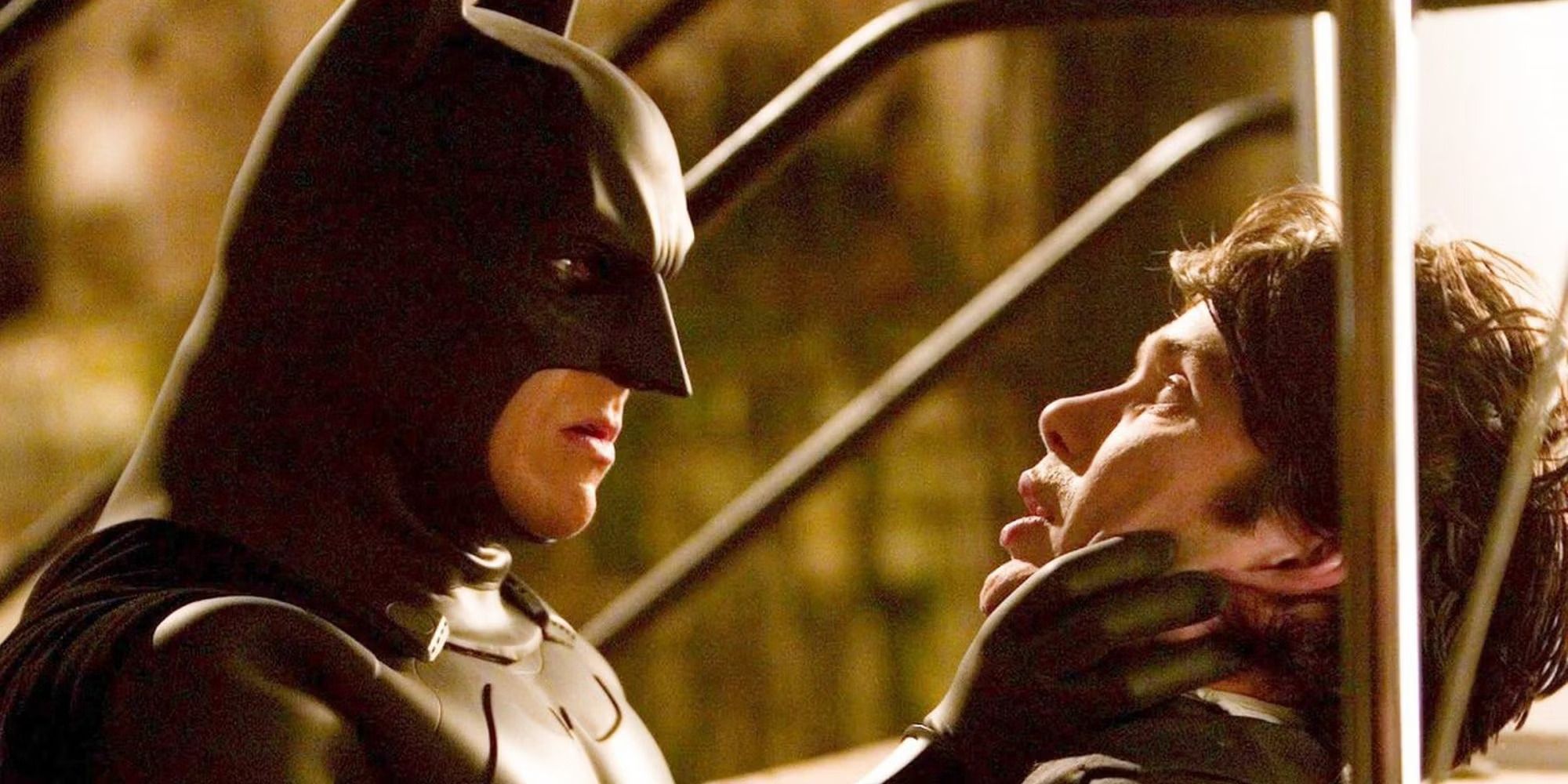
Rather than simply showing how Bruce Wayne becomes Batman through gadgets and a suit, Batman Begins explores his psychological journey. Christian Bale delivers a masterful performance, carefully portraying the contrast between Bruce Wayne’s public persona and the inner turmoil he hides through precise movements, vocal control, and subtle habits.
The movie centers on Bruce Wayne’s emotional pain after his parents’ death, but it’s not simply a story about revenge. It shows how he channels that pain into focus and determination through his training with Ra’s al Ghul and the League of Shadows. Each step of this process shapes the beliefs that ultimately define Batman.
What stands out most is how carefully the story builds itself. Instead of immediately presenting familiar elements like the Batcave, the suit, and Bruce Wayne’s wealth, the film reveals them gradually and logically. Everything feels earned, which gives this origin story a stronger sense of realism and purpose compared to others in the superhero genre.
Let me tell you, Christian Bale becomes Batman in this film. It’s not just a costume or a cool voice; he completely inhabits the character. Bale’s choices – that controlled voice, the way he moves, everything – aren’t just stylistic flourishes. They are how Batman exists in every single scene. It’s that level of depth and thoughtfulness that makes his performance so memorable and, frankly, still sets it apart from the rest.
For fans who appreciate Batman’s focus on self-control and inner strength, this film feels especially impactful. It’s a defining take on the character because it convincingly connects his emotional struggles to his actions, and many subsequent versions of Batman still draw inspiration from it.
Read More
- Change Your Perspective Anomaly Commission Guide In NTE (Neverness to Everness)
- How to Get the Wunderbarrage in Totenreich (BO7 Zombies)
- How to Beat Turbines in ARC Raiders
- NTE Drift Guide (& Best Car Mods for Drifting)
- Robinhood’s $75M OpenAI Bet: Retail Access or Legal Minefield?
- Beware! Phishing Emails Are Deceiving Robinhood Users in a Sneaky Plot!
- NTE Fan Shows Off Mint Cosplay
- All Nameless Hospital Endings Full Guide In NTE
- NTE Banners (Current, Next, And Upcoming Banners)
- All Totenreich Relics & How to Unlock Them
2026-05-10 00:12