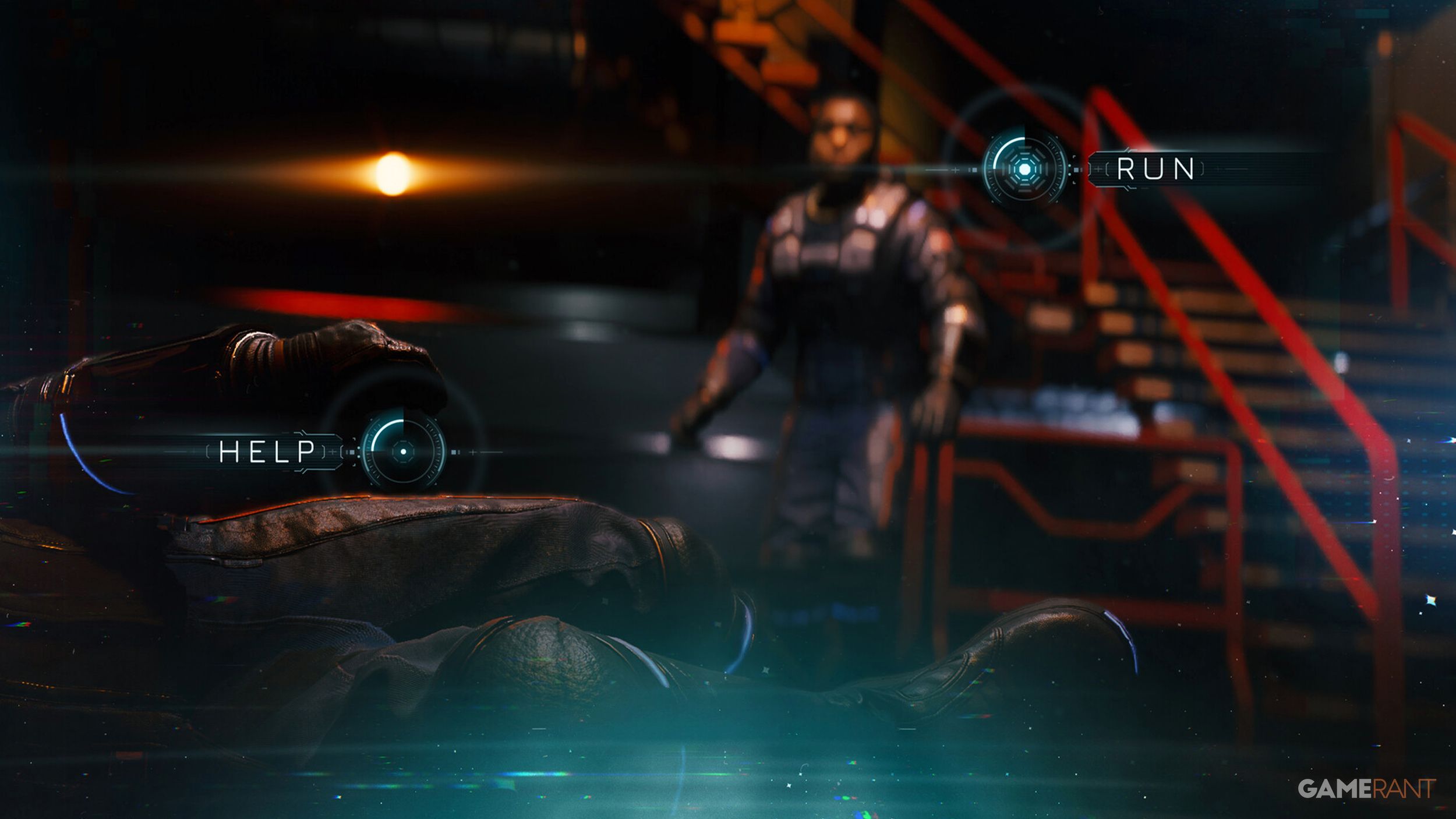
It’s surprising to hear about anyone giving up on a Dark Pictures game mid-playthrough, as these games aren’t really meant to be super challenging. The series hasn’t focused much on traditional difficulty settings until Directive 8020, which introduces more stealth sections where you directly control your character. Usually, the biggest challenge in a Dark Pictures game comes from the impactful choices you make – choices that always have consequences, and often surprising ones. Interestingly, this is exactly why some players have gotten frustrated and stopped playing, especially after a decision led to an unwanted result.
The Dark Pictures Anthology games from Supermassive have always let players replay sections and try different choices. So, it seems strange that some players are giving up and quitting entirely after making a single mistake. However, according to director Will Doyle in a recent TopMob interview, data shows this is actually happening quite a bit. Supermassive wants to address this in their new game, Directive 8020, with a new feature called the Turning Point system.
Directive 8020’s Turning Point System Was Designed to Prevent Rage-Quitting
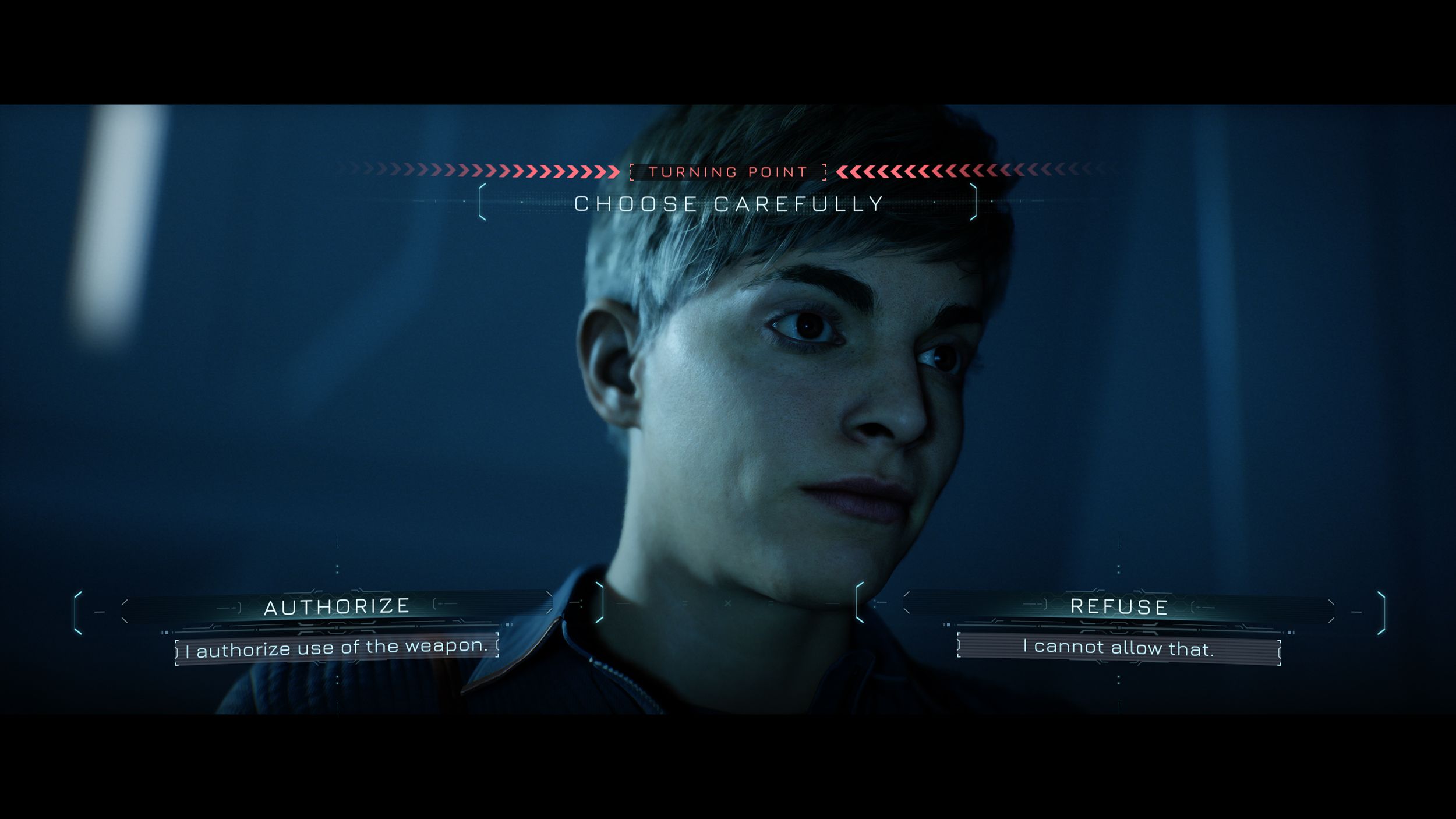
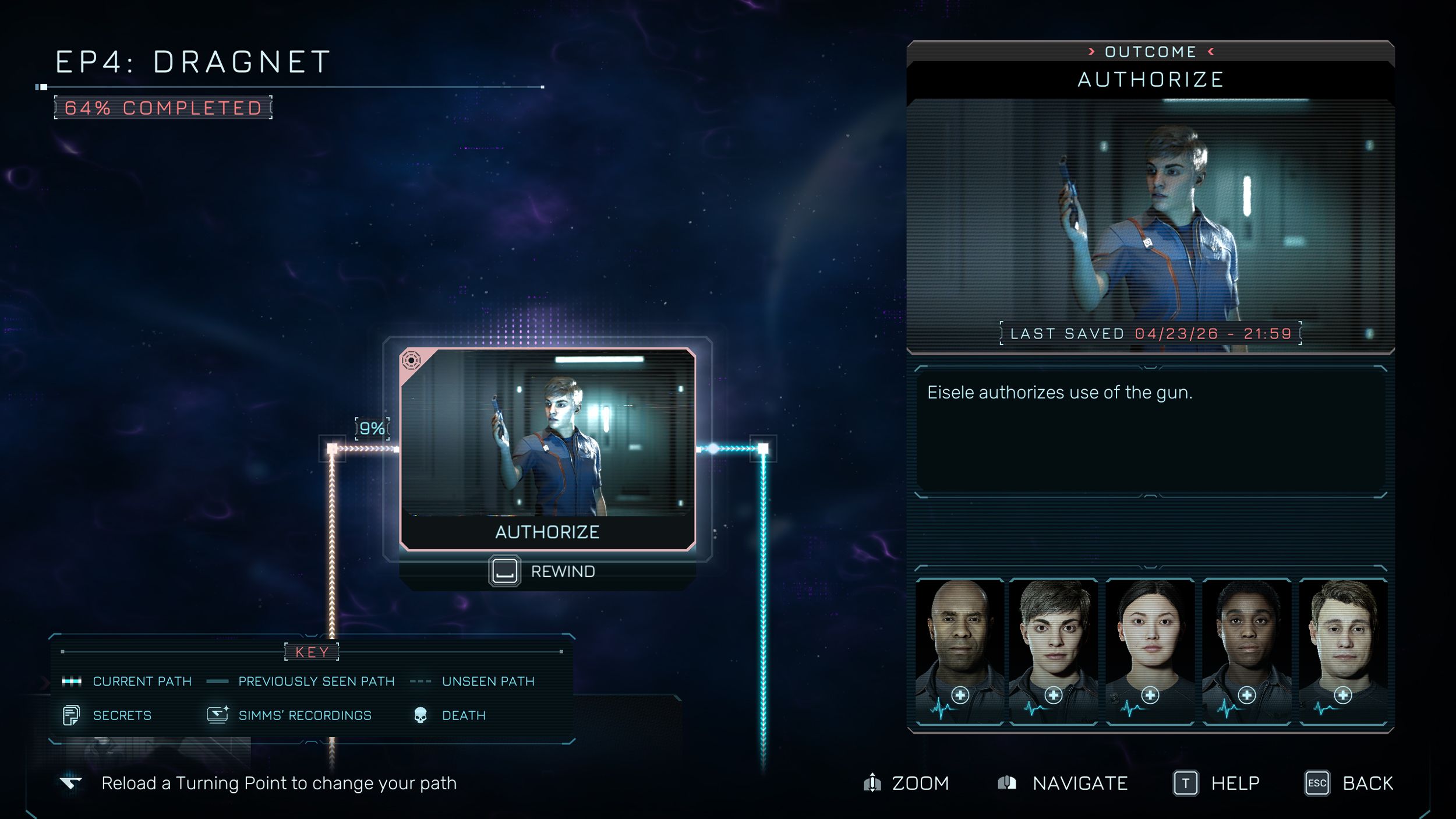
The most impressive feature of Directive 8020 is definitely the Turning Point system. No previous Dark Pictures game has allowed players to go back and change decisions they’ve already made. From what I’ve played, you can access the Turning Point menu at almost any moment, which should help ease the stress of making difficult choices in the game.
What makes Dark Pictures games difficult is that your choices really matter. Every decision has consequences, and often those consequences are surprising.
I appreciate how Turning Points makes the game Directive 8020 more accessible, but I was worried it might lessen the impact of important choices. If you can undo the results of a decision, it makes you wonder why you should care about the consequences in the first place.
It can feel like I have complete control, able to instantly rewind and try a different path if things don’t go my way. However, according to Doyle, Directive 8020 actually gives players a meaningful choice that shapes the experience even before the game begins.
Many of our players enjoy the pressure of making quick, impactful decisions. In our game, Directive 8020, you immediately choose how you want to play. You can pick ‘Survivor’ mode, which offers a challenging experience where choices are permanent, but allows you to see critical moments. After finishing the game in Survivor mode, you can then switch to ‘Explorer’ mode to rewind and experiment with different paths. Alternatively, you can start directly in Explorer mode, giving you the freedom to revisit any decision you make.
As a big fan of The Dark Pictures Anthology, I’m really excited about Directive 8020. It’s cool they’re letting us choose how we want to play – we can stick with the classic feel we know and love, or jump into this new way of experiencing their branching stories. But honestly, even with those options, the developer, Doyle, seems to think a lot of us will still be drawn to the new Turning Point system. He said it was interesting to see how many people went in saying they wouldn’t rewind at all, then quickly changed their minds and started using it constantly! It just shows how tempting that feature is, even for longtime fans.
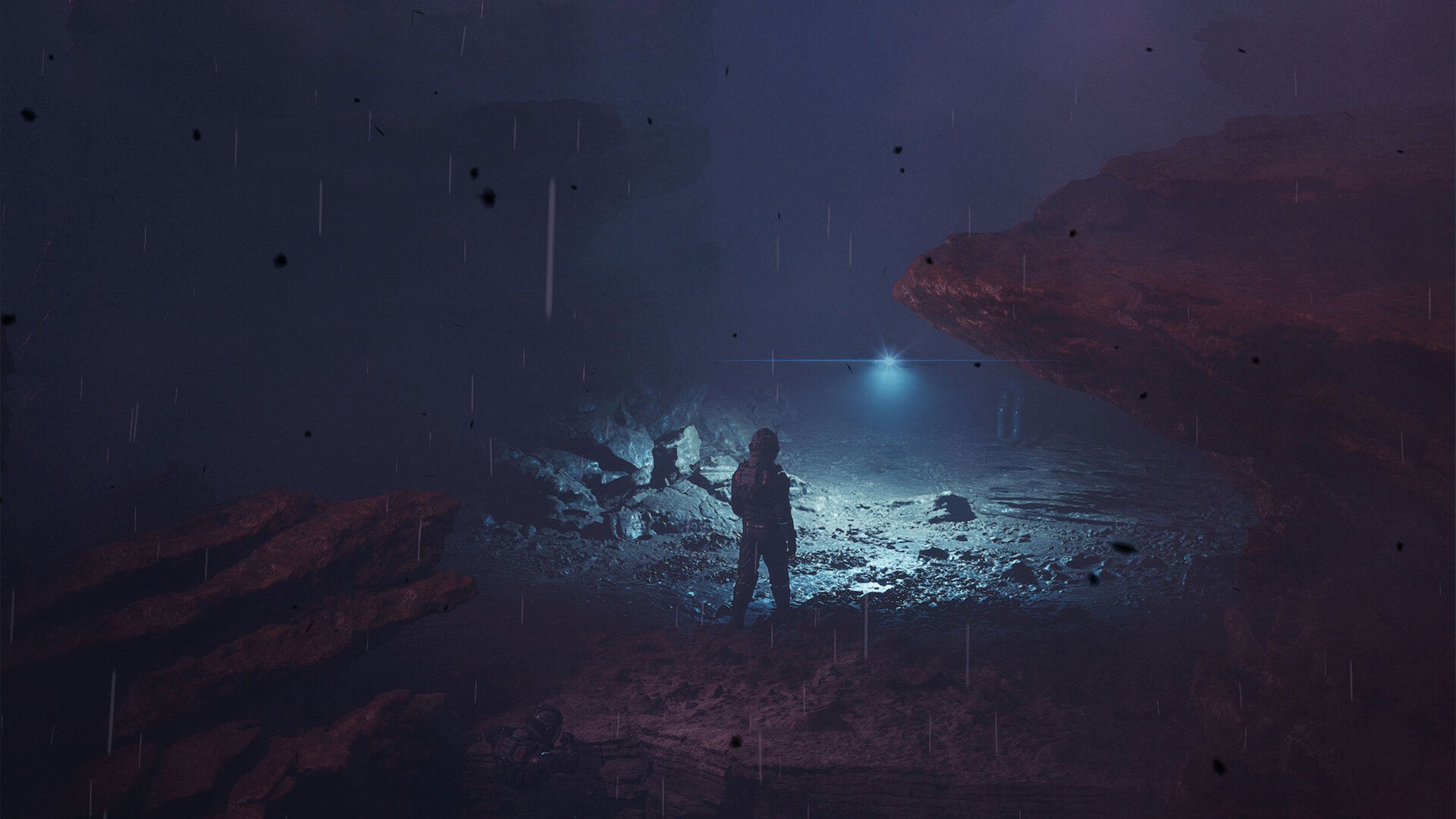

The core idea behind the Turning Point system, it appears, is simply to value players’ time. Dark Pictures games have always invited multiple playthroughs to explore different choices, but previously, this meant replaying large portions of the game. Turning Point lets players quickly jump to specific moments and choices to see how different decisions impact the story, rather than forcing them to start over from the beginning. Doyle elaborated on this benefit, explaining that it’s about offering a more streamlined and respectful experience for players who want to experiment.
In past games, once you finished, we wanted you to explore all the different paths and story outcomes we created. However, it meant restarting the game or going back to the beginning of a chapter. We wanted to improve this by letting you quickly return to the precise moment before a key decision, skipping unnecessary scenes to get right back to where the choices matter.
It’s a growing trend in gaming to respect players’ time, as many people have busier lives and less time for video games. However, sometimes removing tedious tasks can backfire. For example, Starfield was originally designed to let players quickly travel between planets. But after some players missed the experience of manually piloting their ships, Bethesda released an update called Free Lanes, giving players the option to control their space travel themselves.
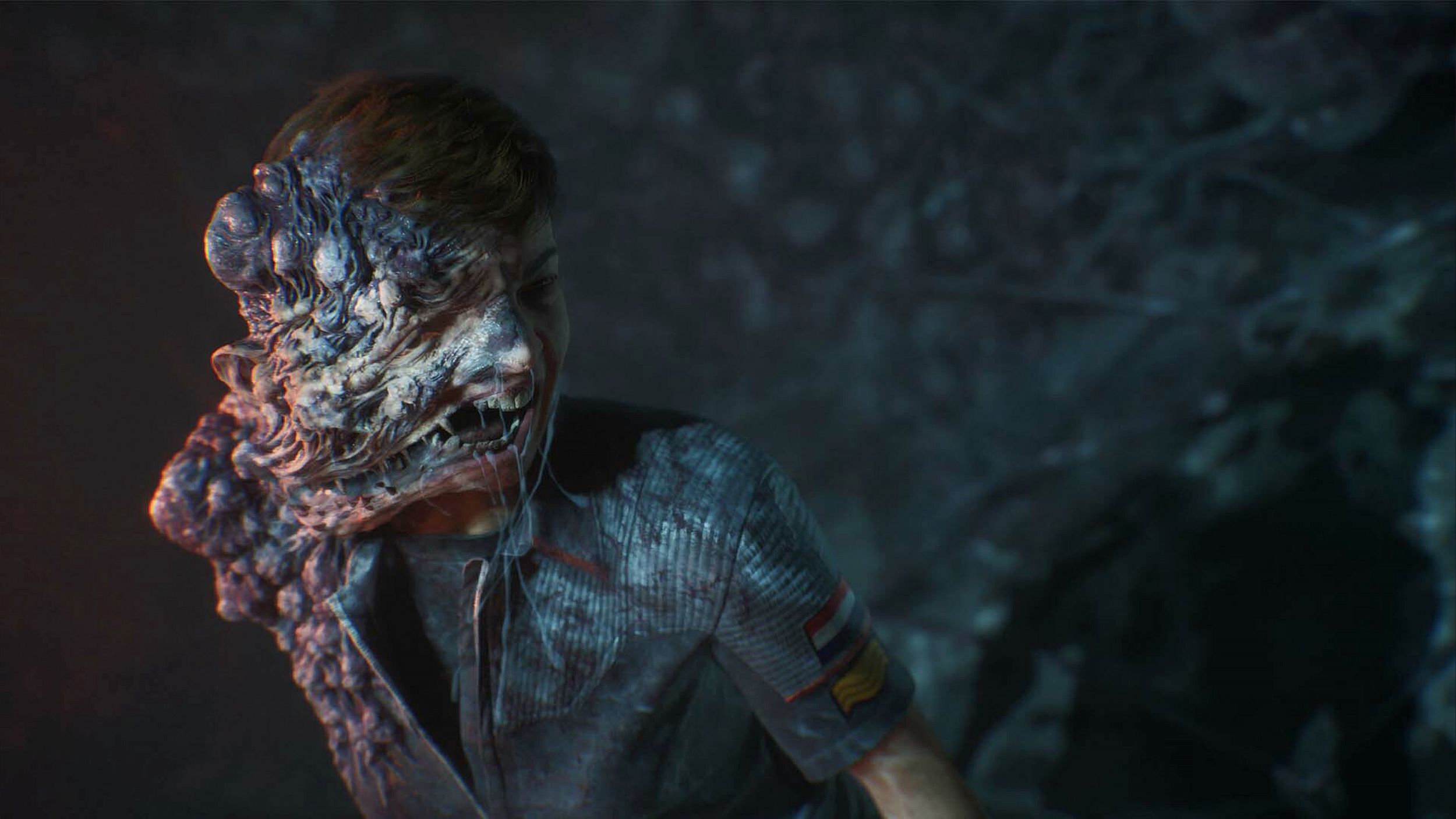
Unlike more interactive games, the Dark Pictures series relies heavily on cinematic storytelling, making slower moments more apparent. While different choices in replays can alter the story and dialogue, many cutscenes remain similar, which can feel repetitive. Directive 8020 aims to address this with a new feature called Turning Points.
How the Value of Time Fuels Rage-Quitting
It wasn’t just about making things look cool, though. Like I heard, they built in a way to help us undo stuff if we mess up, which is awesome because nobody likes losing a match and just quitting out of frustration. Apparently, this wasn’t just a random idea either – Doyle said they actually had data showing people would appreciate being able to fix mistakes!
We’ve noticed from player data that some people completely stop playing when their character dies. This was unexpected, but we believe it shows how much players connect with and care about the characters we create – they don’t want to lose them and felt unable to continue without that character. Now, with this new feature, players can bring their characters back, so they don’t have to give up.

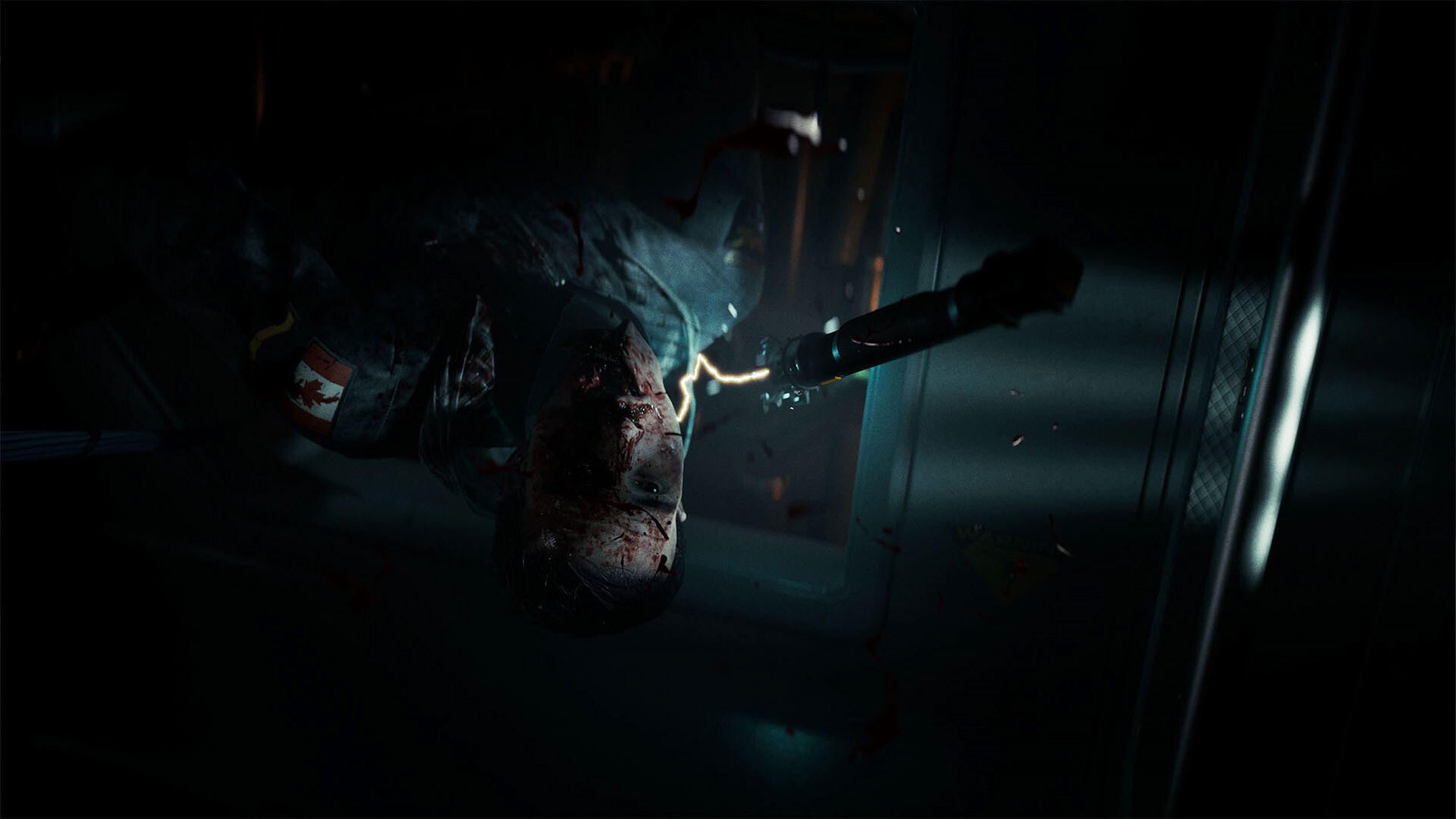
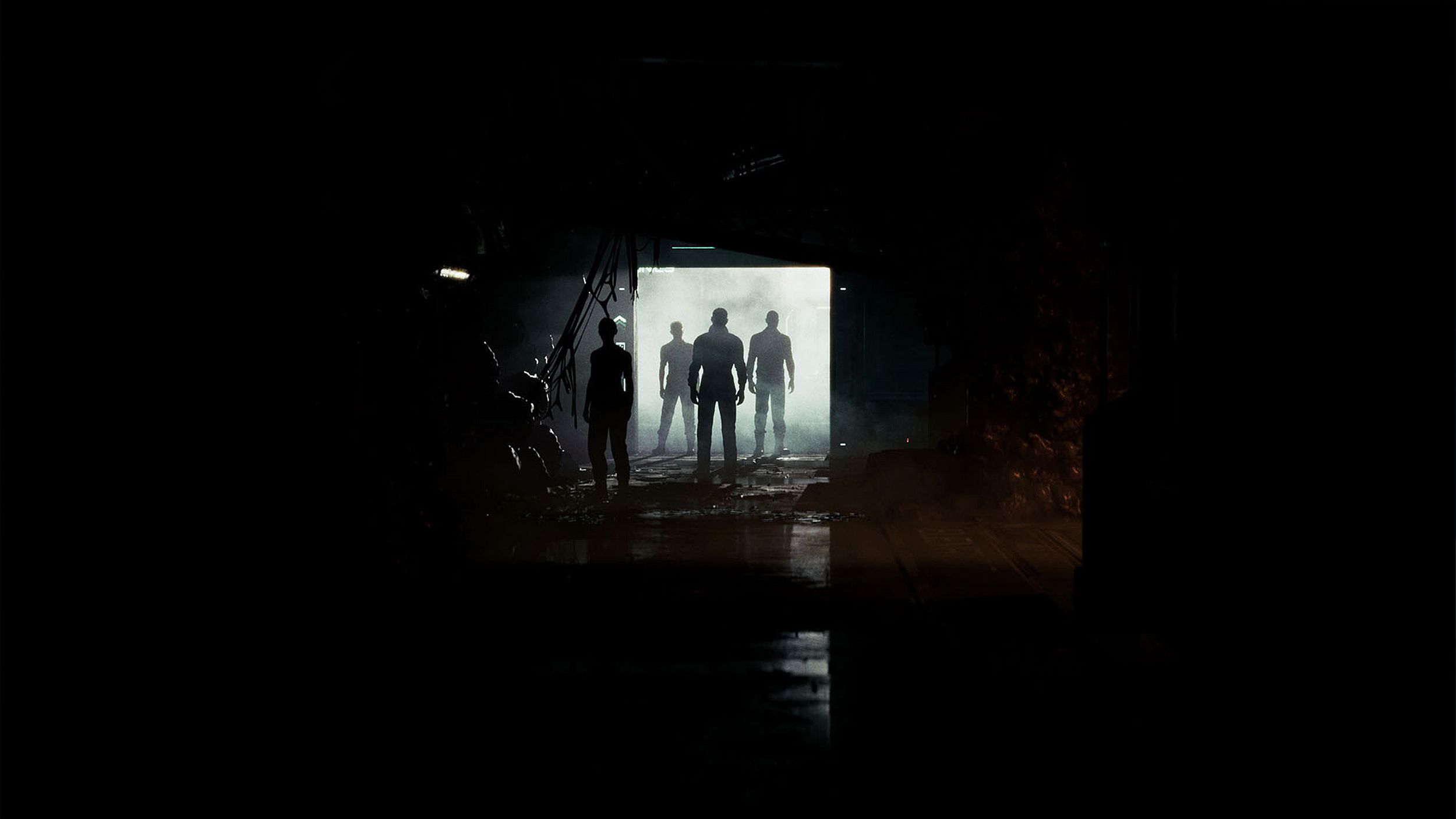
Doyle didn’t share exact numbers, but it’s clear why players might abandon a Dark Pictures game after losing a character. This idea connects to his earlier point about respecting players’ time – if a favorite character dies, replaying the entire game to undo that moment feels like too big of a time commitment, leading many to simply quit.
We were surprised by how many players initially said they wouldn’t use the rewind feature, but then ended up using it constantly.
This game series doesn’t usually take a long time to finish – even the longest one can be completed in 7 or 8 hours. However, the games have a lot of branching paths, making it feel like a complex puzzle as you try to make the right choices for the best ending. A single wrong decision can feel devastating, and fixing it can seem to take forever. Thankfully, the new ‘Turning Points’ feature gives players an optional way to avoid these frustrating moments.

The new “Turning Point” system seems to be a success, with testers giving it very positive feedback. According to Supermassive Games’ Doyle, it’s likely to appear in future installments of The Dark Pictures anthology. While its return isn’t guaranteed – it depends on whether the story allows players the freedom to rewind and change events – it’s currently a key feature of Directive 8020. Essentially, if the story fits, expect to see Turning Points again.
Read More
- NTE Drift Guide (& Best Car Mods for Drifting)
- All Aswang Evidence & Weaknesses in Phasmophobia
- Conduit Crystal Location In Subnautica 2
- Where to Find Prescription in Where Winds Meet (Raw Leaf Porridge Quest)
- Diablo 4 Best Loot Filter Codes
- How to Get Necrolei Cyst & Strong Acid in Subnautica 2
- How to Get the Wunderbarrage in Totenreich (BO7 Zombies)
- USD RUB PREDICTION
- Best Burst & Full Auto Builds for the M16A4 in BF6
- Boruto: Ikemoto Has Already Hinted At Sasuke’s New Eye After Return
2026-05-01 13:06