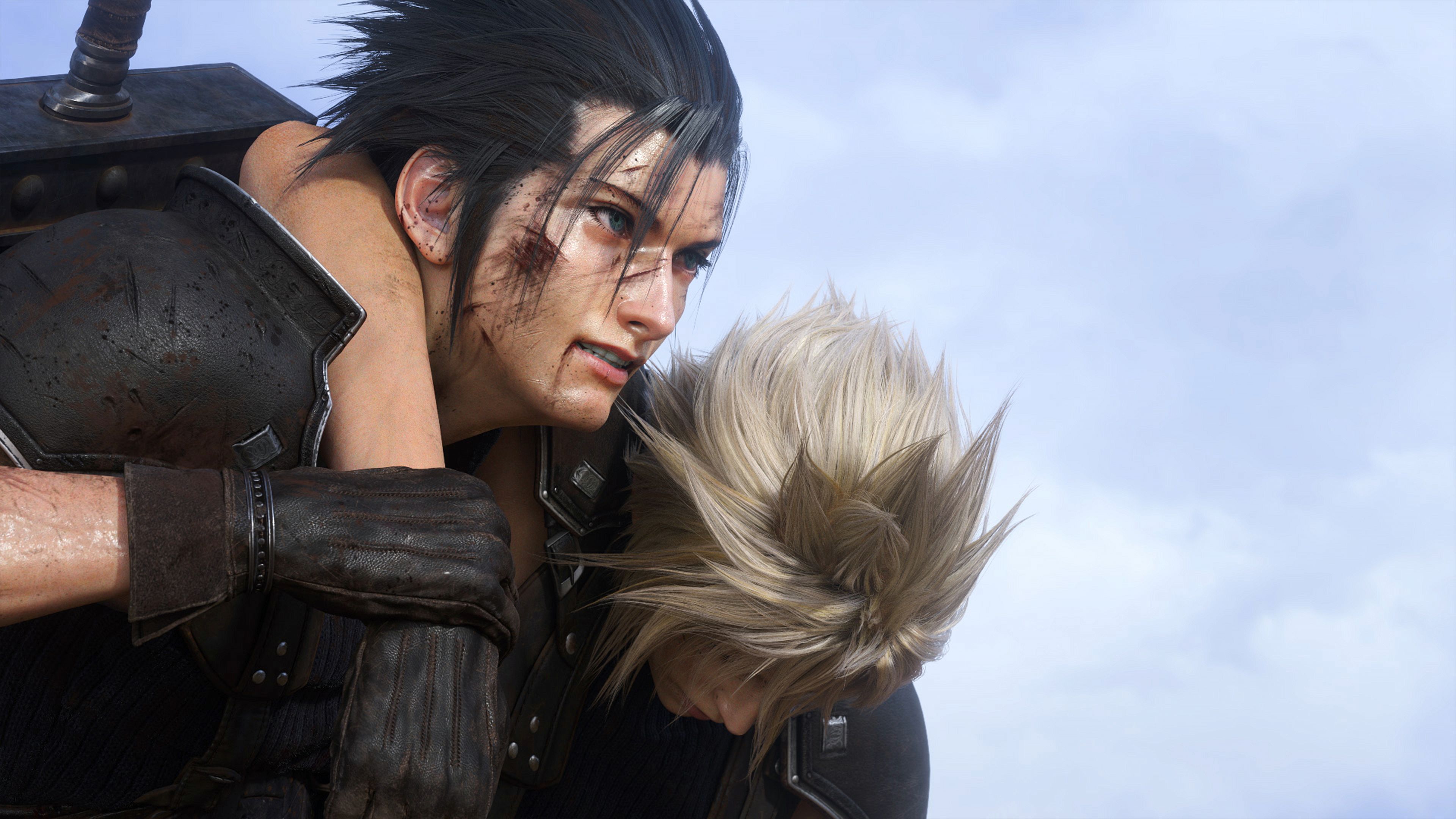
Square Enix’s Final Fantasy 7 Remake trilogy isn’t just a visual update – it’s a true remake, and some might even say it goes too far. Unlike many remakes that only improve graphics and gameplay, this trilogy has significantly altered even the most important parts of the original story. Now, with Final Fantasy 7 Remake Part 3, Square Enix faces a challenge: it needs to assure fans that the trilogy still honors what made the original Final Fantasy 7 special, while also finishing a story that has become much larger than a typical remake. The second game, Final Fantasy 7 Rebirth, heavily hinted at future events, so it would be illogical for the final part to ignore those developments.
The following contains major spoilers for Final Fantasy 7 Remake and Rebirth.
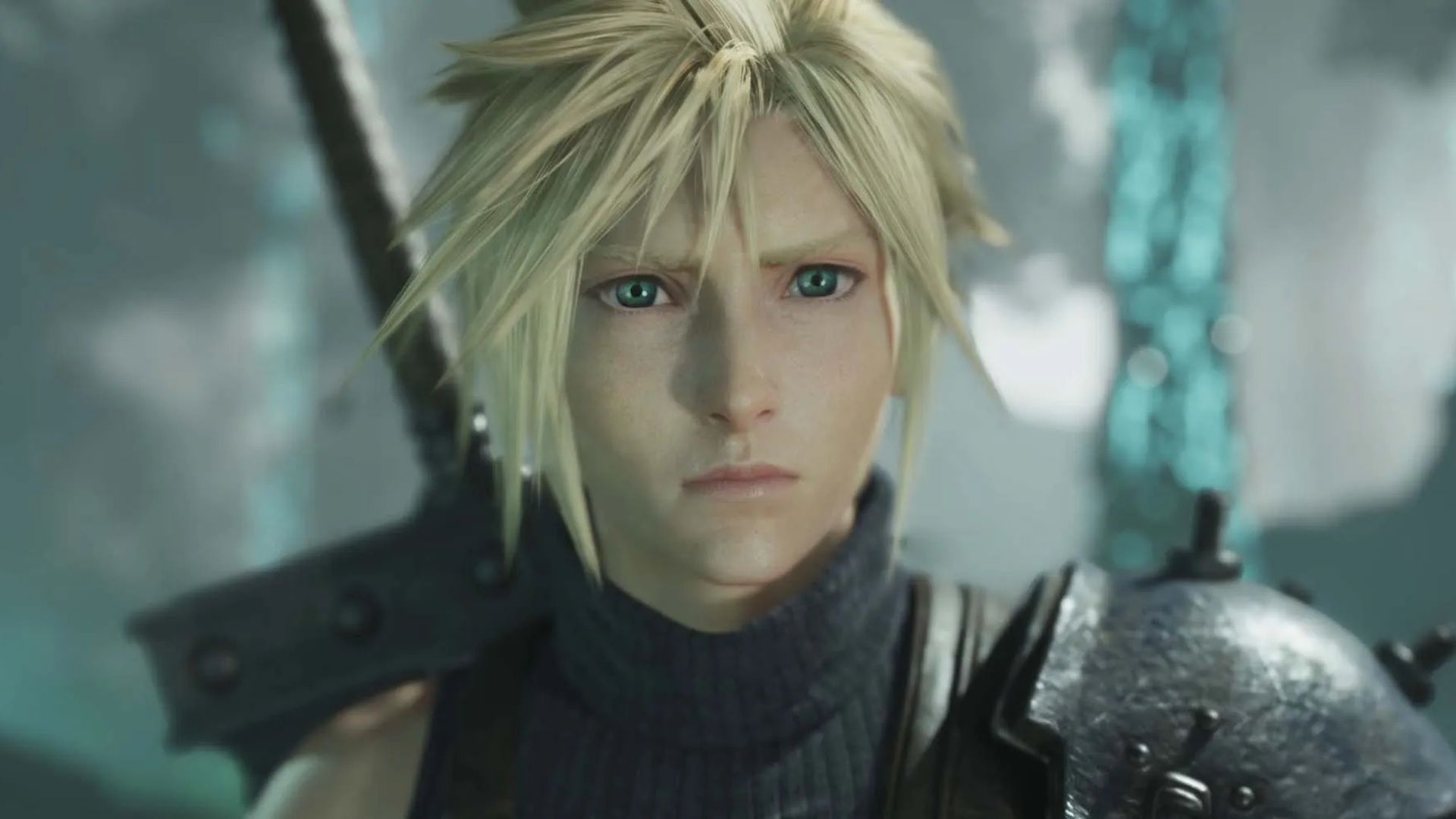
Considering how much Final Fantasy 7 Remake has changed the story – Zack’s survival, Aerith’s uncertain future, Cloud’s increasingly fragile mental state, and Sephiroth’s control over destiny – the third part essentially needs to be a completely new game. While Square Enix will probably still want to stay true to the original, pretending the finale can just be a slightly updated version of the original’s ending doesn’t acknowledge just how significant the changes in the trilogy really are.
FF7 Rebirth Changed Too Much for Part 3 to Act Like Nothing Happened
The Final Fantasy 7 Remake trilogy isn’t a direct retelling of the original game, but rather uses it as a foundation. While many of the core story beats from the original Final Fantasy 7 are still present in Remake and Rebirth, the addition of the Whispers significantly alters how these new games connect to the source material.
Who’s That Character?  Identify the silhouettes before time runs out.
Results
High Score: 0 —
Essentially, the Whispers step in when things begin to deviate from what fate intends. This means Final Fantasy 7 Remake isn’t just a rehash of the old story. It’s creating a new version where the events of the original game are something the world is actively working to protect, instead of things that haven’t occurred yet. Think of it like the original Final Fantasy 7 and the remake trilogy existing side-by-side – the remake isn’t meant to replace the original, but rather to coexist with it.
The real impact of the Whispers is how dramatically they’ve changed things. The original Final Fantasy 7 isn’t just the basis for the remake; within the remake itself, some characters are actively trying to preserve its original story. This means any big changes aren’t just creative choices by the developers—they become plot points, and the Whispers show up whenever the established storyline is in danger.
It feels like the original Final Fantasy 7 and the remake trilogy exist side-by-side, rather than the remake simply replacing the original.
The game’s story can be seen as a commentary on remakes themselves. Usually, a remake is compared to the original game by fans. But in the Final Fantasy 7 Remake trilogy, that comparison becomes part of the story. The original game isn’t just what’s being updated – it’s also treated as a fixed timeline the characters are trying to preserve. Essentially, the ‘Whispers’ represent the challenges every remake faces: change too much and you risk losing fans, but don’t change enough and the remake feels pointless.
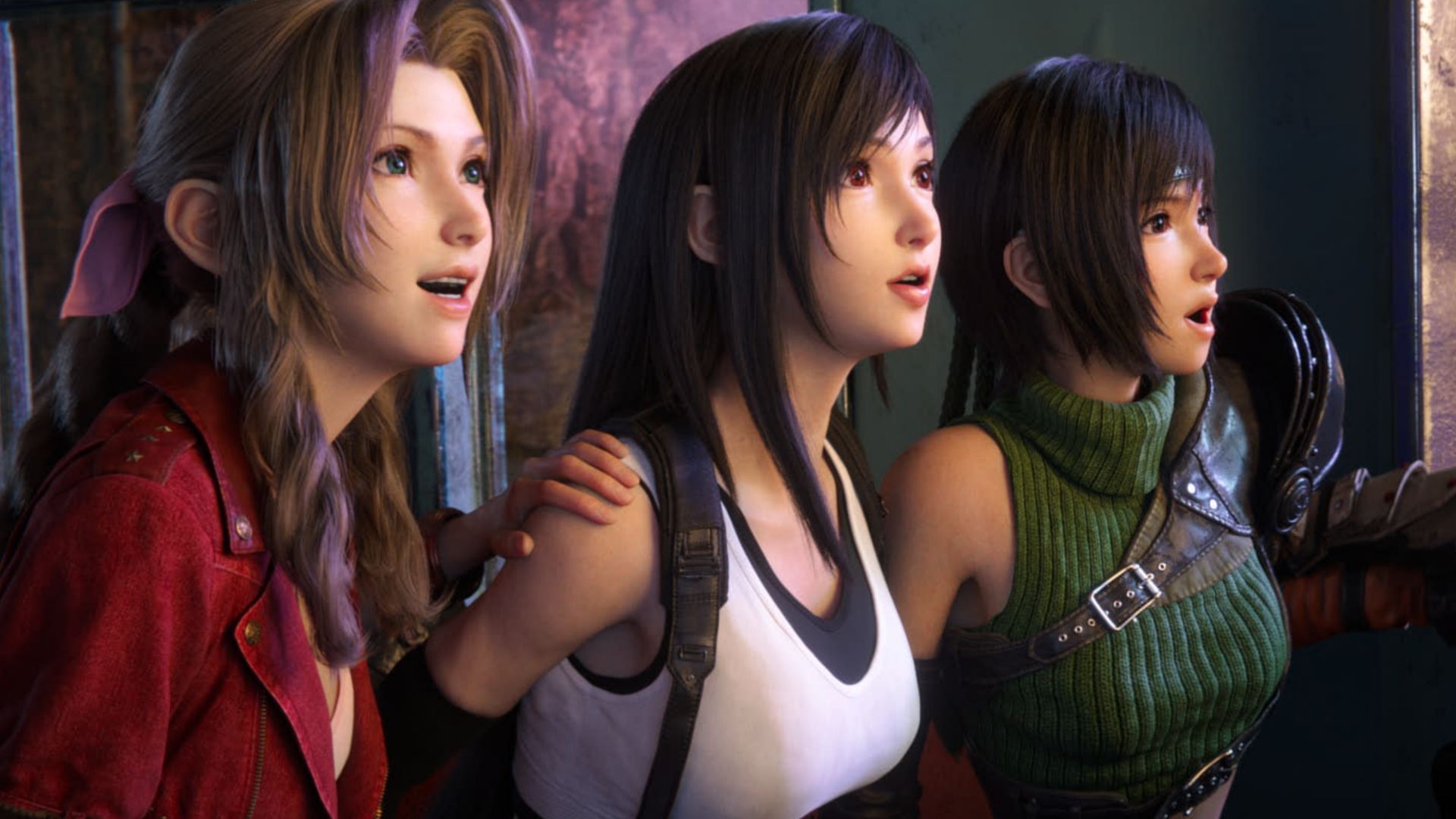
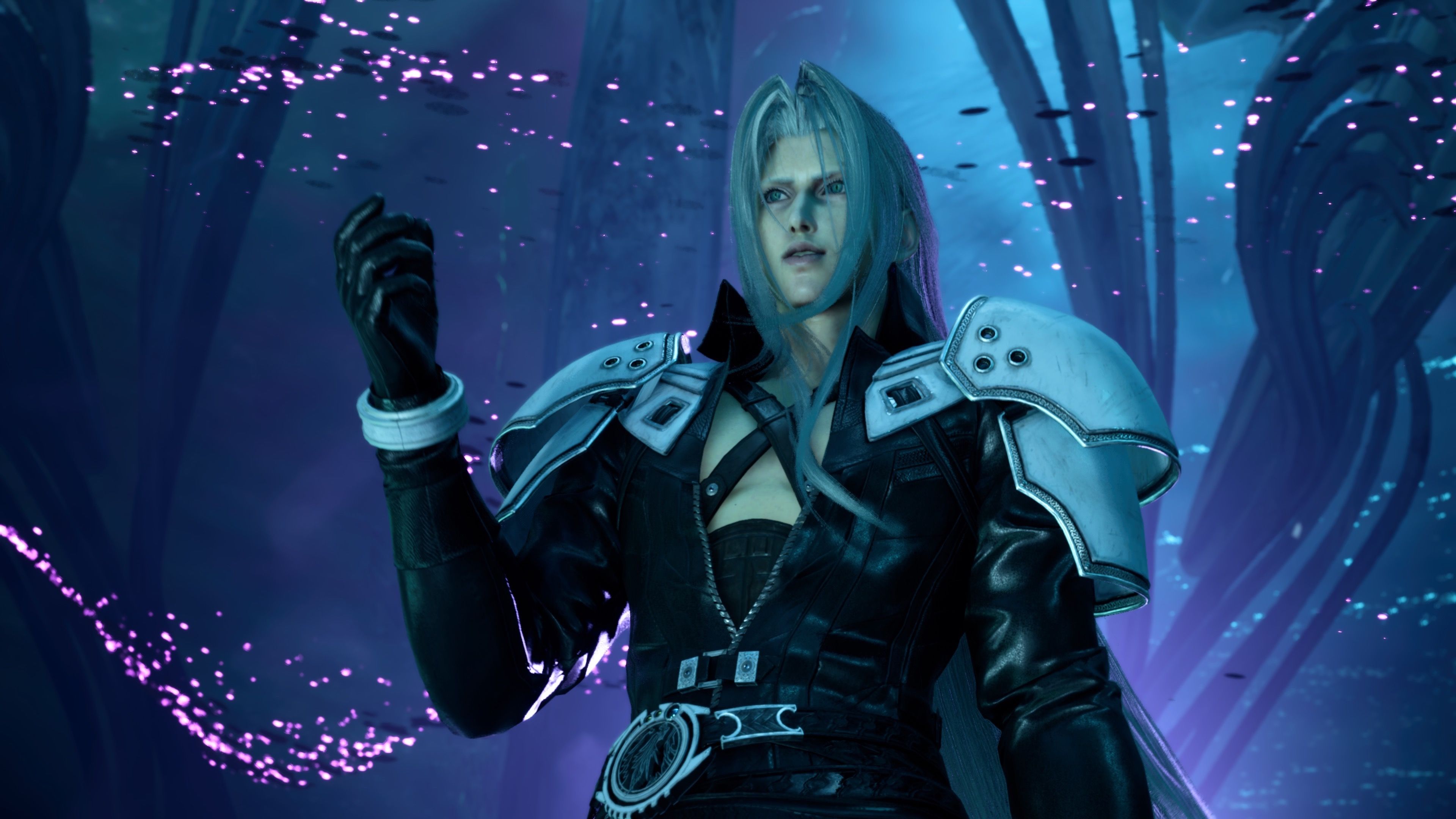
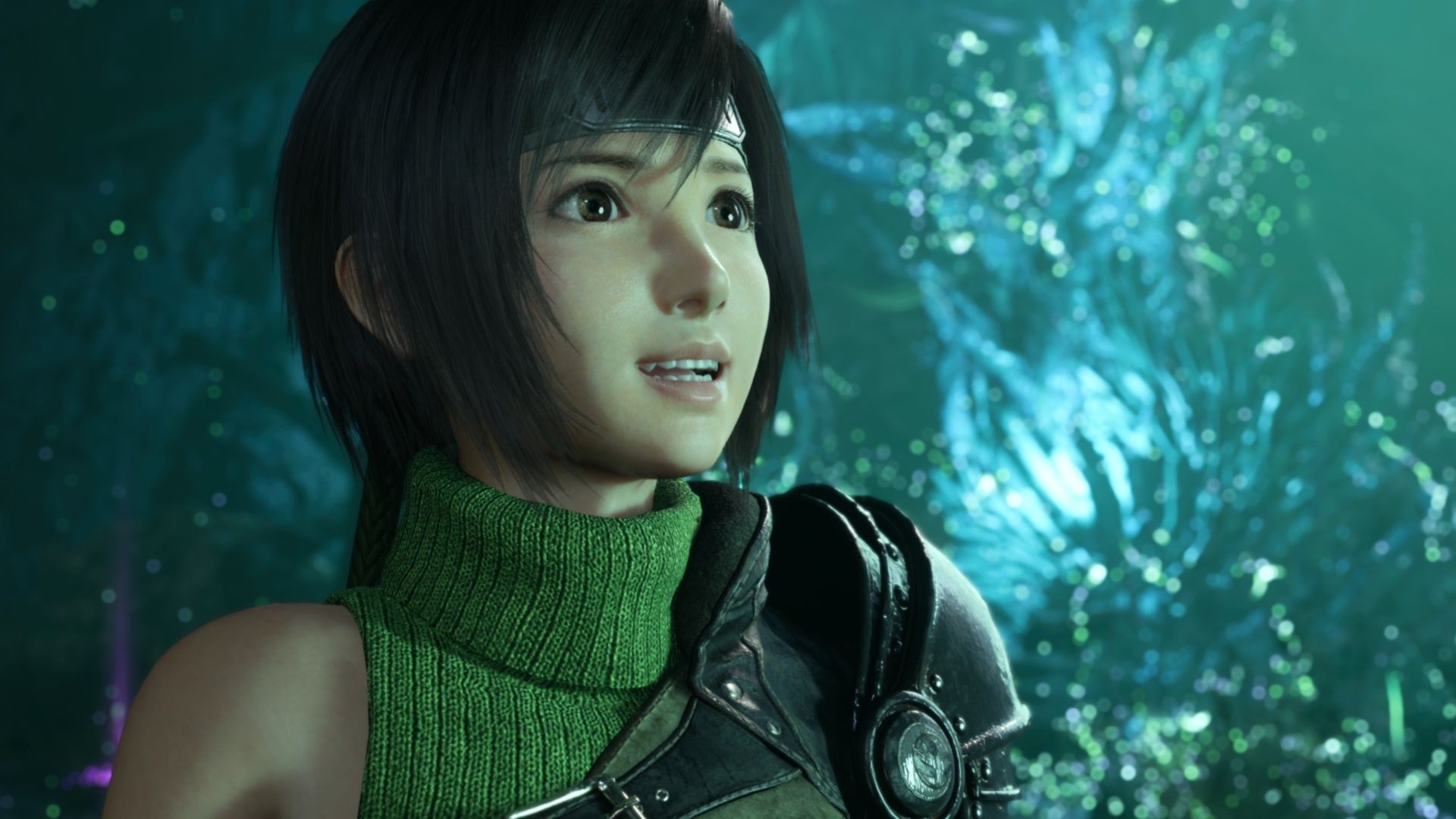
The Whispers aren’t just a new feature; their very existence reveals something important about the Final Fantasy 7 Remake trilogy. If their purpose is to keep the remake true to the original game, then the fact that they need to exist suggests this new story is intentionally diverging from it. Essentially, the Whispers only make sense if the remake is considering changes so substantial that fate itself feels the need to intervene. While the original story hasn’t been erased, it’s already been noticeably altered in several key areas.
Zack and Aerith Are No Longer Side Questions
The changes to Zack and Aerith in the Final Fantasy 7 Remake trilogy demonstrate how much the new story is diverging from the original game, perhaps even more clearly than the altered role of the Whispers. In the original Final Fantasy 7, both characters had a significant impact, largely because of their deaths – Zack died before the story began, and Aerith’s death was a pivotal, heartbreaking moment. But in the remake trilogy, it’s no longer certain whether either character will meet the same fate.
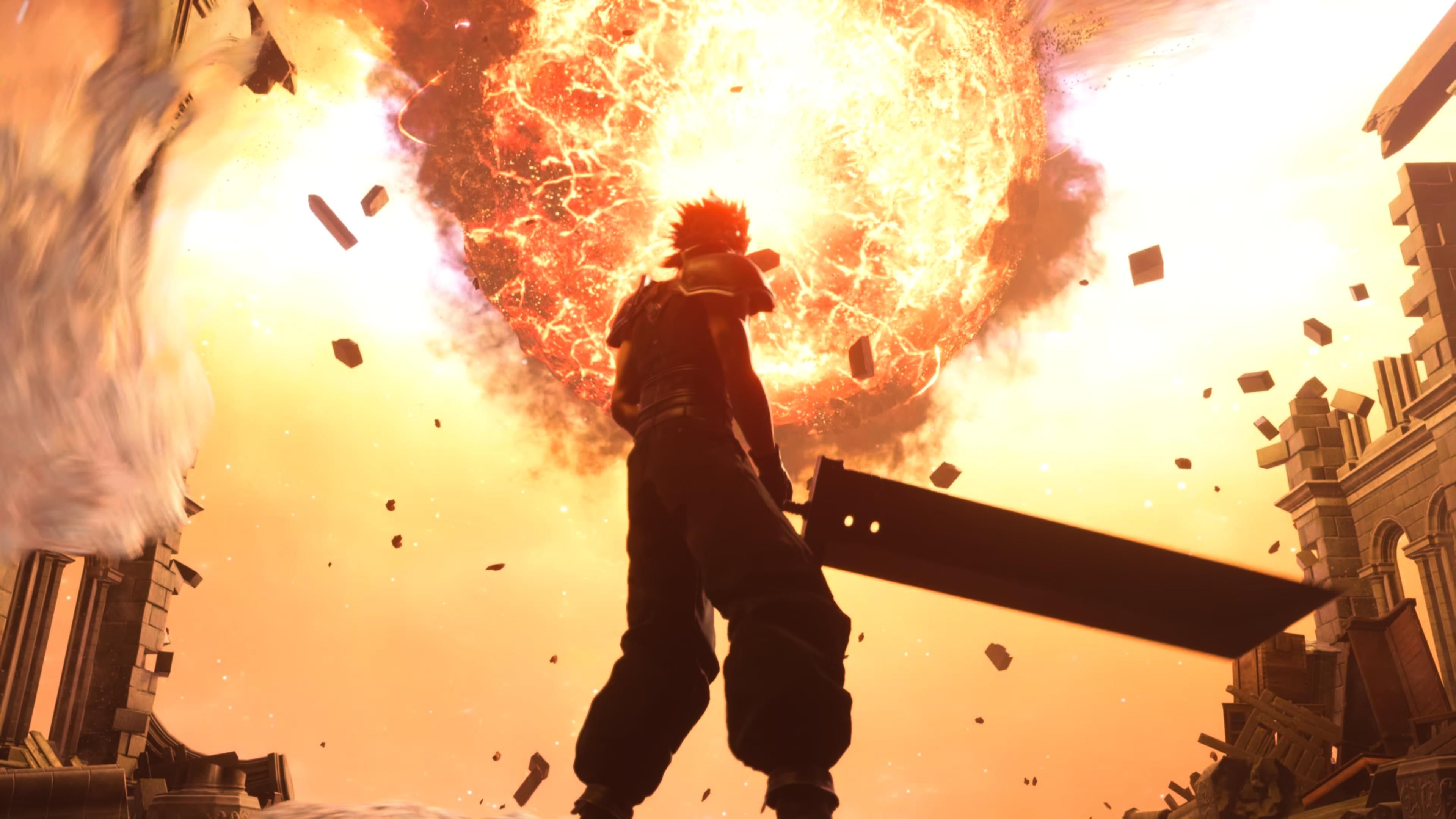
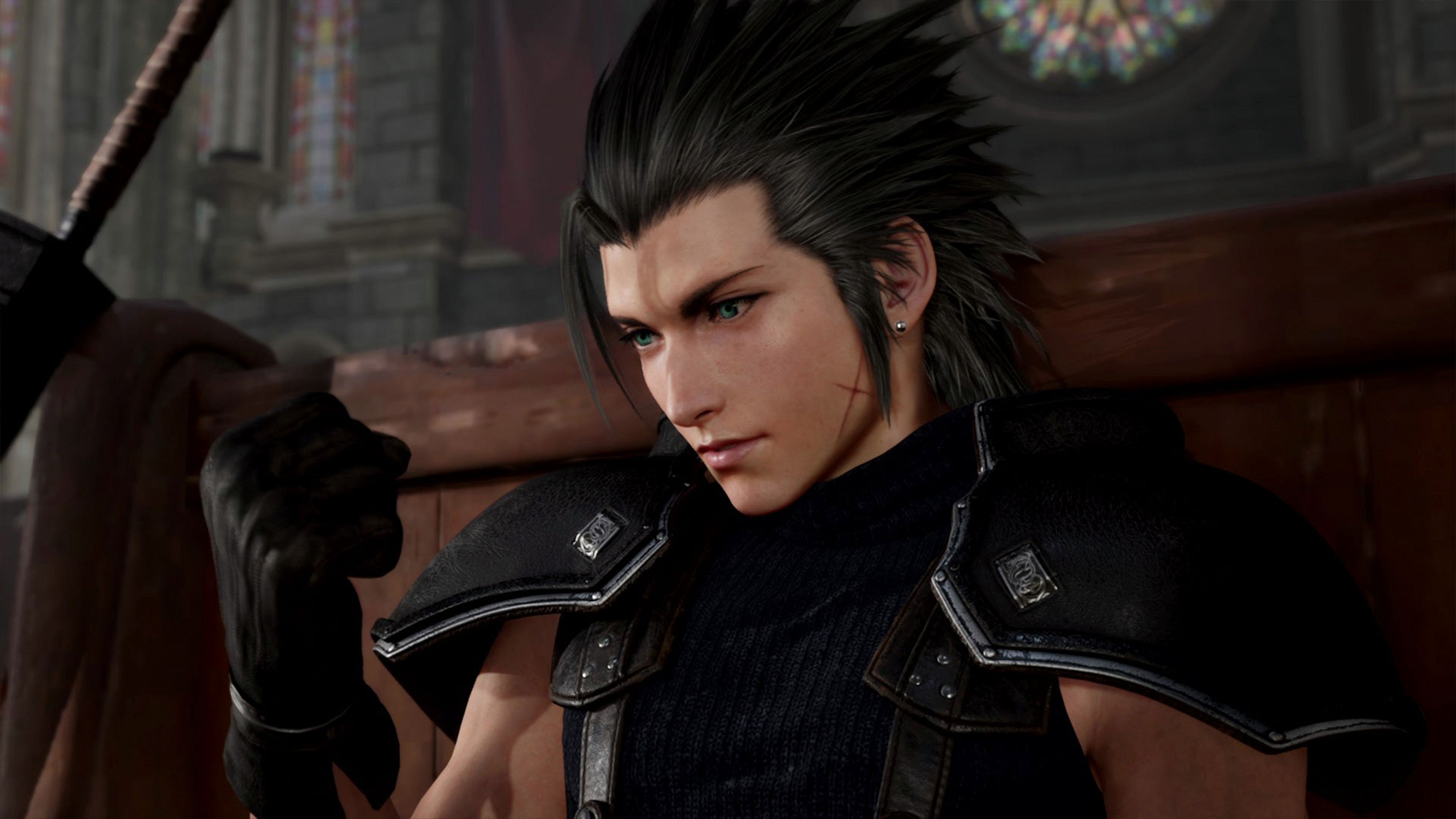
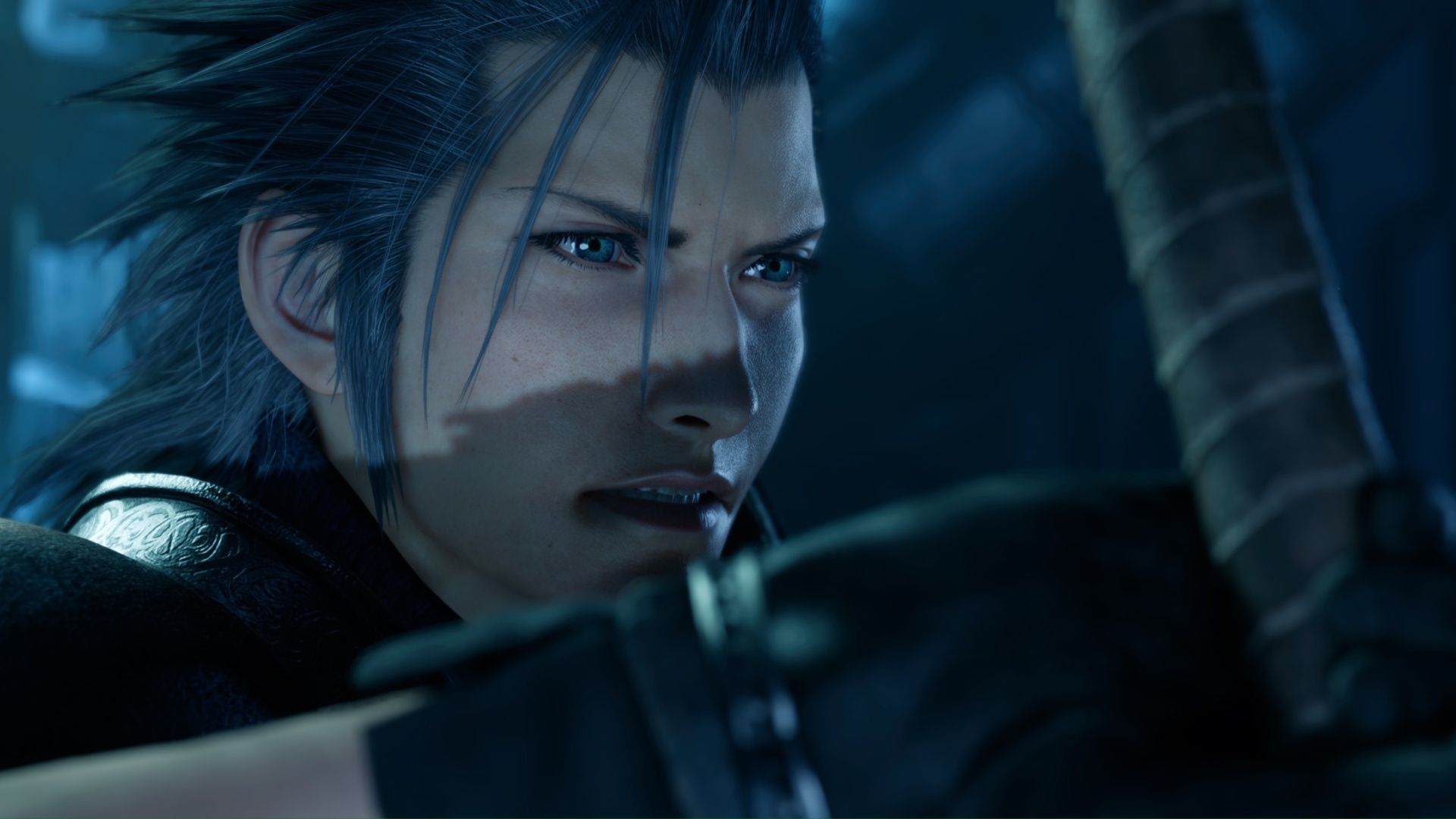
Zack is a great place to begin analyzing the changes in the remake trilogy because his role has been significantly altered. In the original Final Fantasy 7, Zack’s importance comes from his death, which is a crucial part of the backstory that drives Cloud to understand his true self – Zack essentially represents a missing piece of Cloud’s identity. However, the remake trilogy has flipped this by making Zack’s survival – or at least the possibility of it – a major, ongoing mystery.
If the Whispers are meant to keep the story of the Final Fantasy 7 Remake trilogy true to the original game, the trilogy itself is suggesting this new version is actually diverging from it.
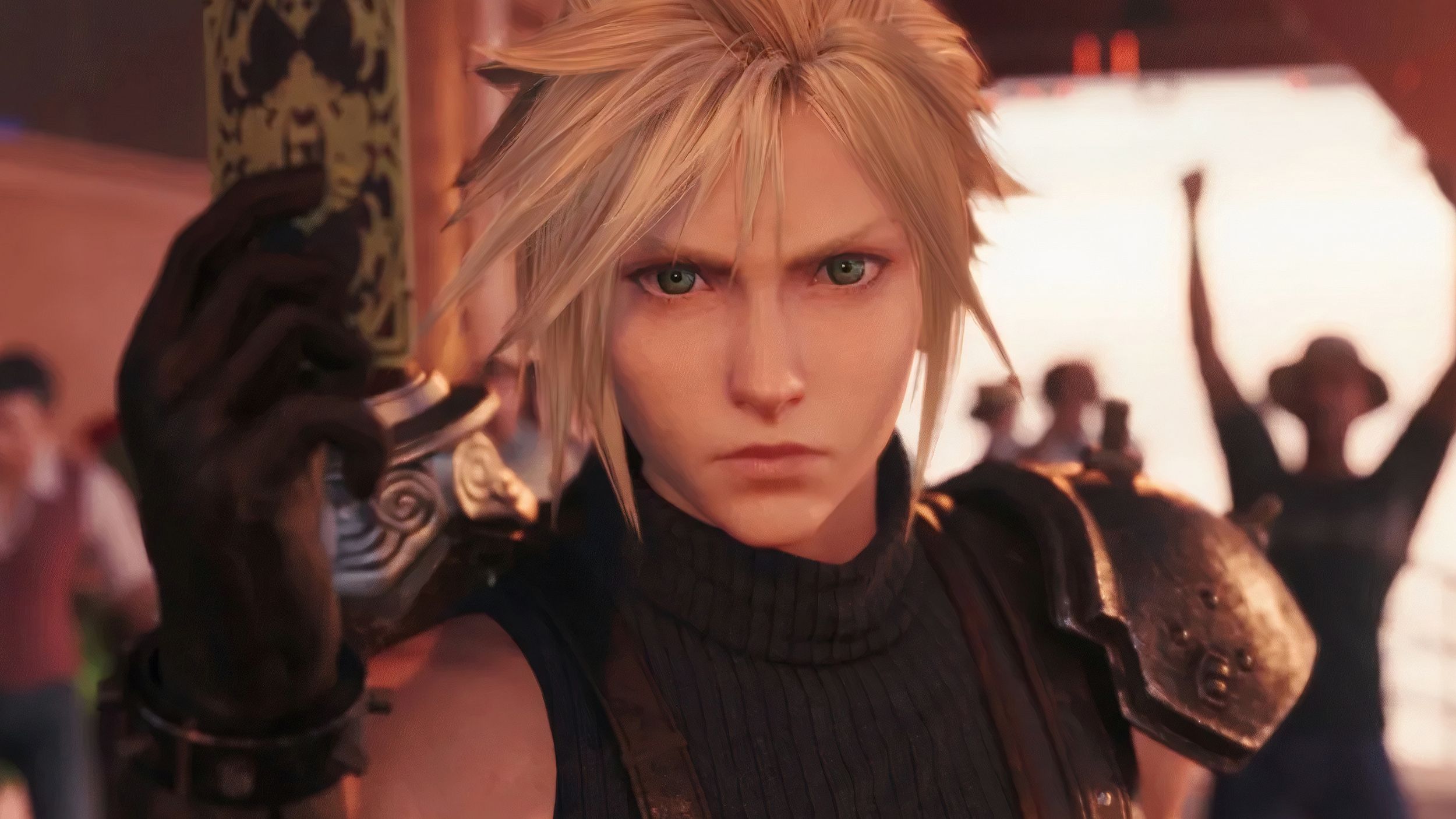
This creates a challenge for the third part of Final Fantasy 7 Remake. After featuring Zack so prominently to add complexity to the story and its themes of destiny, the game can’t simply dismiss him as extra content. Whether he’s in a different world, timeline, or exists within the Lifestream, his importance can’t be ignored. The final game needs to explain why the remake trilogy reintroduced him and how his return impacts Cloud’s journey, as Zack’s original role was deeply connected to Cloud discovering the truth about himself.
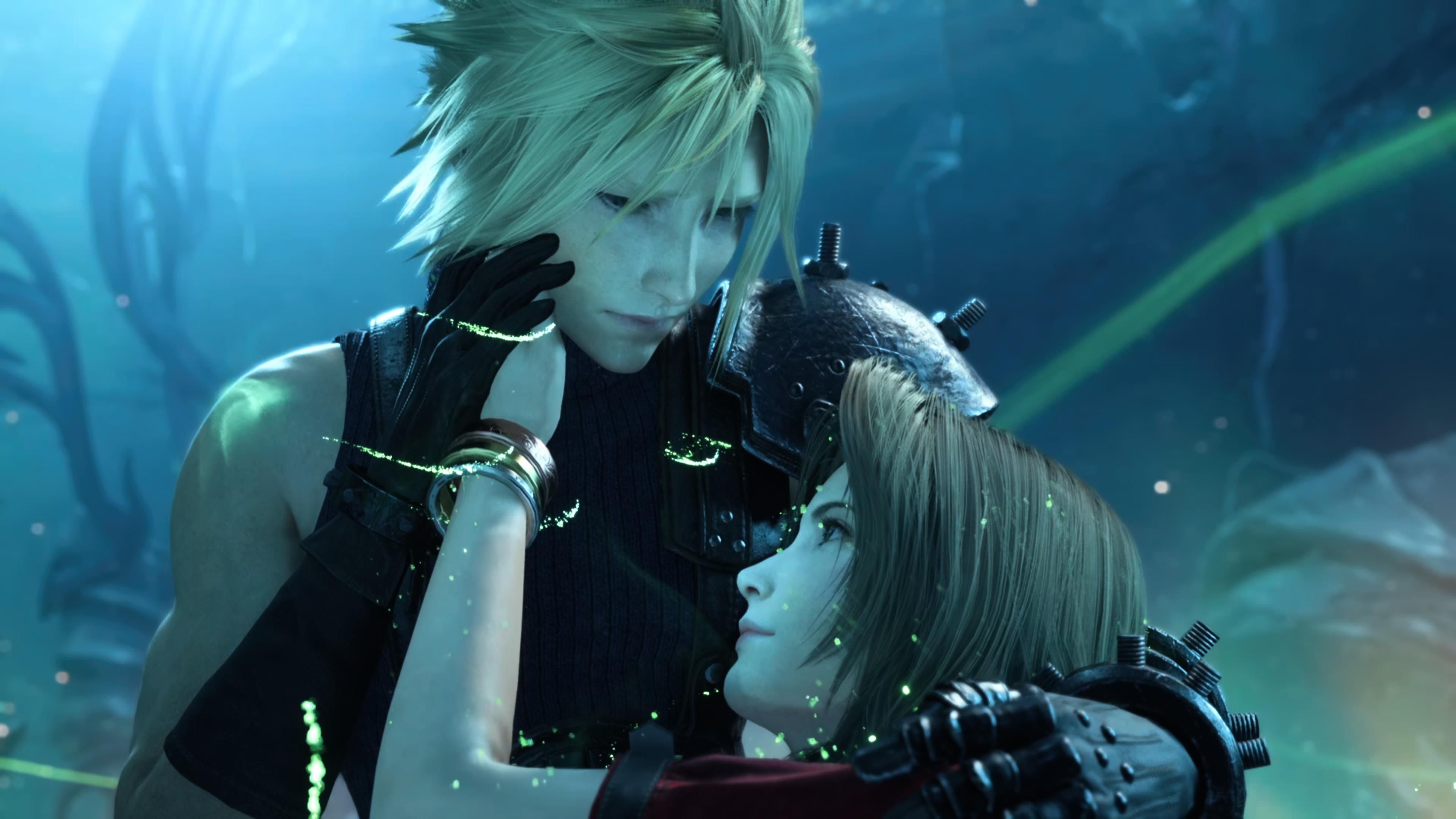
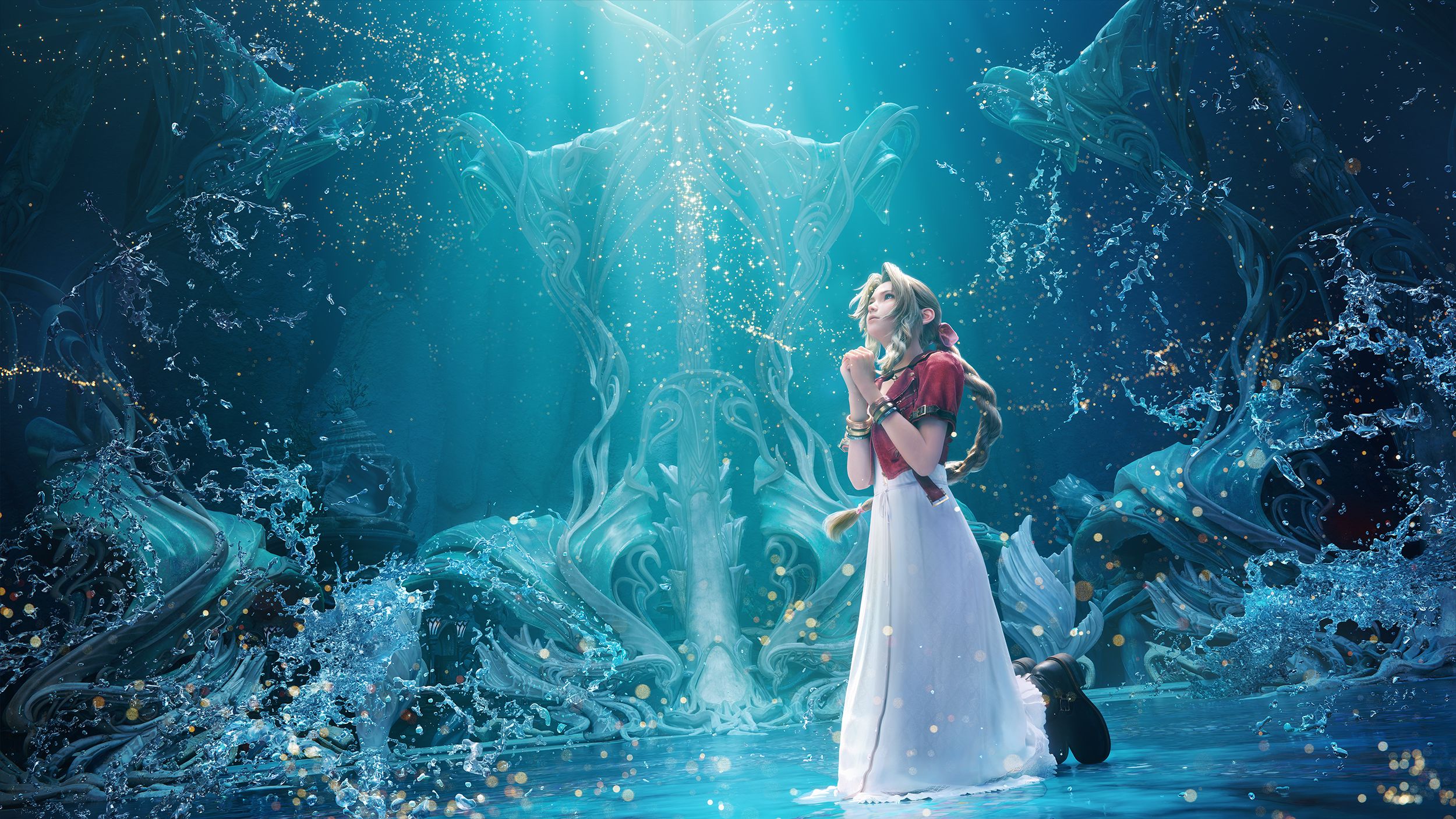
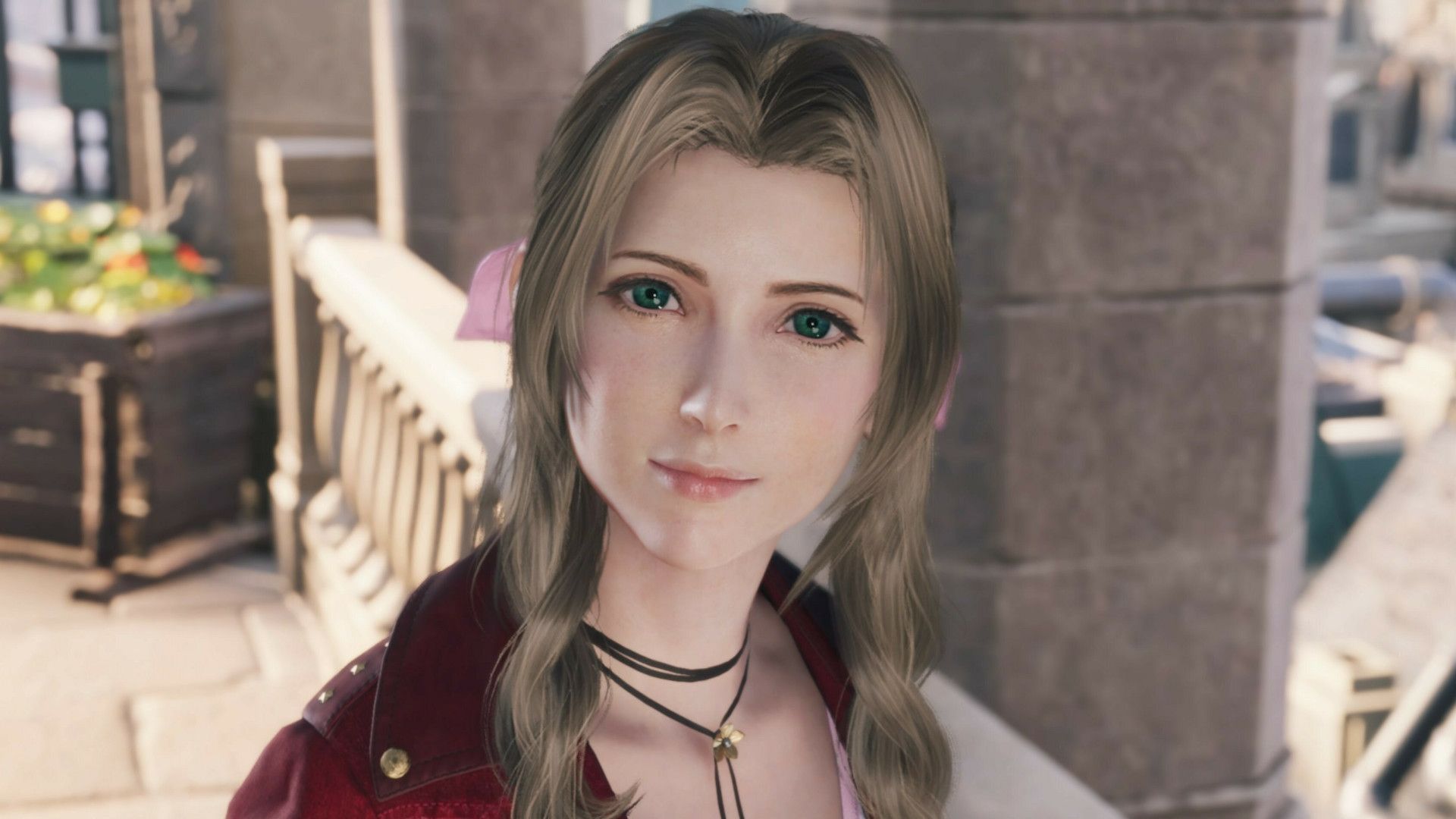
Aerith’s situation is more nuanced than a simple reversal of events. While Final Fantasy 7 Rebirth reaches the iconic moment of her death, it doesn’t present it as definitively happening. The original Final Fantasy 7 made her death clear and impactful, forcing the characters and players to cope with the loss throughout the rest of the game. Rebirth revisits that moment, but introduces ambiguity, meaning it’s not a complete undoing of the original, but it’s also not the same. This creates a challenge for the third game in the remake trilogy, which now needs to address Aerith’s true condition, how Cloud perceives it, and the party’s feelings of loss, all while maintaining the emotional weight of a moment that the remake has intentionally made more open to interpretation.
Zack and Aerith’s stories demonstrate that the final installment of the remake needs to go beyond simply retelling the events of the original game. The series has significantly changed these characters, who were previously defined by their deaths, the memories people held of them, and the grief those deaths caused. Now, those changes are the central mysteries heading into the finale, and the final game must address the impact of Remake and Rebirth on these iconic characters and their legacies.
Part 3 Has to Follow Through on the Trilogy’s Own Changes
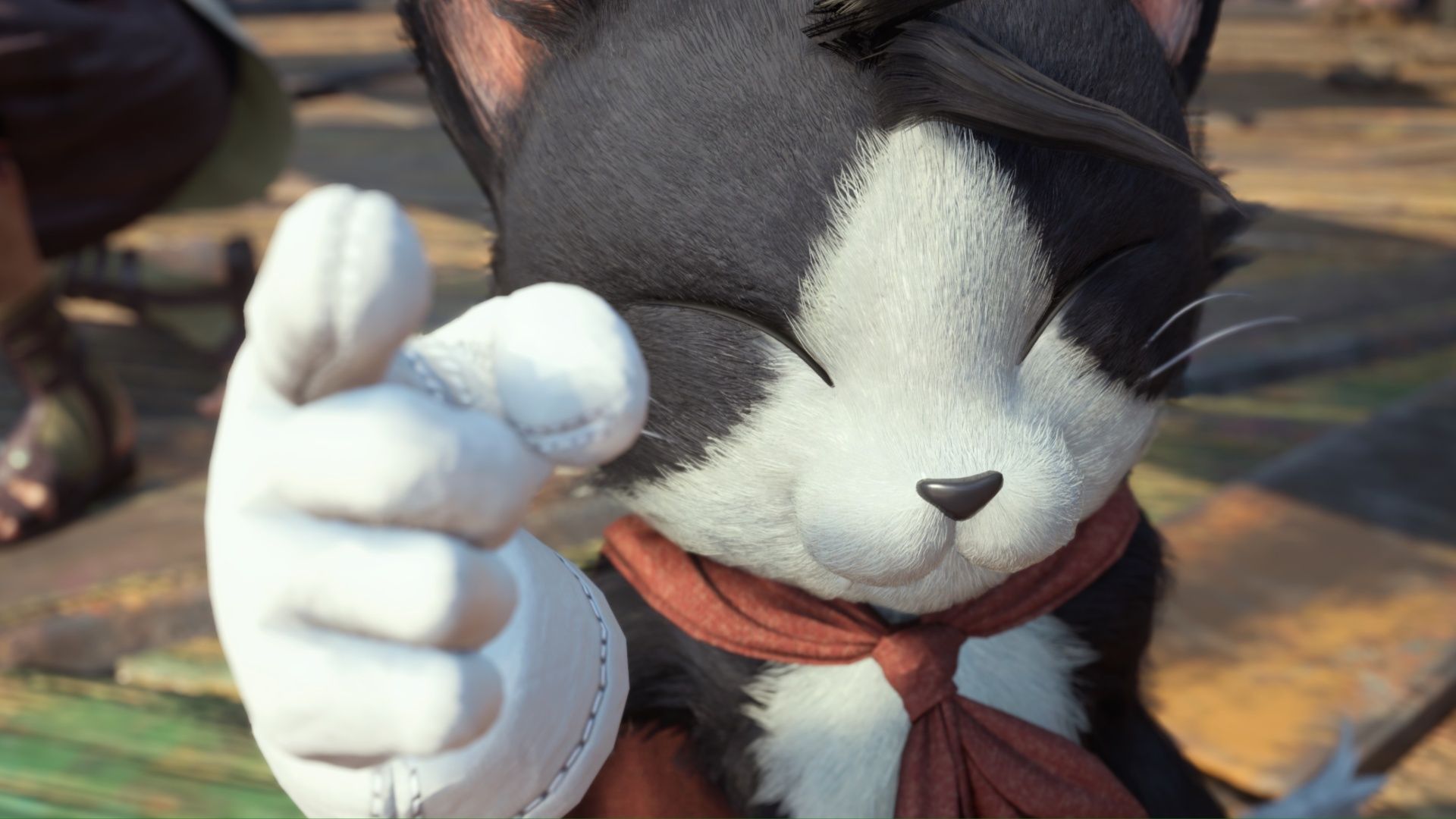
It’s no longer about whether the third part of Final Fantasy 7 Remake will stay true to the original game. Both Remake and Rebirth have shown that the original story is important, and the new story even seems to resist changes from it. The bigger question now is if the third part will continue the significant changes the series has already made, because characters like Zack and Aerith, and the mysterious Whispers, have become too central to be seen as just side stories.
The best approach for the third part of the remake might be to fully embrace the changes the trilogy has made. If Square Enix tries too hard to stick strictly to the original game’s ending, it could create an inconsistent experience. While the core story should remain, after significantly altering the foundation with the first two games, it would feel unnatural to simply revert to the original’s final act. Instead, letting the trilogy evolve into its own unique game feels like the more natural path.
Read More
- Re:Zero Season 4, Episode 6 Release Date & Time
- How to Get the Wunderbarrage in Totenreich (BO7 Zombies)
- NTE Drift Guide (& Best Car Mods for Drifting)
- How to Beat Turbines in ARC Raiders
- All Aswang Evidence & Weaknesses in Phasmophobia
- How to Get Necrolei Cyst & Strong Acid in Subnautica 2
- Diablo 4 Best Loot Filter Codes
- Where to Find Prescription in Where Winds Meet (Raw Leaf Porridge Quest)
- Conduit Crystal Location In Subnautica 2
- Best Where Winds Meet Character Customization Codes
2026-05-19 21:06