
Many gamers, including me, find it hard to play as the ‘bad guy’ in games. It’s cool to see how characters react to your choices and how the story changes, but I don’t enjoy needlessly causing destruction or hurting innocent people. I usually prefer to play as a character who’s at least somewhat good. I’m okay with fighting and even defeating truly evil characters, but I don’t like deliberately making life worse for others. That said, I can still appreciate a bit of action and excitement.
Every game handles ‘being bad’ in its own way. Some let you play as a truly villainous character, while others simply allow you to be playfully disruptive – think of that mischievous goose! Ultimately, if I feel too guilty about my actions, I stop enjoying the game. These games all fall into one of those categories, but what they all have in common is making it genuinely fun to cause a little trouble, each in their own unique style.
What’s That Weapon?  Identify the silhouettes before time runs out.
Results
High Score: 0 —
7. Soul Sacrifice
Becoming The Ultimate Glass Cannon
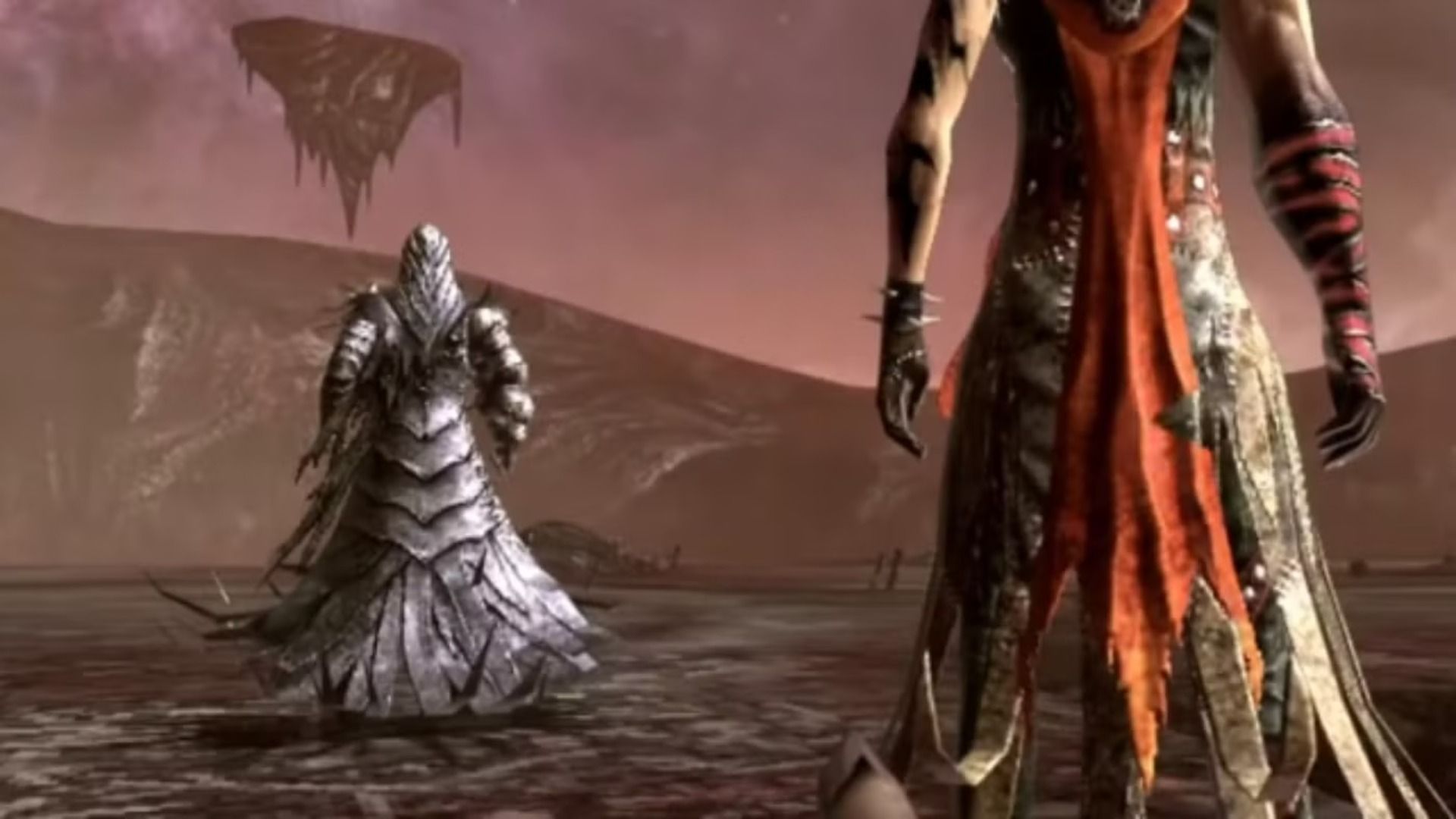
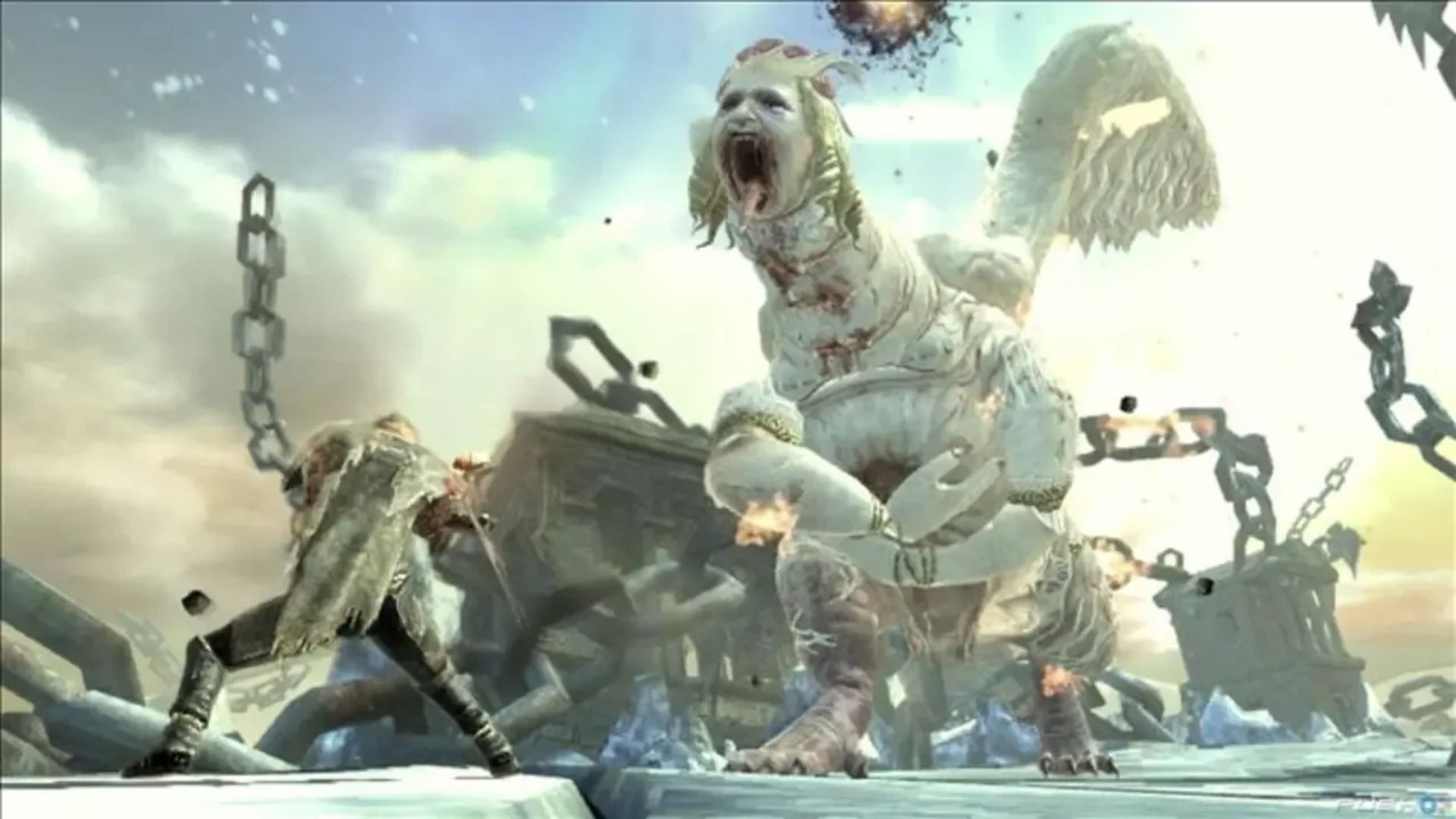
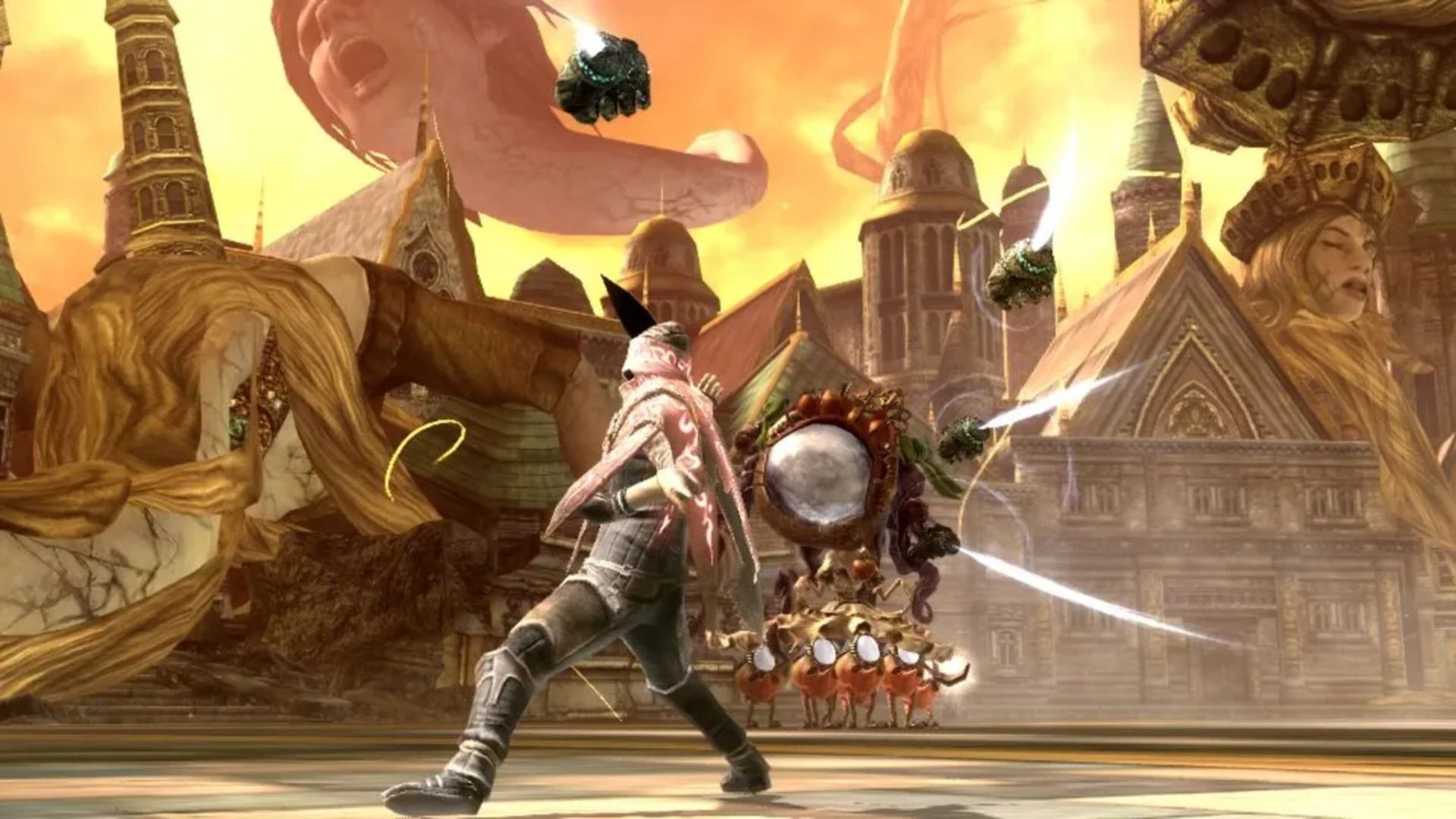
When Soul Sacrifice came out for the PS Vita in 2013, I didn’t know anyone else who owned one, so I relied on joining online lobbies for co-op gameplay. I noticed I was invited to join teams more often when I played as a ‘Chaos’ character than a ‘Divine’ one. If you played the game, you’ll understand why – it was generally more enjoyable, and considered more useful, to play as the ‘bad’ guy.
Soul Sacrifice is a dark and fairytale-inspired game similar to Monster Hunter. You play as a prisoner facing certain death as a sacrifice to the sorcerer Magusar. Luckily, you have an ally: a talking book named Librom. Librom’s pages reveal the stories of monsters who fought a famous sorcerer, and each story becomes a battleground. After defeating a monster, you must choose to sacrifice it or spare it. Sacrificing monsters increases your attack power, while sparing them makes you tougher and better at supporting others. In Soul Sacrifice Delta, balancing your choices (keeping your character at a 50/50 level) offers a strong mix of damage and defense. However, focusing entirely on either sacrifice or sparing (reaching 99/1 or 1/99) pushes your character to become either a powerful attacker or an incredibly durable supporter.
The main issue with fully dedicated Divine builds was their low damage output – only builds focused on blood magic could really deal significant damage. While they offered strong healing and support, players aiming to defeat bosses quickly often felt they actually slowed things down. As a player specializing in Chaos builds, I personally found it much more enjoyable to deal massive damage and skillfully avoid incoming attacks, even if it meant playing a riskier game, than relying on a more defensive, support-focused approach. Avoiding damage with a max-Chaos build required skill, but the payoff was a much more exciting experience.
6. Baldur’s Gate 3
The Urge For Evil
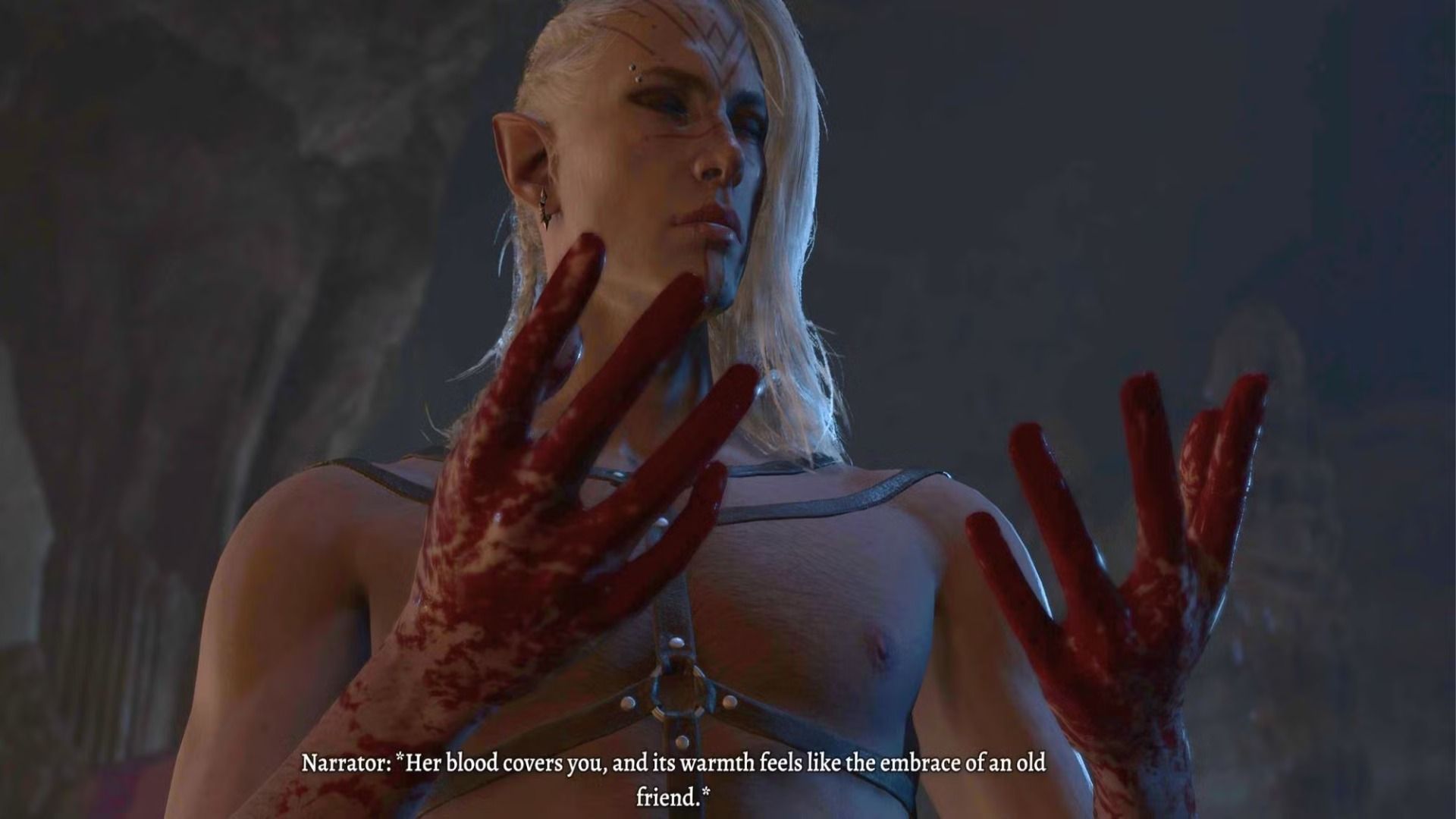
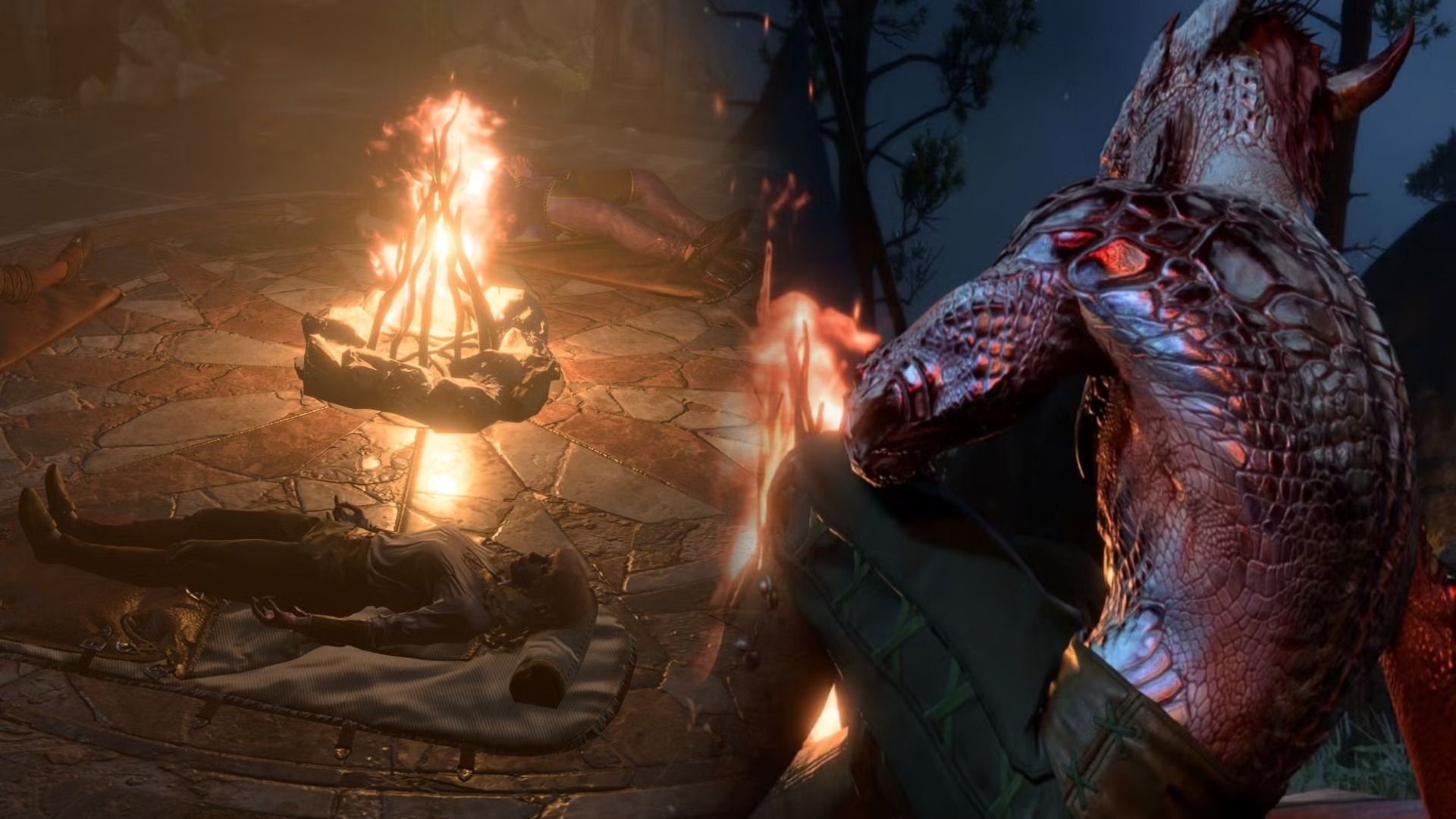
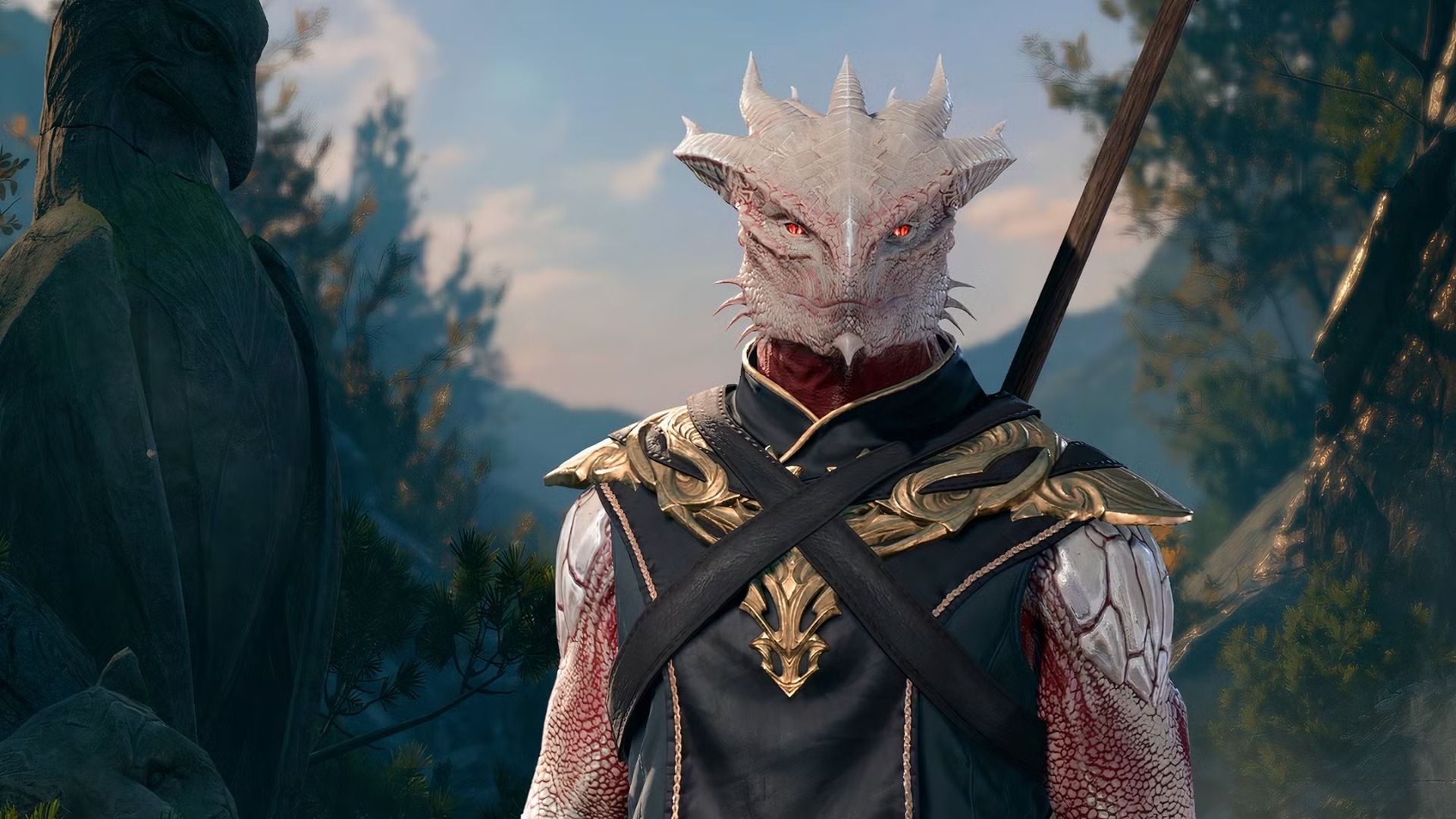
Honestly, I really dislike playing a villain who’s just…evil for the sake of being evil. Just violence and mean lines don’t do it for me. That’s not to say I never choose the bad guy route – if it’s done well and offers something unique, I’m all in. A perfect example, for me, is the story of the Dark Urge in Baldur’s Gate 3. It was just fantastic.
The Dark Urge origin character is complex and unpredictable, but isn’t just about being purely evil. While they can be malicious, you don’t have to give in to those impulses and hurt others. The character struggles with amnesia and inner turmoil, adding depth to how you play them. There were parts of the campaign I found difficult to handle – specifically the potential attack on the Emerald Grove and the fate of Alfira, a character I really liked – but the mystery surrounding the Dark Urge was compelling enough to keep me going. I’ve now explored all possible endings for the character, and I was glad to find that a positive outcome was achievable.
Because this game offers so much freedom, you can absolutely choose to play as a villain even if you’re not doing the Dark Urge storyline. How evil you become, who you become allies with, and who you might betray all depend on your choices and what you hope to gain. Every playthrough feels unique, and that’s a big reason why people keep coming back to play it again and again.
5. Tyranny
The Nature of Evil
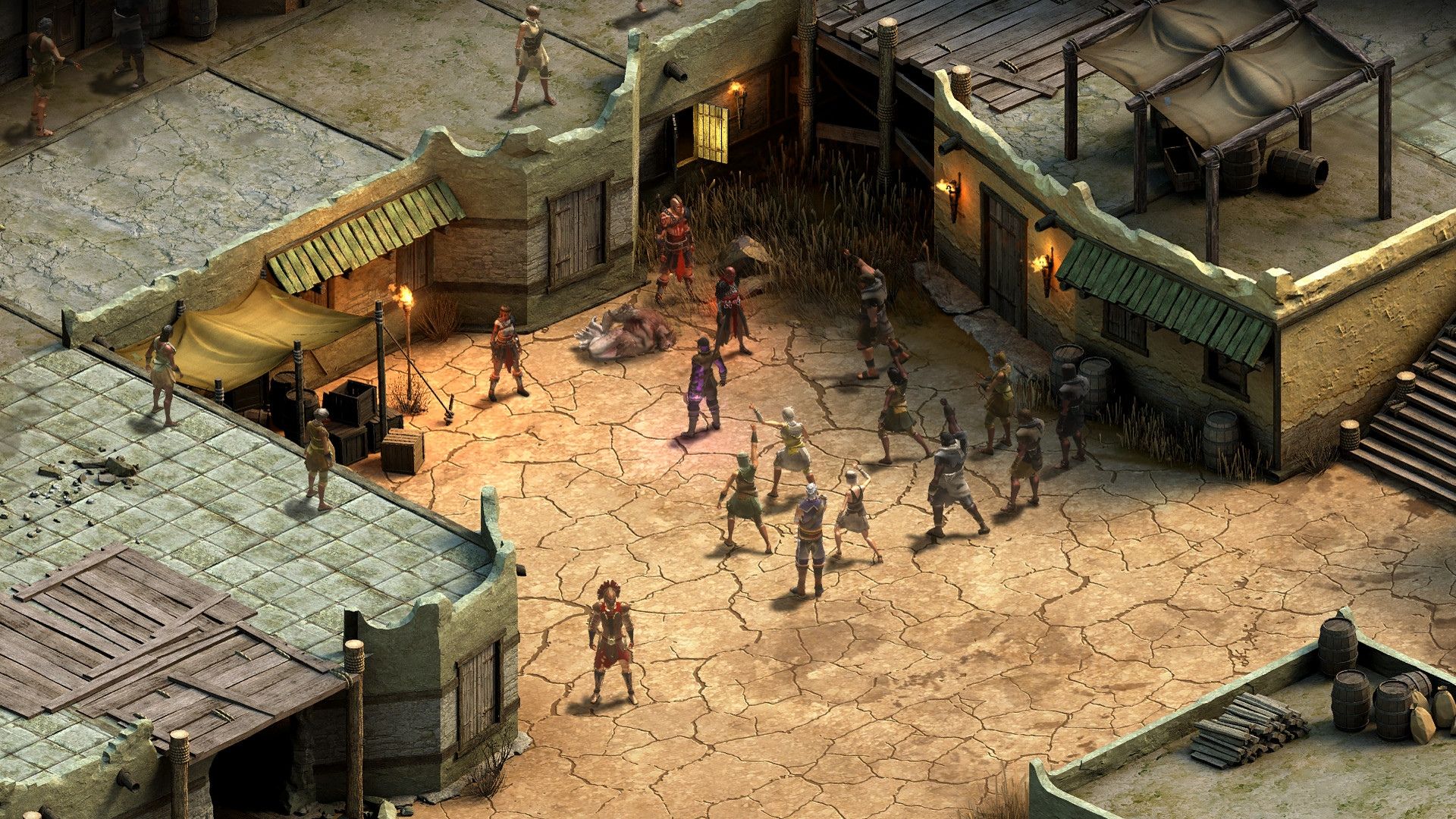
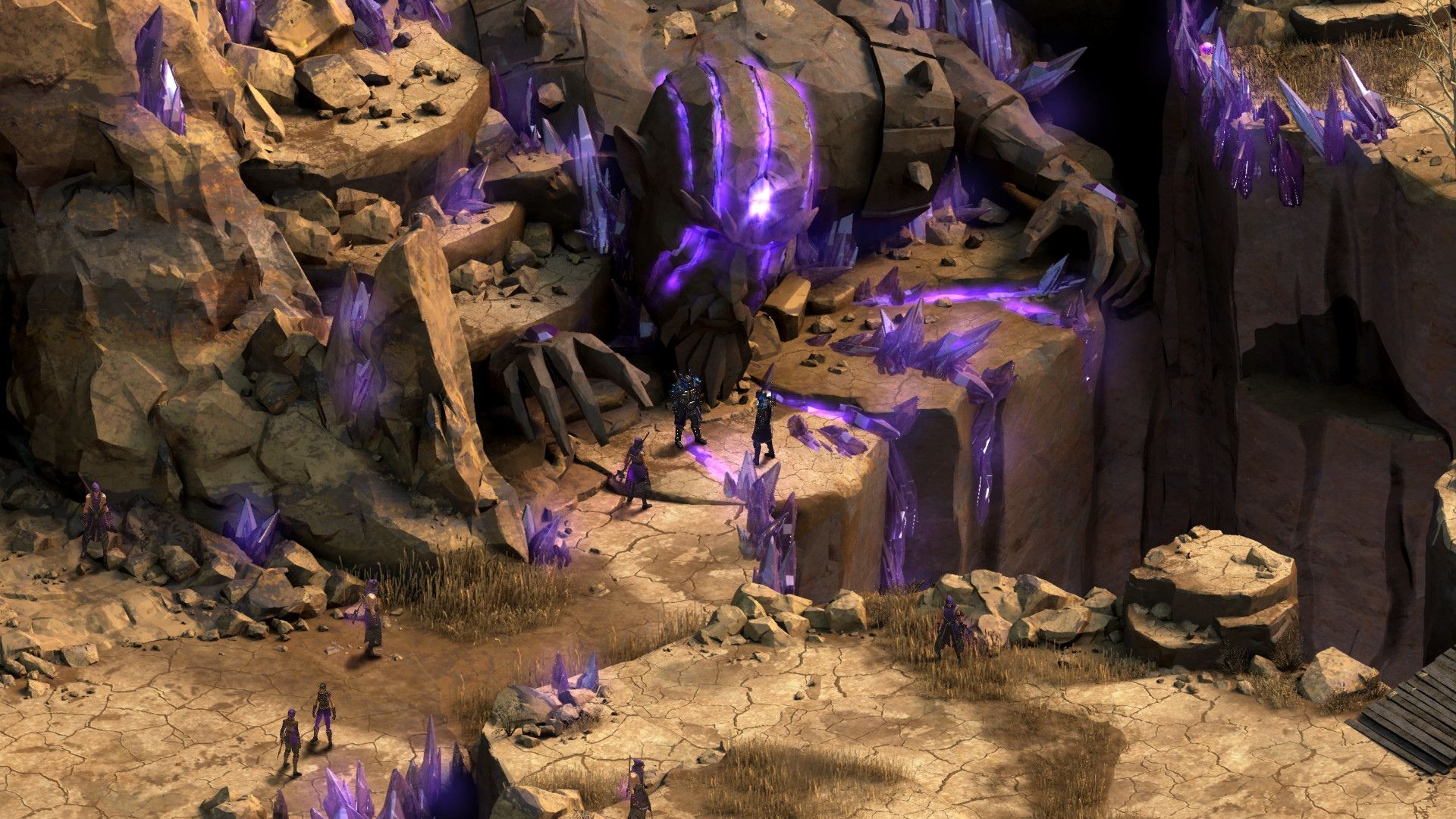
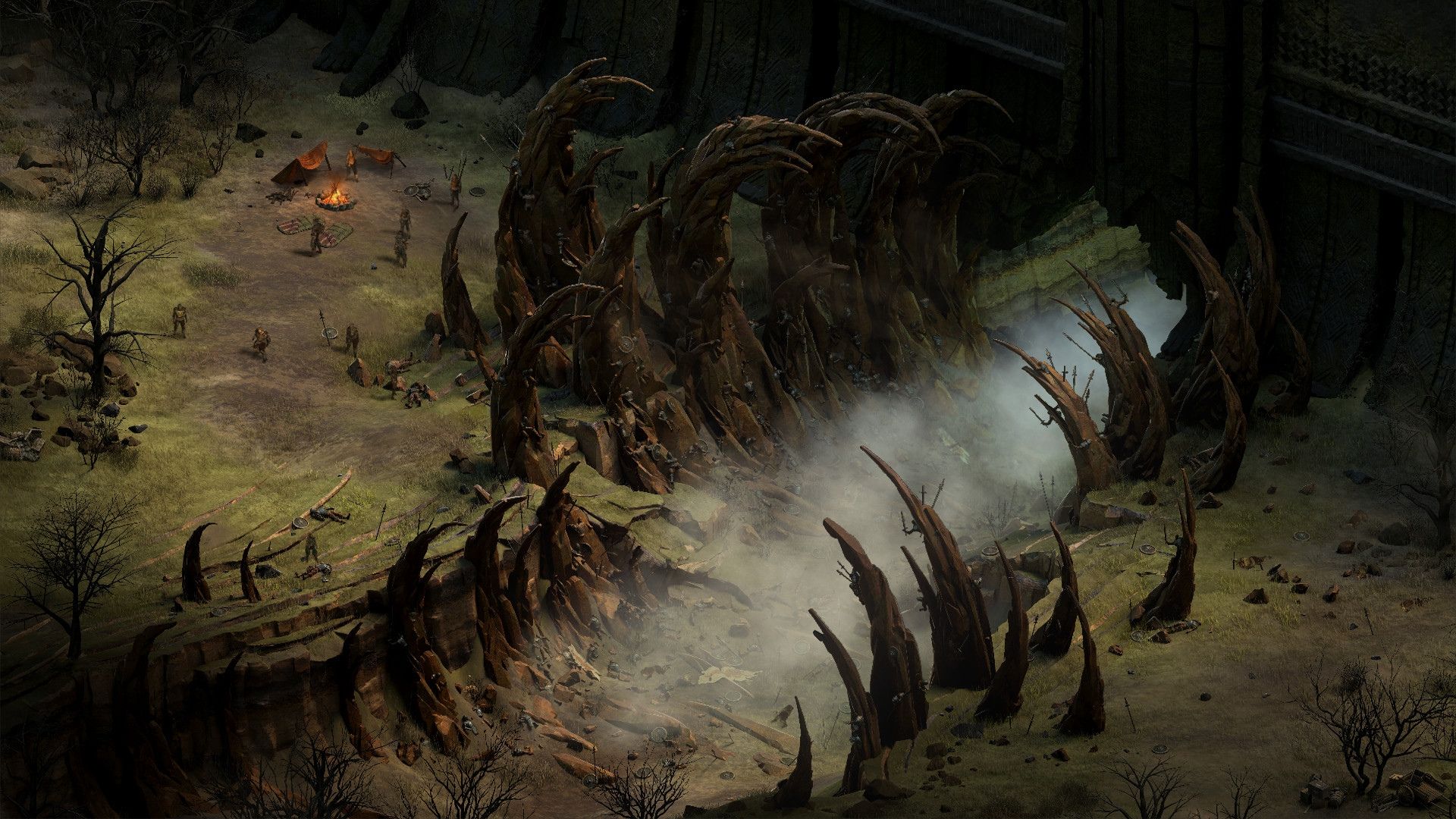
Many role-playing games feature evil paths that lead to a ruined world. But Tyranny flips that idea on its head: the game begins after the villain has already conquered everything. You play as a Fatebinder, someone who enforces the laws of the new ruler, Kyros – essentially, you’re a representative of the oppressive regime, similar to the Sheriff of Nottingham. However, you’re just as bound by the rules of this harsh world as the people you control, and you don’t have to be cruel if you don’t want to.
The world of Tyranny is dark and unforgiving, rarely offering easy choices or happy outcomes for those who live in it. Like other games from Obsidian Entertainment, it’s incredibly detailed, with complex characters and conversations. I often found myself forced to make terrible decisions with lasting consequences, not out of cruelty, but because my character was a pawn in a larger game. As the Fatebinder, I was both a tool and a scapegoat for powerful forces, and it was fascinating to see how my choices impacted society. It was often hard to predict the repercussions of my actions, both for myself and for the people around me. I was also surprised by how much freedom I had to openly oppose Kyros, gaining power and support while watching other military groups respond.
4. Vampyr
How Thirsty Are You?
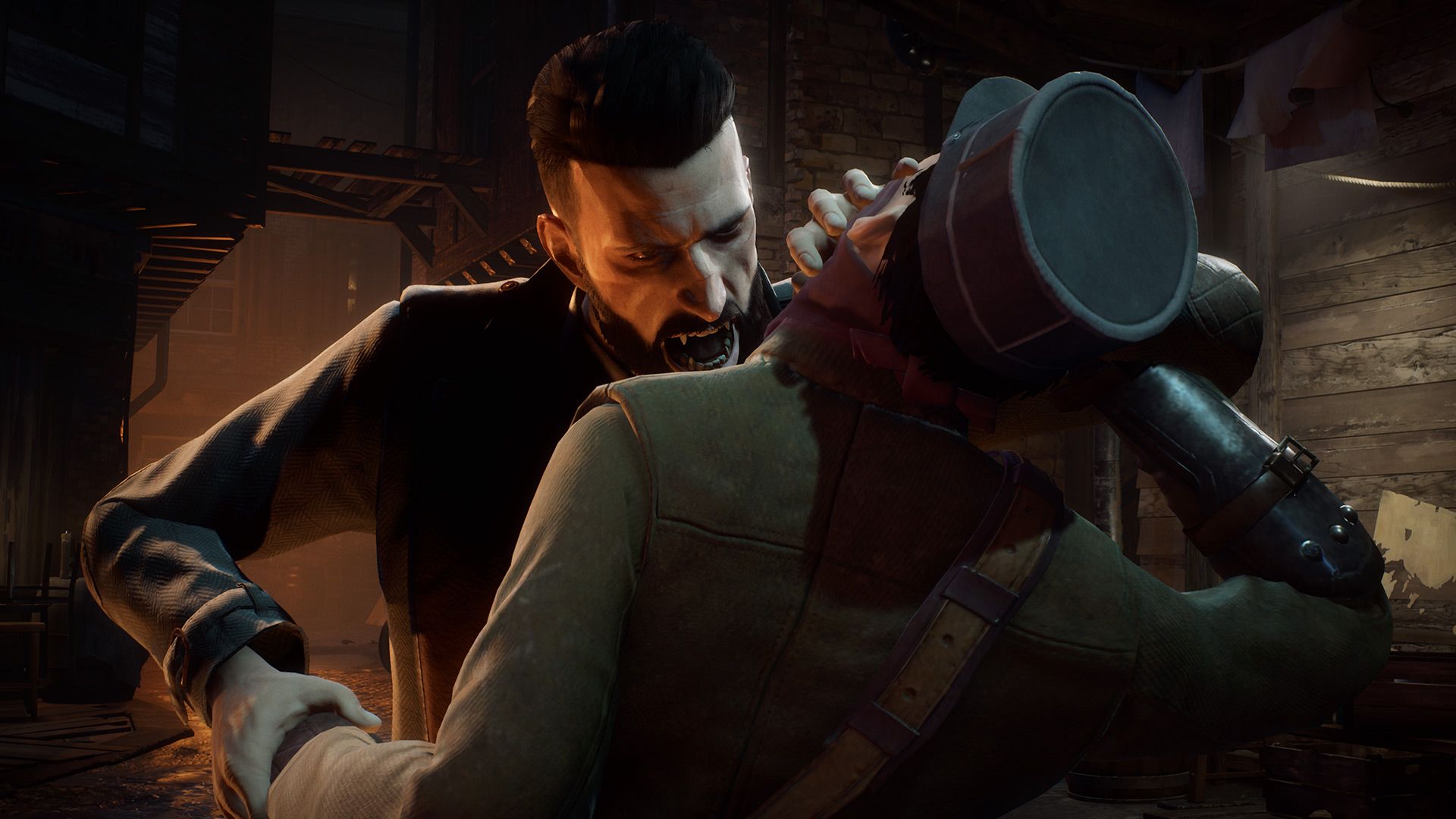
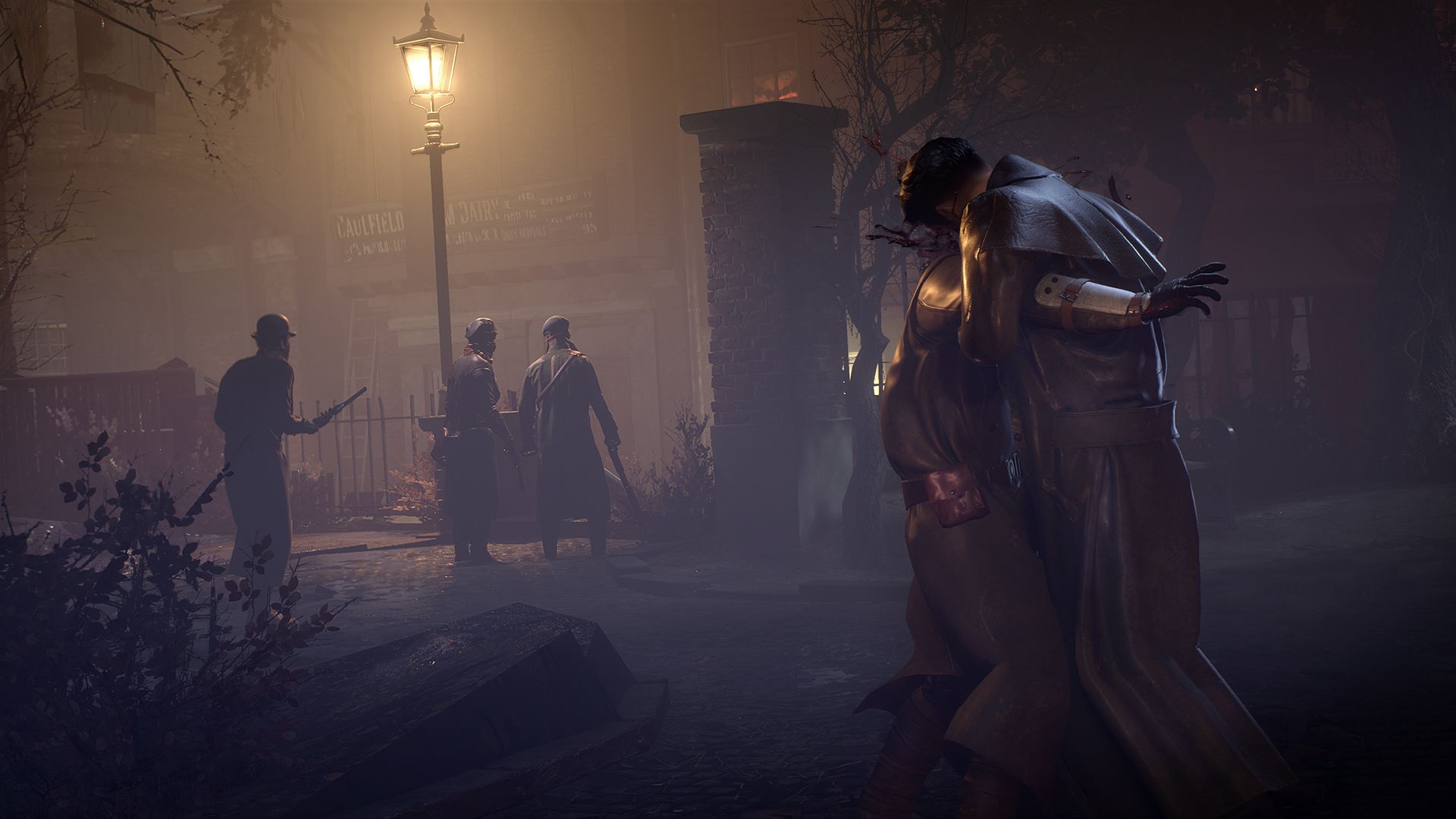

As someone who loves both history and horror, I was immediately drawn to the game Vampyr. It’s set in London right after World War I, and you play as Dr. Jonathan Reid. He comes back to England and quickly faces two big changes: he becomes a vampire and starts working at Pembroke Hospital. Both of these events dramatically alter his life, and he’s quickly become my favorite vampire protagonist in gaming.
The game follows a doctor-turned-vampire as he investigates who created him and the origin of a mysterious plague. He’s hunted by both other vampires – ranging from weaker ones to powerful, ancient beings – and classic vampire hunters. While the combat is fun, with options for weapons and vampiric abilities like blood draining, the game is much more than just an action title. A key part of Vampyr is building relationships with the people of London. Each district has its own residents, and you can craft medicine to cure their illnesses, which keeps the area thriving. I initially played the game as a dedicated doctor, focusing on healing and maintaining the city’s health. This is in stark contrast to the ‘evil’ path, which requires you to kill as many people as possible, making it a much faster, but darker, experience.
The more you talk to someone and get to know them, the more ‘experience’ you earn when you feed on them. You can use this experience to improve your skills at safe locations. While some outcomes and the well-being of different areas depend on keeping people alive, sparing everyone makes it much harder to level up. I personally felt that a ‘good’ playthrough, where you resist feeding on NPCs, fit the story better, given how much the main character struggles with his hunger and inner demons. However, devouring people makes you significantly more powerful, and I really enjoyed the fast-paced combat. There’s something incredibly satisfying about throwing enemies around and easily overcoming challenges, even if it meant ignoring my in-game conscience.
3. Goat Simulator
Pure Hilarious Silliness

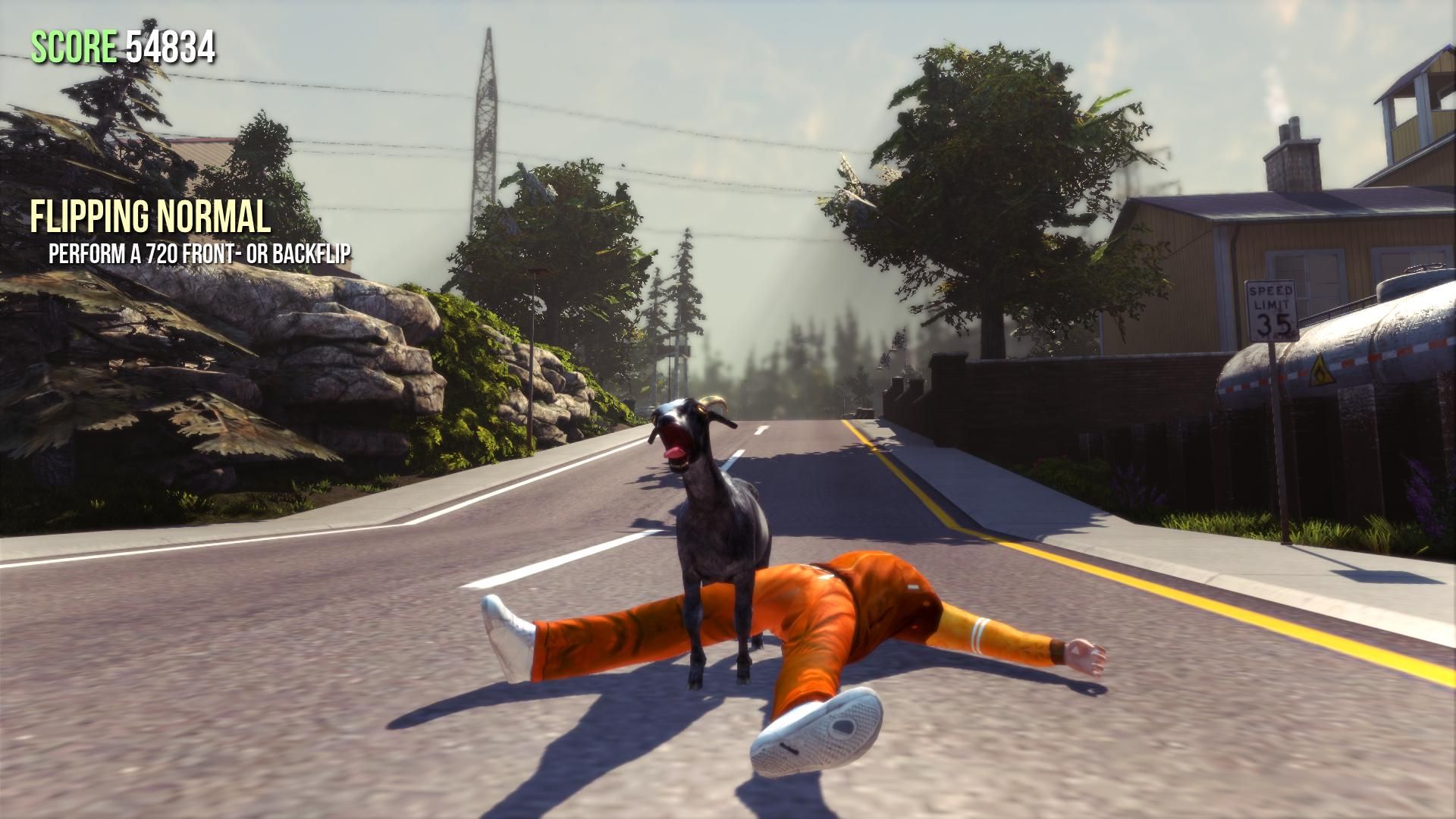
There’s always room for games that are just plain fun and a little chaotic. The success of games like Untitled Goose Game showed everyone that players love causing trouble, especially when controlling an animal in a world built for destruction. It’s a formula that consistently works well.
Don’t expect a heartfelt story from Goat Simulator. It’s not that kind of game! Instead, prepare for a hilarious experience as you control Pilgor, a goat who causes chaos in a small town. The game is a wonderfully silly sandbox with almost no real goals (the first game didn’t even have a plot until the sequel!). And that’s perfectly okay, because it’s incredibly fun. I’ve spent hours flying around with things stuck to my back! The controls are simple, but Pilgor’s sticky tongue lets you launch, destroy, and generally wreak havoc on almost anything you can find. It’s the most fun I’ve had causing mayhem since playing Grand Theft Auto.
Okay, so there’s actually a scoring system in this game, which is cool – you get points for pulling off stunts and stuff. But honestly, the real fun comes from just messing around! I love seeing what crazy things I can do and just embracing all the hilarious glitches that happen. It’s pure chaos, and I’m totally here for it!
2. Catlateral Damage
Unleash Furry Fury
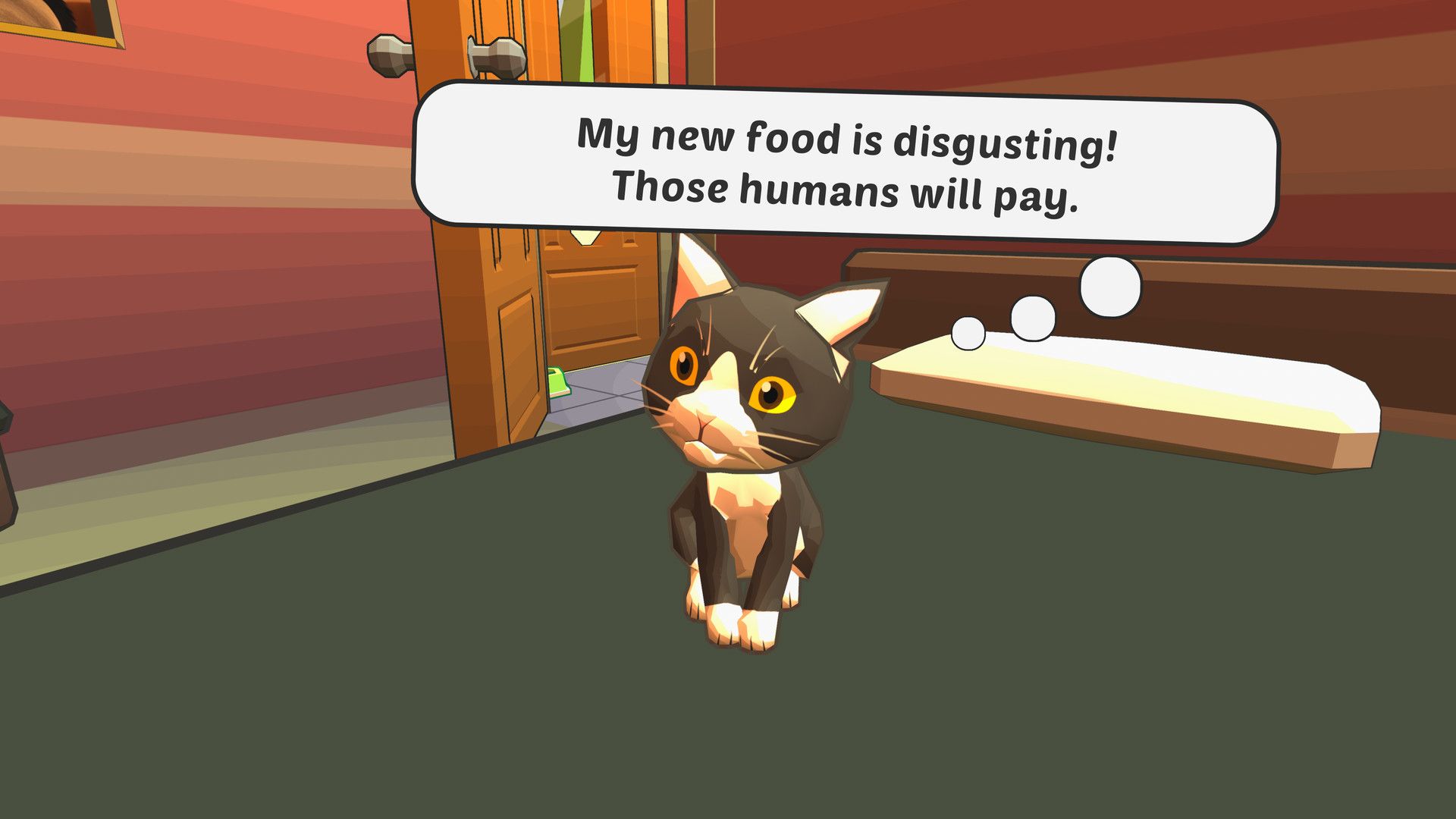
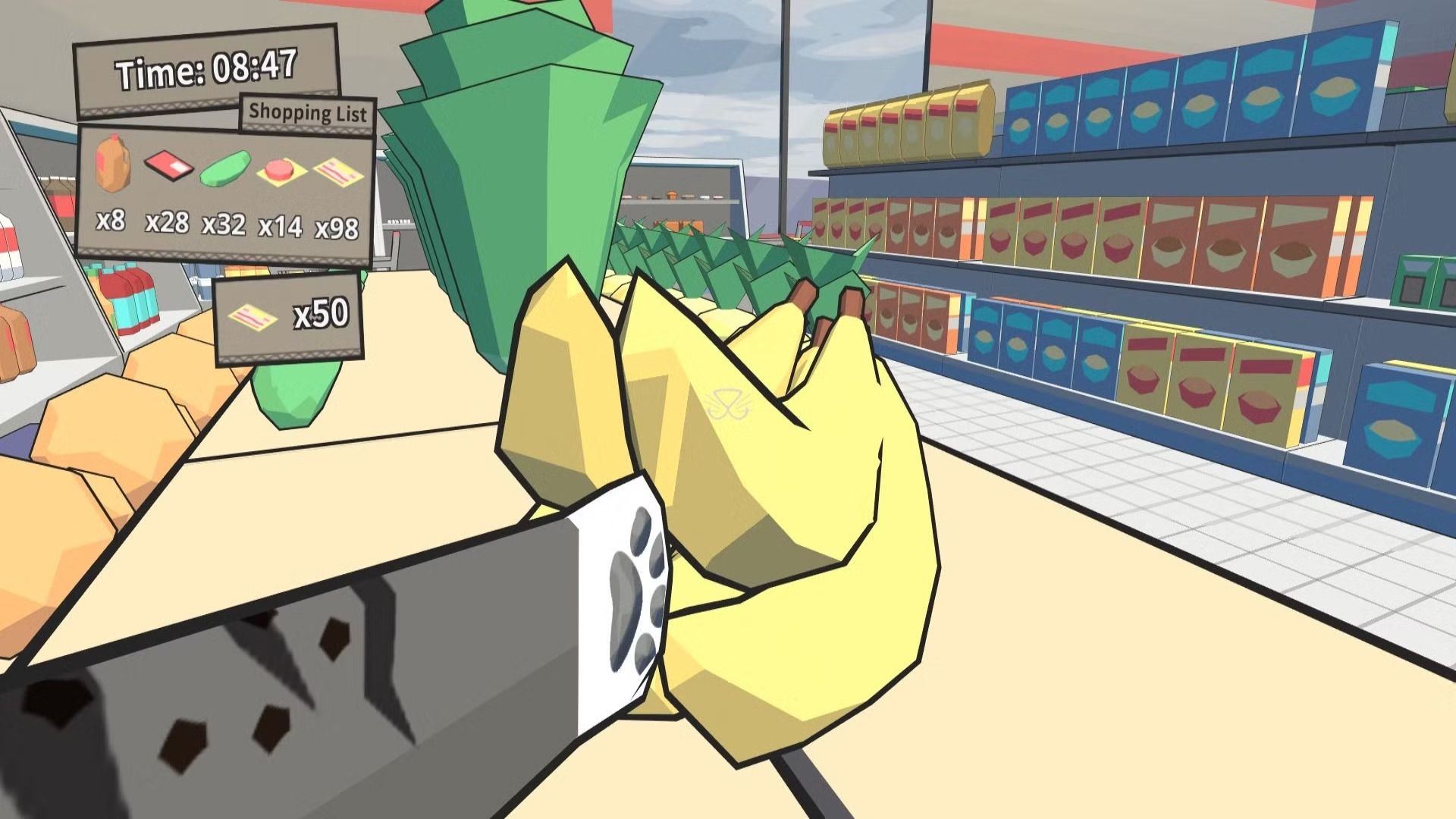
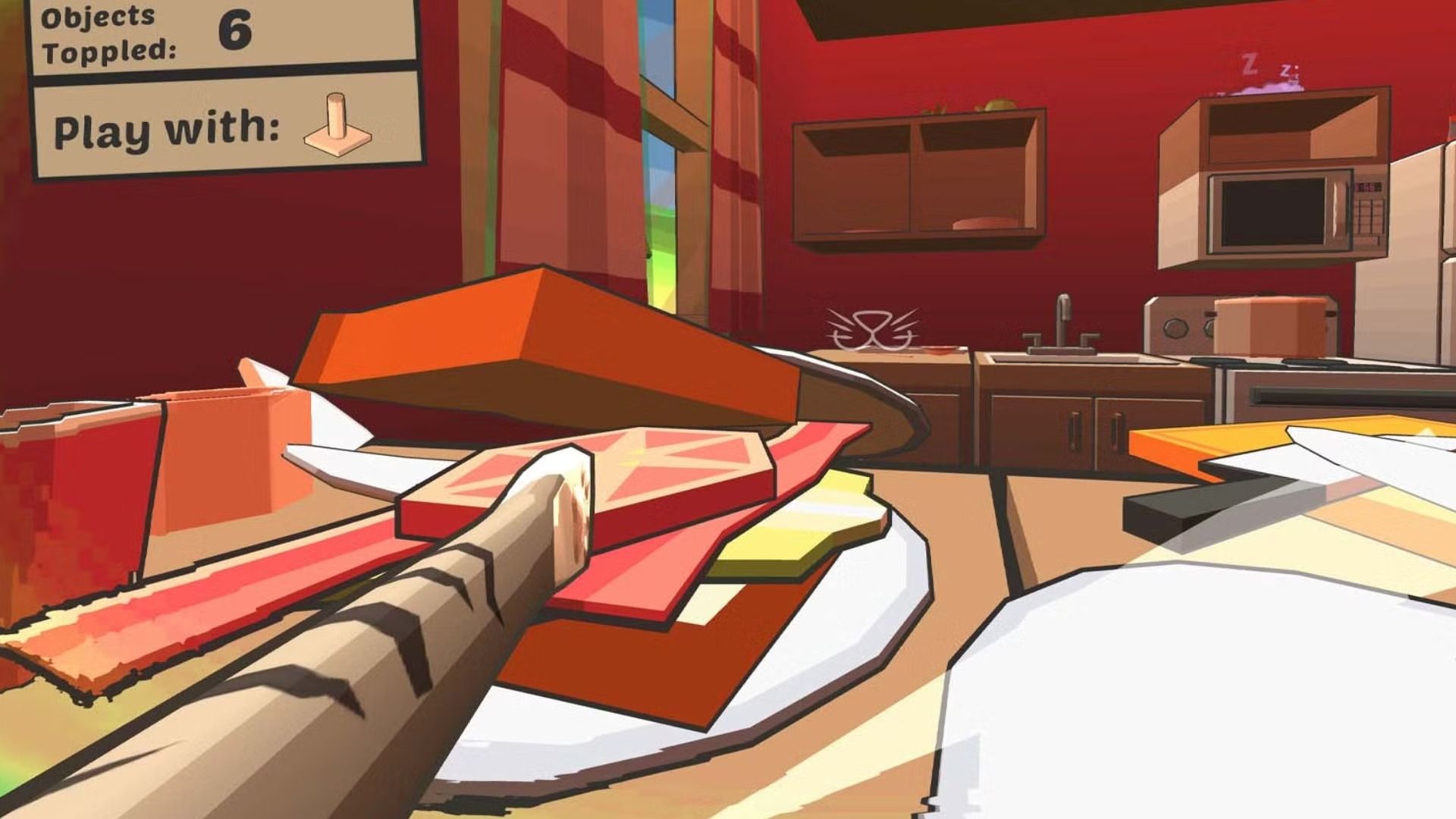
I don’t own a cat right now, but I’ve spent enough time around them to know all the stories are true – when cats are feeling mischievous, nothing on a table is safe! They’ll knock things over for no reason, then act like they don’t care if you’re upset. The game Catlateral Damage perfectly captures this experience. It’s a first-person simulator where you play as a cat and mostly just knock things off shelves, and it’s surprisingly satisfying and funny.
If you enjoyed causing chaos and destruction to progress in games like Donkey Kong Bananza, you’ll probably love Catlateral Damage. The game challenges you to break a set number of objects in each level, and you’ll do that by jumping, climbing, and swiping with your paws. You’ll start by knocking harmless items like plates off tables, but eventually you’ll be demolishing things like a full Tyrannosaurus Rex skeleton! A clever feature is a value meter that tells you how much each broken item was worth.
While not a long or profoundly complex game, Catlateral Damage: Remeowstered, released in 2021, was still enjoyable. It added a welcome bit of structure with unlockable abilities and goals to work towards.
1. Grand Theft Auto 5
The Life of a Master Criminal
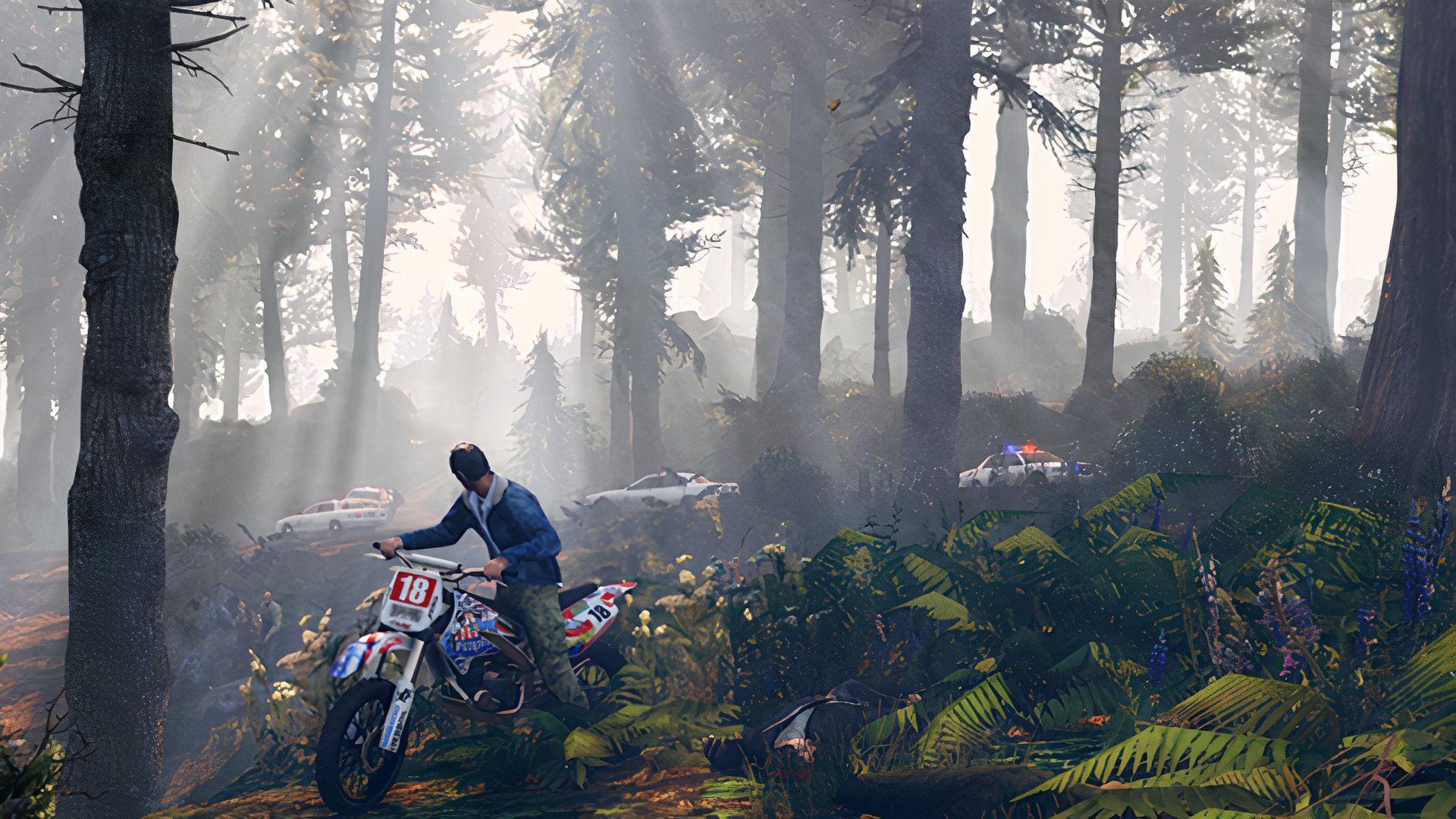


The story of Grand Theft Auto 5 starts with a failed bank robbery, immediately establishing the game’s wild, violent, and lawless nature. While longtime fans of Rockstar’s series expected trouble, this installment really upped the ante, letting players cause more mayhem than ever before.
I used to love Grand Theft Auto 2, especially customizing my cars with oil slicks to disrupt other drivers. While earlier games focused on building relationships with different groups by completing missions, later installments let you create and run your own criminal businesses.
For years, Grand Theft Auto Online has grown, eventually letting players build and manage their own businesses. I especially like businesses like the Auto Shop, where you can do legitimate work but also take advantage of illegal opportunities for extra profit. These aren’t just ways to earn more money; they give players more choices and freedom in Los Santos, which is really rewarding and keeps the game engaging. It’s incredibly satisfying to be a criminal, whether you’re planning a complex heist with friends in GTA Online or successfully completing a fun story mission. Los Santos is a detailed and captivating world filled with hidden references and endless possibilities.
Read More
- Forza Horizon 6: Find the Ohtani Treasure Chest Location
- LEGO Batman Legacy of the Dark Knight Batcave Minikits & WayneTech Caches
- NTE Drift Guide (& Best Car Mods for Drifting)
- Diablo 4 Best Loot Filter Codes
- PS Plus Monthly Games for June 2026 Wish List
- USD CNY PREDICTION
- USD RUB PREDICTION
- GBP CNY PREDICTION
- Cookie Run Kingdom Timeline of Fate Update Guide
- CNY RUB PREDICTION
2026-05-28 00:40