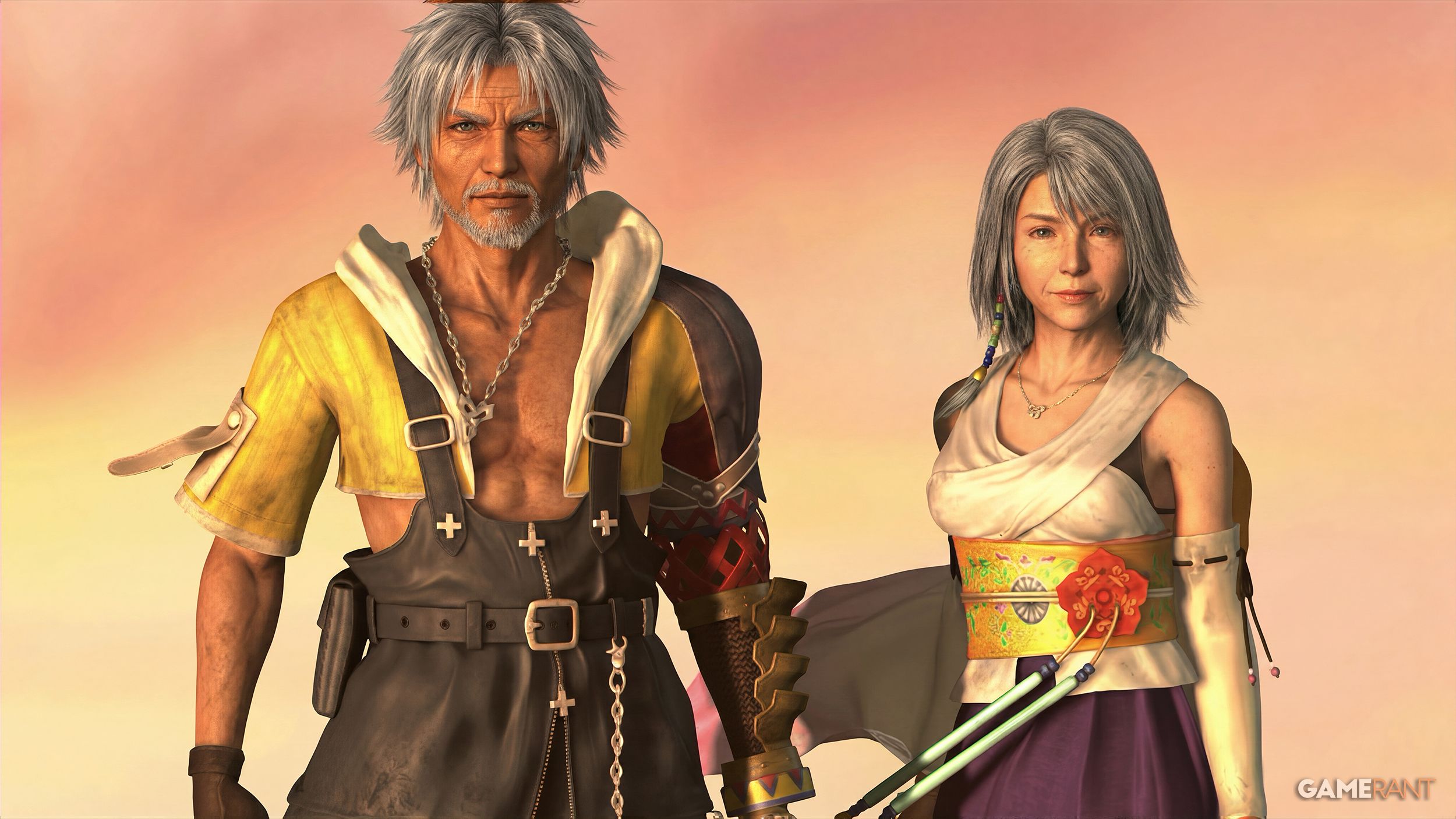
Okay, saying this makes me feel old, but Final Fantasy 10 is turning 25 this year, and wow, time really flies! I remember saving up all my allowance and practically running to the pawn shop to get a PS2 just so I could play it. I had so much free time back then, and I didn’t feel bad at all about losing myself in the game. Yeah, maybe my homework and chores suffered a little, but it was totally worth it. Even now, I haven’t had a gaming experience that hits me the same way Final Fantasy 10 did. It’s not necessarily that there haven’t been better games since, but it genuinely felt like it changed things for the whole series, and few games have done that as powerfully.
The Final Fantasy series was already changing and improving before FF10, particularly after the move to 3D graphics with Final Fantasy 7. While not every feature introduced in Final Fantasy 10 remained consistent throughout the series – Final Fantasy games are known for significant changes with each new release – it did establish several important elements that have become hallmarks of the franchise or opened the door to new creative approaches. Looking back, it’s difficult to envision what Final Fantasy was like before FF10 came out. It really highlights how impactful this game was when it launched in 2001, and it’s a testament to how long many of us have been enjoying the series.
25 Years Ago, Final Fantasy 10 Changed the Trajectory of the Franchise
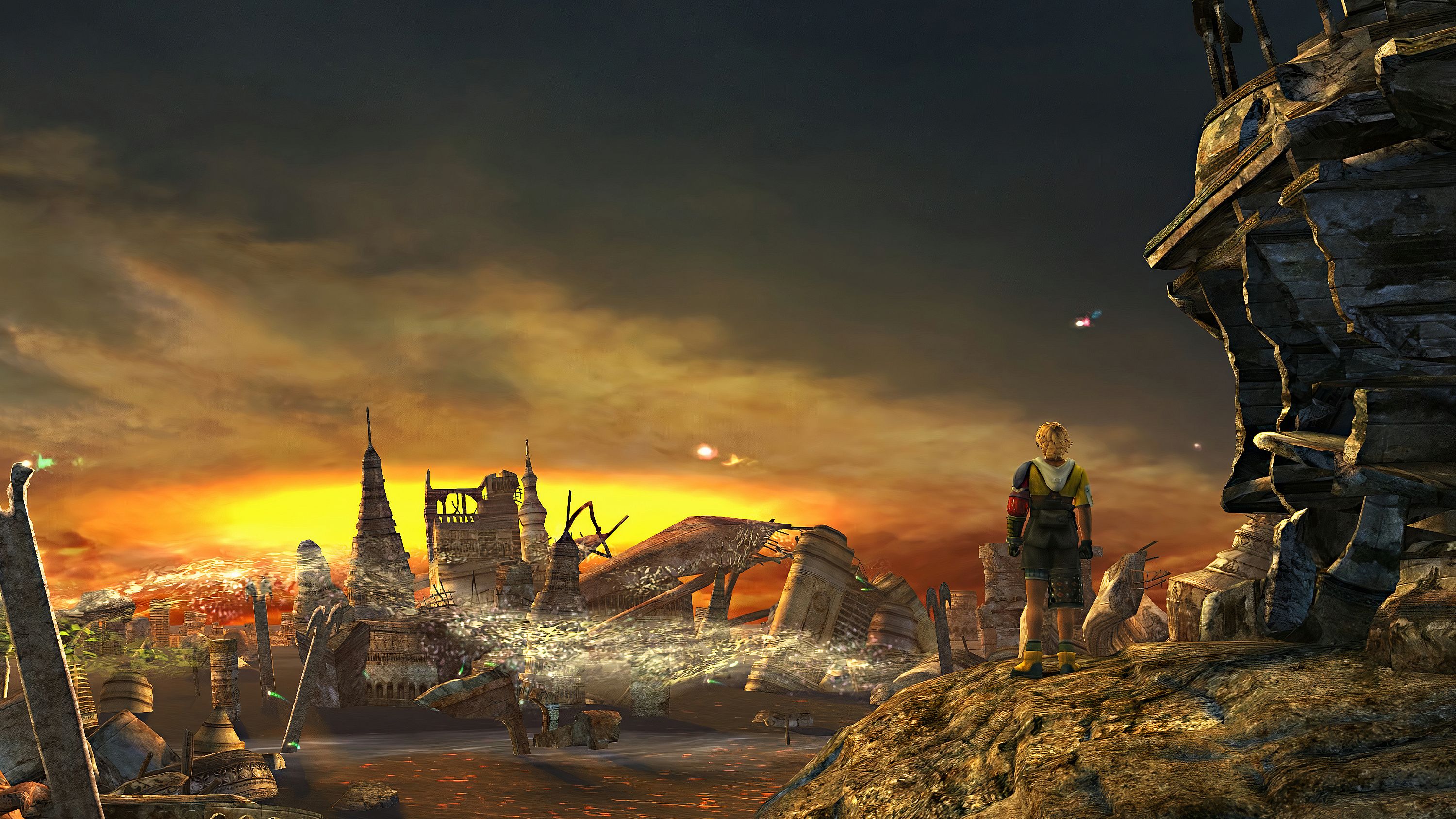
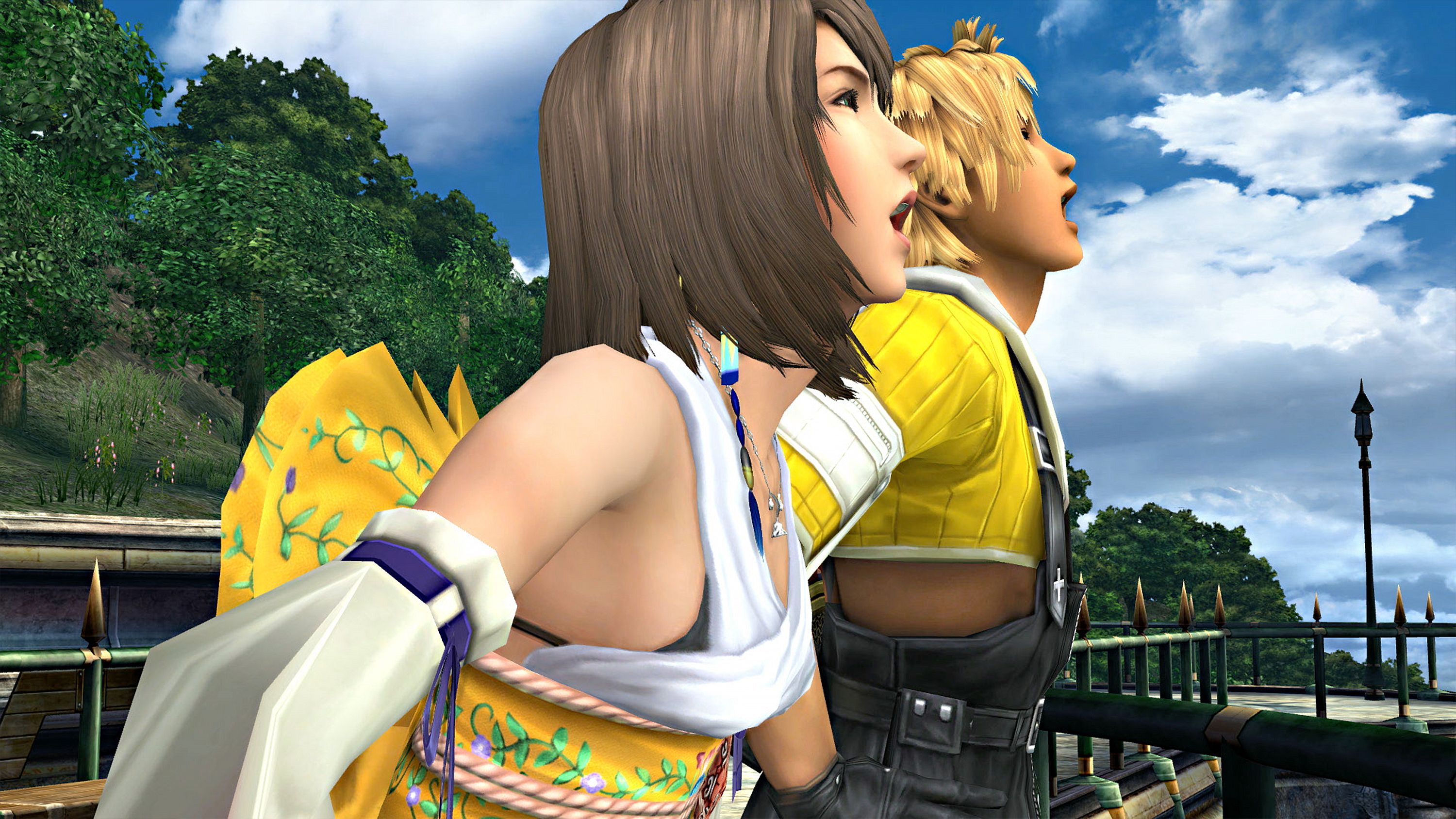
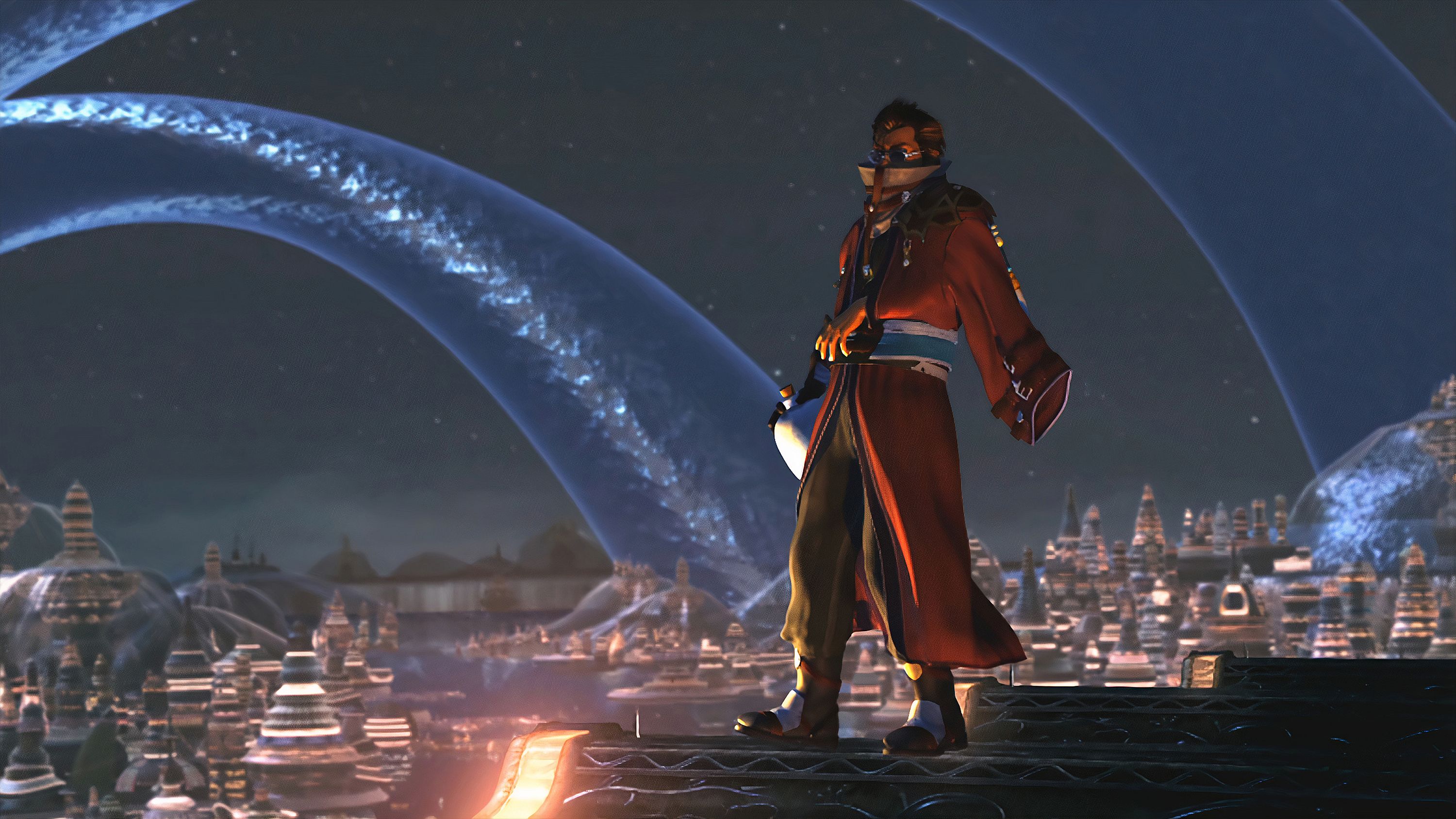
Let’s be clear: a lot of what made Final Fantasy 10 special was thanks to the PlayStation 2’s powerful hardware for its time. The PS2 was a turning point for gaming, allowing for significant improvements in graphics, especially in character design, cutscenes, and voice acting. While the PS1 showed that 3D gaming was possible, the PS2 truly brought it to life with richer details, bigger worlds, and more realistic movements. It set a new standard for what games could achieve, leading to more cinematic stories and encouraging developers to experiment with different genres. Final Fantasy 10 really benefited from these advancements, and that’s a major reason why it had such a lasting impact on the Final Fantasy series.
Who’s That Character?  Identify the silhouettes before time runs out.
Results
High Score: 0 —
The Introduction of Voice Acting
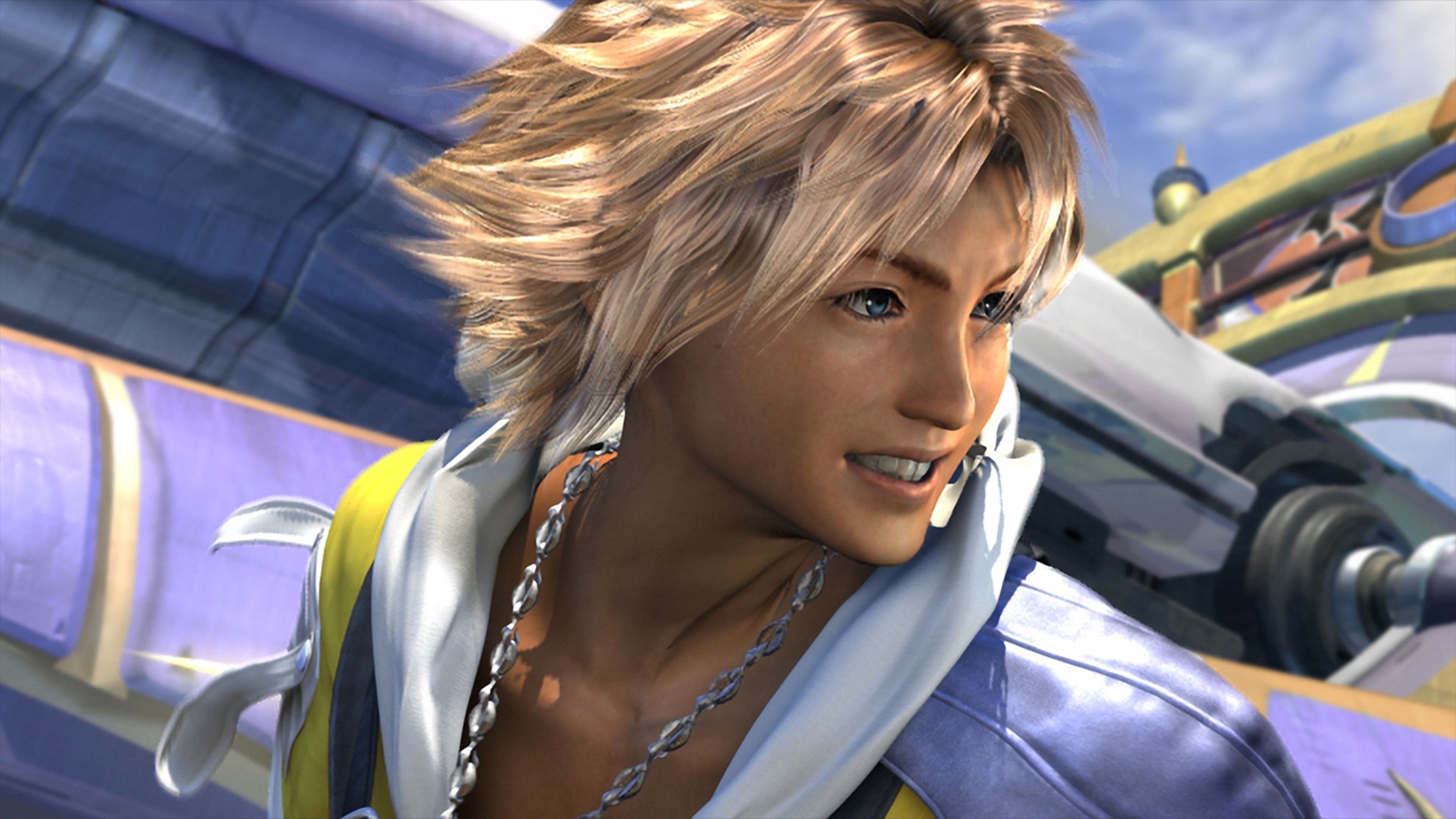
One of the most significant things about Final Fantasy 10 was that it was the first game in the series to include voice acting. Since then, almost every Final Fantasy game has used it, which made the stories feel much more like watching a movie than playing a game. I even went so far as to record all the cutscenes from Final Fantasy 10 onto a VHS tape, editing them together so I could watch the entire story like a film. It was a completely new experience for me, even though the voice acting itself wasn’t particularly amazing.
The Death of the Traditional Overworld Map
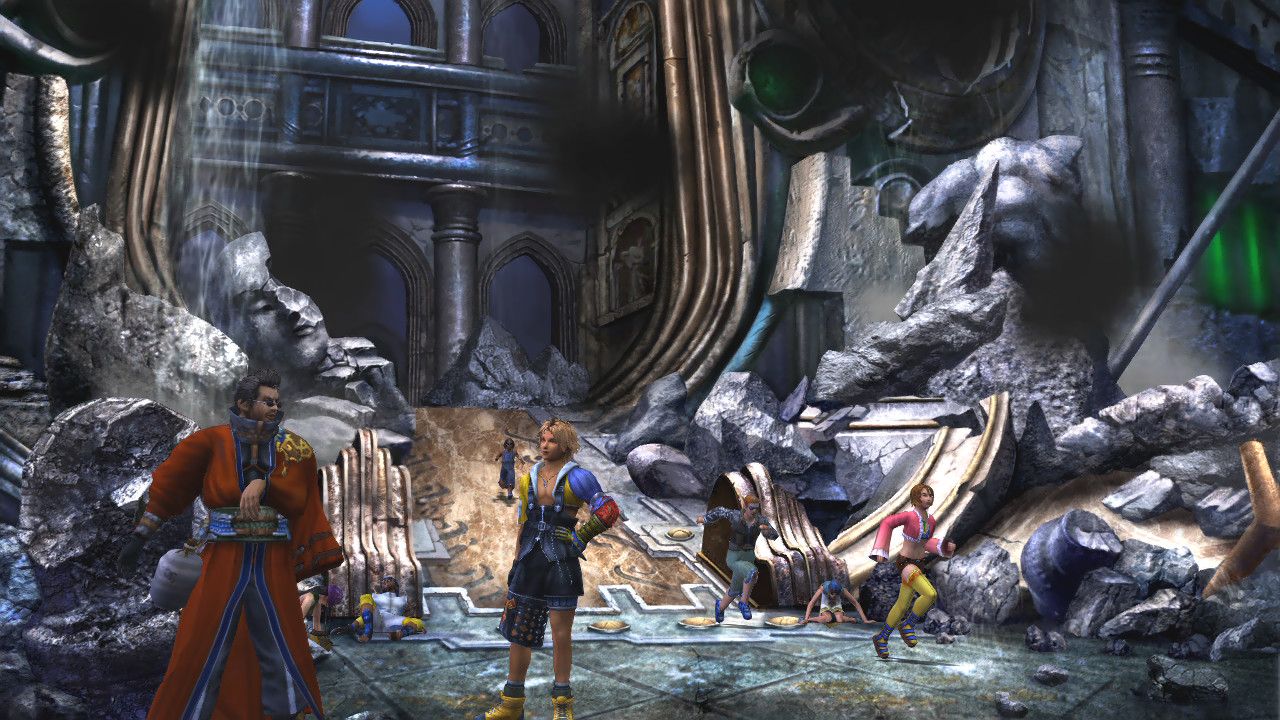
With Final Fantasy X, the series moved away from the traditional overworld map that had been a staple since the very first Final Fantasy game. Previously, players traveled between locations on a zoomed-out, stylized map where characters appeared enormous. Final Fantasy X replaced this with a more realistic approach, presenting the world of Spira as a connected series of fully 3D areas built to scale. The classic overworld map hasn’t been seen in a Final Fantasy game since, even though later titles like Final Fantasy XV experimented with open-world designs.
I still haven’t found a game that resonates with me like Final Fantasy 10. It’s not necessarily that newer games are worse, but nearly 25 years ago, Final Fantasy 10 dramatically reshaped the series in a way very few other games have.
The End of Pre-Rendered Backgrounds
With Final Fantasy 10, the series moved away from the pre-rendered backgrounds that defined its look for years. Previous Final Fantasy games on the PlayStation 1 (FF7, FF8, FF9) were known for beautiful 2D backgrounds with 3D characters. But the PlayStation 2 was much more powerful, allowing Final Fantasy 10 to create fully 3D environments. This meant the camera could move freely during scenes and gameplay, marking the end of the series’ static camera style and setting a new, more cinematic visual standard.
The Era of Direct Sequels
Final Fantasy 10 was a turning point for the series, as it was the first game to have a direct sequel. Traditionally, each new Final Fantasy game told a completely separate story in a brand new world, but Final Fantasy X-2, released in 2003, changed that. While some fans were hesitant, the success of X-2 proved there was an audience for continuing stories and worlds within the Final Fantasy universe. This paved the way for other sequels and continuations, like Final Fantasy 13 and the Final Fantasy 7 Remake trilogy.
Final Fantasy 10‘s biggest innovation was, without a doubt, the introduction of voice acting.
Node-Based Character Progression
Final Fantasy 10 revolutionized character development with its unique Sphere Grid system, and the series hasn’t returned to its older methods since. Instead of simply gaining experience and leveling up, players earned points to move around a large board, personally unlocking new abilities and stat improvements. It’s one of my favorite progression systems in any Final Fantasy game!
After that point, the Final Fantasy series underwent a significant shift. It moved away from characters getting stronger automatically behind the scenes, and instead focused on visible progression systems where players actively unlocked abilities. This eventually led to features like the License Board in FF12, the Crystarium in FF13, and the skill trees seen in more recent Final Fantasy action-RPGs.
Mid-Battle Party Swapping
Although Final Fantasy X‘s traditional turn-based battle system became less common in later games, it pioneered a new feature: the ability to switch party members during combat. Before FF10, players were locked with the characters they started a battle with. FF10 changed this by letting you swap characters in and out as needed, a strategy that influenced later Final Fantasy titles like Final Fantasy 7 Remake and Rebirth.
Final Fantasy 10 Was More Than Just a Game
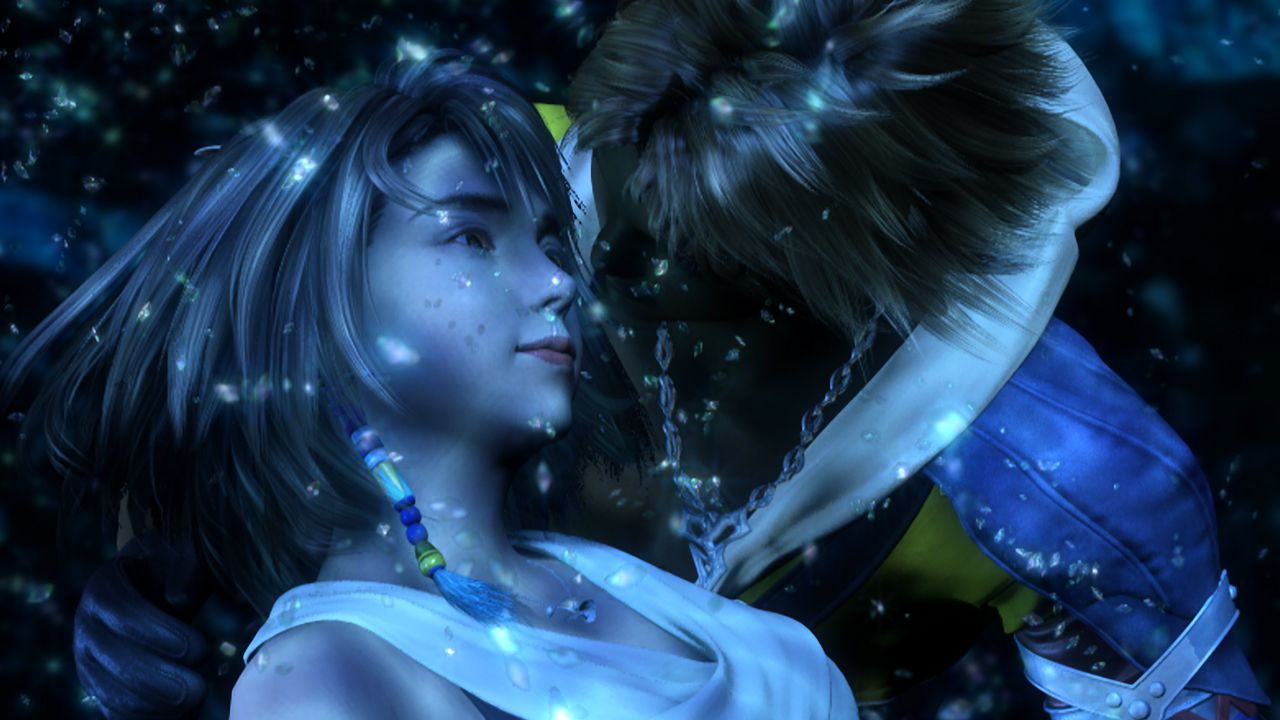
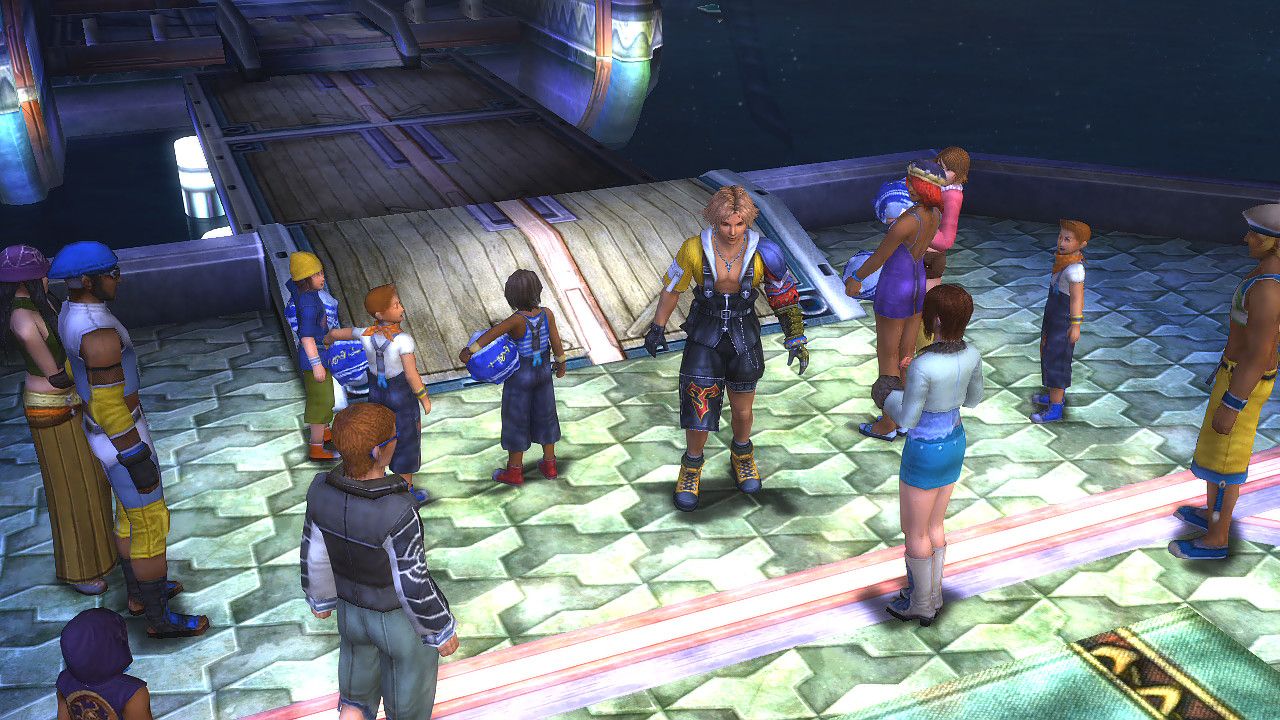
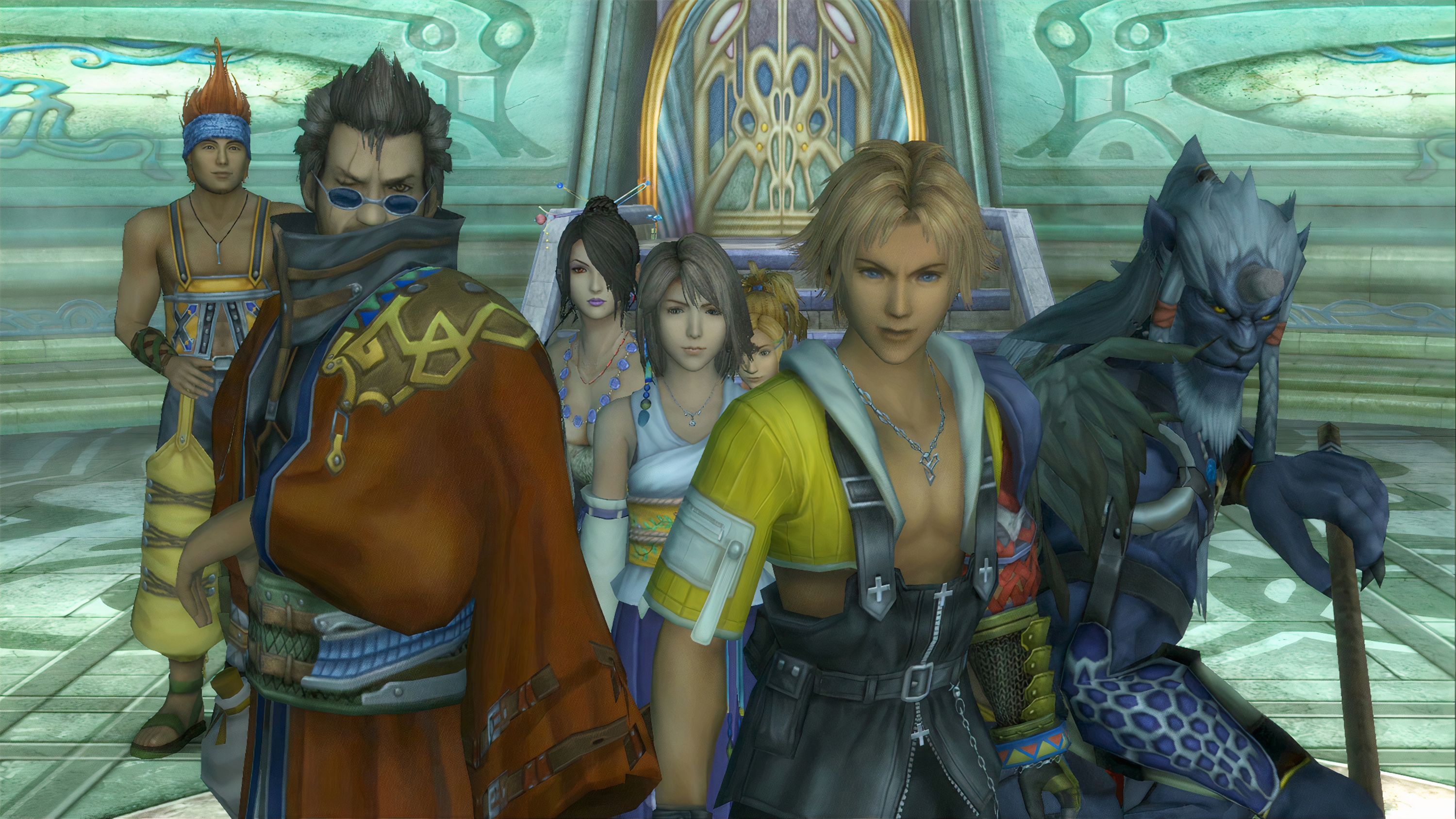
Beyond all the ways Final Fantasy 10 influenced game design, what I really remember is the experience of playing it. I vividly recall having endless afternoons to lose myself in the game – grinding for levels, discovering hidden areas, or simply enjoying the story like a film. There was no need to rush or feel guilty about spending so much time in that world; the only purpose was to stay there as long as possible. That carefree feeling is rare now, and that’s probably why this anniversary feels so special.
It’s hard to believe that Final Fantasy 10 will officially be 25 years old on July 19, 2026. While it’s easy to see this as an anniversary for the Final Fantasy series, it also feels personally significant. Over the years, the gaming world has changed dramatically, and life has moved on, but the impact of Final Fantasy 10 has stayed with me. It’s not just that no other game has quite matched it; it’s that certain games capture a specific moment in your life, and Final Fantasy 10 will always be one of those games for me.
Read More
- NTE Drift Guide (& Best Car Mods for Drifting)
- All Aswang Evidence & Weaknesses in Phasmophobia
- Where to Find Prescription in Where Winds Meet (Raw Leaf Porridge Quest)
- Conduit Crystal Location In Subnautica 2
- How to Get Necrolei Cyst & Strong Acid in Subnautica 2
- Diablo 4 Best Loot Filter Codes
- Boruto: Ikemoto Has Already Hinted At Sasuke’s New Eye After Return
- How to Get the Wunderbarrage in Totenreich (BO7 Zombies)
- Best Burst & Full Auto Builds for the M16A4 in BF6
- USD RUB PREDICTION
2026-04-30 22:05