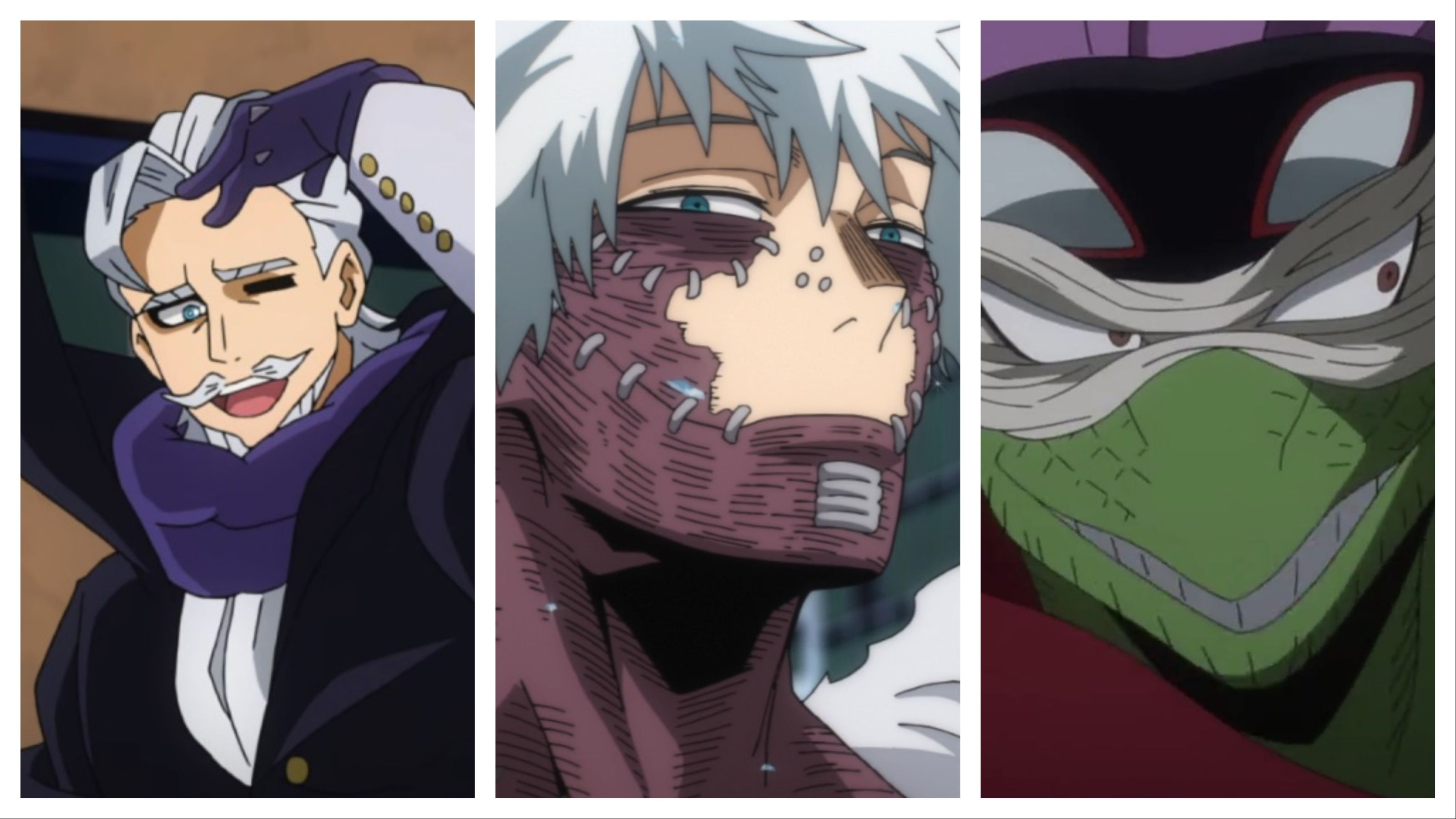
Though My Hero Academia initially presents a clear distinction between heroes and villains, that simplicity quickly fades. While the actions of villains are never justified, their criticisms of the society built around superpowers often contain a valid point. Some of the most compelling villains in the series offer insightful commentary on the flaws within the Pro Hero system.
Many villains aren’t inherently evil; they’re often created by the flaws and shortcomings of the hero system itself. The way heroes operate inadvertently pushes people towards villainy, meaning they often end up fighting enemies they unknowingly helped create – a rather ironic situation considering they claim to be the forces of good.
Stain Couldn’t Accept the Popularity Contests of Pro Heroes
Quirk: Bloodcurdle
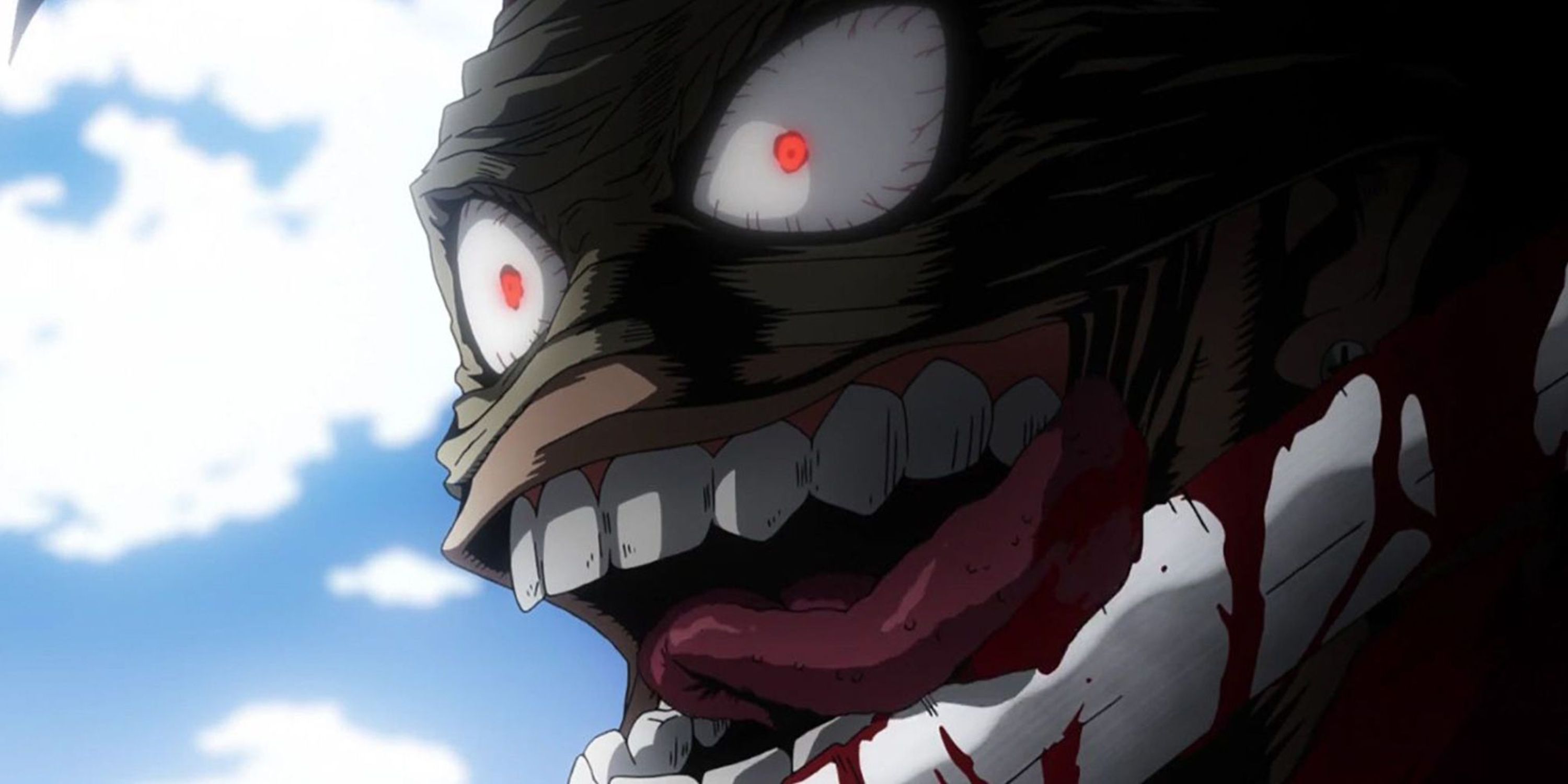
In My Hero Academia, the villain Stain is a complicated case – he believed in a better hero society, but his methods were extreme and violent. While fans struggle to excuse his actions, especially the deaths of several pro heroes and his attack on Tensei Iida, he did raise valid concerns about the flaws within the established hero system.
Both the main My Hero Academia anime and its spinoff, My Hero Academia: Vigilantes, show that the professional hero system started with popularity and how people saw heroes, rather than genuine heroism. It prioritized image and personality over strong beliefs, which deeply troubled Stain. He believed a true hero was someone who helped others simply because it was the right thing to do – a definition that wasn’t limited by official licenses or past mistakes.
Gentle Criminal Protested Society’s Strict, Unforgiving Standards
Quirk: Elasticity
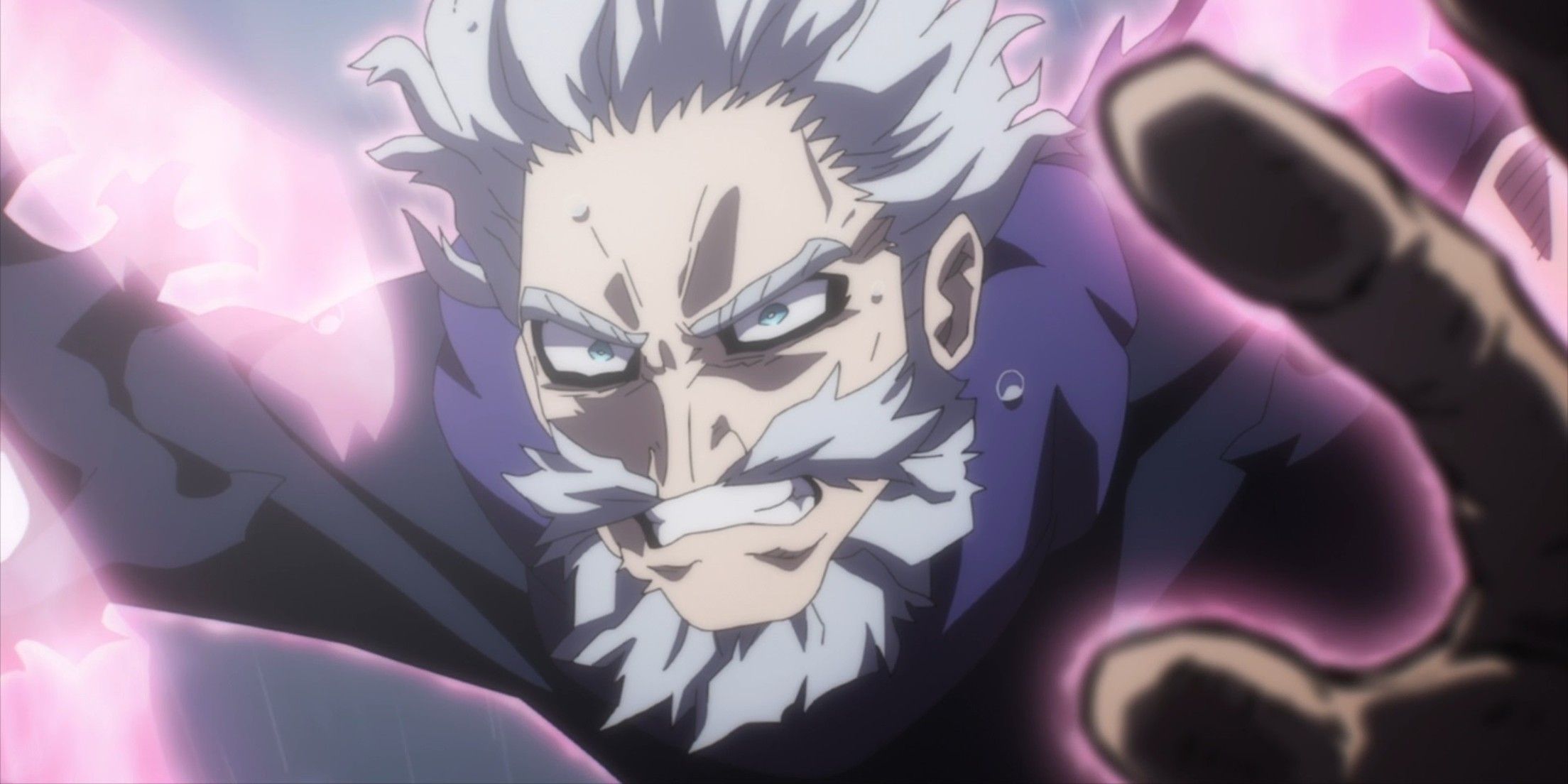
Danjuro Tobita, known as Gentle Criminal, was correct in pointing out that society had overly harsh standards for heroes, quickly dismissing those who didn’t meet them. Ironically, despite possessing a powerful Quirk – arguably stronger than some students in classes 1-A and 1-B at UA High – he repeatedly failed his own hero exams.
Gentle Criminal might share some of the blame for not becoming a pro hero, but the training system itself could also be overly strict. While standards are necessary to ensure heroes are effective, the current system seems to be eliminating too much potential. This story might particularly appeal to Japanese viewers, as Japan is a society known for its high expectations and intolerance of failure.
Lady Nagant Didn’t Like Being an Assassin Hero
Quirk: Rifle
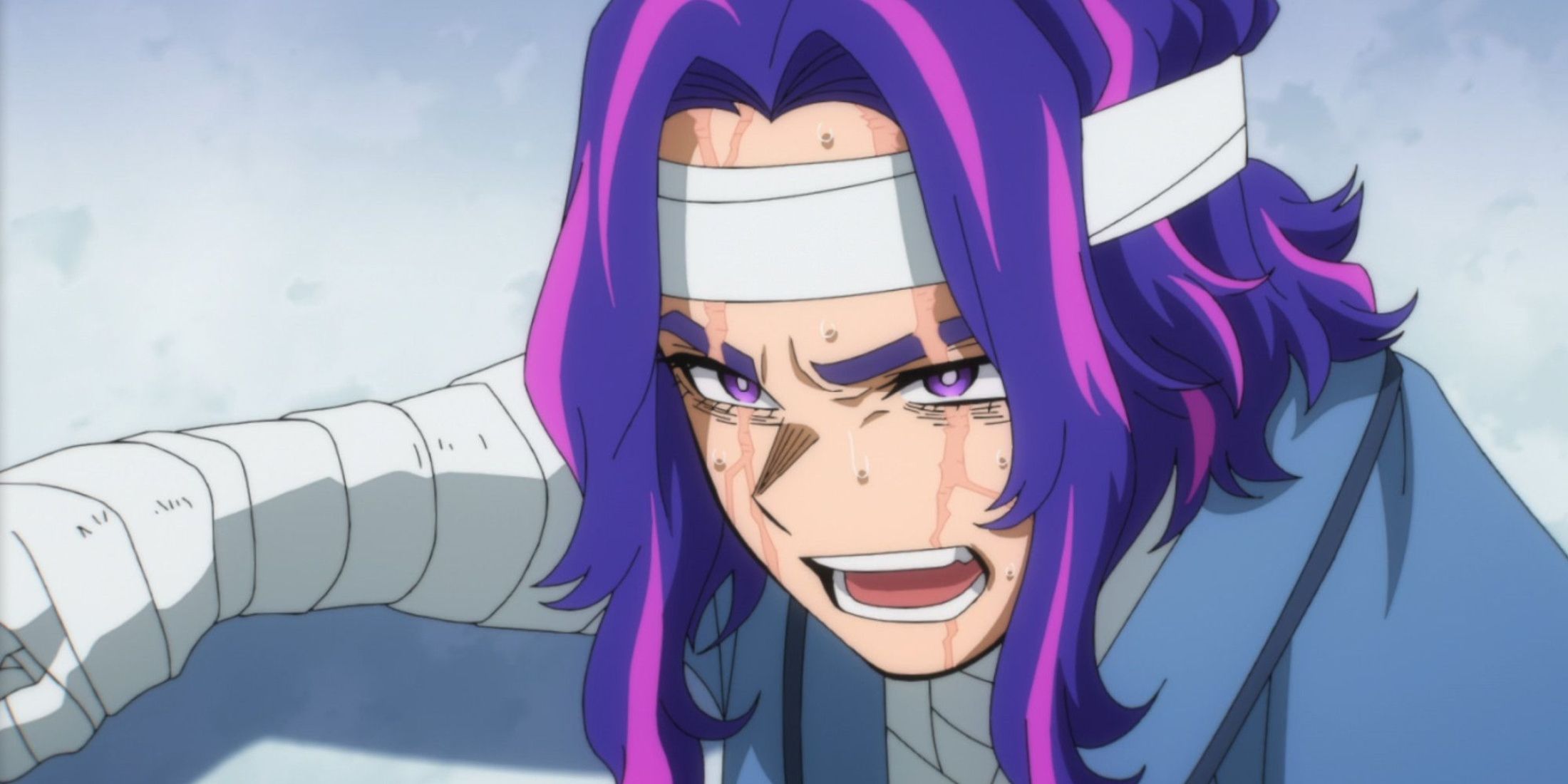
Lady Nagant is unique in My Hero Academia for switching sides – from hero to villain and back. While many remember her redemption thanks to Deku’s belief in her, it’s easy to forget what originally led her down a villainous path. Ultimately, it wasn’t a personal failing, but flaws within the hero system itself that drove her to become a villain.
Lady Nagant’s Quirk allowed her to attack targets from a great distance, making her perfect for assassination missions, even if it meant targeting other heroes. However, she eventually rebelled against the harsh orders she received to eliminate both villains and flawed heroes, finding the system too cruel. While her decision to attack the president of the Public Safety Commission was wrong, her concerns about the system’s brutality were valid.
All For One Was Inevitable as a Comic Book Villain
Quirk: All For One
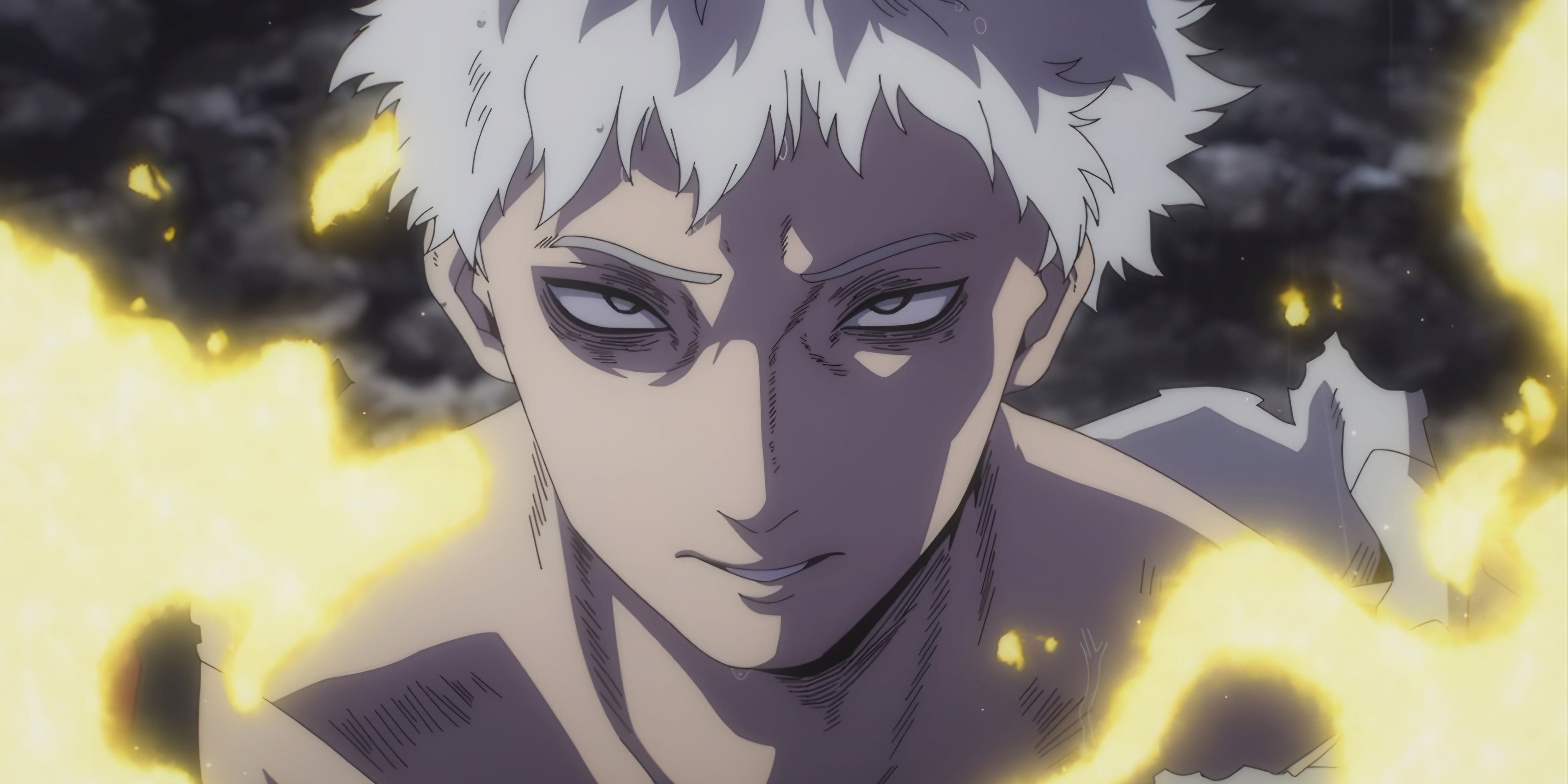
All For One is wrong to criticize society and justify his actions, even though he’s right about the flaws within the hero system. However, he was correct in predicting someone like him would eventually appear. The emergence of Quirks didn’t create a desire for power; it simply provided a new outlet for existing human tendencies, like the drive to control others.
It was inevitable that someone with exceptional powers and determination would rise to prominence in a world where many people are born with supernatural abilities. That’s why All For One was drawn to superhero comics – not because he admired the heroes, but because he identified with the villains. He understood that for every hero like Superman or Professor X, there would always be a corresponding antagonist like Lex Luthor or Magneto. All For One shrewdly and ruthlessly predicted that a powerful individual would exploit the widespread use of Quirks, and he intentionally positioned himself to be that person.
Dabi Knew How Twisted Some Heroes Were in Their Private Lives
Quirk: Blueflame
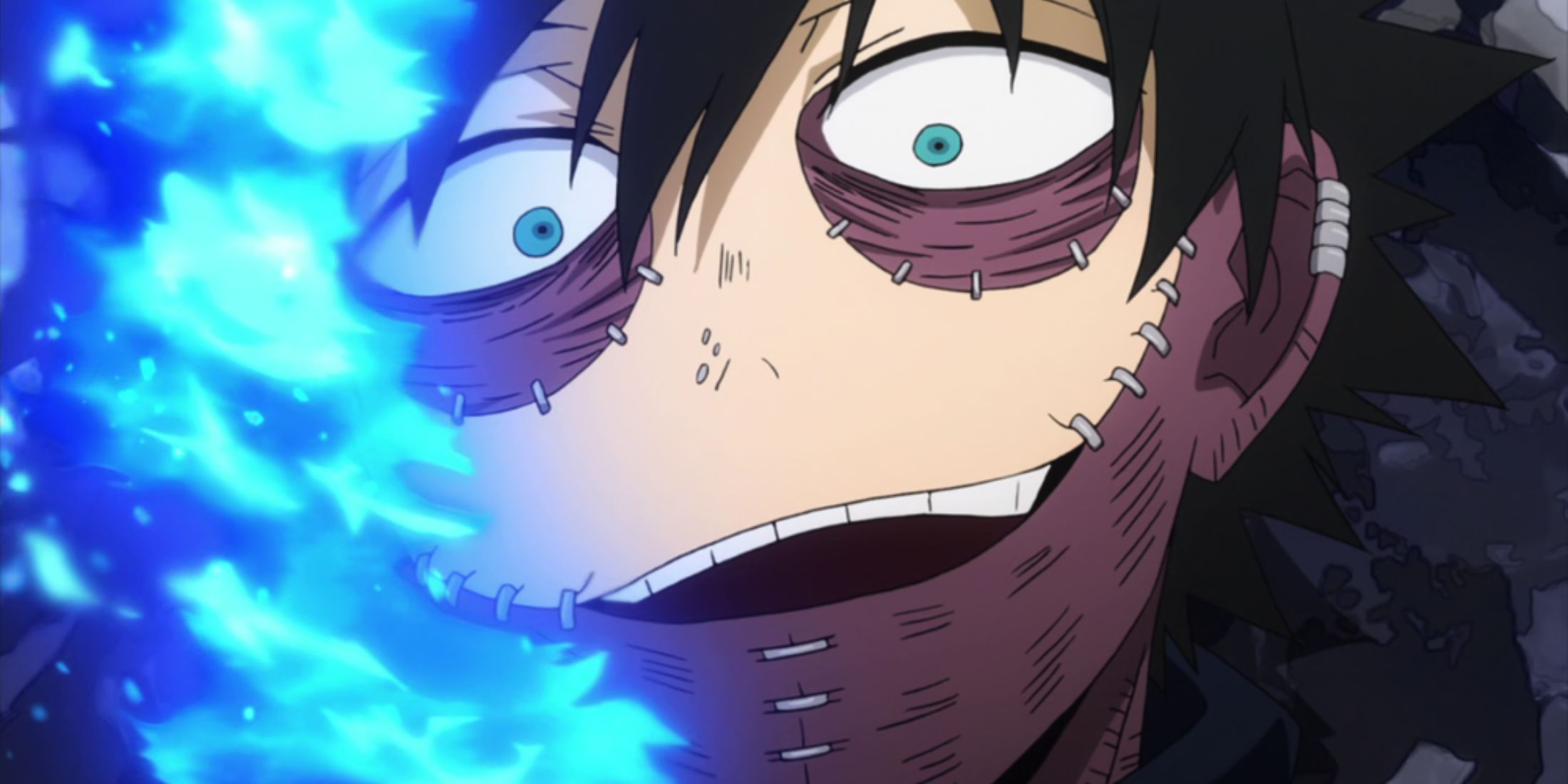
Pro heroes aren’t just expected to be strong fighters; they’re also supposed to be good people. While heroes like All Might and Hawks truly care about others – Hawks even dreams of a peaceful world where heroes aren’t necessary – not everyone lives up to that ideal. For example, Endeavor is a well-known hero who made the questionable decision to arrange a marriage specifically to create a powerful successor.
Who’s That Character?  Identify the silhouettes before time runs out.
Results
High Score: 0 —
Endeavor’s relationship with his eldest son, Toya, was deeply flawed. He pushed Toya to inherit his power and live up to impossible standards, which ultimately broke the boy. Even when Endeavor tried to steer Toya away from following in his footsteps, the damage was already done – Toya couldn’t escape his father’s influence. As Dabi, Toya publicly revealed Endeavor’s cruel and shameful actions, sparking widespread outrage and a genuine rebellion against the entire Hero Society.
Himiko Toga Only Ever Wanted Love and Acceptance
Quirk: Transform
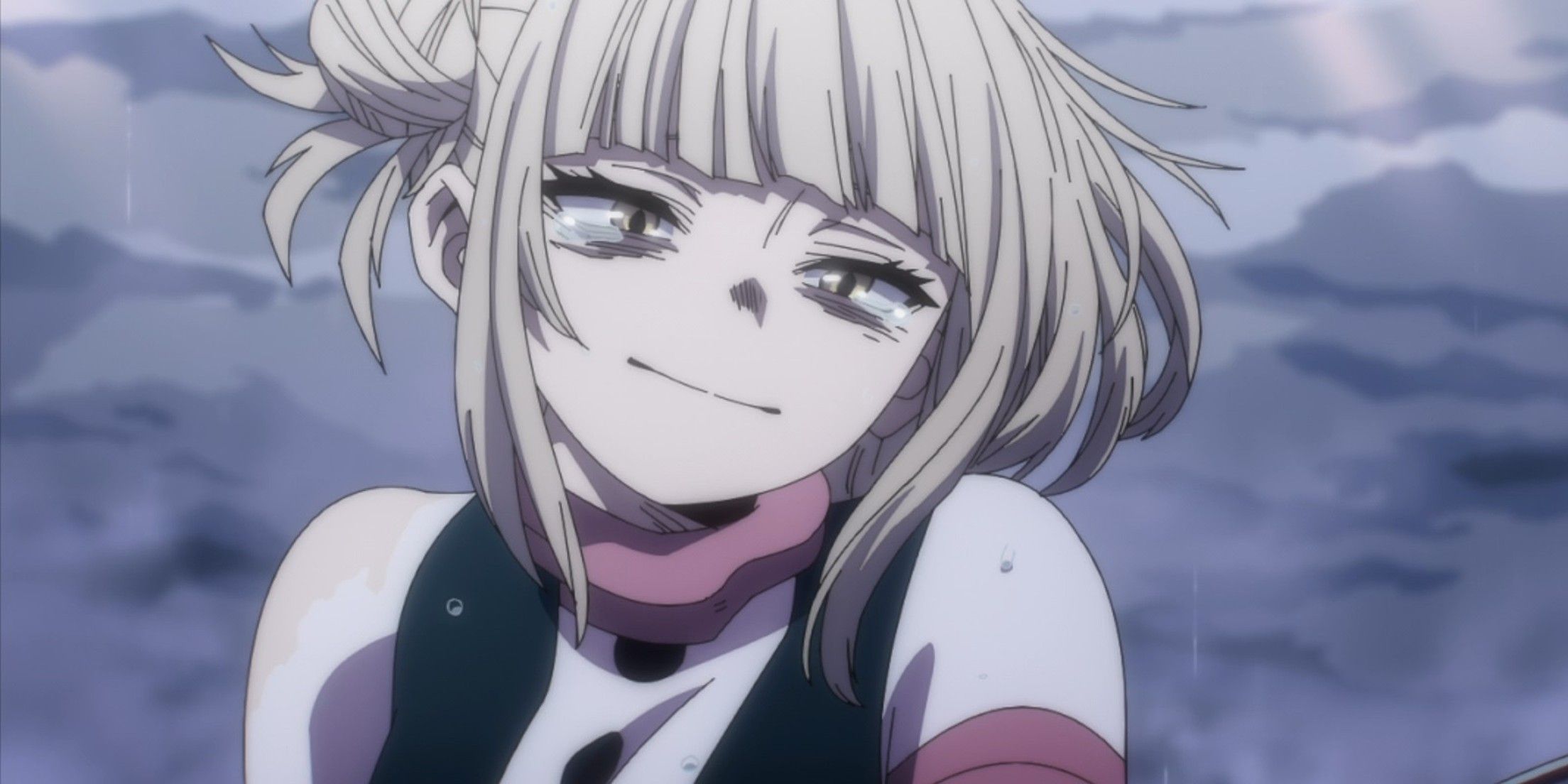
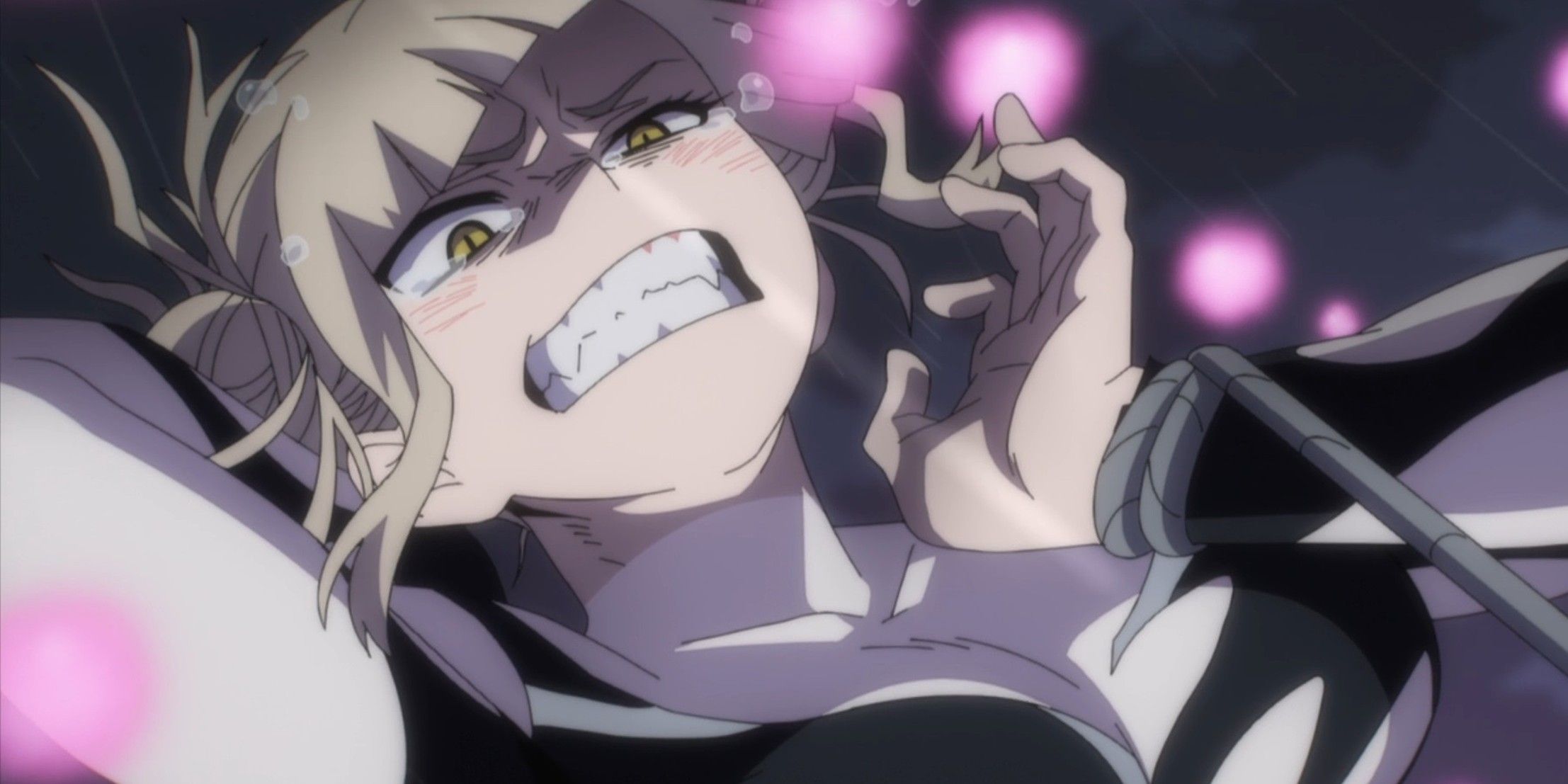
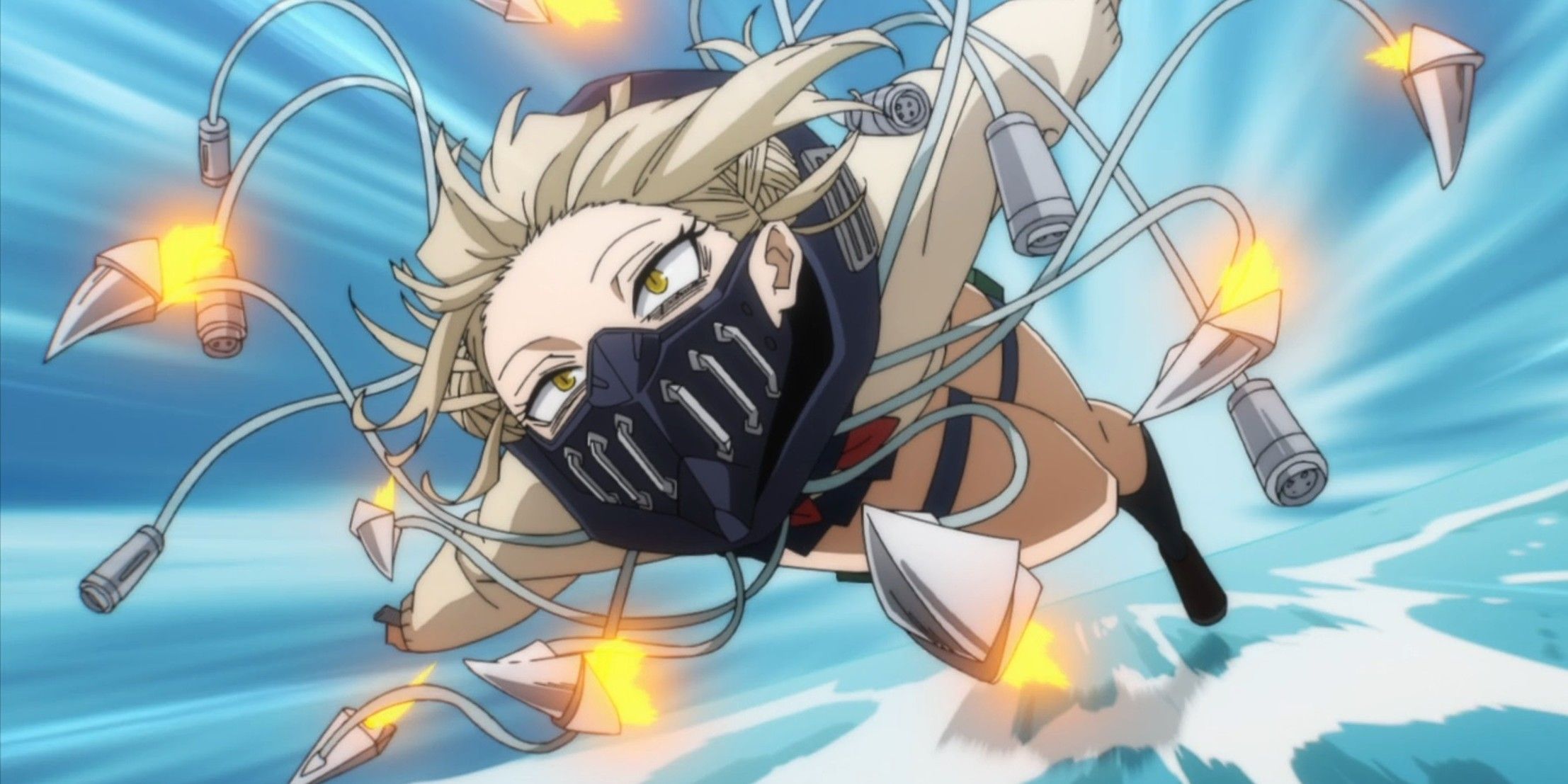
Himiko Toga, though known as a villain for her shapeshifting and causing trouble, had a deeper story. It was really about the hurt she felt from being rejected, starting with her family and extending to everyone around her. She was born with a unique ability tied to blood, but instead of acceptance, she faced shame and was treated like a troubled, even repulsive child. As a child, she couldn’t understand why people reacted so negatively – and no child should have to.
Growing up, Himiko really struggled emotionally, and it eventually led to a terrifying breakdown where she became this intensely obsessive and violent villain – a real yandere, you could say, with a growing craving for… well, you get the idea. It’s awful what she did, and she’s definitely not excused for it, but honestly, her anger at how hero society works? I totally get it. Her story is actually a big reason why heroes like Ochaco and Tsuyu are working so hard to offer Quirk therapy – they want to make sure no kid feels like a monster or an outcast just because of their powers. It’s amazing, and it makes so much sense.
Spinner Was Branded a Freak By an Intolerant Society
Quirk: Gecko
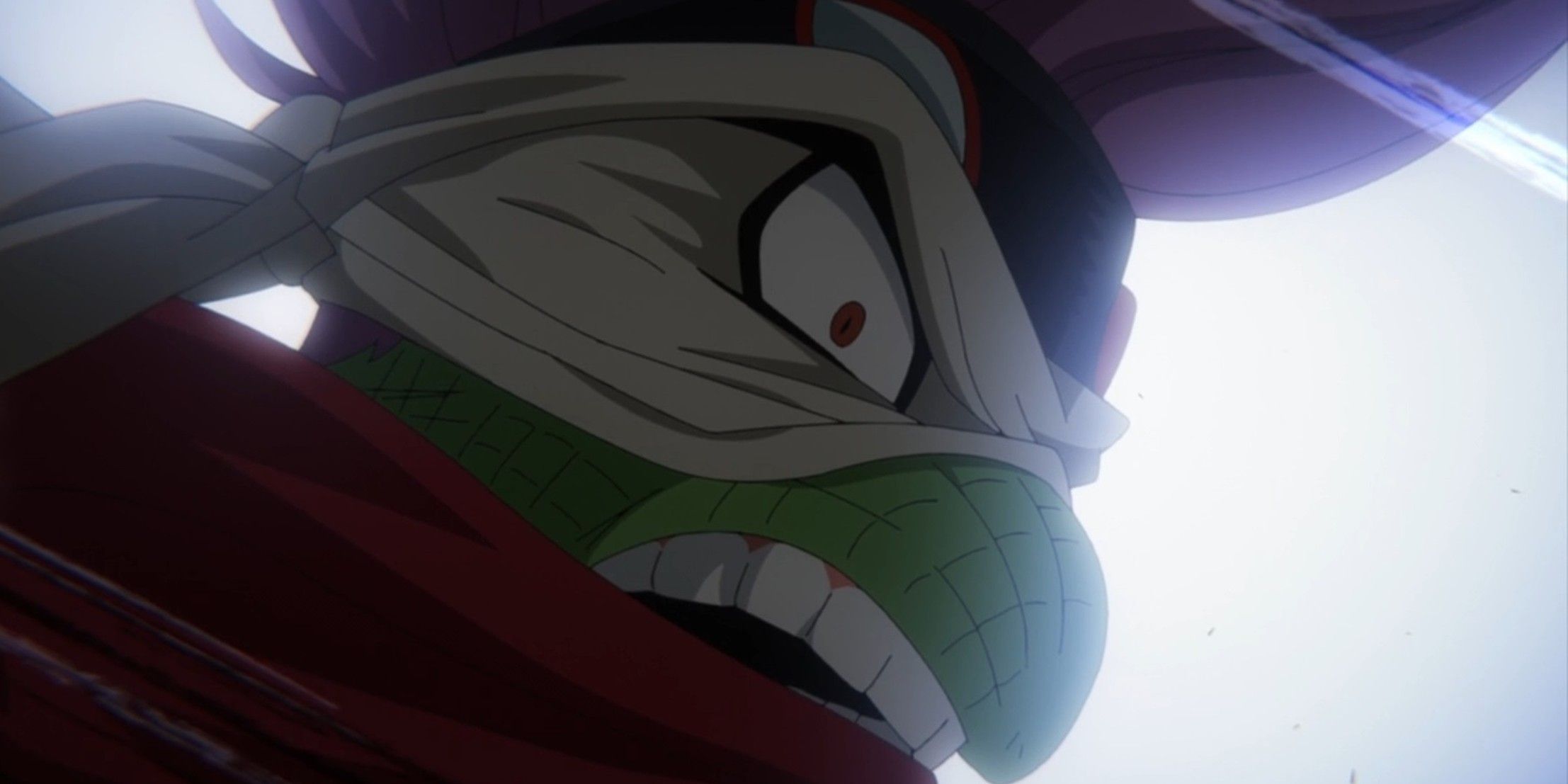
Similar to Himiko and Dabi, Spinner was drawn to the League of Villains because he felt rejected by society. He’d become a recluse, staying isolated in his room, but eventually, that wasn’t enough. He needed to take action – to express his anger and fight for acceptance as a heteromorph.

Spinner has committed crimes and needs to face consequences, but simply putting him in jail won’t solve the underlying problem, and Deku understands that. Spinner’s perspective, as someone who speaks for those with unique appearances who are often unfairly labeled as monsters or outcasts, still deserves to be heard. Luckily, there are also compassionate individuals with similar appearances, like Mezo Shoji and Koji Koda, who can help ensure the discussion is productive and doesn’t just become fueled by anger.
Read More
- NTE Drift Guide (& Best Car Mods for Drifting)
- How to Get the Wunderbarrage in Totenreich (BO7 Zombies)
- How to Beat Turbines in ARC Raiders
- Change Your Perspective Anomaly Commission Guide In NTE (Neverness to Everness)
- NTE Fan Shows Off Mint Cosplay
- Diablo 4 Best Loot Filter Codes
- Deltarune Chapter 1 100% Walkthrough: Complete Guide to Secrets and Bosses
- Top 8 UFC 5 Perks Every Fighter Should Use
- Brent Oil Forecast
- Danganronpa 2: A Complete Guide To Gifts
2026-04-14 01:05