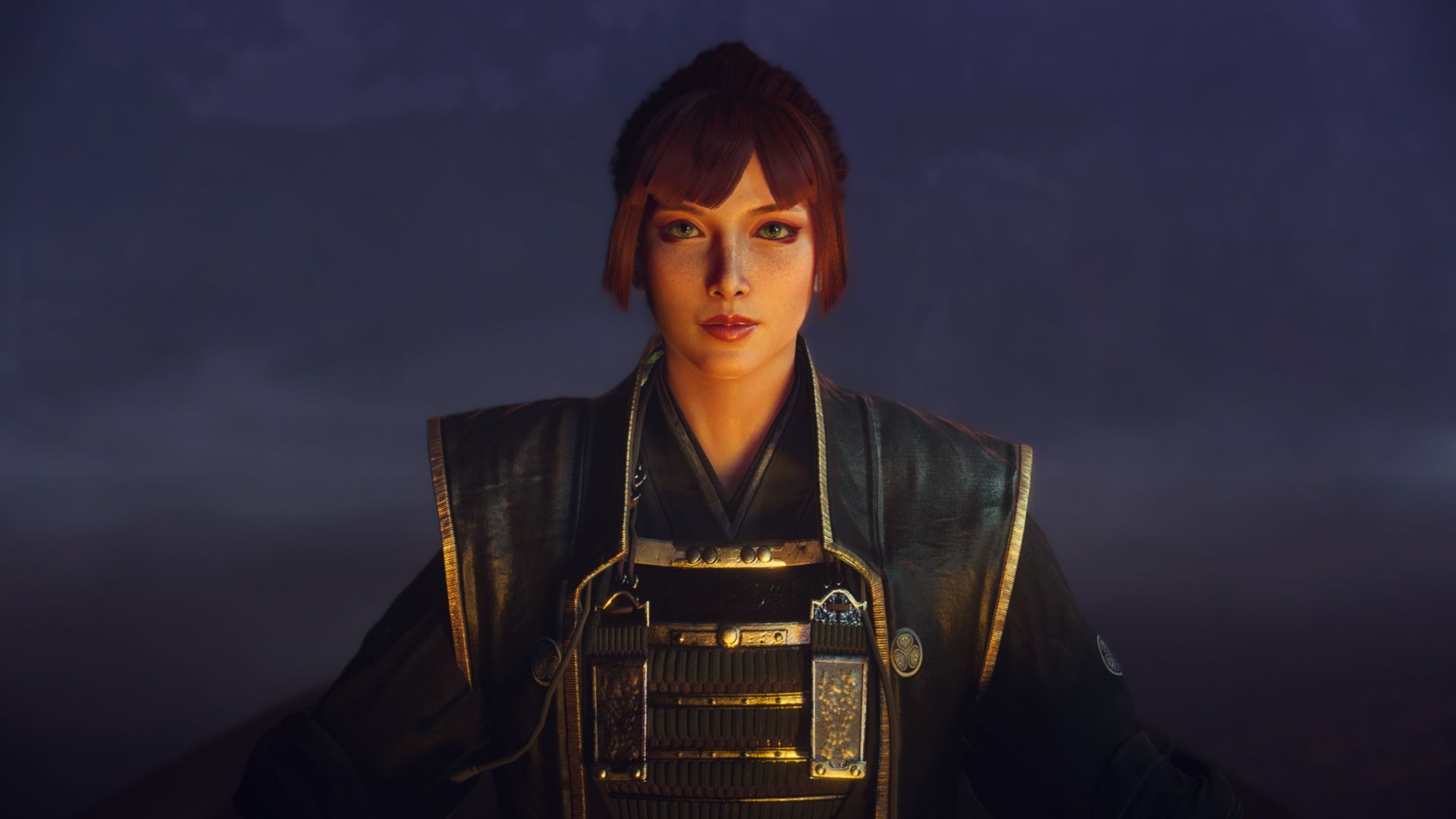
While many open-world games exist, few feature class systems. Classic games like Final Fantasy Tactics and Dragon Quest 9: Sentinels of the Starry Sky are excellent examples of games with engaging classes, though they aren’t open-world. Still, having classes can really enhance a player’s experience and allow for greater customization.
Games like Nioh 3 (an action RPG) and Like a Dragon: Infinite Wealth (a turn-based RPG) offer open-world experiences. Let’s explore how their character classes function and discover other games that fit this style.
TopMob Quiz
—
Results
—
Nioh 3
Samurai Vs Ninja
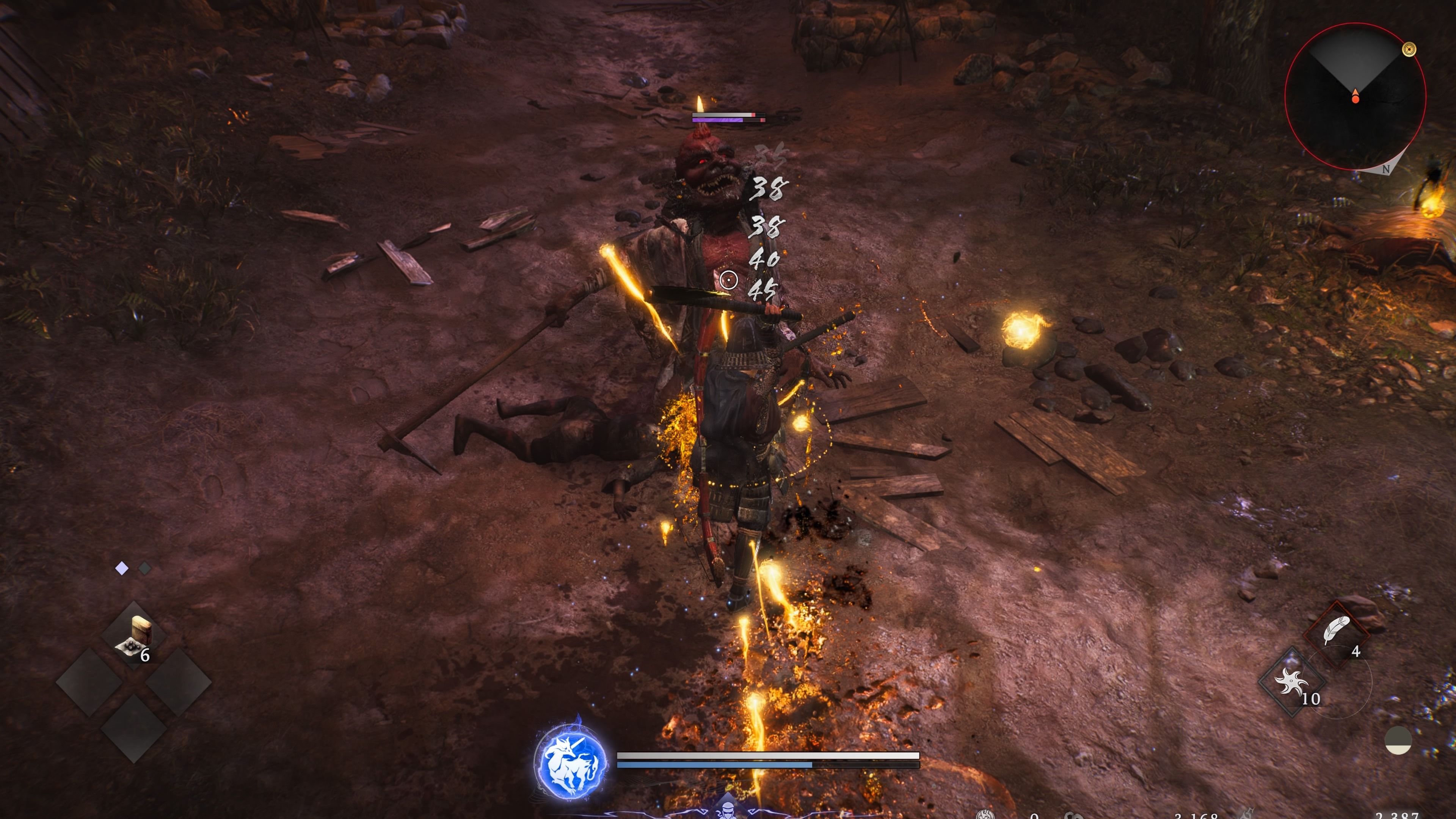
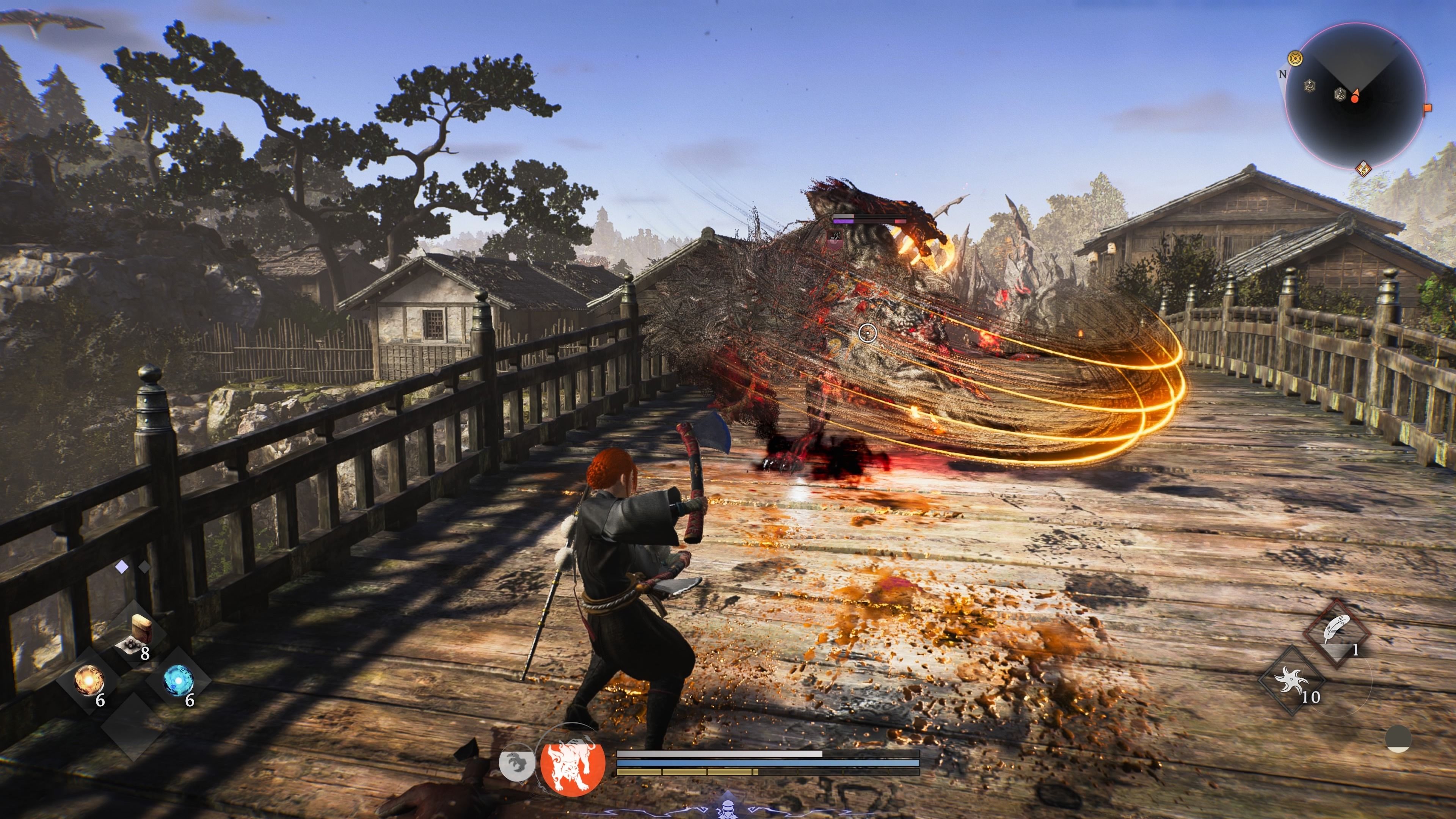
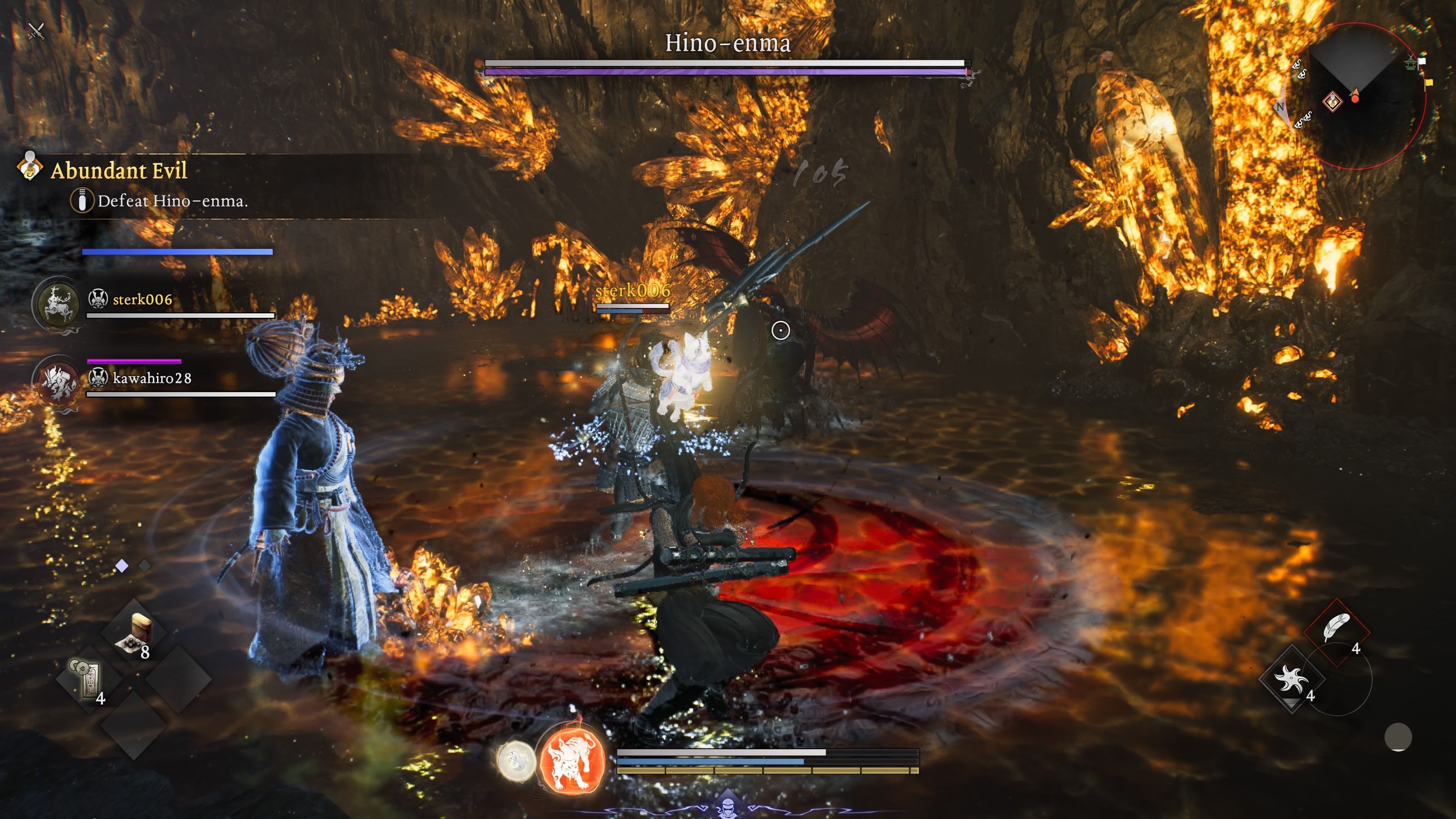
Nioh 3, the newest game in the series, lets you create your own character and manipulate time to travel to different historical periods. These eras feature large, explorable areas that feel almost like open-world environments. A new feature is the ability to switch between character classes – you’re no longer limited to just a samurai and can instantly change to a ninja style of play.
Each character class in the game has its own special weapons and armor that no other class can use. Players can quickly switch between classes during battles to gain an advantage against enemies, adding a layer of strategy to the gameplay. While only having two classes might seem limited, it’s enough to make Nioh 3 stand out thanks to its fast-paced action in an open-world samurai and ninja setting.
Monster Hunter Wilds
A Weapon-Based Class System
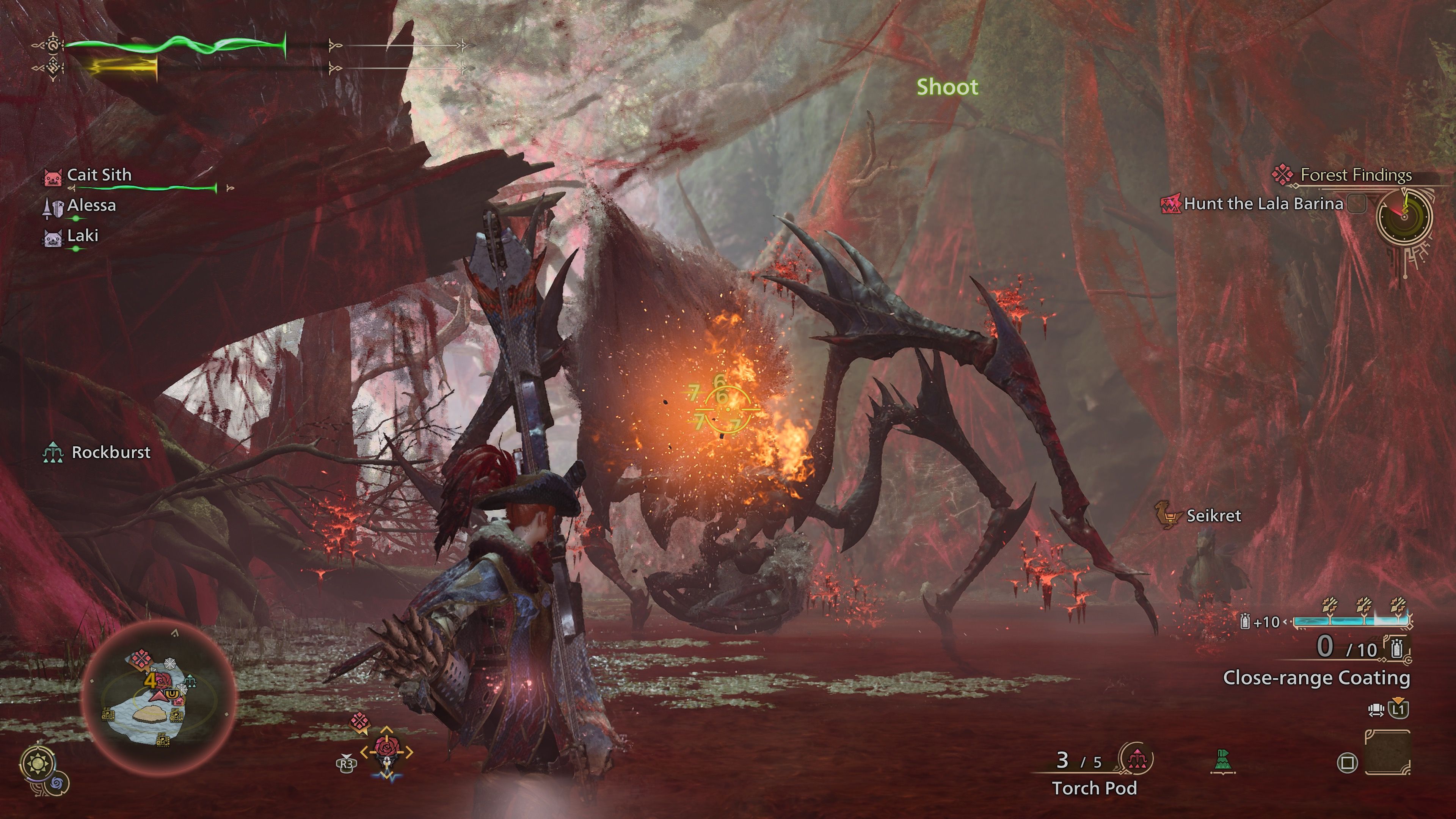
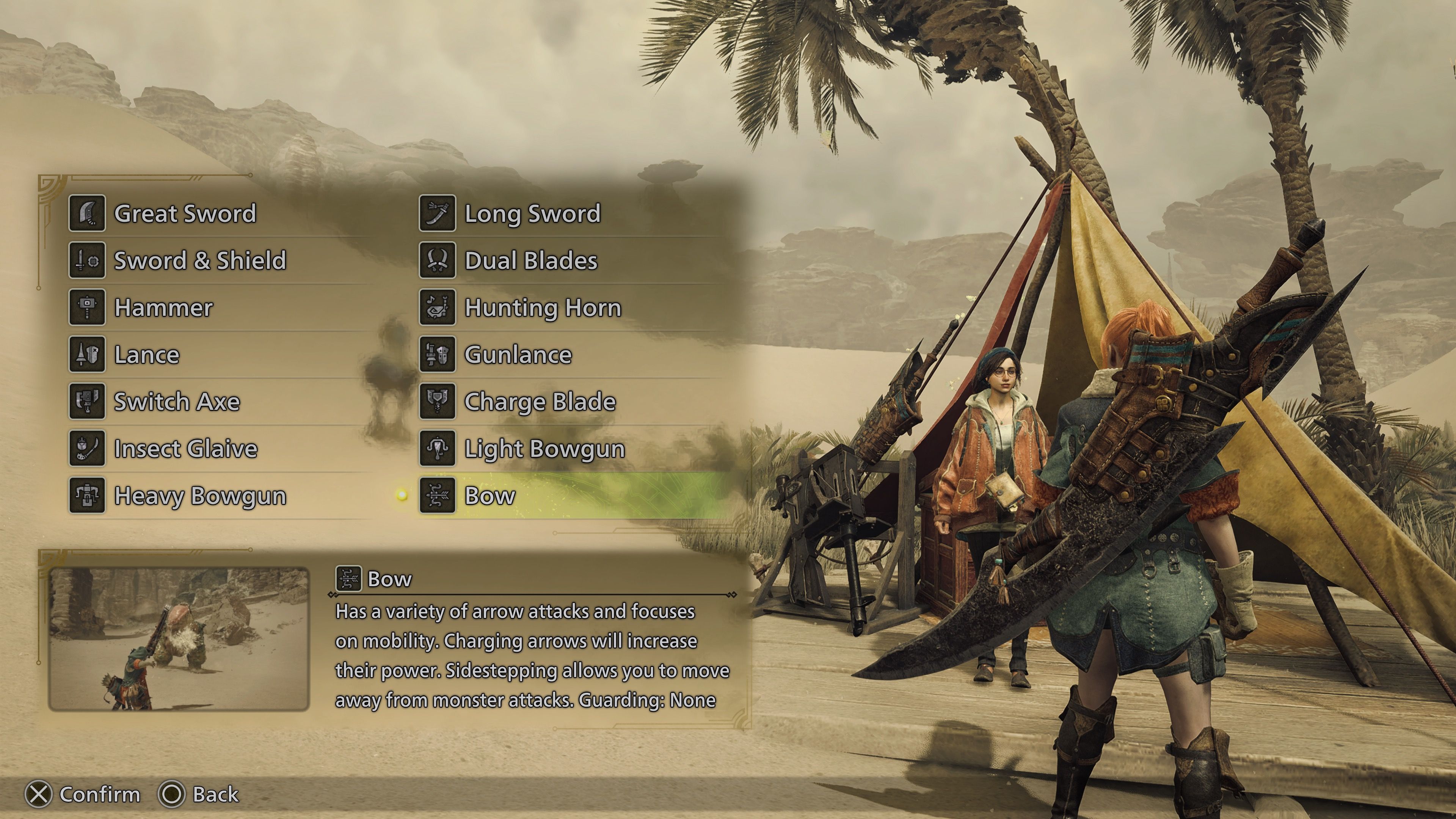
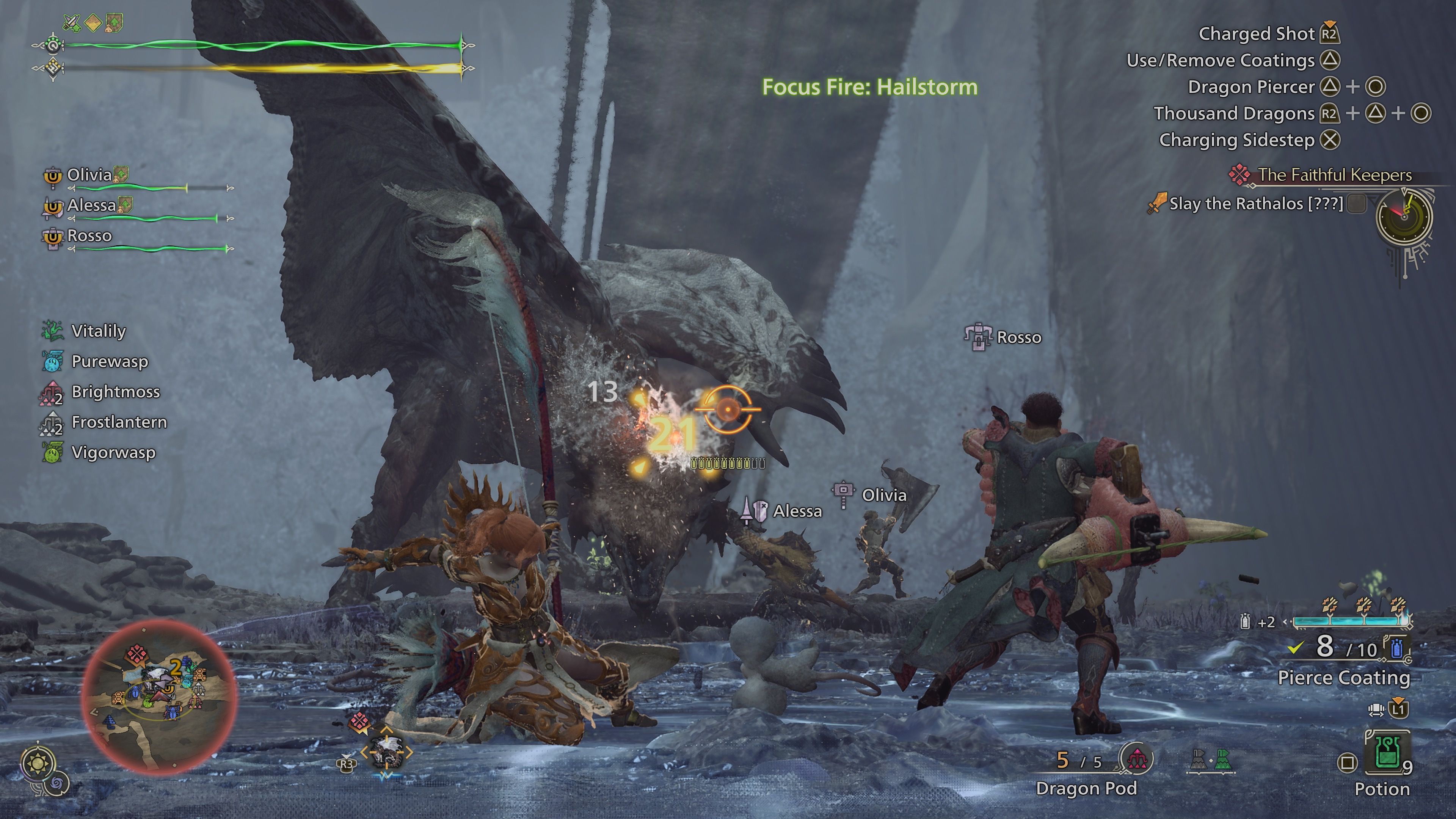
Unlike many action RPGs, Monster Hunter Wilds doesn’t have traditional classes. Instead, the fourteen different weapon types function like classes – for instance, bows offer a ranged playstyle. As players hunt monsters and collect parts, they’ll unlock a skill tree specific to their chosen weapon, allowing them to specialize and customize their abilities within that weapon’s style.
Bows can be customized to deal physical damage, or elemental damage like fire, water, or poison, offering a lot of different playstyles. The variety of options and unique characteristics of each weapon type mean it takes time and effort to master them all.
Xenoblade Chronicles X
A Branching Skill Tree Of Classes
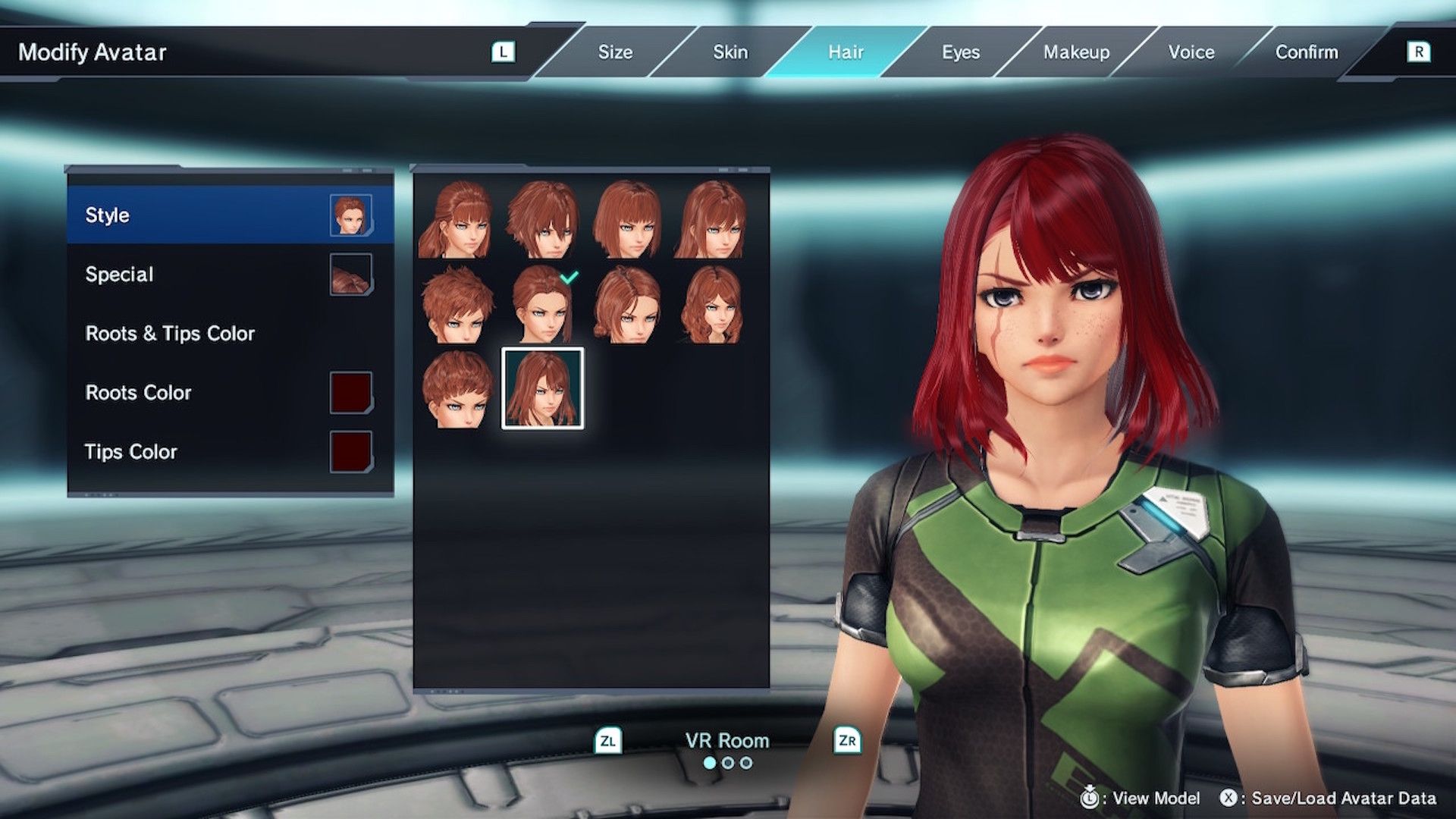
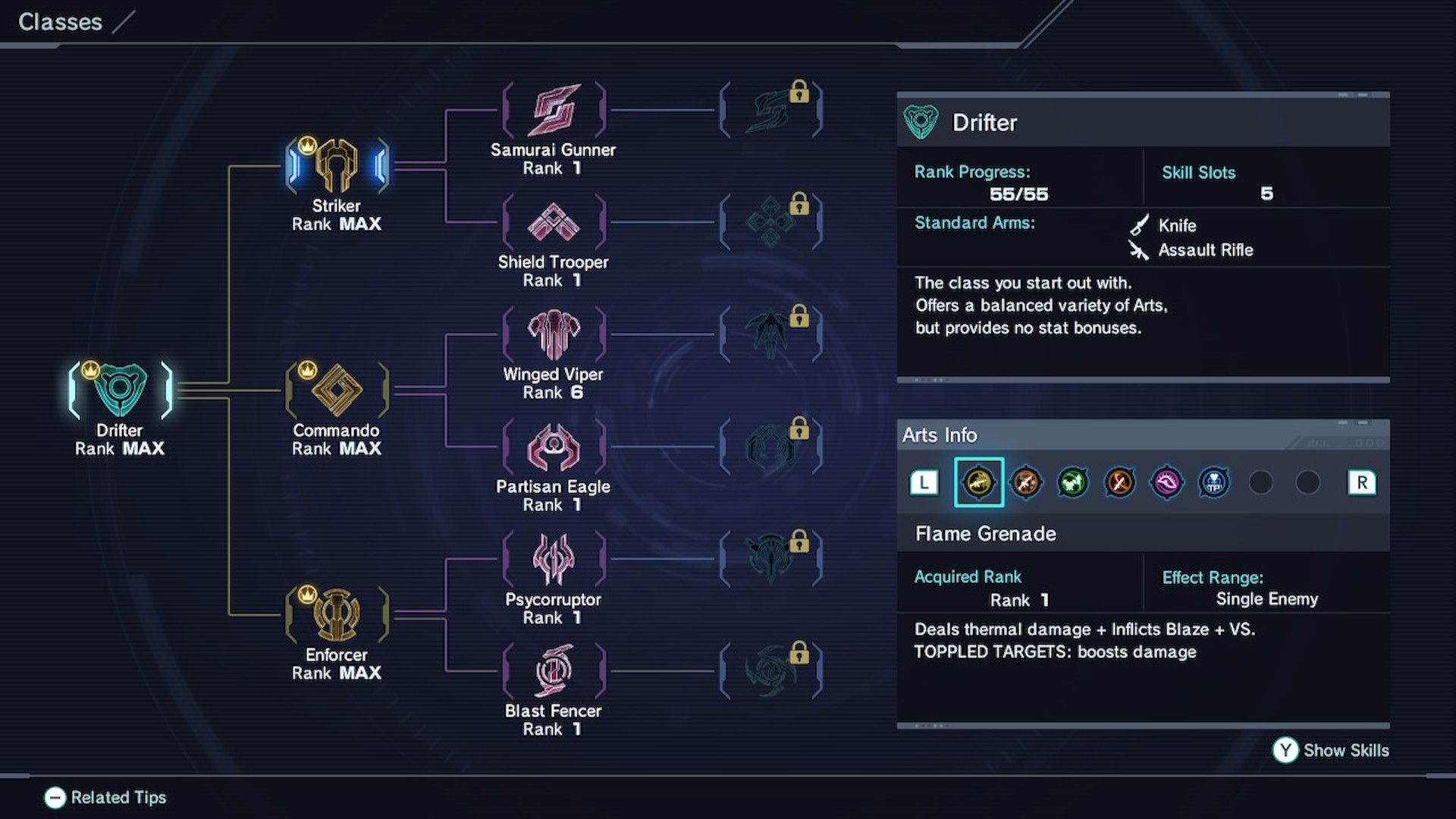
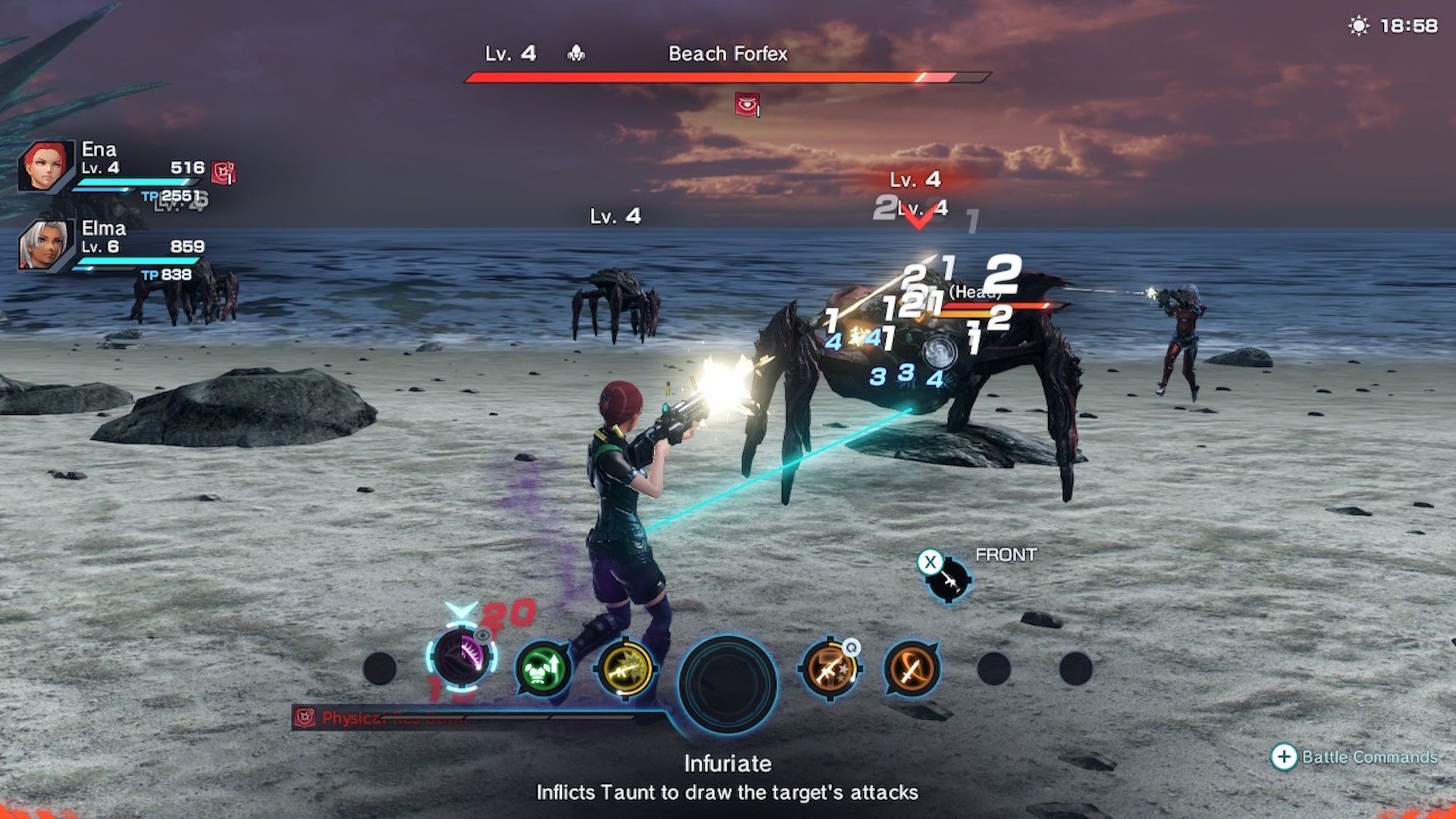
Unlike other games in the Xenoblade Chronicles series, Xenoblade Chronicles X lets you create your own character and choose a starting class. While your companions each have specific jobs, you’ll begin as a versatile character known as a Drifter – a sort of all-rounder.
After becoming proficient in the initial class, players can choose to specialize as a Striker, Commando, or Enforcer. Each of these classes offers unique skills and equipment. Once a player masters one of these advanced classes, they can further specialize into even more roles – a Striker, for instance, can become a Samurai Gunner or Shield Tripper. This creates a flexible skill and class system in Xenoblade Chronicles X, allowing players to build the hero they want.
Like A Dragon: Infinite Wealth
Ordinary Jobs Made Weird
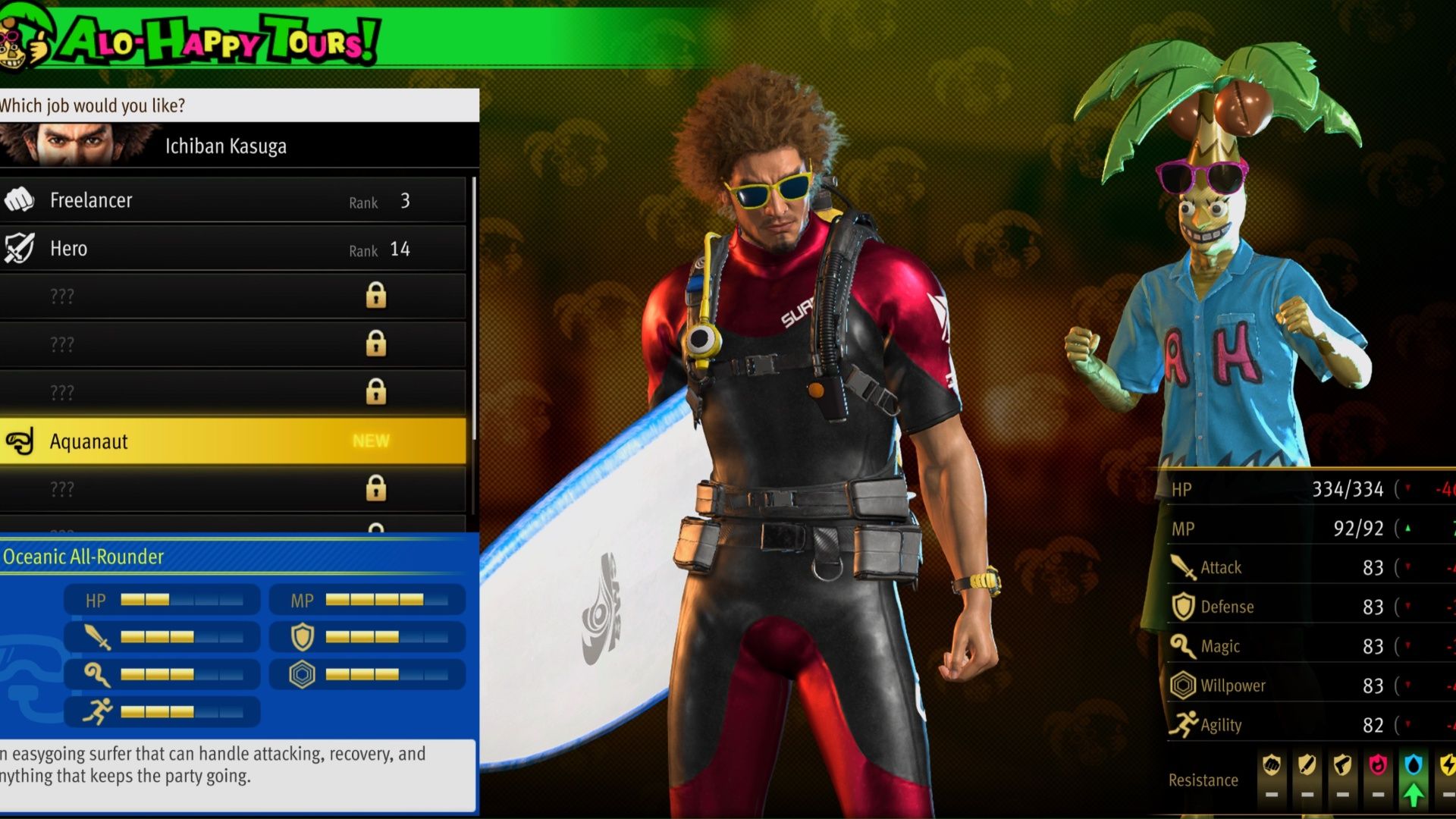
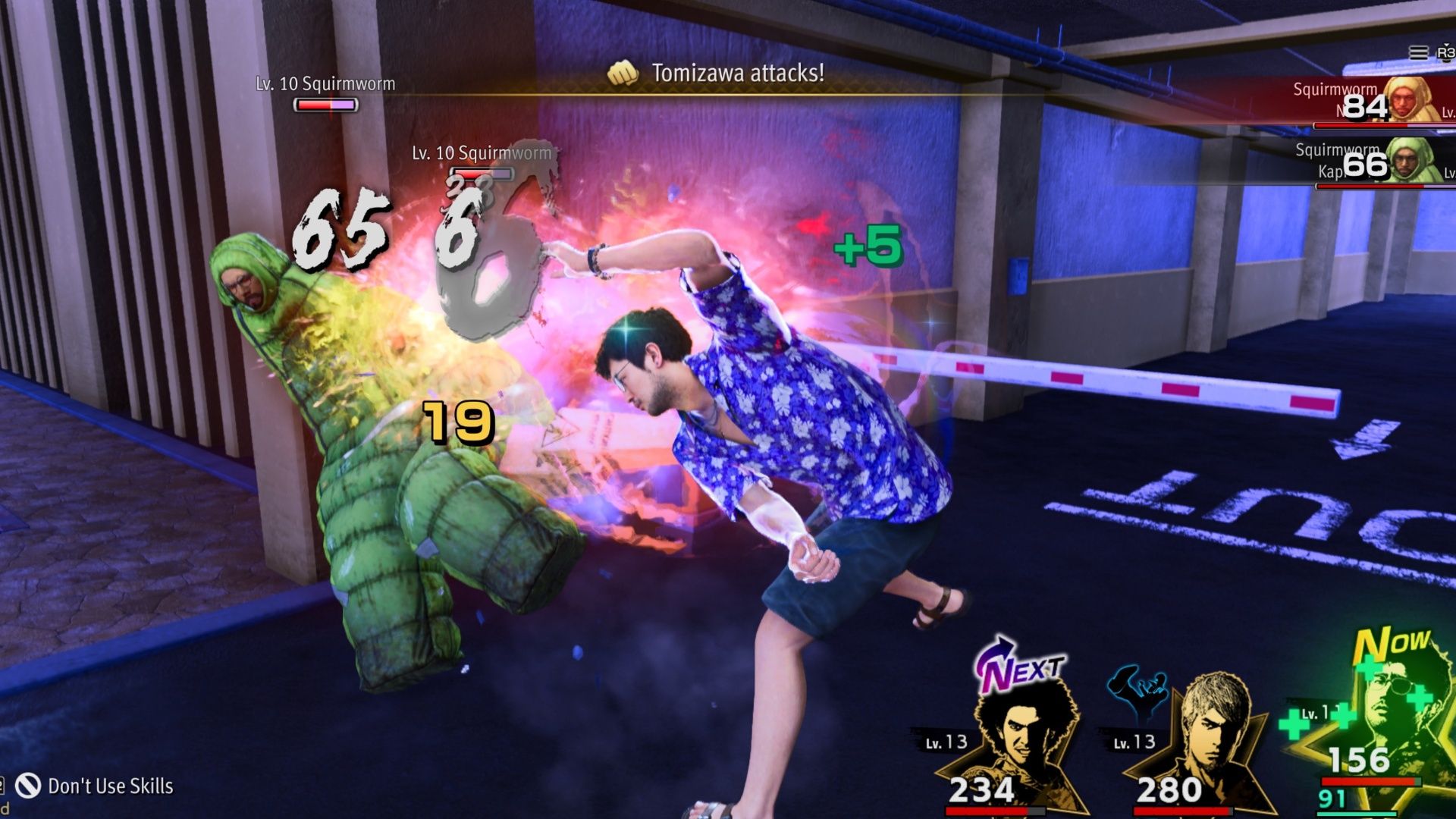
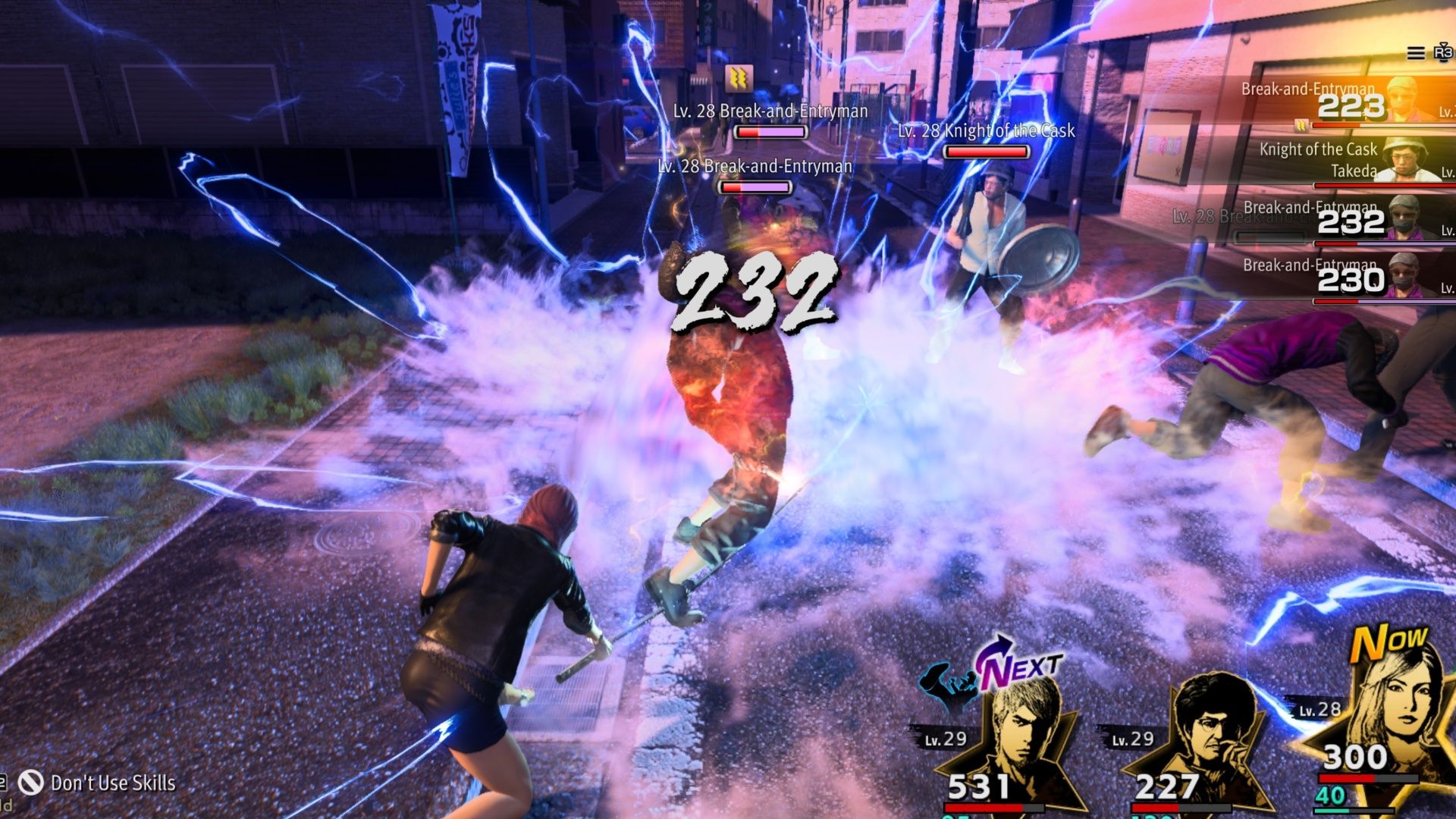
Like a Dragon: Infinite Wealth is the eighth major installment in the Yakuza series and continues to experiment with turn-based combat, featuring a job system that lets you customize characters. While most jobs are available to anyone, some are gender-exclusive – for instance, female characters can become Kunoichi, and male characters can become Samurai.
As you improve your chosen Jobs, you’ll unlock new abilities. Some of these abilities can even be transferred to other Jobs you try, creating a flexible system. You can freely switch between Jobs outside of combat whenever you want, and while these roles – from taxi driver to deep-sea explorer – might be unusual for an RPG, they add a lot of fun to the game.
Diablo 4
A Diverse Skill Tree
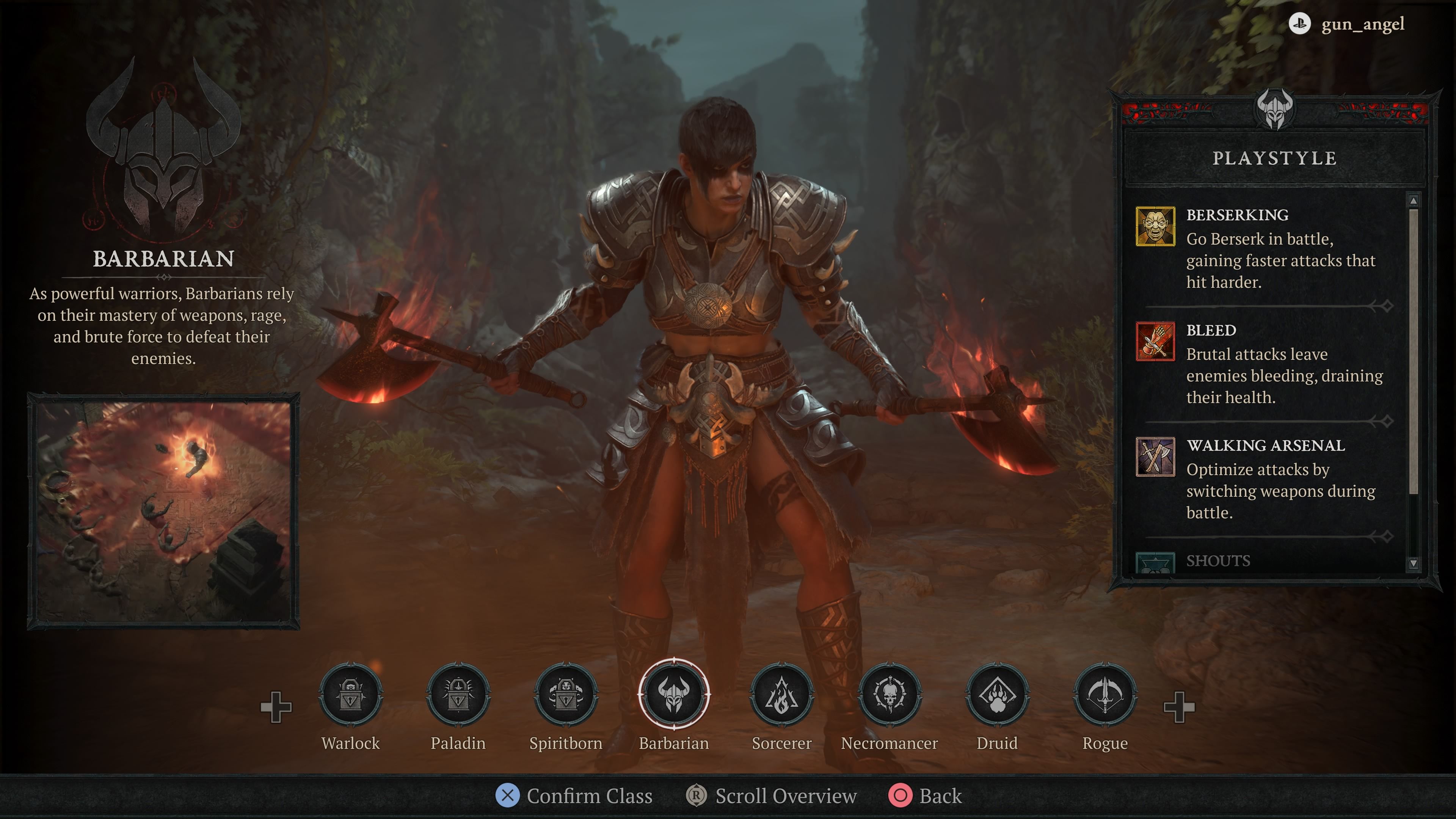
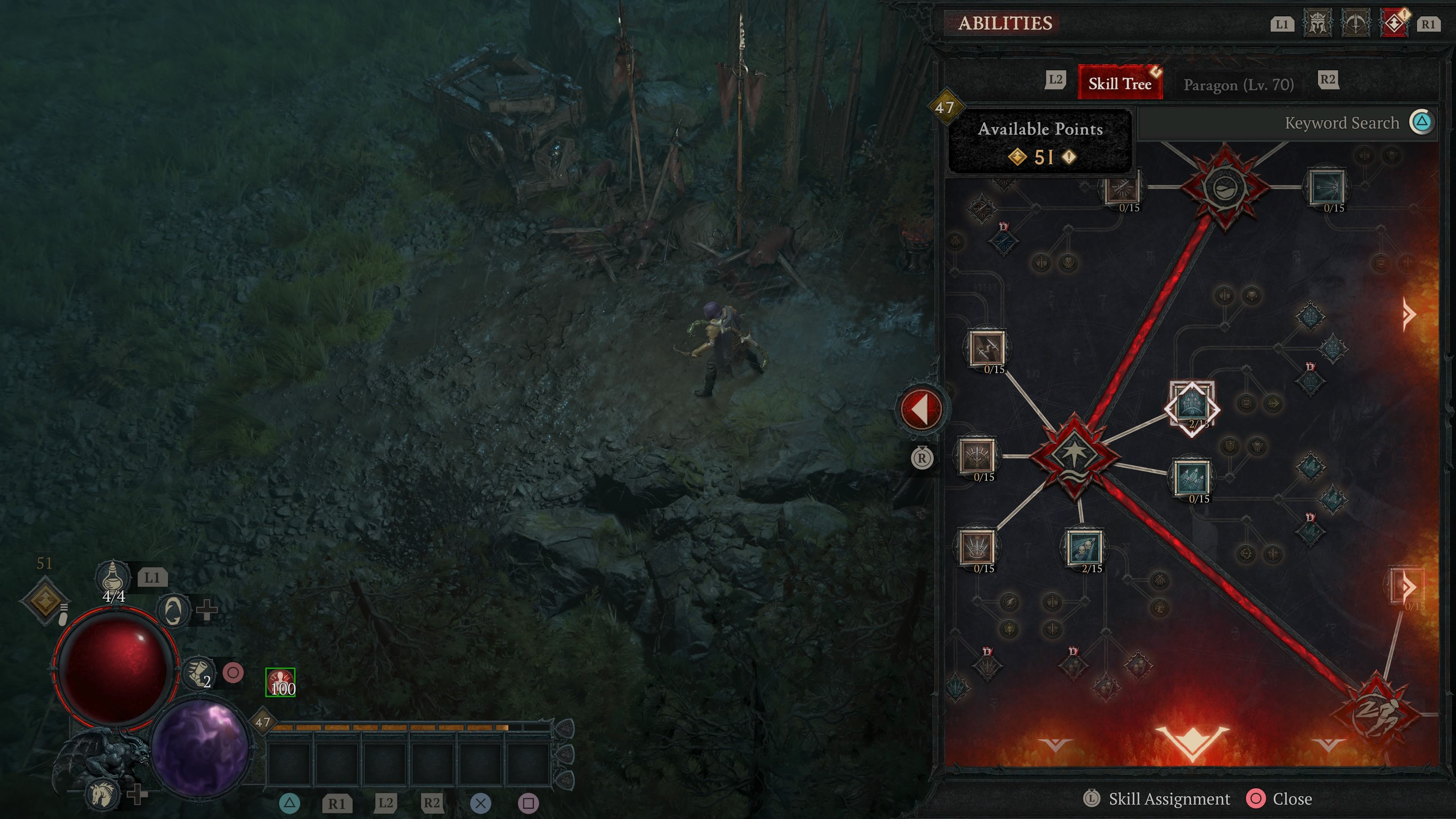
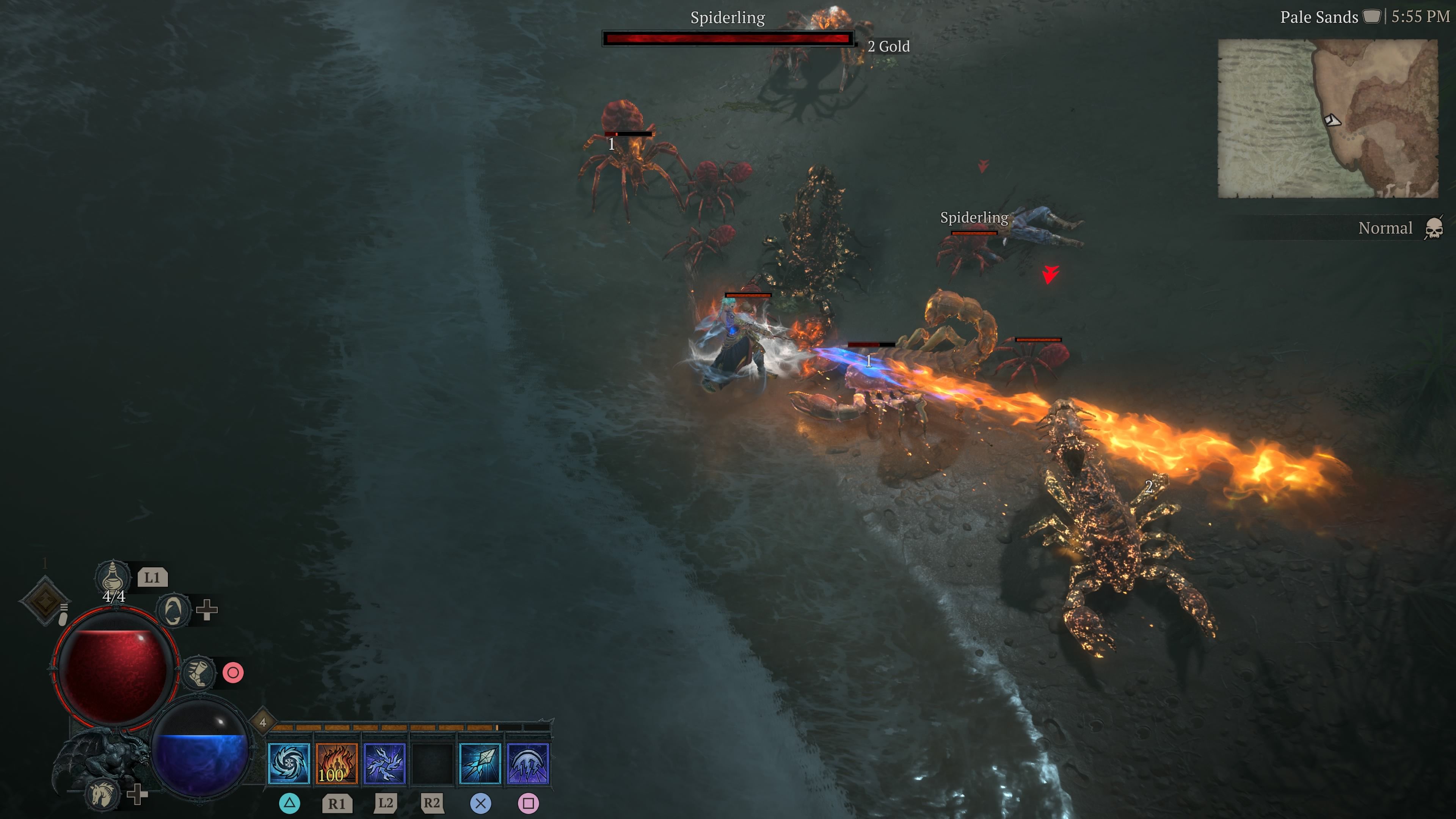
Diablo 4 is an action role-playing game played from an overhead perspective. When the game launched, players could choose from five classes—Barbarian, Sorcerer, Rogue, Necromancer, and Druid—but three more have since been added: Spiritborn, Paladin, and Warlock. Each class offers a unique playstyle, and the different skill paths available mean that no two players will build their character exactly the same way.
Players have a lot of freedom to customize their characters. For instance, a Sorcerer might focus entirely on fire or ice magic, or try to become well-rounded. Rogues can specialize in things like stealth attacks, traps, or archery. And if you don’t like the way you’ve built your character, you can easily change it – this level of customization is what makes this game stand out among other Diablo titles.
Final Fantasy 14
The Most Expansive Job System
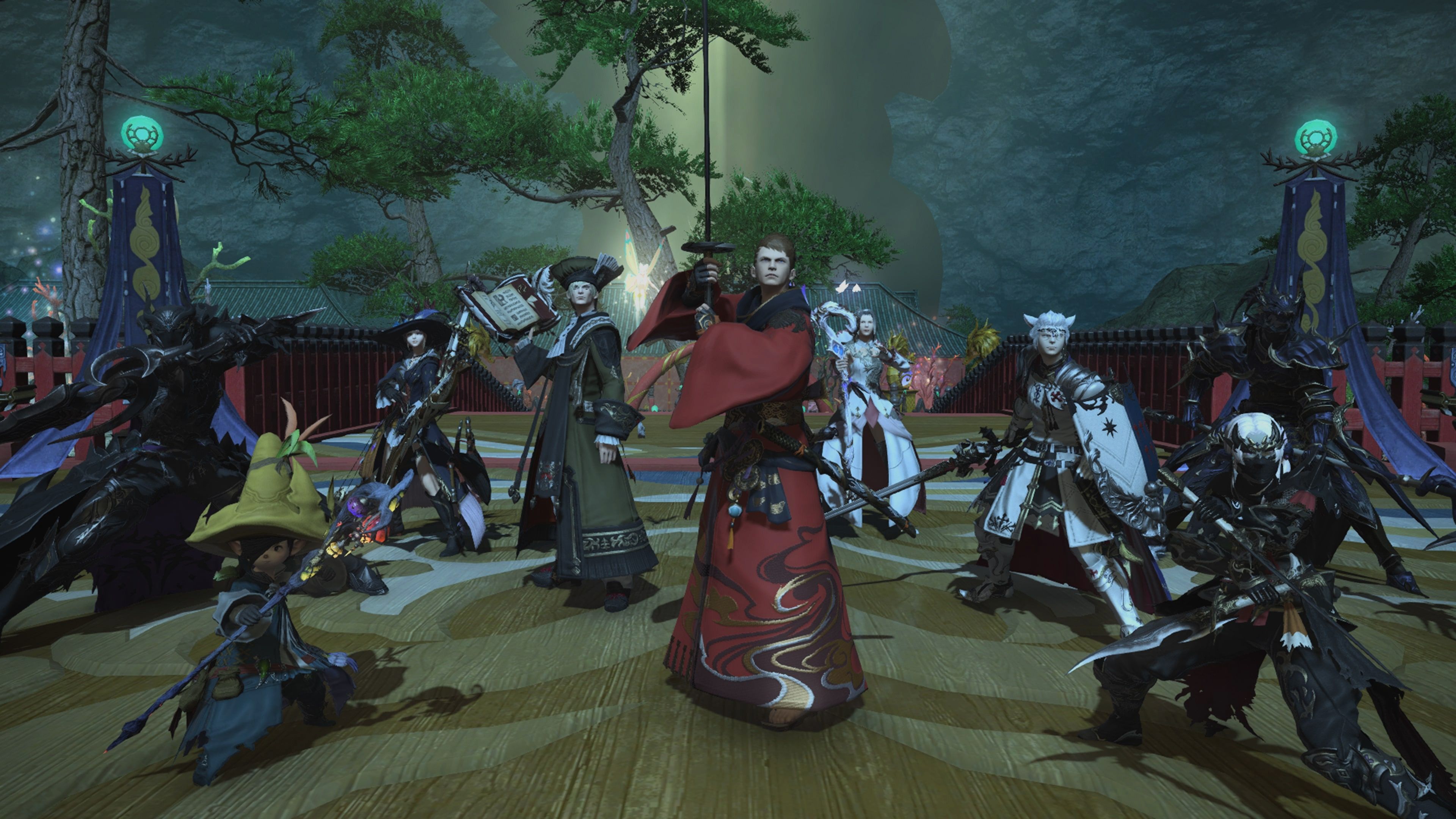
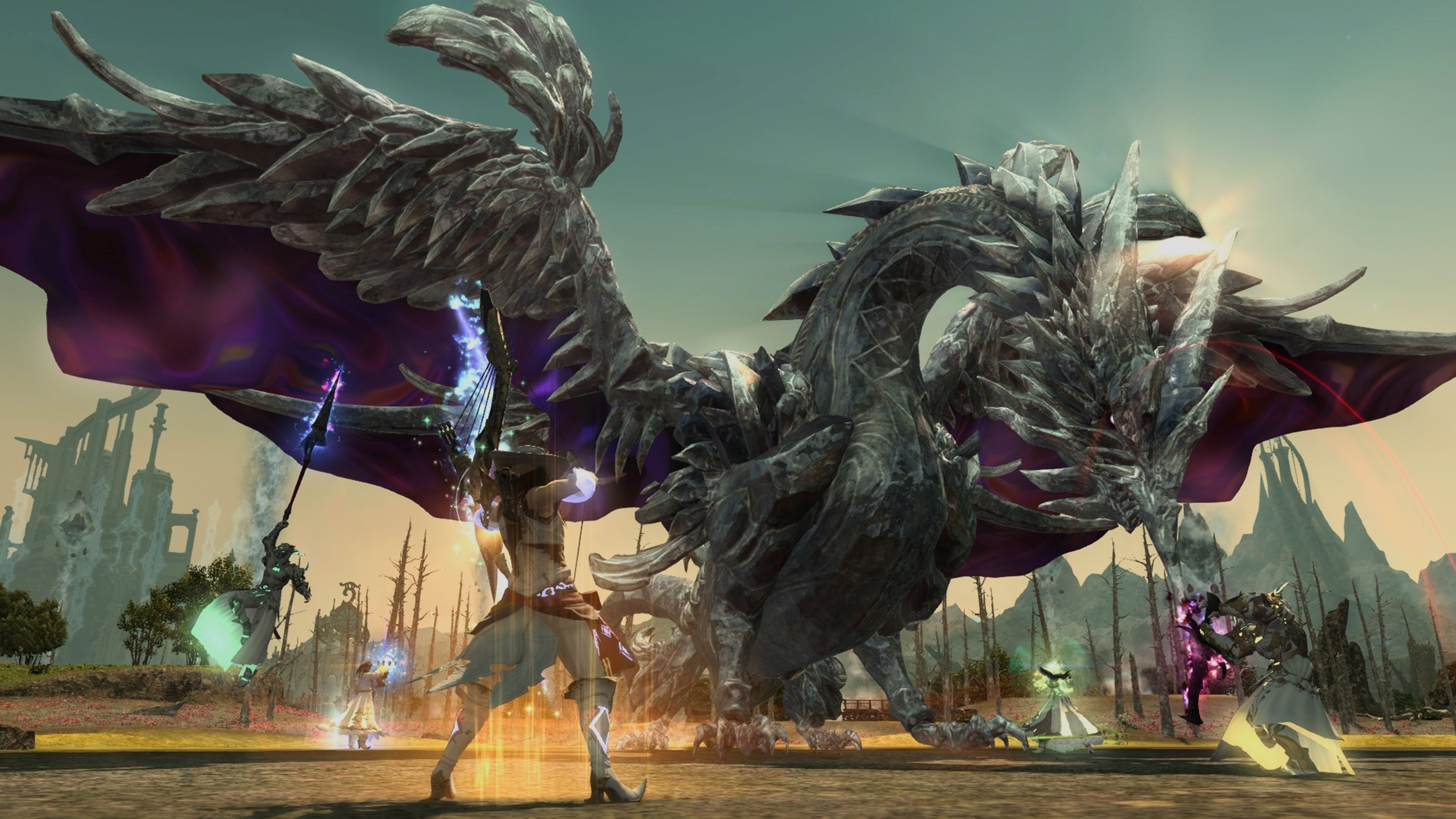
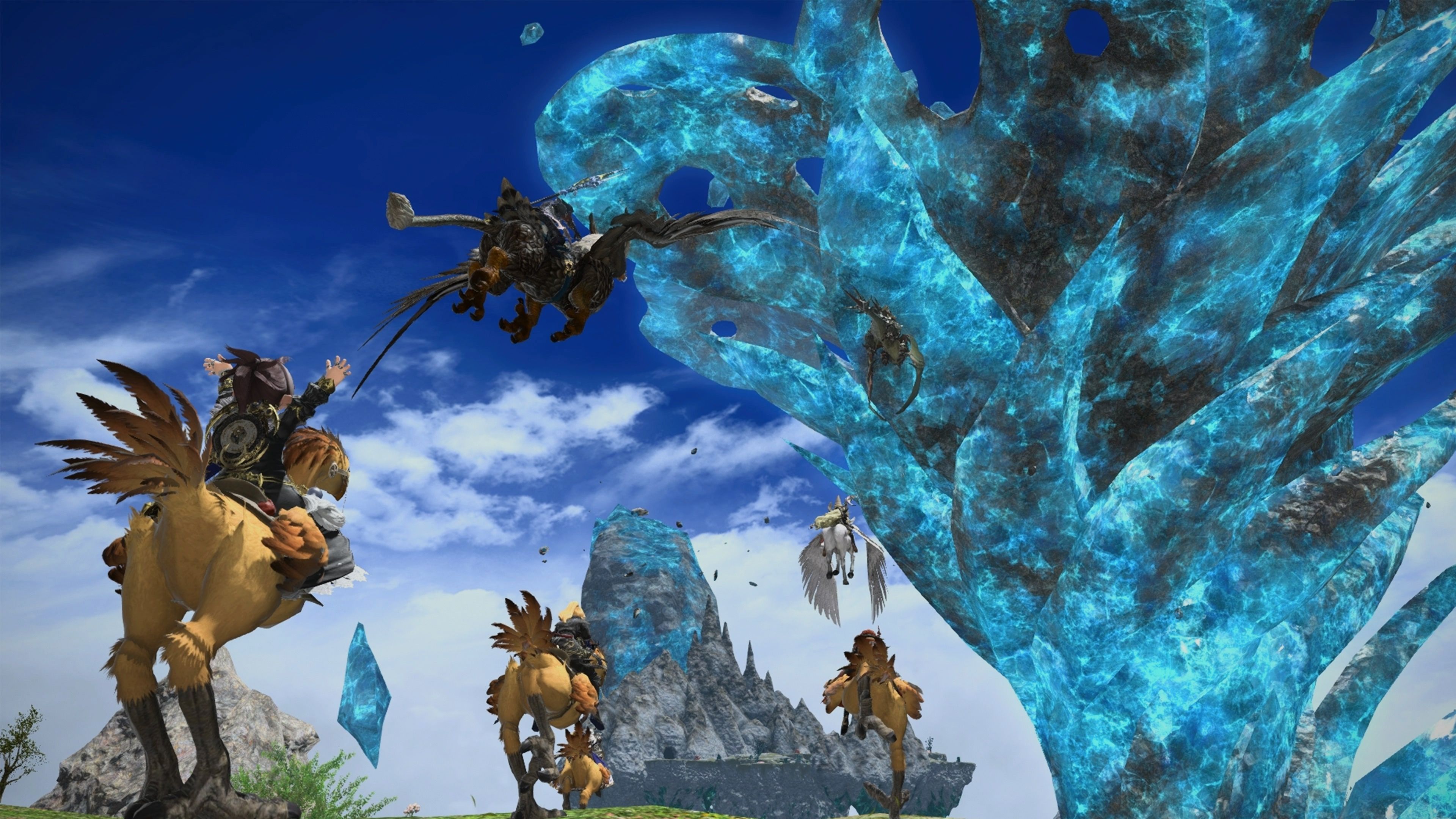
Final Fantasy 14 is a huge online game with a world larger than many other games combined. The Final Fantasy series is known for its diverse character classes, called Jobs, and Final Fantasy 14 has even more after years of updates. Players begin with basic Jobs and complete quests to unlock more advanced classes.
For instance, a Gladiator can evolve into a Paladin, and a Thaumaturge can become a Black Mage. This game offers a much wider range of job options than most other MMOs, and it’s unusual because a single character can change jobs whenever they want.
Kingdoms Of Amalur: Reckoning
Create Your Own Class
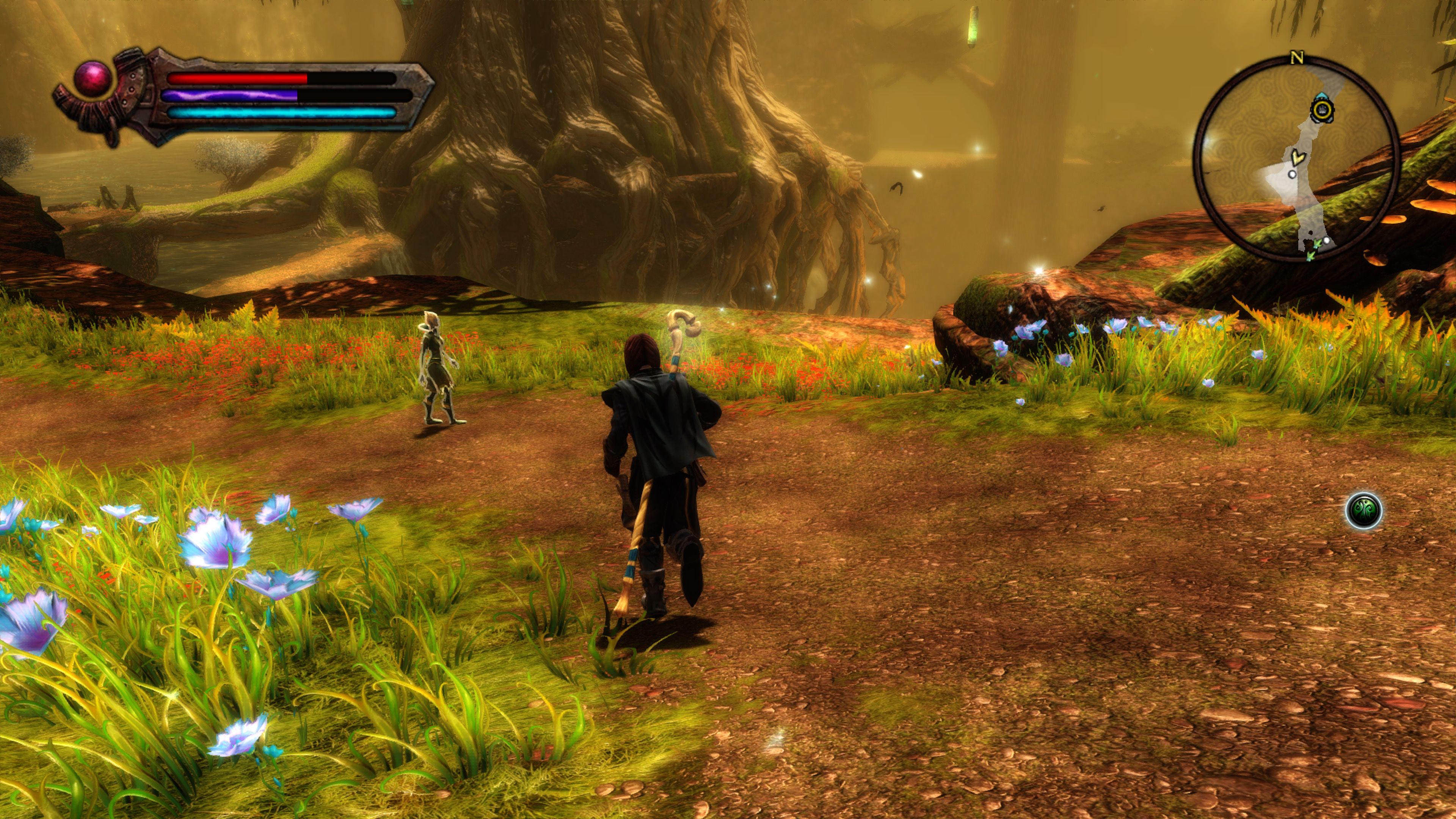
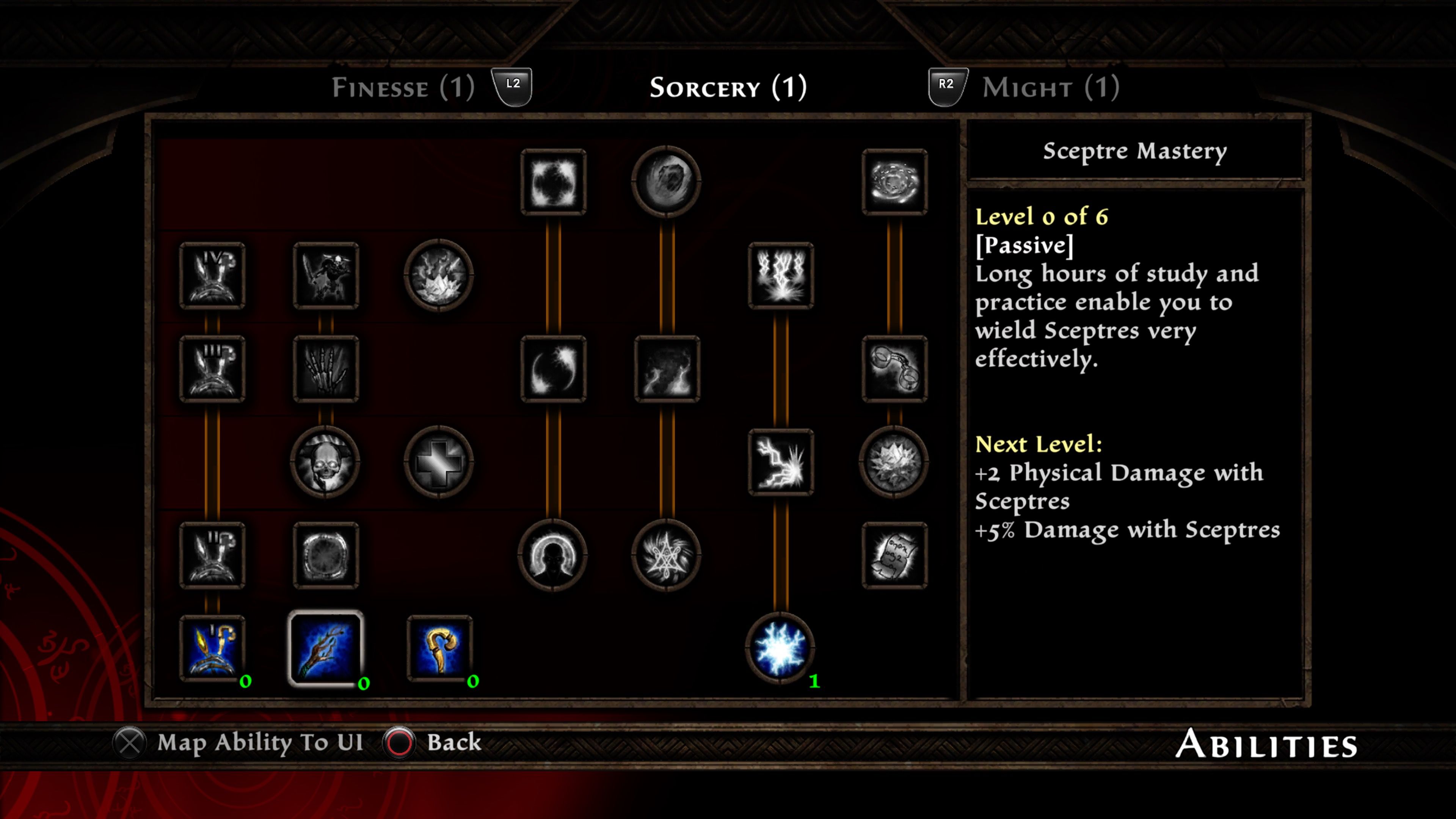
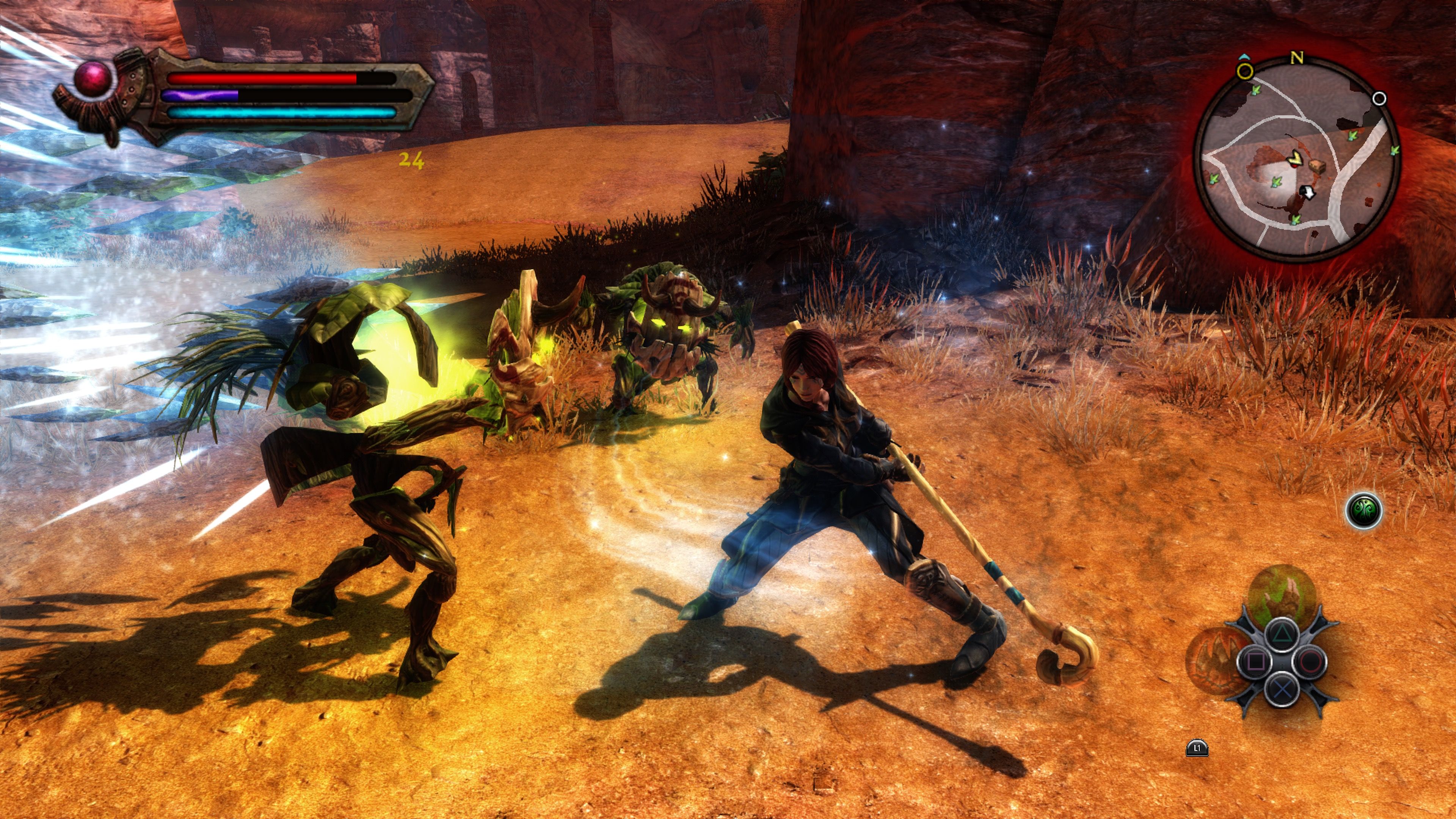
I love that in Kingdoms of Amalur: Reckoning, you basically start as someone who’s cheated death! It’s so cool because you’re not locked into a specific class – you’re free to build the hero you want, and your destiny isn’t predetermined. It’s totally open-ended, which is awesome.
Players familiar with character classes in action RPGs will find familiar builds in the skill tree. You can specialize in magic by learning spells like lightning and earth, or focus on becoming a durable tank with powerful weapons and stats. Beyond its flexible class system, Kingdoms of Amalur: Reckoning boasts some of the best combat in any open-world game, making it a standout title that deserves more recognition.
Visions Of Mana
Character Specific Classes
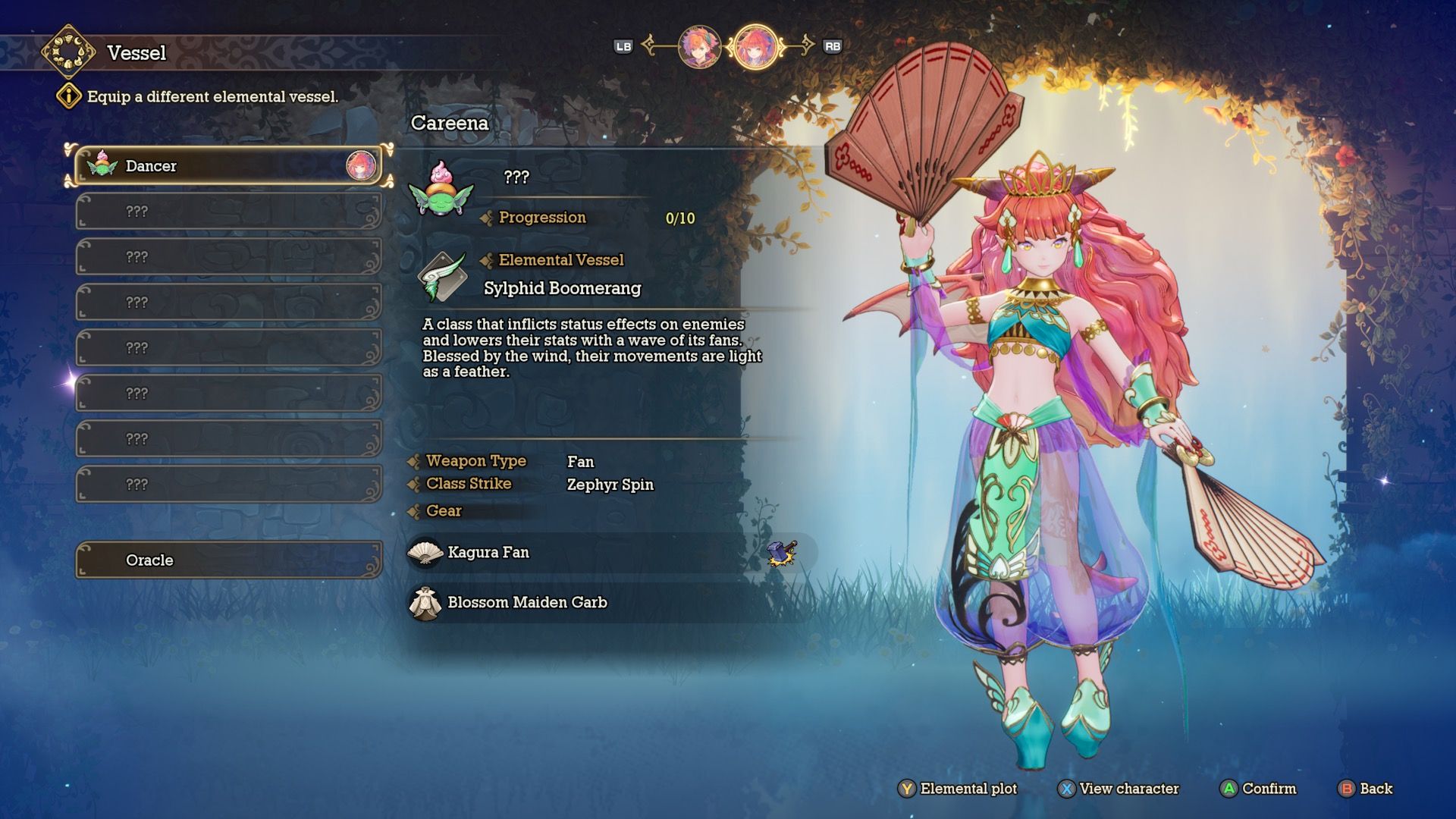
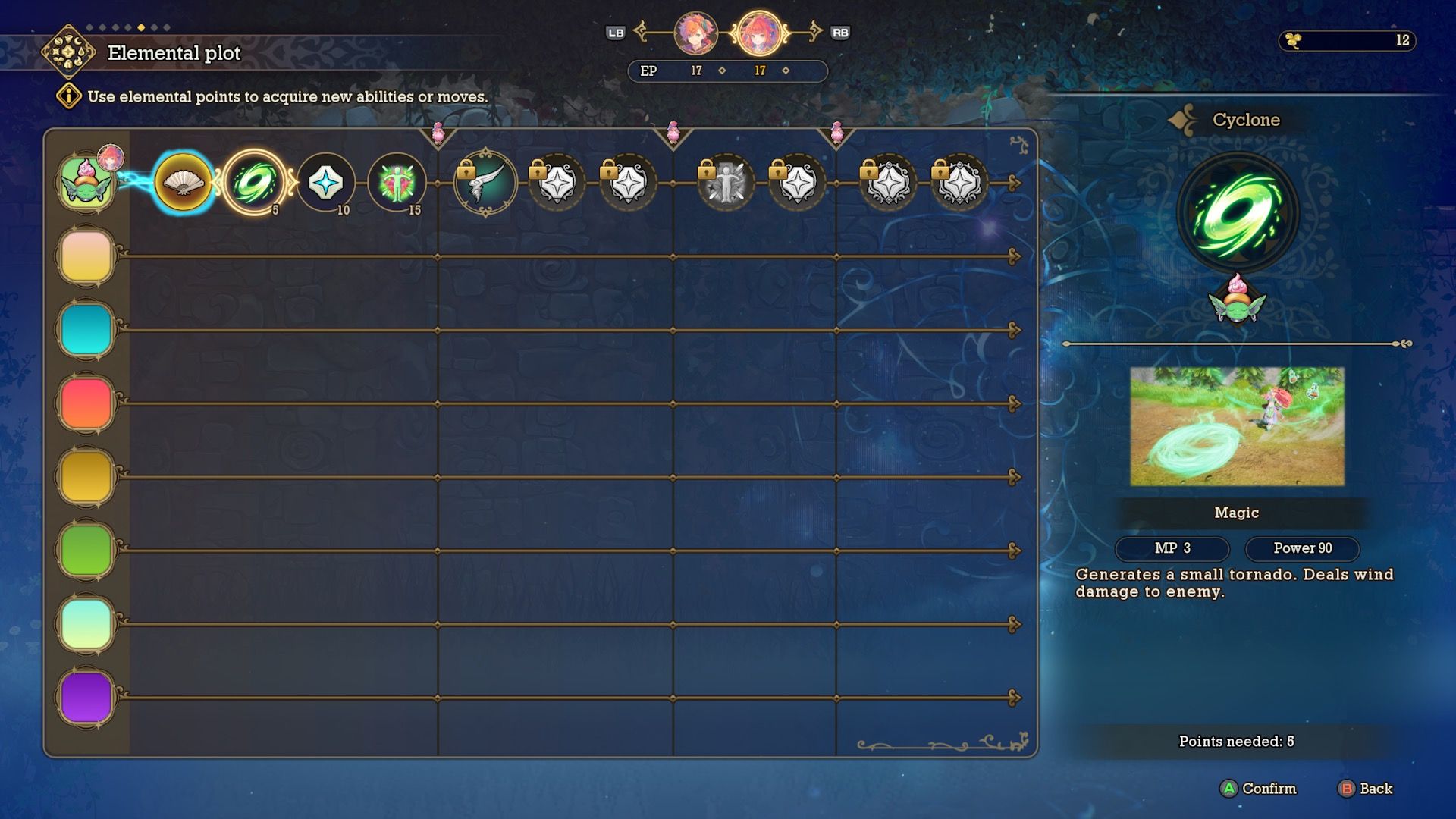
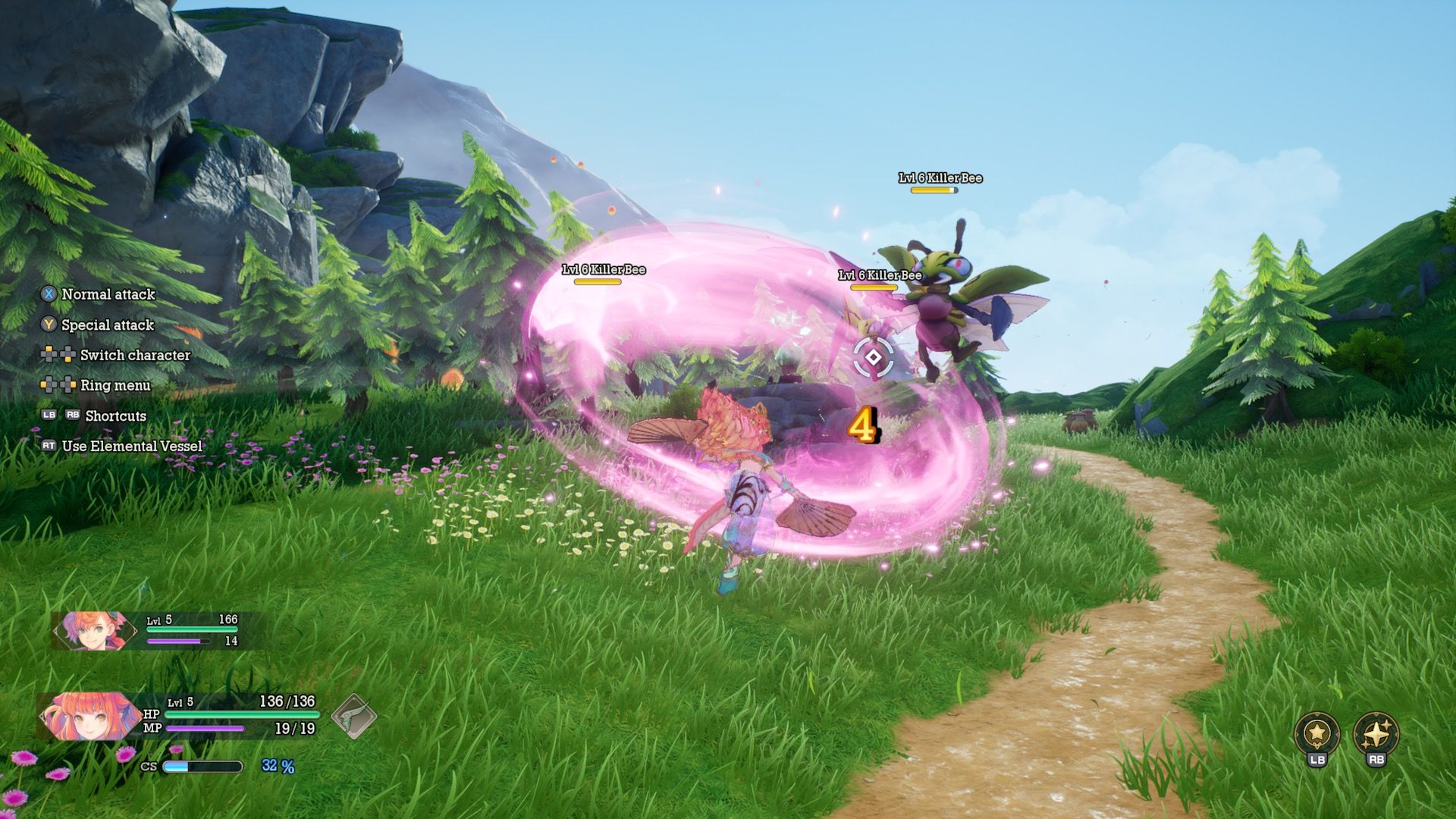
Unlike most games in the Mana series, Visions of Mana features a class system. Players can unlock this system after about an hour or two of gameplay, depending on how much they explore. These classes are called Vessels, and they’re connected to elemental spirits that become available as the story unfolds. The first Vessel available is based on the wind element and can be used by the game’s two main characters, Val and Careena.
Both character classes will utilize wind power, but they play very differently. Careena can specialize as a Dancer, using fans as weapons, while Val will become a Rune Knight and continue to fight with his original sword. As players level up, they’ll earn points to unlock new abilities specific to their chosen class – this applies to all classes in the game.
Dragon’s Dogma 2
Diving Into Vocations
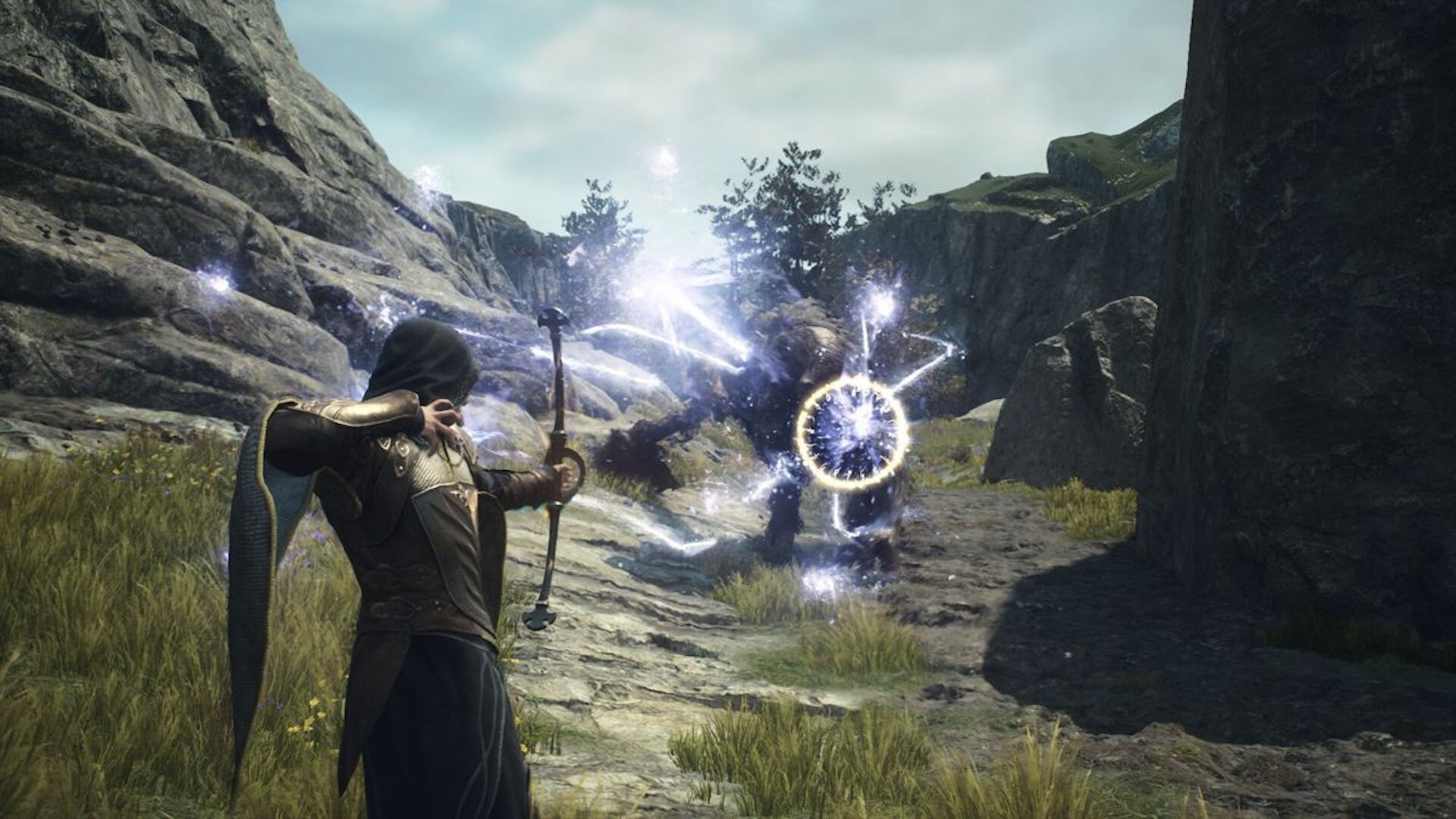
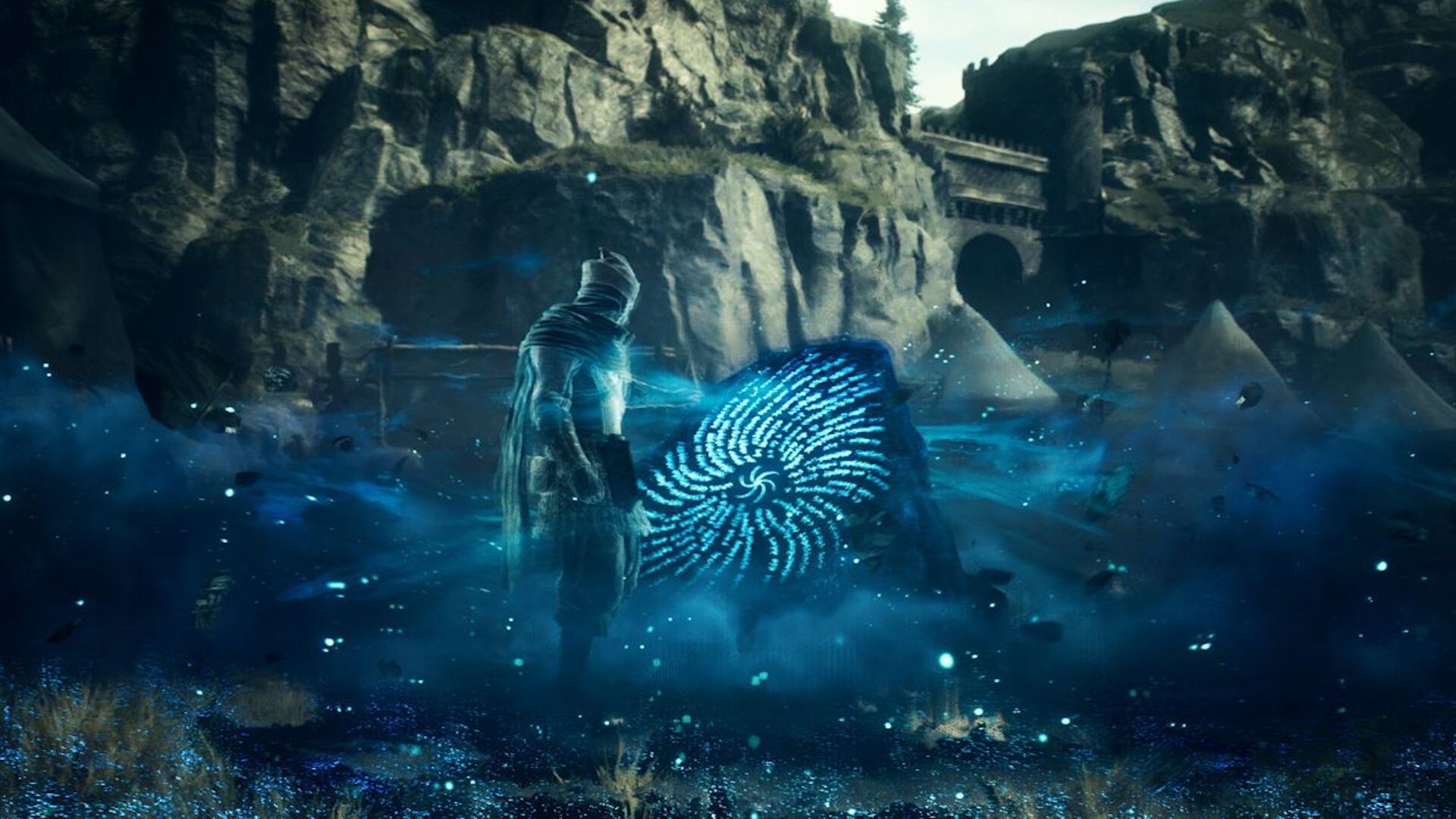
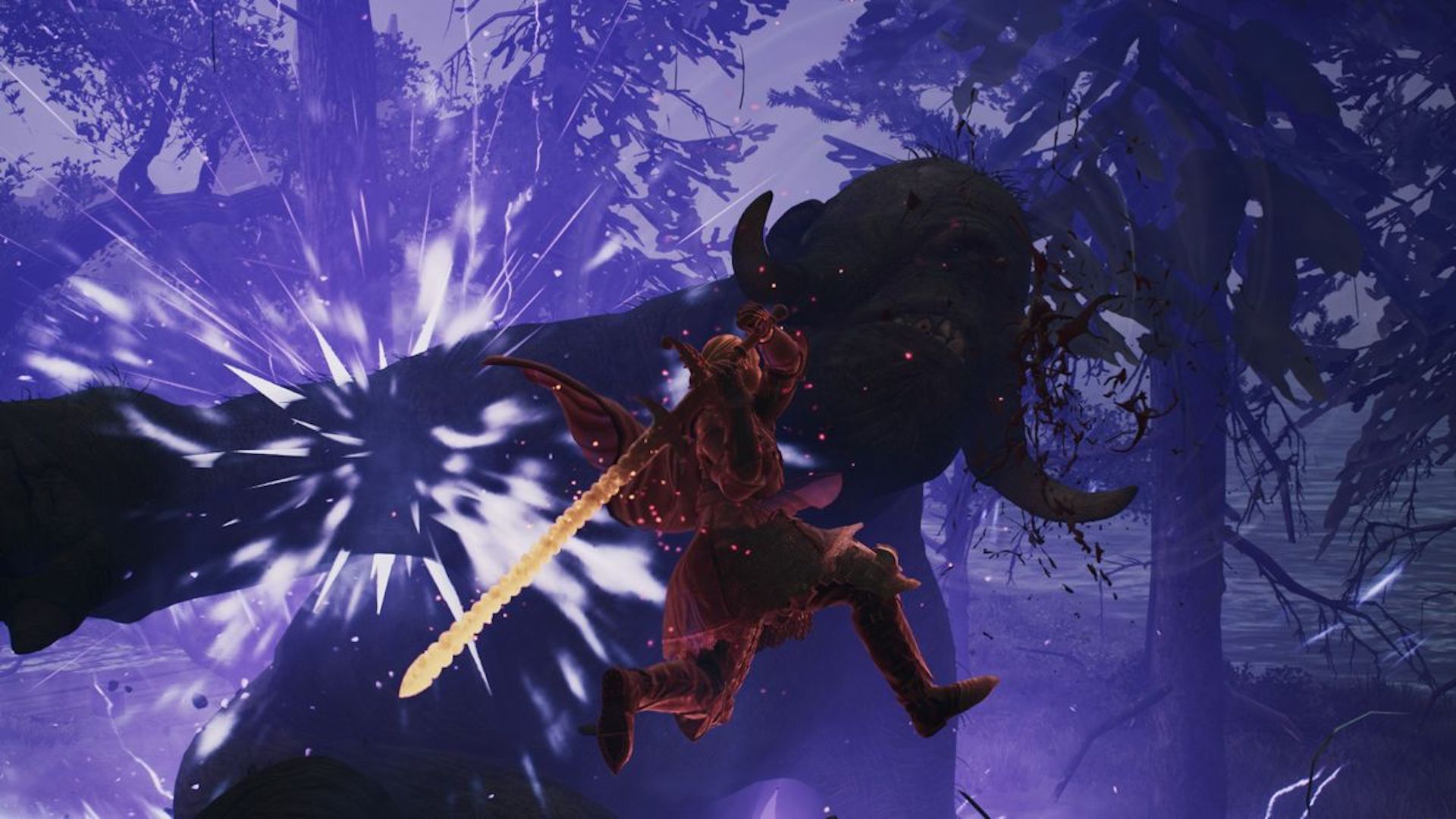
Dragon’s Dogma 2 is an action role-playing game where you create two characters: your main hero and an AI companion called a Pawn who joins you on your adventures. When you start, you choose a basic class, or Vocation, for your hero – options include Archer, Fighter, Mage, and Thief. As you play and gain experience, you’ll unlock more advanced and specialized classes to further customize your character.
In Dragon’s Dogma 2, you can switch classes to suit how you like to play. For instance, a Mage could become a Sorcerer to keep casting spells, or a Magick Archer to combine magic with weapon skills. Because the game is challenging, like a Souls-like title, choosing a class that matches your style is crucial for progress. Building a well-rounded party by selecting Pawns with different classes is also important.
Read More
- Forza Horizon 6: Find the Ohtani Treasure Chest Location
- LEGO Batman Legacy of the Dark Knight Batcave Minikits & WayneTech Caches
- NTE Drift Guide (& Best Car Mods for Drifting)
- How to Open Locked Door in Tenryu River in Nioh 3 (Dirty Key)
- Sega’s “Super Game” is Said to Release Next Month, But Nothing is Known About It
- Skyblivion Gets Encouraging Development Update
- Asmongold reveals shocking detail about how much money he makes
- God of War Shadow Drops New Game and Confirms Greek Trilogy Remake
- New Steam Game is Like Pokemon If It Were a Sci-fi Shooter
- GameRant Daily Crossword (February 10, 2026)
2026-05-09 18:08