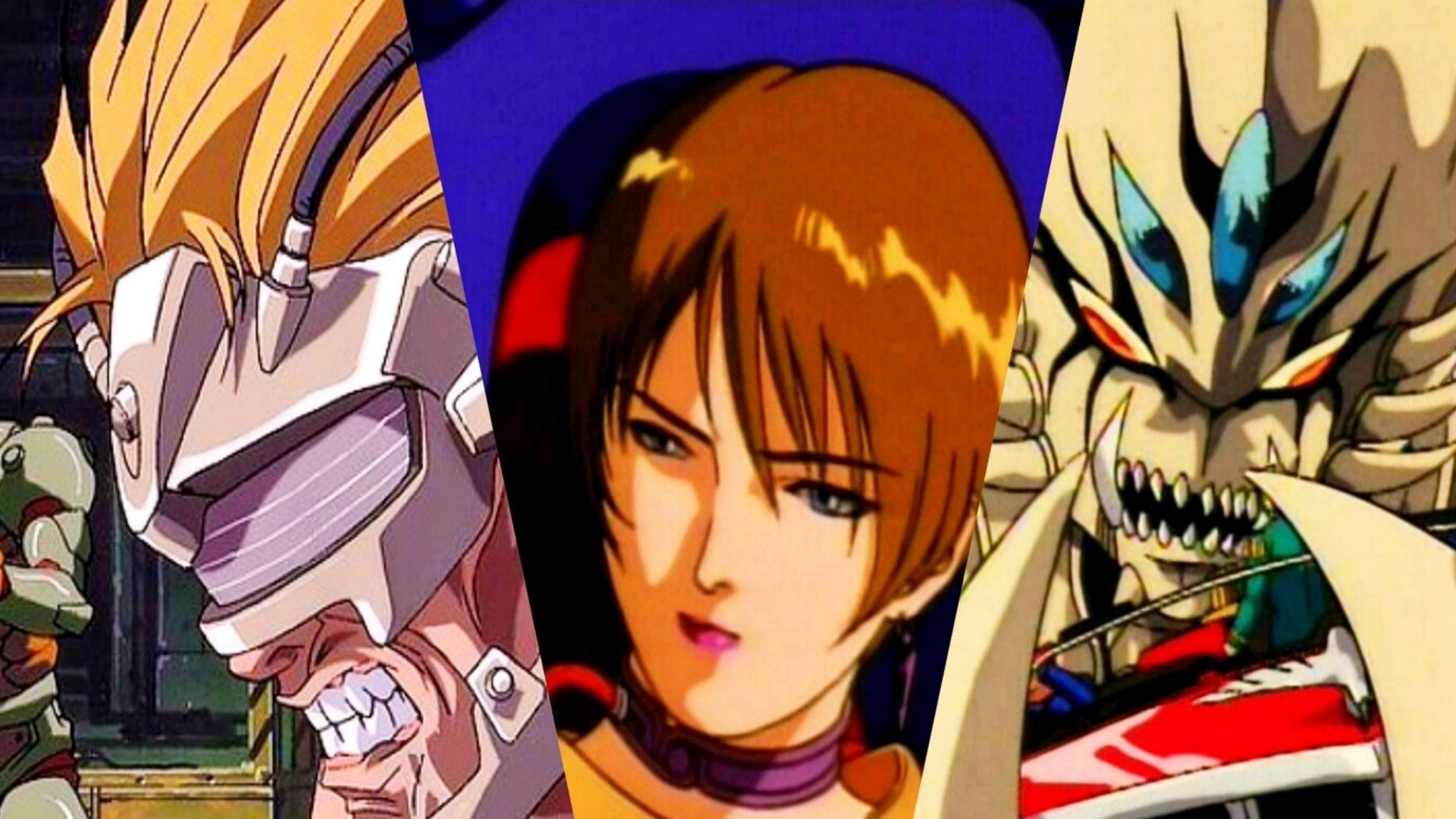
Science fiction anime was incredibly popular in the 1990s, and that decade gave us some truly groundbreaking series that redefined the genre. Shows like Neon Genesis Evangelion (1995-1996), Cowboy Bebop (1998-1999), and Ghost in the Shell (1995) are essential viewing – any list of the best 90s sci-fi anime that leaves them out isn’t complete. However, while the 90s had many fantastic sci-fi anime, it also produced its share of less successful ones.
An anime might be considered poor quality for issues like bad animation, a confusing plot, or uninteresting characters. However, when someone calls an anime “the worst,” it means it suffers from all of these problems, and perhaps even more – there’s really no redeeming value. I’m going to share some examples of the most critically panned sci-fi anime from the 1990s.
10. 1990: Sol Bianca
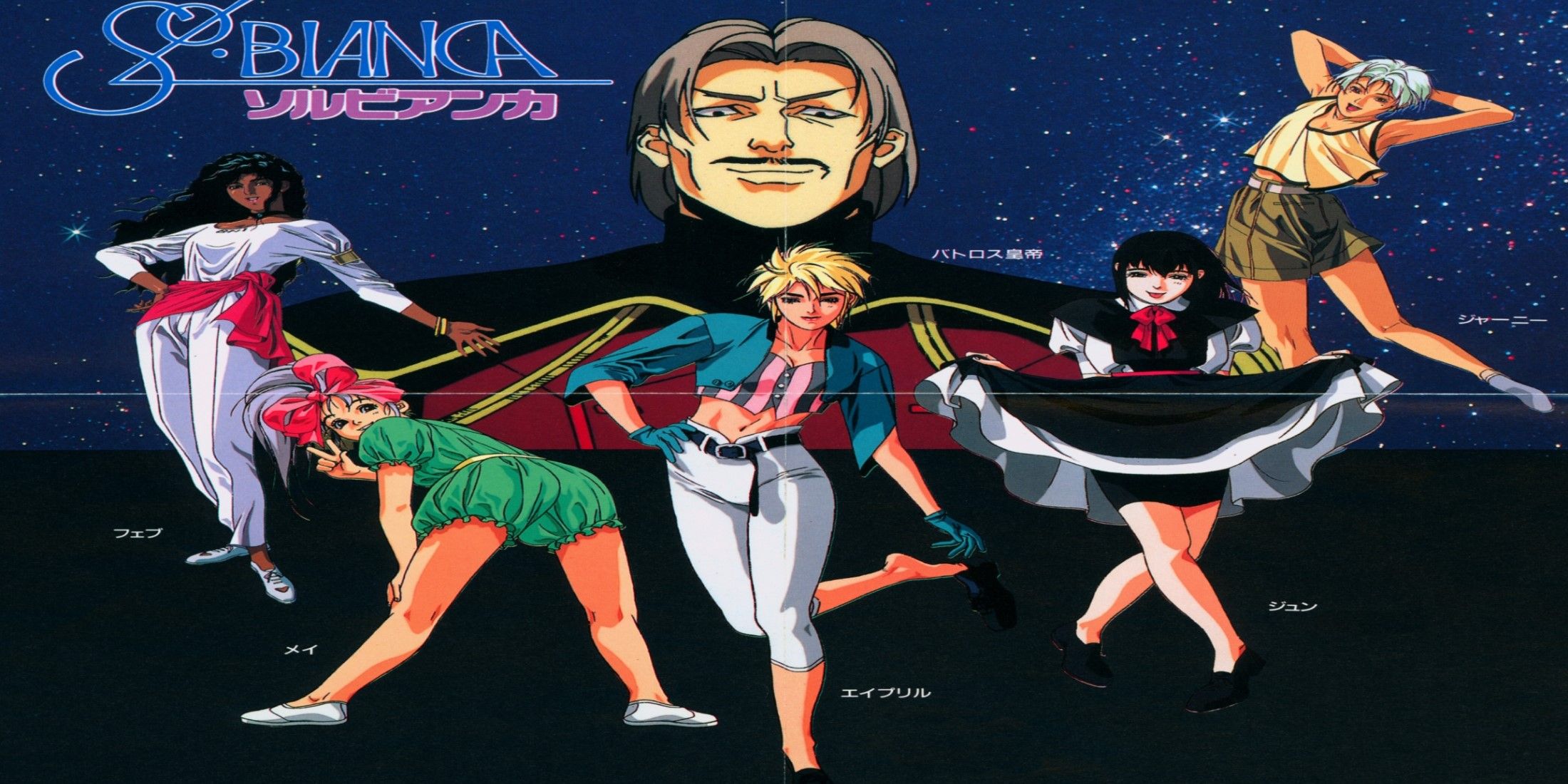
Sol Bianca is a two-part animated series directed by Katsuhito Akiyama and Hiroki Hayashi. While the series exists, it isn’t particularly noteworthy. The story follows five female space pirates who captain a starship called Sol Bianca. This ship boasts incredibly advanced technology, and each crew member is named after a month of the year.
These animated specials really don’t live up to expectations, mainly because the story is full of plot holes. For example, the powerful ship, Sol Bianca, doesn’t actually help its crew – they succeed more through chance than skill. While the characters are enjoyable, they don’t feel like a cohesive team, and the story lacks the background information needed to make sense of everything.
9. 1991: Psychic Wars
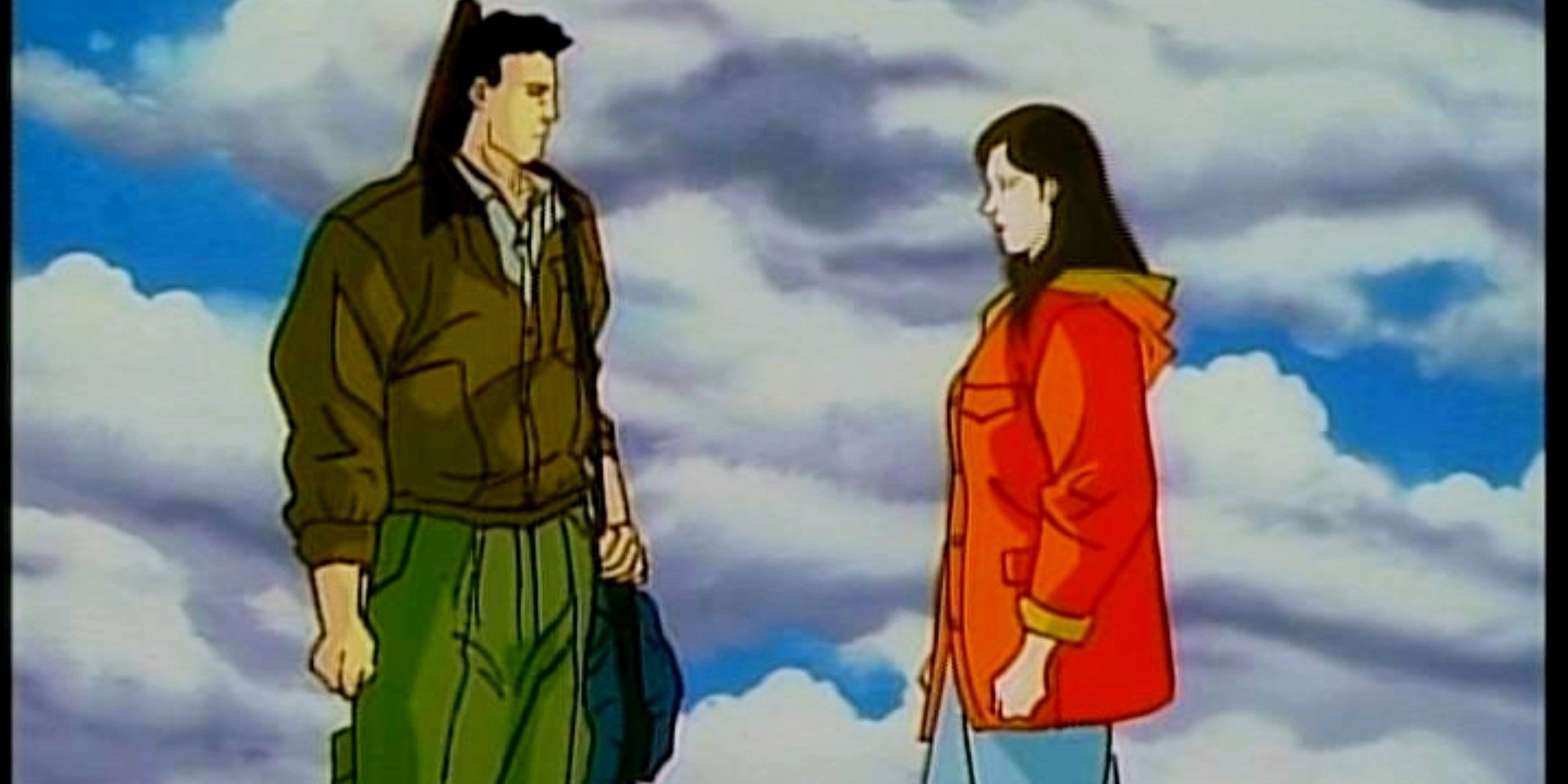
I’m a huge fan of lesser-known anime, and Psychic Wars – originally called Sōjū Senshi Saikikku Wōzu – is a real gem! It’s a 60-minute OVA from Toei Animation, based on a novel by Yasuaki Kadota, that first came out in 1991. The story really grabbed me: it centers around a surgeon named Ukyo Retsu who discovers, while operating on a patient, that what he thought was a tumor is actually a demonic messenger! This messenger is connected to an ancient invasion, so Ukyo gets thrown 5,000 years into the past to battle these demons and stop them from taking over Earth. It’s a wild ride!
The premise of this film sounds promising, but unfortunately, the movie itself is quite dull. The animation hasn’t aged well and looks particularly rough by today’s standards. It’s honestly a bit painful to watch. To make matters worse, the film includes gratuitous sex and violence that don’t contribute to the story at all.
8. 1992: D-1 Devastator
Released in 1992, D-1 Devastator is a short, two-part anime about giant robots (mecha). It was created alongside a video game for the Sega CD and the two are closely linked. The story follows Ryo, who is trying to find his missing friend, Masato. Ryo starts his search by getting a job at a vehicle company called Yaesu, where Masato was last seen. He learns that to uncover the truth, he must test drive a new vehicle called Vector Versus. During a test run, Ryo discovers that exceeding 300 km/h in the vehicle sends him to a bizarre alternate dimension inhabited by dangerous, biomechanical alien creatures known as Devastators.
The premise sounds interesting, and you might be wondering what Ryo will do when he meets the Devastators in the other dimension. Unfortunately, the story itself is quite weak. Even with English subtitles, it’s hard to follow because the plot is so confusing. Plus, it relies heavily on tired tropes and includes unnecessary, distracting depictions of female characters, which is frustrating.
7. 1993: Ambassador Magma
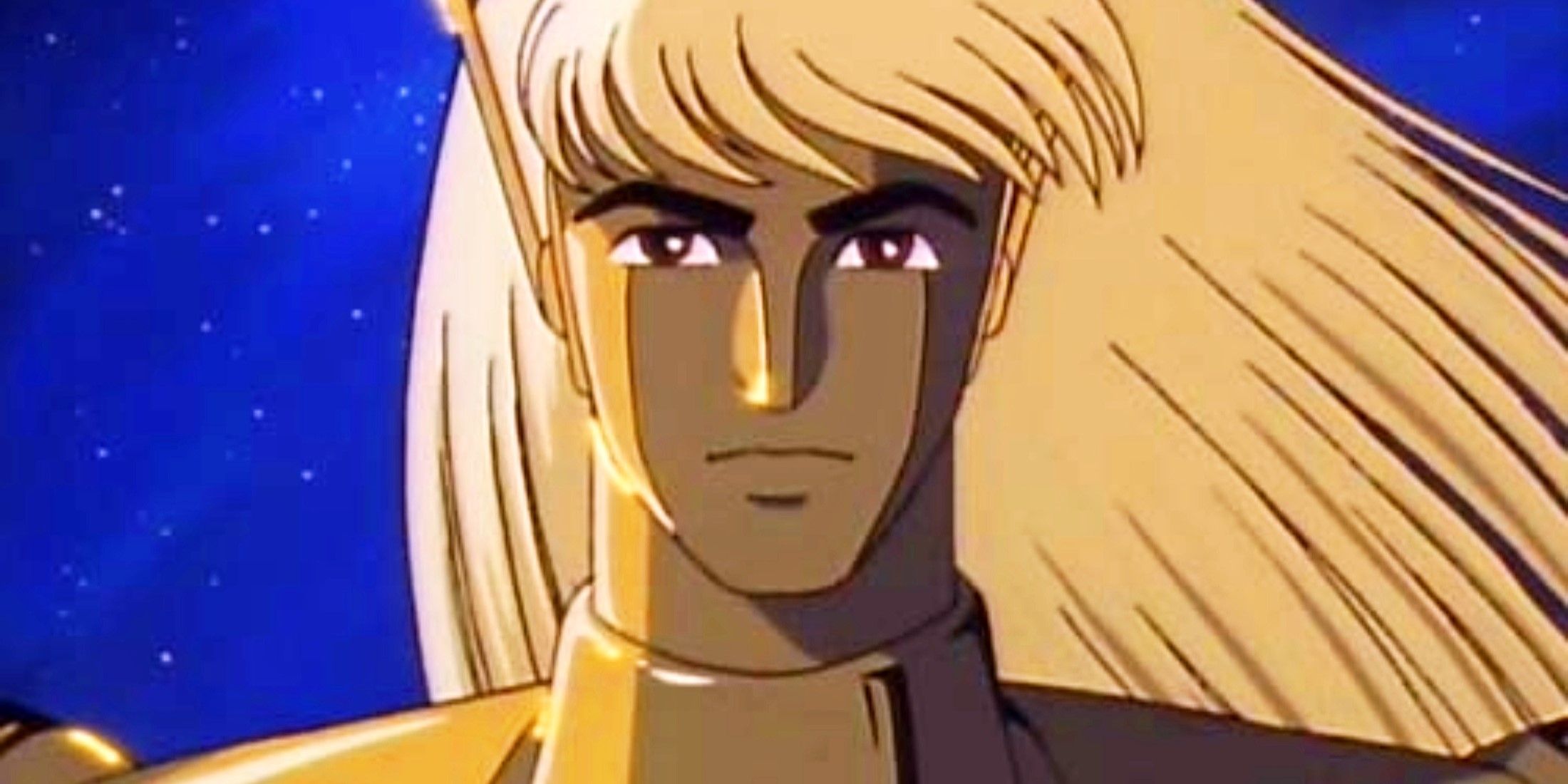
Ambassador Magma is a 13-episode animated series adapted from Osamu Tezuka’s 1965 manga of the same name. A live-action movie version also came out in 1966. The story centers on a golden giant named Magma, created by the Earth’s spirit, and his fight against Goa, an alien intent on conquering the planet. While the original manga is beloved, this animated adaptation takes a different approach. The anime version gives the villains a much darker and more demonic look, and unfortunately, the storyline feels unnecessarily stretched out. The series is filled with constant complications, keeping every character busy and delaying the plot throughout all 13 episodes.
 Guess the anime from the emojis.
animeji
Guess the anime from the emojis.
Title
Clues
Results
Title
— Clues
—
6. 1994: Genocyber
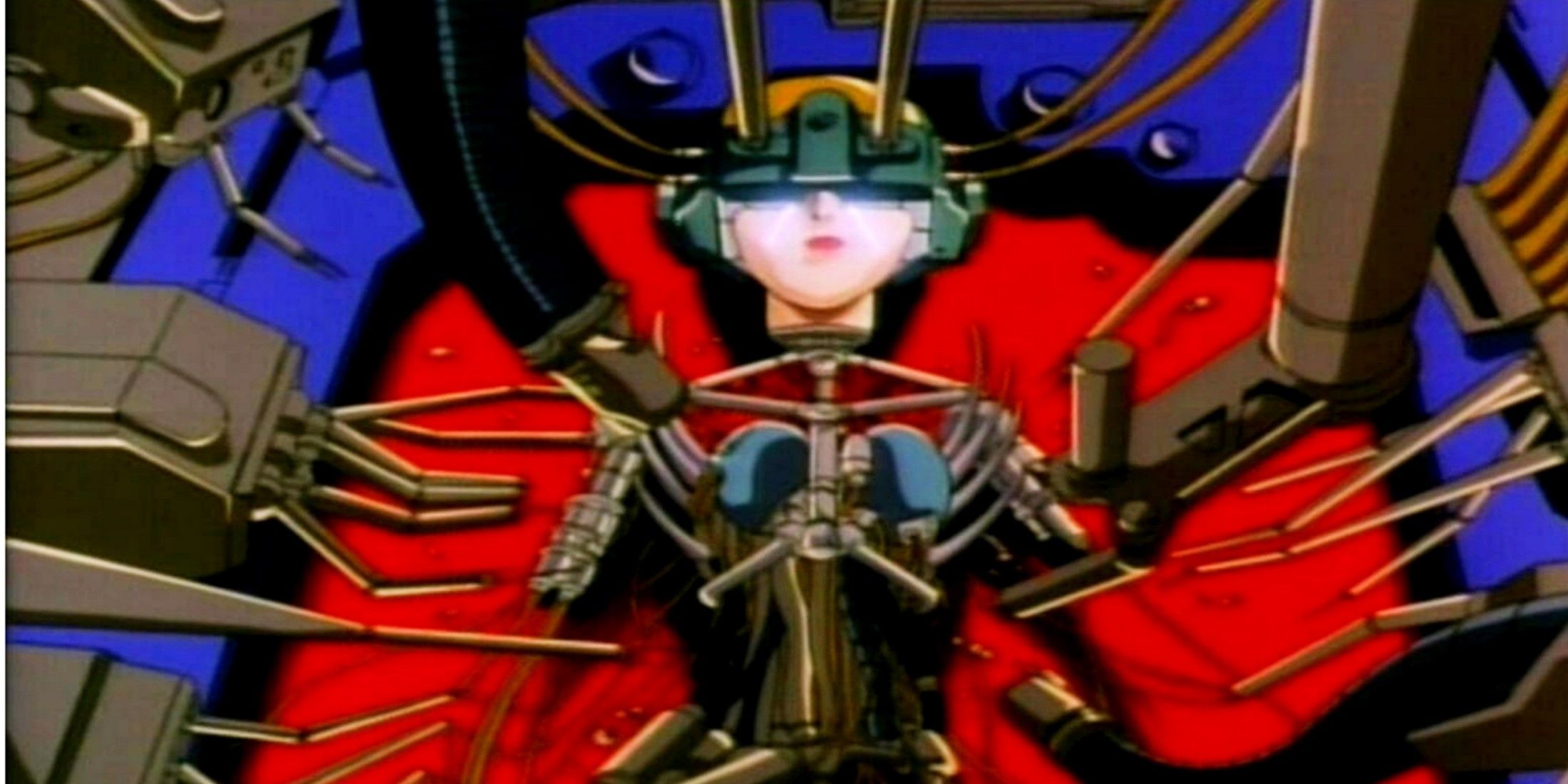
This five-episode animated series, directed by Koichi Ohata and based on a manga by Tony Takezaki, tells a somewhat predictable story. It centers around a scientist who attempts to combine his paralyzed, psychic daughter, Elaine, with his other psychic daughter, Diana. This results in the creation of Genocyber – a terrifying blend of cybernetics and immense psychic power, designed to be used as a weapon by a corporation. The Kuryu Group, a powerful corporation, learns about Genocyber and wants to control it.
I really need to explain why I think this anime is exceptionally bad. It’s far beyond just being poorly made – the level of violence and disturbing imagery is shocking. It includes incredibly graphic scenes of animal dissection, harm to children, and extreme body horror. Even just describing it is upsetting. The first episode started promisingly, but the series quickly fell apart. The story is nonsensical, feeling like three separate, unrelated parts that don’t make any sense when put together.
5. 1995: Bio Hunter
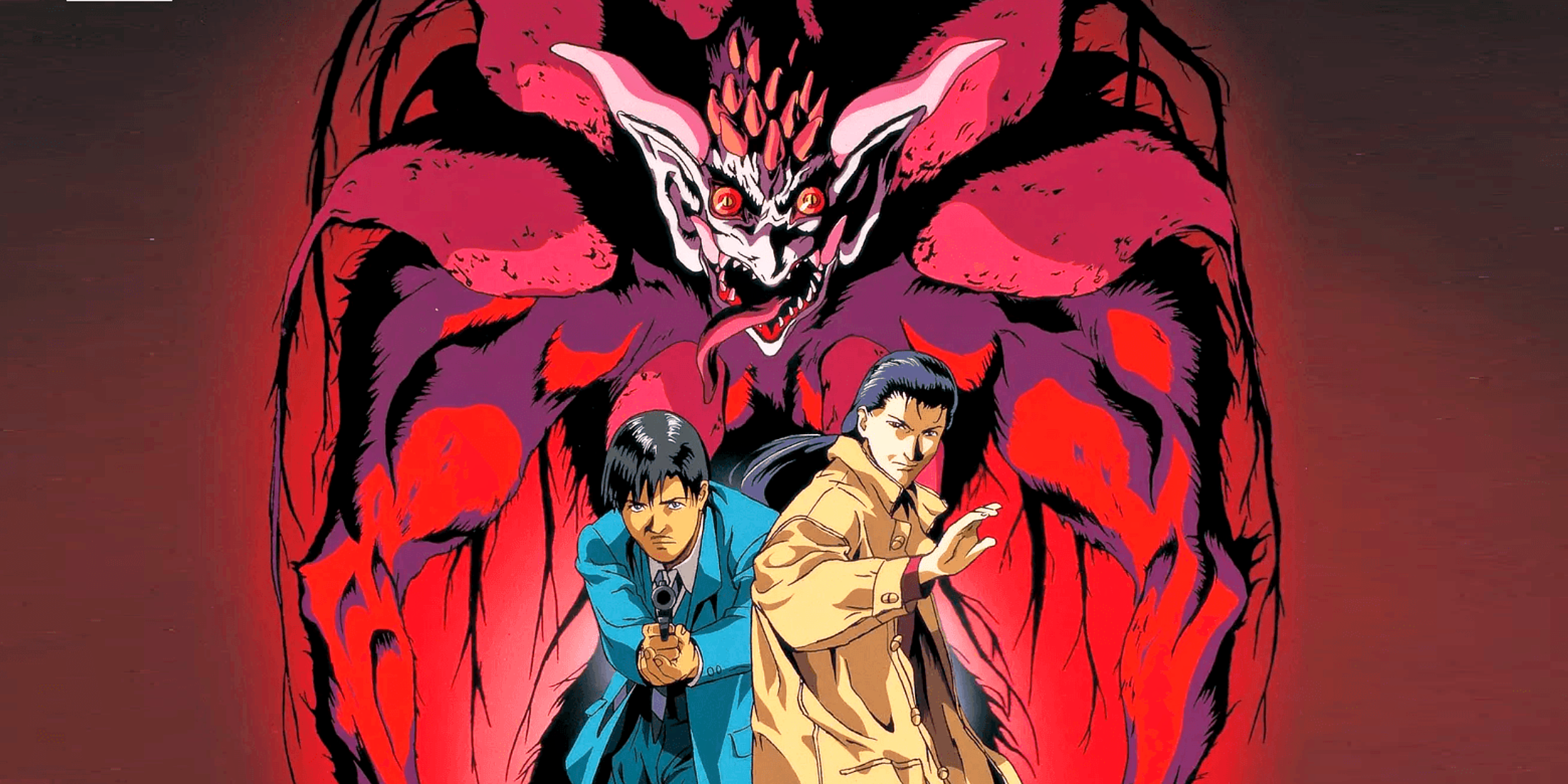
Bio Hunter is a Japanese anime OVA—a short, self-contained animated film—that runs for one hour. It’s based on a manga (comic book) series created by Fujihiko Hosono in the late 1980s and early 1990s, and blends science fiction with horror. The story follows Komada and Koshigaya, two high school biology teachers who become ‘Bio Hunters.’ They investigate and combat ‘Demon Viruses’ that turn people into monstrous, flesh-eating creatures, and also work to stop the spread of infection. During their investigations, Komada himself becomes infected, but his body’s natural defenses allow him to manage the resulting transformation.
This movie has a lot of problems. For starters, the backgrounds of the main characters, Komada and Koshigaya, and the story behind the demon viruses were never explained – things just happened abruptly. Also, the film relies heavily on shocking imagery aimed primarily at a female audience. It includes numerous unnecessary scenes of nudity and sexual violence against women that don’t contribute to the story, and consistently portrays women as victims in a sexualized way.
4. 1996: Byston Well Monogatari: Garzey no Tsubasa
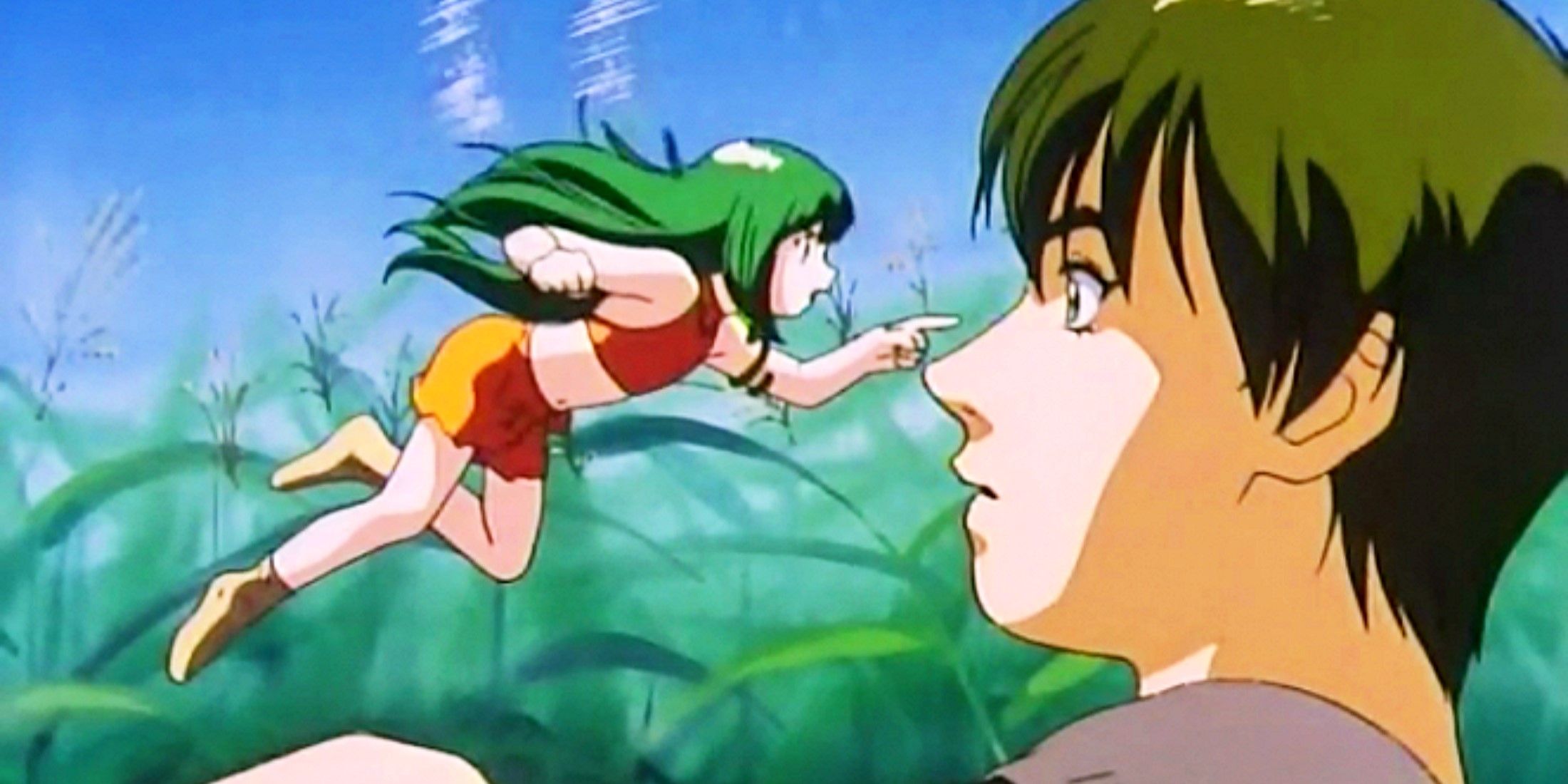
Garzey’s Wing is a three-part animated series released in 1996-1997. Created by Yoshiyuki Tomino – the mind behind Mobile Suit Gundam – it tells the story of Chris, a Japanese-American teenager preparing for college. Suddenly, he finds himself transported to a fantasy world called Byston Well, yet he still exists in the real world simultaneously. He can even communicate with his other self through a magical necklace. Chris was summoned to Byston Well by the Metomeus tribe, who are enslaved and need his help to rebel against the powerful Ashigaba army and their monstrous War Beasts. In this new world, Chris develops glowing wings that sprout from his ankles, giving him incredible speed and the ability to fly.
This series is a mess. Characters appear and vanish without explanation, and just when you’re trying to keep track, a huge, unexpected event throws everything into chaos. The plot is so convoluted it’s a headache to follow. It’s also bizarre to see the actor playing the main character giving his fictional counterpart advice – especially about something like gunpowder while that character is actively fighting a war! On top of all that, the show looks and feels cheap.
3. 1997: Virus: Virus Buster Serge
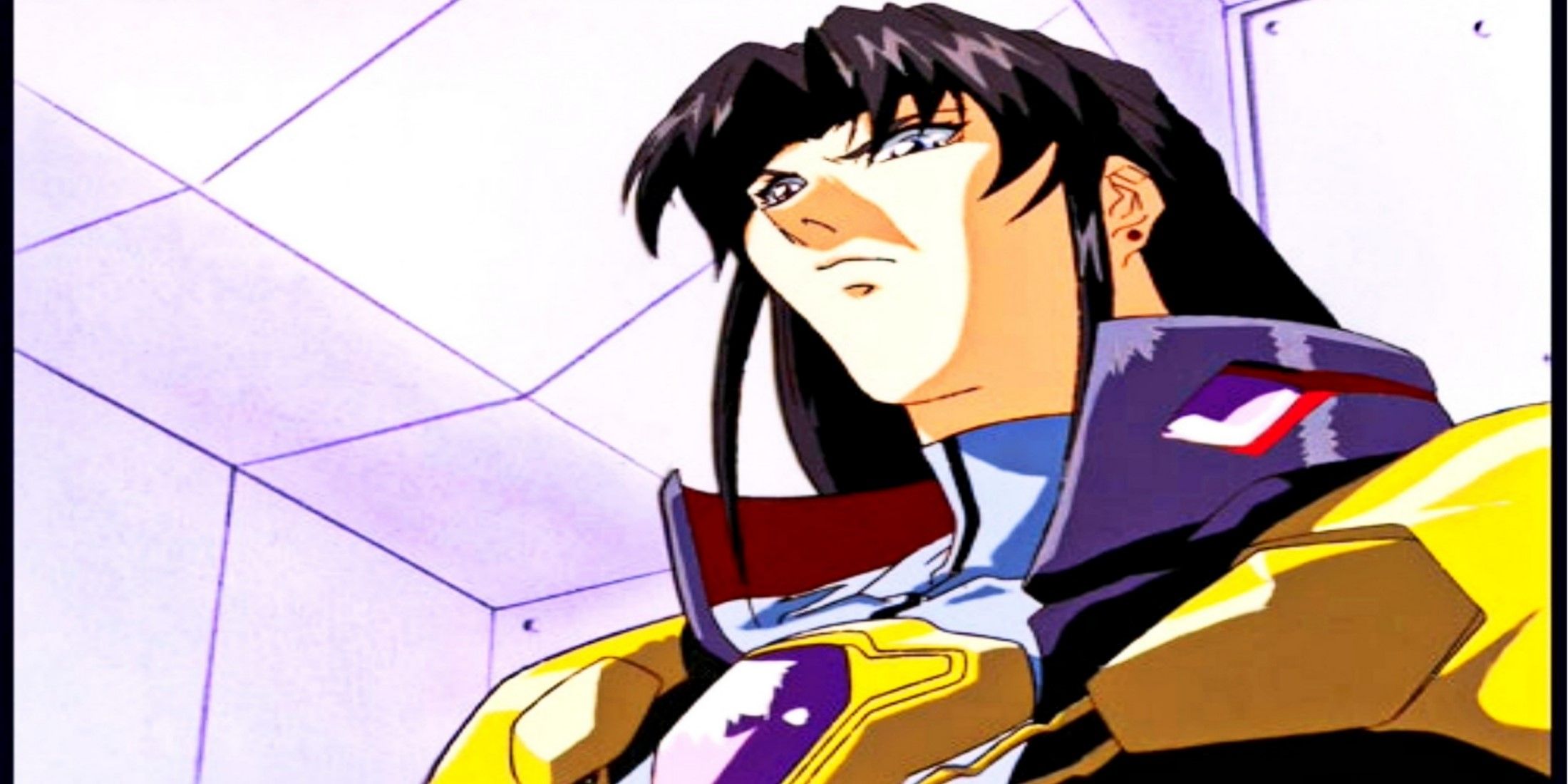
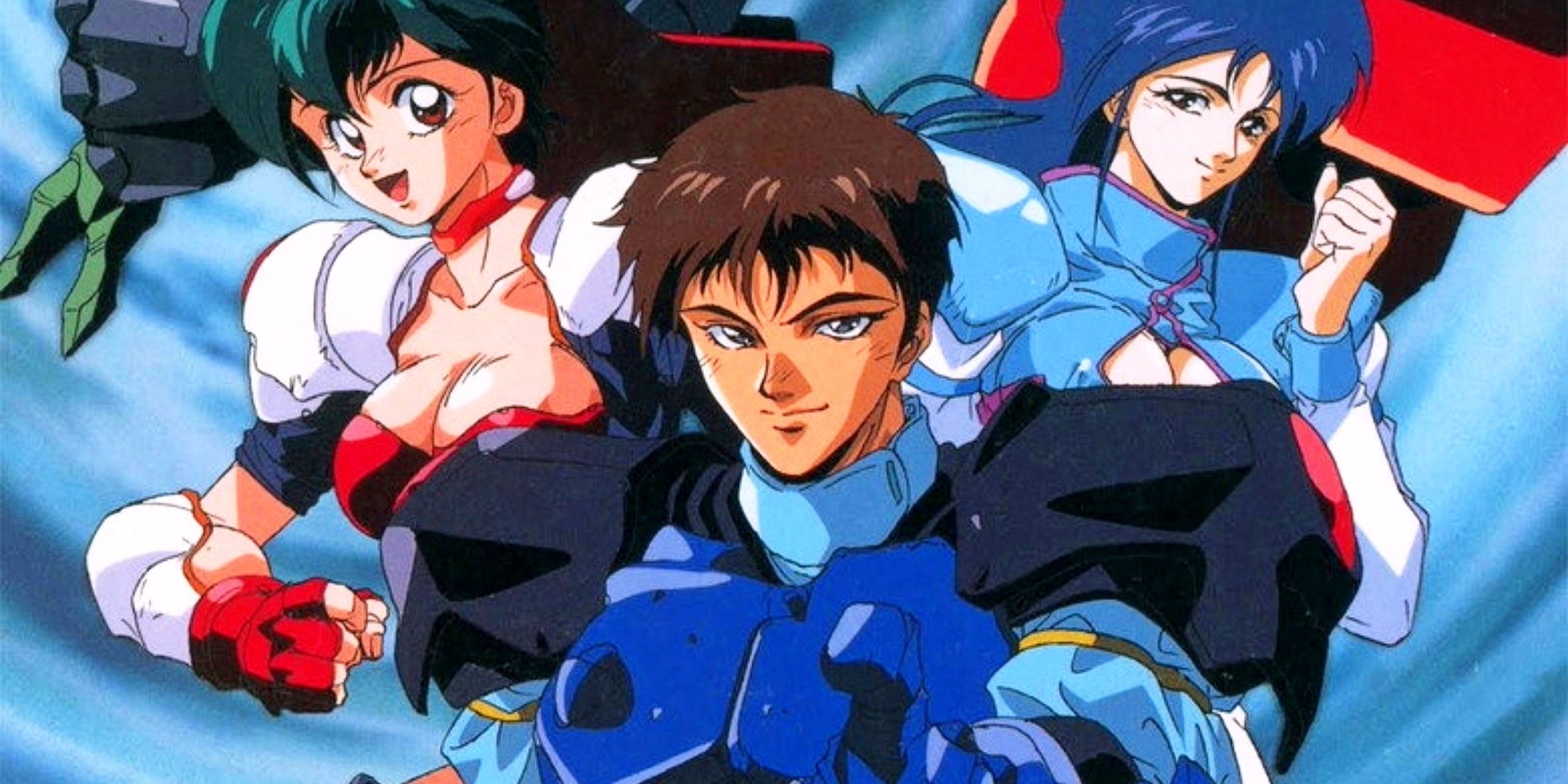
Originally called VIRUS, this 12-episode anime is a sci-fi series directed by Masami Obari. It centers around characters like Serge Train, Erika Tinen, and Macus Alexander Bogard. The story takes place in 2097 Neo Hong Kong, a futuristic city where genetic engineering and cybernetics have created enhanced humans and intelligent computers powered by biological software. These enhanced beings, considered ‘viruses,’ are fought by an elite team called STAND. The main character, Serge Train, joins STAND to combat these viruses but becomes infected during his missions.
This series suffers from a weak storyline. Although it only lasted 12 episodes, the ending felt incomplete and suggested a much longer run of at least 30 episodes was originally planned. Many plot points were left unresolved, and the characters weren’t well-developed. Additionally, the animation lacked fluidity and the lip-syncing was noticeably off.
2. 1998: Virgin Fleet

1998 was a fantastic year for science fiction anime, with hits like Cowboy Bebop and Trigun, but Virgin Fleet stands apart. This three-episode series comes from Oji Hiroi, creator of the Sakura Wars franchise. Set in the 1930s, after the Russo-Japanese War, it follows the students of Nakano Naval Academy – an all-girls school. They’re trained to harness a special power called Virgin Energy, preparing for a potential new conflict with Russia. The students are known as the “Virgin Fleet.” The story focuses on Shiokaze Umino, who’d rather focus on her upcoming wedding than war preparations.
This series has a frustrating premise: the heroines’ powers depend on them remaining virgins, which is a tired and overused plot device. It doesn’t make sense that their purity is tied to their ability to fight a war, and the show’s focus on female chastity felt ridiculous. Beyond that, the series is poorly paced, rushing through events in just three episodes and failing to blend humor with serious moments. The male characters are unlikeable, obsessed with themselves and power, making the whole show feel pointless and a waste of time.
1. 1999: Gundress
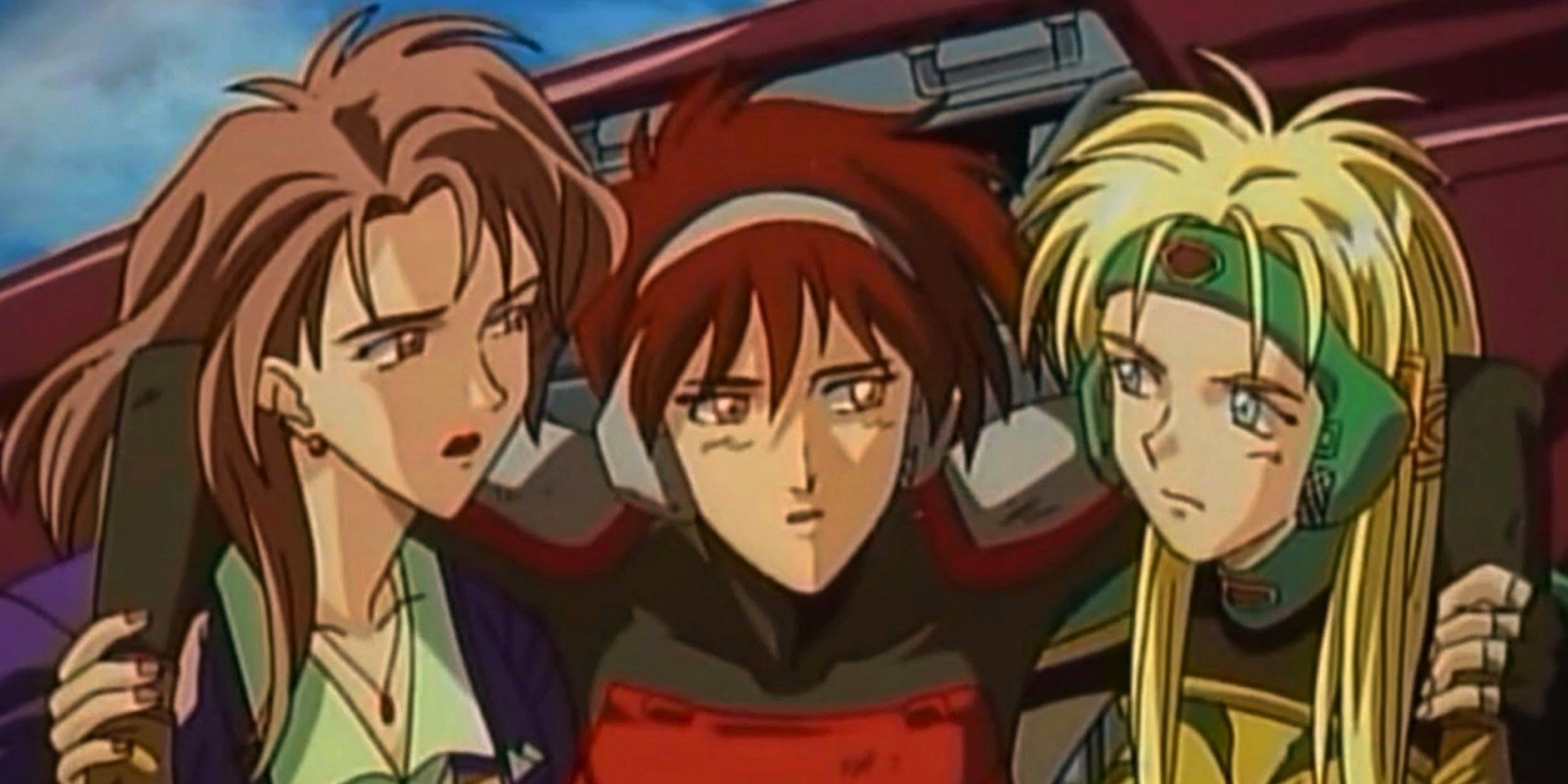
Gundress is a sci-fi anime that first aired in Japan in 1999. What makes it unique is that it wasn’t adapted from any existing novel or comic – it was an entirely original story created by Akira Amasawa. The series is set in the futuristic city of Bayside in the year 2100 and centers around The Angel Arms Company, a private mercenary group. This organization was founded by Takako, a former police officer, and is comprised of five women who operate powerful armored suits called Land Mates, with the goal of combating terrorism.
This anime just isn’t worth watching, and here’s why. The sound and dialogue often didn’t line up, creating a jarring experience. Strangely, while important action sequences were left as rough sketches, scenes with nudity were fully animated and detailed. On top of that, the story is incredibly weak. Despite this anime’s failure, 1999 offered a lot of fantastic sci-fi like Turn A Gundam, Infinite Ryvius, and Blue Gender, which raised the standard so high that anything subpar simply wasn’t worth the effort.
Read More
- Forza Horizon 6: Find the Ohtani Treasure Chest Location
- NTE Drift Guide (& Best Car Mods for Drifting)
- LEGO Batman Legacy of the Dark Knight Batcave Minikits & WayneTech Caches
- Skyblivion Gets Encouraging Development Update
- How to Open Locked Door in Tenryu River in Nioh 3 (Dirty Key)
- Sega’s “Super Game” is Said to Release Next Month, But Nothing is Known About It
- Dead as Disco Best Songs (Clear Beats & Stable BPMs)
- GameRant Daily Crossword (February 10, 2026)
- Asmongold reveals shocking detail about how much money he makes
- New Steam Game is Like Pokemon If It Were a Sci-fi Shooter
2026-05-10 01:40