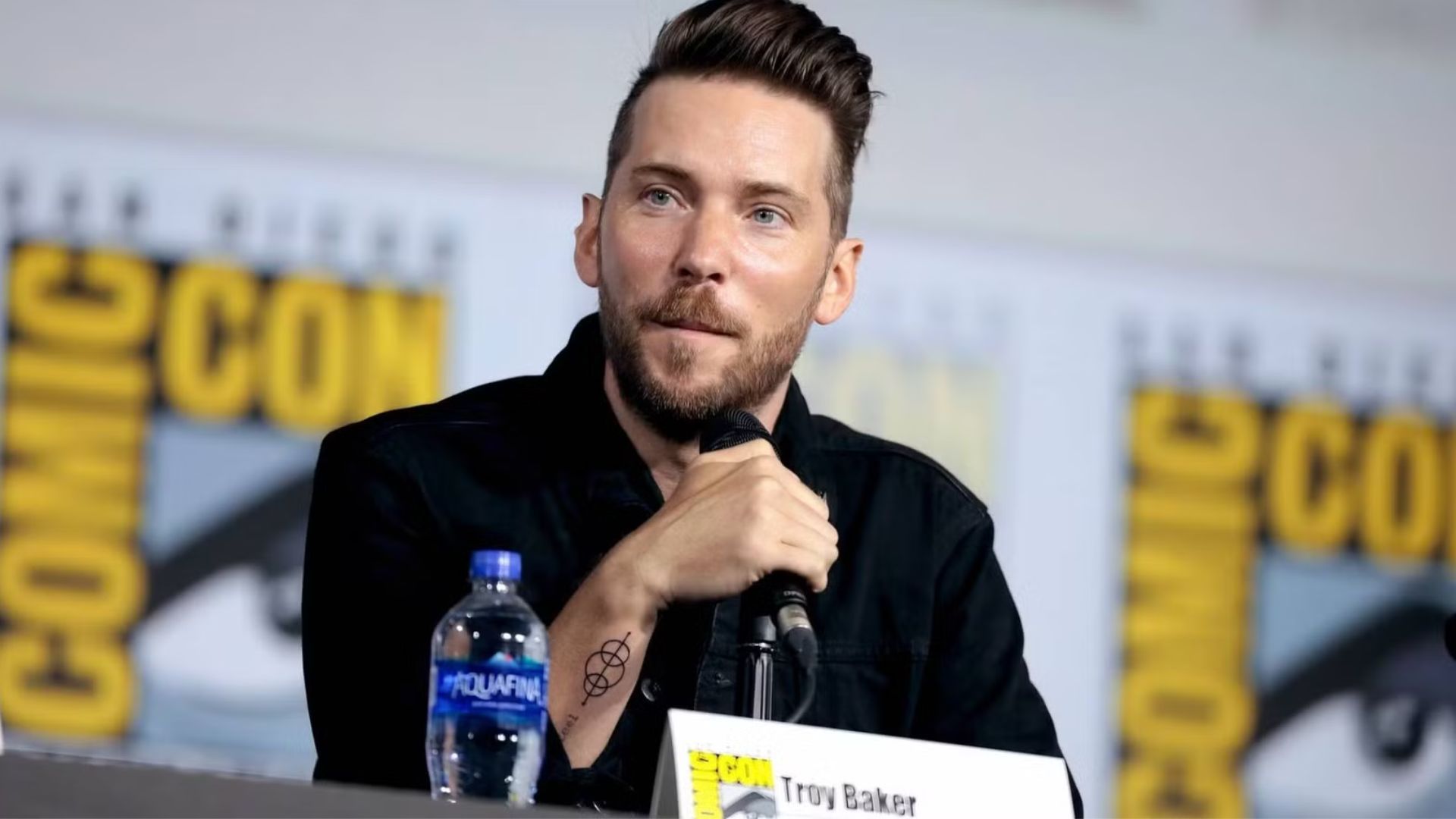
This week, Troy Baker – the famous voice actor known for playing Joel in The Last of Us and countless other roles – announced he’s thinking about making his own video game. He told Kinda Funny Games that he’s hoping to gather a team to help him create and tell his own stories through gaming.
Baker expressed enthusiasm about collaborating with trusted colleagues on a new studio, envisioning a creative process where he presents ideas and they work together to improve them. However, he emphasized that he’s not in a hurry and wants to carefully consider each step.
Troy Baker’s decision to launch his own game studio is part of a growing trend of voice actors becoming more involved in game development. He told Eurogamer that he was particularly inspired by Abubakar Salim, the voice of Bayek in Assassin’s Creed Origins, who recently released the well-received game Tales of Kenzera: Zau in 2024.
In 2018, Ray Chase, Robbie Daymond, and Max Mittelman – all voice actors – teamed up to create Sassy Chap Games. This company later became known for releasing the hugely popular interactive story, Date Everything!, in 2025.
As a fan, I’m really excited to see Baker wanting to get more involved in the actual development of games! For a long time, voice actors felt like they were just hired to do the voices, and weren’t really part of the creative process. But now that voice actors are building up huge, supportive fanbases, it makes total sense that people are starting to ask for them to have more say in how things are made. It’s awesome!
How Voice Actors Have Become More Prolific
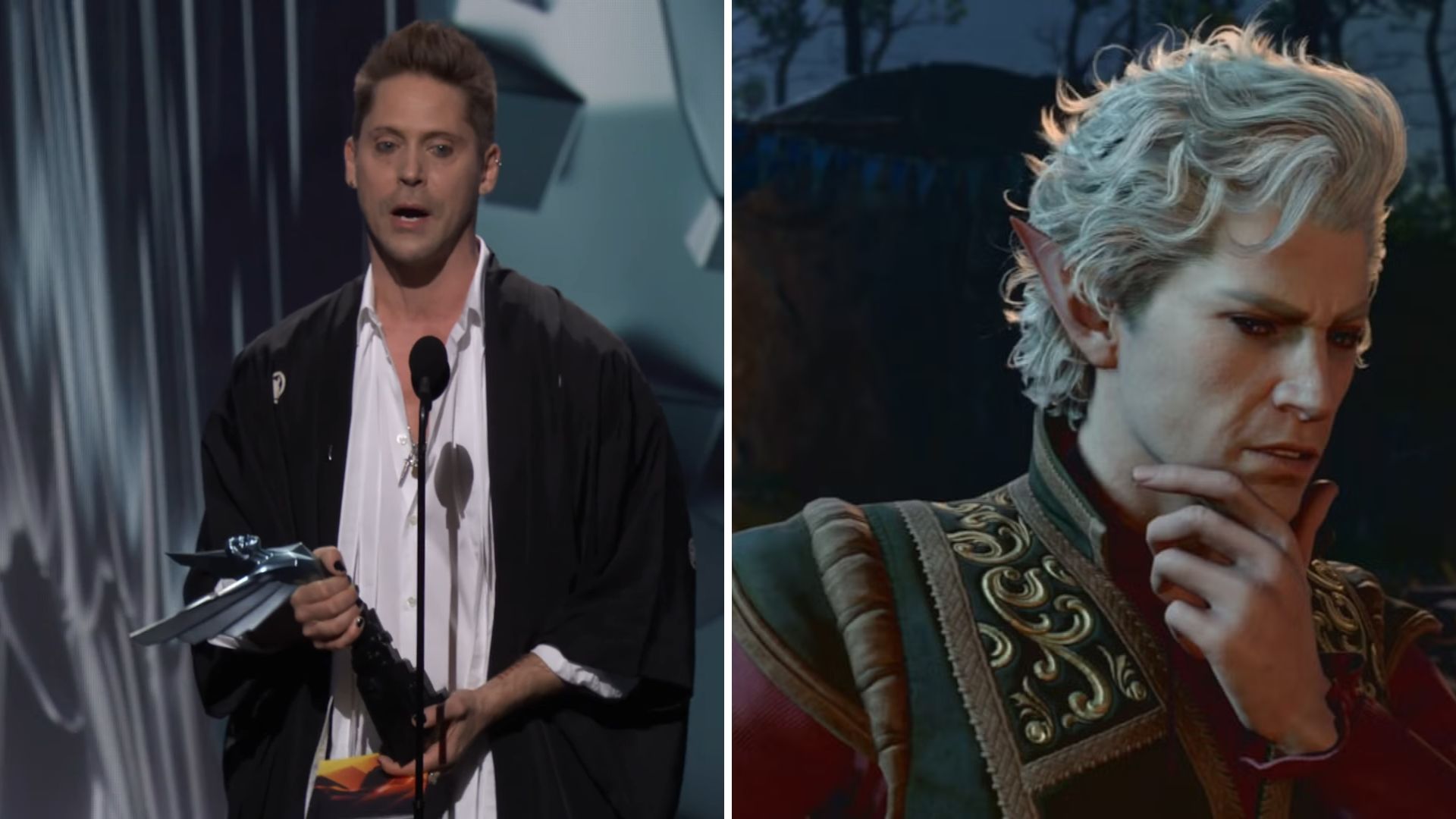
Voice actors are getting much more recognition these days. While it used to be unusual for them to become well-known celebrities – with exceptions like Mel Blanc and Casey Kasem – that’s changing. This trend helped inspire John DiMaggio to create his 2013 documentary, I Know That Voice, which showcased the work of many voice actors and the iconic characters they’ve brought to life.
Voice actors often record lines without knowing the character they’re playing or the game they’re in. For example, Matt Mercer didn’t realize he was voicing Vincent Valentine in Final Fantasy VII Rebirth until he was already recording. This secrecy is a common practice used by game developers to prevent spoilers, but it highlights the difficulties voice actors face when trying to deliver great performances with limited information.
The popularity of shows like Critical Role, a web series where well-known voice actors play Dungeons & Dragons, has likely introduced millions of people to these performers and inspired them to find more of their projects.
With facial recognition becoming increasingly common in gaming, voice actors are now often filmed while performing, rather than just recording their lines. This allows game studios to capture not only their voice, but also their facial expressions and body language, resulting in more realistic and believable characters.
Performers like Debra Wilson, now featured in games like the Jedi series, Death Stranding 2, and Call of Duty: Modern Warfare, are leading the way in using this technology. Troy Baker was also an early adopter, notably showcasing it through his famous role as Joel in The Last of Us.
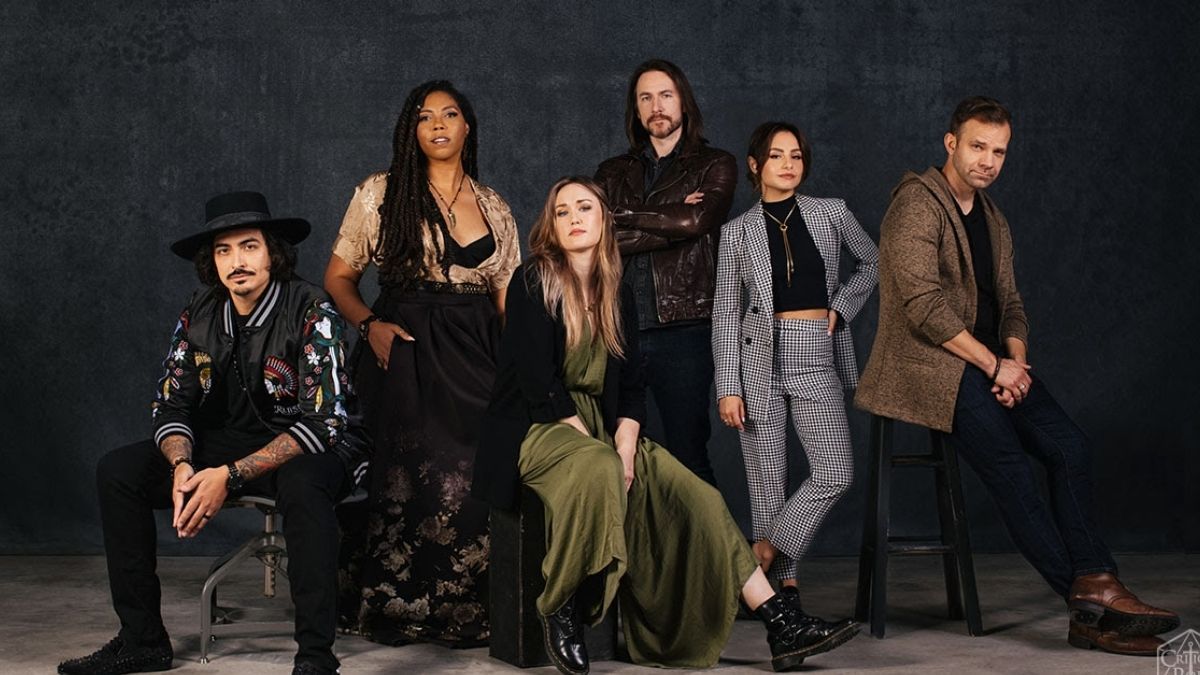
Neil Newborn, the actor who brought the popular character Astarion to life in Baldur’s Gate 3, was also a trailblazer in video game motion capture. After the game’s success, Newborn shared in interviews and discussions that his motion capture expertise wasn’t just crucial for his performance as Astarion, but also helped add small, unique details to other characters throughout the game.
Newborn had the rare chance to work directly with the game’s lead writer, helping to develop Astarion’s personality and story. His performance, a result of four years of dedication, earned him almost every voice acting award available and demonstrated how valuable voice actors can be to video game development.
Newborn’s success has inspired other game studios to try a new method of development. At PAX East 2026, the team behind the upcoming indie game, Fading Echo, held a panel titled ‘Not Just Voice: How Voice Actors Became Developers.’ Panelists Jasmine Bhullar, Samantha Béart (voice actors), and producer Elise Marchouba discussed how they involved voice actors in the game’s creation from the beginning, and how this collaboration shaped the game’s world.
Over the past decade since the release of the DiMaggio documentary, voice actors have gained significant recognition. It’s not surprising then, that many are now aiming to create their own studios and direct their own projects, much like actors in Hollywood who eventually become directors.
How the State of the Games Industry is Hurting Voice Actors
It’s exciting to hear Troy Baker wants to start a game studio, though some think it’s a bit unrealistic considering how tough the gaming industry is right now. Salim, who Baker admires, actually advised him against it, warning that the industry is incredibly competitive and unforgiving.
Microsoft and Meta recently announced new rounds of job cuts, impacting over 10,000 positions as they prioritize artificial intelligence. This is Microsoft’s fifth major layoff period in the last two years, and it’s particularly affecting the gaming sector. The companies cite over-hiring during the pandemic, the need for an AI-focused workforce, and the expense of maintaining data centers as reasons for these cuts. The news is especially notable given Microsoft CEO Satya Nadella’s announcement this week of a $25 billion investment in new Australian data centers.
Baker’s desire to launch his own game studio is part of a growing pattern of voice actors becoming more involved in how games are made.
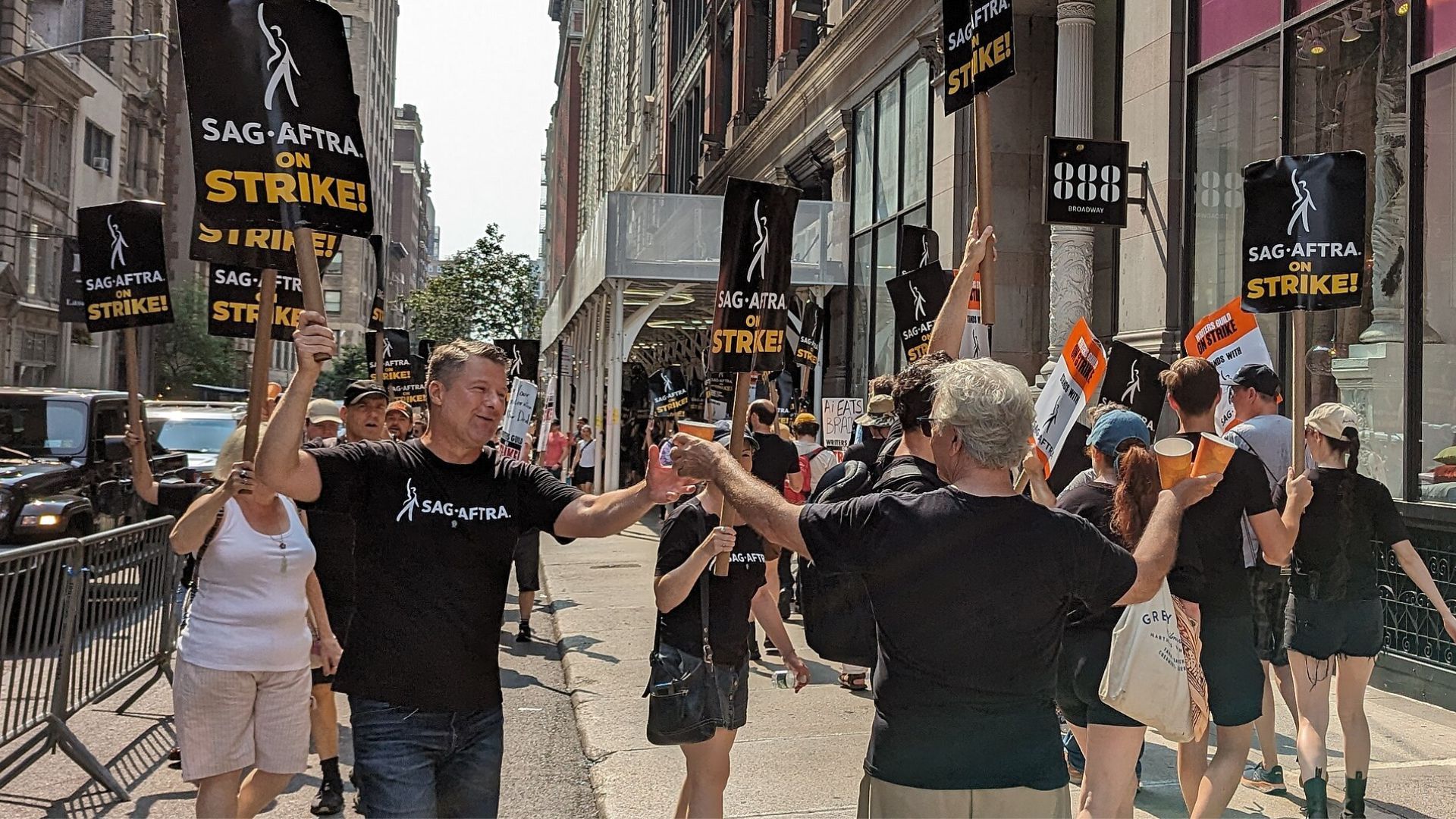
Artificial intelligence is already significantly changing the video game industry, especially for voice actors. In 2024, actors represented by the SAG-AFTRA union protested for months to prevent studios from replacing them with AI technology. Even after a deal was reached for screen actors, voice actors continued to strike for over a year and a half, demanding stronger safeguards against AI voice replication. They ultimately sought fair compensation for their work and the right to approve any AI recreation of their voice.
Many were disappointed with the outcome, because the extended length of the strike led studios to hire voice actors who weren’t part of the union, impacting the jobs of established union members. Additionally, some felt that even after 18 months, the strike didn’t fully address the risk of studios taking advantage of performers in the future.
Last year, the creators of ARC Raiders, Embark Studios, faced criticism when it was discovered they had used real voice actors to create an AI that would mimic their voices for in-game dialogue. Although the controversy didn’t ultimately hurt the game’s performance, the negative attention prompted the developers to re-record the lines using human actors instead of the AI.
Man, things are really changing in gaming right now. With all the AI stuff happening, plus the big moves at Microsoft and PlayStation, and everything that went down with the voice actor strikes, it feels like the whole industry is up in the air. It’s cool to see veteran voice actors getting more recognition, but honestly, it’s getting way harder for new people – or even smaller actors trying to grow – to get their foot in the door and build up the experience they need for those bigger, more interesting roles.
The Rise of AA and Indie Games
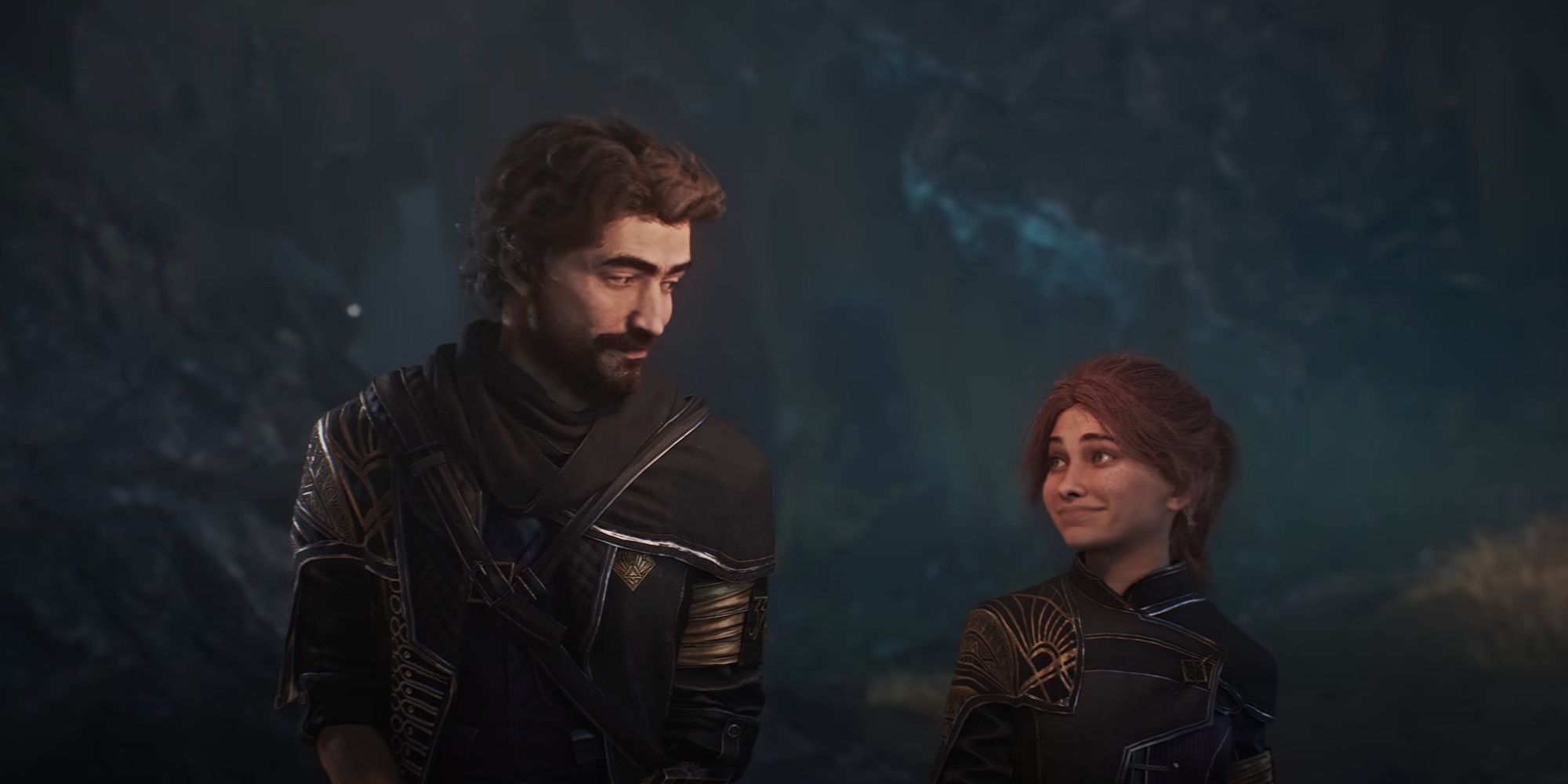
As making big-budget games gets more competitive and complex, and with many tech companies recently laying off workers, more and more talented developers are starting their own studios to create original, independent games.
Subscribe to our newsletter for voice actors in games
Last year’s successful game, Clair Obscur: Expedition 33, demonstrated how much easier game development has become. Affordable tools like Unreal Engine 5 are making the process simpler. The developers explained that they actually wrote very little traditional code, instead using Unreal Engine’s visual scripting features to build the game.
Baker discussed his experiences collaborating with leading figures in the gaming industry, including Todd Howard (Bethesda), Hideo Kojima (Death Stranding), and Neil Druckmann (Naughty Dog), emphasizing how much he’s gained from working alongside them.
As a fan, what really gets me excited is the idea of taking what makes the most beloved and successful games – not just in terms of how many copies they sold, but the stories that truly stuck with people – and using those same creative approaches to build my own games. I’m hoping to learn from the best and apply those techniques to the stories I want to tell.
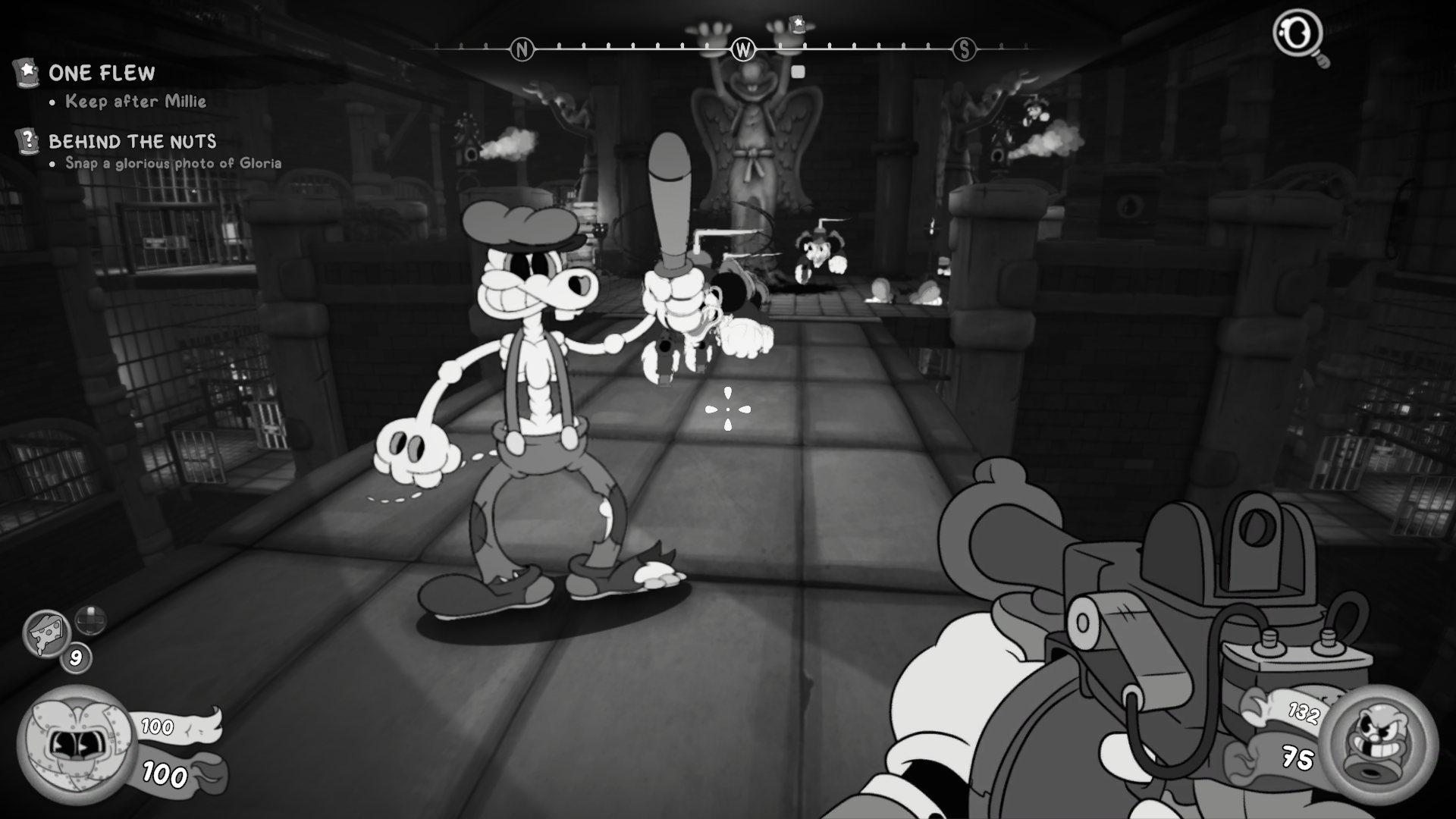
Because it’s becoming easier to create games, and Troy Baker is a well-known and talented actor, any game he’s involved with is likely to attract a lot of attention – the kind of attention many independent game developers would love to have.
Baker recently appeared in the indie game MOUSE: P.I. for Hire, created by Fumi Games and published by PlaySide Studios. After working on such a successful indie project, he’s now interested in developing his own games.
With large game companies increasingly relying on algorithms to create new content, it’s encouraging to see smaller studios prioritizing creative input to craft compelling stories. Even though game development is still challenging, the interest from people like Baker suggests a positive change – more talented individuals wanting to share their unique visions and move away from typical industry practices.
Read More
- Re:Zero Season 4, Episode 6 Release Date & Time
- NTE Drift Guide (& Best Car Mods for Drifting)
- How to Get the Wunderbarrage in Totenreich (BO7 Zombies)
- How to Beat Turbines in ARC Raiders
- How to Get Necrolei Cyst & Strong Acid in Subnautica 2
- All Aswang Evidence & Weaknesses in Phasmophobia
- Alan Wake Event in Phasmophobia, Explained
- Diablo 4 Best Loot Filter Codes
- How to Craft Repair Tools in Subnautica 2
- Best Where Winds Meet Character Customization Codes
2026-04-28 02:13