
A small Australian group sent an open letter, not to any government or official regulator, but directly to Visa and Mastercard. Shortly after, hundreds of games disappeared from online stores, leaving developers in disarray and players unable to access content they’d already purchased. This happened without any court decision, new laws, or public debate.
It’s not the specifics of what was removed, who asked for it, or even which platforms complied that bothers me. What’s really striking is how quickly it all happened. A single request, a short period of pressure, and a large part of the creative world was changed. No laws were broken, and yet it still occurred.
Nobody Is Responsible, and yet Here We Are

Steam
What’s striking about the Itch.io and Steam issue is how no one took clear responsibility. Mastercard and Visa both claimed they didn’t request any specific games be removed, simply stating they support legal purchases. Itch.io said they were safeguarding their payment system. Valve explained that payment processors raised concerns through banks, pointing to a Mastercard rule against transactions that could harm their brand. Meanwhile, Collective Shout insisted they only targeted games with depictions of sexual violence, and that Itch.io independently chose to remove all content.
While everyone involved may be acting in good faith, games are still being removed from platforms. This includes titles completely unrelated to the initial issue – like horror games, those with LGBTQ+ content, a mystery involving an adult film star, and even a harmless game about mouthwash, none of which broke any rules. This isn’t just an unfortunate side effect; it’s what happens when one person or team overreacts, and everyone else ends up paying the price.
The Infrastructure Problem Nobody Wants to Talk About

VILE: Exhumed / Cara Cadaver
The real issue here is what payment processors actually control. Unlike being blocked from a single website or app, losing access to payment processing is like being cut off from the ability to participate in buying and selling altogether. The recent letters from the FTC to companies like Mastercard, Visa, PayPal, and Stripe highlighted this point, stating that being able to access the financial system is essential for participating in everyday life and the economy. That’s a significant recognition of their power.
It’s ironic, but payment processors aren’t deliberately trying to stifle games. They’re simply responding to potential risks and trying to safeguard their reputation – which makes perfect business sense. However, this means that anyone who can successfully present a complaint as a threat to a processor’s image or legal standing now has significant control over which games are available and who can play them. It’s surprising how much unofficial power has ended up in this system.
Good Intent Doesn’t Prevent Bad Outcomes
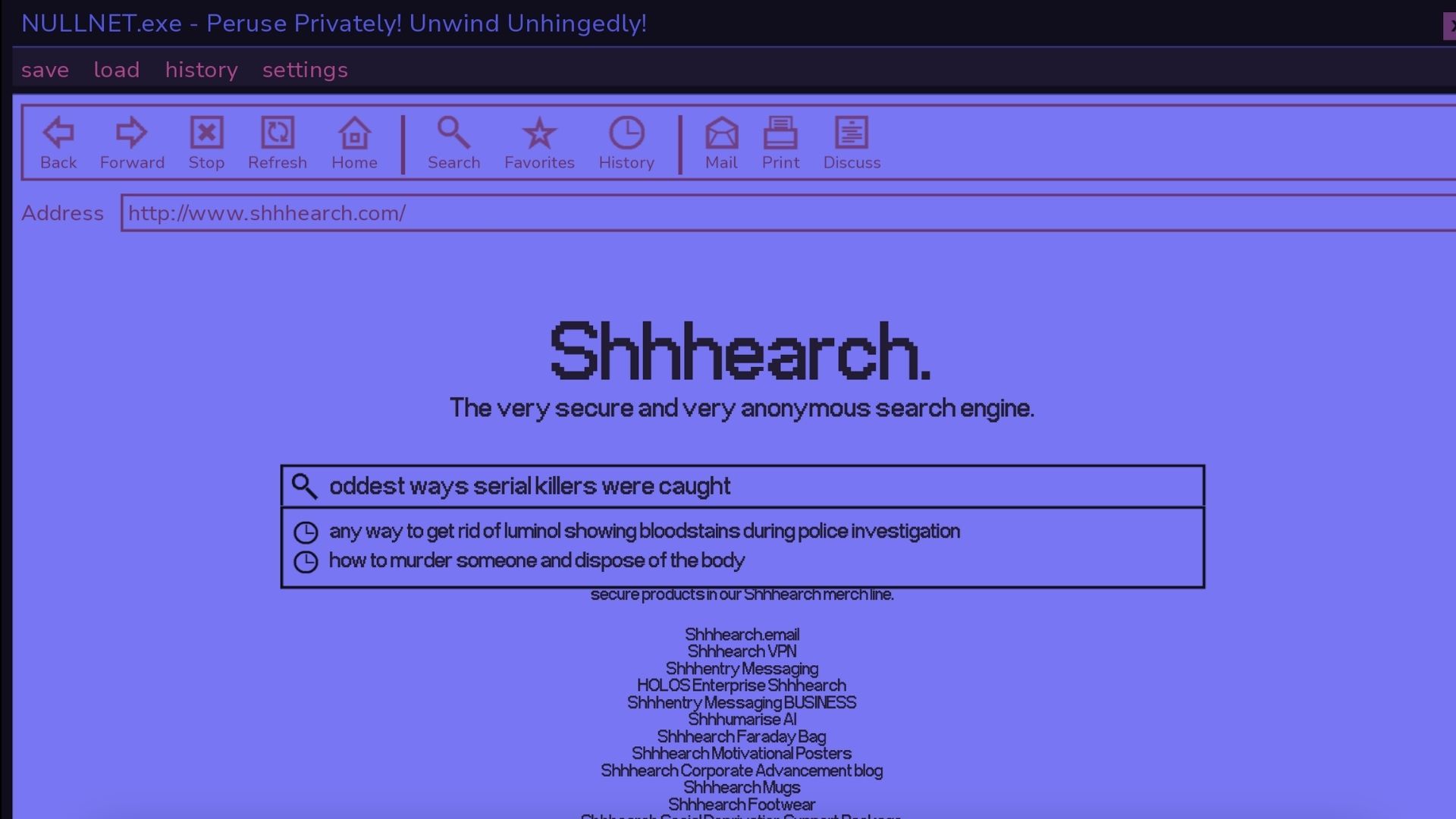
Killer Chat! / itch.io
I want to be cautious about how I describe Collective Shout. It’s tempting to portray them as the ‘bad guys,’ but that’s not my intention. They’ve consistently stated their objections, and the games they initially targeted were genuinely problematic. My concern isn’t whether their complaints are justified. It’s that a private group shouldn’t be able to fundamentally change how creative content is distributed worldwide through pressure tactics, without any official legal process, no matter how valid their initial concerns might seem.
The core issue is that this approach isn’t limited in scope. Once a determined group demonstrates it can pressure payment processors to target platforms, the focus shifts from whether their claims are legally sound to simply having the loudest voice and most resources. Groups like Collective Shout have previously targeted games like Grand Theft Auto and Detroit: Become Human, and even advocated for internet censorship in Australia. While the specific issues change, the method remains the same: today it’s games with sexual violence, but tomorrow it could be anything someone finds offensive and can present as a convincing complaint.
Google Didn’t Even Need Prompting
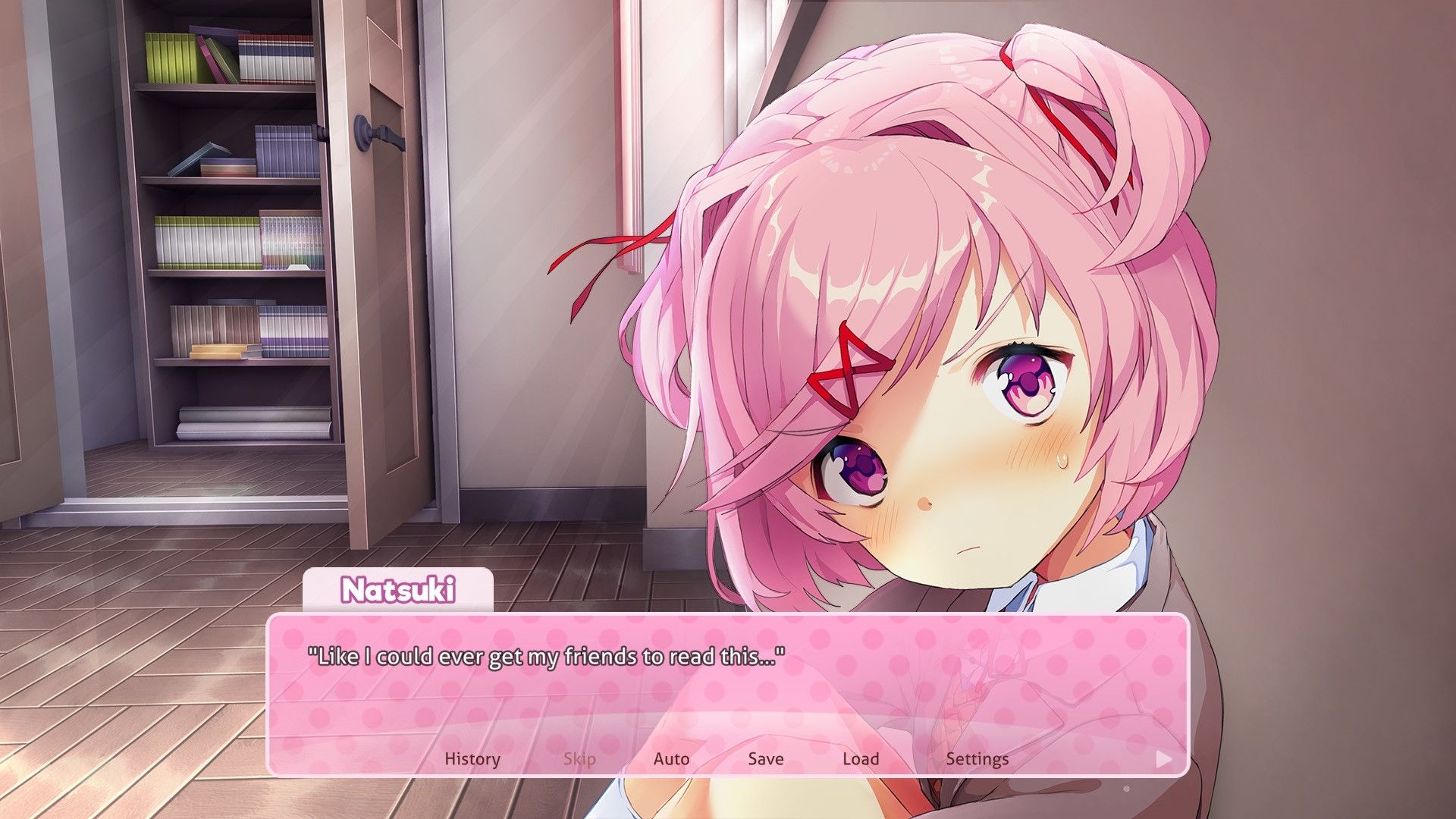
Steam
As a fan, I was really shocked when Doki Doki Literature Club got pulled from the Google Play Store. It’s crazy to me because the game’s been downloaded over 30 million times, it was rated appropriately for mature audiences, and it even starts with a content warning! Plus, a lot of people, myself included, have praised it for how it handles mental health. Apparently, Google said it broke their rules about sensitive topics, which just feels really unfair given everything.
The problem with this situation isn’t just the game being removed, as that decision could still be reversed. It’s the power imbalance it highlights. A platform can suddenly decide a game it’s hosted for a long time is no longer acceptable, even without clear rules, and the developer has very little they can do except plead their case. The developer has been doing everything correctly – being open with players, providing warnings, and offering support – but none of that matters when the platform simply doesn’t want to be associated with the game.
Simply put, a private group shouldn’t be able to fundamentally change how creative work is made and shared worldwide just by applying pressure, no matter how justified their concerns might be. Formal legal steps should always be required for such significant changes.
This Is What Soft Censorship Looks Like
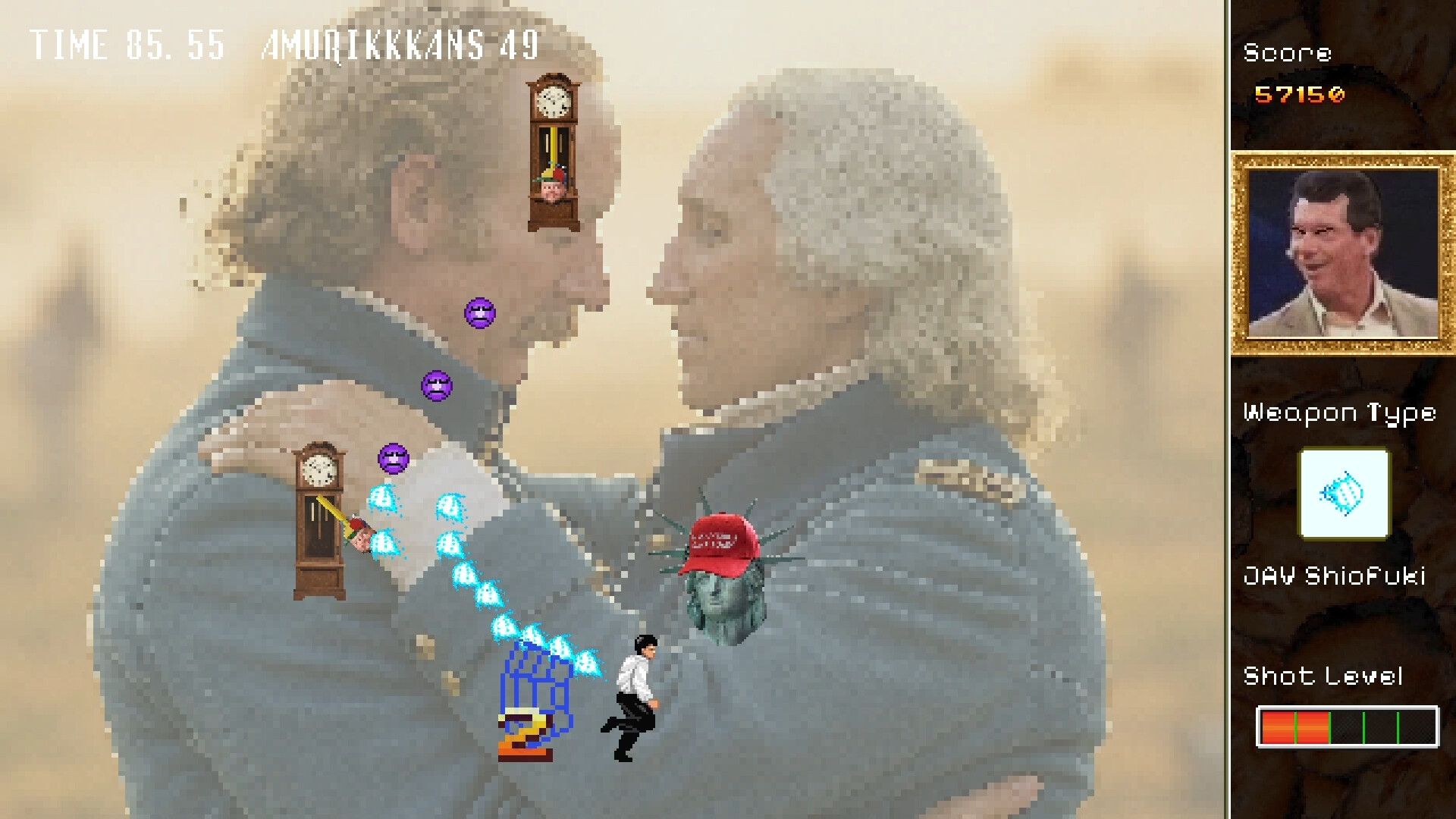
Hong Kong 2097 / Steam
What’s happening isn’t traditional censorship with laws or court orders. There’s no official body dictating what’s allowed online. Instead, content is being controlled in a more subtle way, using reasons like managing risk, protecting brands, and enforcing platform rules. By 2026, this approach will be the norm. Systems designed to verify age, supposedly for child safety, are actually building mass surveillance capabilities. Platforms are tightening their content rules not because the law requires it, but because the potential damage to their reputation from harmful content feels greater than the risk of limiting what users can share. As a result, the internet is becoming more divided and heavily moderated, and surprisingly little of this is due to government orders.
This creates a situation where developers start to limit themselves, not because of laws, but because they fear losing access to platforms like Itch.io. They choose less controversial topics and milder approaches, opting for safety to ensure their work can still be distributed. It’s a remarkably subtle way to reduce creative freedom without anyone explicitly stating that’s the intention.
What Actually Gets Lost
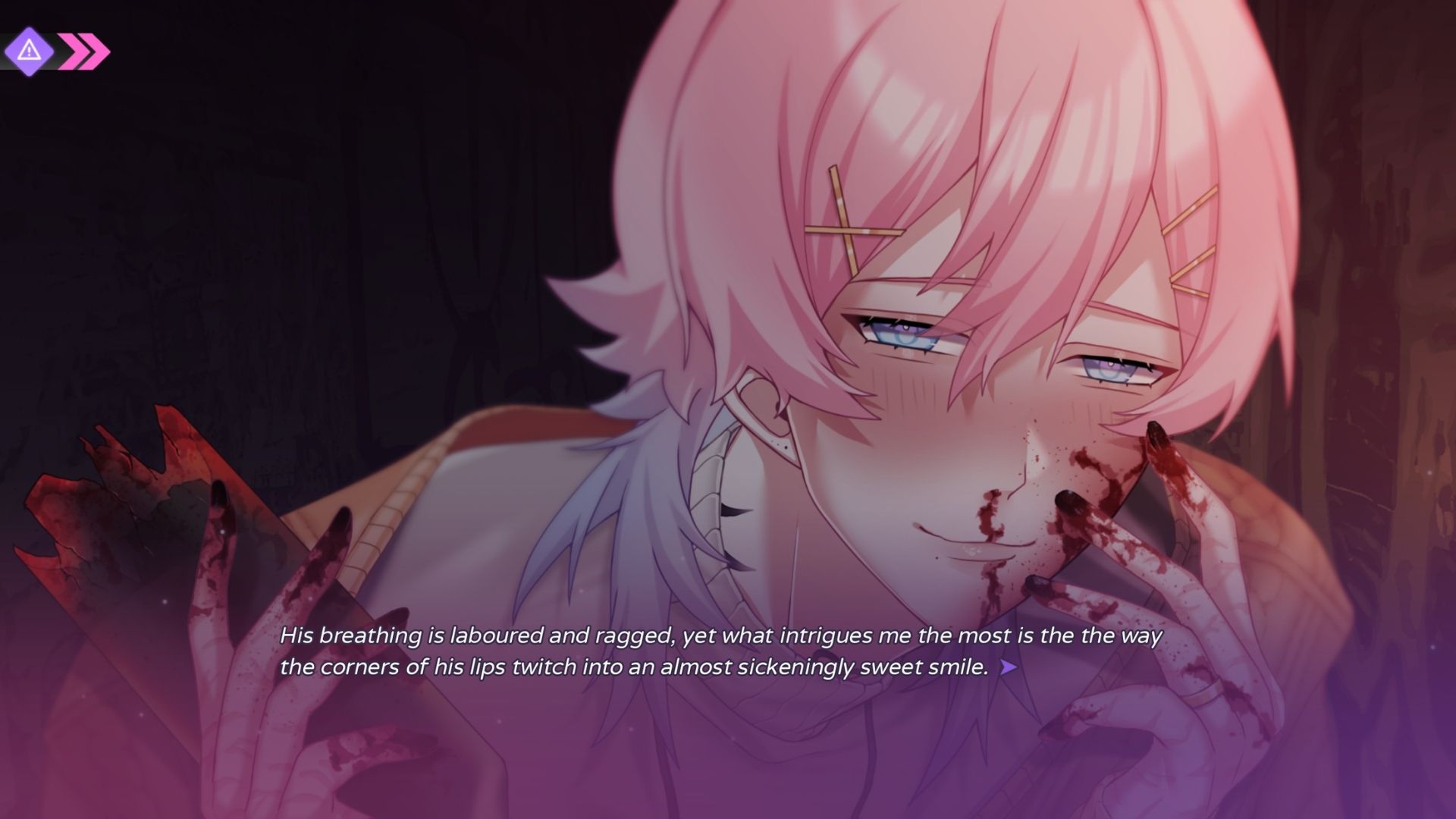
14 Days With You / itch.io
Often overlooked in discussions about creative risk is what truly gets lost when playing it safe becomes too important. It’s not usually the biggest, most popular games that suffer. Those with strong cultural impact and wide reach usually find a way to continue. Instead, it’s the smaller, more unusual, and fragile projects that are most affected – the games that honestly tackle challenging themes, avoid easy answers, and embrace the uncomfortable truths where truly great art often resides.
Doki Doki Literature Club is impactful because it portrays mental health in a raw, realistic way, unlike many games that shy away from difficult topics. Similarly, VILE: Exhumed resonates because it doesn’t ignore unpleasant truths. These games aren’t just about shocking players; they’re driven by creators with important messages, and video games provided the perfect outlet for those messages.
Subscribe to the newsletter on soft censorship in games
Access to creating and sharing certain games isn’t suddenly taken away; it gradually disappears, bit by bit, as platform rules change and opportunities diminish. We’re almost fortunate that popular games like Doki Doki Literature Club are impacted, because it highlights this trend. The real issue, though, is figuring out how to address it.
The Vote Nobody Got To Cast
Democracy 4 / Steam
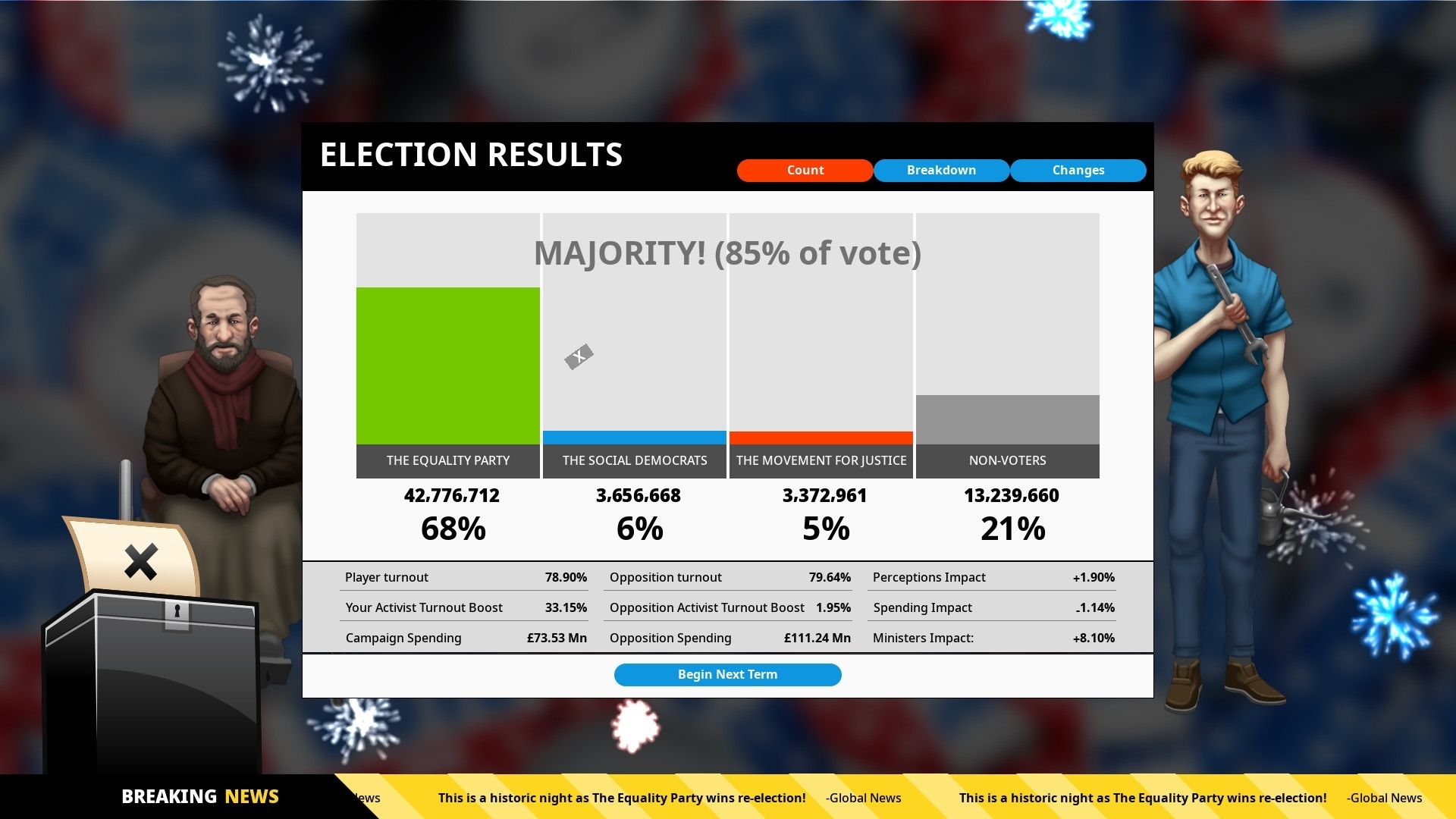
The core problem is a lack of public say in these decisions. We haven’t voted on whether payment companies should control what creative content is allowed, or whether groups like Collective Shout should dictate rules for online stores. Google didn’t receive a mandate to decide a game about depression was inappropriate for Android. These choices are being made by entities operating outside of democratic processes, and they’re motivated to protect themselves rather than consider what’s being lost. They also aren’t really held responsible for the consequences of their actions.
The athletes who protested by signing petitions, overwhelming phone lines, and attending investor meetings weren’t overreacting. They understood a crucial point: when the systems that handle money are used to silence people, it’s hard to fight back. You can’t simply change or vote against a payment company, and arguing with a company’s terms of service won’t help. All that’s left is to raise awareness and hope that the damage to the company’s reputation from being publicly criticized will eventually be worse than the reason they tried to silence someone in the first place.
It’s a precarious time for those who value artistic freedom, and this issue will continue to arise unless we openly discuss who is making these choices and if we agree with their power.
Read More
- NTE Drift Guide (& Best Car Mods for Drifting)
- How to Get the Wunderbarrage in Totenreich (BO7 Zombies)
- How to Beat Turbines in ARC Raiders
- Change Your Perspective Anomaly Commission Guide In NTE (Neverness to Everness)
- NTE Fan Shows Off Mint Cosplay
- Diablo 4 Best Loot Filter Codes
- Deltarune Chapter 1 100% Walkthrough: Complete Guide to Secrets and Bosses
- Top 8 UFC 5 Perks Every Fighter Should Use
- How to Unlock the Mines in Cookie Run: Kingdom
- All Fish & How to Catch Them in NTE
2026-04-21 17:11