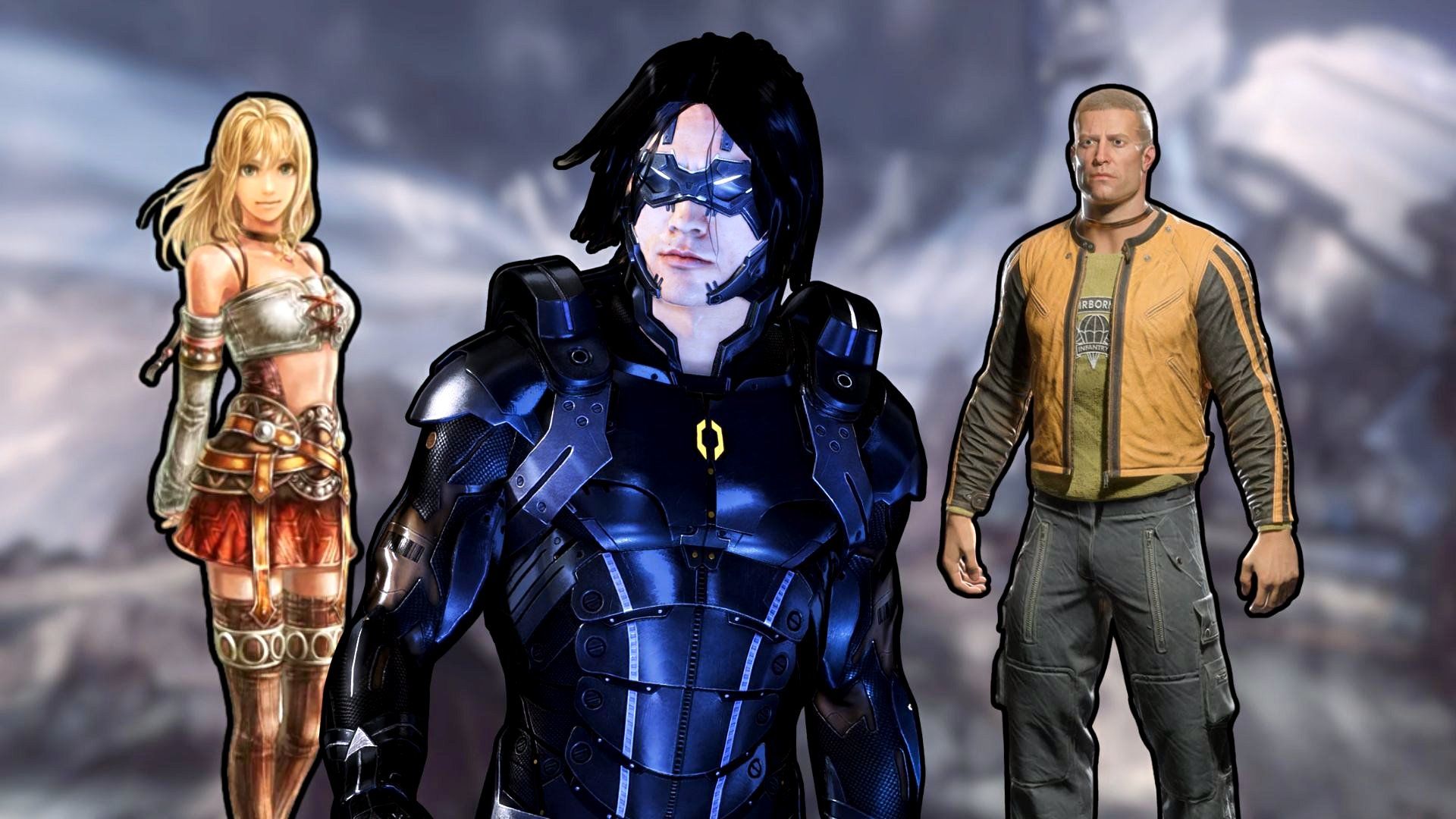
The possibility of death often creates suspense in video game stories. While players usually expect the main character to survive, some games break that mold, and a character’s vulnerability can actually make the story more compelling. How a character tries to avoid dying can reveal more about who they are, and if they do die, it can lead to interesting new developments for other characters and the overall plot.
Okay, so as a gamer, I’ve noticed something kinda frustrating. Sometimes a game will build up all these rules and consequences, but then completely ignore them just to make the story go a certain way. Like, a character will survive something impossible – falling from space, getting blown up, you name it – or they’ll just magically come back to life so you can beat the final boss. It’s cool to see, sure, but it feels…off. It’s like the writers cared more about making something dramatic happen than making it actually make sense within the game’s world. I’ve collected some of the most head-scratching moments where logic just went out the window for the sake of the story.
Be warned: This content contains major spoilers for Mass Effect 3, Heavy Rain, The Last of Us Part II, the Halo series, Xenoblade Chronicles, Wolfenstein II: The New Colossus, Uncharted 3: Drake’s Deception, and the Yakuza series. It also includes minor spoilers for Tomb Raider (2013) and the God of War series. If you haven’t played these games and want to avoid spoilers, please skip ahead.
Scott Shelby—Heavy Rain
Can’t Die Before the Big Reveal
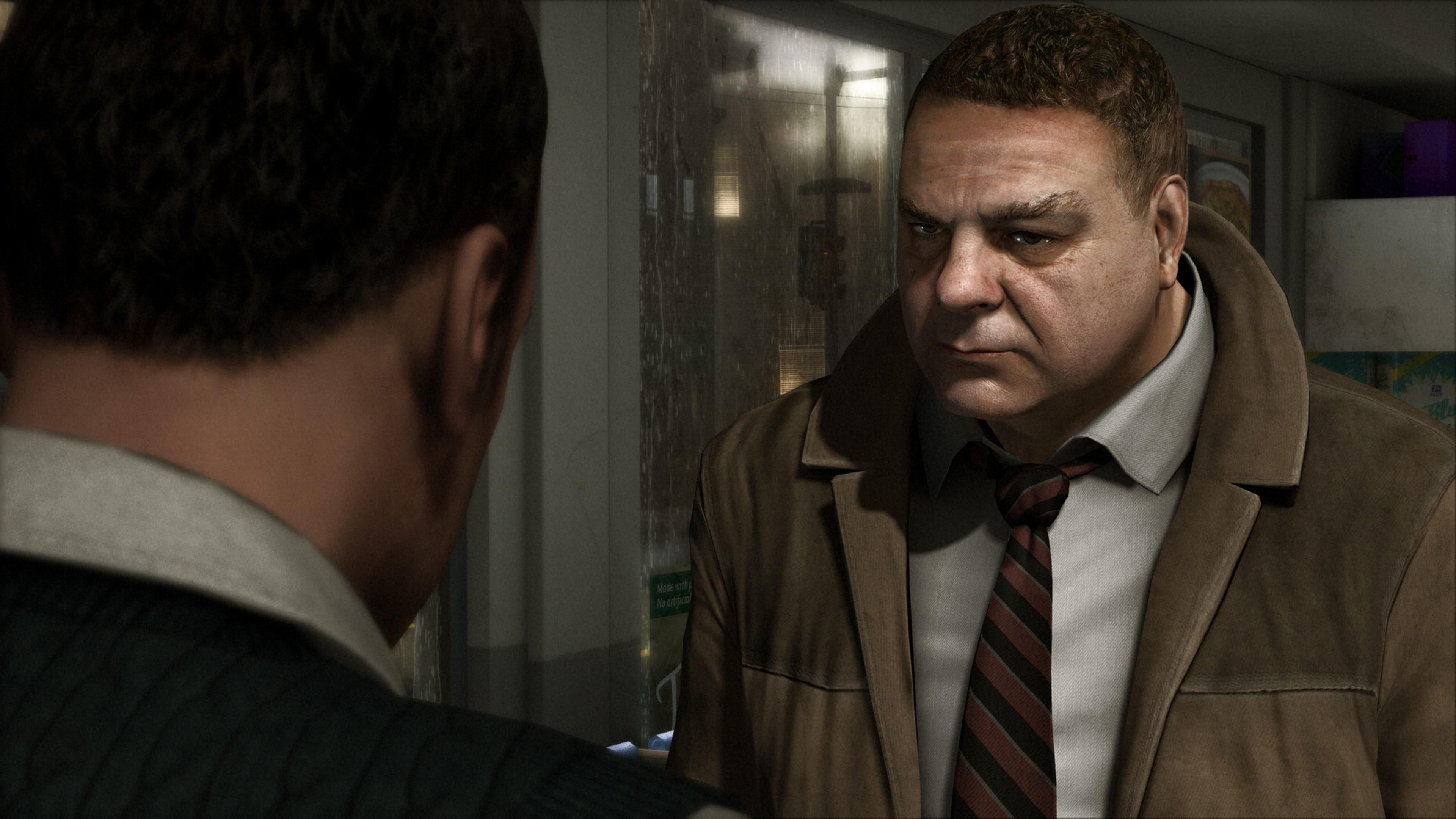

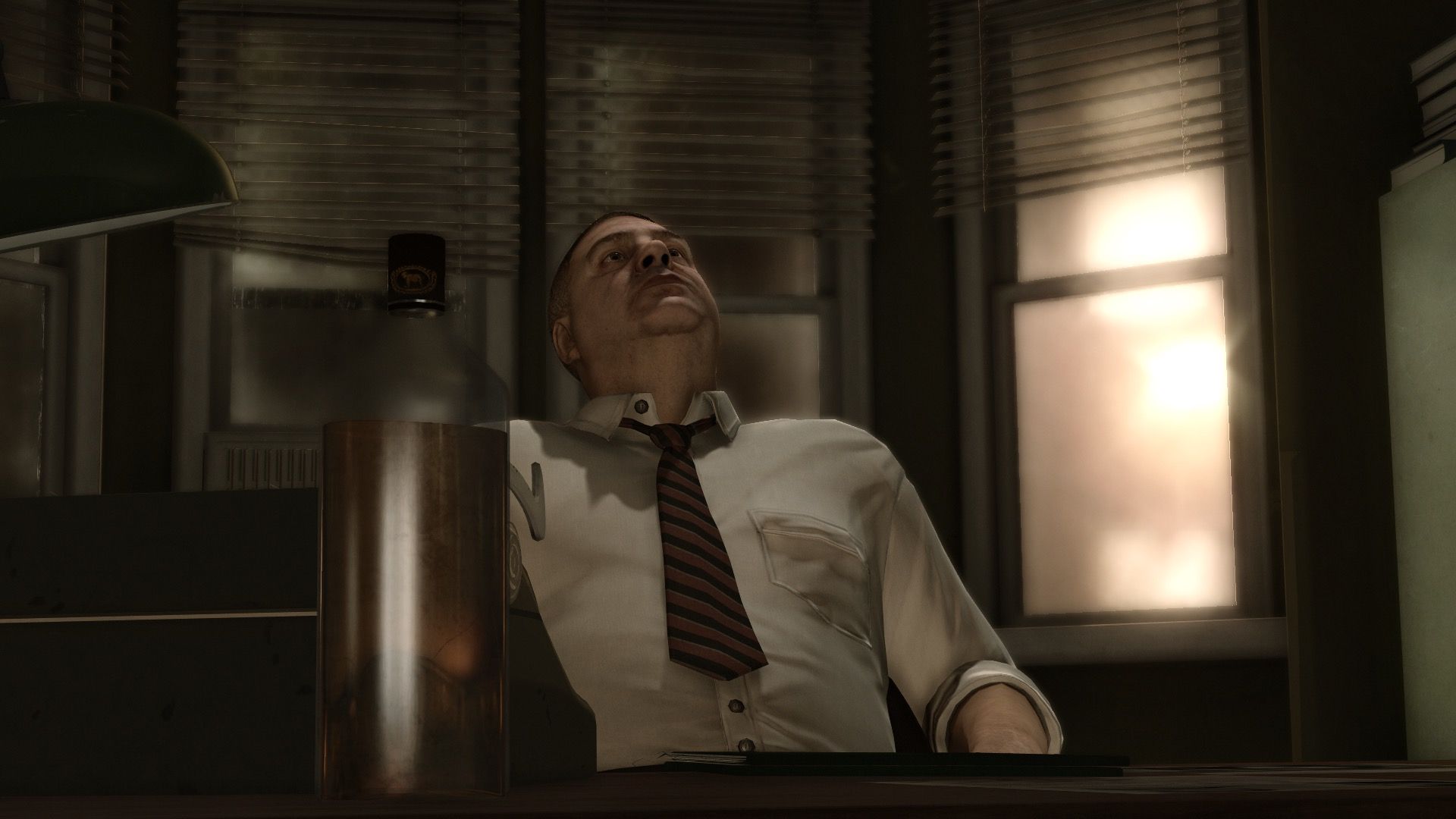
In the game Heavy Rain, you play as investigators trying to catch the Origami Killer and rescue Ethan Mars’ son, Shaun. You’ll control four different characters: Ethan Mars, Norman Jayden, Madison Paige, and Scott Shelby. Although Jayden and Madison can die during the game, Ethan and Scott are guaranteed to survive until the very end, which can sometimes lead to strange situations despite the game being known for letting players make impactful choices.
As a big fan of the game, I really liked how they used those quick-time events to build suspense, especially when you’re trying to save someone or figure out who the killer is. It worked great most of the time! But honestly, it felt totally broken when I was playing as Scott. Seriously, I could mess up every single quick-time event, or nail them all, and it didn’t change anything. It turns out Scott is the Origami Killer, so the game just needed him to be there at the end for the final showdown, which made those QTEs feel pointless when playing his sections.
Scott endures horrific injuries – he’s beaten, cut with glass, and shot repeatedly, even trapped in a car sinking into a lake. But none of this is real enough to kill him. The story simply can’t go on if he dies, so he’s forced to live.
Master Chief—Halo Franchise
Luck Stat Set to Maximum
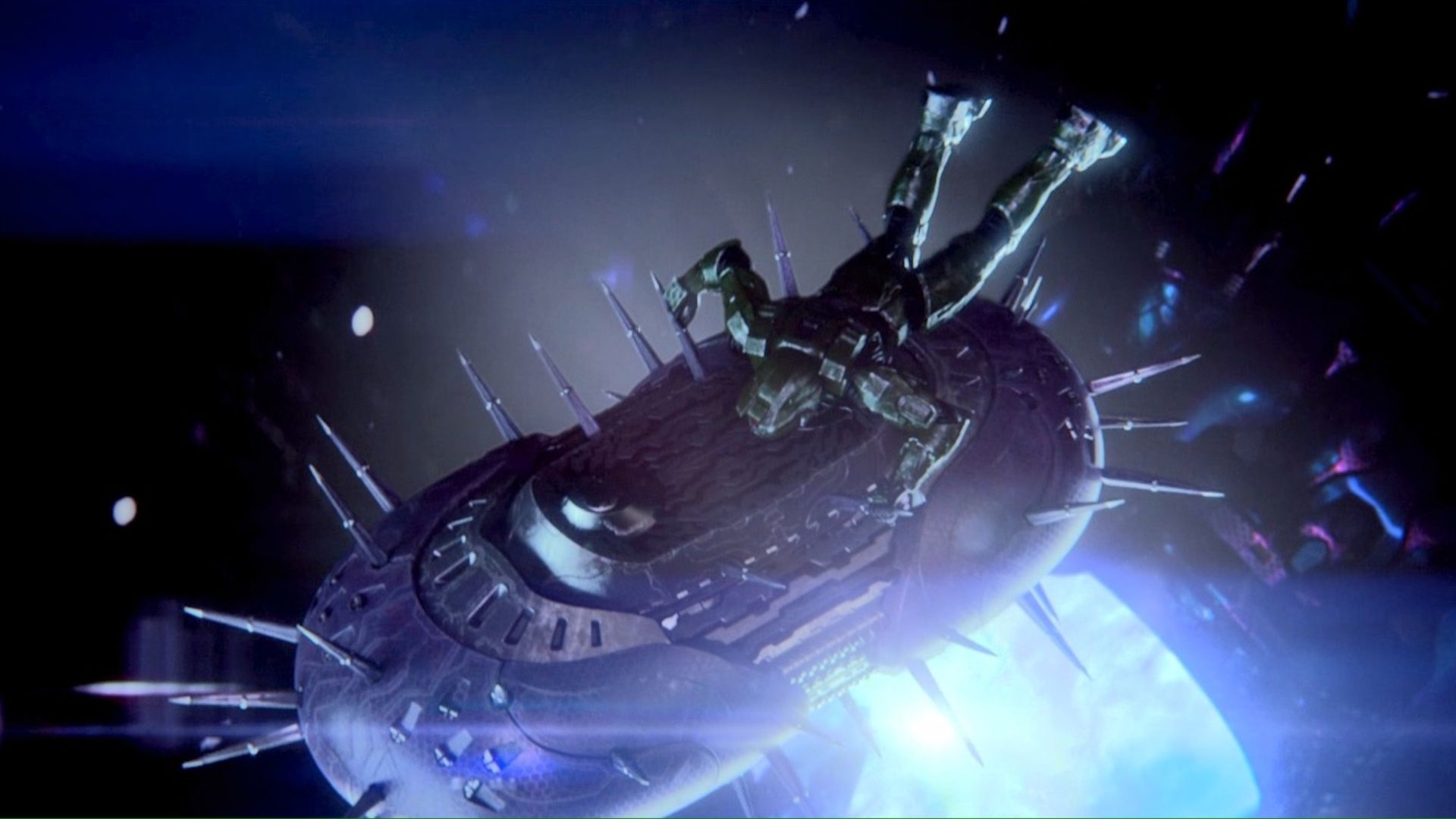
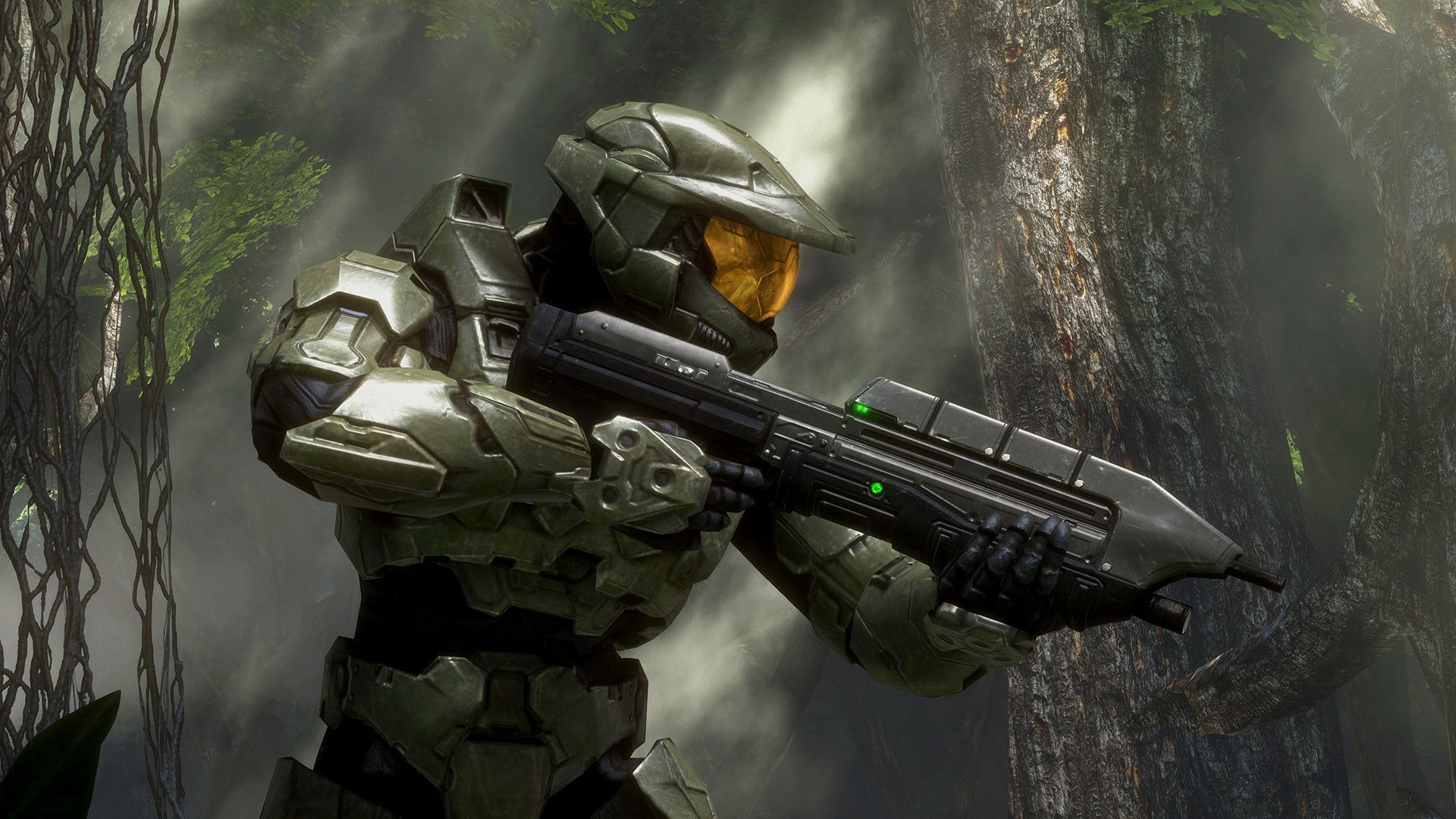
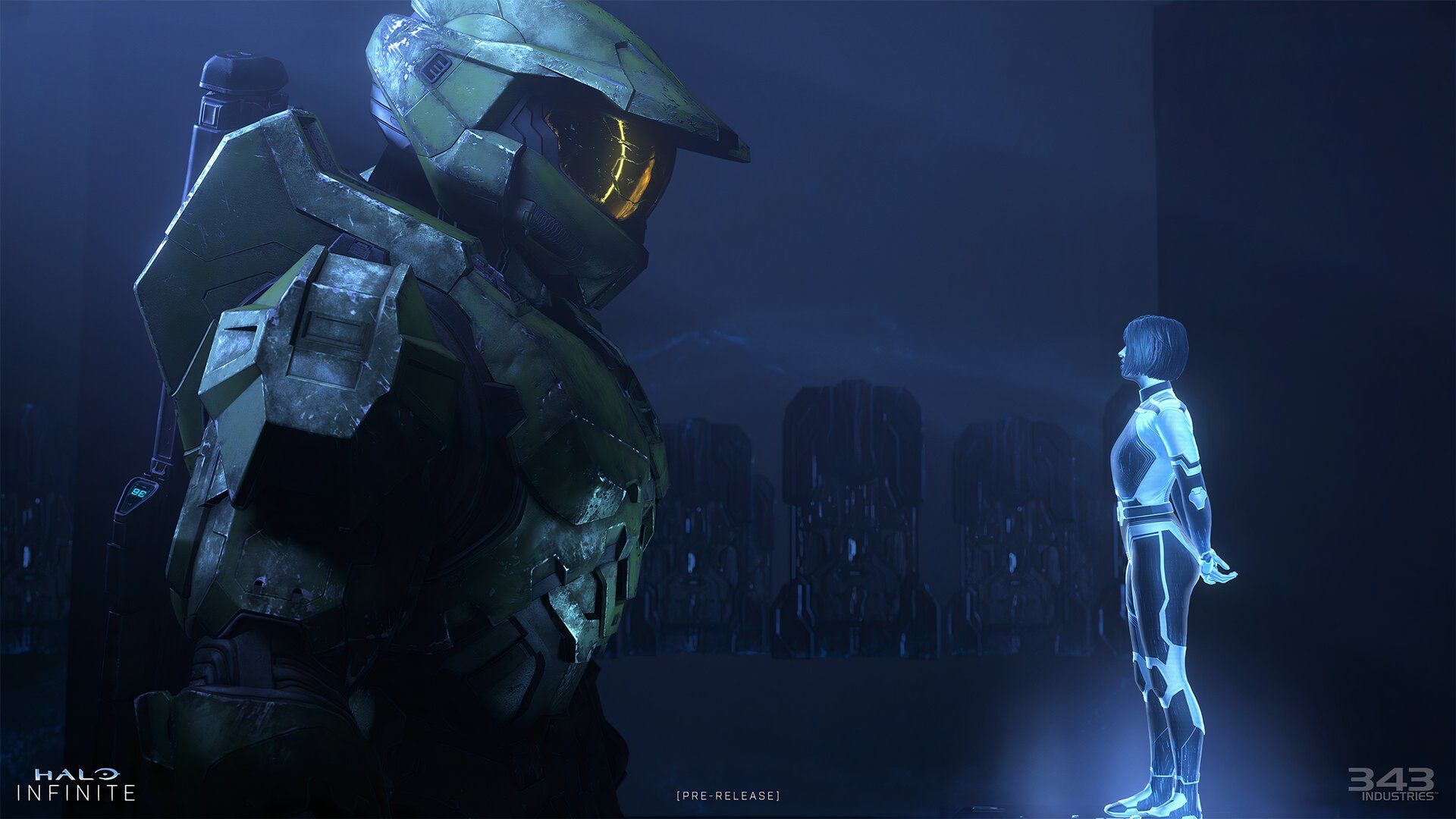
Master Chief has overcome incredible challenges and accomplished amazing things during his adventures in the Halo series. While his skills and advanced armor certainly play a big role in his success—he is a super soldier—some of what he’s achieved seems almost unbelievable.
Master Chief has famously survived incredible events, like falling from space with just a heat shield, quickly recovering from being frozen in space, and even surviving a nuclear blast. These instances are often called “luck” in Halo lore, but whether it’s truly just luck is debatable.
Master Chief consistently pulls off incredible feats – like quickly disabling enemy shields with just a few shots, surviving crashes that would kill anyone else, and even protecting allies from harm. The story often explains these moments as simple luck, which feels like a weak explanation, but he continues to overcome every challenge.
Ellie—The Last of Us Part 2
Revenge is a Powerful Motivator and, Conveniently, Also a Shield

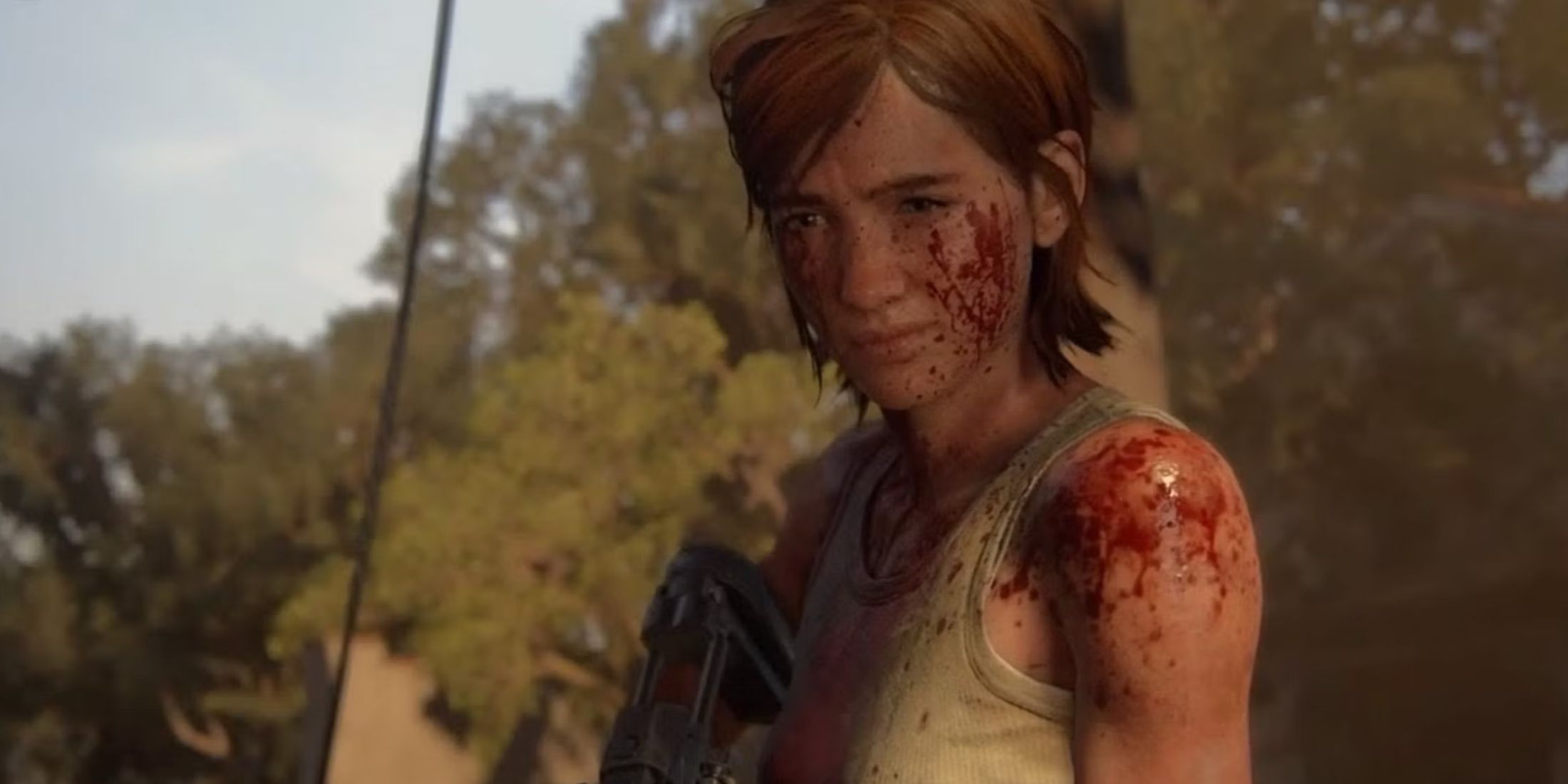
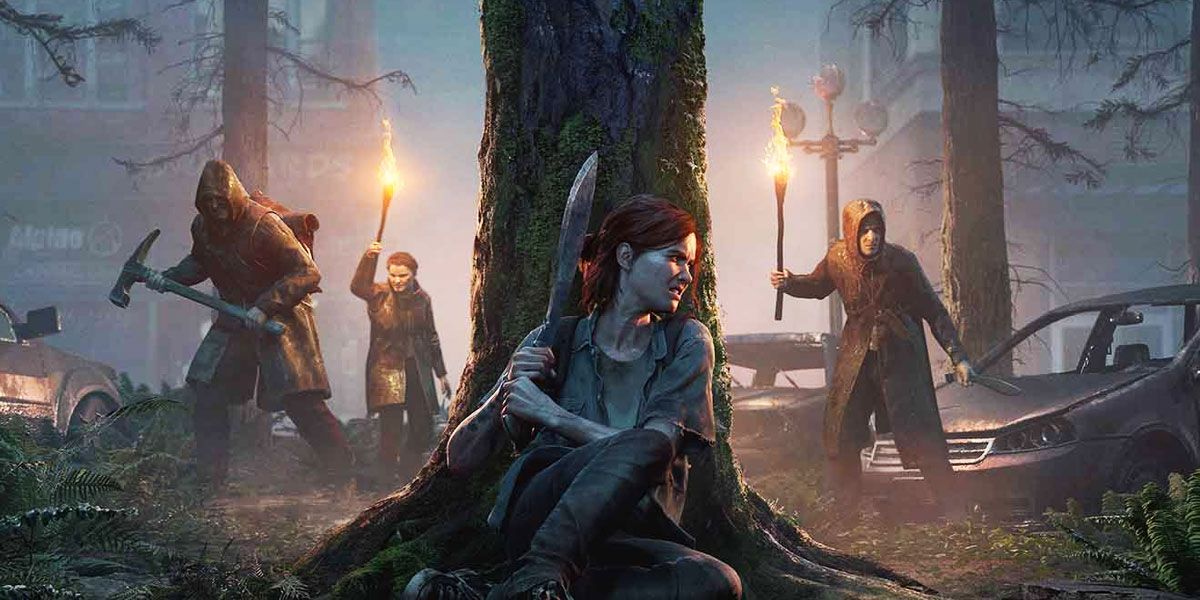
In The Last of Us, danger is constant and characters can die quickly, a reality Joel experiences firsthand. However, Ellie repeatedly survives incredibly dangerous situations – particularly in The Last of Us Part 2 – that would likely kill an ordinary person. Whether it’s surviving explosions, falling from great heights, or escaping overwhelming odds against groups like the WLF and Seraphites, Ellie consistently manages to overcome these challenges as she moves towards the final showdown.
Ellie consistently manages to escape dangerous situations, often due to a lucky break – whether someone intervenes just in time or her enemies make foolish mistakes. A good example is when Ellie is captured and tied up. Abby’s group also captures Dina, Ellie’s partner. Instead of shooting Dina, a WLF soldier slowly approaches her to strangle her, unintentionally giving Ellie the chance to break free and kill him.
These strange scenes feel out of place considering the game’s overall story. Given that the world is supposed to be dangerous and the story focuses on loss and staying alive, making Ellie seem unbeatable weakens the impact of everything else the game is trying to achieve.
Kiryu—Yakuza Series
None Can Slay the Dragon
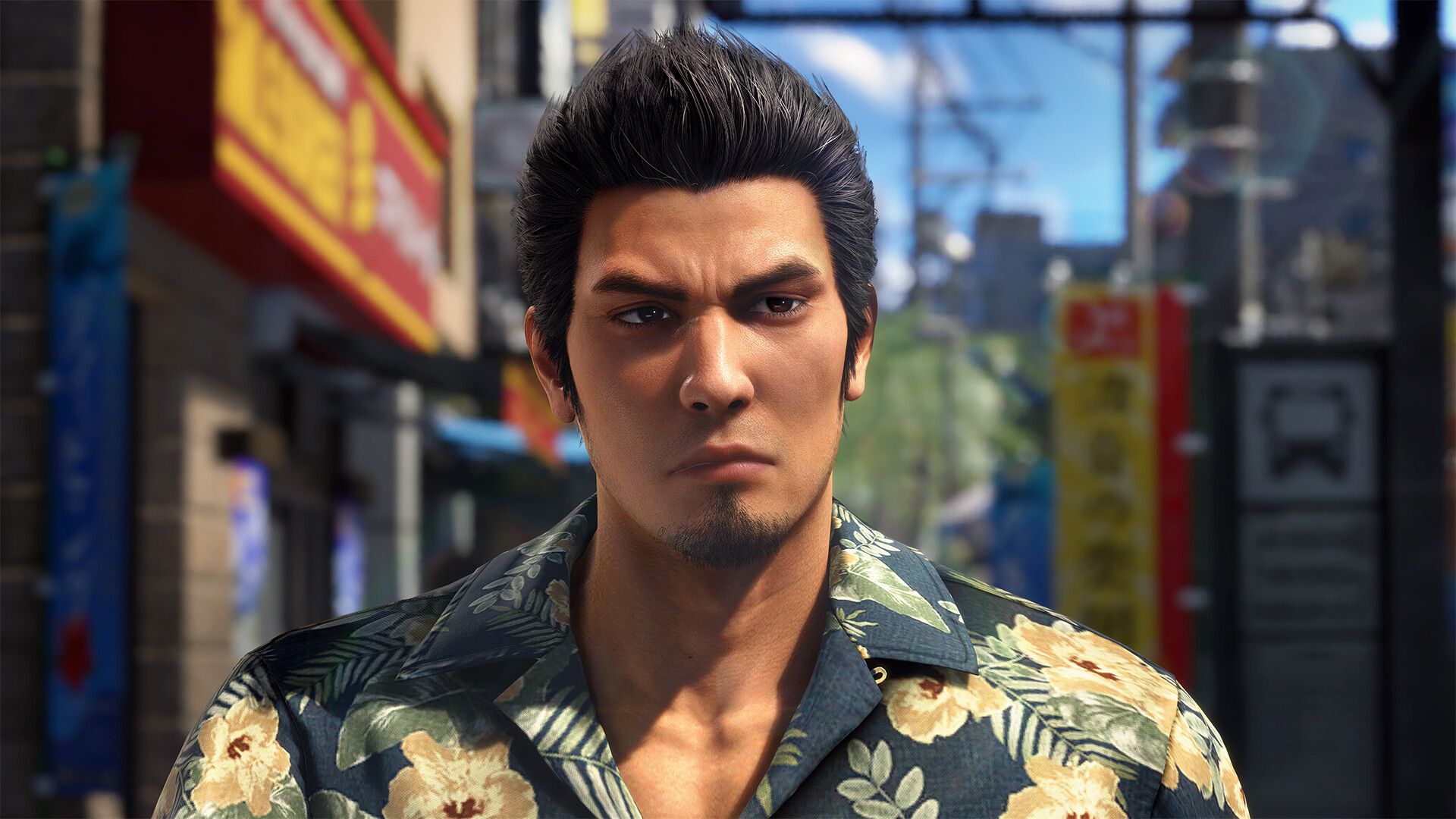
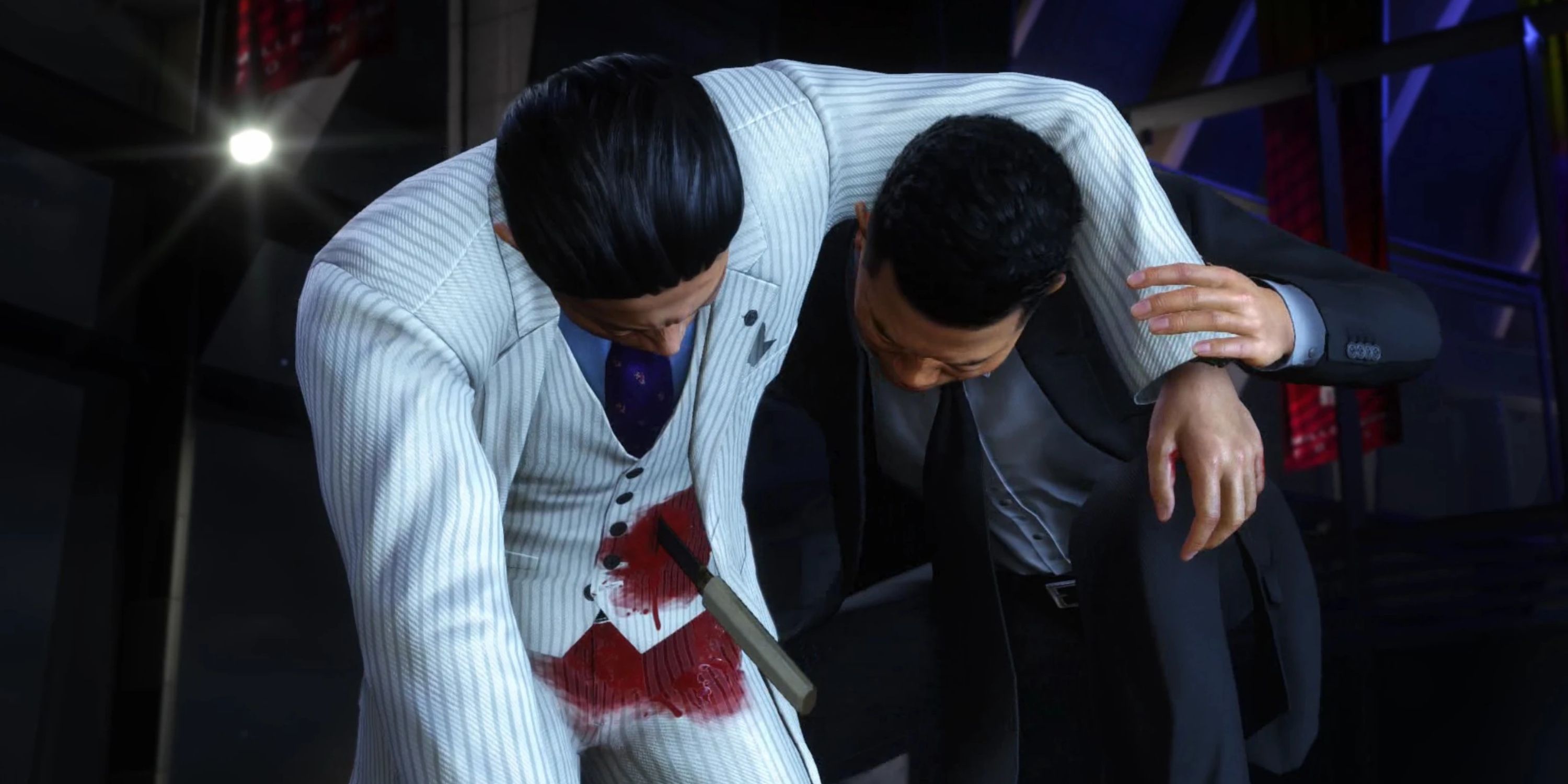
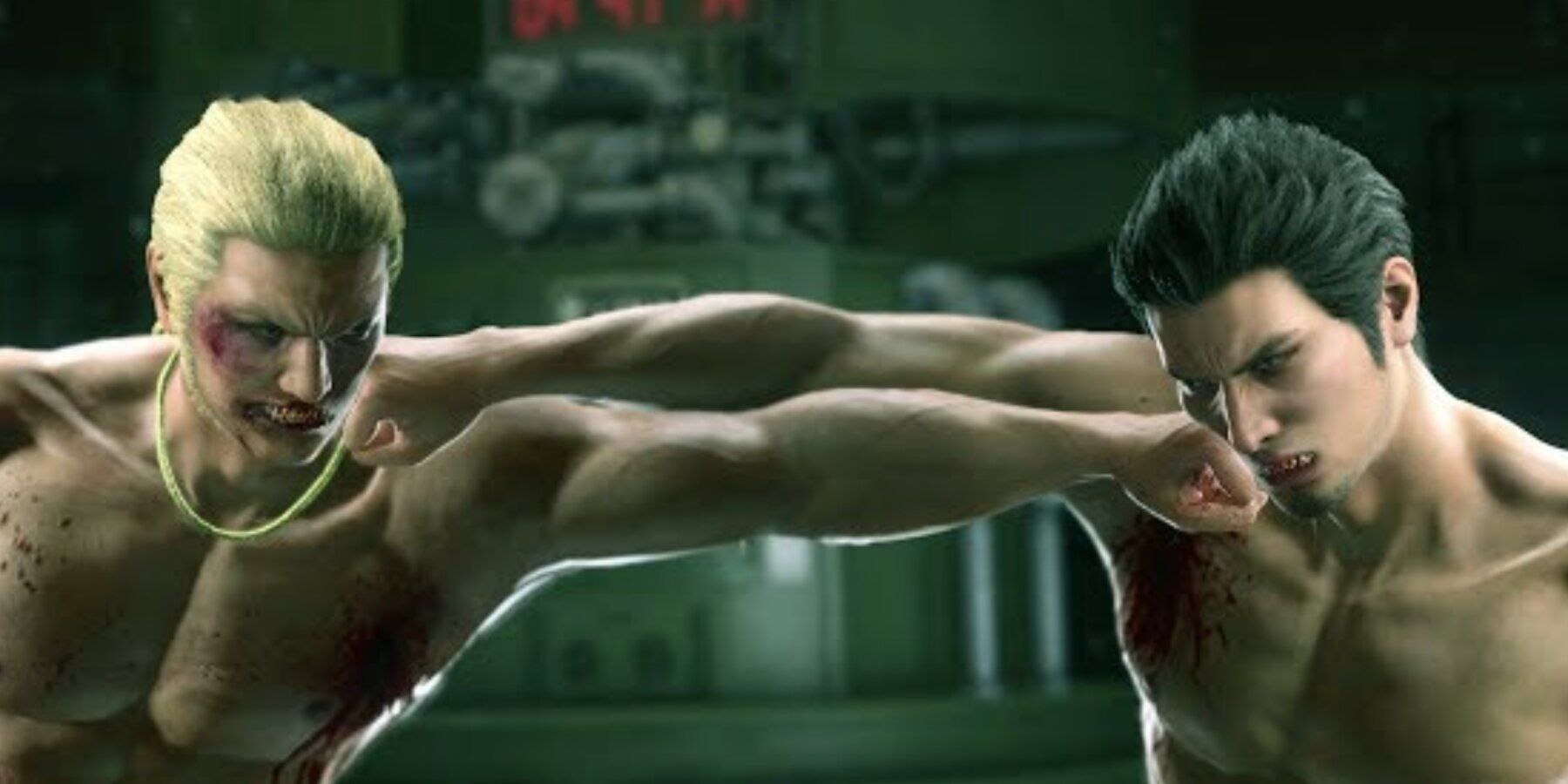
Kazuma Kiryu, the famous Dragon of Dojima, is incredibly durable – almost unbelievably so. Throughout the Yakuza series, he consistently survives attacks that would kill most people, including stabbings, gunshots at close range, and even explosions. He usually brushes these injuries off with just a moment to recover or a quick trip to the doctor. His resilience is legendary; he’s famously fought off entire groups of armed enemies all by himself, barely getting hurt.
Kiryu has a remarkable ability to survive even the most serious injuries. He’s been shot multiple times in the chest – most famously in Yakuza 2 and Yakuza 6 – and always recovers fully, ready for a fight. Even when the story tries to permanently sideline him with illness or sacrifice, Kiryu always finds a way to return.
William ‘BJ’ Blazkowicz—Wolfenstein 2: The New Colossus
The Miracles of Medicine Know No Bounds
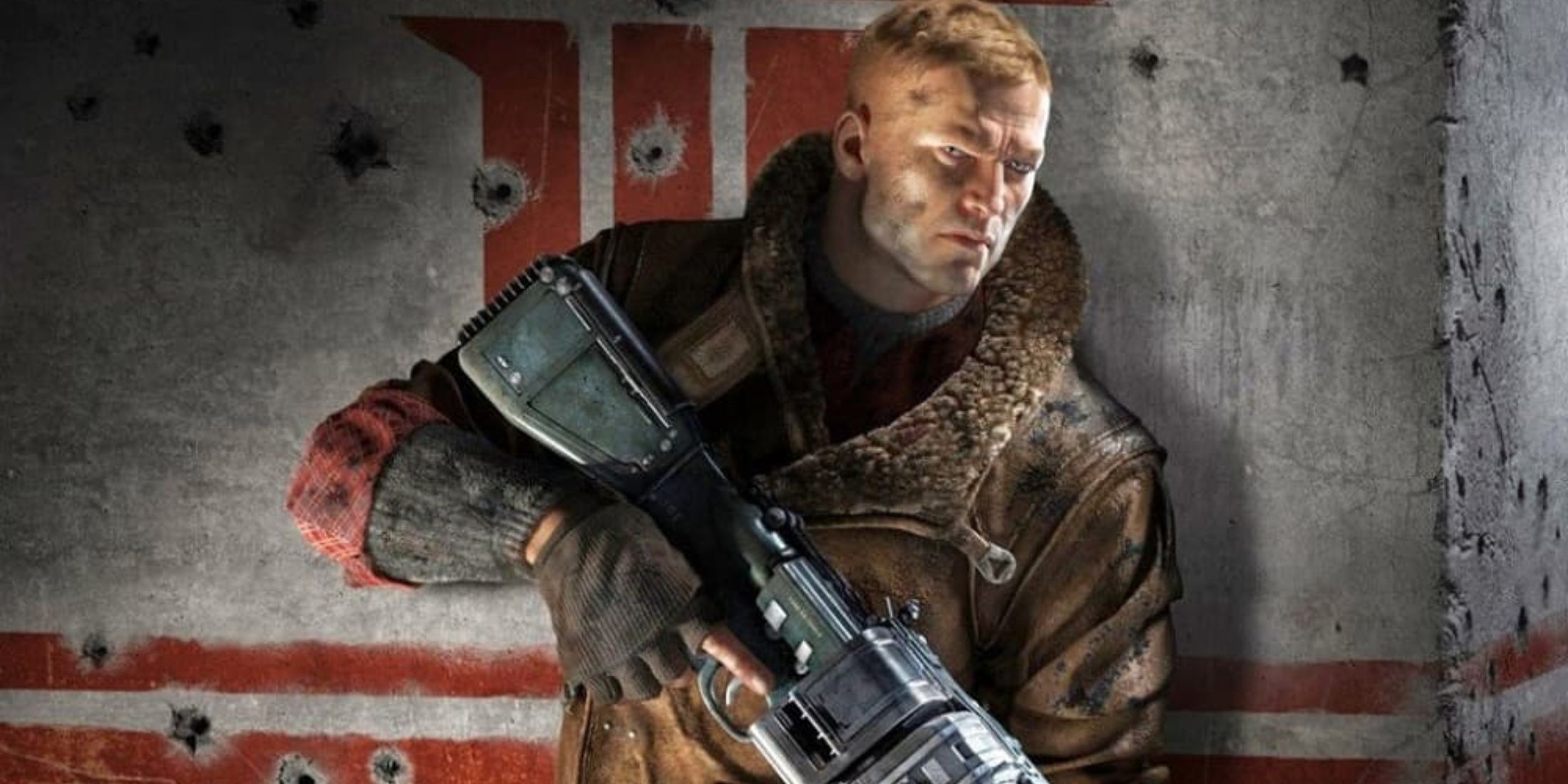
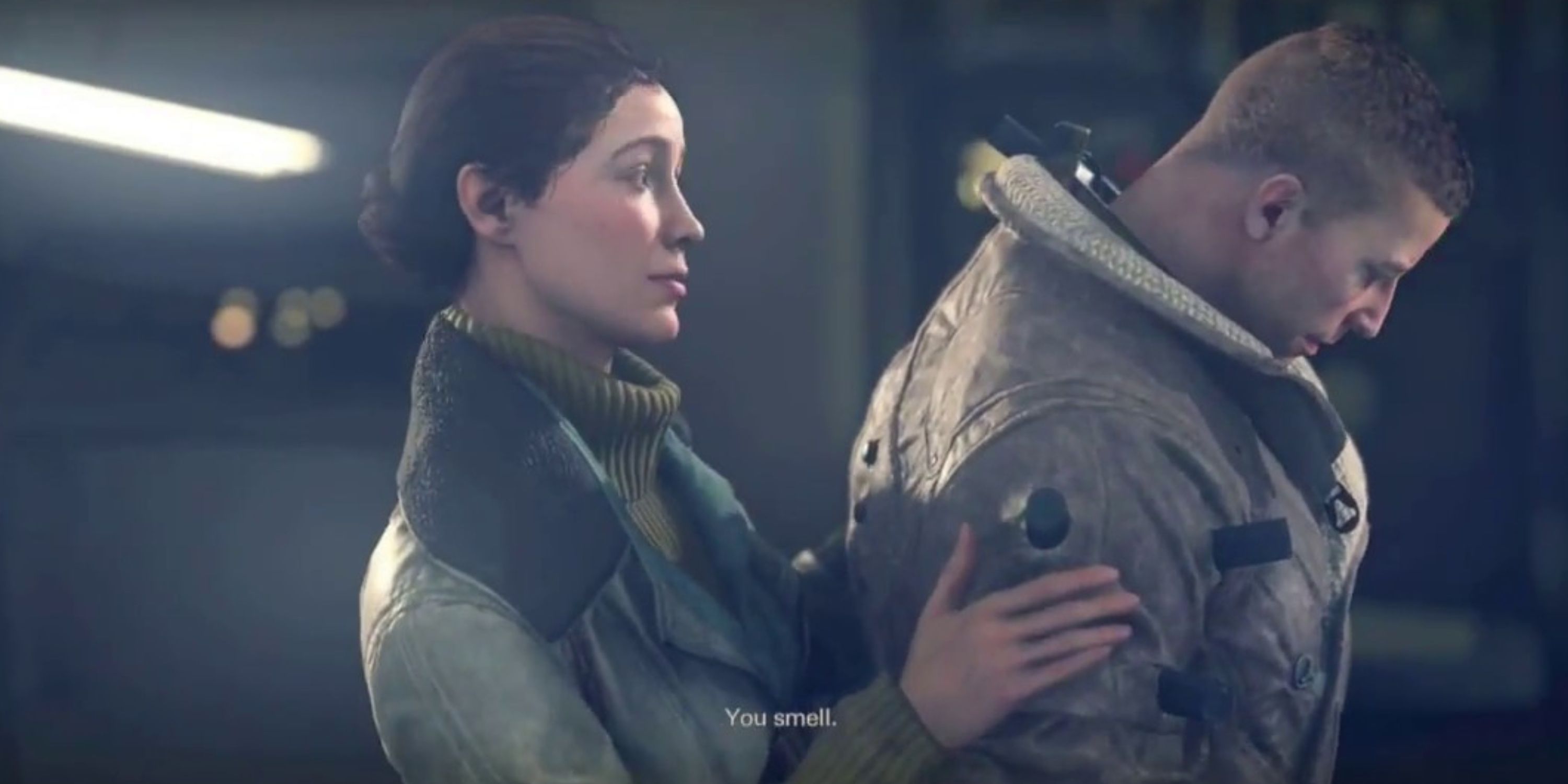
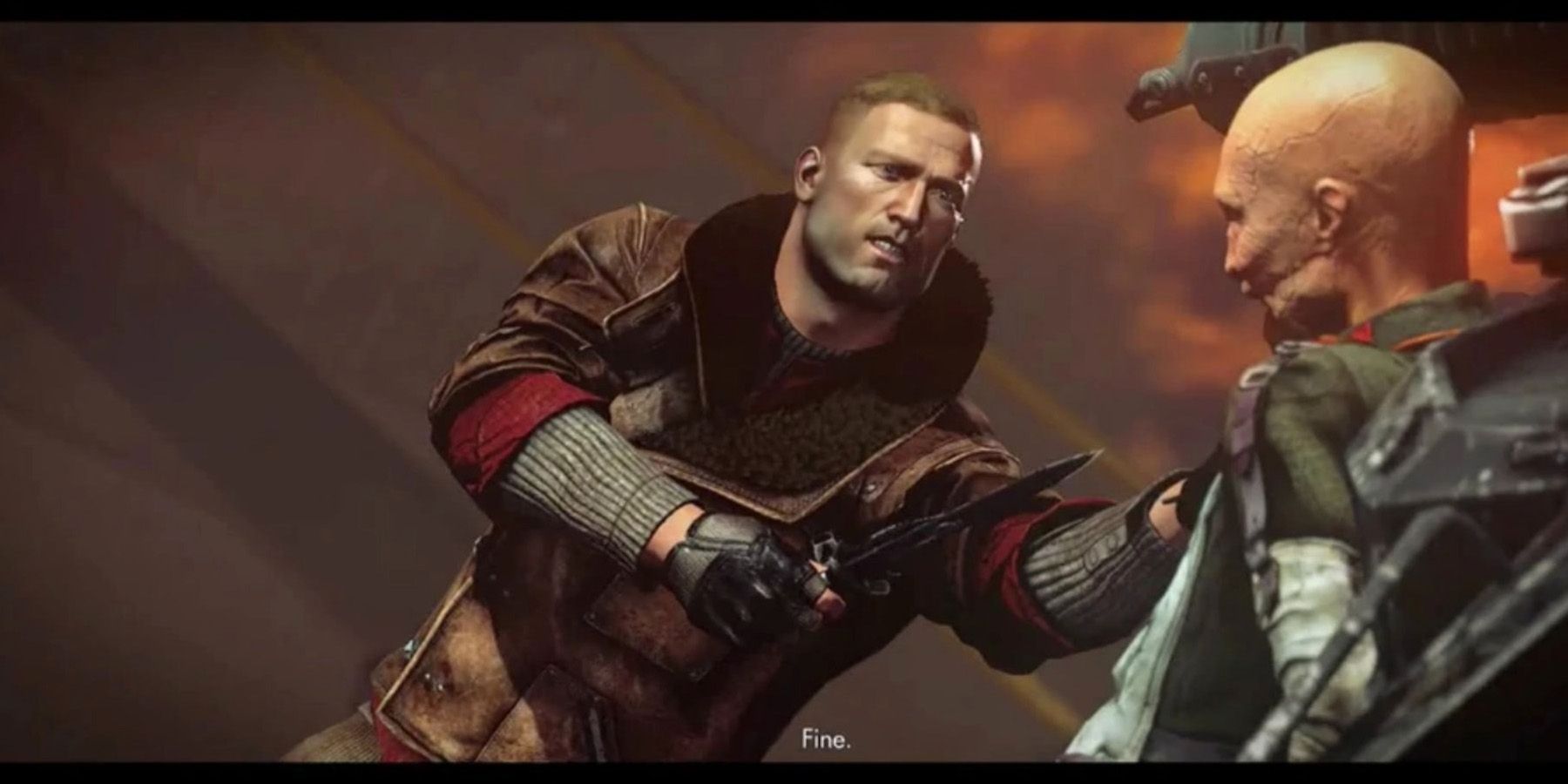
BJ Blazkowicz, nicknamed “Terror-Billy” by the Nazis, is the main hero of the Wolfenstein series and is incredibly difficult to kill. This is immediately clear at the start of Wolfenstein 2: The New Colossus, where he miraculously survives both a close-range grenade explosion and a nuclear blast from the previous game’s ending. Even though he’s been injured and had surgery, BJ remains strong enough to defeat dozens of soldiers who come to capture him and his wife.
Perhaps the most unbelievable example of BJ’s resilience happens during his public execution. He’s actually beheaded by Frau Engel, but it doesn’t stick. His allies manage to keep his head preserved, and doctors reattach it to a powerful, bio-engineered body created by the Nazis. Luckily, this new body is a perfect fighting machine, allowing BJ to continue his fight against the fascists.
 Rearrange the covers into the correct US release order.
Your Order
Results
— —
Nathan Drake—Uncharted 3
Who Needs Water
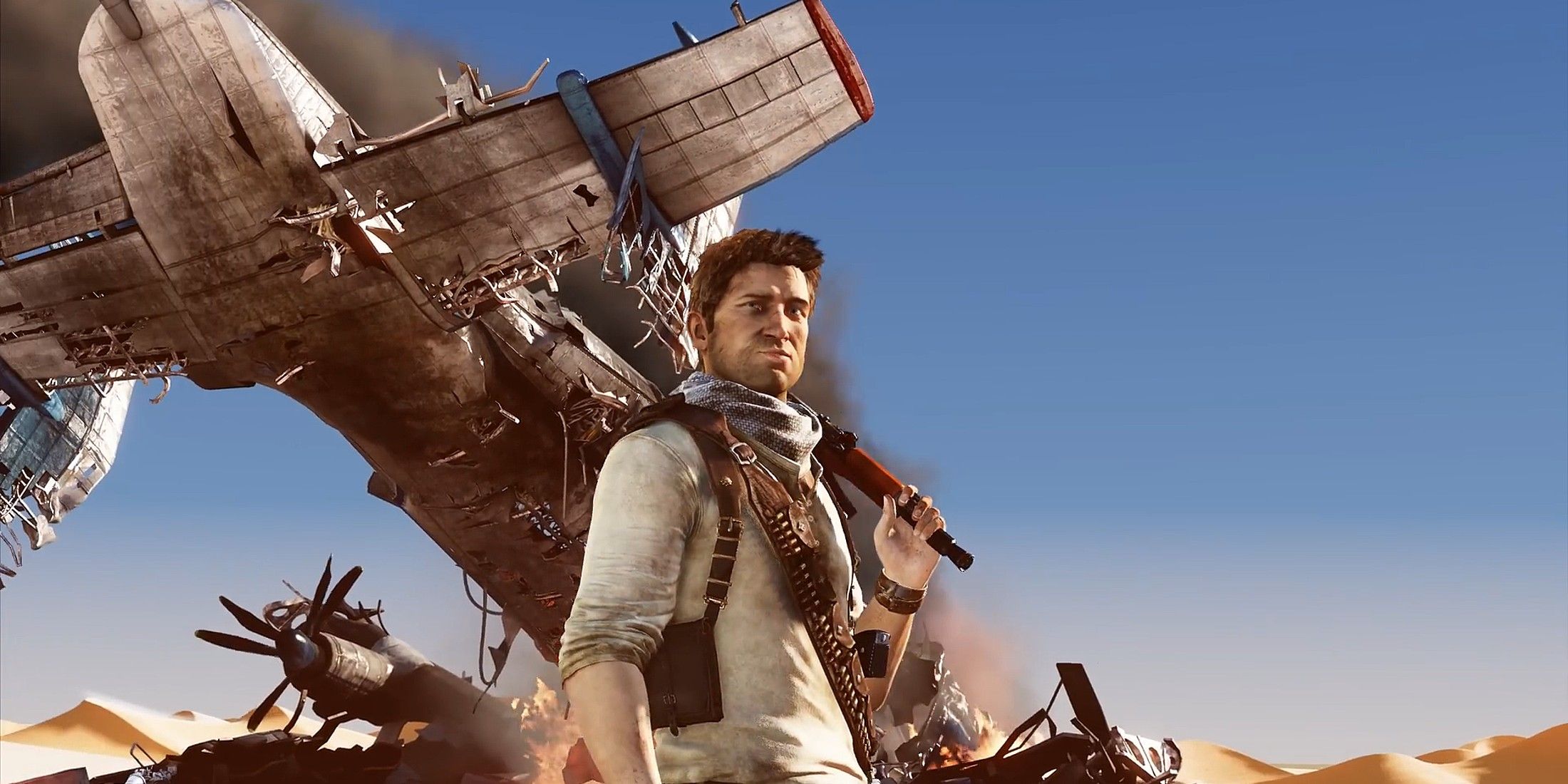
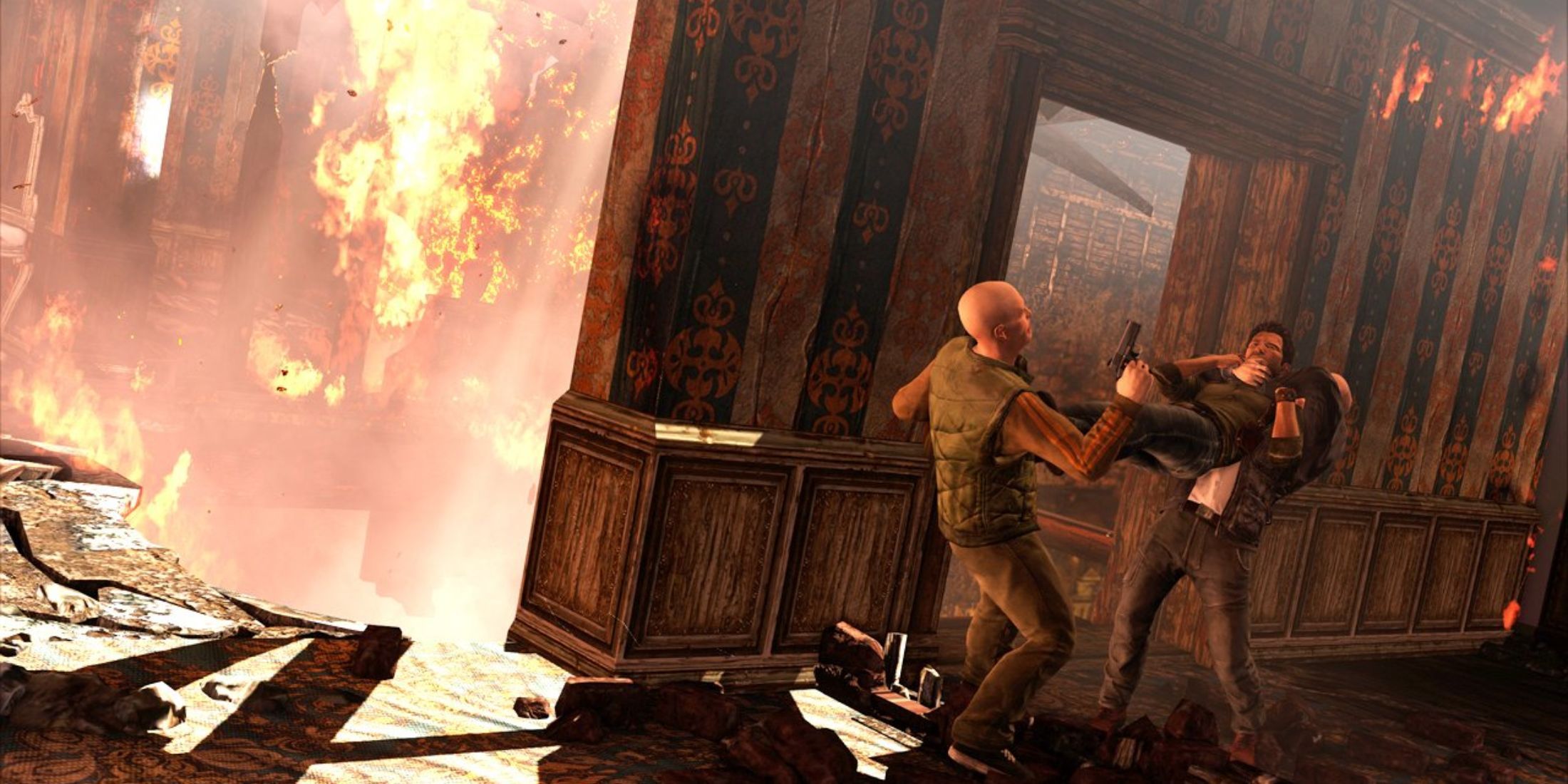
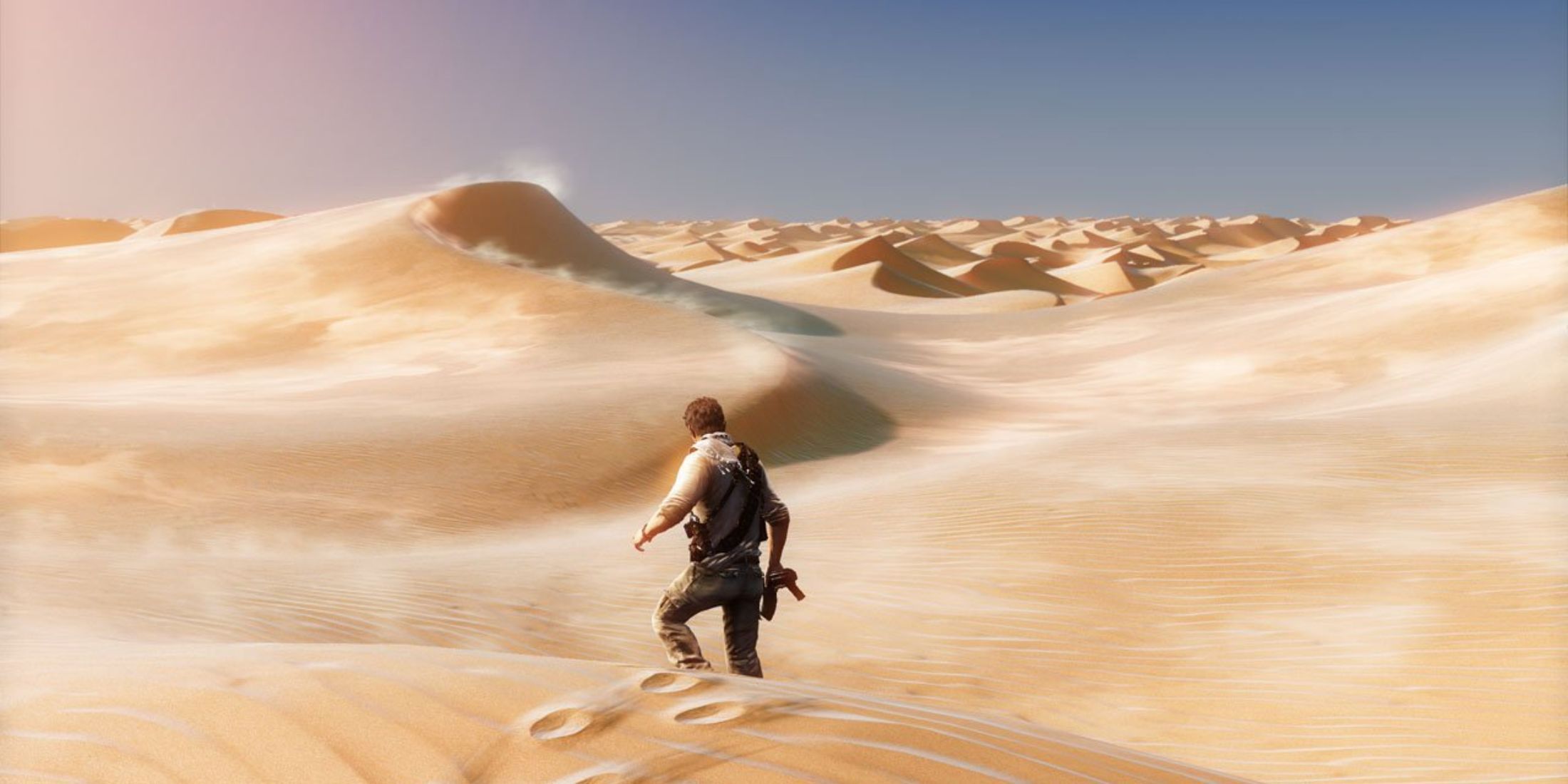
The Uncharted games star Nathan Drake, a treasure hunter who also seems incredibly lucky. The developers joke that his health isn’t about how much damage he can take, but how much luck he has avoiding it. Drake routinely survives unbelievable situations – falling from great heights, escaping collapsing structures, and being thrown around in fights – usually with just a few scrapes and a clever remark.
In Uncharted 3, Nathan Drake faces incredible danger during a thrilling cargo plane sequence. He’s thrown from the plane at a high altitude, clings to a cargo net while falling, and amazingly survives as the plane crashes nearby. Even after such a harrowing experience, he somehow finds the strength to fight and ride a horse through the desert for days without food or water.
Lara Croft—Tomb Raider (2013)
Seemingly Impervious to Impact
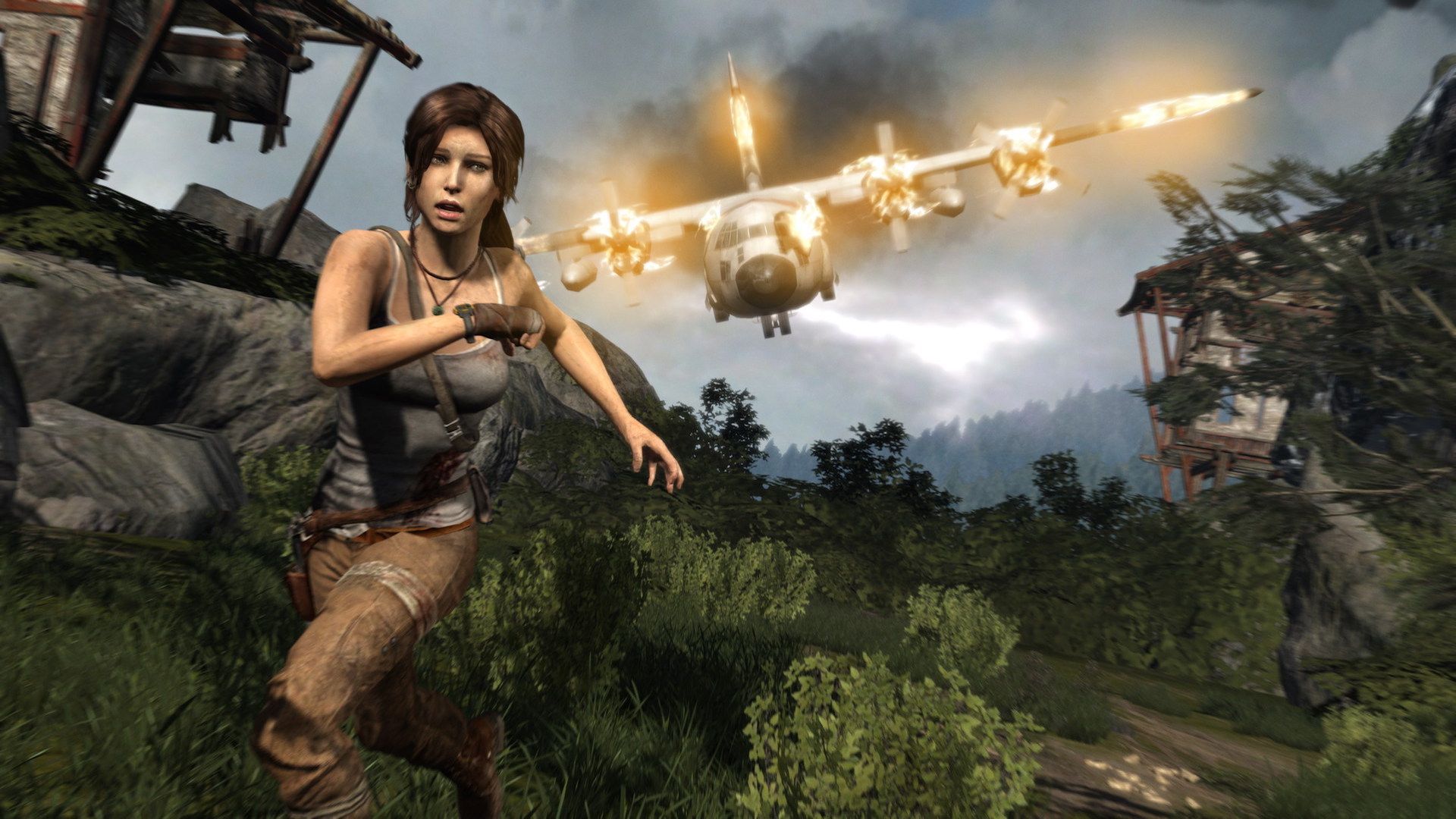
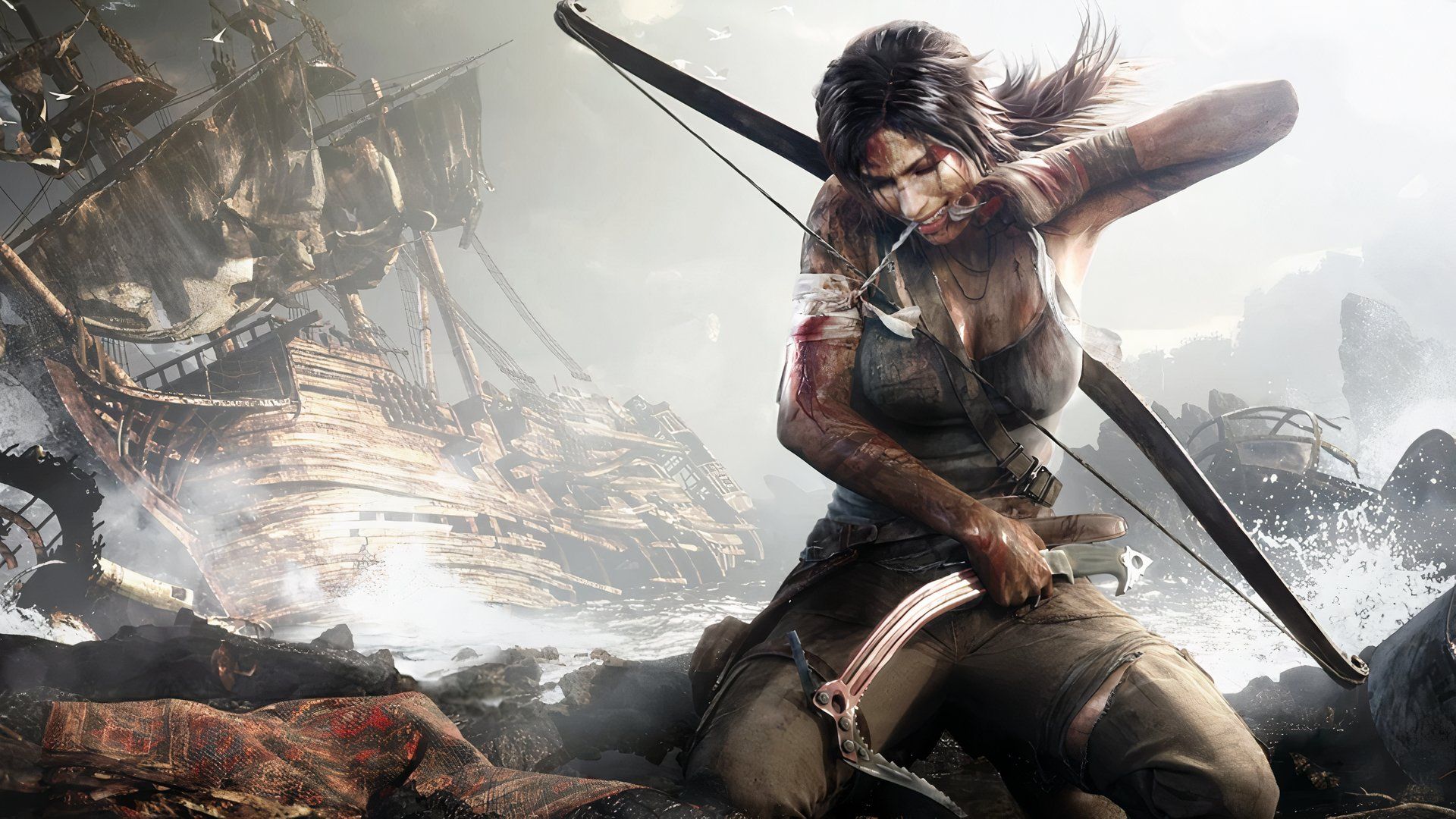
The 2013 reboot of Tomb Raider shows a young and inexperienced Lara Croft becoming a remarkably resilient and deadly adventurer. The game quickly establishes her toughness: after a shipwreck, she’s captured, hung upside down, falls a considerable distance, and is even impaled by a rusty metal rod – injuries that would kill a normal person.
Lara quickly recovers and continues her adventure, skillfully climbing, running, and jumping through the first cave while tending to her injury. From there, her survival skills become even more remarkable. Over the course of the three reboot games, she incredibly survives plane and helicopter crashes, falls from great heights, and escapes dangerous encounters with animals like jaguars.
Kai Leng—Mass Effect 3
A Rival Who Can’t Be Beaten
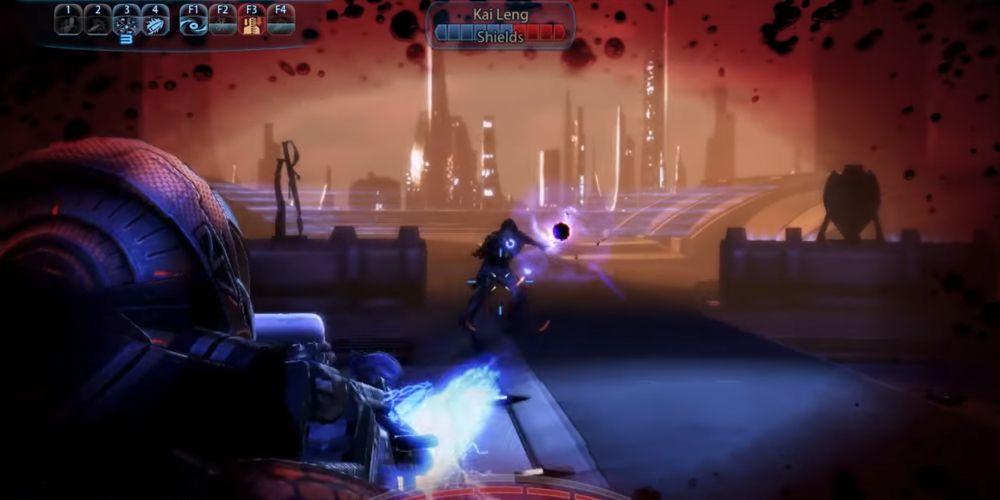
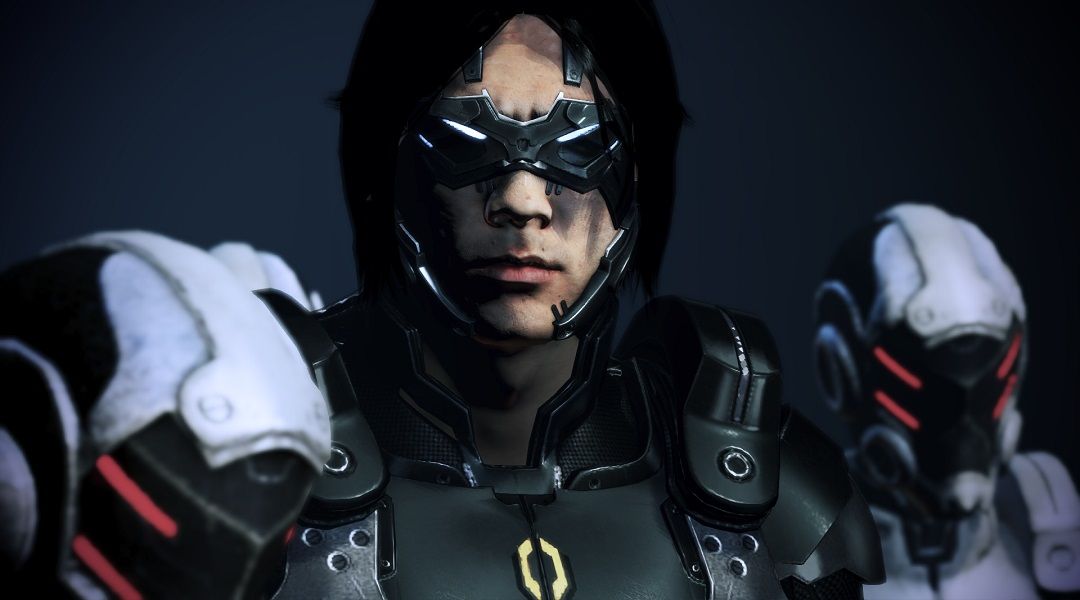
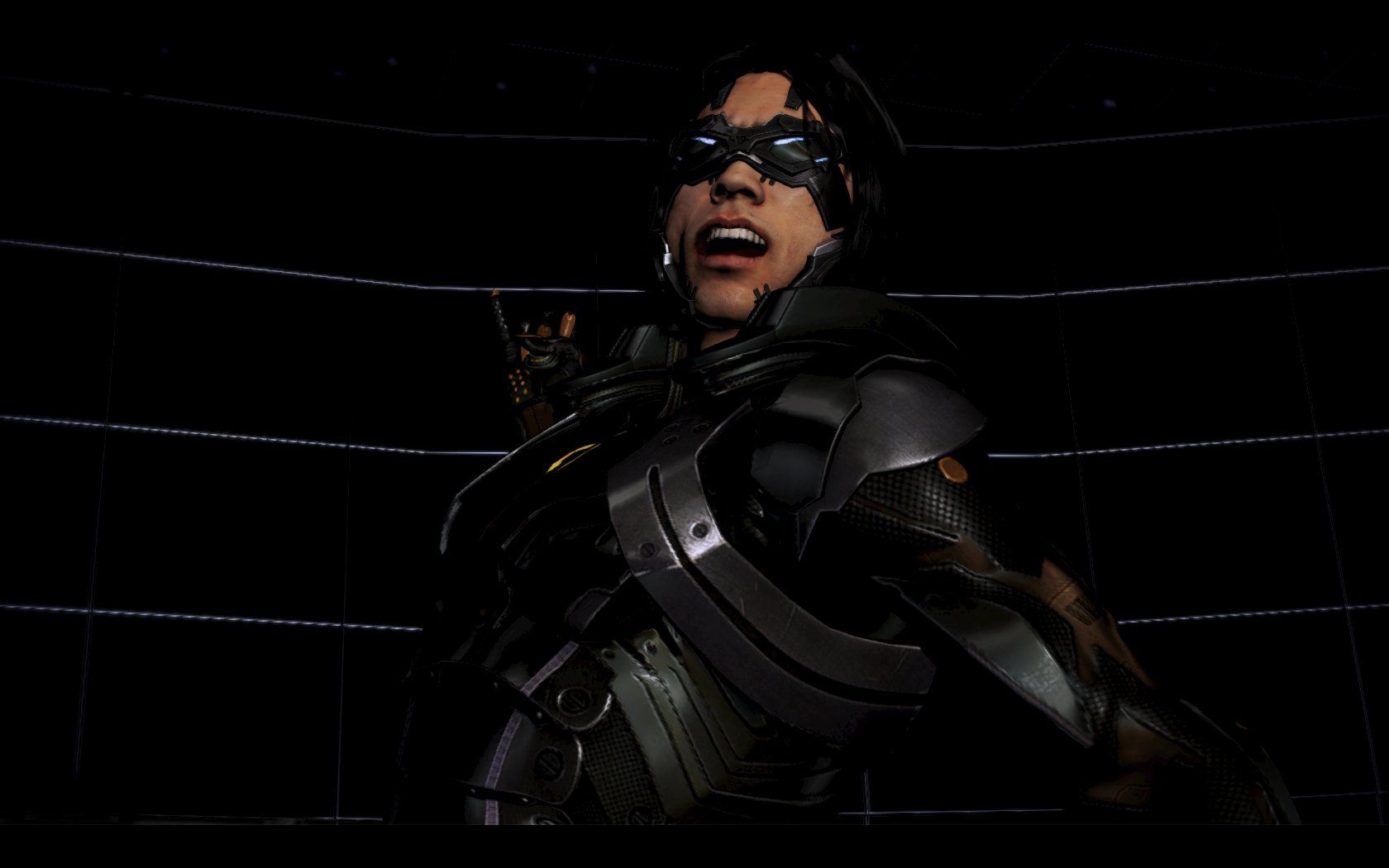
Kai Leng is a dangerous assassin who used to be an elite marine. He now works for the organization Cerberus, acting as a ruthless enforcer for its leader, the Illusive Man, in Mass Effect 3. Leng is presented as a rival to Commander Shepard, and is notorious for surviving seemingly impossible situations – often due to the story protecting him rather than his own skill in battle.
During the attack on the Citadel, he wins against the severely ill Thane Krios mostly because your team doesn’t intervene. Then, when Leng tries to escape, your squad suddenly struggles to hit their targets, letting him get away on a skycar.
The most frustrating instance of this happens on Thessia with Leng. No matter how quickly you deplete his shields with a powerful tech attack, the game triggers a cutscene where he still wins. He calls in gunship support to destroy the temple floor and escapes with the Prothean VI, completely unaffected by your team’s efforts to stop him.
Kratos—God of War Series
The Underworld is a Nice Vacation Spot
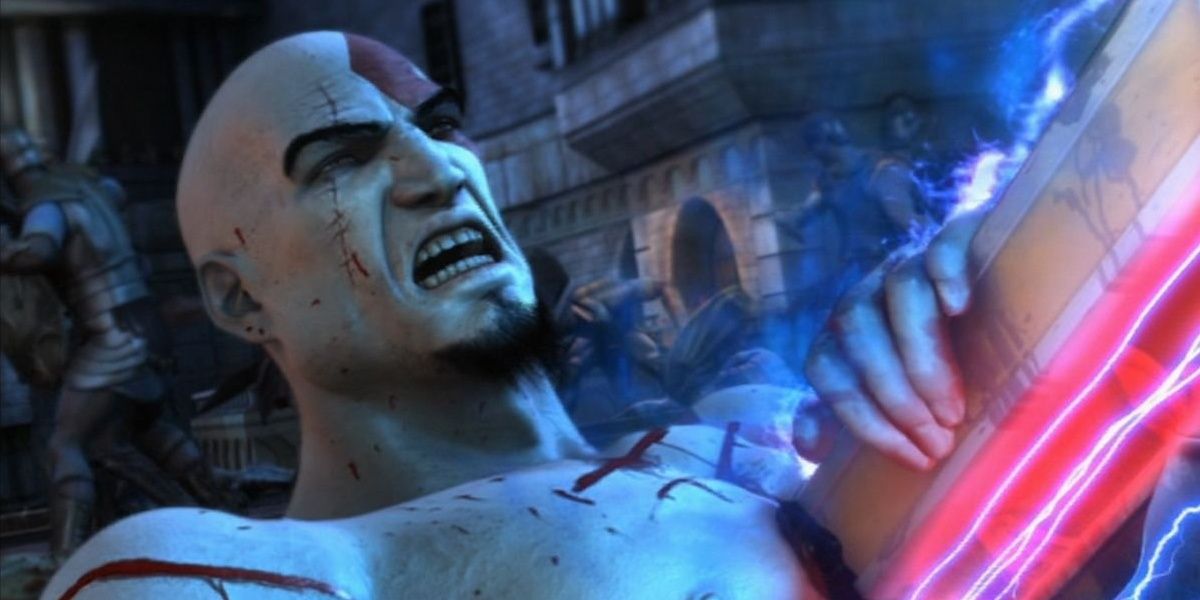
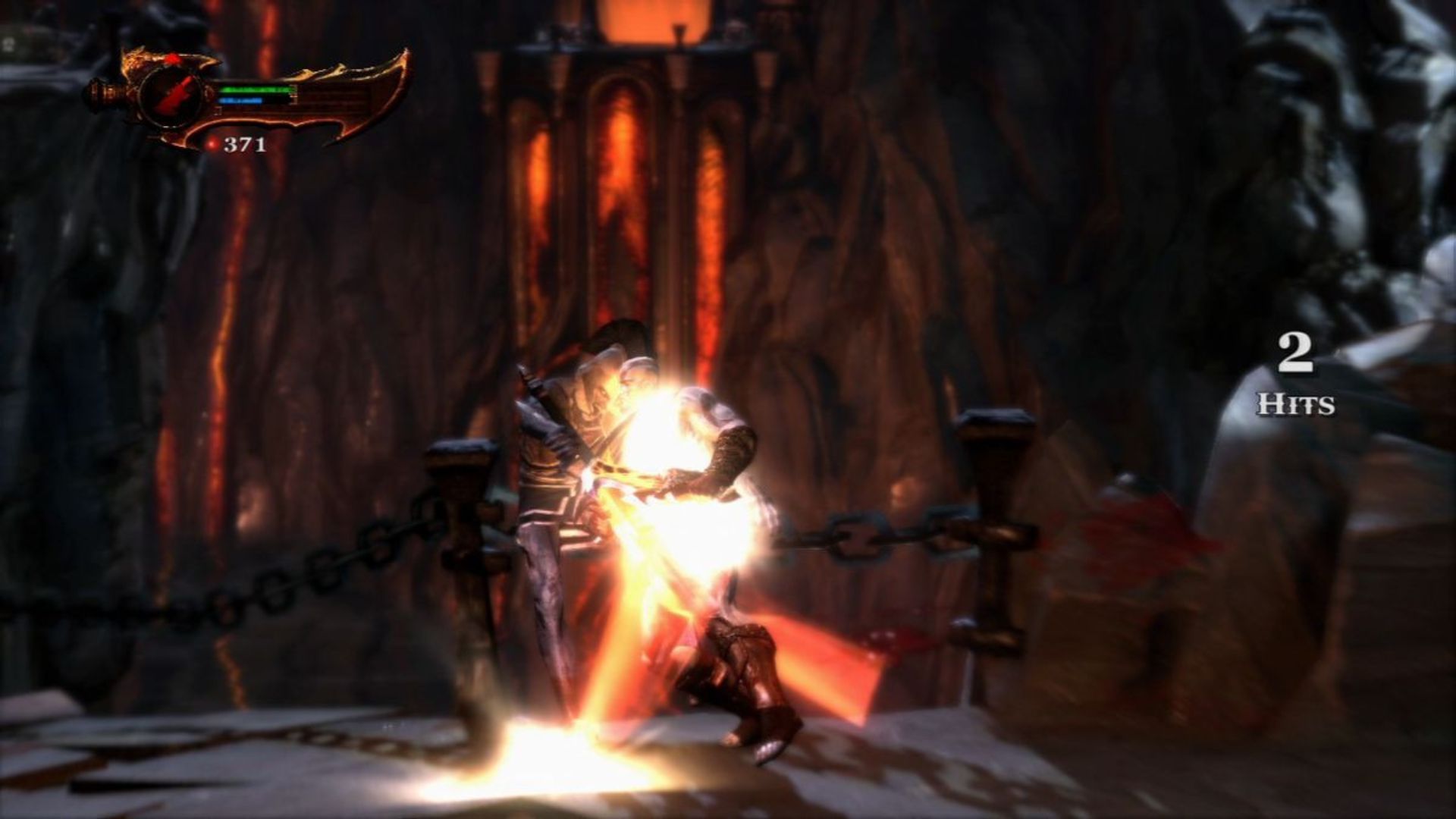
In the world of God of War, no character faces death as often as Kratos. Throughout the initial Greek games, he was killed and sent to the Underworld repeatedly, but he always relentlessly battled his way back to life. Whether it was being pierced by the powerful Blade of Olympus or plummeting from the highest heights, Kratos wouldn’t find peace until he achieved his revenge.
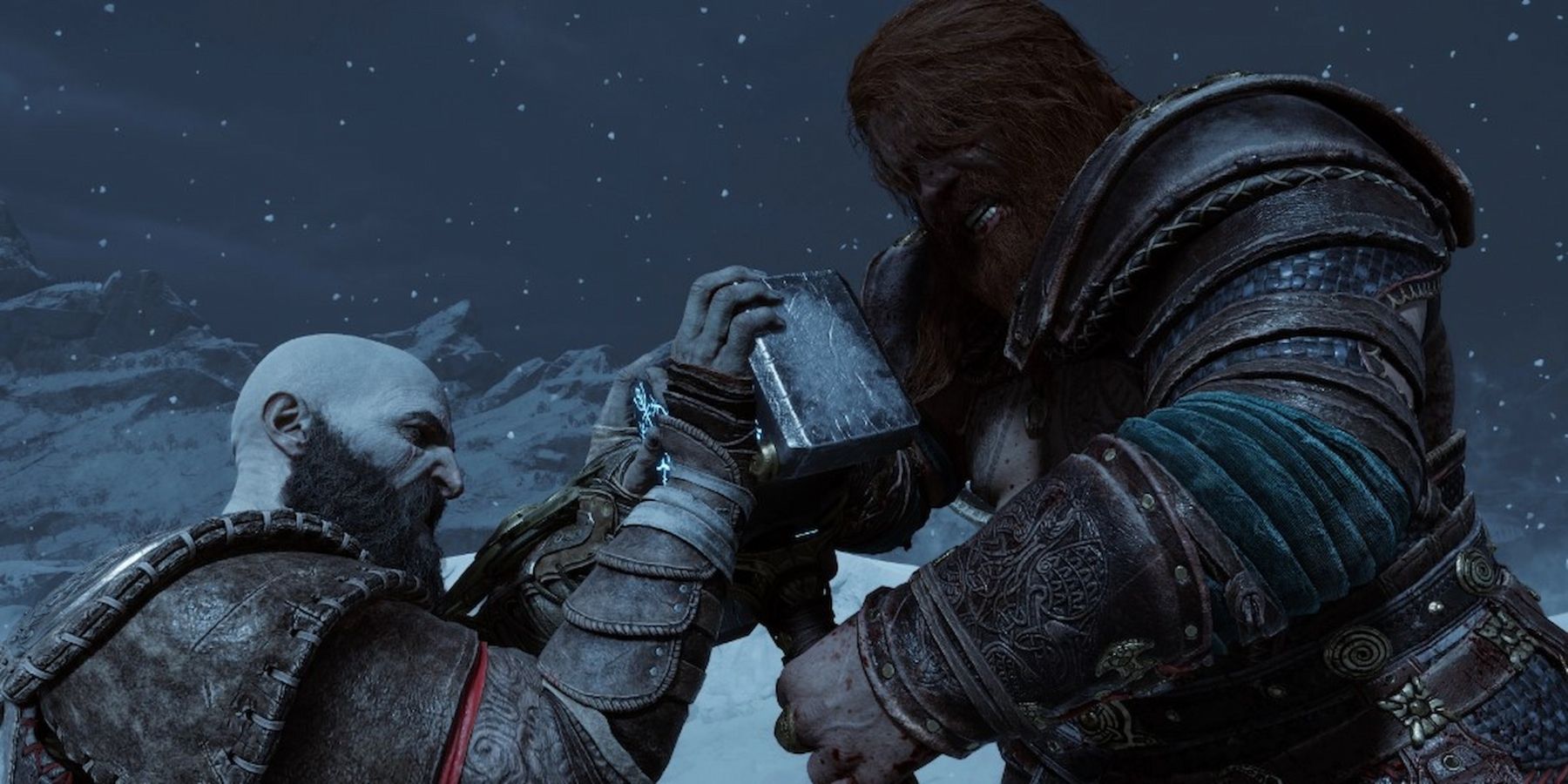
In the Norse saga, a prime example of this is Kratos’s battle with Thor in God of War Ragnarök. Early in the game, Thor actually defeats and kills Kratos, but then revives him with a lightning strike. While Kratos’s godly strength explains much of what he endures, the ability to simply come back to life diminishes the tension and impact of his actions.
Fiora—Xenoblade Chronicles
Just a Flesh Wound
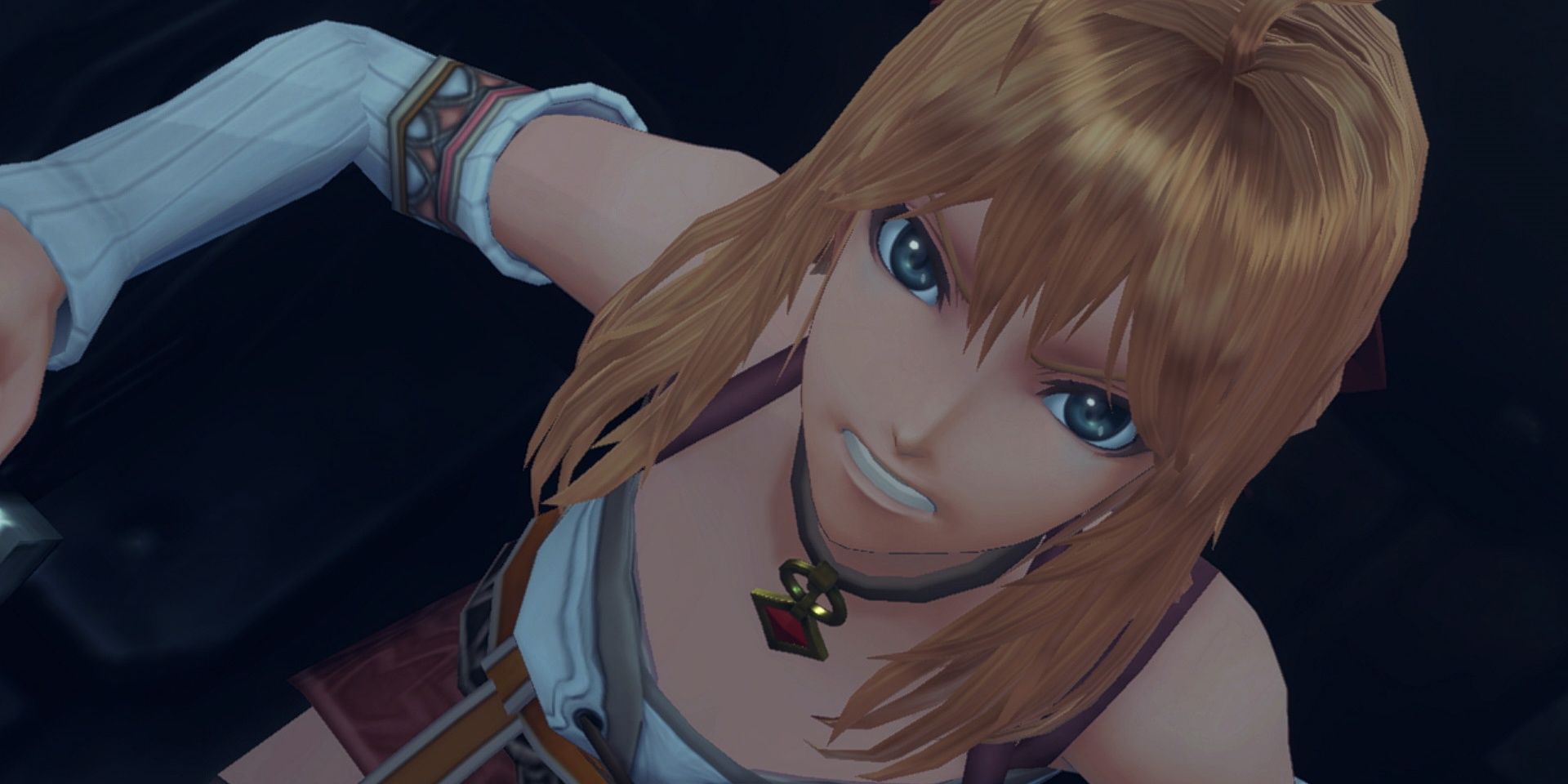
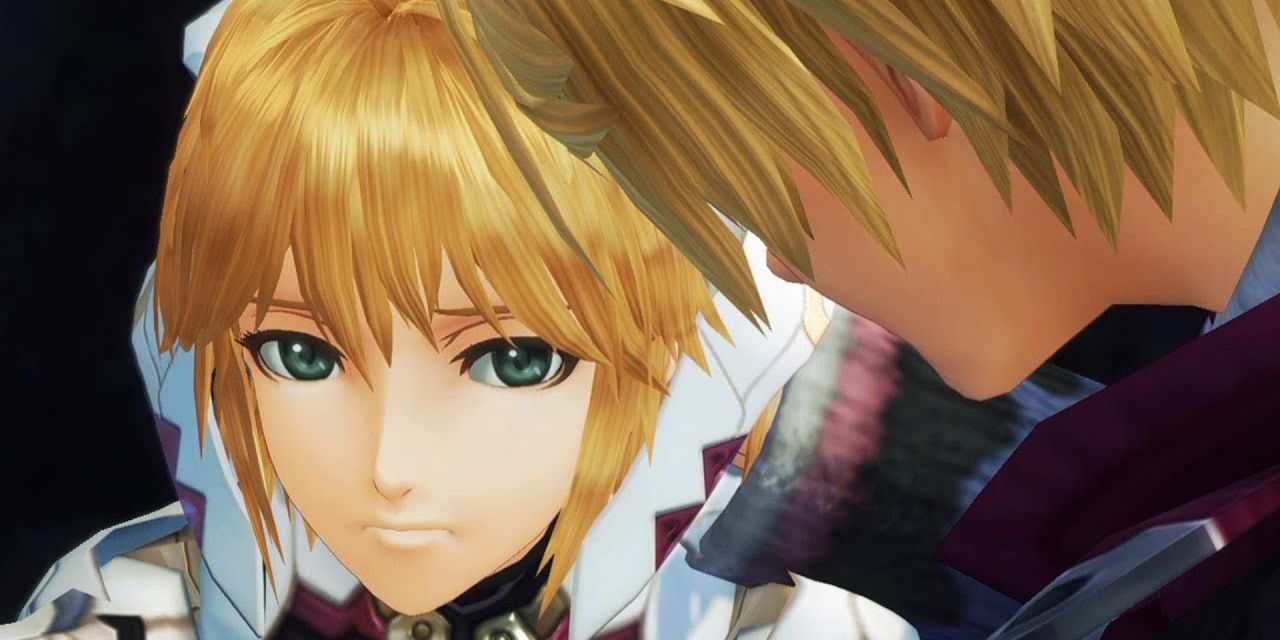
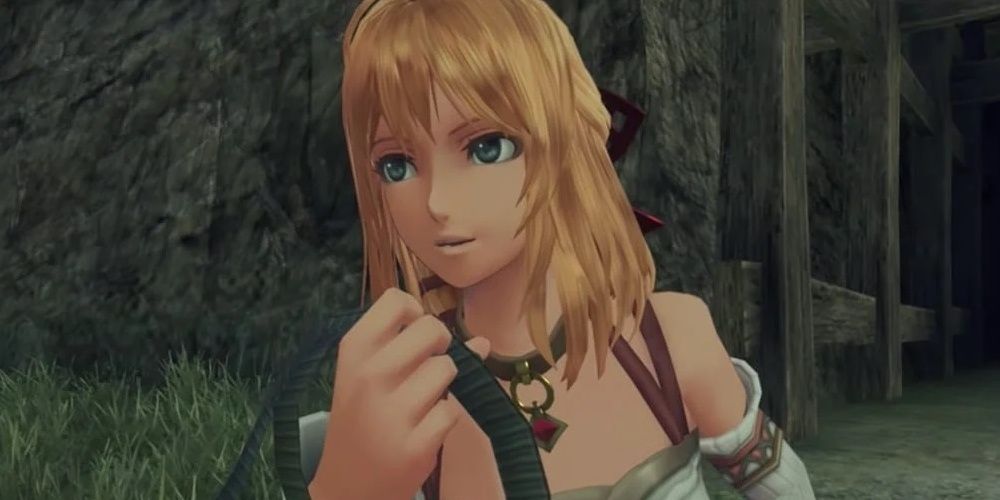
Fiora is Shulk’s friend from Colony 9, and in Xenoblade Chronicles, she mainly functions as a love interest and a way to move the plot forward. She appears to be killed early in the game during an attack, with her body taken by the enemy. This event is the main reason Shulk begins his journey for revenge, driving much of the game’s story.
It turns out she didn’t actually die. Her spirit lived on and was placed inside a robotic body, forcing her to control the Face Nemesis. Even though she suffered wounds that should have killed her, she continued to appear throughout the story and eventually returned to her friends as a cyborg.
After returning, Fiora’s health rapidly declines, and her body begins to fail. Despite this, she bravely fights in incredibly difficult battles against powerful, otherworldly beings. Ultimately, Fiora fully recovers and is restored to her original form, rejoining Shulk. Thankfully, even with this dramatic storyline, Xenoblade Chronicles remains a top-tier open-world RPG on the Nintendo Switch.
Read More
- NTE Drift Guide (& Best Car Mods for Drifting)
- All Aswang Evidence & Weaknesses in Phasmophobia
- Where to Find Prescription in Where Winds Meet (Raw Leaf Porridge Quest)
- Conduit Crystal Location In Subnautica 2
- Diablo 4 Best Loot Filter Codes
- How to Get Necrolei Cyst & Strong Acid in Subnautica 2
- How to Get the Wunderbarrage in Totenreich (BO7 Zombies)
- Boruto: Ikemoto Has Already Hinted At Sasuke’s New Eye After Return
- Best Burst & Full Auto Builds for the M16A4 in BF6
- USD RUB PREDICTION
2026-05-01 07:09