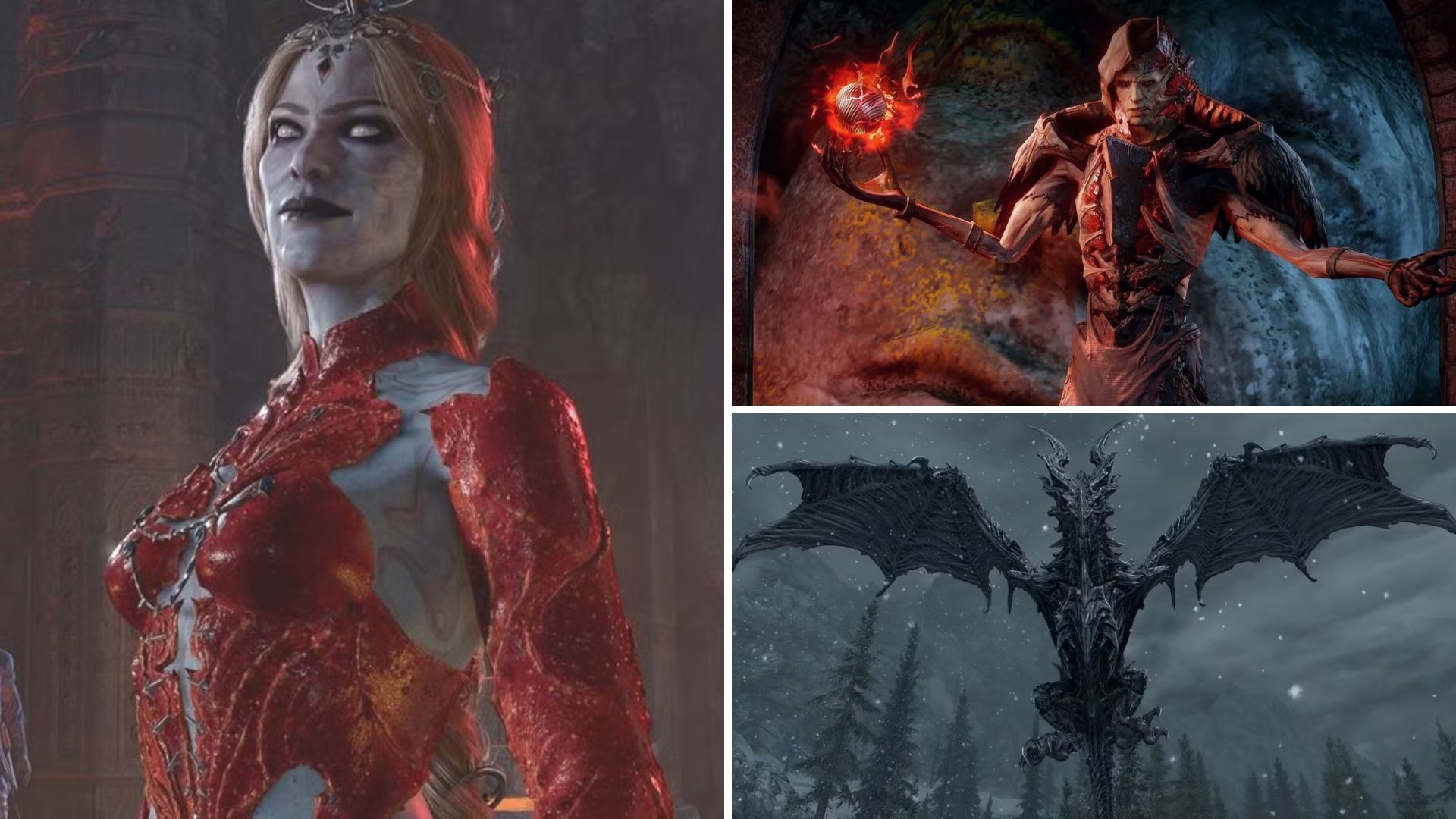
Role-playing games often put players on a path of transformation, whether becoming a hero or a villain, and a key part of that is confronting a powerful enemy. This main villain can take many forms. Sometimes, they act as a reflection of the player’s character, showing what could have happened if different choices were made. Other times, the villain is deeply connected to the game’s story and explains the history or nature of the world itself.
The best video game villains stay with you long after you finish playing. When we spend dozens of hours in a game’s story, we hope for a memorable villain who makes the experience truly worthwhile. Unfortunately, that doesn’t always happen, and sometimes the villains don’t quite measure up to the rest of the game.
We’ve compiled a list of 10 RPG villains who just didn’t leave a lasting impression. These are the bad guys you often forget are even the central threat, feeling more like minor annoyances than major obstacles in your adventure.
10. The Witcher 3: Wild Hunt
Eredin
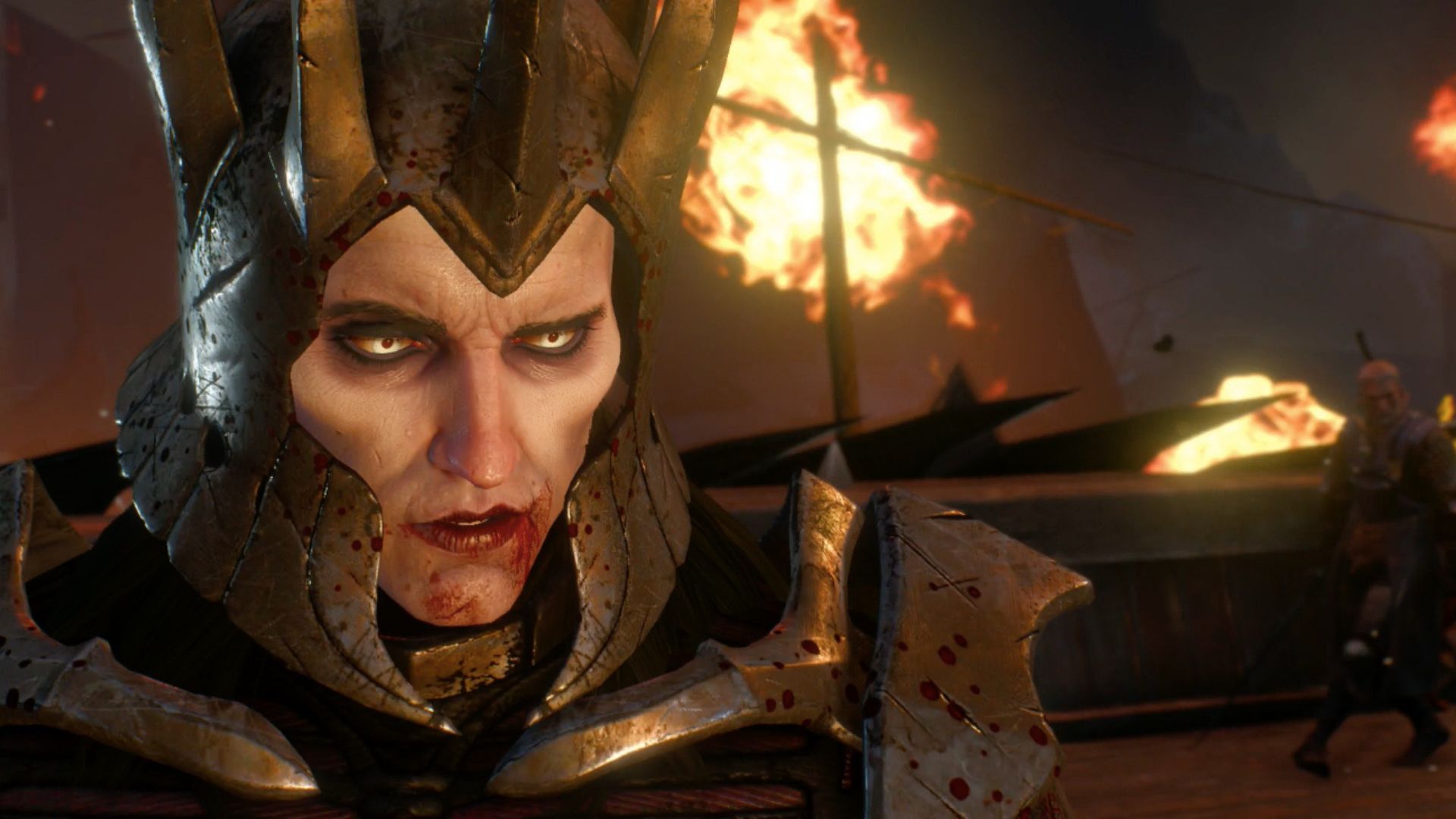
Many consider The Witcher 3: The Wild Hunt to be one of the best role-playing games ever made, despite its somewhat underwhelming main villain. Eredin leads the Wild Hunt, a group Geralt actually encountered as a prisoner before the first game. Now, they’re pursuing Ciri because of her unique and powerful ‘elder blood,’ hoping it will allow them to travel through time and space.
Even though Eredin leads a group deeply connected to Geralt, he doesn’t feel like a personally driven villain. We never truly understand why he’s doing what he’s doing, and he ends up feeling like a generic, one-dimensional evil boss – which is a shame, considering how complex and well-developed the other villains in the game are.
9. The Elder Scrolls V: Skyrim
Alduin
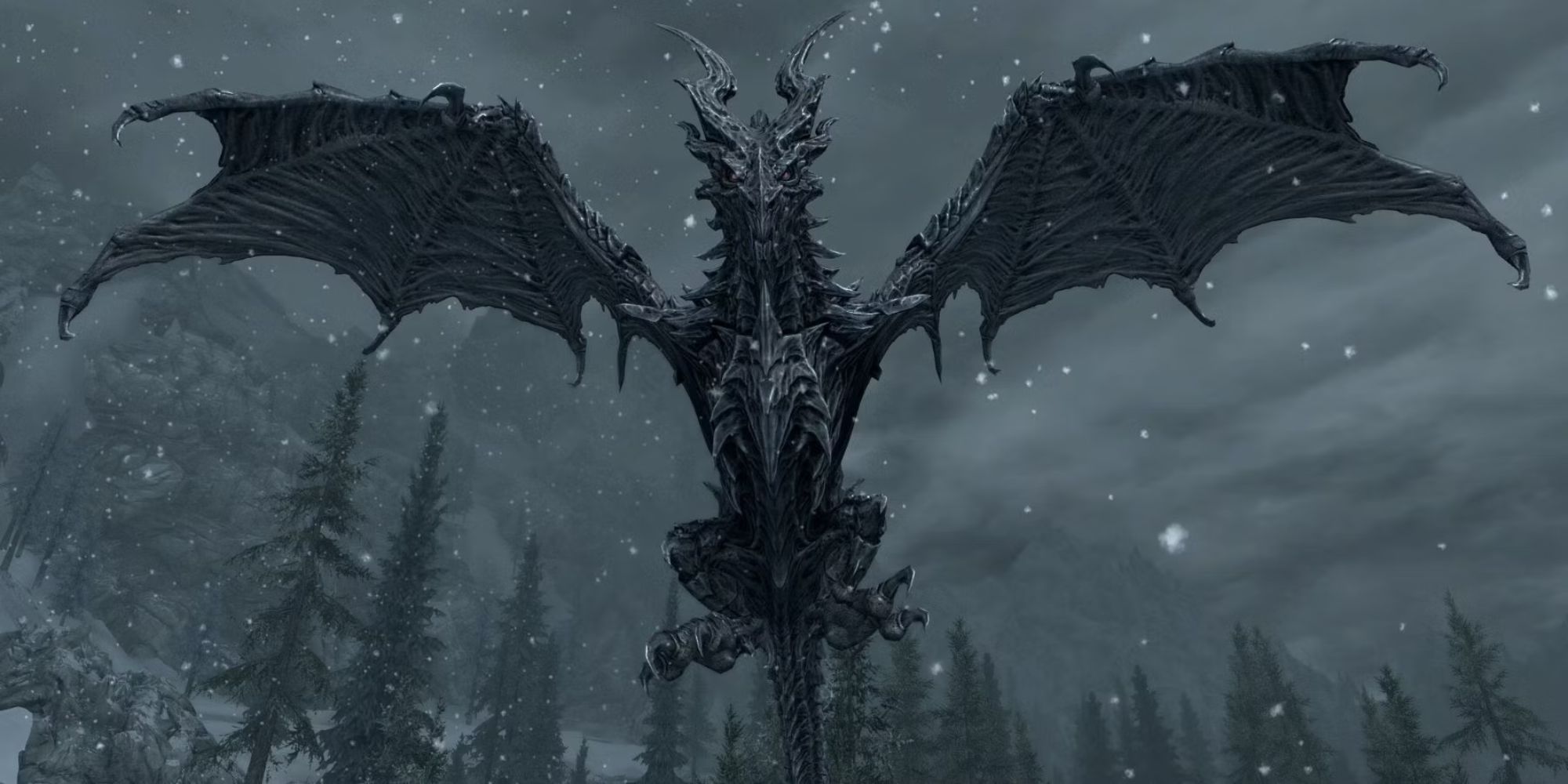
In The Elder Scrolls V: Skyrim, Alduin feels like a surprisingly weak main villain. He initially helps the player escape execution, but then largely vanishes for the rest of the game, making his impact minimal.
Skyrim is designed to let you play however you like, so it’s easy to spend hundreds of hours without ever finishing the main story. And when you finally do complete it, the story itself isn’t very memorable.
The game sets Alduin up as an incredibly powerful, world-ending threat – a being who wants to become the next god of the mortal world. However, the actual fight against him feels surprisingly ordinary. You basically yell at him to land, then attack him with your sword, just like you would with any other dragon in the game.
8. Assassin’s Creed Odyssey
Aspasia
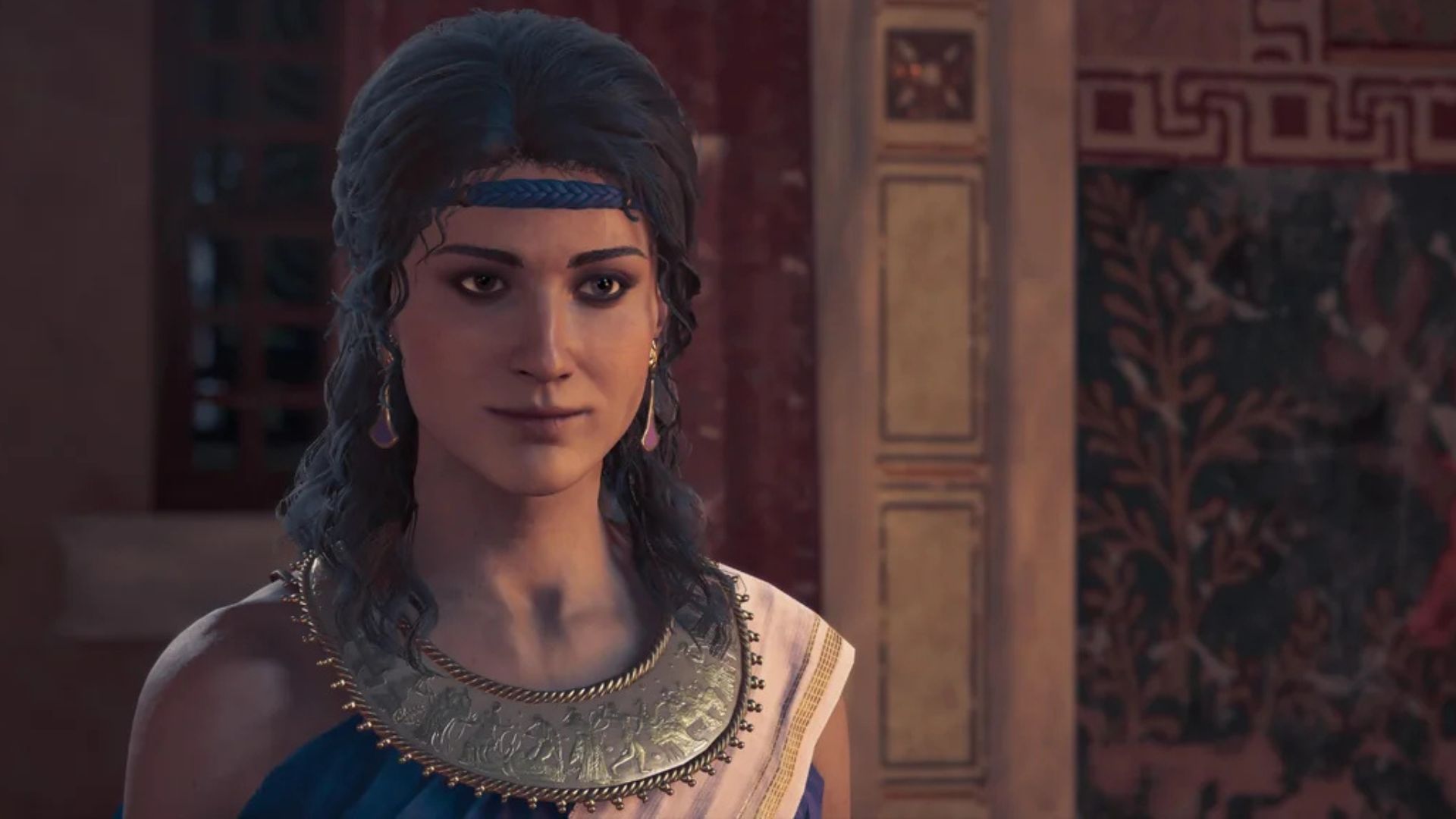
Assassin’s Creed Odyssey features a number of antagonists, but Aspasia stands out as particularly confusing. It’s similar to having a villain like Adachi from Persona 4 still be the main threat, but with far fewer opportunities to get to know him or understand his motivations before the big reveal.
Aspasia, the wife of Perikles, appears occasionally to introduce you to important people and help you find your mother. While this suggests she plays a significant role, she doesn’t actually make a strong impact during those crucial moments.
The game culminates in the reveal that Aspasia is the leader of the central cult, but this twist feels flat. She’s been a barely noticeable character throughout the story, making her reveal as the mastermind unsatisfying. The game then relies heavily on lengthy explanations, and if you choose to battle her, the final fight is surprisingly weak – especially compared to the option of pursuing a romantic relationship with her.
7. Mass Effect 2
Harbinger
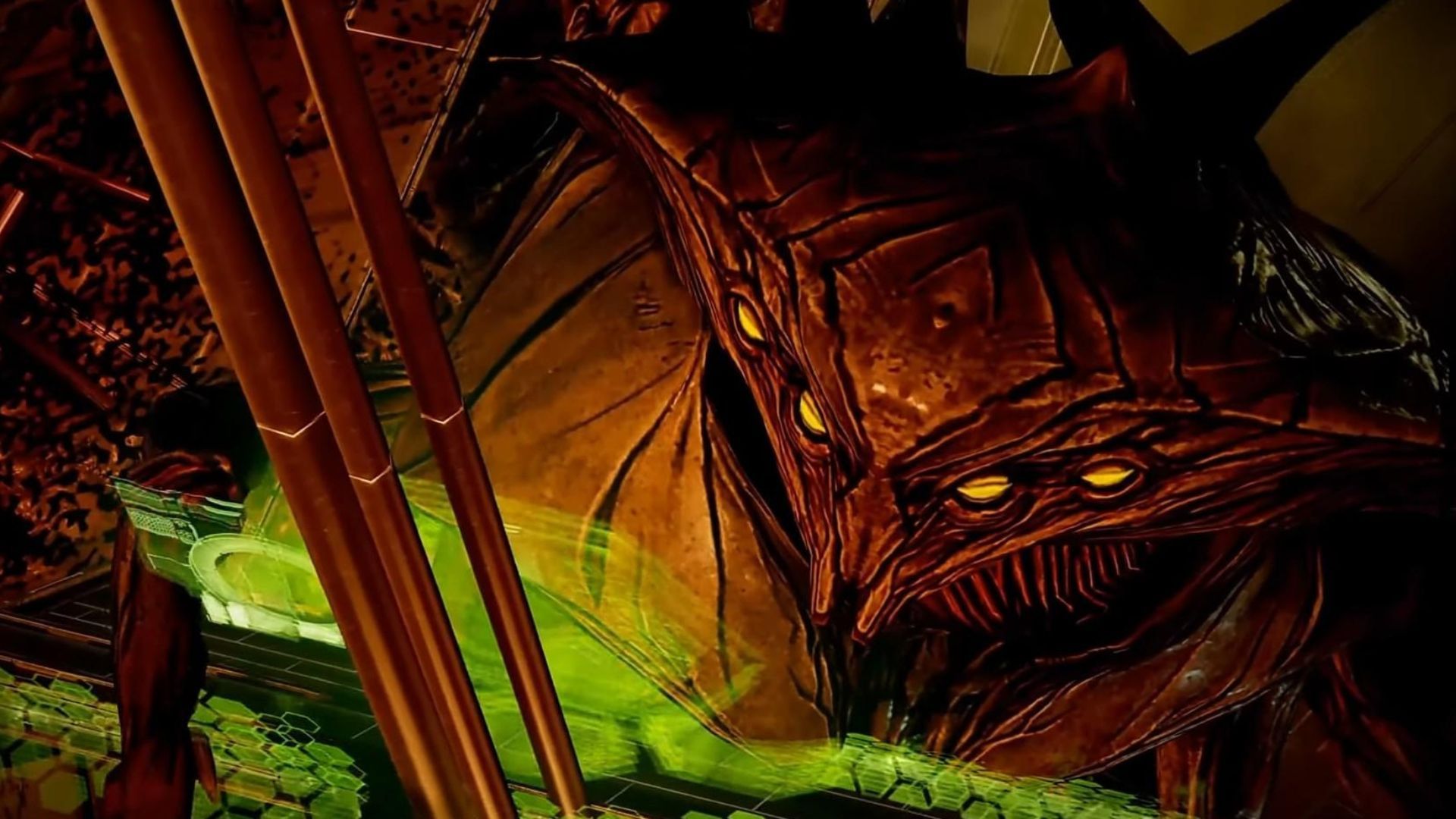
The Collectors in Mass Effect 2 are truly frightening and stand out as great villains. However, their leader isn’t as impressive, which is a shame considering how strong the rest of the group is.
It’s easy to miss this massive, gentle Prothean creature, as Shepard’s team never encounters it directly. This particular Collector General is actually a one-of-a-kind Collector being controlled by Harbinger, who uses it to exert significant influence over the entire Collector colony’s shared consciousness.
Harbinger has a unique ability: he can possess weaker enemies on the battlefield, turning them into projectile-throwing annoyances who also taunt you. It’s often easy to miss when he takes over someone, or even eliminate him before he can, which can make his appearances feel a bit comical.
However, there’s a poignant scene where Harbinger loses control of the unsettling Prothean, and the creature seems to briefly become aware before it dies. Unfortunately, we don’t actually see this moment of clarity, which makes the Prothean’s presence feel somewhat unnecessary.
6. Fable II
Lucien
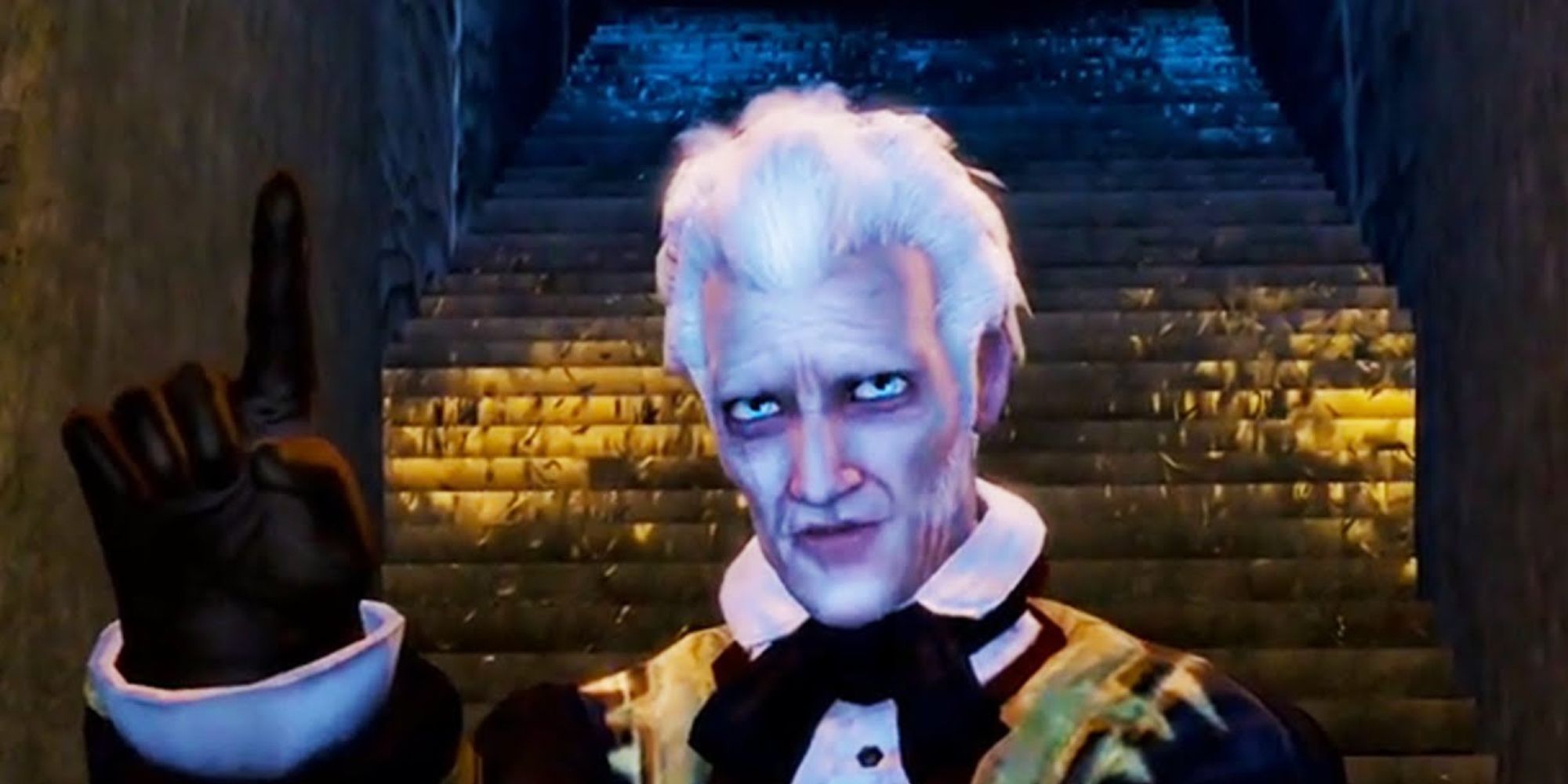
Lucien is a compelling villain with a tragic backstory. He’s committed terrible acts – he killed your sister, shot you as a child, and even boasts about harming your family – all driven by his desperate attempt to resurrect his own deceased child. His actions stem from overwhelming grief and a twisted desire to ‘purify’ the kingdom of Albion, highlighting how devastating loss can corrupt a person.
The idea had potential, but Fable 2 doesn’t fully explore it. Unfortunately, instead of showing the character’s breakdown, he simply isolates himself, becoming disconnected from the main story.
To make things even worse, the final boss fight is incredibly underwhelming. You just have to press a single button to shoot him, and if you’re too slow, another character automatically finishes him off. This character is supposedly important and powerful, but the game never actually shows us why.
5. Fallout 3
President Eden
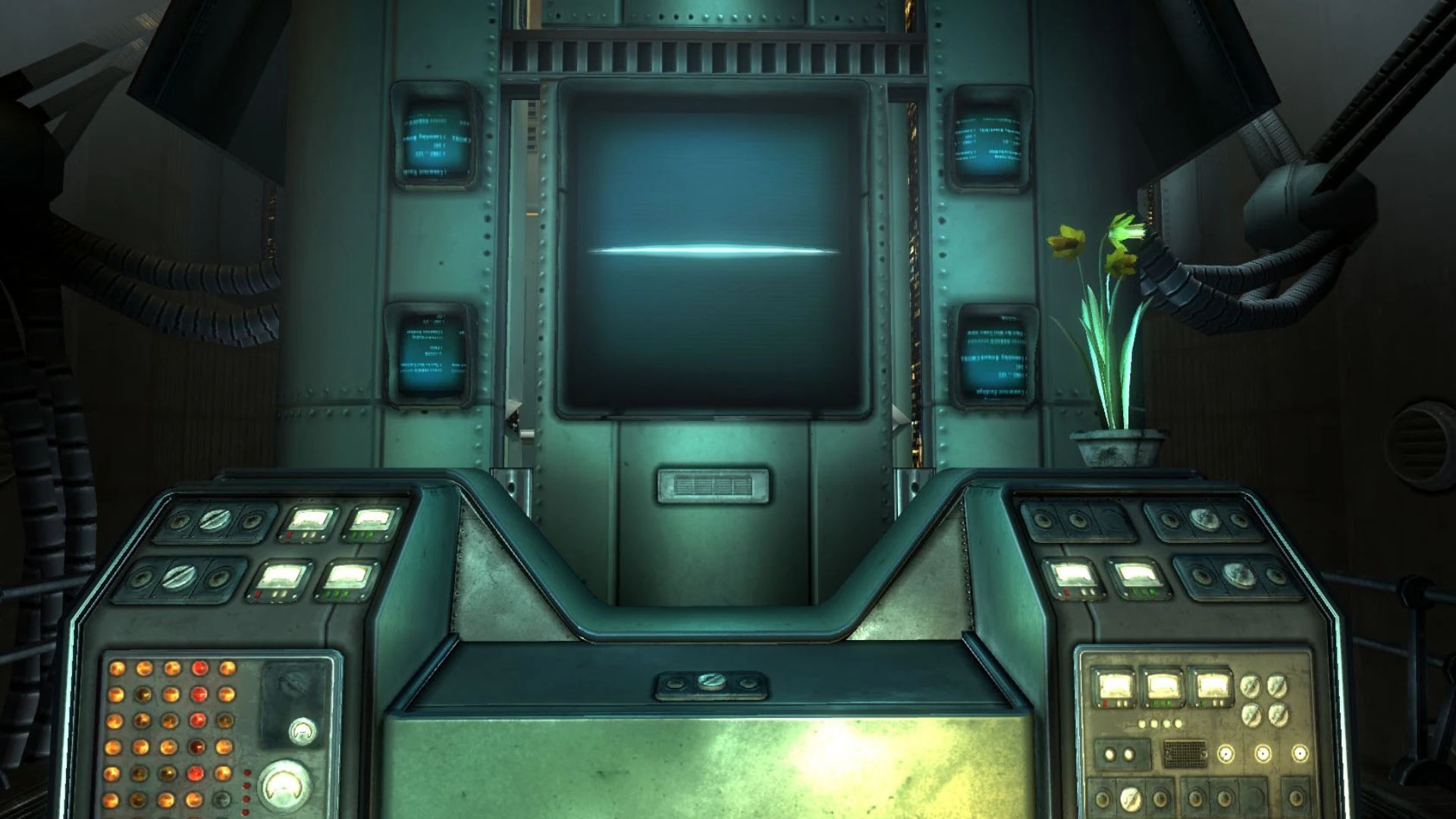
Fallout 3’s portrayal of The Enclave and its leader, President Eden, isn’t particularly impressive. In fact, there’s not much positive to say about it.
To be honest, I rarely think about President Eden. You can hear his broadcasts on your Pip-Boy, but they’re so dull that most players quickly tune back to Three Dog. Plus, our only significant encounter with him is at the Enclave headquarters.
Honestly, President Eden just didn’t stick with me as a villain. He felt way too similar to The Master from the first Fallout – it’s like they took the same basic idea and warmed it up. The whole thing is he’s an AI copy of the original President Eden from before the war. It made our choices feel kinda hollow. We could either mess up his big project by taking a virus, straight-up delete him by shooting his computer, or talk him into shutting himself down. None of it felt like it really mattered, you know?
This group, known for being troublemakers in the Fallout universe, doesn’t make much of an impact, and it really shows how the story in Fallout 3 could have been stronger.
4. Dragon Age: Inquisition
Corypheus
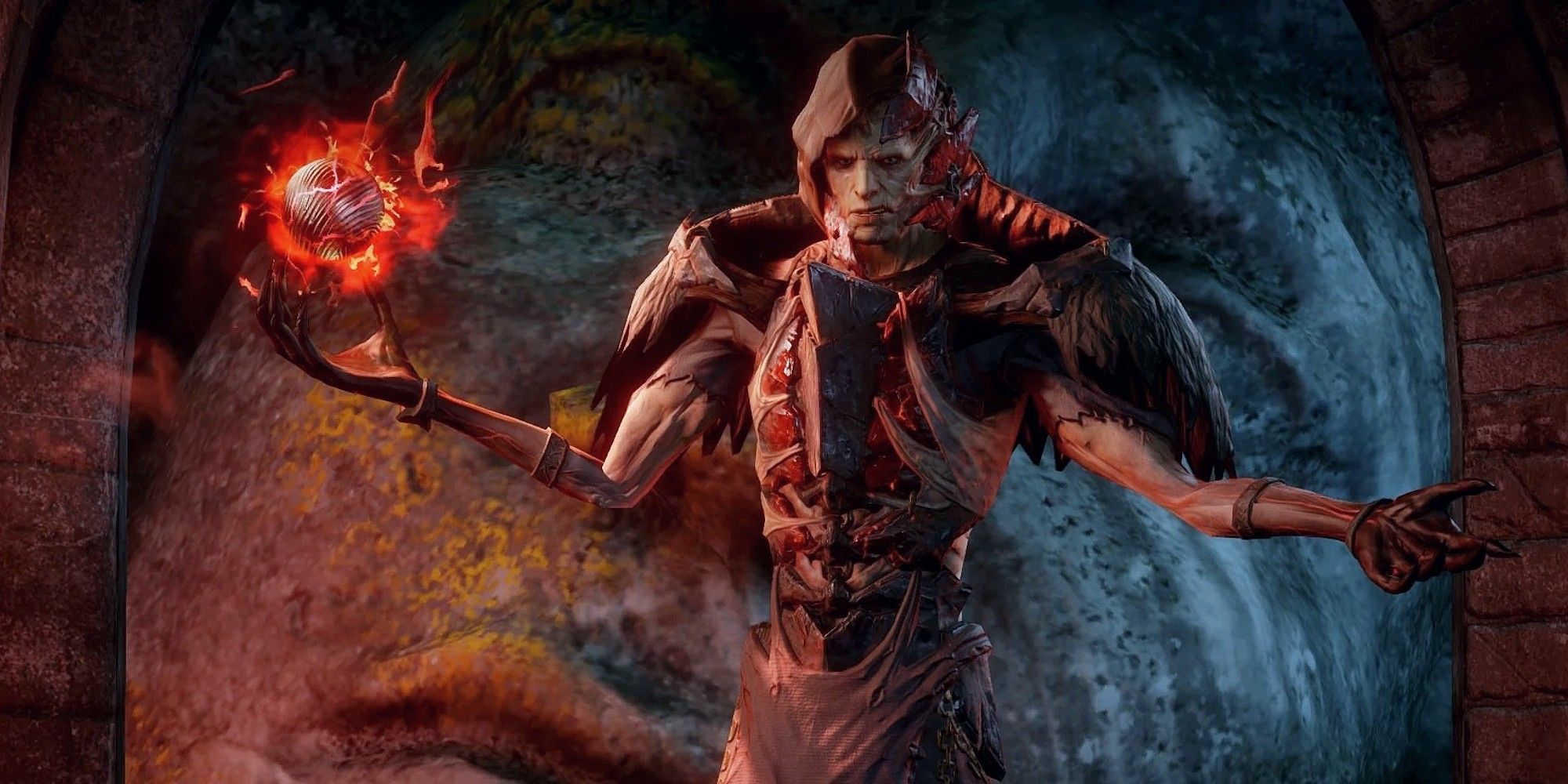
Dragon Age: Inquisition is often considered the best game in the Dragon Age series, and I agree. However, while the game is fantastic overall, the villain feels a bit simplistic, like something you’d find in a kids’ cartoon.
Corypheus is set up as an incredibly powerful villain – the game builds him up with a major questline showing the consequences of his return, hints in a previous game about his potential, and a dramatic introduction. However, once you actually face him, he turns out to be surprisingly ineffective. Almost all of his schemes are thwarted by the Inquisition, and it’s difficult to recall a time he truly succeeded after the initial events at Haven. We consistently stay one step ahead of him, even easily defeating his powerful dragon, making him feel less like a grand threat and more like a recurring inconvenience.
Corypheus starts strong with a fantastic speech at Haven, but unfortunately, he loses steam and never quite lives up to that initial impression.
3. Baldur’s Gate 3
Orin

As a huge Baldur’s Gate 3 fan, I have to say the game is packed with amazing villains, but if I’m being honest, Orin just didn’t grab me as much as the others. Unless you chose the Dark Urge origin, her role feels a little disconnected from the main story. She’s one of the big bads – part of The Dead Three trying to take over the world through the Cult of the Absolute – but I didn’t find her as compelling as the other villains.
Subscribe to the newsletter for sharper RPG villain analysis
We don’t learn much about Orin until Act 3, and it quickly becomes clear that her group is just a temporary alliance, with each member secretly working against the others. We also find out that the character we know as the Bhaalspawn was originally planned to be a different character, the Dark Urge, whom Orin tried to kill before the game’s story began.
Unfortunately, even with everything going on, Orin mostly feels like a frustrating villain designed to bother you in the final act. Despite kidnapping and possibly killing a companion, she doesn’t quite live up to the expectations the game created for her.
2. Star Wars: Outlaws
Sliro Barsha / Jaylen Vrax
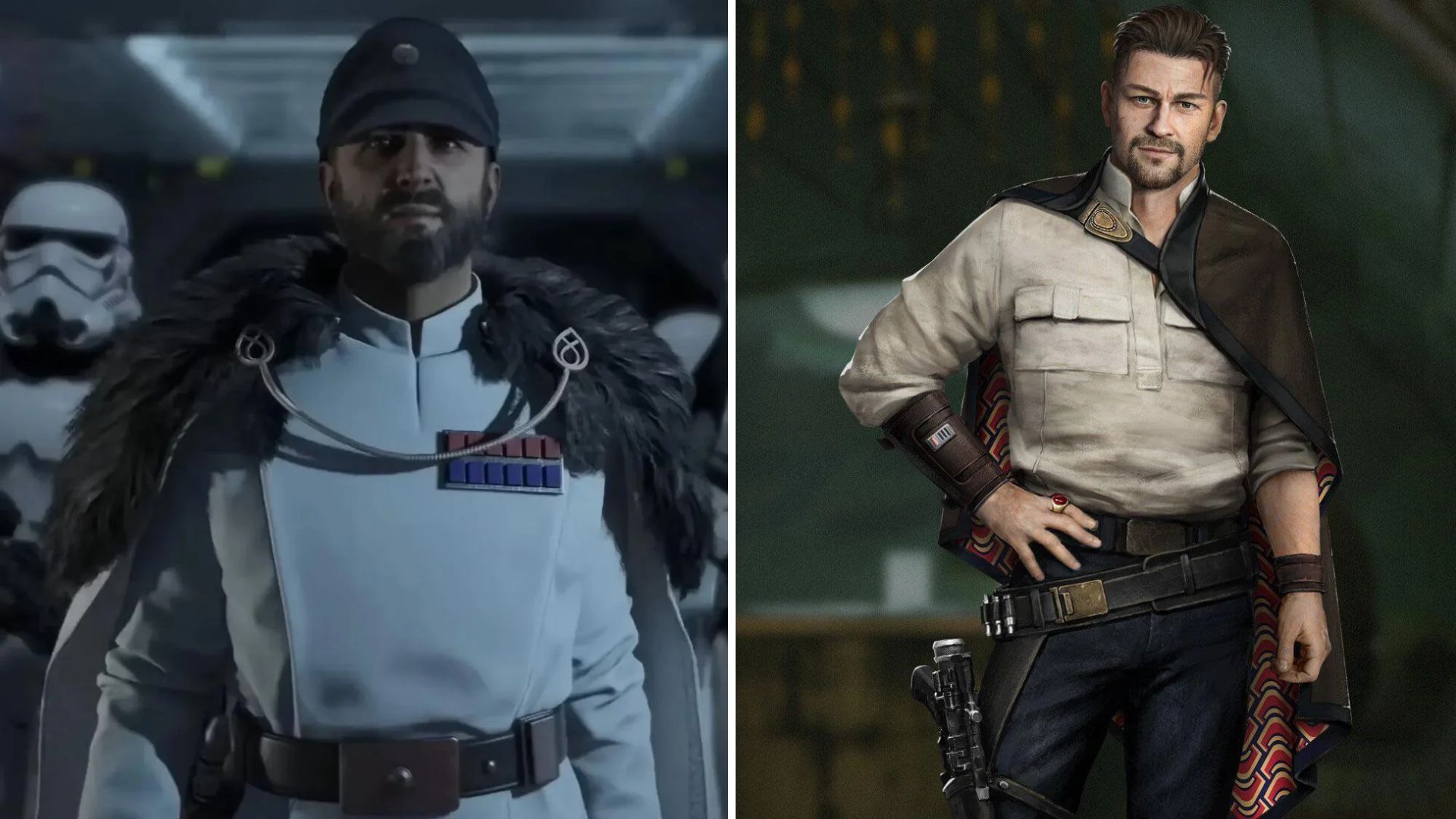
I think Star Wars: Outlaws is a solid game that doesn’t get enough credit, but its villains are unfortunately bland and unoriginal.
We’re introduced to Sliro Barsha, a rising crime boss quickly gaining power. After a failed attempt to break into his secure vault, we’re approached by Jaylen Vrax, a mercenary who also wants what’s inside.
Following a series of chaotic events and assembling a team to crack the vault, we found out Sliro Barsha is secretly a director at the ISB. We also discovered that Jaylen is Sliro’s long-lost brother, and he’s plotting to take over his brother’s criminal organization.
Because we don’t get to know these characters well, their conflict feels sudden and it’s hard to care about what happens. This makes them and their story twists ultimately unremarkable and easy to forget.
1. Cyberpunk 2077
Saburo Arasaka
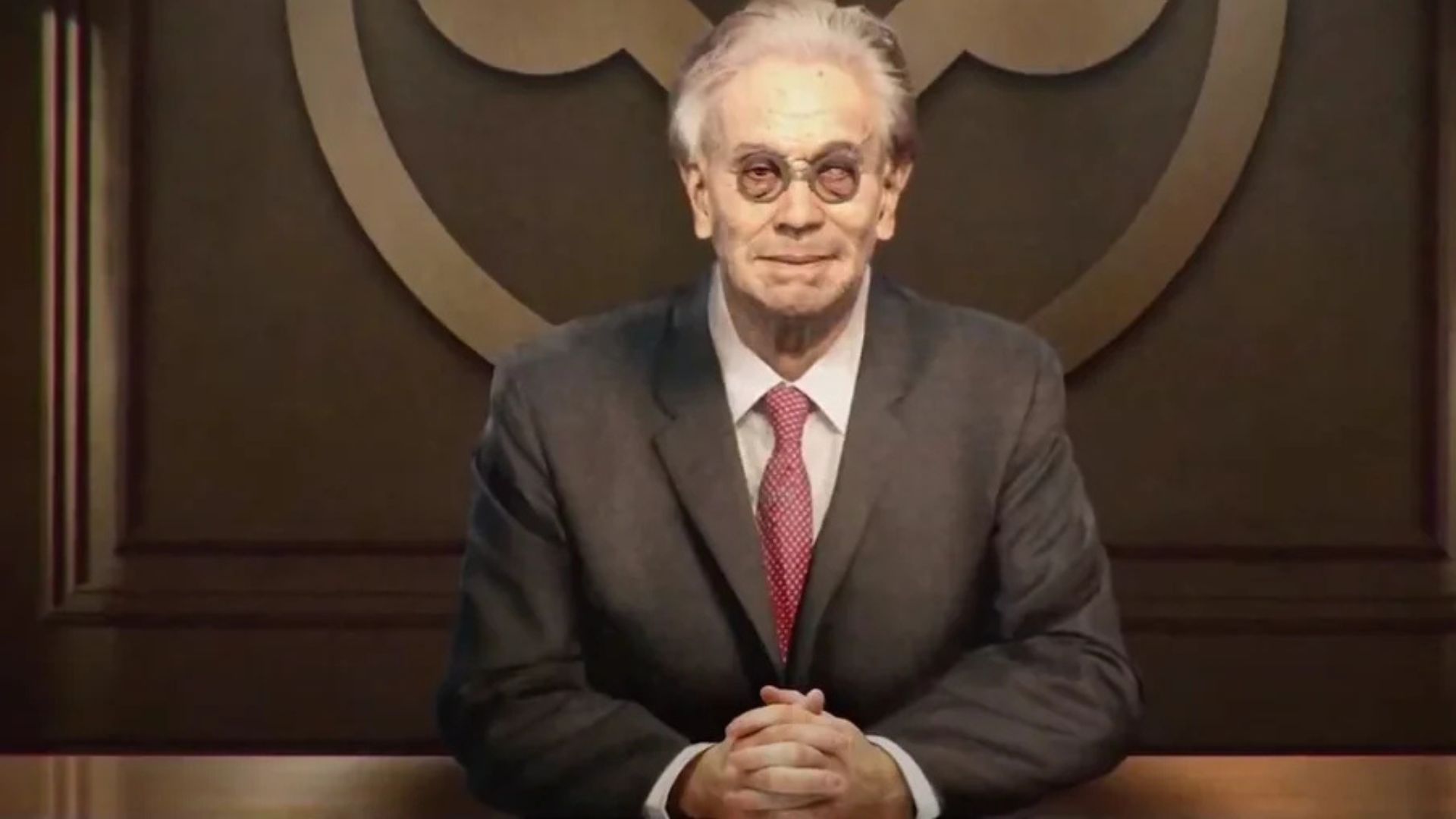
Whether Saburo Arasaka is a truly memorable villain is debatable. In Cyberpunk 2077, he doesn’t appear enough for players to fully connect with him as a threat. Much of his backstory and interesting details are hidden in notes and supplementary materials found throughout the game. Personally, I believe he deserves recognition simply because important story elements shouldn’t be hidden away in collectibles.
Considering his company’s huge role in the game’s story and world, you’d expect this character to be more central to the narrative. Unfortunately, after his early death, we don’t really interact with him personally. However, because of his work on immortality, his digital ghost still influences the game. Ultimately, though, the corporation he leads, Arasaka, becomes more important than he is, and he doesn’t leave a lasting impression on the story.
Read More
- Re:Zero Season 4, Episode 6 Release Date & Time
- NTE Drift Guide (& Best Car Mods for Drifting)
- How to Get the Wunderbarrage in Totenreich (BO7 Zombies)
- How to Beat Turbines in ARC Raiders
- How to Get Necrolei Cyst & Strong Acid in Subnautica 2
- Diablo 4 Best Loot Filter Codes
- Alan Wake Event in Phasmophobia, Explained
- Top 8 UFC 5 Perks Every Fighter Should Use
- How to Craft Repair Tools in Subnautica 2
- USD RUB PREDICTION
2026-05-17 00:42