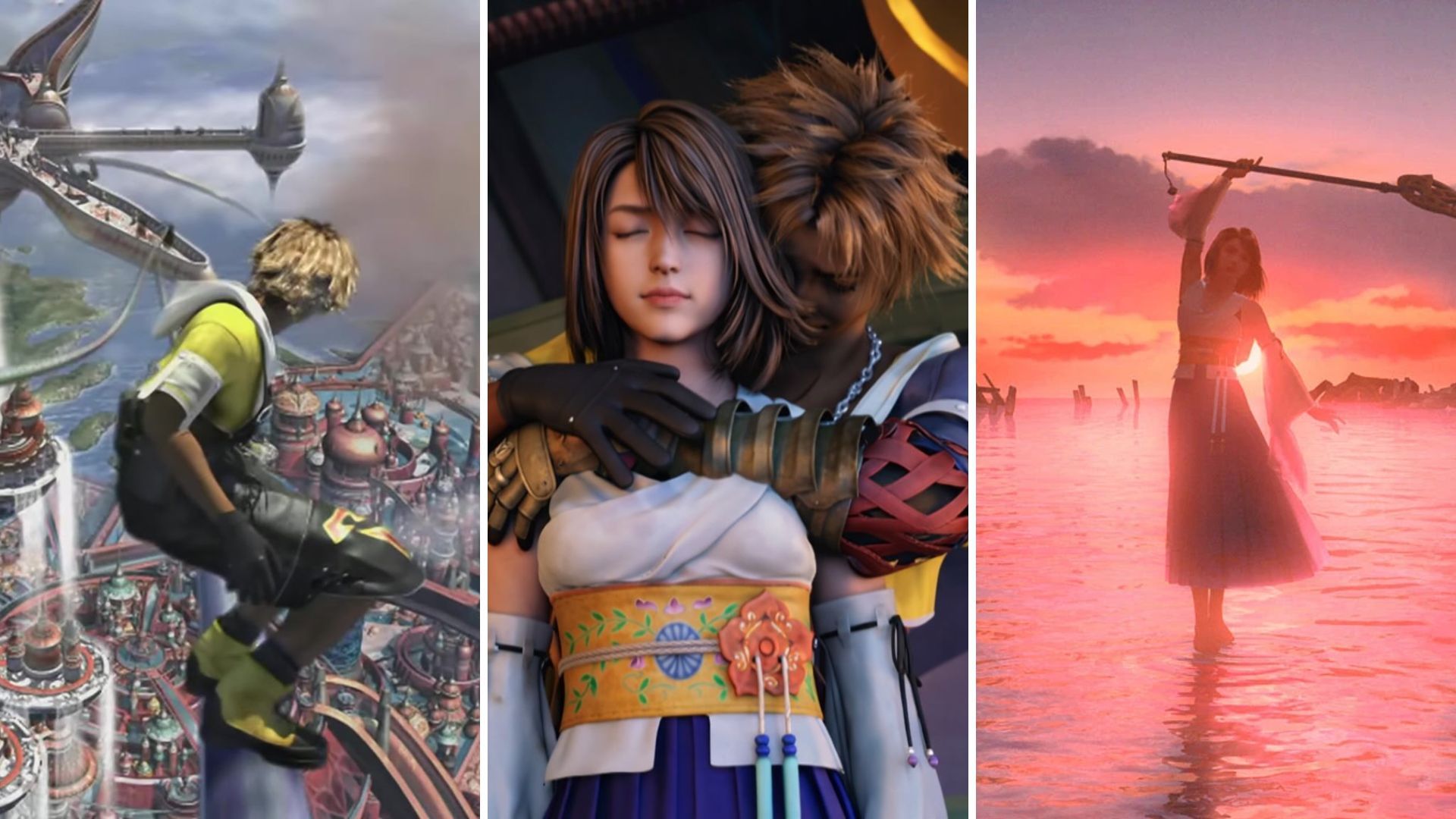
If you were a fan of Final Fantasy in the early 2000s – between 2000 and 2002 – it was an exciting time! Those years brought three incredibly important games to the series. Final Fantasy IX was a nostalgic return to the classic style of Final Fantasy, and it marked the last time the series creator, Hironobu Sakaguchi, was directly involved. Meanwhile, Final Fantasy XI boldly launched the franchise into the world of online multiplayer games, laying the groundwork for the later success of Final Fantasy XIV.
Between those two games came Final Fantasy X, which fundamentally changed both the Final Fantasy series and the gaming landscape as a whole. X introduced numerous improvements, large and small, and executed them so brilliantly that it remains highly acclaimed as one of the greatest games ever made. Today, we’ll explore exactly what Final Fantasy X contributed to the world of gaming.
10. The First Final Fantasy in Full 3D
No Pre-Rendered Backgrounds Here! No Sir!
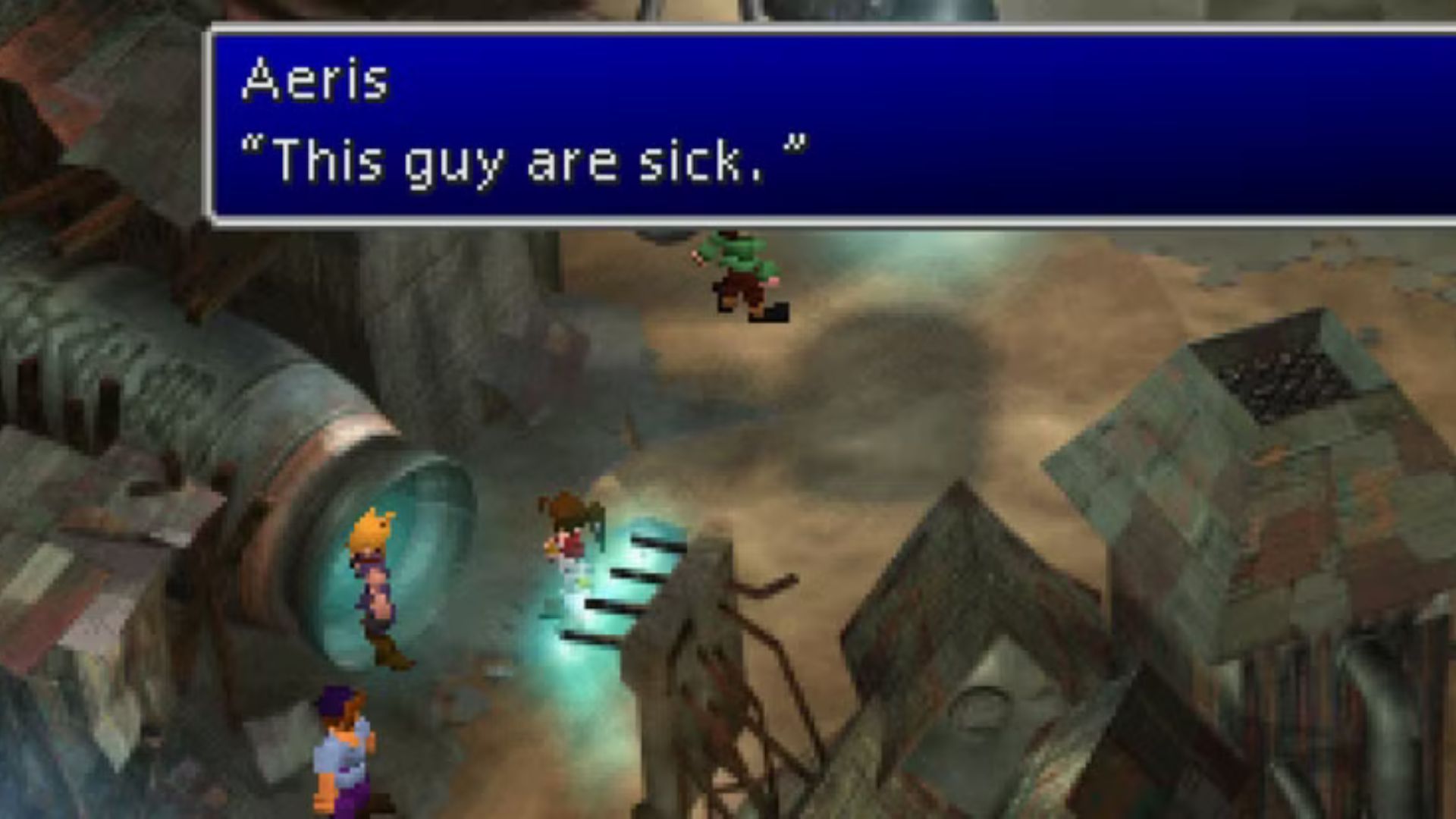
It’s easy to forget, given how much better Final Fantasy games looked on the original Playstation compared to earlier games, that they weren’t fully 3D. The backgrounds were created in 3D and then turned into 2D images, with 3D characters moving on top. The Playstation was capable of rendering full 3D environments, but even with the backgrounds pre-rendered, Final Fantasy VII still needed three whole discs!
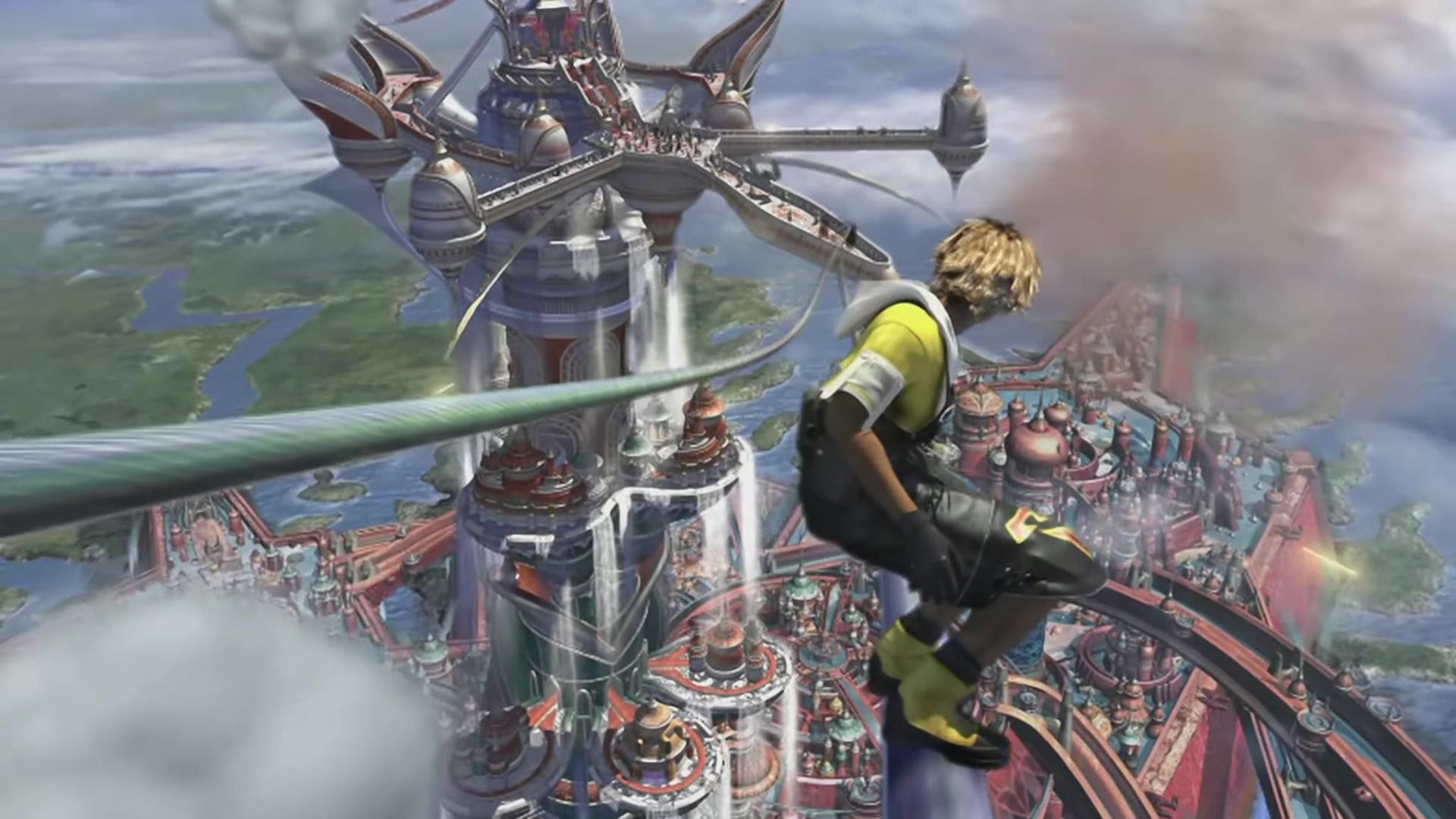
The PlayStation 2 allowed the developers to create the world of Spira entirely in 3D without needing to make any sacrifices. While it wasn’t as open and expansive as a game like Grand Theft Auto III, Final Fantasy X featured a story that took players to so many different environments that a fully open world wouldn’t have been practical. Instead, the areas they did create were incredibly detailed and varied, making them feel much more realistic and engaging.
9. Giving Voices to the Previously Voiceless
And What Voices, Too!
Steam
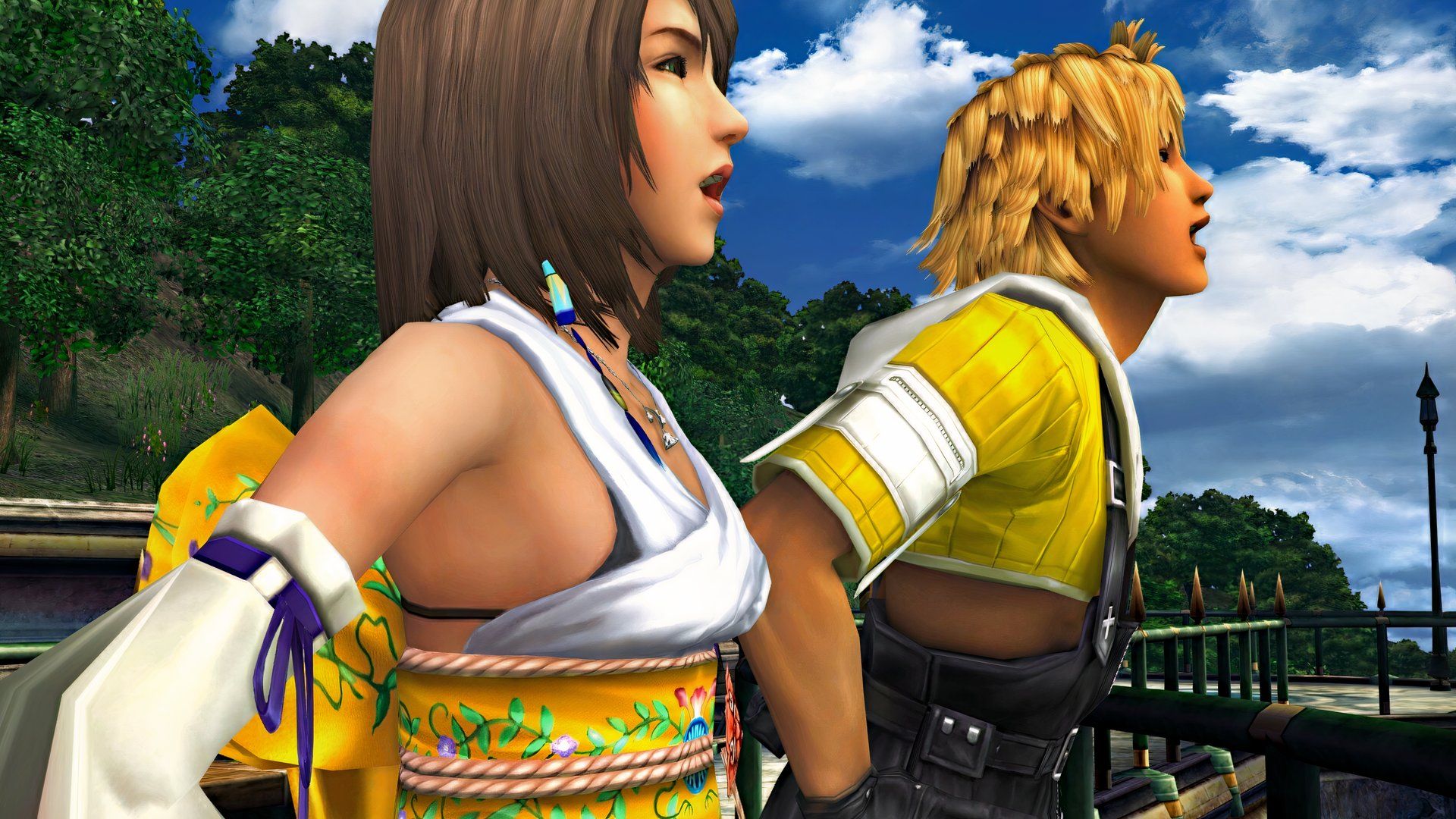
Most fans know that Final Fantasy X was the first game in the series to include complete voice acting. While it wasn’t the very first game ever to do so, previous attempts often used amateur voice actors – you could say people who weren’t professional performers, like interns or staff members.
Square put a lot of effort into the voice acting for X, assembling a remarkable cast without relying on big-name Hollywood stars. The game featured talented voice actors like John DiMaggio (known from Futurama and Adventure Time), James Arnold Taylor (Star Wars: The Clone Wars), Paula Tiso (Dexter’s Laboratory), Tara Strong (Teen Titans Go!, Powerpuff Girls), and Michael McShane (Vampire Hunter D, Whose Line Is It Anyway?, and Robin Hood: Prince of Thieves), and that’s only a small part of the impressive list. It’s surprising and adds a new layer to the game when you discover that Bender from Futurama actually voiced the character Wakka.
The game’s voice acting demonstrated the significant impact it can have on the gaming experience. And regarding that initial scene with the seemingly awkward laughter – it was intentionally designed that way, so there’s no need to question it!
8. The Sphere Grid Leveled Up Levelling Up
A New Way to Power Up
Final Fantasy Wiki
Occasionally, a game will change a familiar feature of its genre just for fun. Sometimes this leads to interesting changes—like when The Legend of Zelda used hearts instead of traditional hit points. But other times, it doesn’t quite work. A good example is the Junction System in Final Fantasy VIII. Even as a big fan of that game, I have to admit the magic system is just strange.
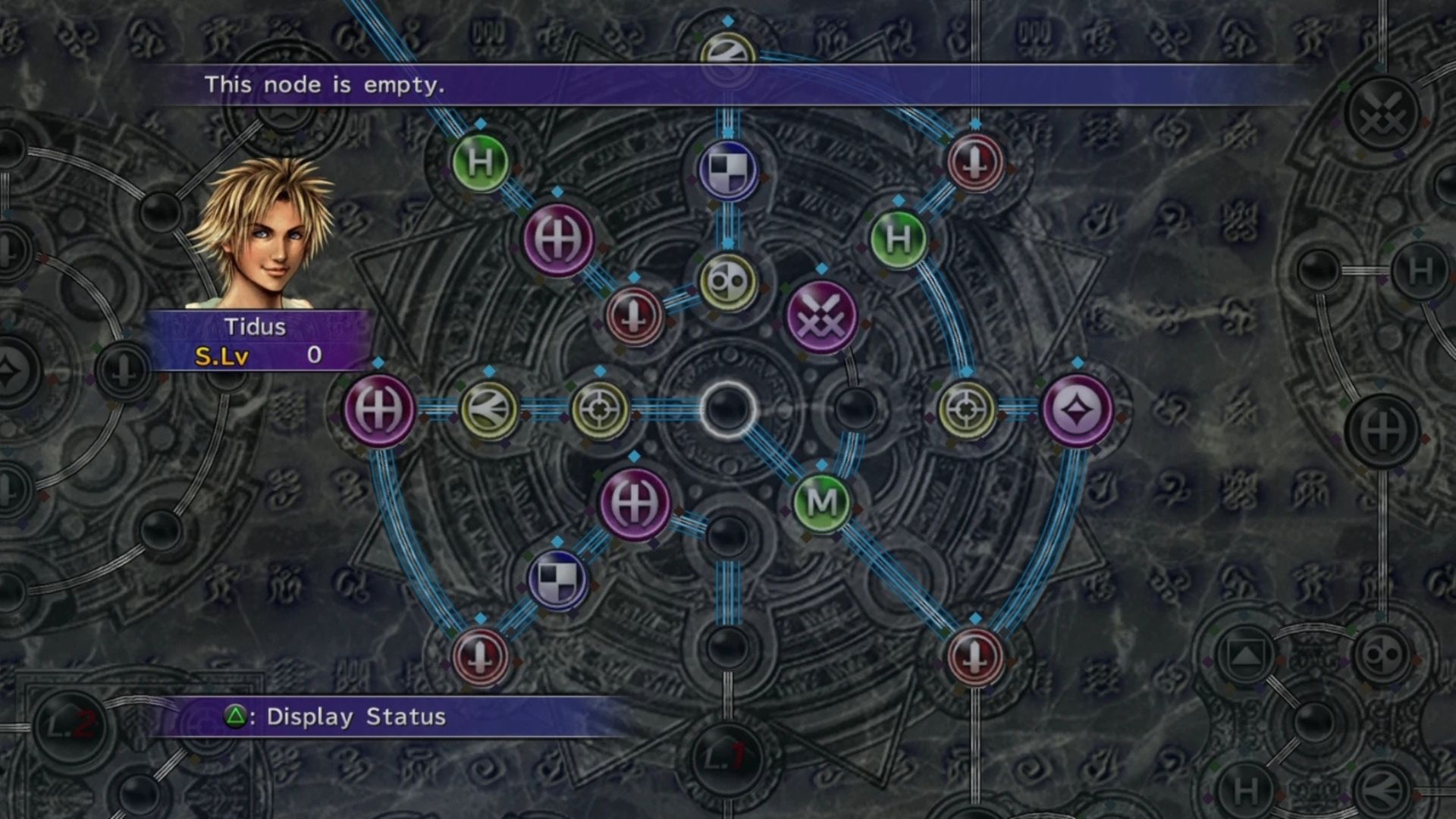
The character progression system in Final Fantasy X, called the Sphere Grid, is truly unique. It’s surprisingly both complex and easy to understand. Players earn points to unlock different abilities and stat boosts on a connected chart. What you unlock influences what else becomes available, creating a dynamic and engaging way to develop your characters – much more so than simply increasing stats at each level. It was a groundbreaking system when it was released, and it still feels innovative today.
Speaking of sphere…
7. More Than a Mini-game
Blitzball Could Have Been a Stand-Alone Game on Its Own
Steam
Final Fantasy VIII included Triple Triad, a detailed mini-game that felt like a real part of the game’s universe. Final Fantasy IX then offered Tetra Master, which was enjoyable but didn’t resonate with players as much. I honestly still don’t fully understand the rules of that game! It’s tied to a quest in the game, and I realize now that’s likely why I never completed it.
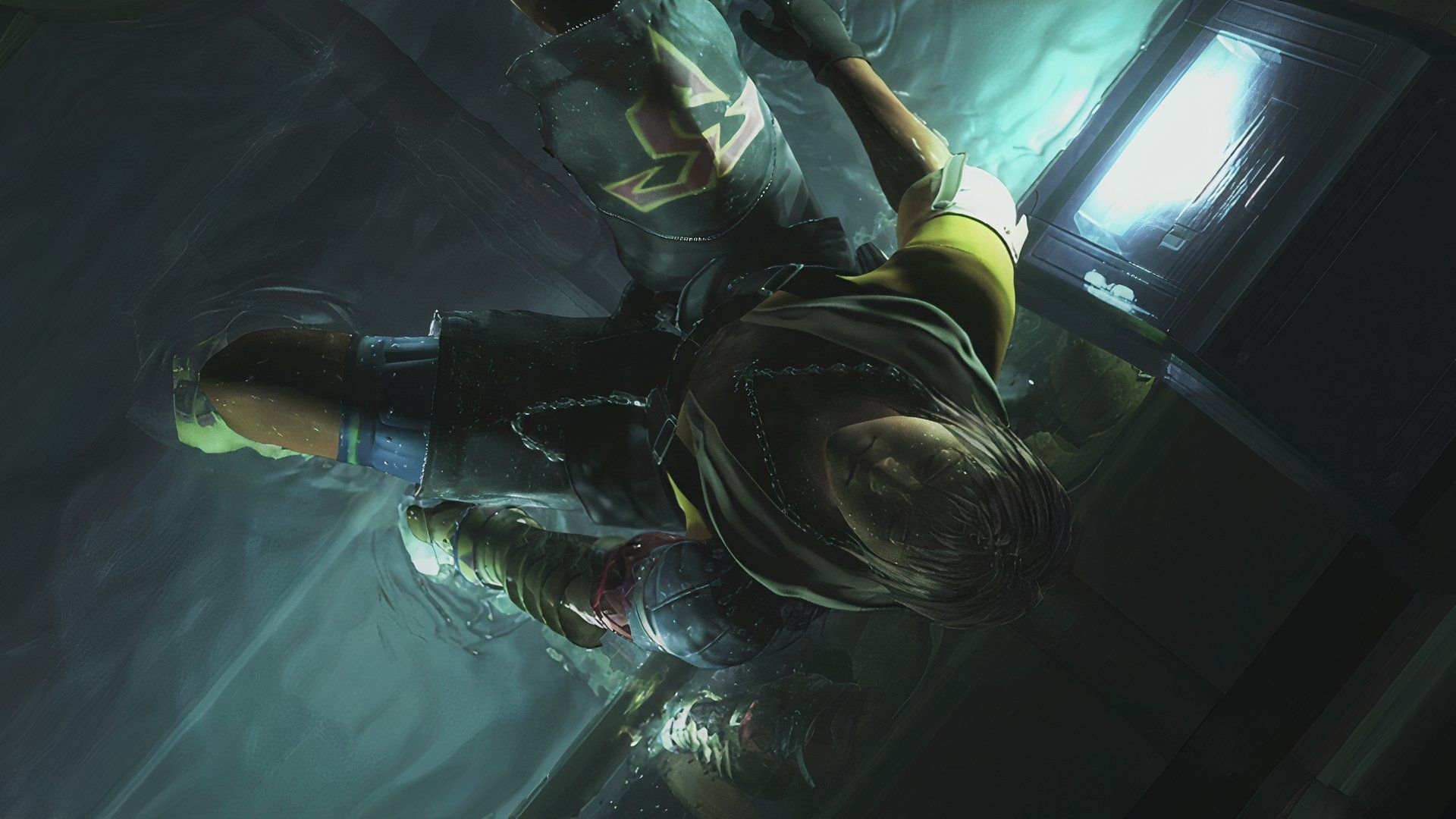
Blitzball in Final Fantasy X is really something else. It wasn’t just a simple side activity—it felt like a full-fledged sport. You could create and train a team, participate in competitions, and do a lot more. While you didn’t need to be good at it to finish the game, mastering Blitzball was incredibly rewarding.
Honestly, this mini-game felt different. It was so well-developed, it could’ve been a full game on its own! It reminds me of how popular Gwent from The Witcher 3 became – they even made a standalone version of that! That’s how much potential this thing had.
6. The Al Bhed Language
Turning “Learning” Into a Collectible
Final Fantasy Wiki
As a child, I became fascinated with codes and ciphers – I thought they were what spies used, and spies seemed really cool! I’d create my own simple codes by writing out the alphabet and then a scrambled version underneath it. I’d send secret messages to my friends, but they couldn’t decipher them because I never shared the code. The messages weren’t very important, usually just asking if they wanted to trade video games – it wasn’t like I was handling top-secret information!
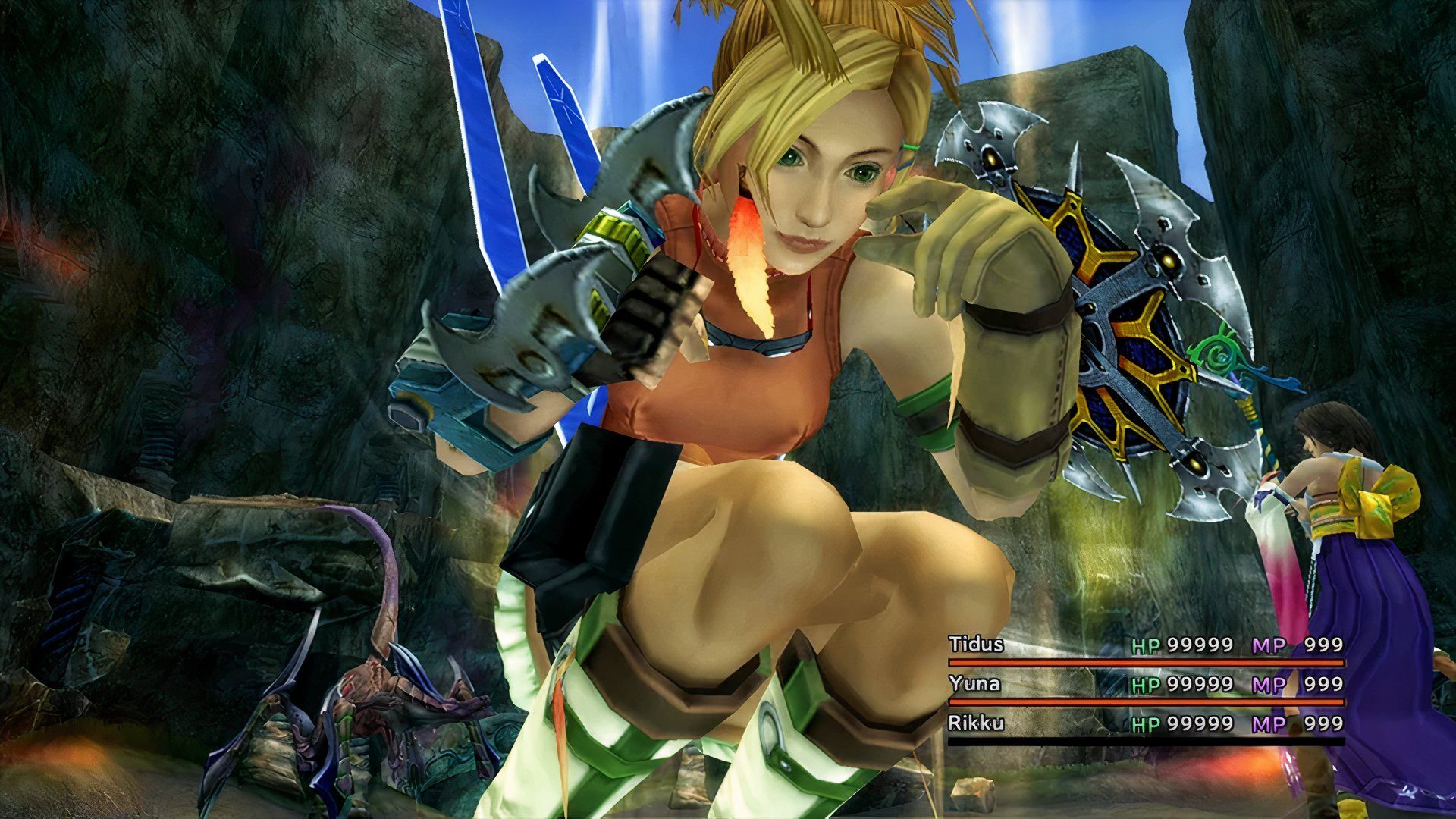
It’s almost as if someone at Square Enix paid attention to me as a kid! A really memorable part of Final Fantasy X was figuring out the language of the Al Bhed, the game’s tech experts. You found “primers” throughout the world that unlocked one letter at a time, eventually giving you the entire alphabet. It’s similar to the language learning in No Man’s Sky, but focused only on letters. What made it even cooler was that once you learned the alphabet, it carried over into a new game, revealing previously unreadable dialogue.
5. Capturing Motion, Capturing Emotion
Like Voice Acting, Motion Capture and Cinematography Brought These Characters to Life
Steam
Even today, one of the most impressive things about Final Fantasy X is its visual presentation and animation. The very first battle, where Tidus fights a strange fish-like creature upon arriving in Spira, is a great example. Notice how the camera dynamically moves around the battlefield and focuses on details like Tidus’s eyes. Earlier Final Fantasy games on the original PlayStation hinted at this style, but Final Fantasy X truly perfected it. It’s a technique you don’t often see in more modern games that use real-time combat systems.
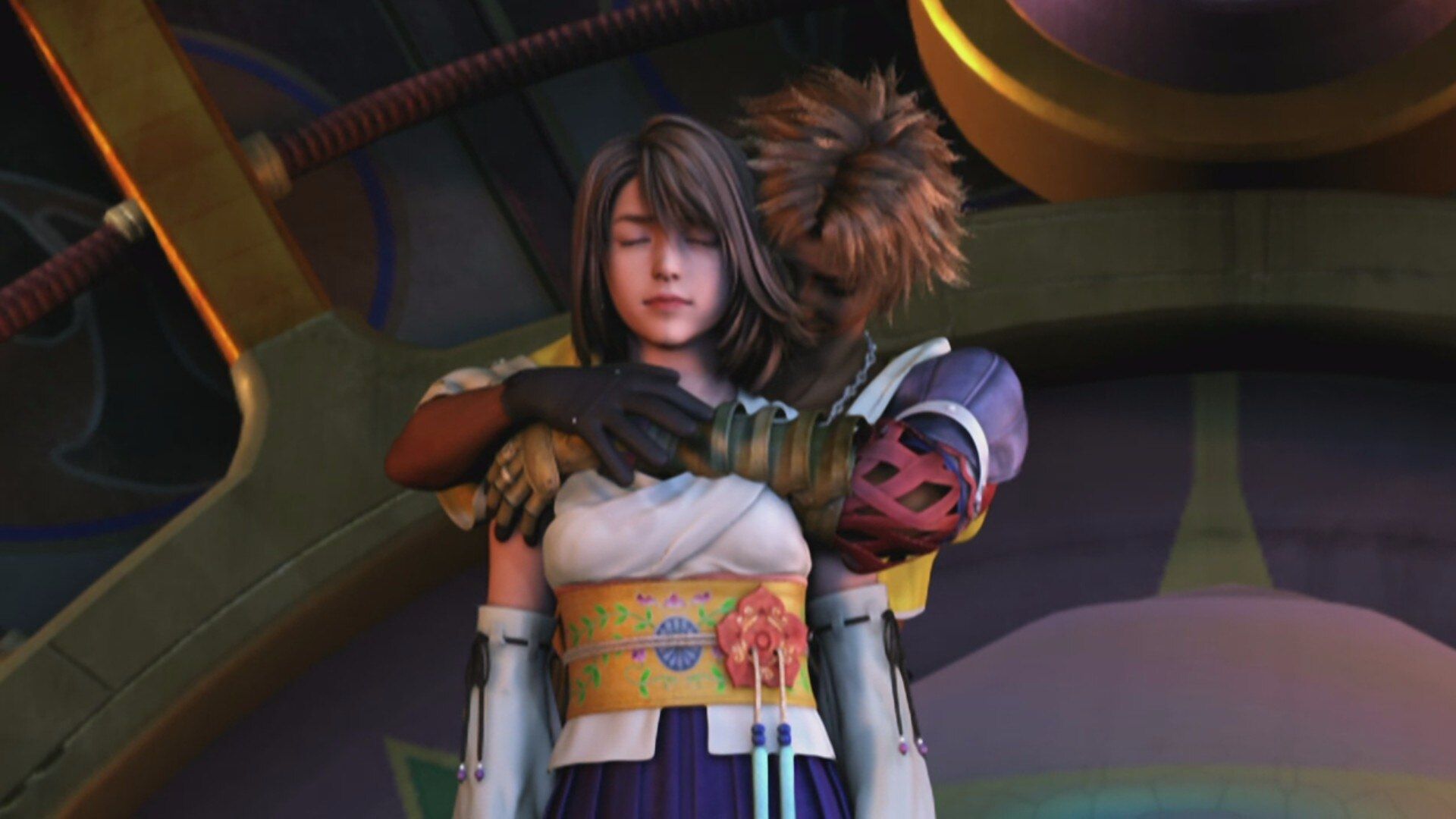
These visual effects really needed compelling character movement to work, and this game was the first in the series to use motion capture technology – particularly in its cinematic scenes. The way Yuna performs her sending dance in Kilika after Sin attacks remains incredibly impressive, and it was all achieved through motion capture.
4. A Changing of the Guard
Nobuo Uematsu Passes the Musical Torch
Nobuo Uematsu is often considered the most important composer in video game history, much like John Williams is to film. He’s best known for his work on the Final Fantasy series, starting with the very first game and continuing through the innovative titles on PlayStation. His music is so beloved that orchestras around the world regularly perform it – not just video game music in general, but specifically his compositions.
For the series’ first PlayStation 2 game, the main composer brought in some new talent to help with the music. While he still contributed a remarkable 51 songs, Junya Nakano and Masashi Hamauzu created the rest of the soundtrack. This collaboration resulted in one of the most diverse and well-received scores in the franchise’s history. The composer continued to contribute music to XI and even created one track for XII before leaving Square Enix in 2004.
3. Take Your Turn!
A New Take on a Classic Battle System
Final Fantasy Wiki
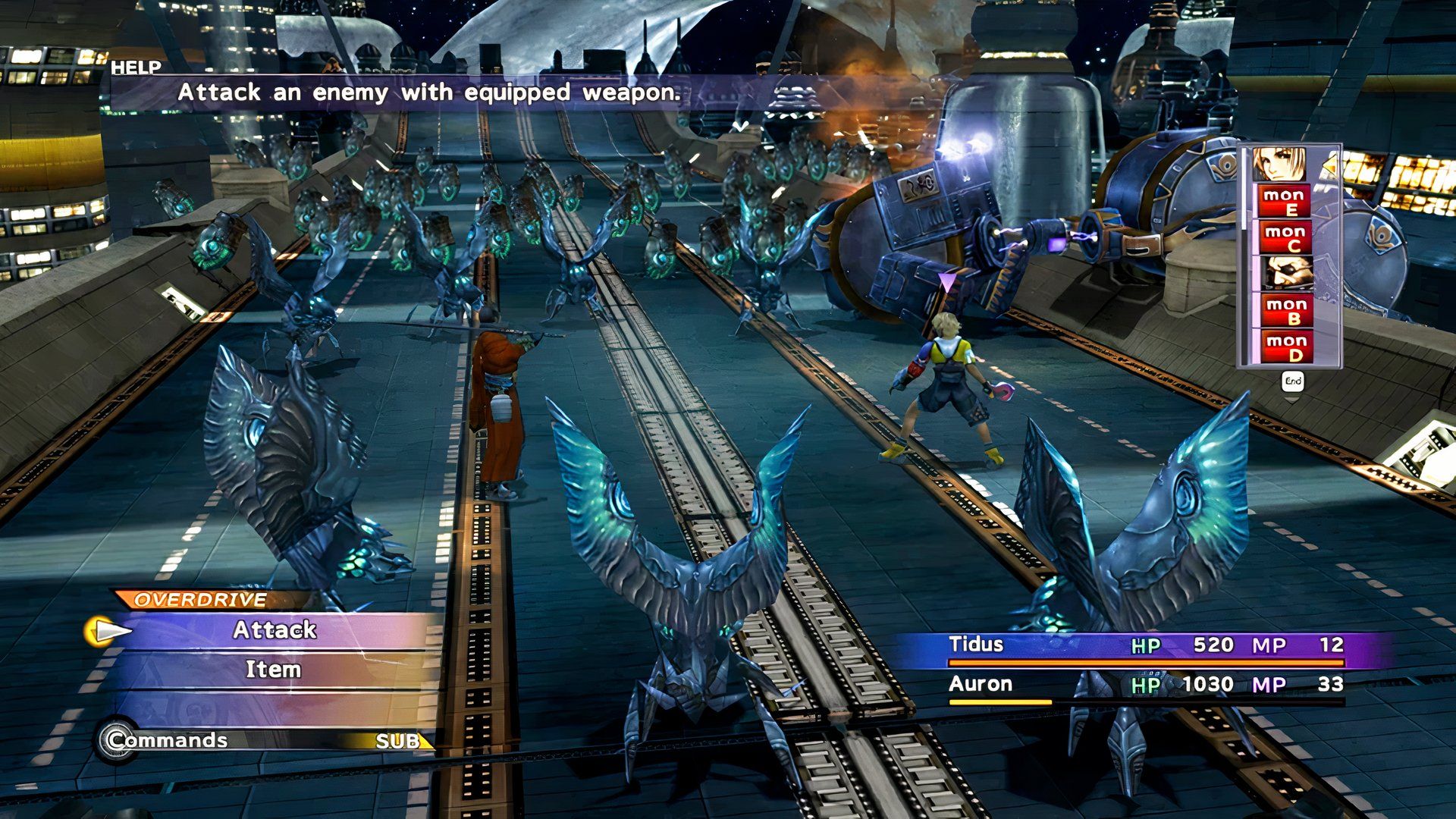
The Final Fantasy series has remained popular for so long because it consistently finds new ways to improve upon traditional role-playing game features. This is especially clear when looking at the different battle systems the games have used. The series began with a simple turn-based system where characters and enemies took turns attacking. It then revolutionized combat with the Active Time Battle system, which gave each character a personal timer determining when they could act. Final Fantasy X took a middle ground, introducing the Conditional Turn-Based system.
Each character has a designated spot in the battle order and takes turns, but fights don’t happen with entire groups at once. A character’s position can shift depending on the situation, and you can freely switch characters in and out of battle—you don’t need to wait for someone to be defeated first. This creates battles that are both strategic and quick. This system marked a turning point for the series, moving towards faster-paced action, and many fans feel that no game since has quite matched its unique feel.
2. Spira
A Setting Unlike Any FF Game Before It
Final Fantasy Wiki
Role-playing games usually took place in unchanging worlds. While some, like Mother and Shin Megami Tensei, were different and set in modern times, most RPGs historically featured classic high fantasy settings with wizards, warriors, and dragons. Final Fantasy VII and VIII experimented with science fiction elements, but Final Fantasy IX deliberately went back to a traditional fantasy world as a way of honoring the series’ history.
Subscribe for deeper coverage of Final Fantasy X’s legacy
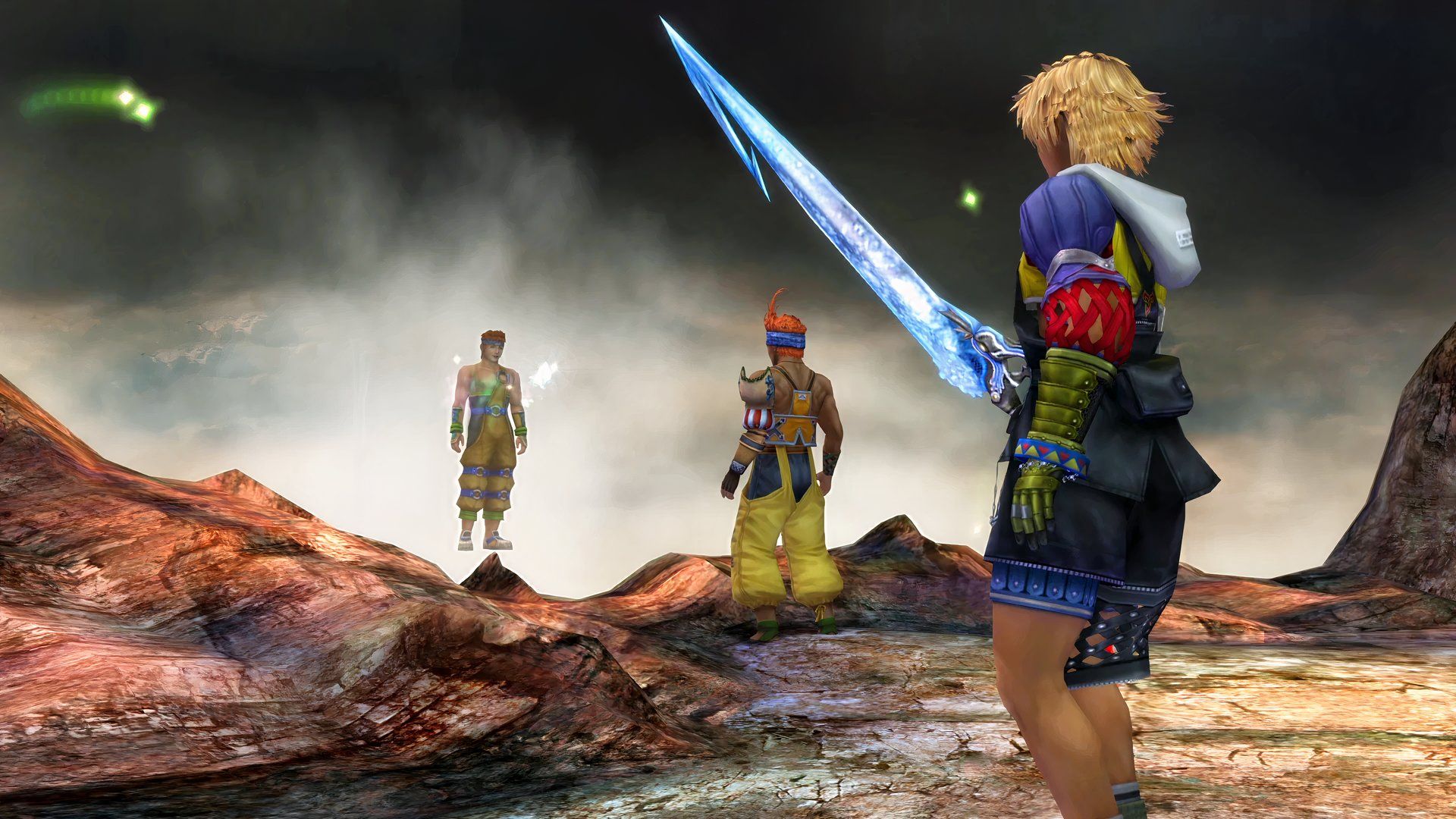
With Final Fantasy X, players experienced something truly fresh, not only for the series but for RPGs as a whole. The game, the franchise’s first on PlayStation 2, began in the futuristic city of Zanarkand, which felt like something out of science fiction. But the story quickly took a dramatic turn: an event called Sin caused the world to regress to a primitive era.
Unlike previous games in the series which drew inspiration from Medieval Europe, Final Fantasy X took a different approach, visually mirroring the beauty of the South Pacific. This was the first Final Fantasy game that truly felt connected to the real-world region that inspired it. Spira was a stunning tropical world hiding a dark secret, making it a uniquely memorable setting in gaming.
1. Final Fantasy X-2
The Most Unlikely Thing in Final Fantasy History
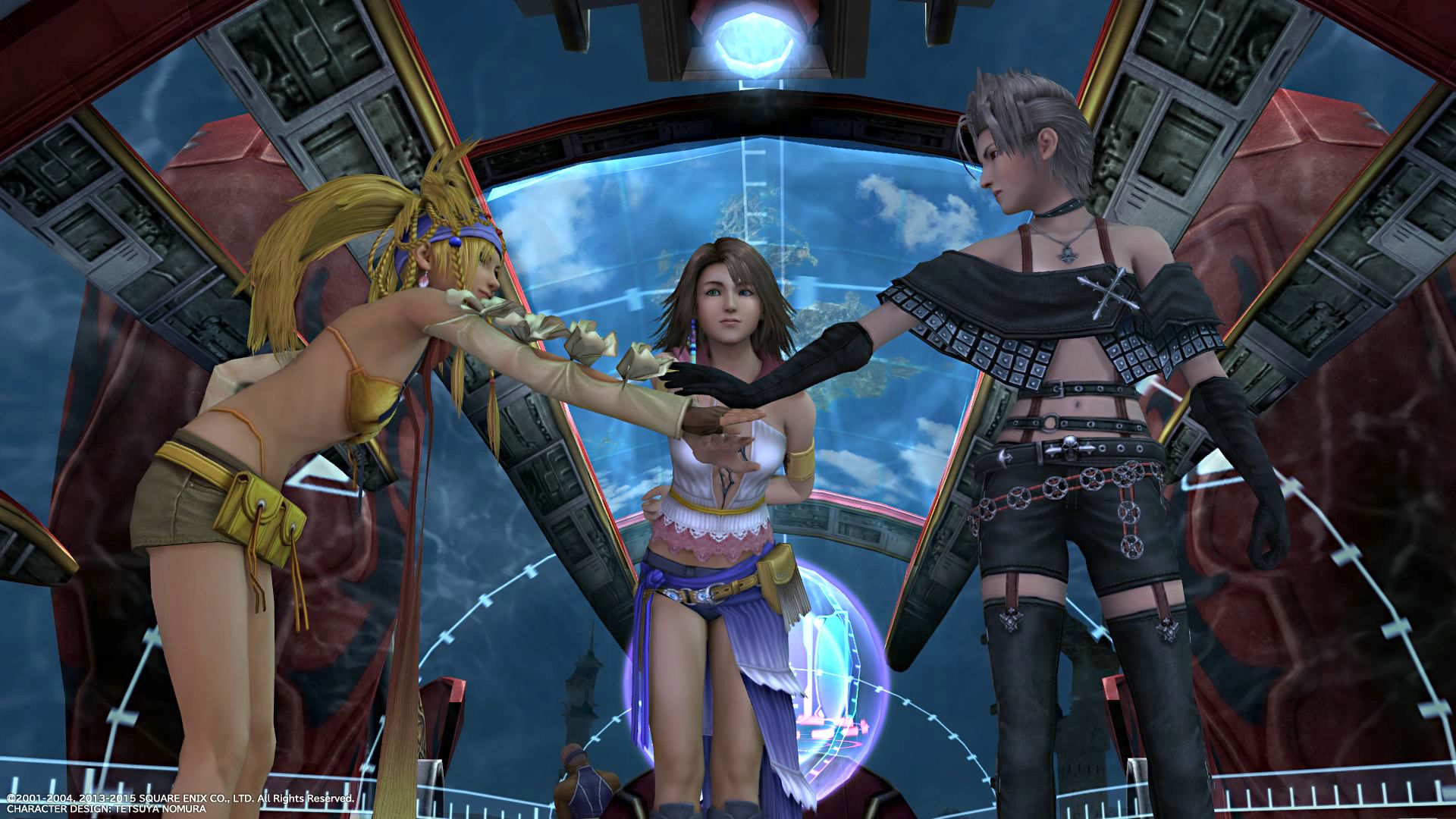
From the start, each Final Fantasy game has featured a complete, unique story set in its own world. While you’d often find familiar elements – like chocobos, magic crystals, and a character named Cid – each game’s events didn’t connect to others. It was as if each installment truly was a ‘final fantasy’ for that particular world. (See what they did there?) Even as fans wanted more interconnected stories, the creators, Sakaguchi and Squaresoft, stuck to their original idea: one story, one world.
Something about the world of Final Fantasy X felt different. The usual rules of game sequels didn’t apply – a follow-up came surprisingly quickly, just two years after the original in 2003. This game, Final Fantasy X-2, was a first for the series, being the very first time a Final Fantasy story continued directly. Interestingly, it also turned out to be the last game released under the name Squaresoft! Shortly after, in April of that year, Squaresoft merged with Enix, the creators of Dragon Quest, to become Square Enix.
That initial release sparked a wave of new games based in the world of Final Fantasy VII. Soon after, both Final Fantasy XII and XIII each received their own follow-up games.
Read More
- Re:Zero Season 4, Episode 6 Release Date & Time
- NTE Drift Guide (& Best Car Mods for Drifting)
- How to Get the Wunderbarrage in Totenreich (BO7 Zombies)
- How to Beat Turbines in ARC Raiders
- Change Your Perspective Anomaly Commission Guide In NTE (Neverness to Everness)
- Diablo 4 Best Loot Filter Codes
- Top 8 UFC 5 Perks Every Fighter Should Use
- Danganronpa 2: A Complete Guide To Gifts
- Brent Oil Forecast
- All Fish & How to Catch Them in NTE
2026-05-13 19:42