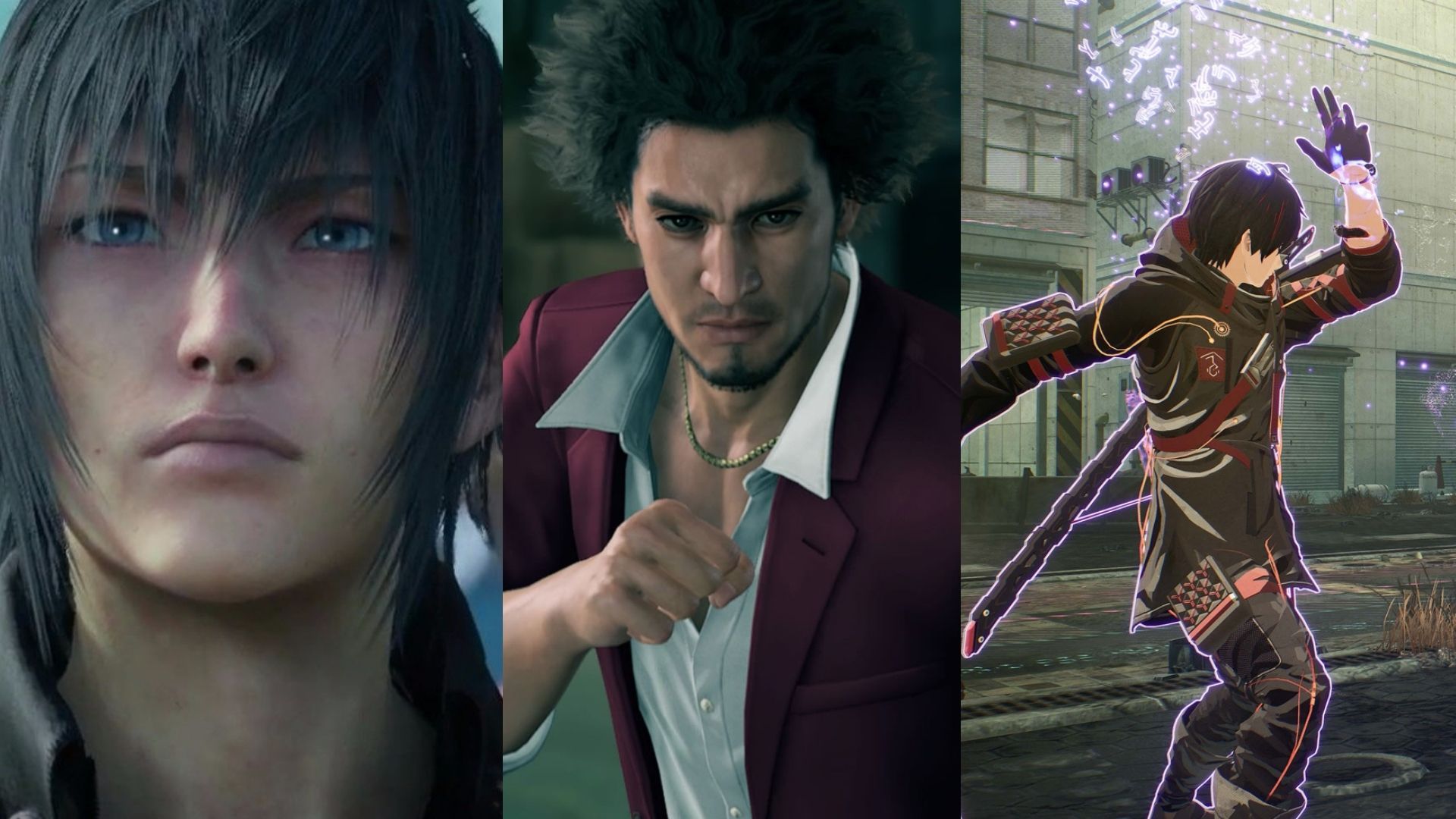
For about a decade, from the mid-2000s to the mid-2010s, the JRPG genre really struggled. As someone who loves JRPGs, it felt like the genre was disappearing. Many games seemed hesitant to embrace the classic turn-based combat that defined the genre, and the results were often uninspired and lacked originality.
A few years after the PlayStation 4 launched, JRPGs began to see a resurgence. While not every new game achieved its grandest ambitions, there was a clear return of creativity and enthusiasm for the genre.
We’re going to check out some PS4 JRPGs that shot for the moon, and some that actually reached it.
10. Final Fantasy XV
A Decade in the Making
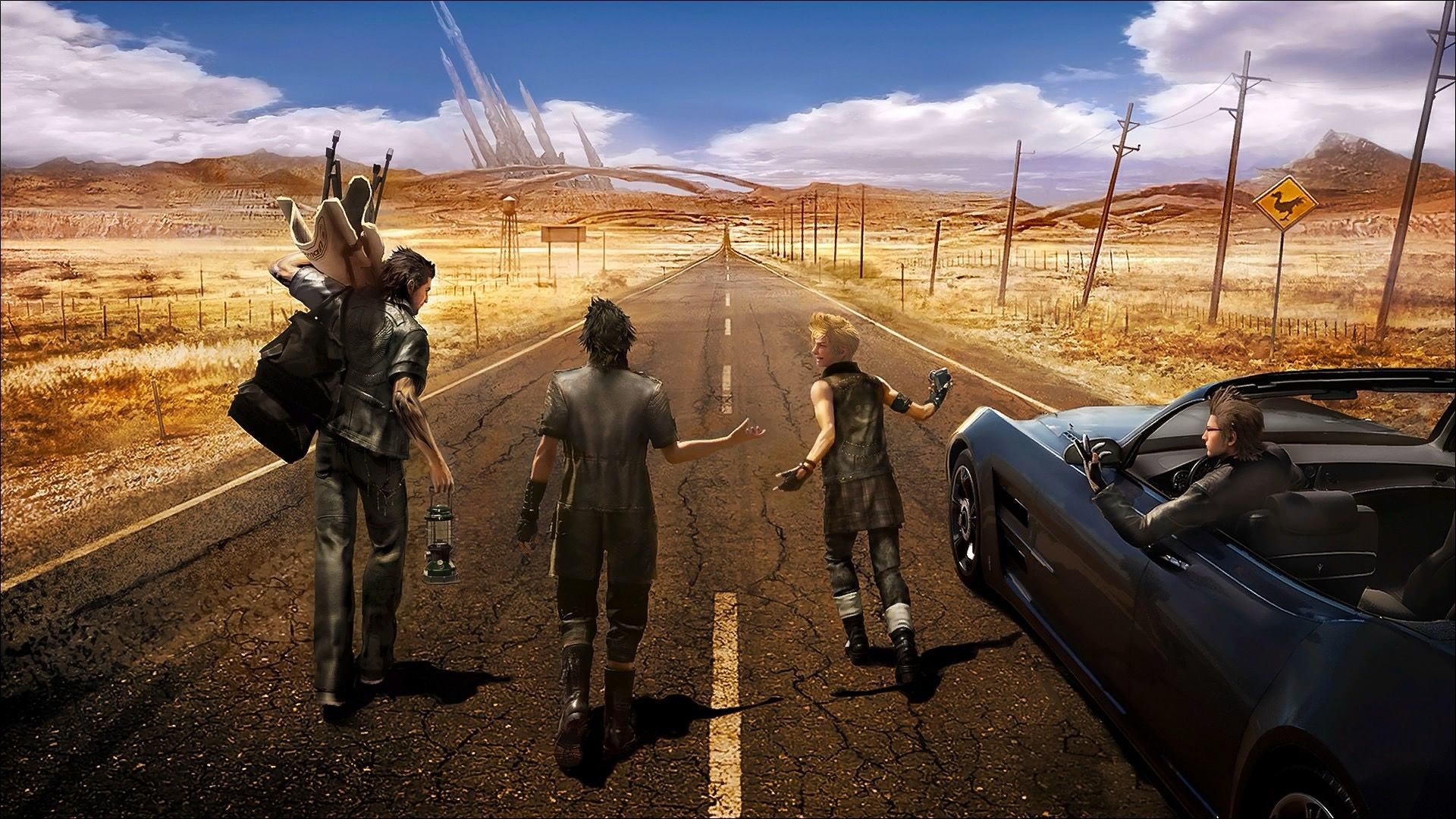
Final Fantasy XV was a remarkably ambitious project, ten years in the making. The Final Fantasy series hadn’t had a successful single-player game in a long time, leading many to question if it was losing its appeal. While the game received a somewhat mixed reception upon release, it was generally well-received. The source of the mixed feelings was the game’s ambition: creating an open-world Final Fantasy was a bold move, and while it didn’t fully succeed in every way, it was successful in many respects.
The game truly shined with its road trip elements, and some of the boss battles and environments were among the best in the series. However, the story was incredibly ambitious but ultimately felt incomplete. To fully understand the narrative, players needed to watch a movie and web series released alongside the game. Despite being in development for a decade, the initial release felt rushed and didn’t quite live up to its potential. While I enjoy the complete ‘Royal Edition’ with all the added content, the original version felt overwhelmed by its own grand vision.
9. 13 Sentinels: Aegis Rim
An Anime Whirlwind
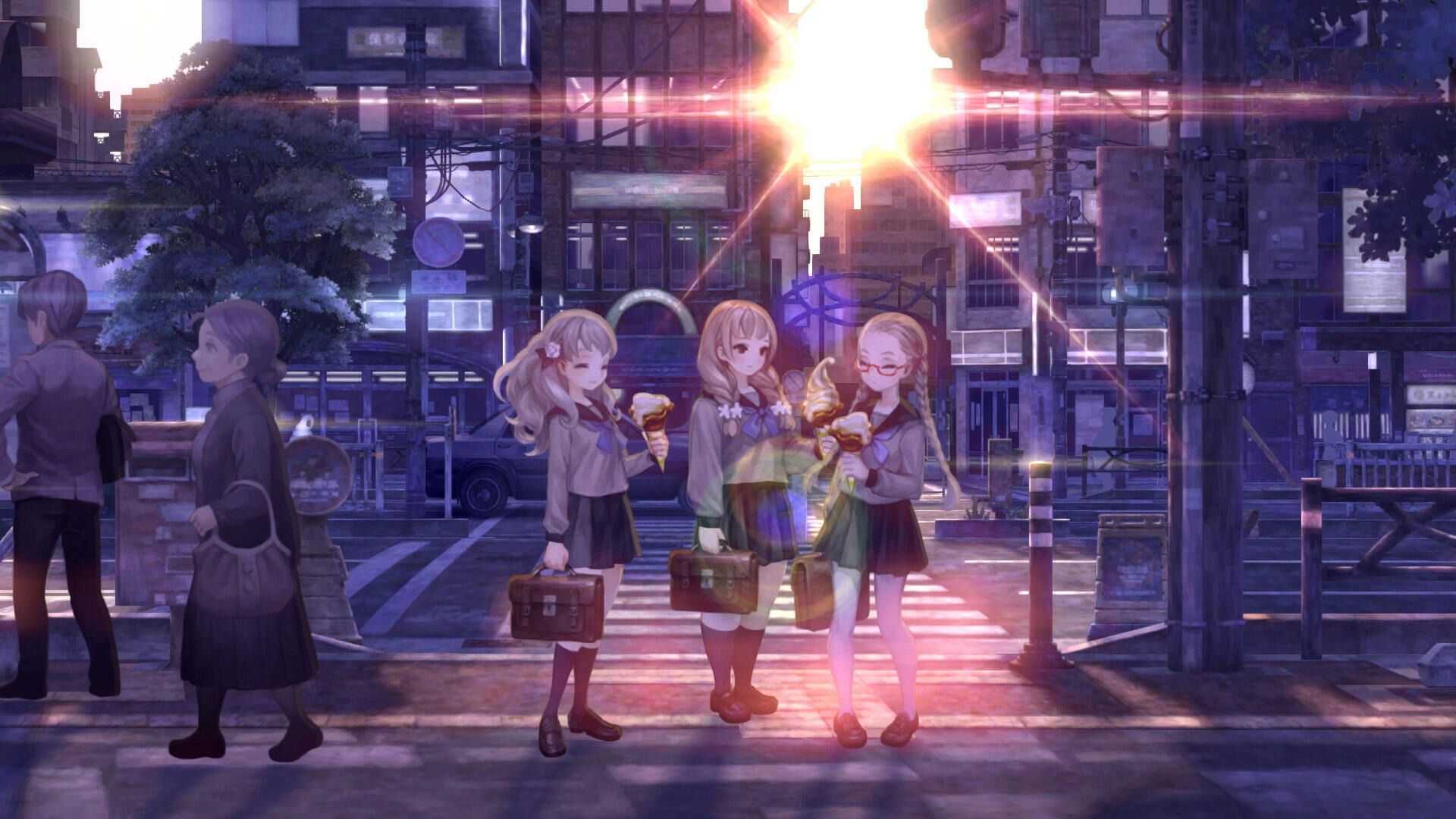
13 Sentinels: Aegis Rim isn’t just a game—it’s a truly immersive experience. It boasts one of the best stories in the genre, with engaging combat and a timeless visual style. What begins as a charming, everyday story about giant robots quickly evolves into a complex, multi-layered mystery that completely changes how you understand everything that’s happening.
While the gameplay isn’t groundbreaking, the game’s battlefields and environments are visually striking and truly stand out. The story is particularly ambitious, weaving a complex tale across time that actually makes sense – something many movies and TV shows struggle with, and even rarer in video games. But Vanillaware pulled it off, delivering on the game’s promise. It’s a unique experience and a definite recommendation for JRPG and anime fans.
8. Code Vein
Anime Souls
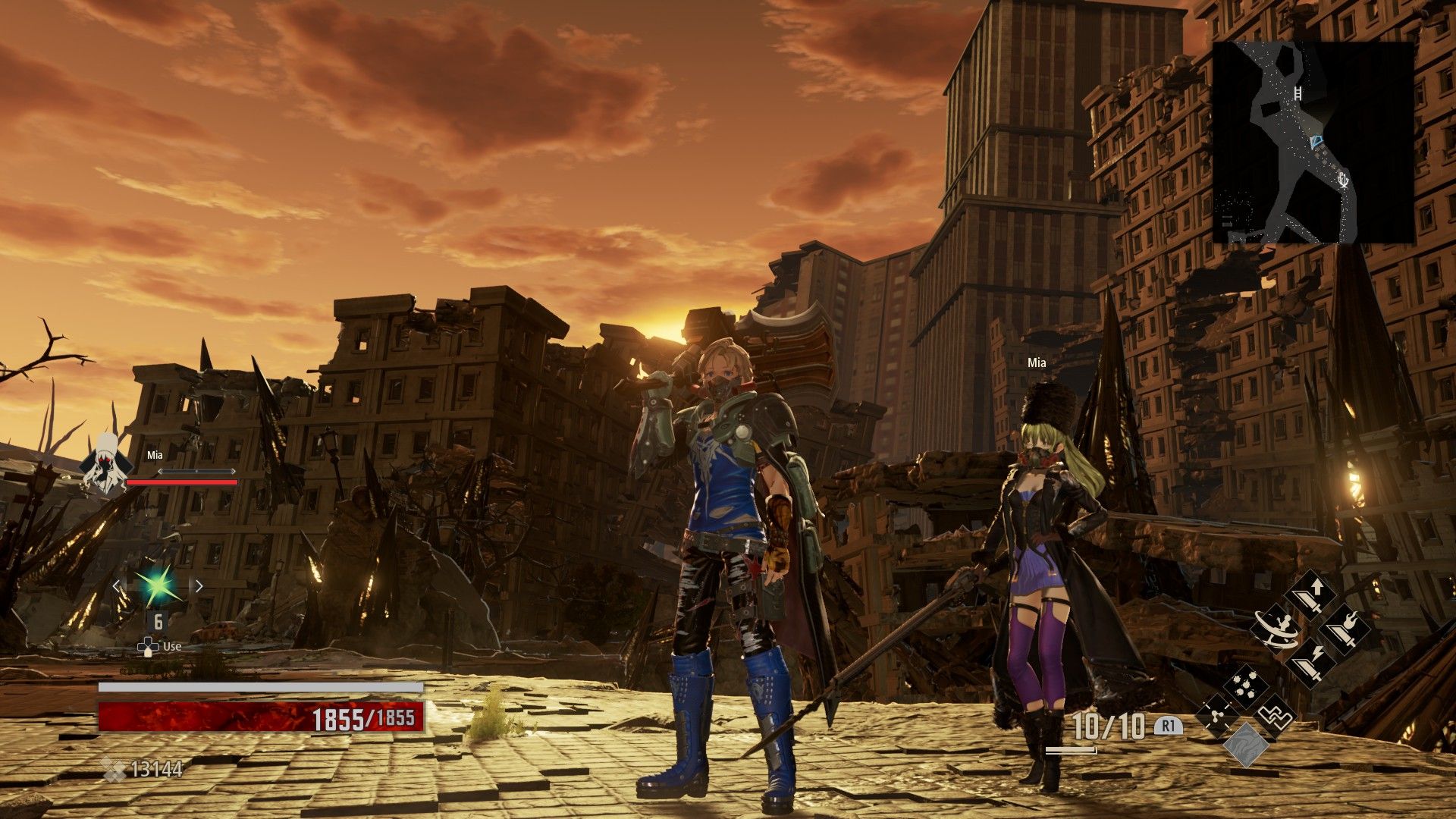
Code Vein successfully blended the challenging gameplay of Soulslike games with the vibrant style of JRPGs, resulting in a standout hybrid experience. The combat is remarkably deep and complex, offering a surprising level of mechanics and making it truly special.
You can also play this game with a friend in co-op mode. The developers clearly aimed to create a game that blended the challenging combat of Souls-like games with the style and storytelling of JRPGs. However, the story ended up being somewhat predictable, and the characters felt more like familiar anime stereotypes than truly compelling individuals, which was a missed opportunity given the interesting premise of a vampire narrative. Despite these flaws, it’s still an enjoyable game, and while the sequel didn’t quite reach the same heights, it remains a noteworthy and ambitious title for the PS4.
7. Persona 5
Fifth Time’s the Charm
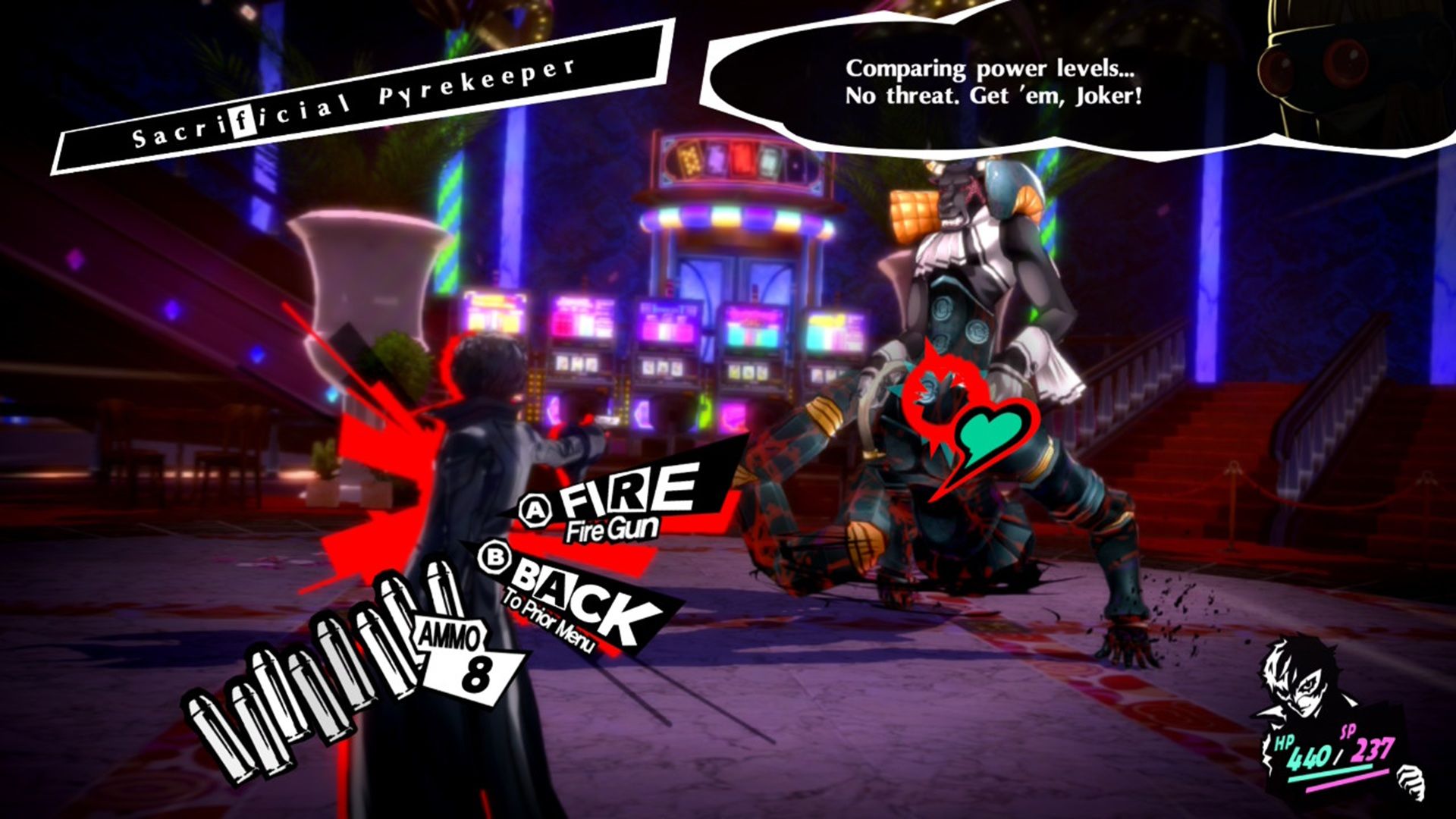
Persona 5 helped kickstart a new wave of excellent Japanese role-playing games (JRPGs). Back in 2016, the genre was feeling a bit stale, and then came this game from a long-running, but relatively unknown, series. Persona 5 broke through to a wider audience with its massive and captivating story. It offers a thrilling start, incredibly creative boss battles, and a deep system for building relationships, making it a game that appeals to a wide range of JRPG players.
This game is remarkably long for its genre, and Atlus took a significant risk releasing such a massive, 100-hour JRPG in 2016. JRPGs weren’t a guaranteed success at the time, but their gamble paid off handsomely. It sparked renewed interest in the genre and has been followed by a decade of excellent JRPG releases, satisfying a new wave of dedicated fans.
6. NieR: Automata
Making the Name Matter
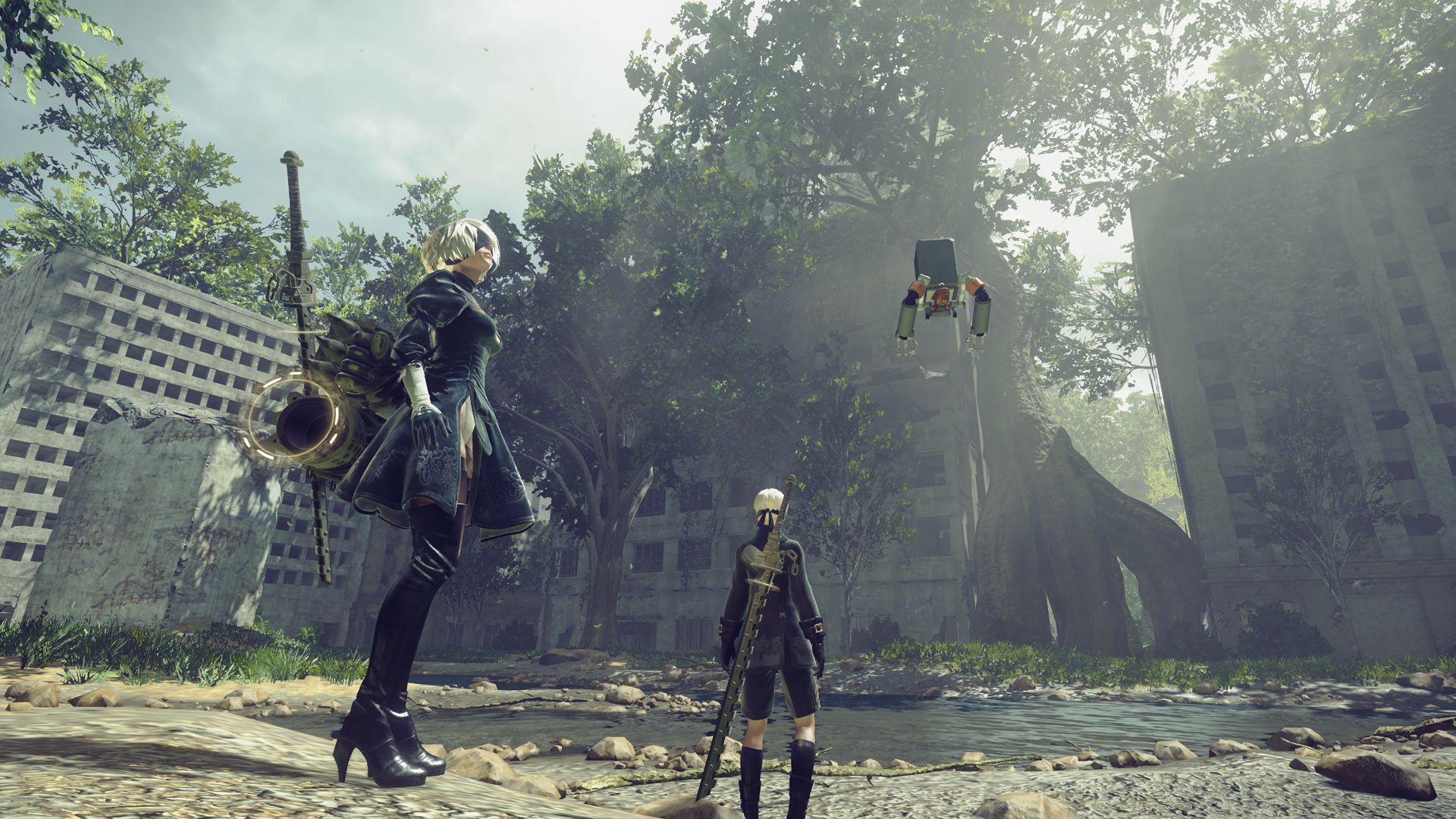
What makes a video game title truly memorable? Often, it’s a hugely successful first game with a compelling story and unforgettable characters. The original Nier showed promise, but didn’t quite hit all the marks. That’s why its sequel, NieR: Automata, aimed for something much bolder and more unusual – and it succeeded spectacularly. NieR: Automata was incredibly ambitious, blending many different game styles into an epic story that unfolded over thousands of years. It even featured a unique true ending hidden behind multiple playthroughs, each revealing new layers to the narrative.
Nier was a truly unique game – a high-quality title filled with bold and unusual ideas. For many, it came completely out of left field. It quickly became a beloved classic, and fans still eagerly hope for a sequel, though those calls haven’t been answered. Despite this, the game remains incredible, boasting addictive combat, a stunning world, and memorable characters. It aimed high and succeeded, raising the bar for action-driven JRPGs in a way that hasn’t been matched for over ten years.
5. Scarlet Nexus
An Anime Original
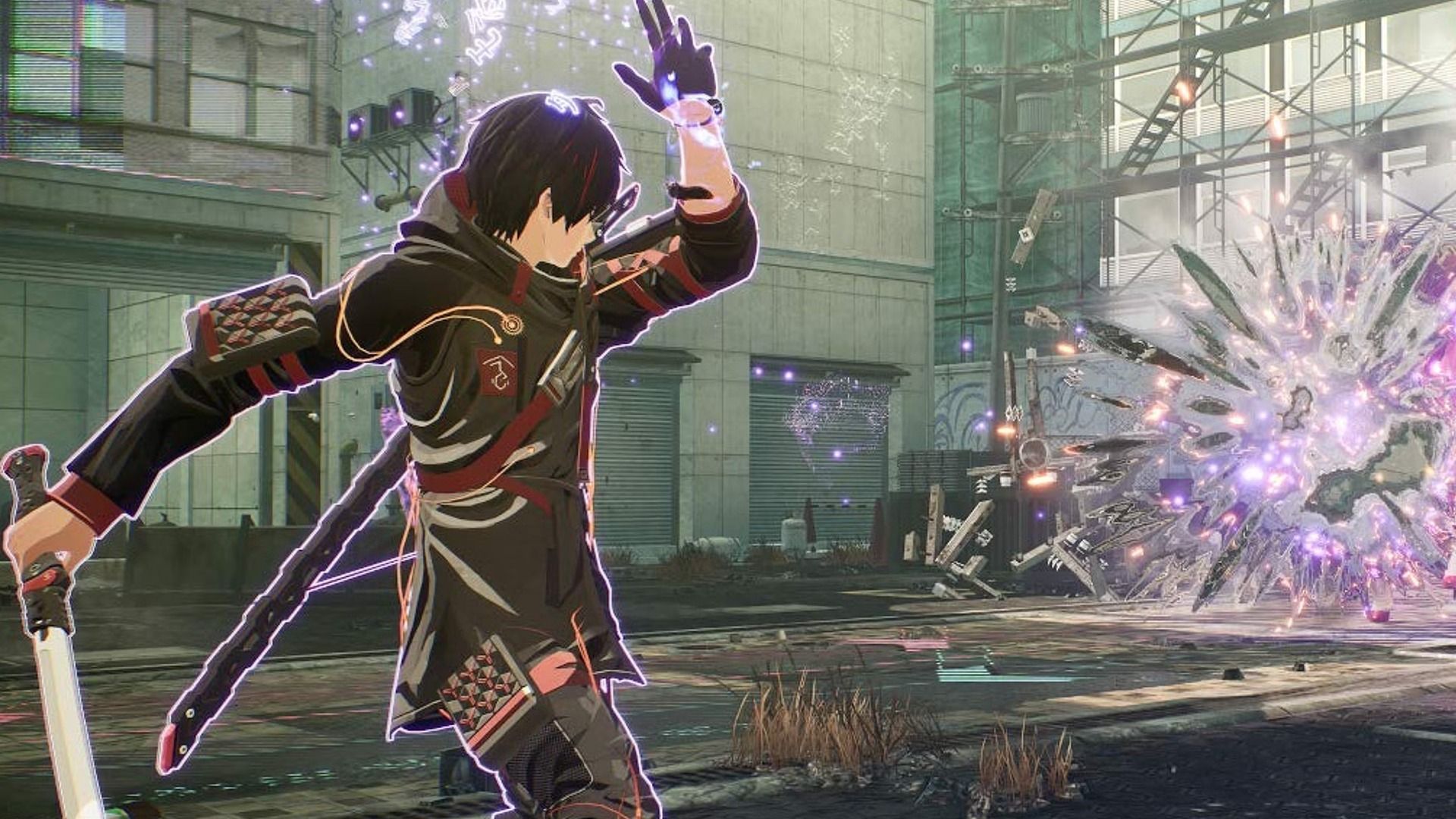
Scarlet Nexus stands out as a truly special game, especially considering how many Japanese role-playing games, particularly those with an anime style, are available. What makes it different is its fresh approach – it features an engaging gameplay cycle, a unique and unpredictable story, and lets you experience the entire narrative from two distinct perspectives.
I have to say, this new game is seriously ambitious, and it really shows! What I loved most was the combat – it wasn’t just your typical JRPG battle system. It blended team-based fights with fast, action-packed solo play, kind of like Devil May Cry. It felt totally unique! And honestly, that’s a sign the risk paid off. It was a long game, but it stood out from everything else I’ve played. Sure, it might not have been a huge commercial success, but the critics liked it, and I know there’s a dedicated fanbase out there who really appreciate what it tried to do.
4. Tales of Arise
Aiming for the Crown 30 Years Later
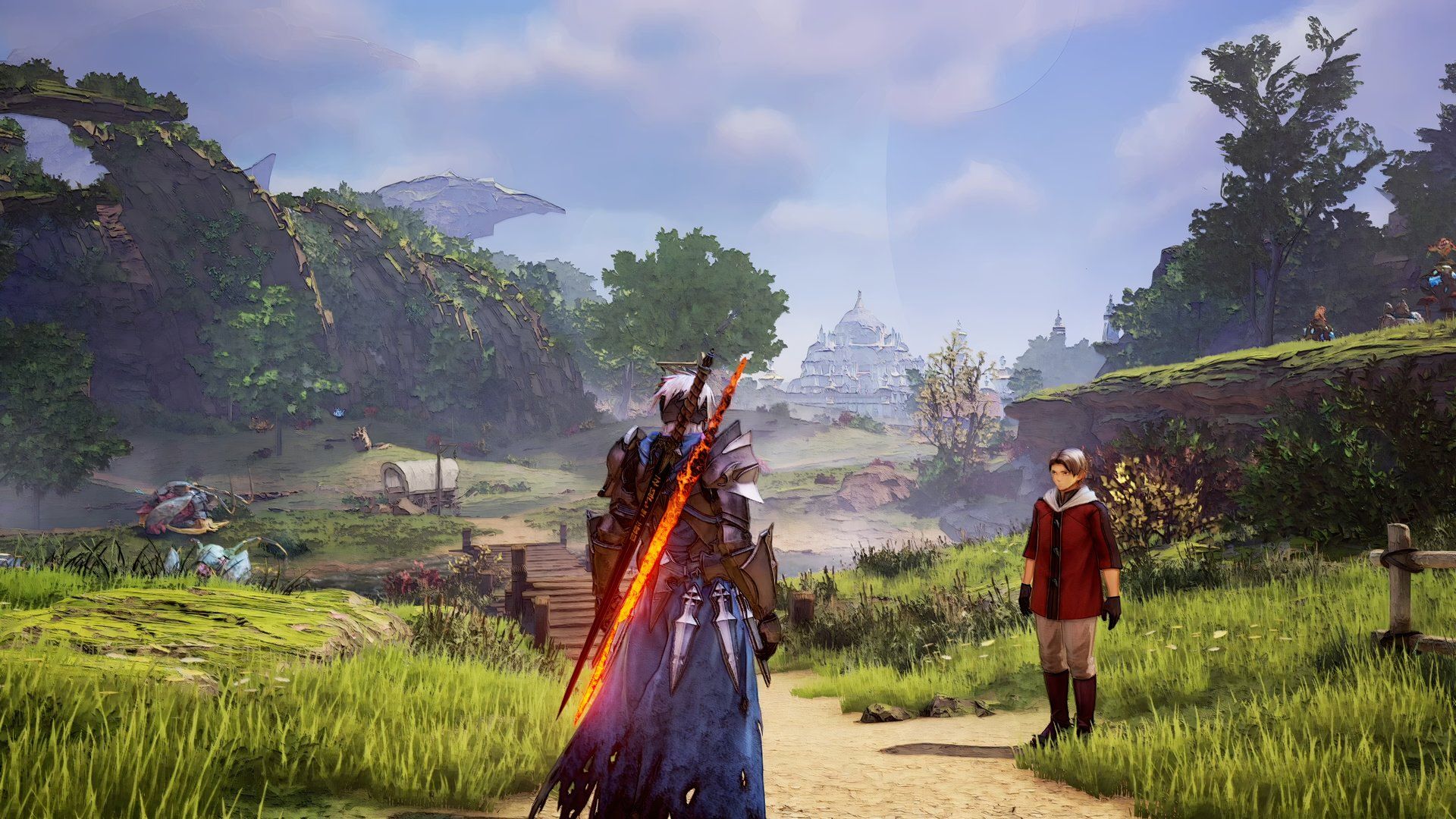
Tales of Arise arrived at a good time for gamers. 2021 didn’t have many major game releases, and this one wasn’t initially expected to be a standout title. However, it was ambitious, aiming to modernize the series’ traditional gameplay to appeal to a wider audience. The result was a visually stunning game—the best-looking in the series—with a combat system that built upon everything fans loved, making it feel more expansive and engaging than ever before.
The game started with great promise, and the first half is genuinely one of my favorite JRPGs. However, it suffered from a lack of focus on the smaller details. There wasn’t enough variety in the enemies, and the game lost its way after a strong beginning. The story shifted dramatically – we went from a relatively realistic setting to outer space with aliens, and it felt like a completely different game from that point on. The initial ambition ultimately became a problem, causing the second half to fall apart.
Adding a disappointing villain like Temu Sephiroth, this game almost achieved true greatness. It tried to do too much, losing many players before the end. While it remains a decent JRPG for the system, its overreaching ambition ultimately prevented it from becoming a classic.
3. Yakuza: Like a Dragon
The Adult JRPG
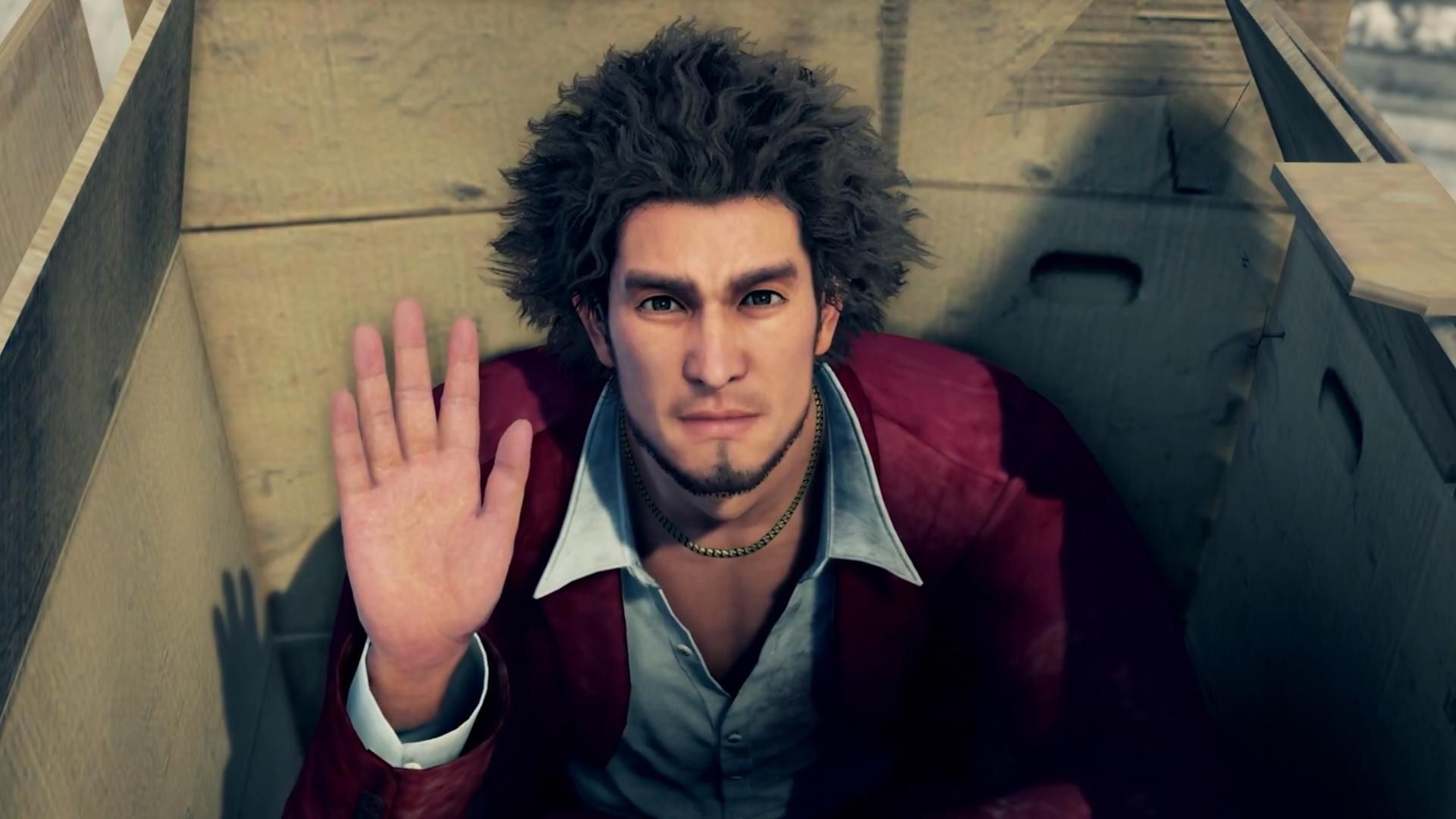
It was a bold move to transform a traditionally action-focused series into a Japanese role-playing game, and many people questioned the decision at first. However, it ultimately proved to be a brilliant one. Yakuza: Like a Dragon‘s switch to a mix of real-time and turn-based combat was instantly popular, and the series’ signature quirky and exaggerated moves were reimagined with a more fantastical flair. The story itself embraces the JRPG genre, as the protagonist, Ichiban, frequently references classic games of the type.
Subscribe for Deep JRPG Coverage and Curated Picks
Like other Yakuza games, you’ll still explore a vibrant city, but this time the story follows a newcomer instead of the usual hero, Kiryu. The new party system lets you experience a variety of fighting styles, complete with over-the-top and funny finishing moves. This game was a turning point for the series, pioneering a blend of realistic graphics and turn-based combat that has continued to be successful.
2. Kingdom Hearts 3
Impossible to Wrap Up
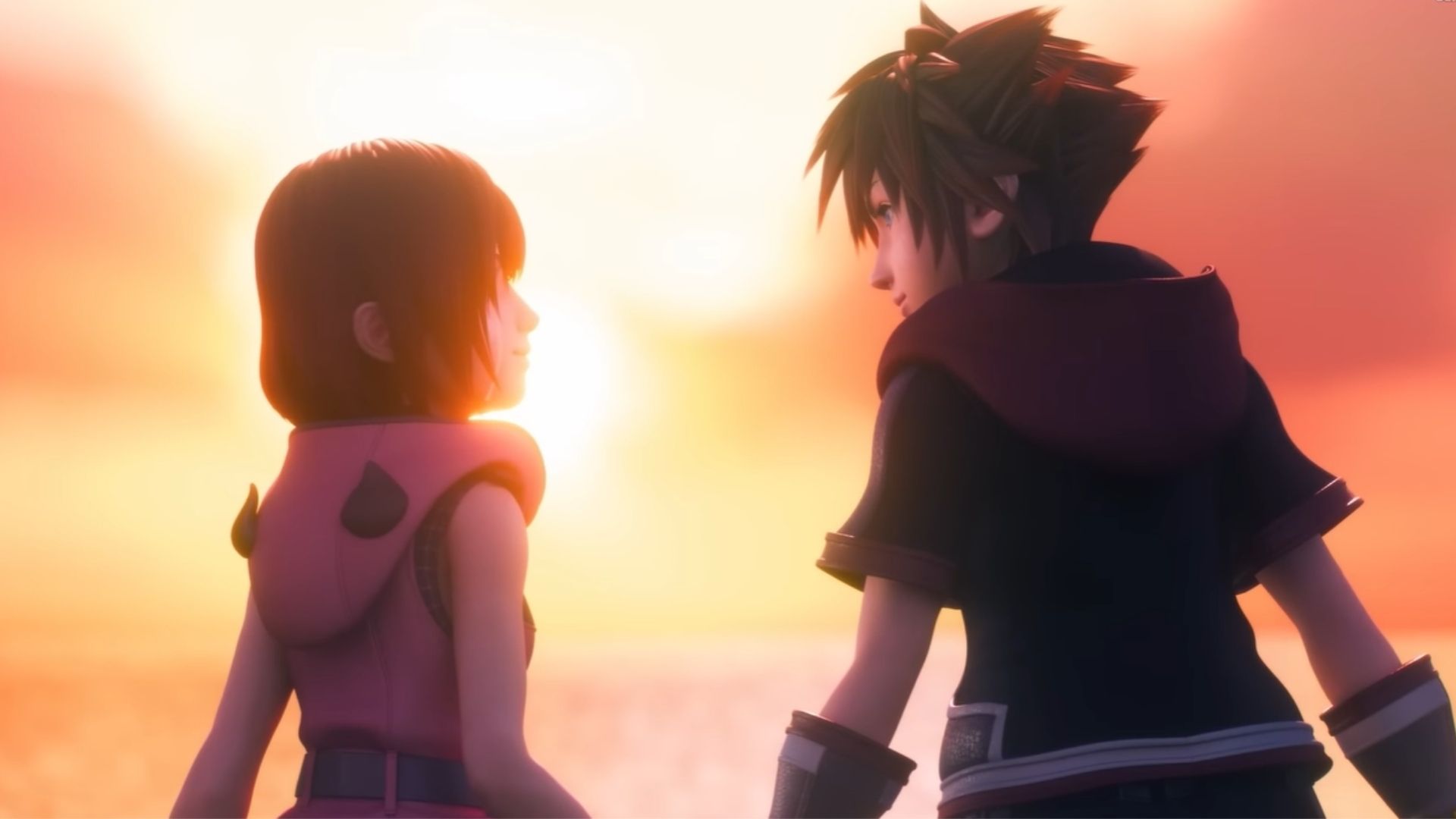
Kingdom Hearts 3 aimed to bring the nearly 20-year-old series to a satisfying conclusion, but that proved incredibly difficult. With so many spin-off games, revised storylines, and constant retcons, a neat ending was nearly impossible. While the gameplay remained excellent – featuring engaging combat, spectacular summons, and improved teamwork – and the graphics still look impressive even after 7 years, the story itself was as complicated and confusing as ever.
The game introduces new characters and surprising plot twists. While it does offer a conclusion to Sora’s story, it’s obvious Square Enix plans to continue the Kingdom Hearts series – rumors about Kingdom Hearts 4 are already circulating. Originally intended as the final game, it instead leaves many storylines open, potentially setting the stage for a whole new saga. Though it may not be the perfect game Square Enix hoped for, this installment is ambitious and arguably the most comprehensive experience the franchise has offered so far.
1. Final Fantasy 7 Remake
Remaking a Legend
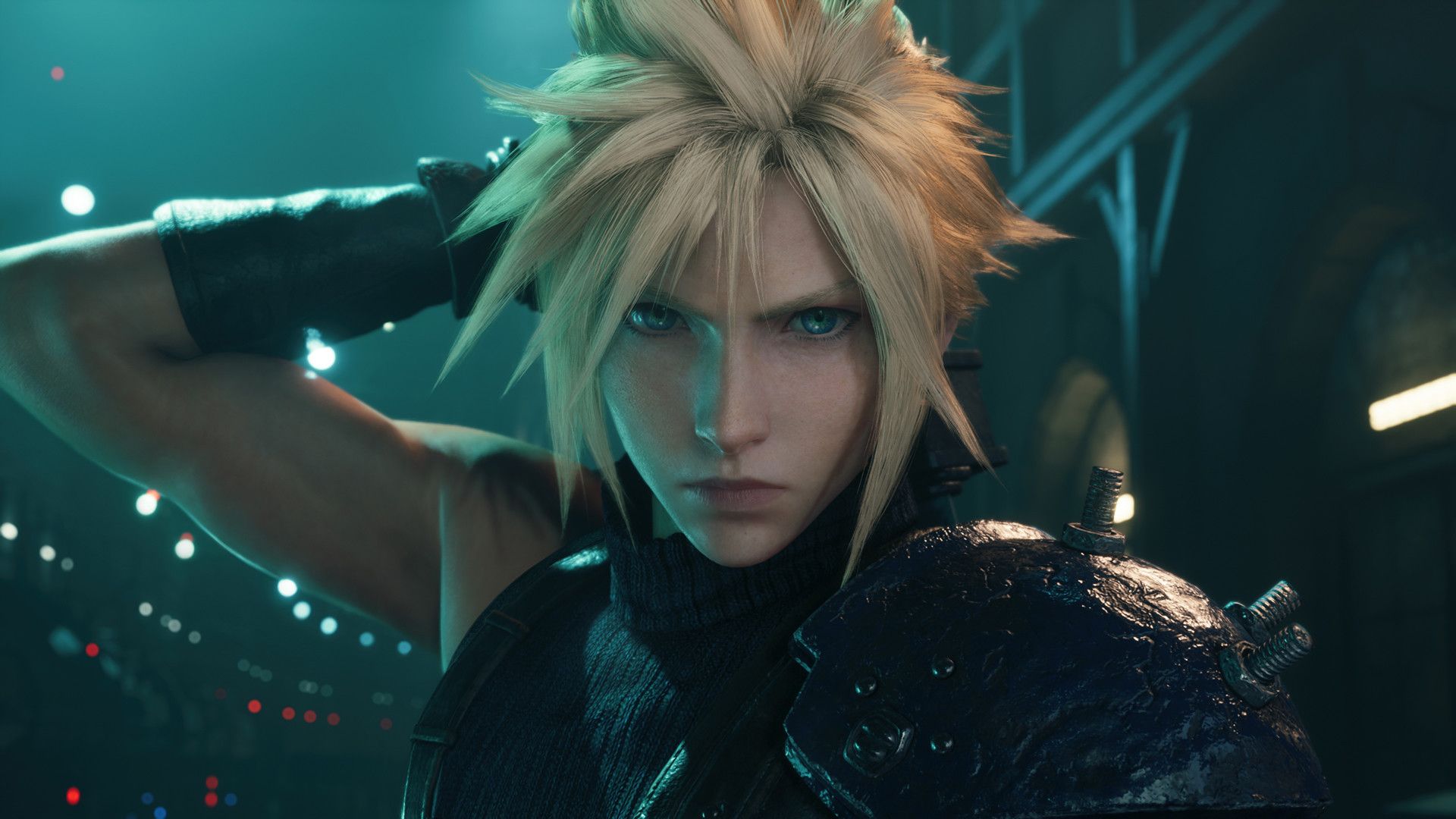
Final Fantasy 7 isn’t just a good game – it’s a landmark title that helped prove video games could be a powerful and legitimate art form. Remaking such a beloved classic as an action RPG, and planning to release it in three parts, was an incredibly ambitious undertaking for Square Enix. They mostly pulled it off. While excitement was incredibly high, it was important to remember that this first release only covers the Midgar portion of the original game.
Players would have been fine if the remake was a perfect copy of the original, but Square Enix tends to avoid such straightforward approaches. Instead, Final Fantasy 7 Remake reimagined the story, and this didn’t appeal to everyone. Some parts felt unnatural, and newcomers often struggled to distinguish between what was meant to happen and what actually occurred in the game.
Despite a lack of substantial content and somewhat pointless side quests, the game’s core experience was fantastic. The graphics were stunning and really heightened the impact of key moments, like the plate collapse or the Mako Reactor missions. As a longtime Final Fantasy player, I admire the game’s scope and am hopeful the next installment will build on this foundation and deliver even more.
Read More
- NTE Drift Guide (& Best Car Mods for Drifting)
- How to Get the Wunderbarrage in Totenreich (BO7 Zombies)
- All Aswang Evidence & Weaknesses in Phasmophobia
- How to Get Necrolei Cyst & Strong Acid in Subnautica 2
- Conduit Crystal Location In Subnautica 2
- Where to Find Prescription in Where Winds Meet (Raw Leaf Porridge Quest)
- Diablo 4 Best Loot Filter Codes
- Best Burst & Full Auto Builds for the M16A4 in BF6
- How to Craft Repair Tools in Subnautica 2
- Cookie Run Kingdom Timeline of Fate Update Guide
2026-04-30 00:41