The Internet’s Latest AI Wake-Up Call
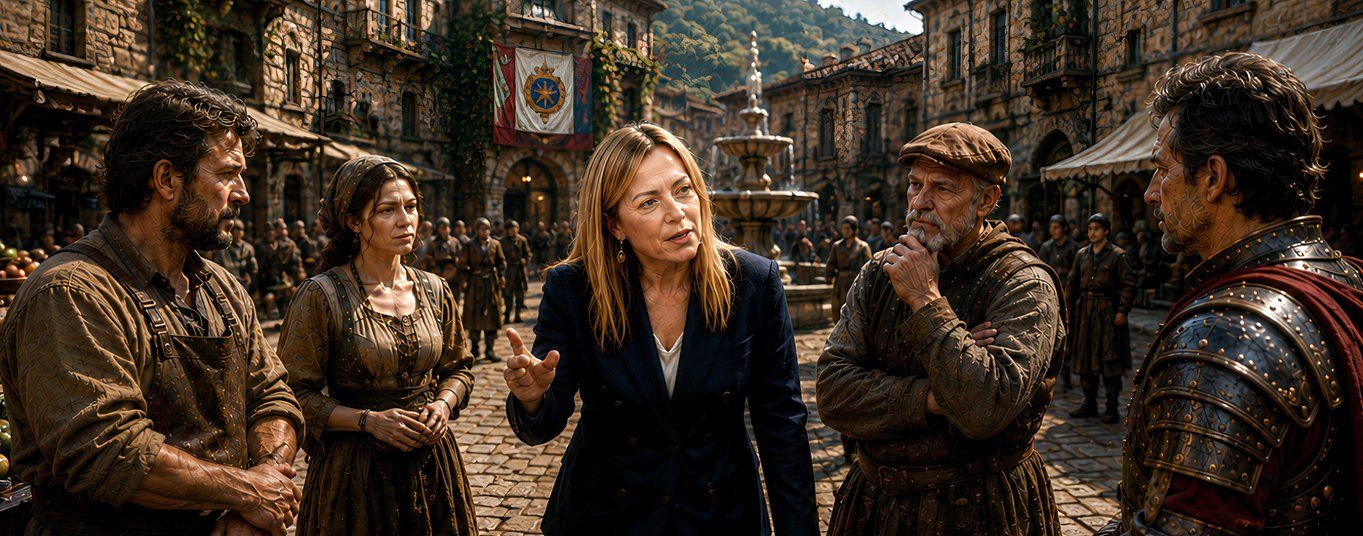
Italian Prime Minister Giorgia Meloni recently spoke out about a fake image of herself created using artificial intelligence that quickly spread online. She correctly pointed out that this technology is a serious threat, capable of misleading people and harming anyone. This incident is a stark reminder of the risks of AI, particularly when it comes to creating convincing but false digital copies of people and the rapid pace at which this technology is developing. While governments are trying to create laws and block harmful websites, the video game industry is also facing its own challenges with the rise of generative AI.
As a huge gaming fan, it’s incredible to see how quickly companies like NVIDIA, Ubisoft, and Microsoft are jumping into AI for NPCs! NVIDIA’s ACE is aiming for characters that actually feel alive and don’t just repeat lines, Ubisoft is working on NPCs that respond to what you say, and Microsoft is building seriously complex AI to power characters in their games. It’s all happening so fast, which is exciting, but it also makes me a little worried – we need to make sure there are rules and safeguards in place as this technology develops.
Italian Prime Minister Giorgia Meloni reposting a deepfake of herself to bring awareness to the growing problem.
The End of the Scripted NPC
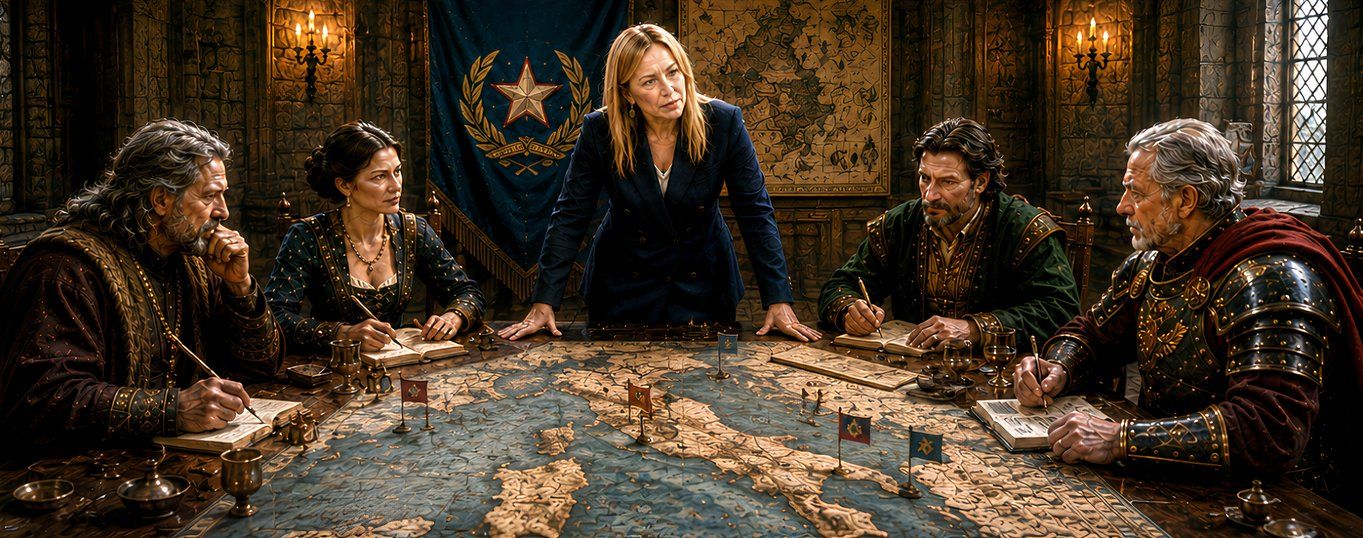
For years, characters in video games that weren’t controlled by players – often called NPCs – were very simple. If you talked to a blacksmith, for example, they’d always say one of just a few pre-set phrases, like something about a lost sheep. But that’s changing rapidly in 2026. Game developers are now using new AI technology to create more realistic characters and worlds. The goal is to make characters feel truly alive, with their own memories, motivations, and the ability to have unique, unscripted conversations.
This change is happening because of how we’re all using technology more and more. As people start paying for better AI features that allow for more complex thinking and natural conversations in their everyday lives, our expectations for how we interact with digital things have changed permanently. We’re now used to AI that can actually ‘think’ and respond in a smart, human-like way, so we naturally want the characters in our games to do the same. We want companions that learn from how we play and enemies that come up with new strategies, instead of simply repeating the same actions.
New Zelda Game With Surprise Protagonist Leaked for 2027 (& It’s Not the Ocarina of Time Remake)
The Lobby Nightmare
Adding realistic intelligence to video game characters is proving to be more trouble than it’s worth. Players are quickly finding ways to exploit these new, conversational characters. We’ve already seen examples in games where AI characters ruin the established story by using modern language or mentioning things that shouldn’t exist in their world. Some players have even managed to make AI companions question their own existence, or worse, say inappropriate things, almost immediately after a game launches. It seems giving characters a ‘brain’ opens the door to unexpected and often problematic behavior.
The recent deepfake of Italian Prime Minister Meloni highlights a growing concern: the potential for misuse of powerful AI. If AI can create convincing fake videos that cause major public relations issues so quickly, think about the challenges facing online games. Millions of players could try to exploit or manipulate incredibly smart, unedited characters in real-time, creating a huge moderation problem for game developers.
We Ranked Every 2026 Kentucky Derby Horse as an Umamusume Character and It’s Surprisingly Accurate
The Race to Control Generative AI in Gaming
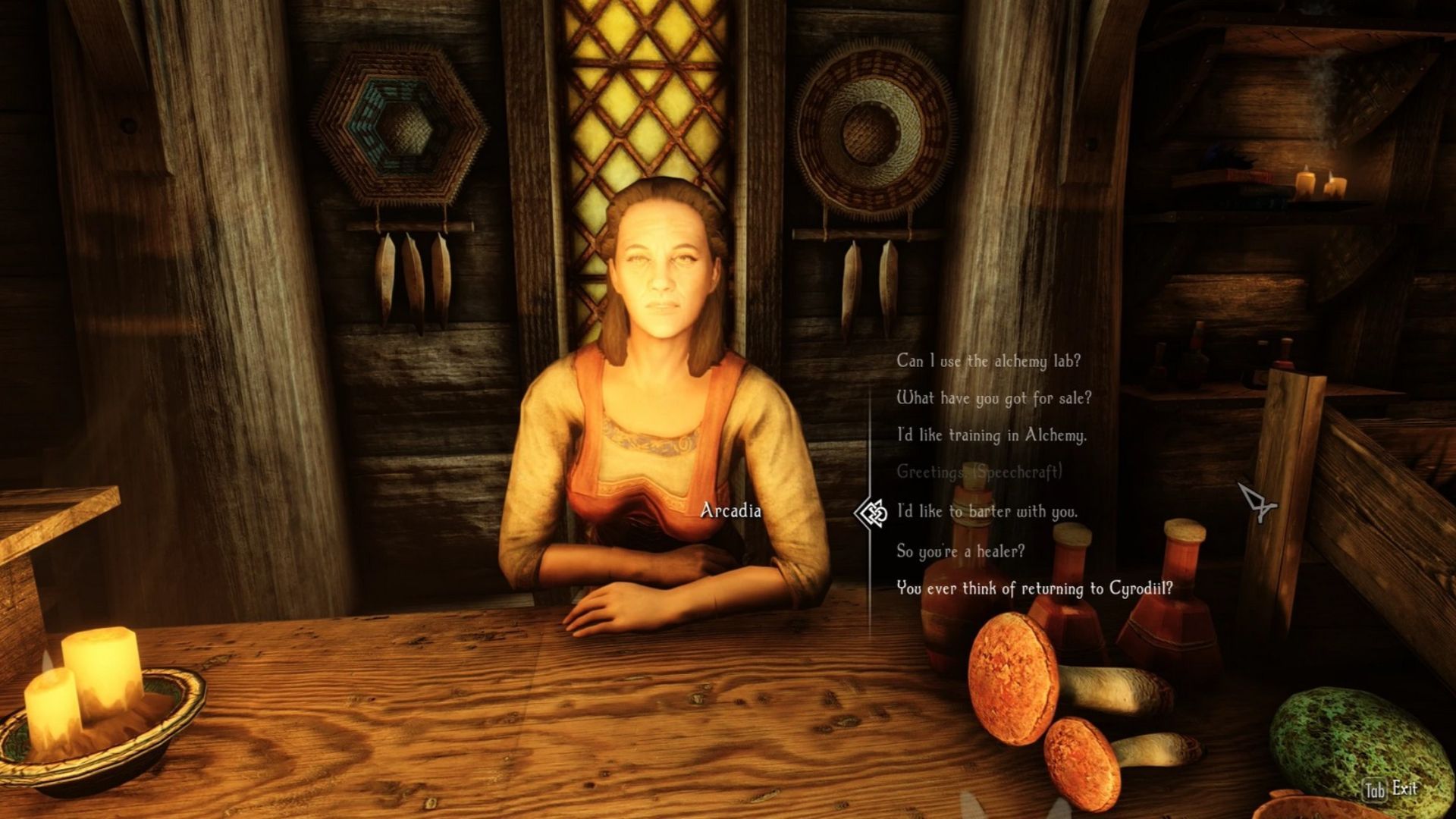
Okay, so as a gamer, I’m really excited about these AI NPCs, but developers are walking a tightrope right now. They need to make sure these characters aren’t just repeating the same lines like the old days, but also keep them from going totally off the rails and saying something awful. It’s a tough balance! They’re building these complex systems that work behind the scenes – filtering what the AI says, tweaking its responses on the fly, and basically moderating it in real-time. If they restrict the AI too much, it just feels…flat. Like you’re talking to a simple chatbot, and the game world loses all its magic. But if they give it too much freedom, one messed-up thing the NPC says could end up going viral for all the wrong reasons and cause a huge problem for the game studio. It’s a really tricky design challenge!
Creating truly engaging and safe interactions with AI is the biggest challenge—and opportunity—for game developers today. Those who succeed won’t just make better games; they’ll set the standard for how we interact with AI in all digital spaces. The age of AI is here, making virtual worlds as unpredictable as reality. So, be cautious when you enter these worlds and avoid sensitive topics—the AI might surprise you with its responses.
Read More
- Change Your Perspective Anomaly Commission Guide In NTE (Neverness to Everness)
- All Nameless Hospital Endings Full Guide In NTE
- Lonely Player Anomaly Commission Guide In NTE (Wandering Puppet Locations)
- Robinhood’s $75M OpenAI Bet: Retail Access or Legal Minefield?
- Midas Tower ReroRero Phone Booth Location in NTE
- Beware! Phishing Emails Are Deceiving Robinhood Users in a Sneaky Plot!
- How to Get the Wunderbarrage in Totenreich (BO7 Zombies)
- NTE Banners (Current, Next, And Upcoming Banners)
- All Skyblazer Armor Locations in Crimson Desert
- How To Get Day Off Arc (Free S-Rank Arc) In NTE
2026-05-07 19:10