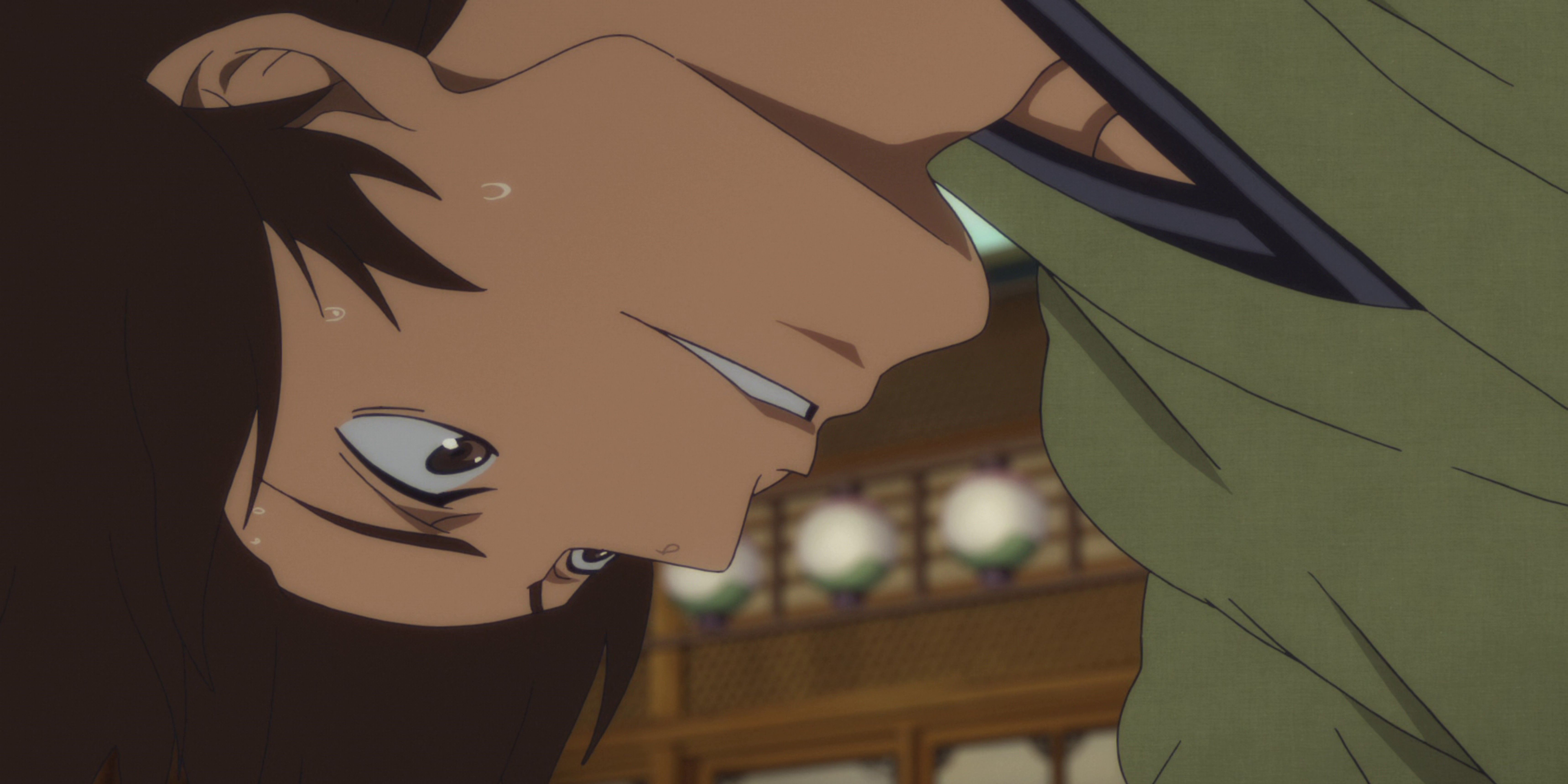
Akane-Banashi is generating a lot of buzz as one of the most promising anime series coming in Spring 2026. Created by Takamasa Moue and Yuki Suenaga, it quickly became a standout title in Weekly Shōnen Jump. What makes it special is that while it breaks from typical shōnen stories, it still feels like a natural evolution of the genre, especially when it comes to action-packed battles.
Akane Osaki is a compelling main character because she’s completely focused on restoring her father’s reputation as a Rakugo performer – a traditional Japanese storyteller. While Akane-Banashi feels like a new manga spotlighting this art form, anime fans might remember Shōwa Genroku Rakugo Shinjū, a series from a decade earlier. That story follows an ex-convict who wants to become the apprentice of a Rakugo master he saw perform in prison.
If you enjoyed Akane-Banashi, you’ll definitely want to check out Shōwa Genroku Rakugo Shinjū. It’s a fantastic anime, and here’s why it deserves a spot on your watchlist!
What Is Shōwa Genroku Rakugo Shinjū About?
The Art of Storytelling
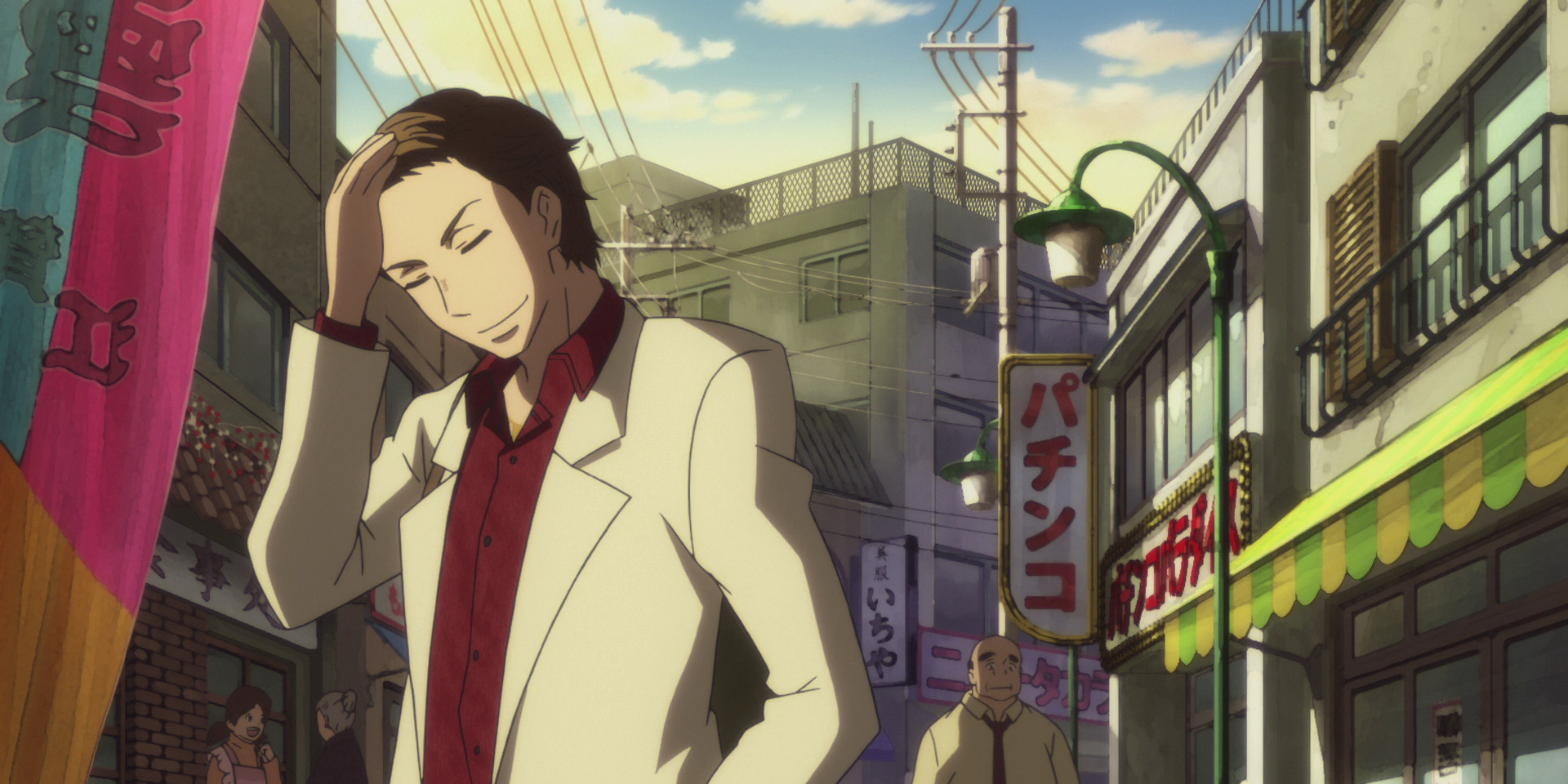
Recently released from prison, a young man is captivated by a Rakugo story called “Shinigami” he overhears a police officer enjoying. He becomes determined to study Rakugo under the renowned Yakumo Yuurakutei, even tracking down the master’s driver. Though Yakumo Yuurakutei has never had an apprentice before, the young man – now called Yotarō – somehow manages to persuade him to take him on, and moves into the Yuurakutei household.
Yotarō encounters Konatsu, the daughter of the late Shin’uchi Sukeroku Yuurakutei, a former rival of his master, Yakumo. Konatsu’s dedication to her father’s unique style of performing captivates Yotarō, and he starts training with her in addition to Yakumo. This situation causes Yakumo to think about his own relationship with Sukeroku and a promise he once made to him.
It’s natural to expect similarities between Akane-Banashi and Shōwa Genroku Rakugo Shinjū since both are anime focused on Rakugo. Both shows explore how this traditional art form affects the characters’ lives and its importance as a cultural tradition. A key similarity is their focus on how learning Rakugo impacts the main characters and their mentors.
Akane and Yotarō both perform Rakugo with incredible dedication. Konatsu shares this passion, honoring her late father’s legacy and striving to carry on his work – qualities Akane also embodies. Yotarō’s performances, meanwhile, feel like a beautiful echo of a past generation.
The Similarities Between Shōwa Genroku Rakugo Shinjū and Akane-Banashi
For the Love and Preservation of Rakugo
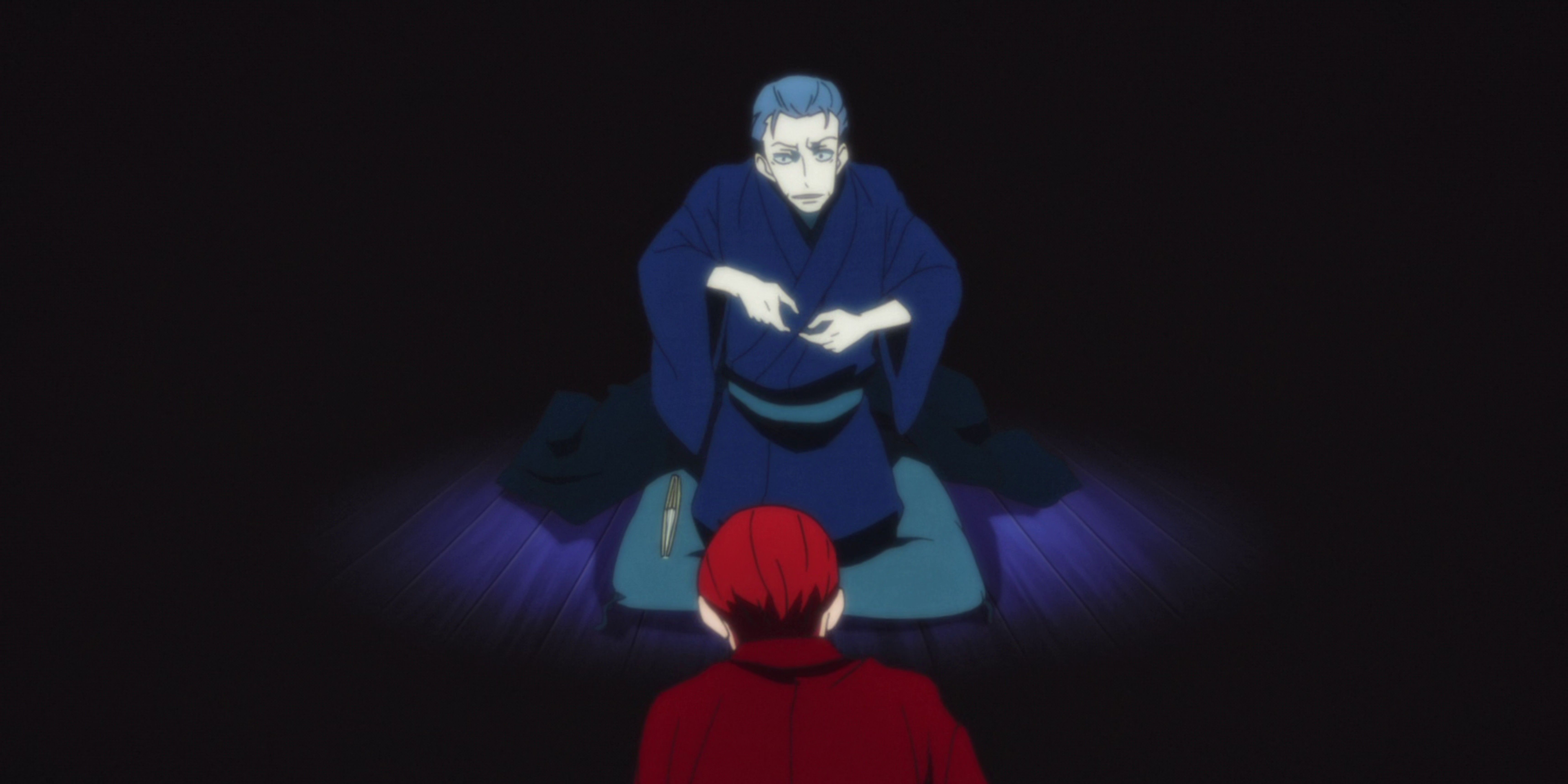
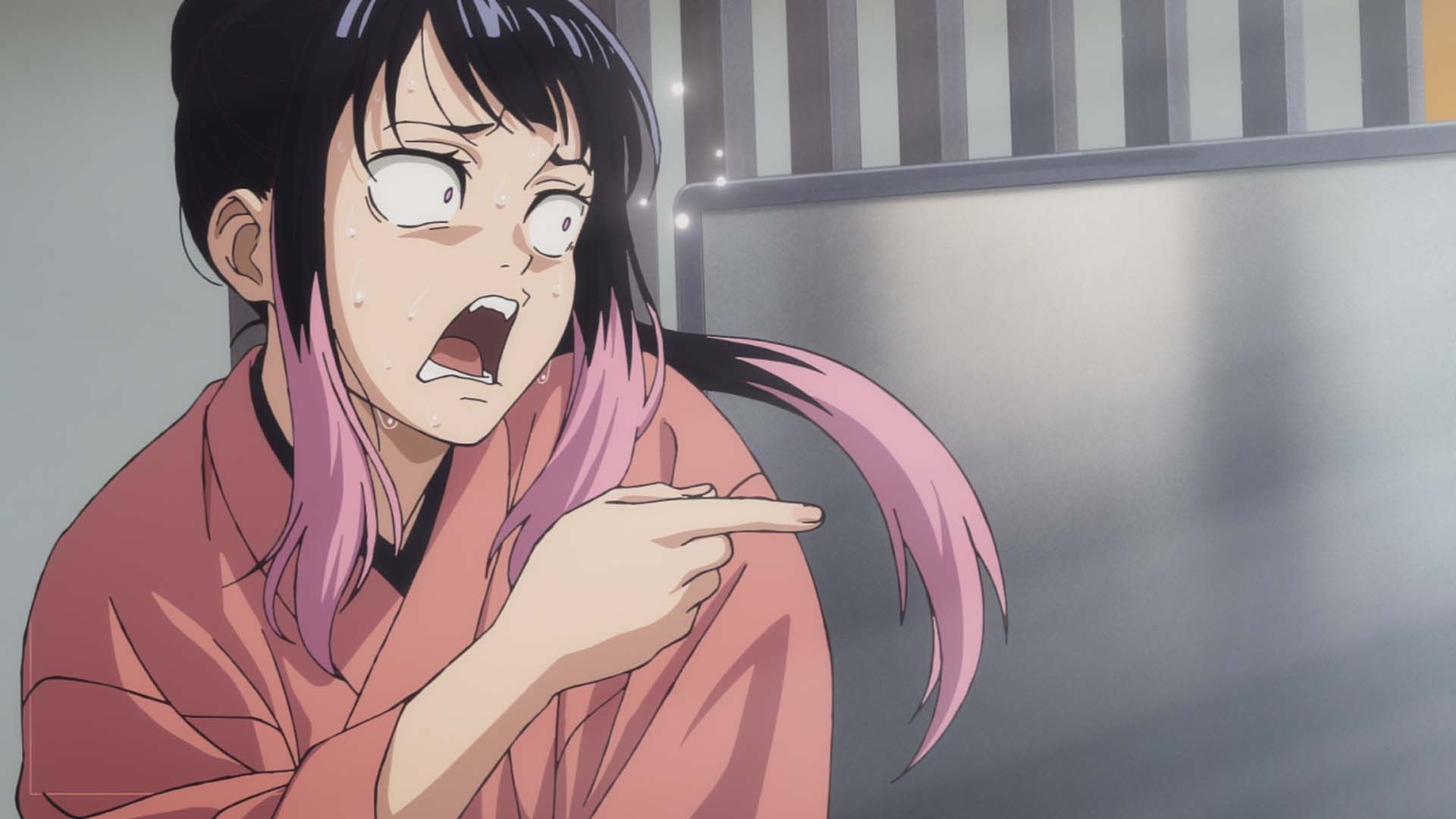
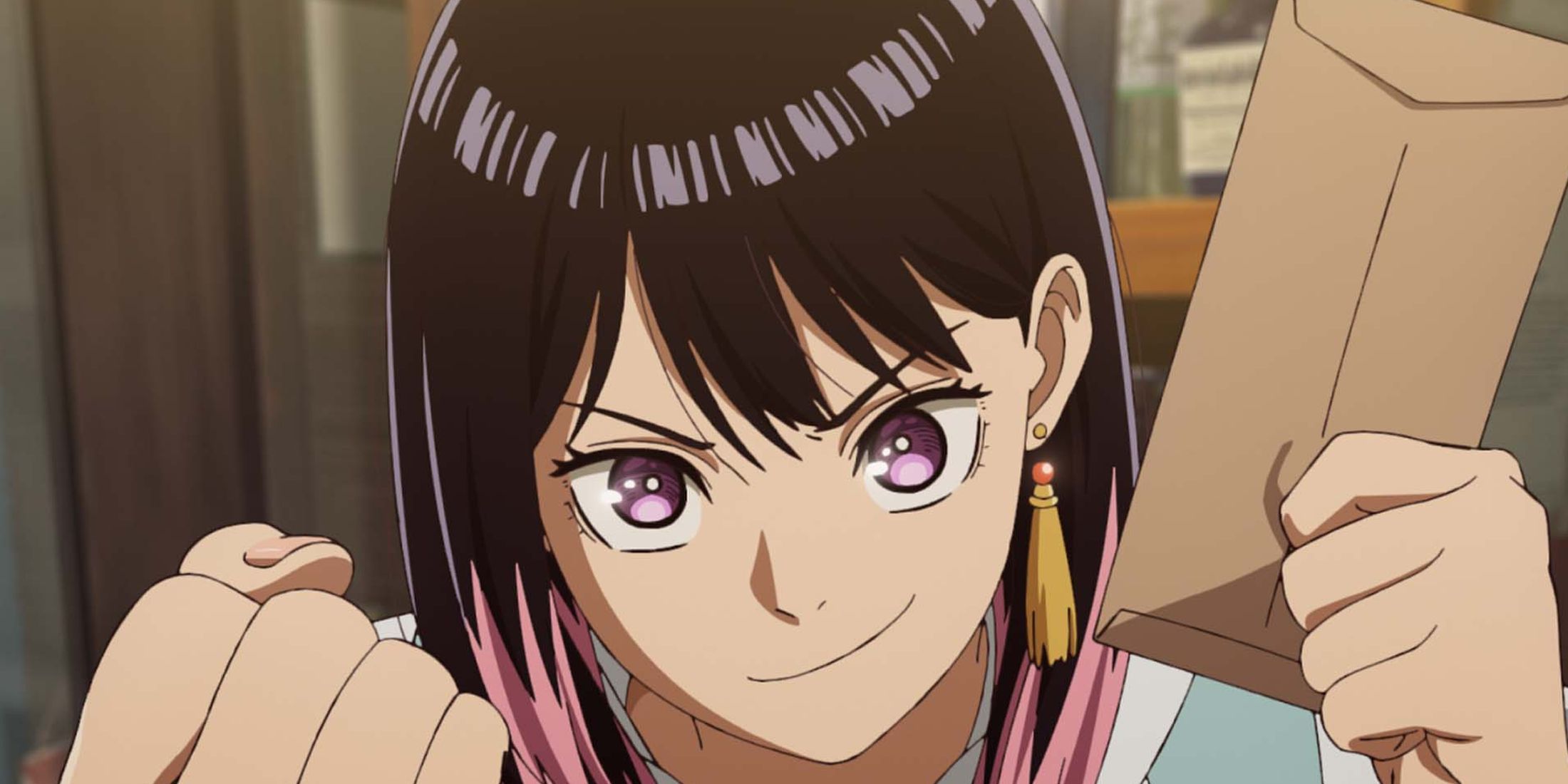
While Akane-Banashi and Shōwa Genroku Rakugo Shinjū share some common ground, it’s actually their differences that make it worthwhile for fans of one show to check out the other. Shōwa Genroku Rakugo Shinjū takes place during the Shōwa Era in Japan, a period defined by the reign of Emperor Hirohito from 1926 to 1989.
The Shōwa Era transitioned into the Heisei Era, which concluded in 2019 when Emperor Akihito stepped down. This led to the current Reiwa Era under his son, Emperor Naruhito. Akane-Banashi takes place in a modern version of Japan, while SGRS is set sometime between 1926 and 1989, likely in the 1970s or 80s. Within SGRS, the story of Yakumo and Sukeroku’s relationship unfolds around the 1940s or 50s.
I’ve been really fascinated by how the setting impacts the stories in these rakugo anime! In Akane-Banashi, it feels like women pursuing rakugo aren’t actively stopped, but in Shōwa Genroku Rakugo Shinjū, which takes place in the mid-20th century, things are much harder for them. Even though it’s not ancient history, women just didn’t have the same opportunities back then. You really see this with Konatsu – her gender is constantly used against her, not just to keep her from practicing rakugo, but even to deny her basic respect. It’s heartbreaking, like when Yotarō gets ambushed by someone from his yakuza past and pressured into doing a favor – it feels especially unfair given how vulnerable Konatsu already is.
The story highlights gender issues when a gangster rudely tells Konatsu to be quiet, revealing the challenges faced by women in the world of SGRS. A particularly moving scene shows Konatsu sharing her frustrations with a former colleague of her mother’s, a geisha. Konatsu expresses her regret at being born female, as she feels unable to achieve the same level of success as her father in the male-dominated art of Rakugo.
What Separates Shōwa Genroku Rakugo Shinjū From Akane-Banashi?
The Battle Between Modernity and Tradition
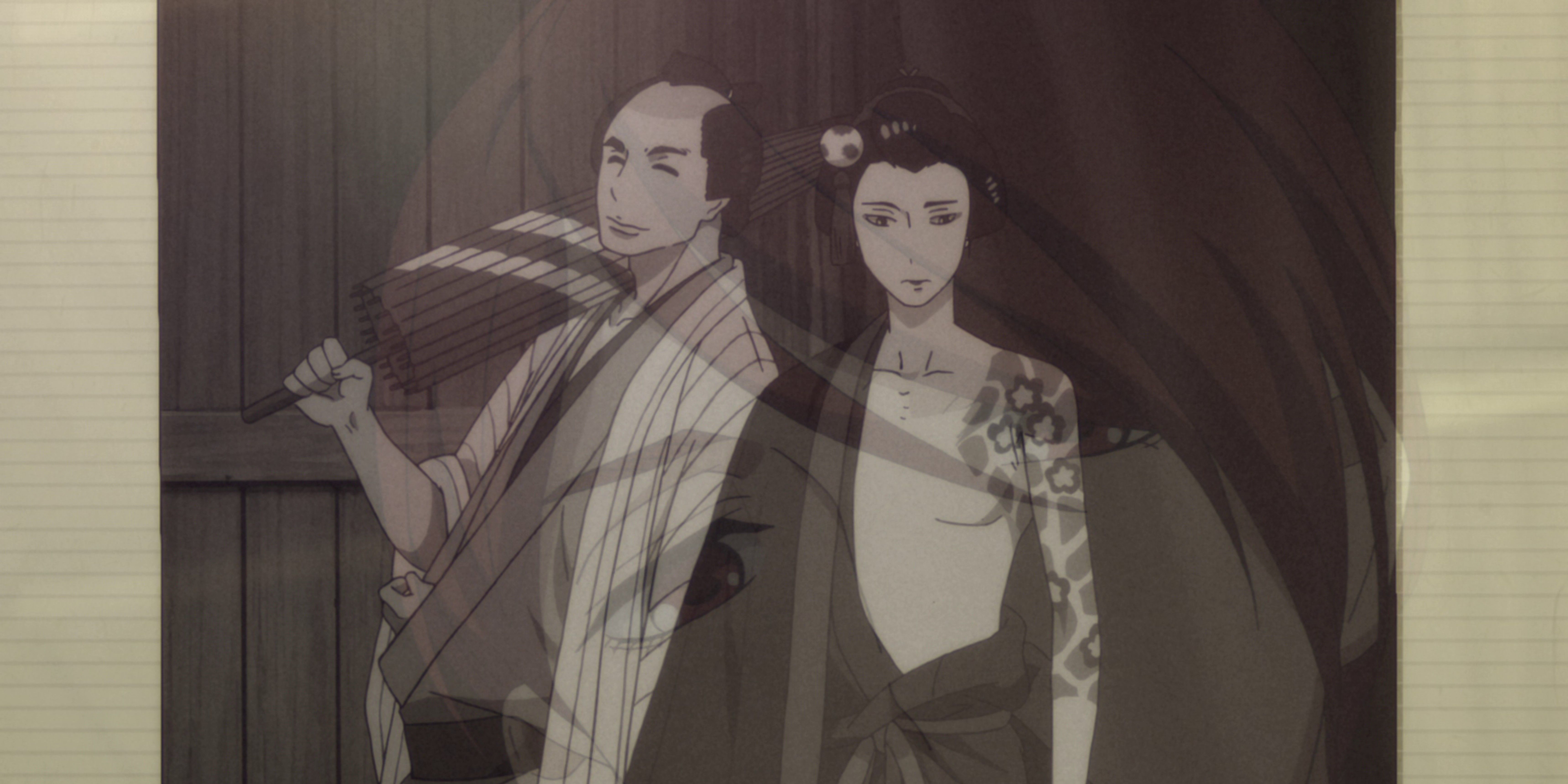
Both stories explore the tension between old and new, as they both center around traditional arts that are fading away. In Akane-Banashi, this conflict is shown through the strict rules of the older generation and how they clash with new approaches, creating a personal struggle for the main character, Akane. Meanwhile, SGRS portrays this same tension as a rivalry between Yakumo and the memory of the late Sukeroku.
Yakumo took on Yotarō as his apprentice, but he still feels competitive with Sukeroku. Interestingly, Sukeroku’s daughter is now teaching Yotarō the same Rakugo techniques her father used. This creates a dynamic where Yakumo and Sukeroku represent the traditional style, while Konatsu and Yotarō bring fresh perspectives. Konatsu, as a woman in a traditionally male art form, and Yotarō, by learning from Sukeroku’s daughter, are helping to evolve Rakugo for a new generation and keep Sukeroku’s style alive.
I’ve been thinking a lot about how difficult it is to make a living as a storyteller. It’s a harsh world, and when someone leaves it, they take their skills and dedication with them. Every loss feels significant. It’s not just about the individuals, but also the venues and opportunities where we share our work – they seem to be disappearing too. It’s startling to realize some younger generations aren’t even familiar with places like Yoshiwara and Nagaya. This art form exists within a remarkably small community, and honestly, you can’t preserve an art if those creating it aren’t thriving. Maybe it’s not so bad if it has a shorter run. If it’s going to end, I’d rather see it go out with a powerful impact, a brilliant finale, rather than just fading away.
– Yuurakutei Yakumo
Like many shōnen series, Akane-Banashi spends a significant amount of time explaining Rakugo, its traditions, and what goes into mastering the art form. This helps viewers understand and become fascinated by it. This approach is common in anime and manga that focus on a specific skill or hobby – for example, Bakuman offers a simple introduction to how manga is made.
I absolutely love how Shōwa Genroku Rakugo Shinjū just jumps right into the heart of the characters and their stories! It doesn’t waste time with a lot of extra fluff. What’s really special is that the series lets the rakugo performances play out fully – you actually get to hear the stories without interruptions. I think it gets away with that because the first episode is a full two hours long, setting up everything beautifully and even hinting at the mystery around Konatsu’s father. It’s a fantastic way to immerse you in the world right from the start!
Multiple Stories in One
Shōwa Genroku Rakugo Shinjū’s Narrative Brilliance
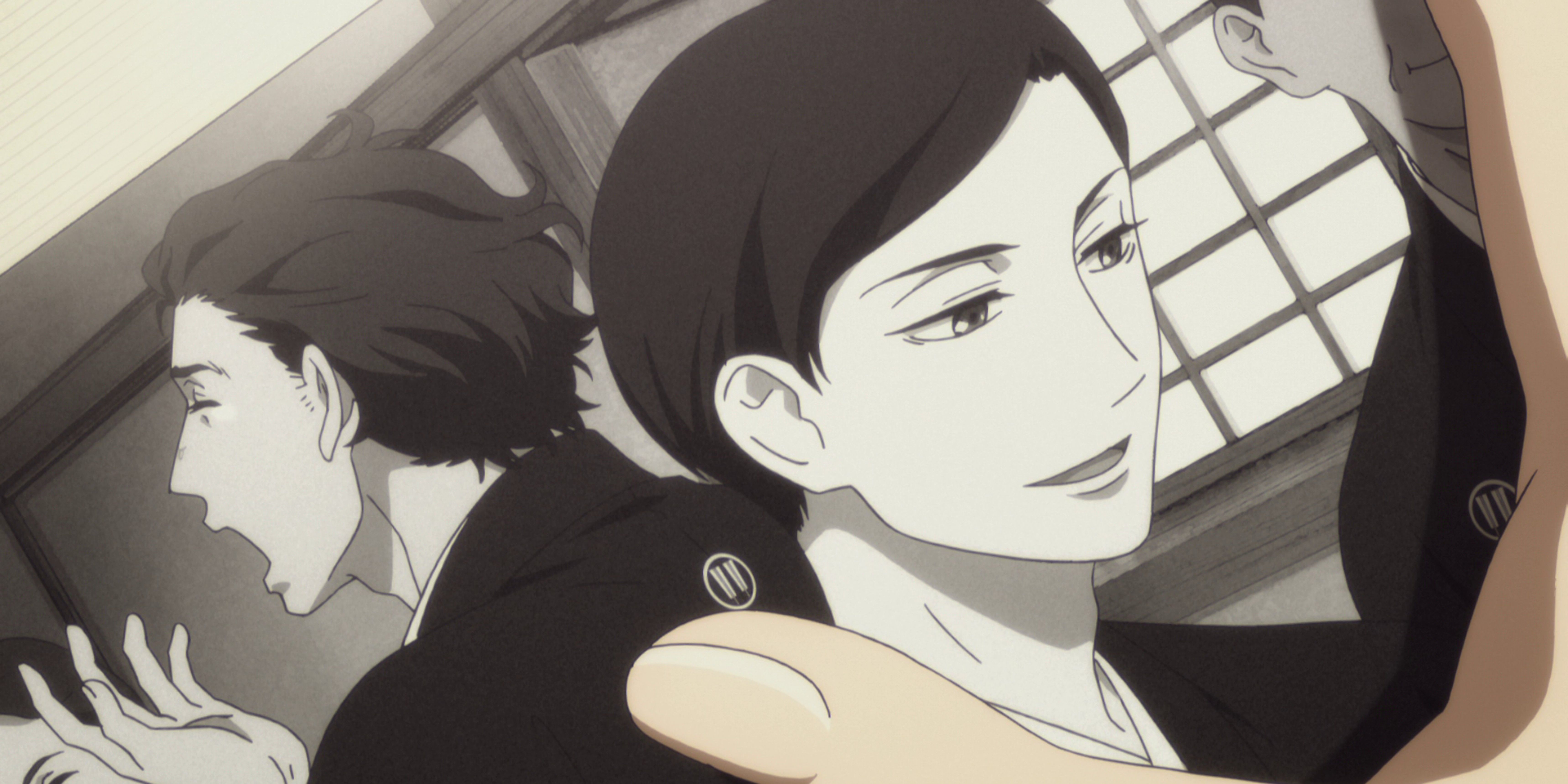
The first episode of Shōwa Genroku Rakugo Shinjū, while lasting two hours, primarily serves as an introduction to the central relationship that drives the story: the connection between Yotaro’s teacher, Yakumo, and the father of Konatsu, Sukeroku. The series is structured as a story within a story, enriched by multiple subplots that flesh out the characters’ world and their interactions.
The way Shōwa Genroku Rakugo Shinjū explores Yakumo’s history ties into the series’ central theme of old versus new, and it makes the main story even more captivating. If you enjoyed Akane-Banashi for its thoughtful characters and their dedication to Rakugo, you’ll likely be completely absorbed by Shōwa Genroku Rakugo Shinjū.
Read More
- Change Your Perspective Anomaly Commission Guide In NTE (Neverness to Everness)
- All Nameless Hospital Endings Full Guide In NTE
- How to Get the Wunderbarrage in Totenreich (BO7 Zombies)
- Beware! Phishing Emails Are Deceiving Robinhood Users in a Sneaky Plot!
- Robinhood’s $75M OpenAI Bet: Retail Access or Legal Minefield?
- NTE Banners (Current, Next, And Upcoming Banners)
- All the Free Games You Can Claim in May 2026
- Midas Tower ReroRero Phone Booth Location in NTE
- NTE Fan Shows Off Mint Cosplay
- How to Unlock the Mines in Cookie Run: Kingdom
2026-05-09 00:38