
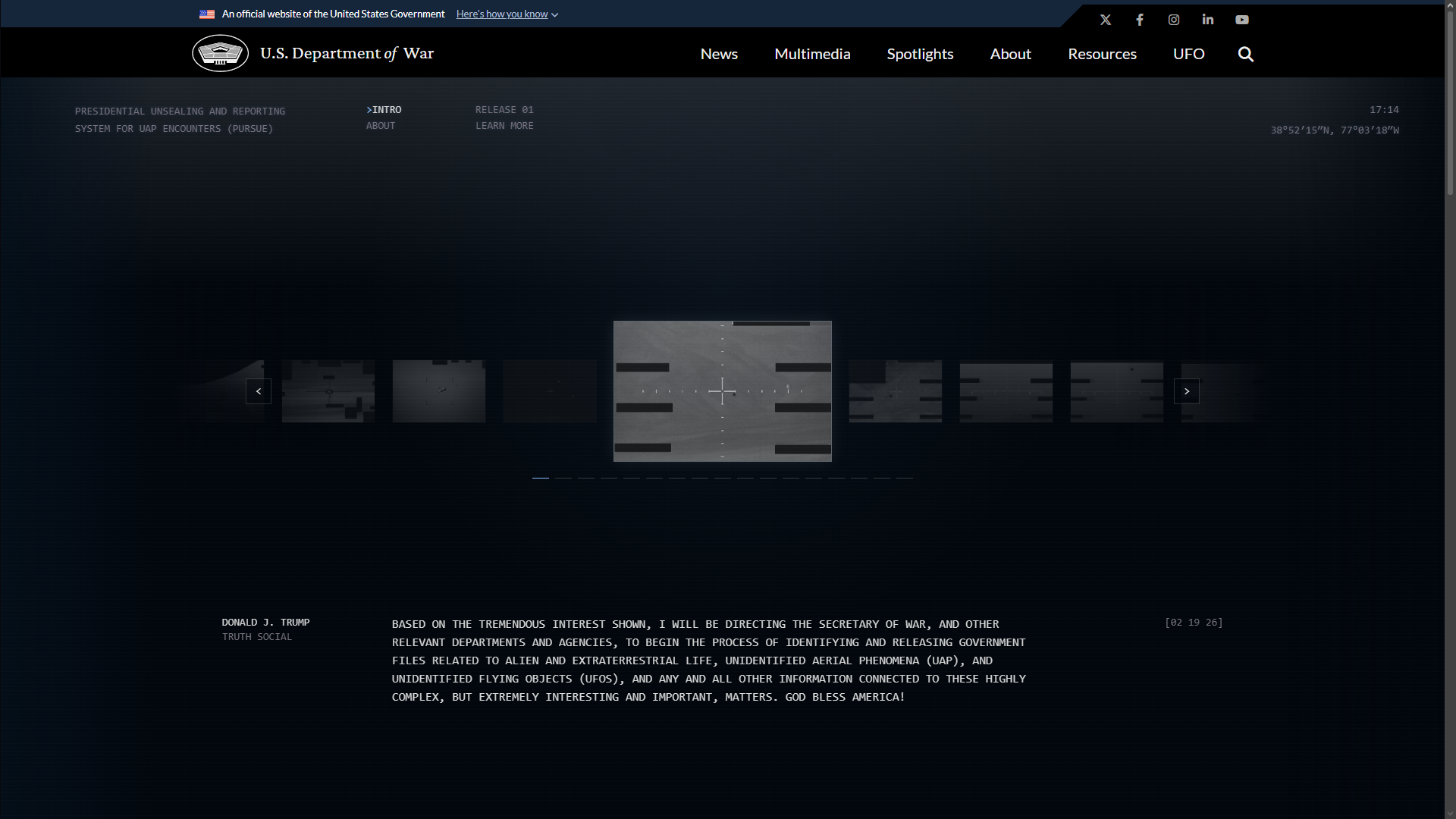
The Pentagon has made over 150 previously secret files about UFOs publicly available, launching a dedicated website to host them. The site features a visually engaging design and organizes the documents by case number, with new files added regularly. The government is now asking the public to assist in examining information they haven’t been able to explain, as part of a program called PURSUE.
Gamers will recognize the format immediately.
What PURSUE Actually Is
Alternate reality games, or ARGs, are interactive stories played using real-world tools like websites, hidden files, and even GPS coordinates. Players work together to unravel the narrative. ARGs have been around for a while; for example, the creators of the game Halo 2 used one to generate excitement by hiding clues online and through phone numbers. Hideo Kojima, known for the Metal Gear Solid series, created an incredibly complex ARG for Metal Gear Solid V, using fake websites and mysterious messages to keep the game’s development secret. A key principle of ARGs is to blur the line between fiction and reality – the game often insists, ‘This Is Not A Game’ (TINAG).
In 2001, Electronic Arts expanded on this idea with a game called Majestic. It was an alternate reality game (ARG) centered around UFOs and the idea that governments were hiding the truth. Players received coded messages, found realistic-looking fake documents, and explored websites designed to appear like actual secret government files. However, just six weeks after the September 11th attacks, EA put the game on hold. The company felt the game’s premise was too sensitive given current events and officially cancelled Majestic in April 2002.
Twenty-five years later, the actual government launched something that looks almost identical.
The PURSUE website features a visually striking homepage with moving images and a direct quote from a presidential order. Hidden in the header are GPS coordinates – 38°52′15″N, 77°03′18″W – which point to the Pentagon. Its document archive is organized using case numbers like DOW-UAP-PR43, DOW-UAP-PR46, and DOW-UAP-PR49. The site displays infrared images of unidentified objects filmed in various locations around the world, including Greece, Japan, Africa, Syria, and the western United States. New documents are announced ahead of time and released gradually. Interestingly, the Department of War has specifically invited outside experts to analyze information that its own team hasn’t been able to explain, sounding more like a challenge than a standard transparency statement.
If you’ve ever participated in online puzzle-solving communities – working together to find clues, share information, and tackle difficult challenges – you’ll quickly understand how this is organized.
What the Files Actually Say
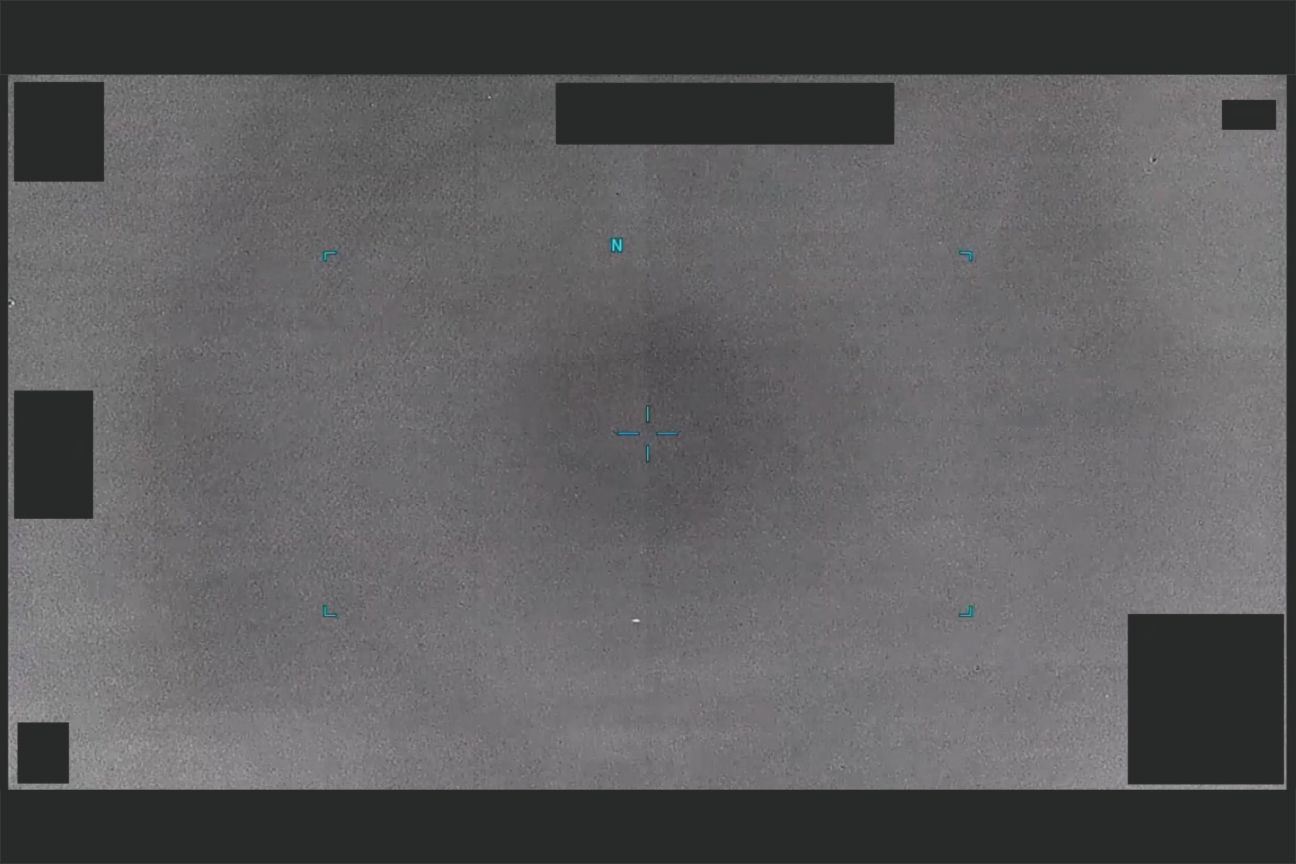
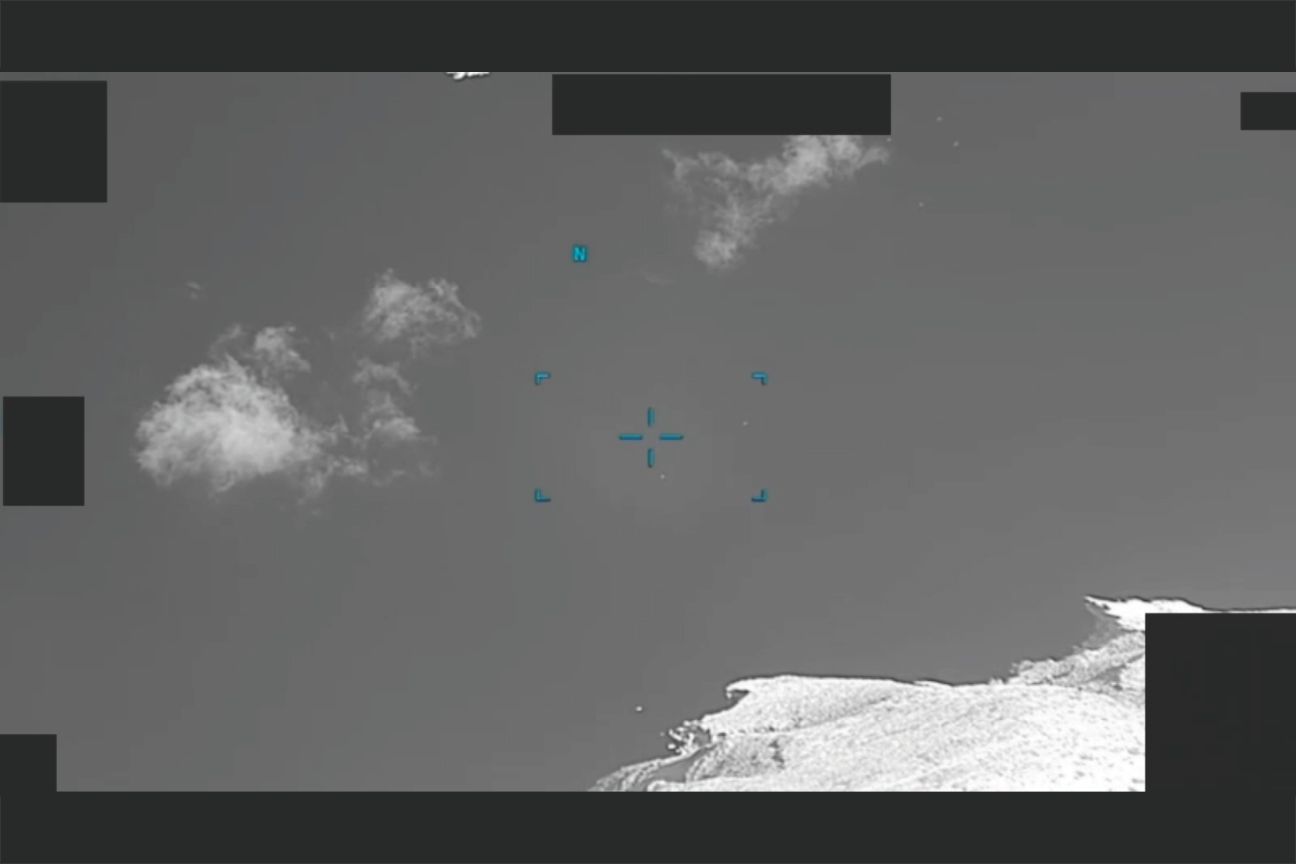
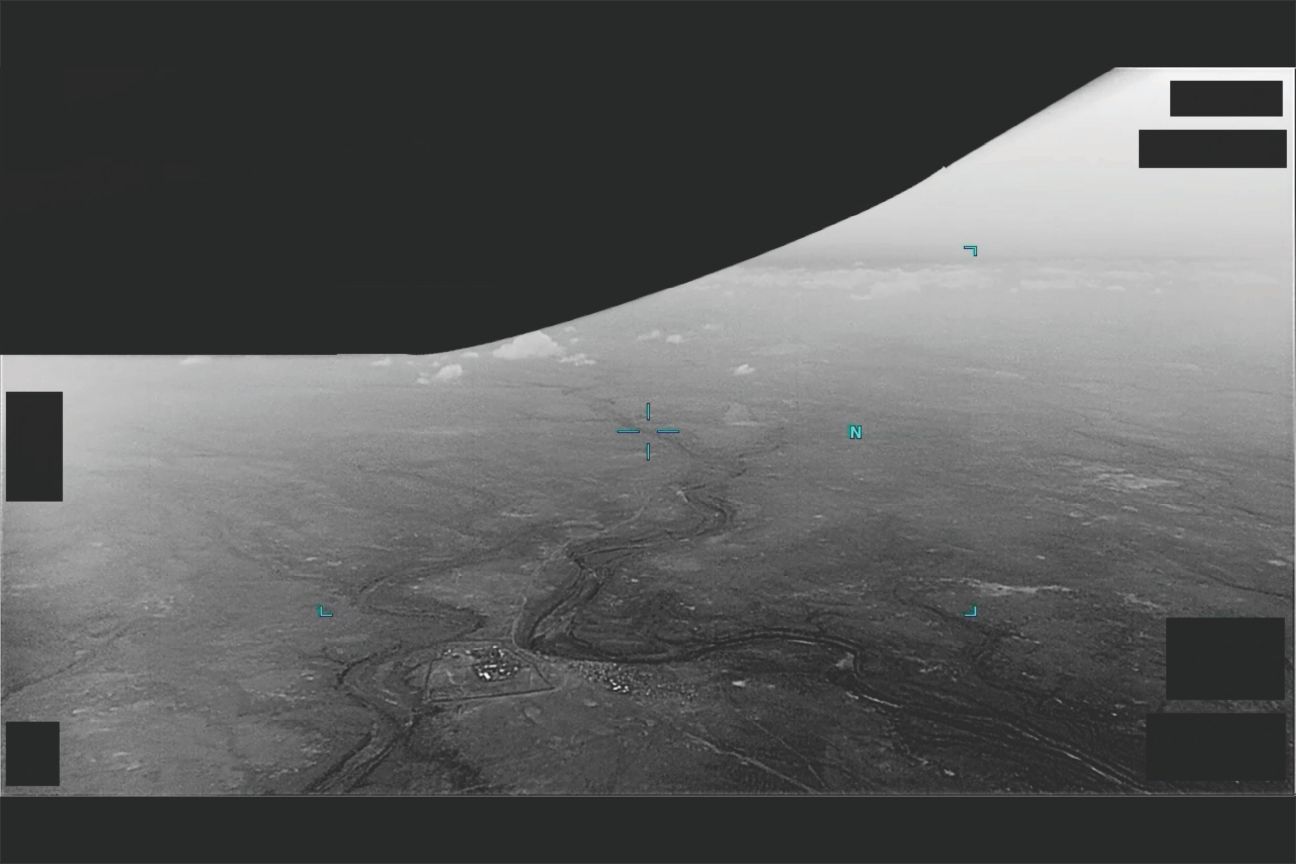
In October 2023, a U.S. military observer reported seeing an unidentified aerial phenomenon (UAP) make sharp, 90-degree turns at around 80 mph over Greece – a movement that shouldn’t be possible with typical aircraft. Separately, U.S. Indo-Pacific Command recorded an object near Japan that was shaped like a football. In May 2022, military personnel in the Middle East saw a UAP fly across their view during an operation. And in 2025, a military plane encountered an unexplained object while flying over Africa, a situation the government still hasn’t been able to explain.
The newly released materials include content from the Apollo missions. Notably, a photograph from the Apollo 17 mission in December 1972 depicts three lights forming a triangle above the moon’s surface. NASA personnel circled and added notes to this photo. A recording of the mission also captures the astronauts’ observations. One astronaut described seeing bright, angular fragments outside the window, comparing the scene to Fourth of July fireworks.
The Pentagon is clear about what these unexplained sightings aren’t: solved cases. The government simply can’t determine what these objects are, including instances like the sharp turns over Greece, the football-shaped object spotted near Japan, and the unusual sight witnessed by the Apollo 17 astronauts in 1972.
So, they released 162 files, but a whopping 108 of them are redacted – meaning parts are blacked out. As someone who loves a good ARG (Alternate Reality Game), it feels like they want us to notice those redactions, like a clue! The Pentagon says they’re just protecting people’s identities and secure locations, but honestly? After playing so many games about government secrets, I’m not entirely buying it. It just feels…intentional.
A Question of Genre
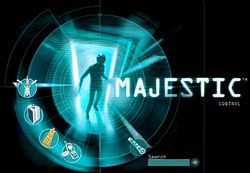
Electronic Arts’ game, Majestic, challenged players to unravel a made-up UFO conspiracy using fabricated documents and simulated government secrecy. Now, the Pentagon is asking the public to investigate a potential real-life UFO mystery, utilizing actual classified documents and official government resources. The way both work is remarkably similar, dealing with the same core subject. The main difference – aside from one being a game – is that this time, the investigation leads directly to a government website.
It’s hard to tell if this is a groundbreaking move towards openness or an incredibly complex, interactive puzzle. The Pentagon promises to regularly release new information as it’s found and made public, and they’re actually asking people to help analyze and understand what it all means.
This revelation is either an incredibly important government announcement, or an elaborate and brilliantly crafted game designed to look like reality.
Possibly both.
Read More
- Change Your Perspective Anomaly Commission Guide In NTE (Neverness to Everness)
- All Nameless Hospital Endings Full Guide In NTE
- How to Get the Wunderbarrage in Totenreich (BO7 Zombies)
- Beware! Phishing Emails Are Deceiving Robinhood Users in a Sneaky Plot!
- Robinhood’s $75M OpenAI Bet: Retail Access or Legal Minefield?
- NTE Banners (Current, Next, And Upcoming Banners)
- All the Free Games You Can Claim in May 2026
- Midas Tower ReroRero Phone Booth Location in NTE
- NTE Fan Shows Off Mint Cosplay
- How to Unlock the Mines in Cookie Run: Kingdom
2026-05-09 01:08