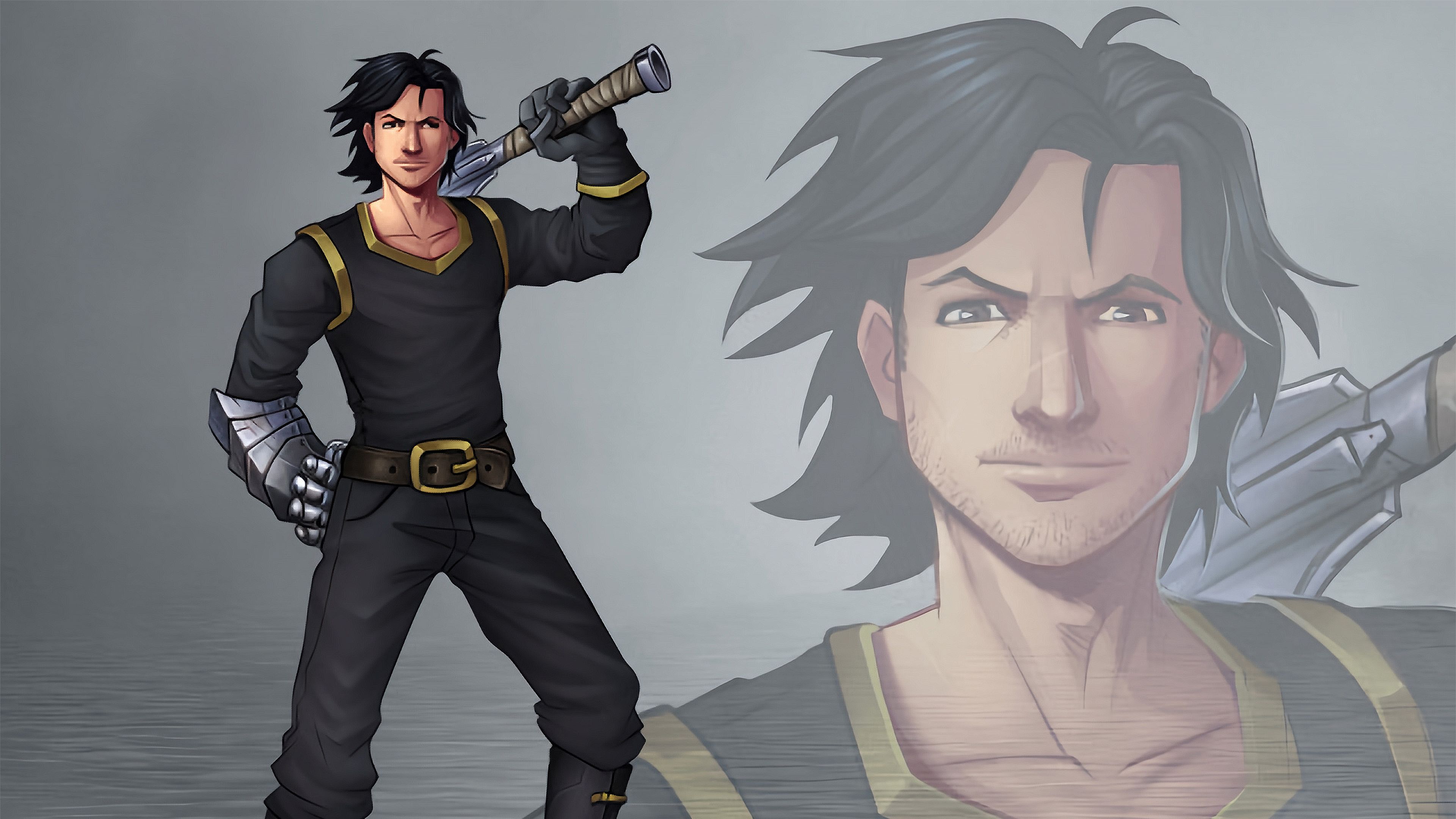
Many modern role-playing games (RPGs) draw inspiration from older titles, but When the Light Dies is unique in how directly it aims to recreate a classic feel. As the fifth game from Gemelle Games – following Undefeated and The Tale of the Common Man – it’s a deliberately old-school 2D RPG designed to capture the style of SNES Final Fantasy games. This isn’t just about how the game looks; the Steam page specifically highlights those Final Fantasy games as a key influence, making it a potentially ideal choice for players looking for a nostalgic, retro experience.
When the Light Dies features a party of five playable characters and a unique battle system where you adapt your strategy during combat. Players can also customize how their characters learn new skills. The game’s Steam page highlights features like side quests, hidden areas, multiple difficulty levels, and a post-game exploration counter, all of which are reminiscent of classic Final Fantasy titles.
When the Light Dies Is Aiming Straight at the SNES Final Fantasy Crowd
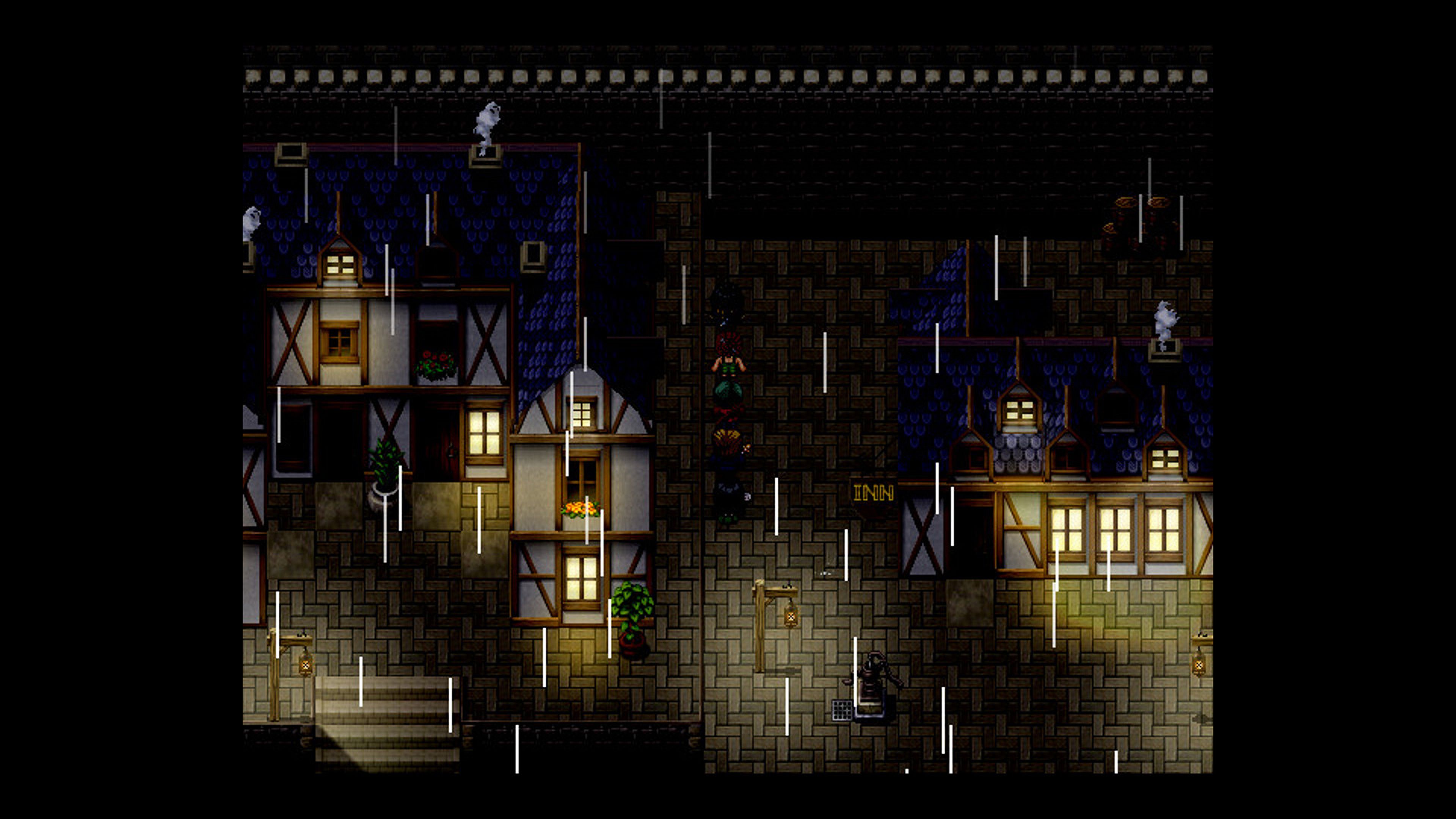
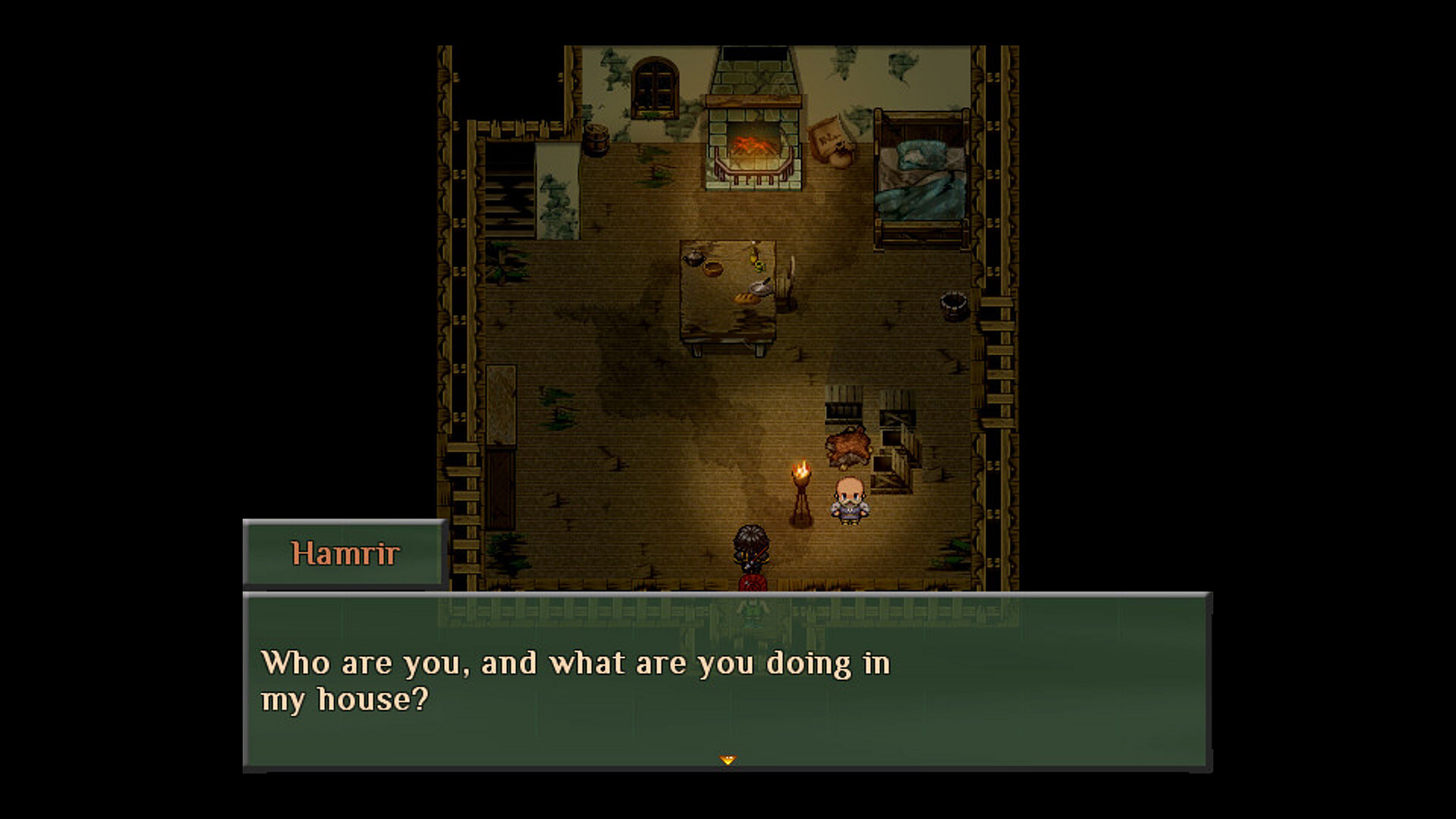
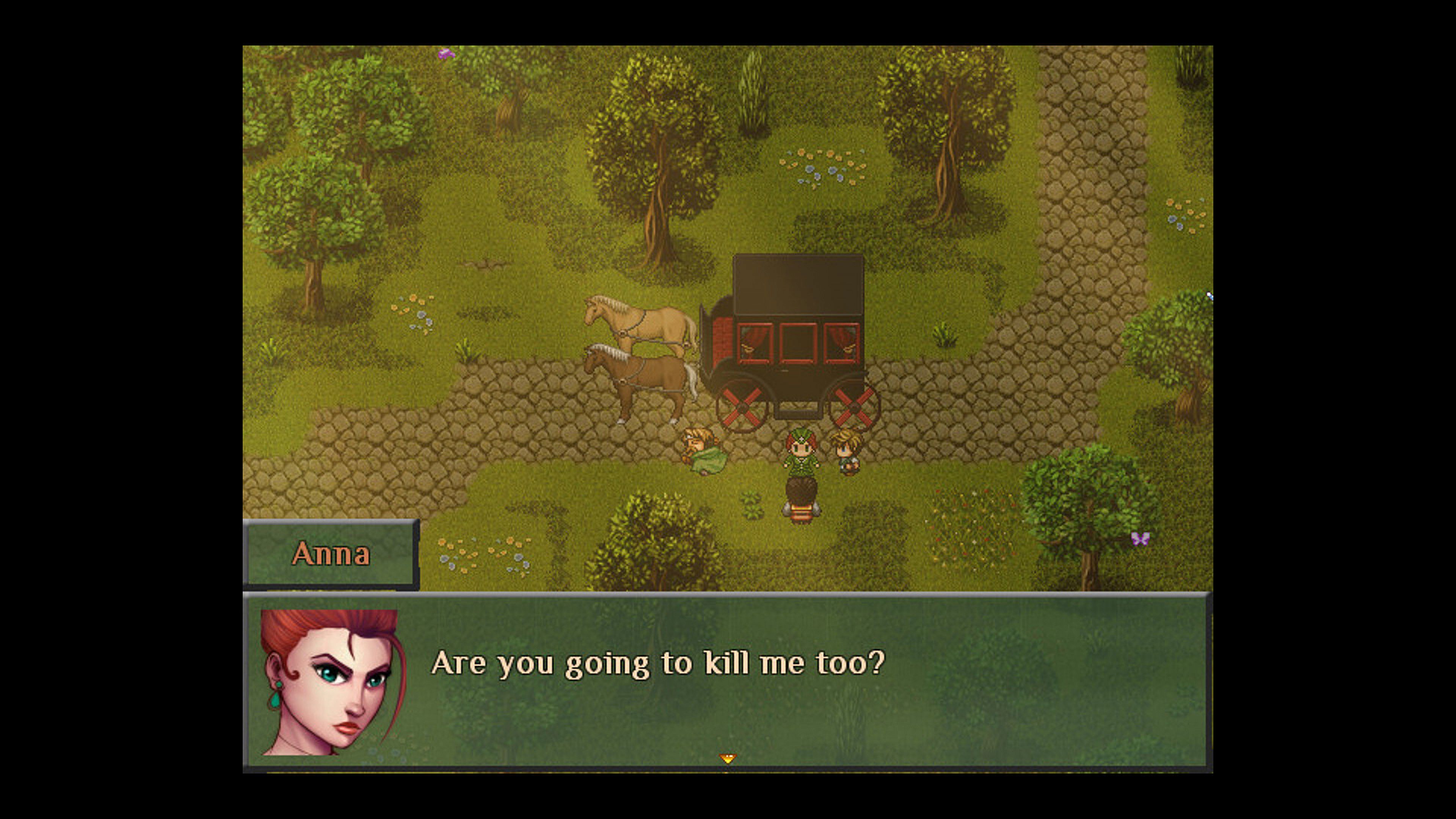
When the Light Dies introduces Rick, a mercenary who finds himself in deep trouble after a job gone wrong. He becomes responsible for protecting Anna, a woman connected to a cursed knife that’s slowly consuming her. If Anna loses her inner light, she faces certain destruction, as detailed on the game’s Steam page.
Who’s That Character?  Identify the silhouettes before time runs out.
Results
High Score: 0 —
This kicks off a quest for Rick and his mismatched team to discover what’s controlling the artifact and how to save Anna. The group feels like a classic RPG party – you’ve got someone with no fighting skills, her heartbroken ex, his unwilling assistant, and a wizard who’s been inactive for nearly a century. It’s a quirky and compelling situation, and it’s this kind of detail – not just the graphics – that really makes the game feel like a throwback to the SNES Final Fantasy games.
When the Light Dies’ Key Features
- PREDICTIVE TURN BATTLES – Adapt strategy as fights unfold.
- PERSONAL BATTLE BONUSES – Earn rewards through individual character defeats.
- FIVE-CHARACTER ACTIVE PARTY – Build around broader combat roles.
- PLAYER-CHOSEN SKILL ORDER – Decide how many abilities unlock.
- FOUR DIFFICULTY LEVELS – Easy, Normal, Hard, or Legendary.
- OPTIONAL CHARACTER RENAMING – Customize party names if desired.
- THREE-QUEST REWARD BONUSES – Pick bonuses after completing three quests.
- 10-HOUR RPG RUNTIME – Play through a compact adventure.
- SIDE QUESTS AND SECRETS – Find extra content and hidden rooms.
- ENDGAME EXPLORATION COUNT – Track discovery after finishing.
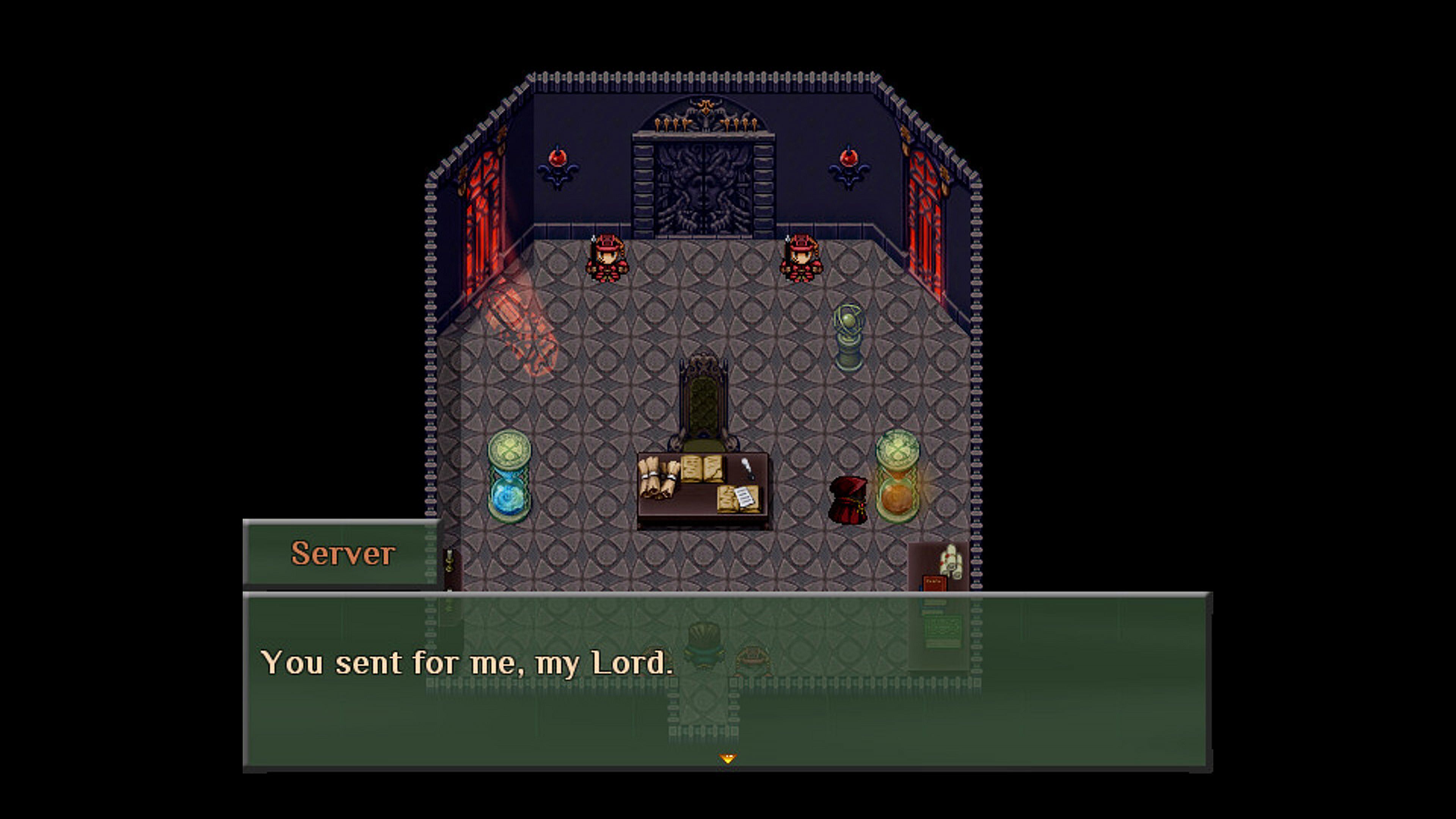
Though When the Light Dies uses a classic 2D RPG style reminiscent of older Final Fantasy games, its story quickly draws you in. The game follows a mercenary who gets caught up in a much bigger problem than he signed up for. He’s not a hero by nature, just a professional trying to fix a botched job. However, that job goes wrong, putting a woman named Anna in danger – a possessed knife is slowly consuming her with darkness.
Starting with just a tiny hint, the team needs to discover what’s controlling the knife and how to save Anna. Time is running out, and they have even less than they realize.
As a fan, when I first heard about When the Light Dies, it immediately reminded me of classic Final Fantasy games. The story setup – a mercenary hero, a dangerous cursed item, a woman in peril, and a ragtag group of companions who seem totally out of their depth – just screams that era of JRPGs! It’s not just the retro 2D graphics either. With its turn-based battles and a party of five, the game’s story really solidifies that Final Fantasy vibe, going way beyond just looking similar to those SNES classics.
When the Light Dies’ Five-Character Party Could Be Its Strongest Throwback
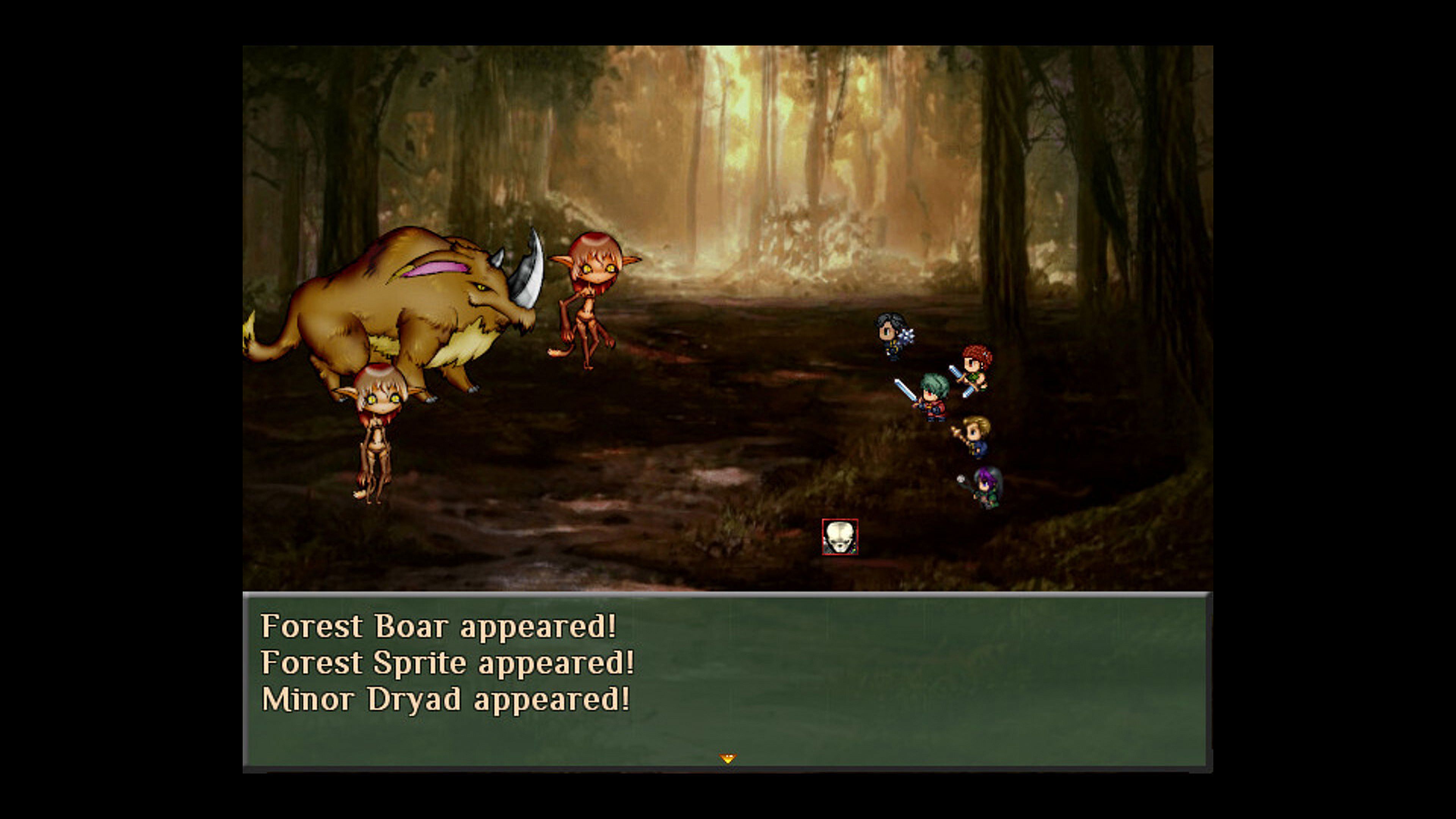
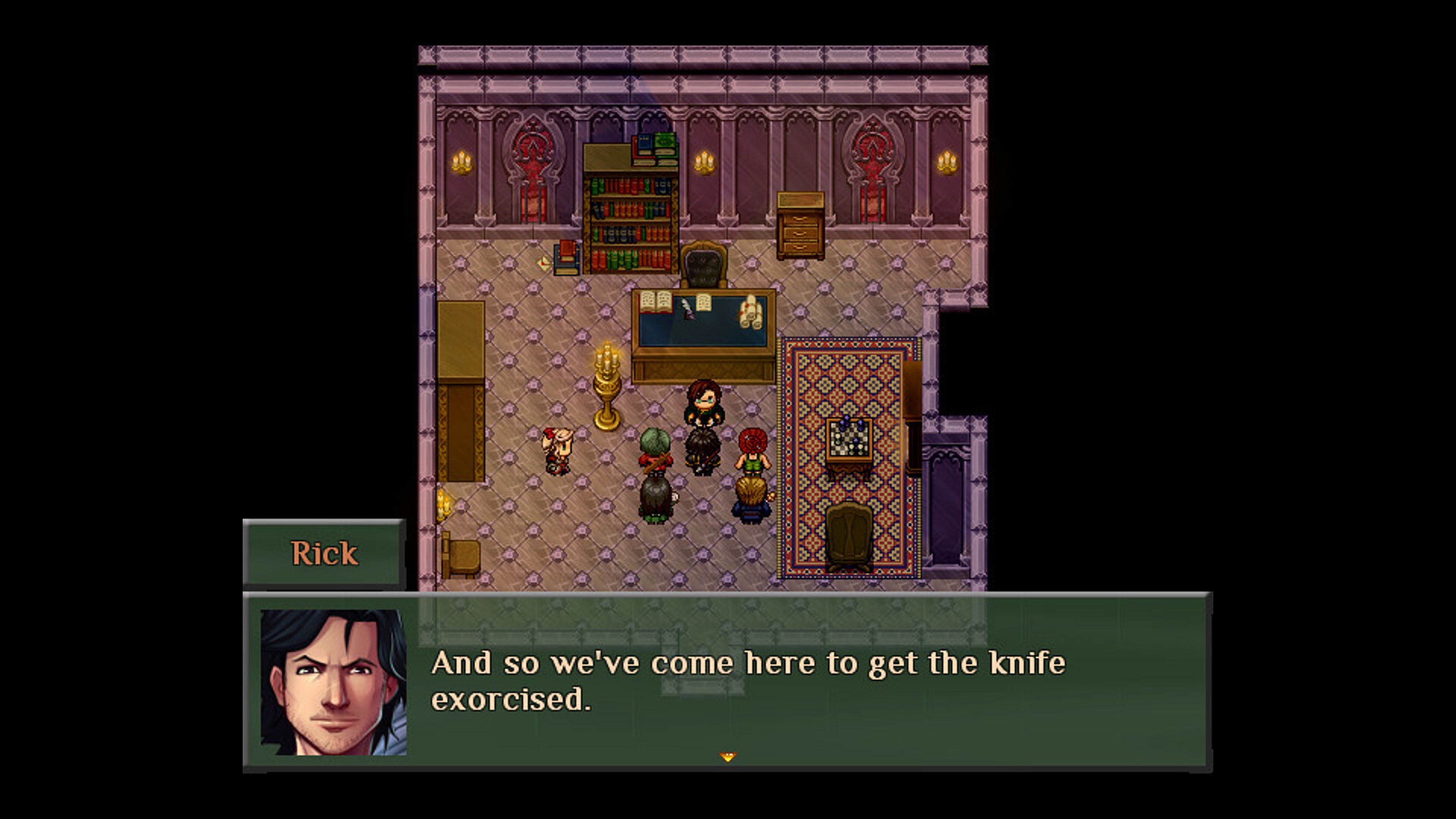
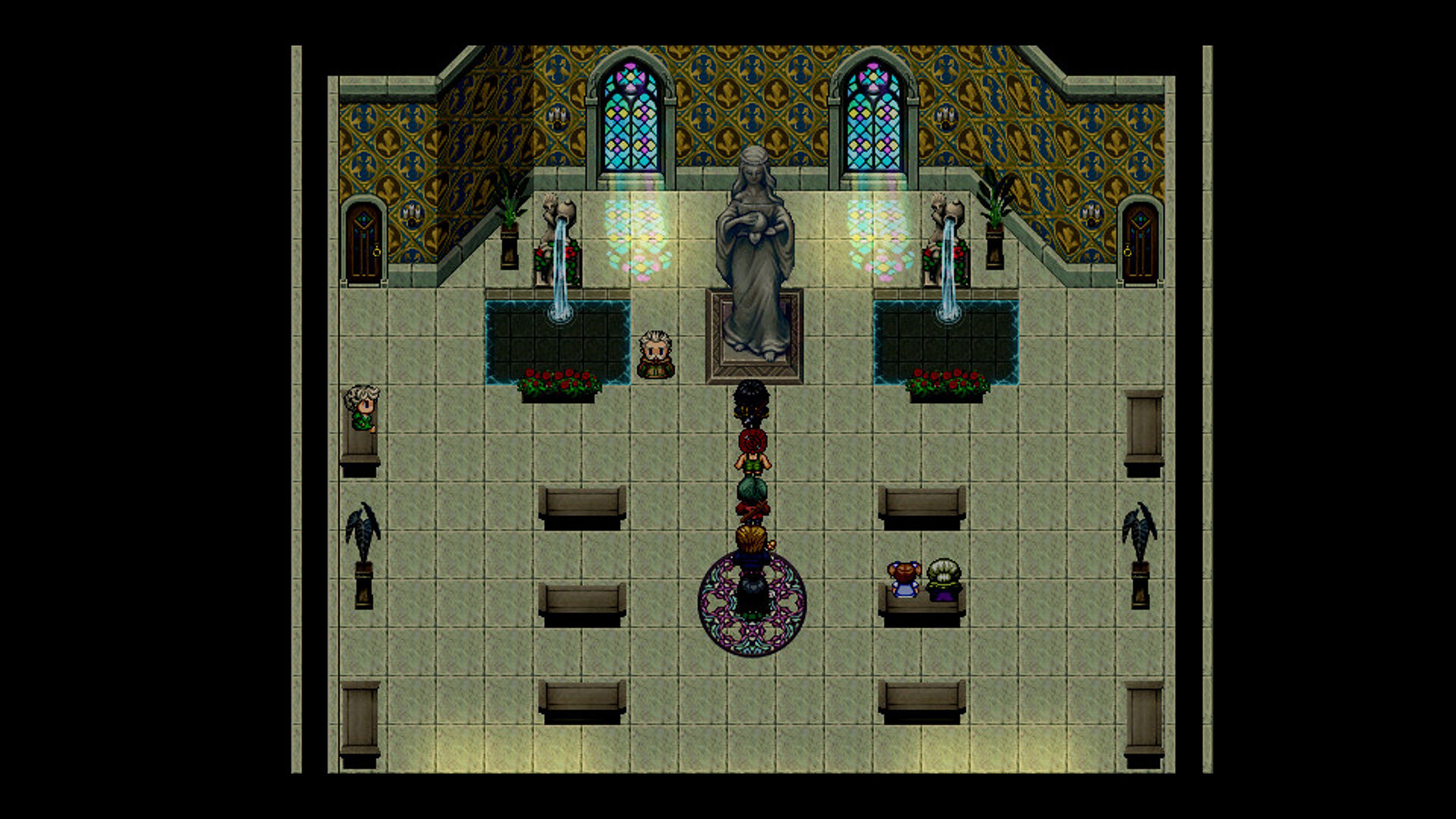
One of the most notable features of When the Light Dies is its combat system, which allows players to control a party of five characters simultaneously. While many current RPGs also feature parties, they often limit active characters to three or four, potentially making some team members feel less important. When the Light Dies’ five-character system, however, provides more opportunities for strategic gameplay, as highlighted on its Steam page.
As a long-time Final Fantasy fan, this game reminds me most of Final Fantasy 4. That one let you control five characters in battle at once, which was awesome! Later games like Final Fantasy 5 and 6 scaled it back to four. Honestly, it’s pretty rare to see a modern RPG let you control that many characters at a time – it feels like a deliberate throwback to those older, classic Final Fantasy games, and I really appreciate that!
In When the Light Dies, battles use a unique system called Predictive Charge Turn Battle (PCTB). Unlike traditional turn-based combat where you choose actions before seeing what happens, PCTB lets you adjust your strategy during the turn as things unfold. This creates a more dynamic and reactive combat experience where timing and adapting to the flow of battle are key, though the specific details of how it works aren’t fully explained.
When the Light Dies Seems Built for Players Who Miss Smaller RPGs
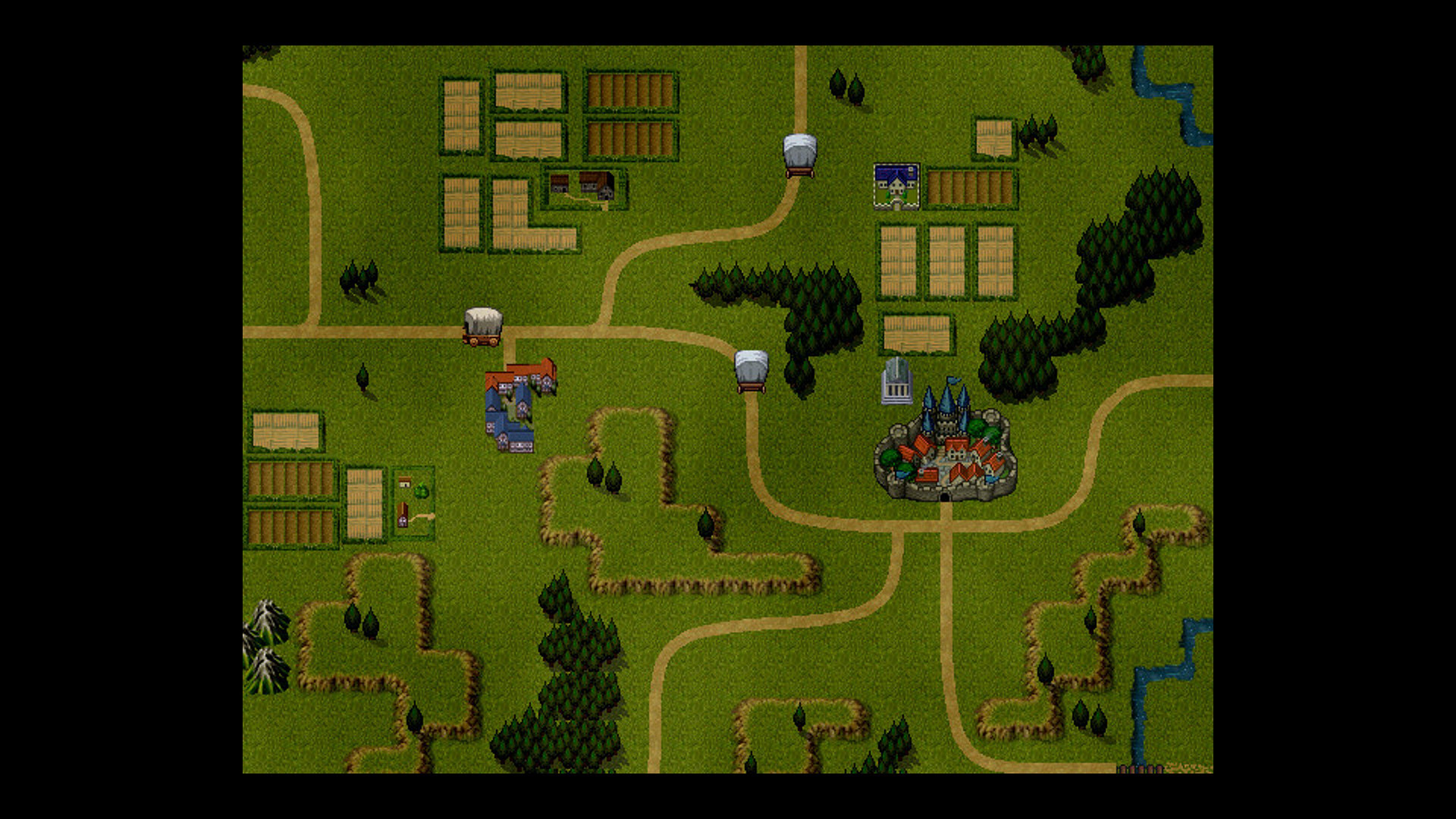
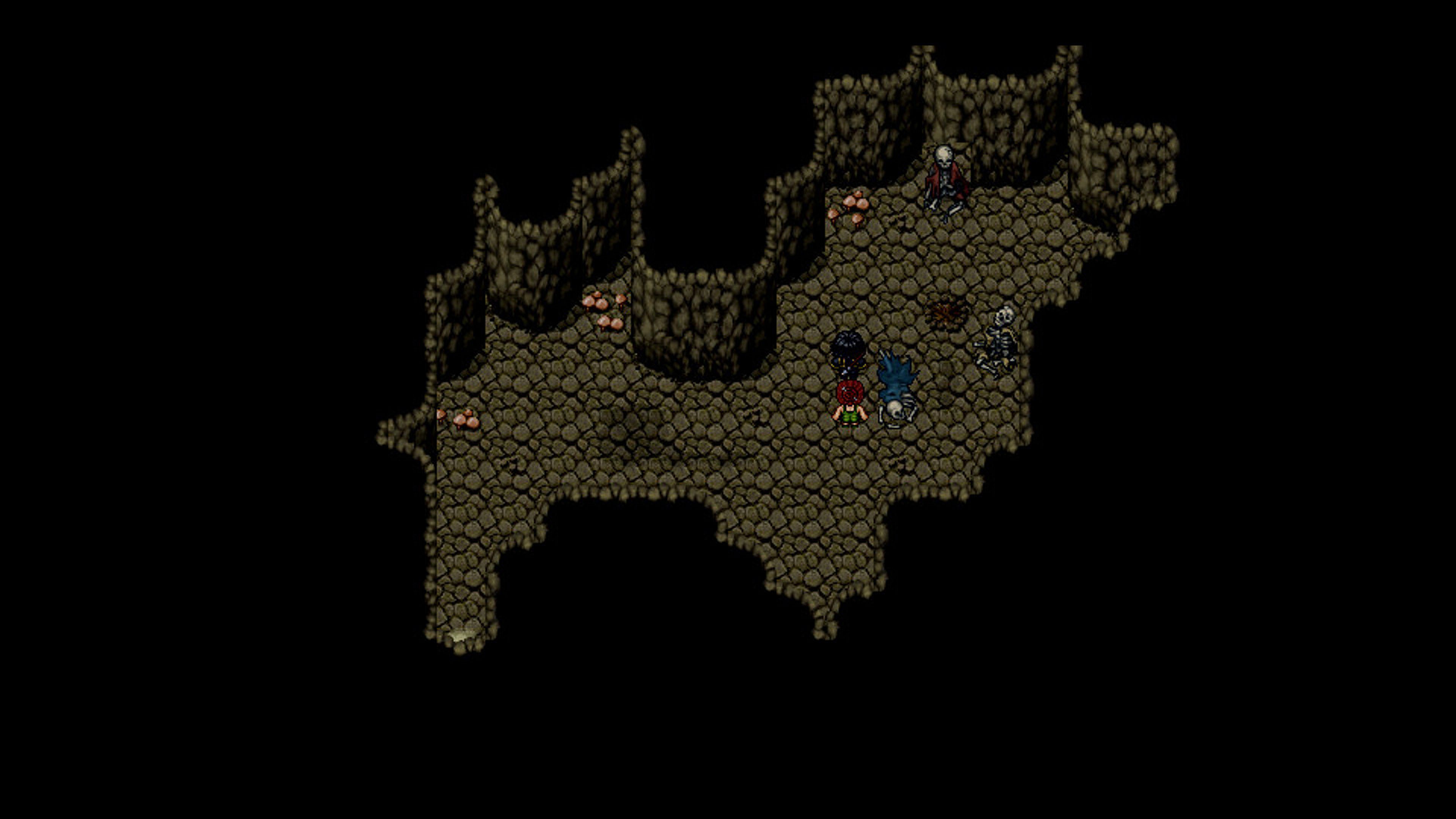
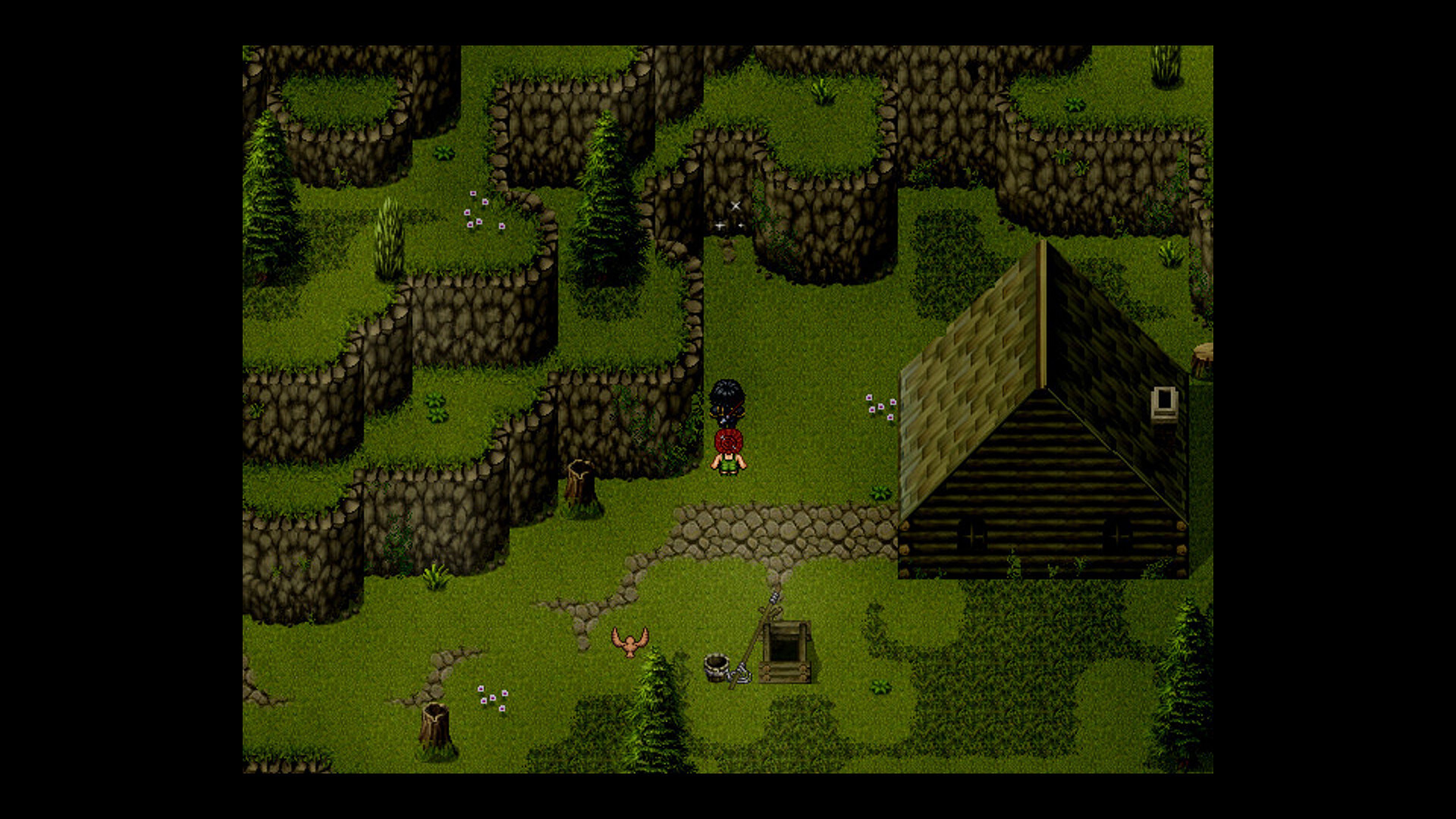
While many RPGs are now massive and sprawling, some players still prefer smaller, more focused experiences, and When the Light Dies seems designed to deliver just that. The game is expected to take around 10 hours to complete, a much shorter commitment than the many modern RPGs that require dozens or even hundreds of hours. This shorter length could actually be a good thing, as When the Light Dies still offers plenty to do with side quests, hidden areas, and a system that tracks how much of the game world you’ve explored, making it feel complete despite its size.
There’s a lot to discover, and the game keeps track of how much you explore. Will you be proud of your discoveries, or motivated to explore even more next time?
Classic RPGs weren’t always brief, and some required a lot of time, but they generally kept their worlds focused on the story. When the Light Dies does the same, offering a straightforward narrative, a fixed group of characters, traditional turn-based battles, and optional areas to explore. It’s designed to be completed in a reasonable amount of time, making it a good choice for players who enjoy old-school RPGs but don’t want to spend dozens of hours on a single game. If you’re looking for a nostalgic experience without a huge time commitment, this game’s smaller scope might be perfect.
When the Light Dies Could Fill a Very Specific RPG Gap
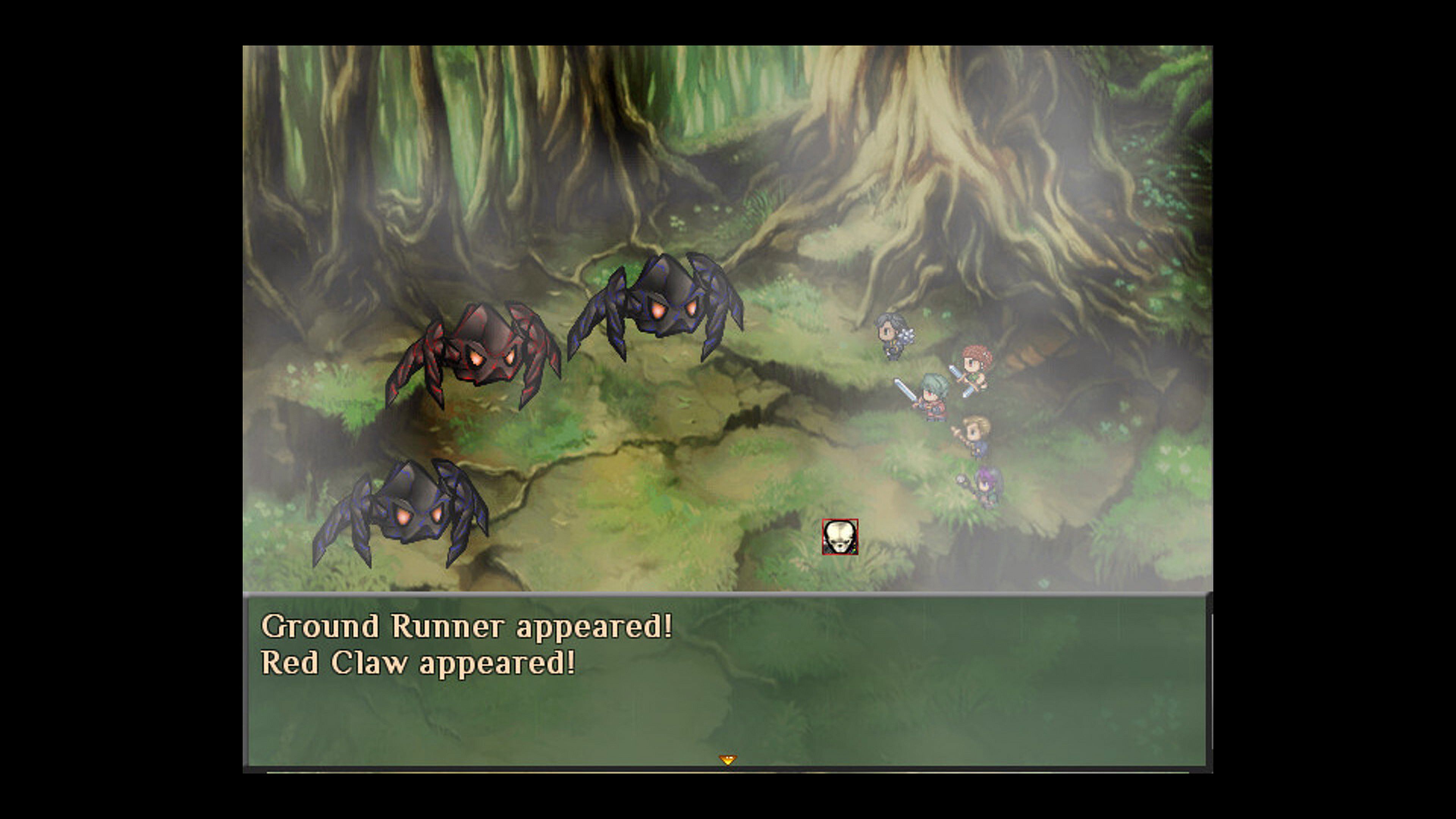
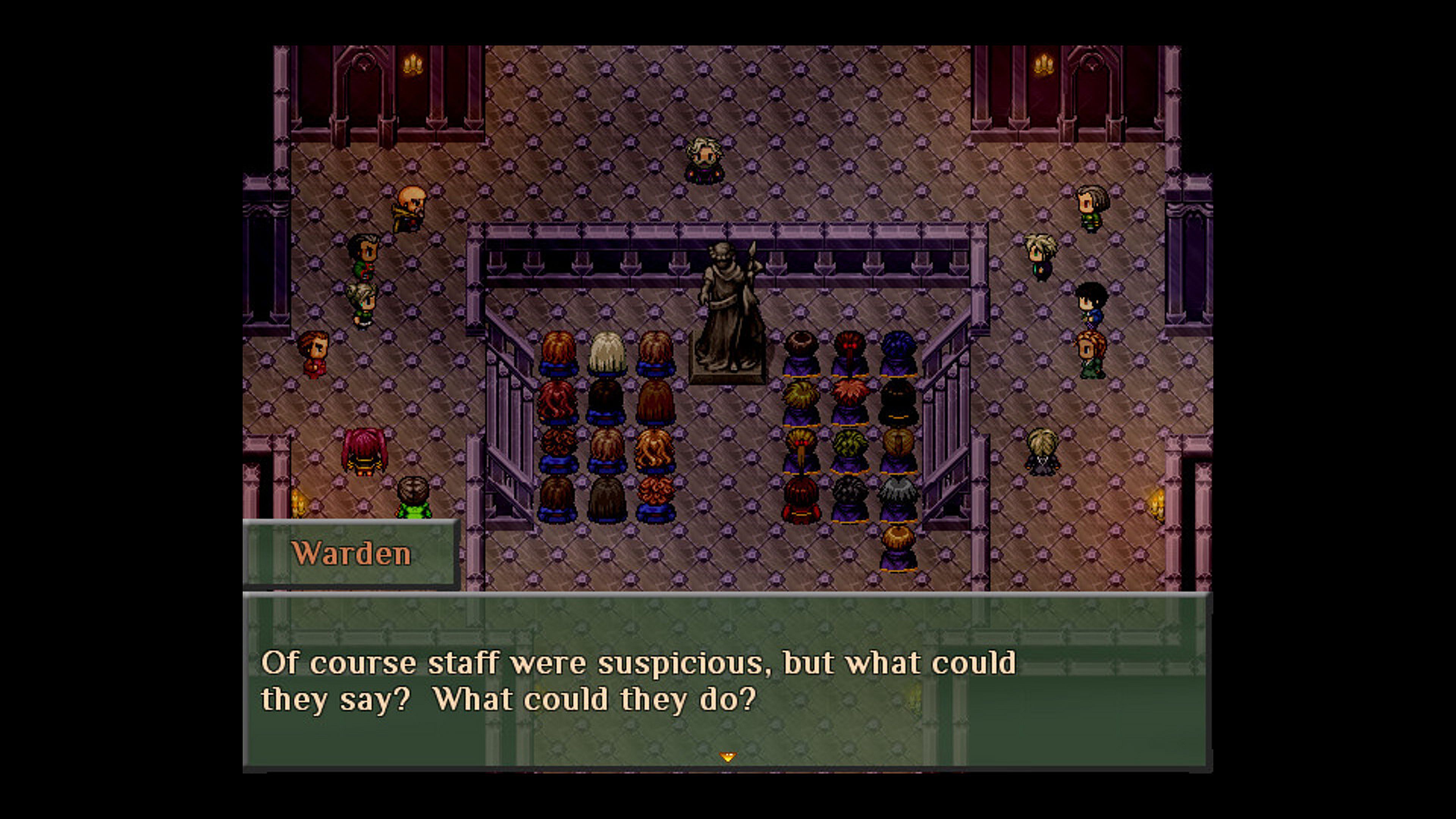
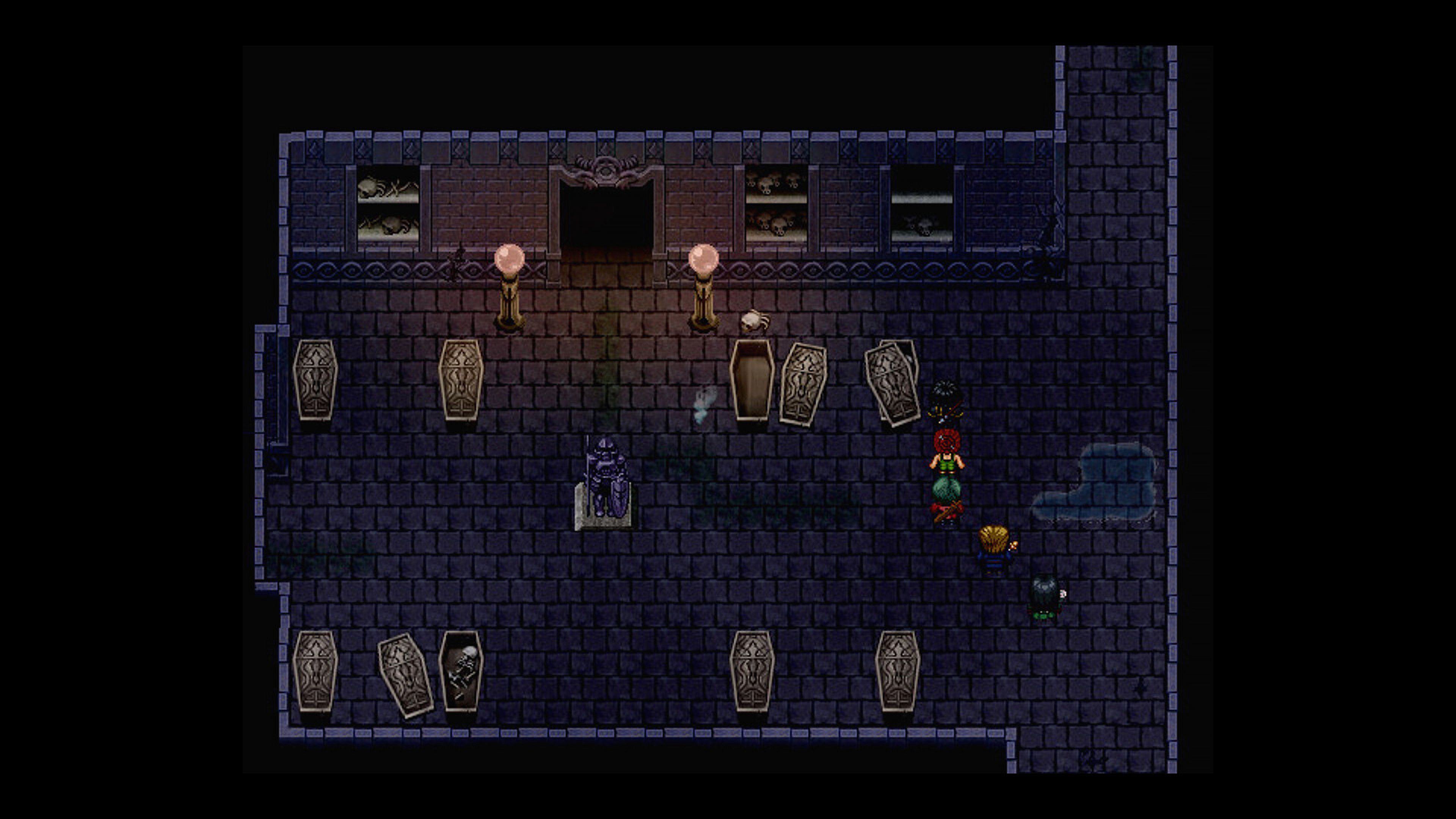
It remains to be seen if When the Light Dies can deliver a satisfying 10-hour experience, despite taking inspiration from classic RPGs. The success of retro RPGs depends on how well they handle pacing, character interactions, combat, and exploration. However, the game appears to be built on a strong base. Features like a five-person party, turn-based combat with customizable skills, side quests, hidden areas, and a relatively short playtime suggest the developers clearly understand their target audience, and that’s a good sign.
Some players fondly remember classic SNES games like Final Fantasy but don’t necessarily want to commit to huge, lengthy modern RPGs. When the Light Dies appears to be designed for those who appreciate a set group of characters, a compelling fantasy story, and a game they can finish in a weekend if they play regularly. If the developers, Gemelle Games, can successfully combine these elements, this game could become a standout choice on Steam for players seeking a shorter RPG with a retro feel.
When the Light Dies launches on Steam on May 28, 2026.
Read More
- Re:Zero Season 4, Episode 6 Release Date & Time
- NTE Drift Guide (& Best Car Mods for Drifting)
- How to Get the Wunderbarrage in Totenreich (BO7 Zombies)
- How to Beat Turbines in ARC Raiders
- Diablo 4 Best Loot Filter Codes
- Change Your Perspective Anomaly Commission Guide In NTE (Neverness to Everness)
- Top 8 UFC 5 Perks Every Fighter Should Use
- How to Get Necrolei Cyst & Strong Acid in Subnautica 2
- Brent Oil Forecast
- Alan Wake Event in Phasmophobia, Explained
2026-05-15 14:05