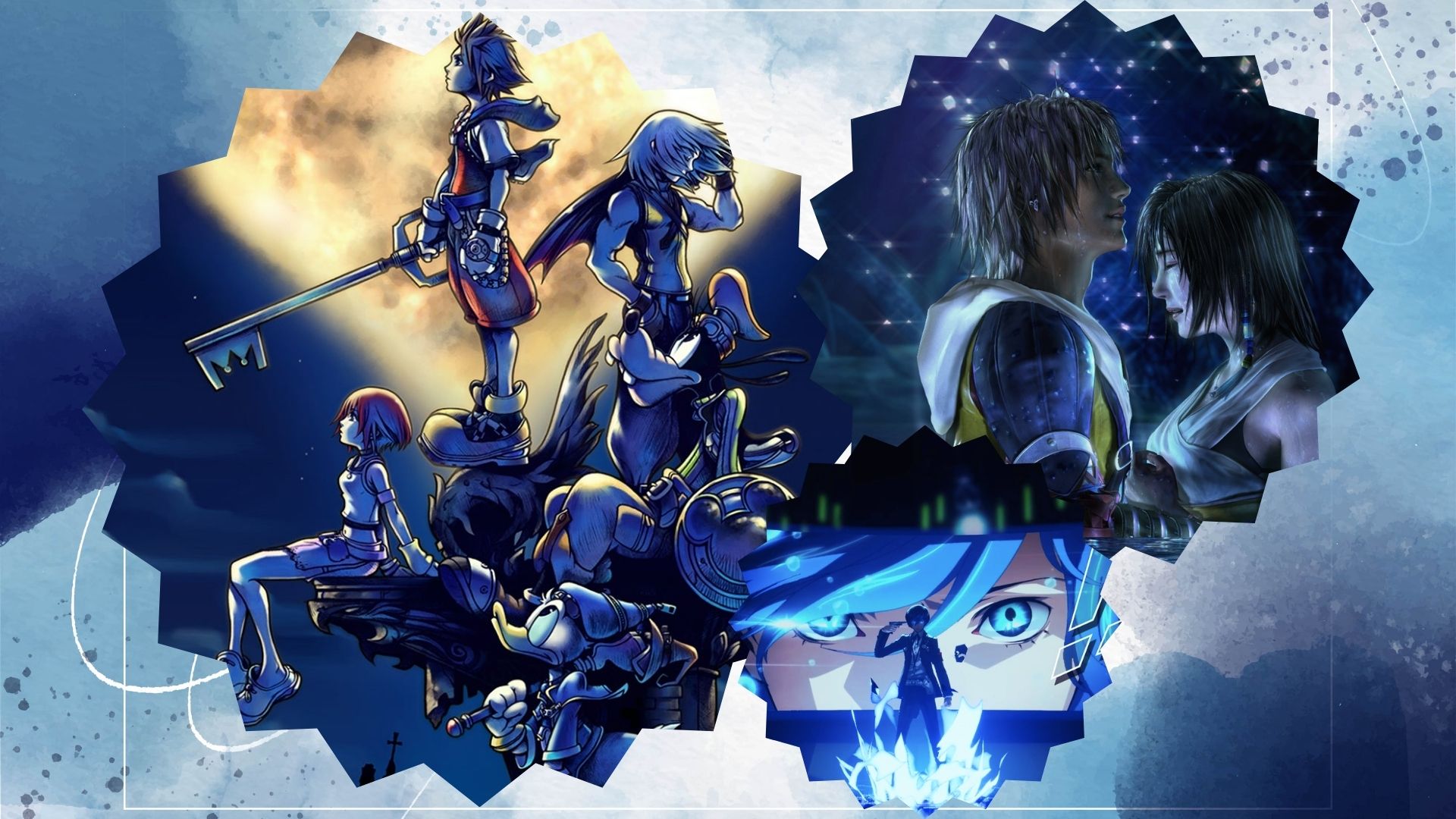
Since 2015, the World Video Game Hall of Fame has been recognizing influential games, and it recently inducted Dragon Quest in 2026 – a much-deserved honor. While games like Final Fantasy VII are well-represented, the Japanese Role-Playing Game (JRPG) genre as a whole hasn’t received enough recognition for its impact on gaming. I believe there are ten JRPGs that deserve to be considered for the Hall of Fame.
The Hall of Fame considers four things when choosing games: how iconic they are, how long they’ve remained popular, how widely they’re played, and their overall impact. All the games listed here meet those requirements, and many of them are clear standouts. These are the ten games I would recommend to the judges.
10. Dragon Slayer
The Game That Invented the Action RPG and Nobody Talks About It
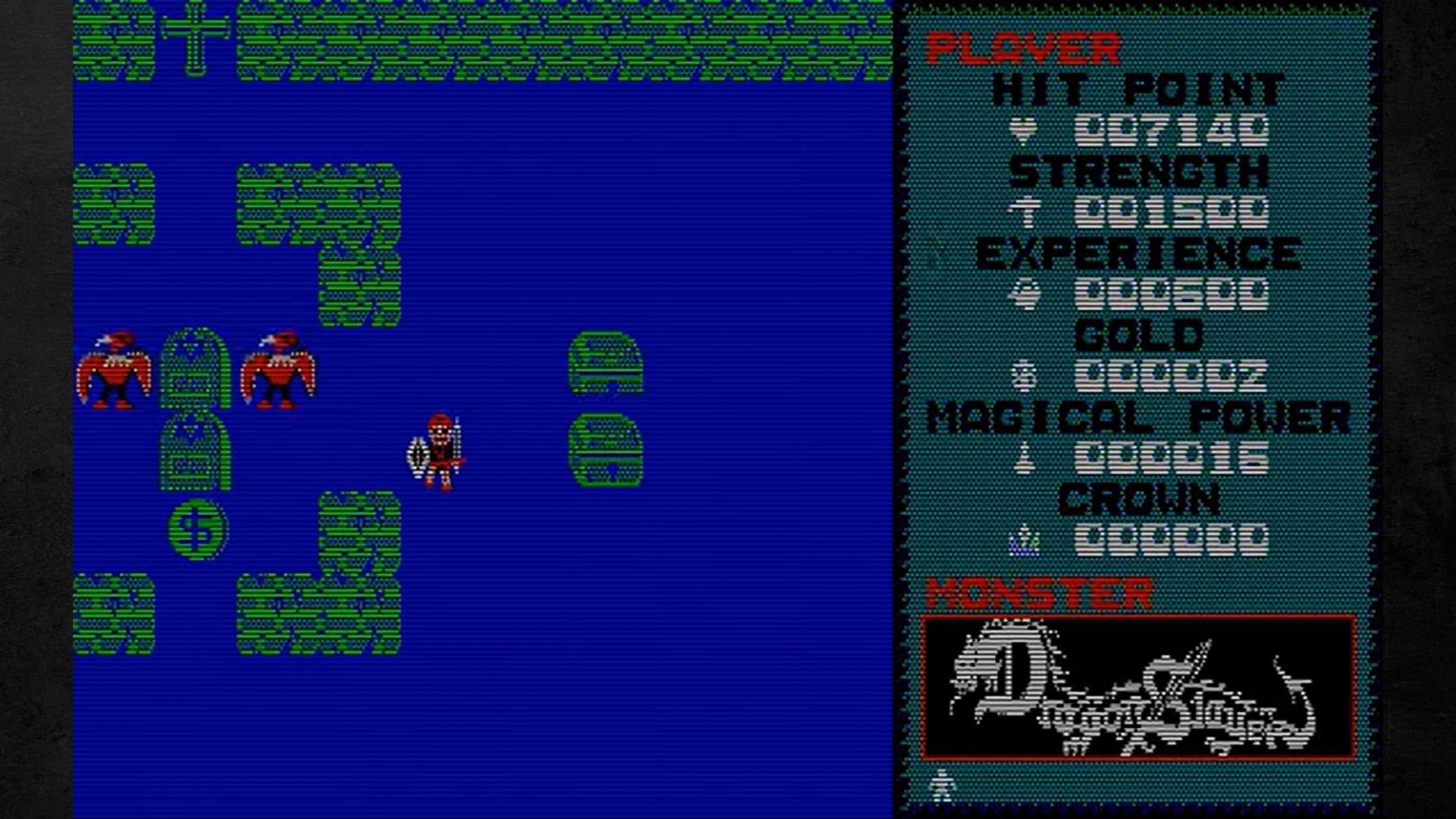
YouTube via LordKarnov42
| Developer | Nihon Falcom |
|---|---|
| Publisher | Nihon Falcom |
| Release Date | September 10, 1984 |
| Platforms | PC-8801, PC-9801, X1[1], FM-7 |
Released in 1984, Dragon Slayer was a groundbreaking game that combined fast-paced action with the character development of role-playing games. It’s widely considered the first game in the Action RPG genre. Its design also had a noticeable impact on games like The Legend of Zelda, influencing things like item management and puzzle-solving. Interestingly, the popular and long-running JRPG series, The Legend of Heroes/Trails, actually began as a spin-off from Dragon Slayer.
It’s largely unknown, and that’s precisely why it deserves a place in the Hall of Fame. This game laid the groundwork for so much that followed, yet it rarely receives any recognition. Ultima was inducted for defining Western RPGs, and Dragon Slayer did the same for Eastern RPGs – it’s long overdue for inclusion.
9. Chrono Trigger
The Dream Team Made Something Impossible to Argue Against
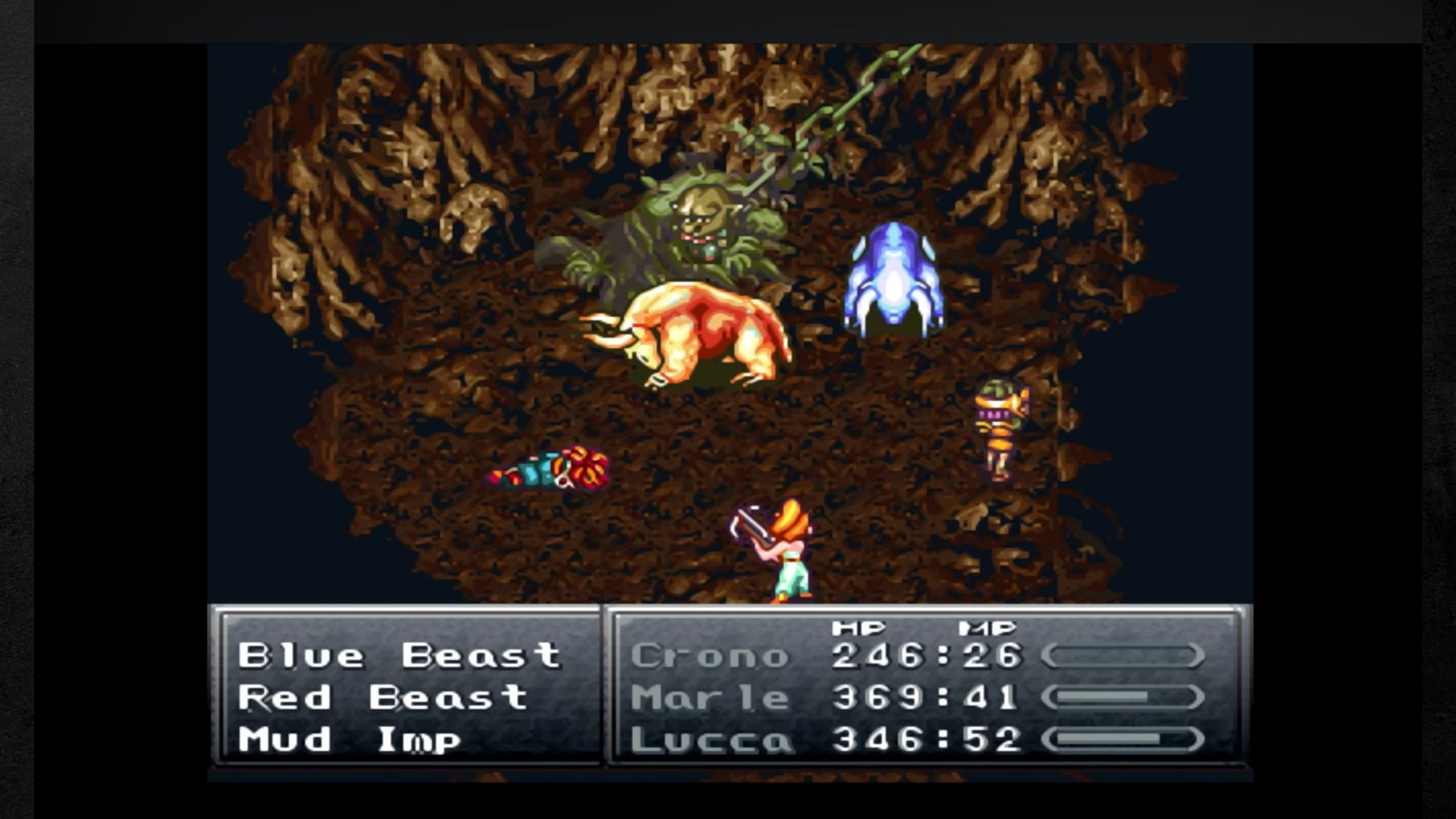
YouTube via Long ‘N Play
Imagine Hironobu Sakaguchi, Yuji Horii, and Akira Toriyama all collaborating in the same room. Meanwhile, Yasunori Mitsuda was creating the game’s incredible soundtrack – despite facing immense pressure that led to health problems and a devastating hard drive failure. He still managed to deliver a masterpiece, with some help from Nobuo Uematsu. It’s amazing to think that a team of 50 to 60 people created something that continues to be considered one of the greatest JRPGs thirty years later.
Chrono Trigger is well-known for pioneering New Game Plus and featuring multiple, genuine endings that depend on the choices players make. Creator Hironobu Sakaguchi wanted even minor player actions to have a noticeable impact on the game world, and the game brilliantly achieved this. Released in 1995, it remains the gold standard for RPGs, and its omission from any video game Hall of Fame is genuinely surprising – a point I’ll continue to emphasize.
8. Earthbound
It Became a Cultural Touchstone Despite Being Nearly Impossible to Play
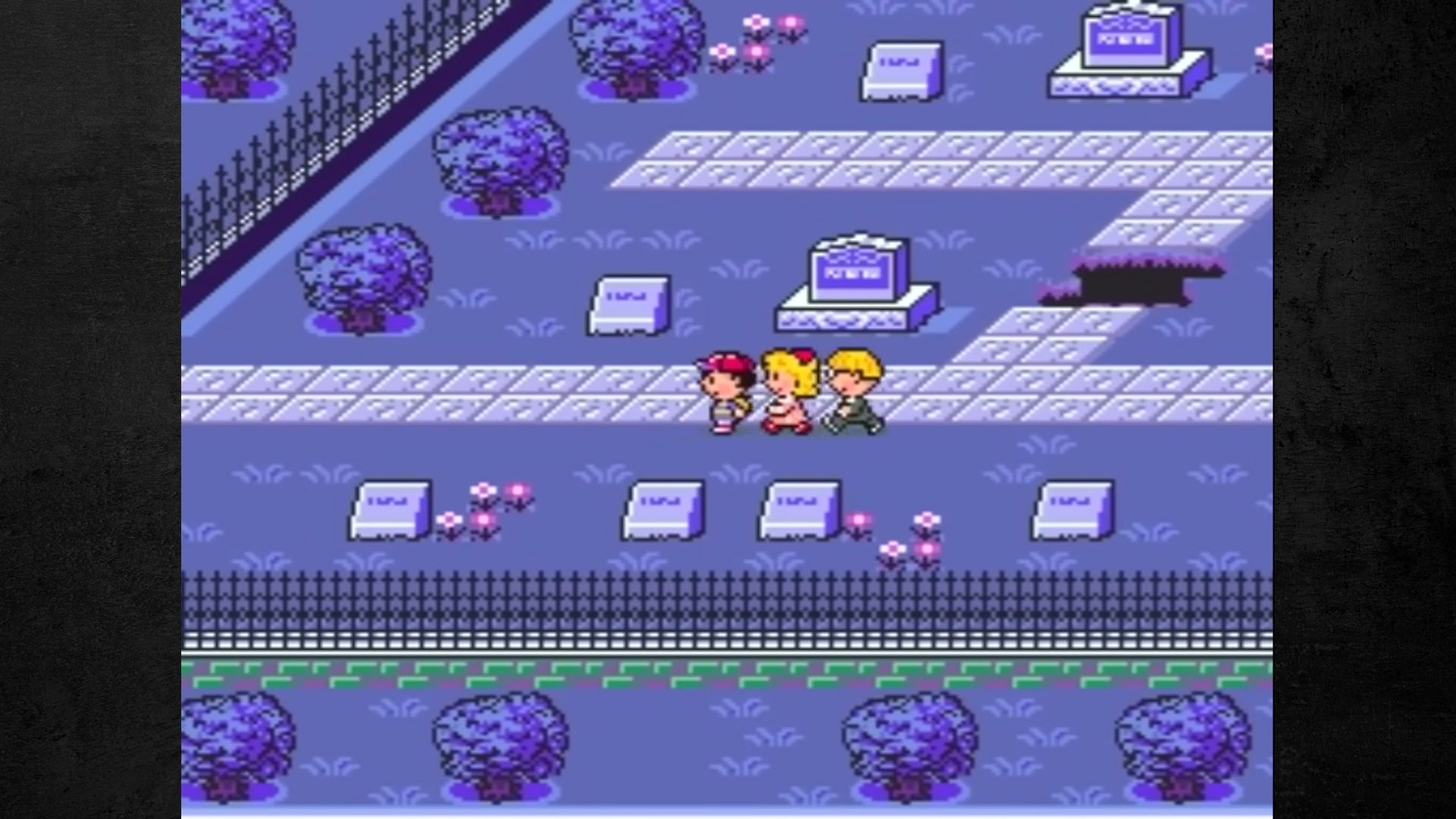
YouTube via NintendoComplete
For years, it was incredibly difficult to play EarthBound legally outside of Japan, but it still became a hugely popular and talked-about RPG, spreading by recommendations alone. That fact speaks volumes. Interestingly, Shigeru Miyamoto contributed rock guitar sounds to the game under a pseudonym. Early unofficial copies had a unique anti-piracy feature: they would freeze the game at the very end, deleting your progress and forcing you to start over. The game also stood out for its time because it featured a completely connected world without a separate overworld map.
This game had a huge and direct impact on indie games like Undertale, LISA, and OMORI, all of which were clearly inspired by it. It fundamentally changed what a generation of game developers thought was possible in games, influencing the stories they told and how they told them. Now that it’s available worldwide on Nintendo Switch Online, there’s no reason it shouldn’t be recognized as a classic.
7. Digital Devil Story: Megami Tensei
It Pioneered Monster Collecting Before Pokémon Existed
YouTube via Dia Lacina
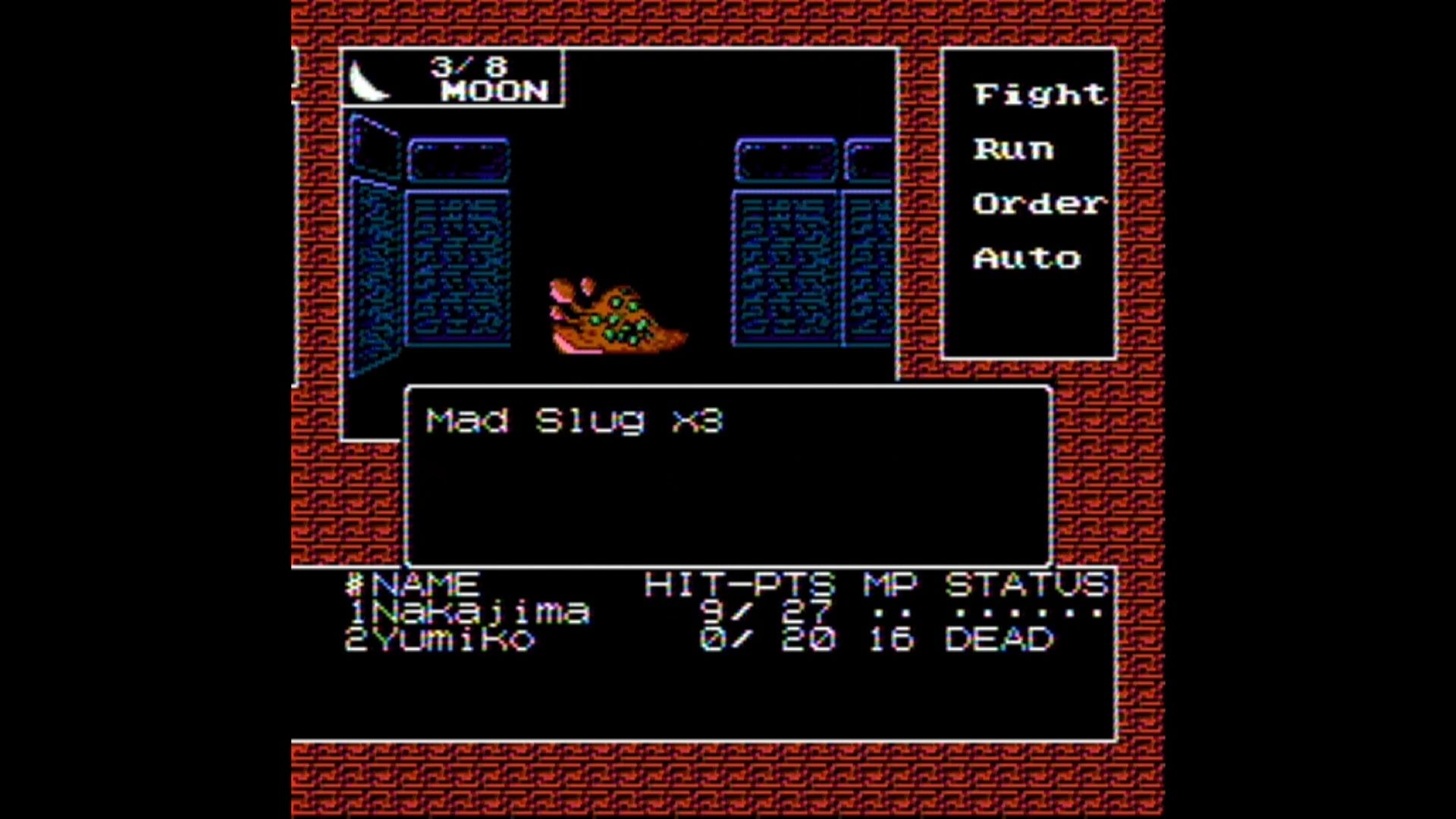
The first Megami Tensei game was released in 1987, inspired by a science fiction and occult novel series. It pioneered key RPG features like talking to and fusing demons, and choosing between different moral alignments. These ideas became popular later in games like Pokémon, but Megami Tensei introduced them first. From the unique demon fusion system to the philosophical battle between Law and Chaos, and the modern, occult setting involving demons summoned through a computer program, this game laid the groundwork for everything that followed.
For years, this game series was only available in Japan because of the widespread fear of satanic themes in the 1980s, which prevented it from becoming popular in the West. It’s incredibly important because it laid the groundwork for both the Persona and Shin Megami Tensei series, which have collectively sold tens of millions of copies worldwide. You could say it’s the very foundation of those games.
6. Fire Emblem: Awakening
It Saved a Franchise, Then Redefined It
YouTube via Analog Vernacular
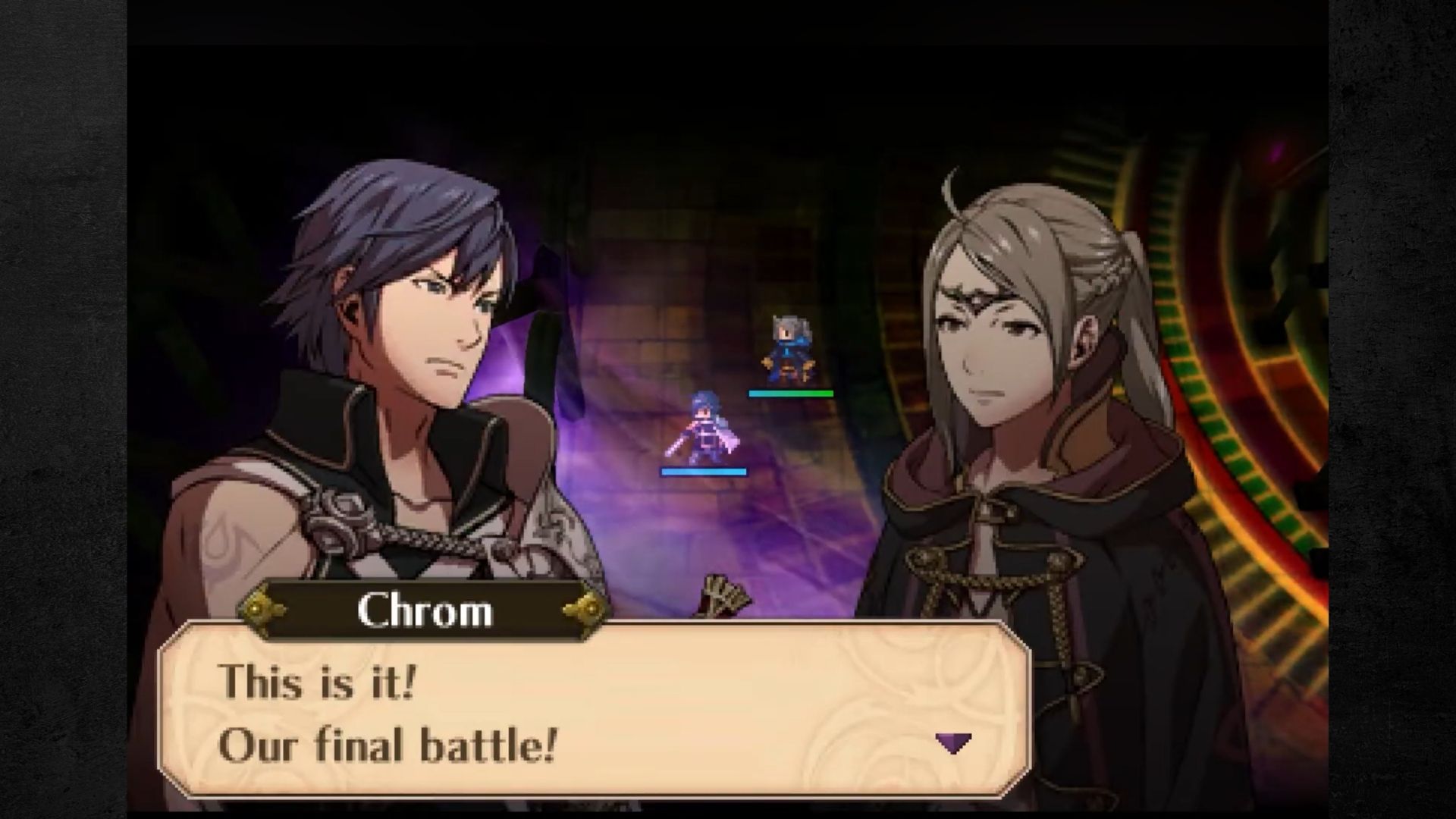
Nintendo has admitted that Fire Emblem: Awakening was a make-or-break title for the series. Thankfully, it was a commercial success. A key factor was the introduction of Casual Mode, which made the game more accessible to new players. The addition of romance and marriage options also broadened its appeal. Marketing efforts cleverly used familiar faces from the Super Smash Bros. series – Marth and Ike initially, and later Robin and Lucina. Finally, the game launched at a perfect time, a year after the 3DS was released, when many owners were actively looking for new games to play.
Fire Emblem: Awakening wasn’t just a successful game – it saved the entire series. Before Awakening, Fire Emblem was on the verge of being discontinued, but it became a best-seller and sparked a worldwide fanbase. Three Houses replicated this success by launching at the right time during the console’s lifespan, but Awakening was the game that truly turned things around, and that deserves to be remembered.
5. Persona 3
The Persona Phenomenon Started Here
YouTube via Living Sun
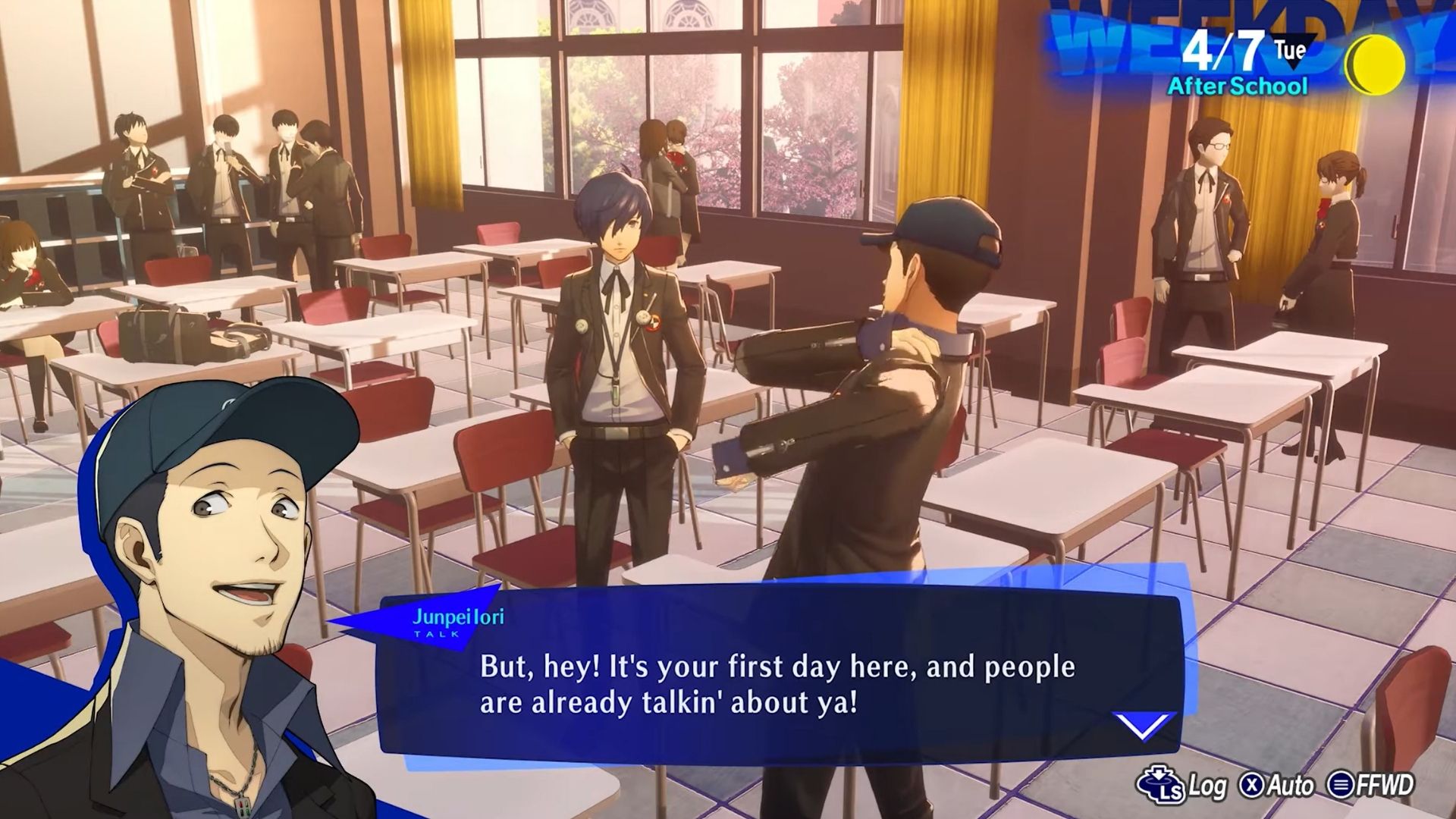
Persona 3 pioneered the core elements – like building relationships with characters, balancing dungeon exploration with everyday life, using a calendar system, and its unique gun-based magic – that would become hallmarks of the Persona series. These innovations were crucial to the worldwide success of Persona 4 and 5, and without Persona 3’s groundwork, those games wouldn’t be as well-known or loved today.
Beyond just how well it’s made, the strength of this series lies in its characters and how they interact. The forced proximity and resulting conflicts feel incredibly authentic, something the series hasn’t consistently captured since. Mitsuru and Yukari are particularly well-developed and stand out as some of the best female characters in the entire franchise. The story tackles weighty themes like death and the search for purpose with a maturity that was rare for the genre when it was first released, and still feels impactful today. The 2024 remake, ‘Reload’, proved this to a new audience, and it truly deserves to be considered a classic.
4. Final Fantasy X
The First Time Final Fantasy Felt Like a Movie
Final Fantasy Wiki
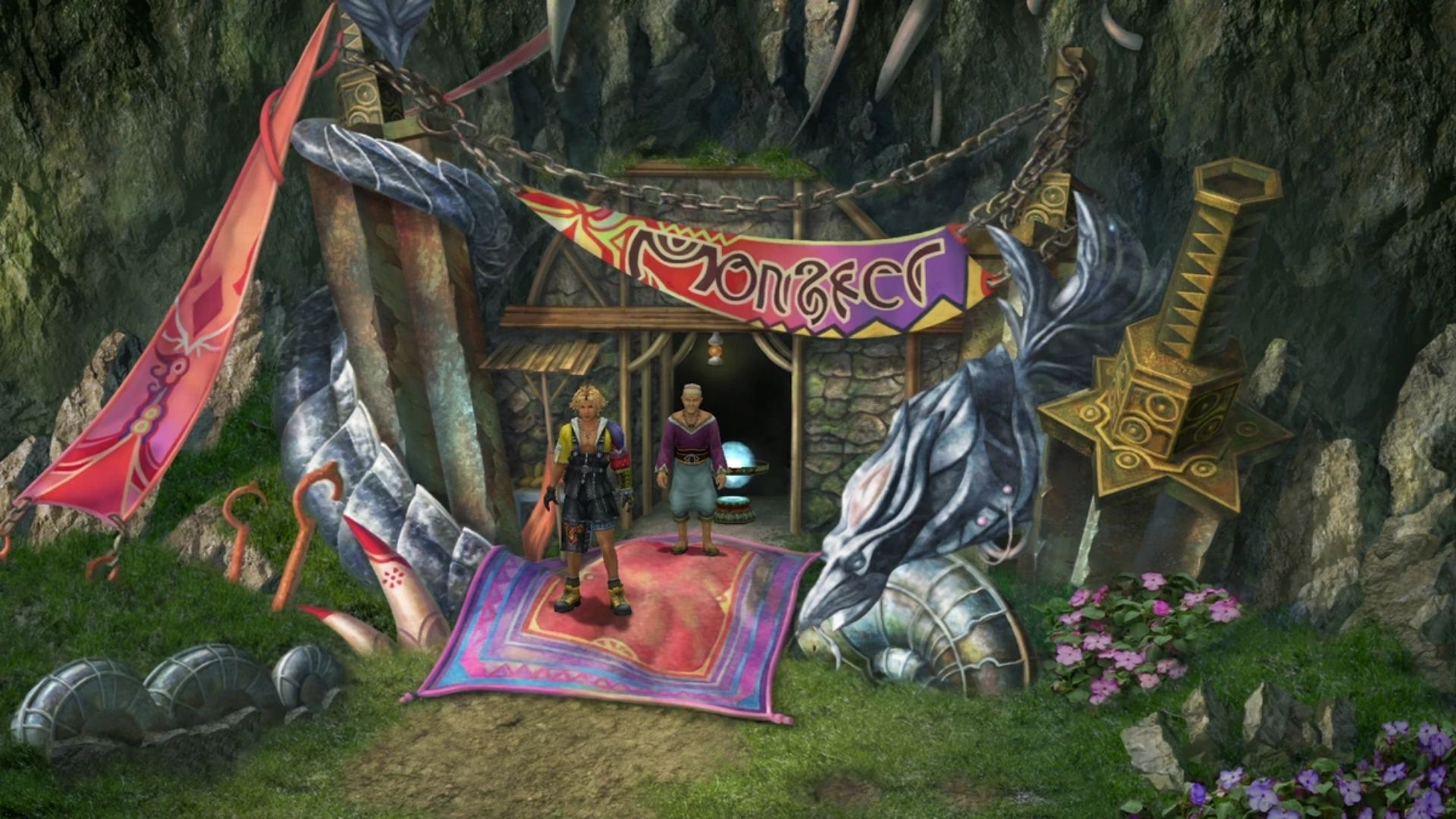
Final Fantasy X marked several firsts for the series: it was the first game with fully voiced characters, the first released on the PlayStation 2, and it debuted the CTB system. This innovative system displayed the order of turns, letting players see exactly when each character and enemy would act, and heavily influenced the design of future turn-based RPGs. Instead of traditional leveling, the game used the Sphere Grid, a board players moved around to improve their characters. Plus, players could switch party members during battles to adapt to different enemies, ensuring every character felt useful.
Final Fantasy X was the first in the series to have a direct sequel, highlighting its huge influence. The game’s world, Spira, bravely explored complex themes like rigid religious beliefs, powerful institutions, and the repeating patterns of sorrow and loss – topics rarely seen in popular role-playing games. With over 21 million copies sold, it’s clear that Final Fantasy X deserves a place alongside Final Fantasy VII in the Hall of Fame.
3. NieR: Automata
Square Enix Thought It Would Sell 300,000 Copies
YouTube via SphericAlpha
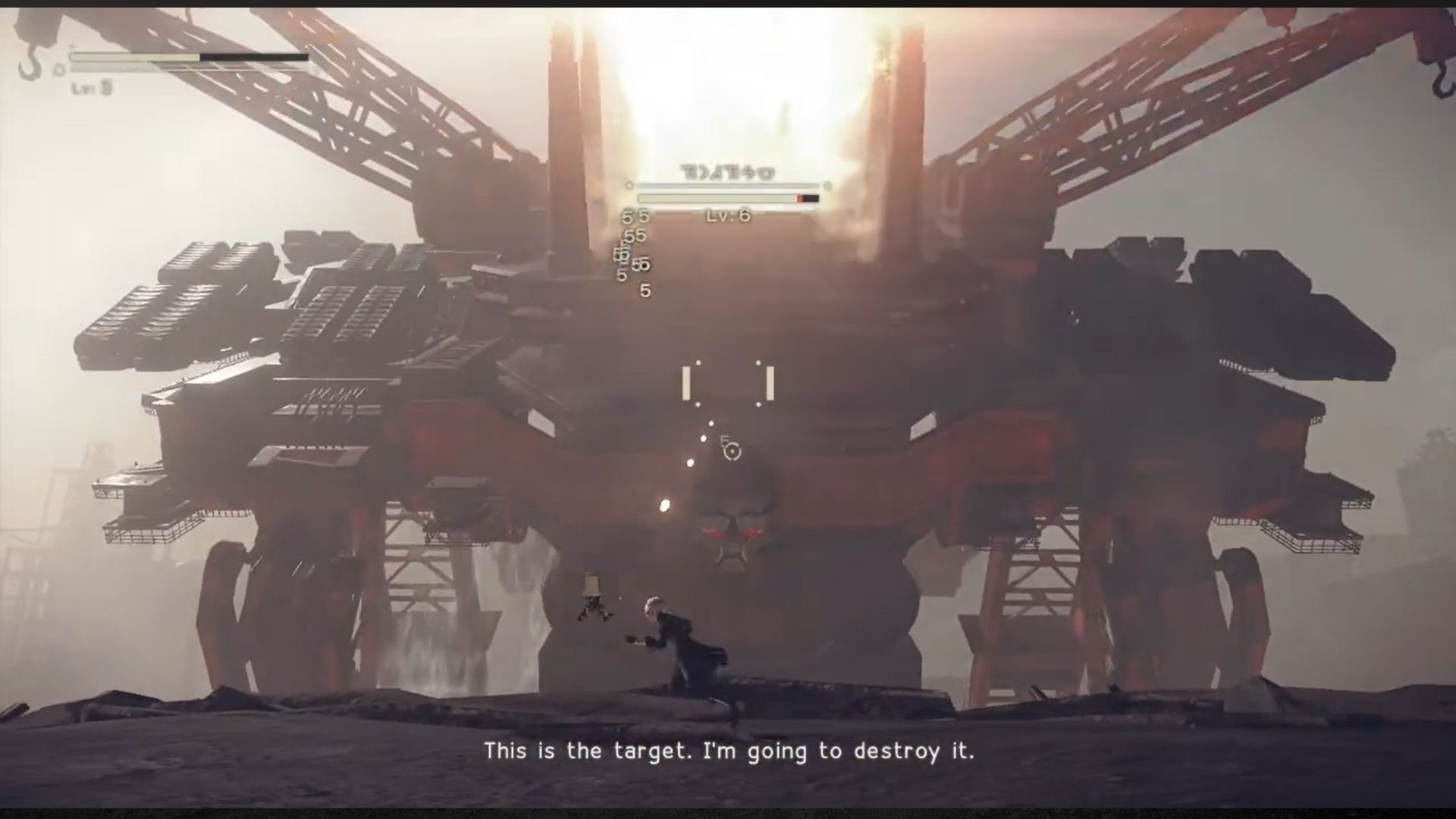
Square Enix initially expected NieR: Automata to sell around 300,000 copies worldwide, but the game’s creator, Yoko Taro, insisted it deserved to be made, even threatening to leave the company if it wasn’t approved. Remarkably, it has now sold over 10 million copies. This huge difference between the initial forecast and the game’s actual success makes NieR: Automata one of the most surprisingly successful games ever, a testament to its exceptional quality.
As a huge fan, I was blown away by how many different endings there are – twenty-six in total, labeled A through Z! But it’s not just quantity, it’s quality. There are five main routes that really give you a complete story, and they make you see everything that happened before in a whole new light. The other twenty-one endings? They’re all over the place! Some are incredibly touching, while others are just hilariously weird – I once finished the game because my character ate a poisonous fish! Or another time, because I gave up on the quest too soon. It’s wild!
Subscribe to our newsletter for more JRPG Hall of Fame cases
Despite being made with a limited budget and in just over two years, NieR: Automata was a huge success, cleverly reusing existing game elements. The striking black and white character designs were a fortunate result of artist Akihiko Yoshida joining the project late with minimal guidance. The game’s soundtrack is fantastic even outside of the game itself, and it sold ten times more copies than anticipated. Despite all this, it hasn’t been inducted into any hall of fame – a significant oversight.
2. Kingdom Hearts
The Crossover That Nobody Believed In and Everyone Fell For
Kingdom Hearts Wiki / Square Enix
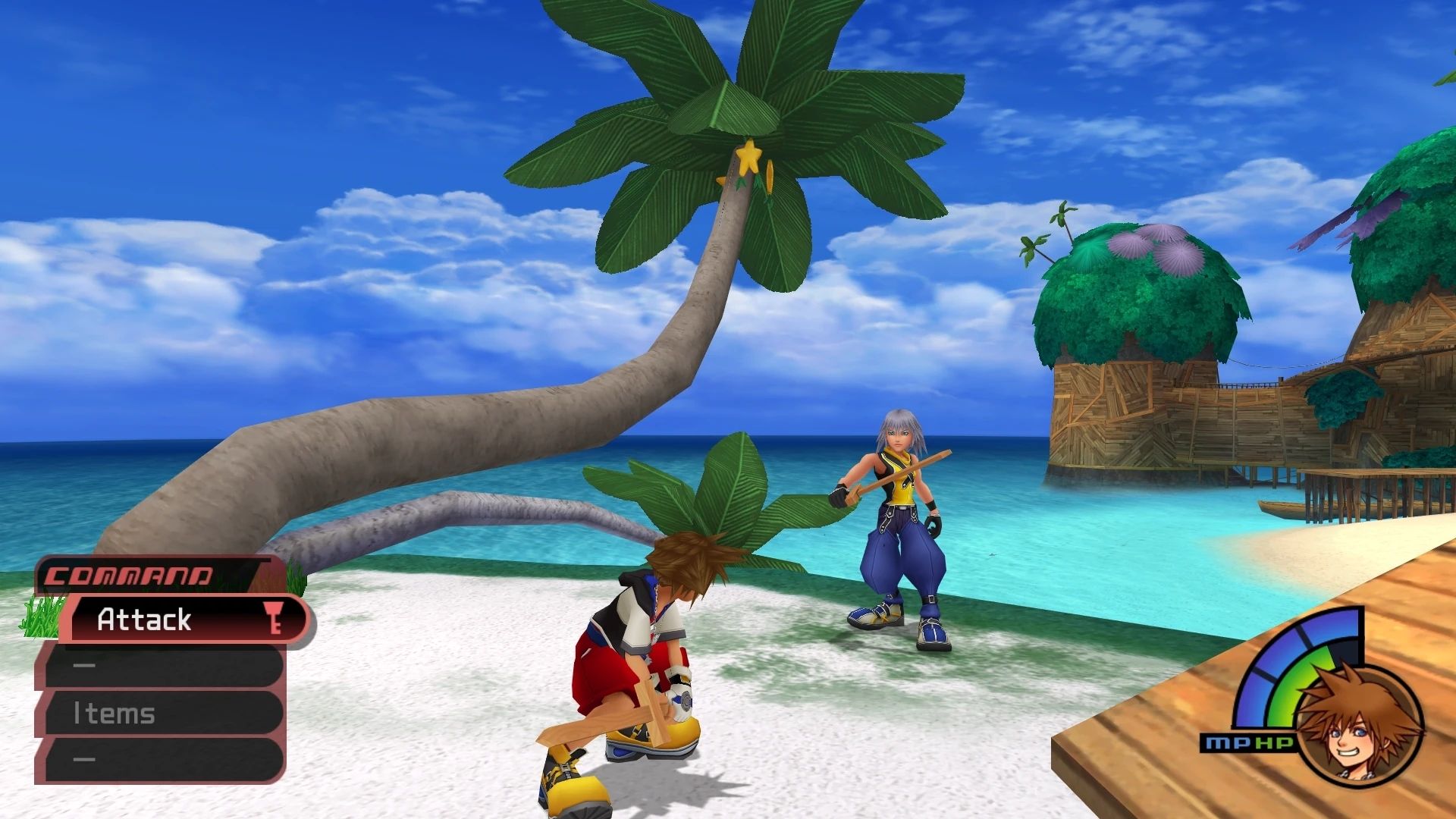
Before Kingdom Hearts came along, a big collaboration between Disney and Square Enix just seemed impossible! What really struck me is how Tetsuya Nomura didn’t treat it like a joke. It wasn’t self-aware or trying to be ironic – it took both Disney and Final Fantasy worlds seriously. And I think that’s exactly why it worked so well; it fully committed to the idea, and it felt genuine.
Kingdom Hearts revolutionized Square’s game design, moving them towards fast-paced, real-time battles when most of their titles were still turn-based. It proved that popular music – like the theme songs by Hikaru Utada – could significantly enhance a game’s emotional resonance. Yoko Shimomura’s music brilliantly blended classic Disney melodies with original pieces, creating one of the most iconic soundtracks in video game history. The song “Dearly Beloved” deeply resonated with a generation of players, a feeling difficult to convey to those unfamiliar with the game. With over 35 million copies sold, it deserves a place in the Hall of Fame.
1. Suikoden
108 Stars, a Castle That Grows, and Influence That’s Still Being Felt
YouTube via The Worthy Gamer
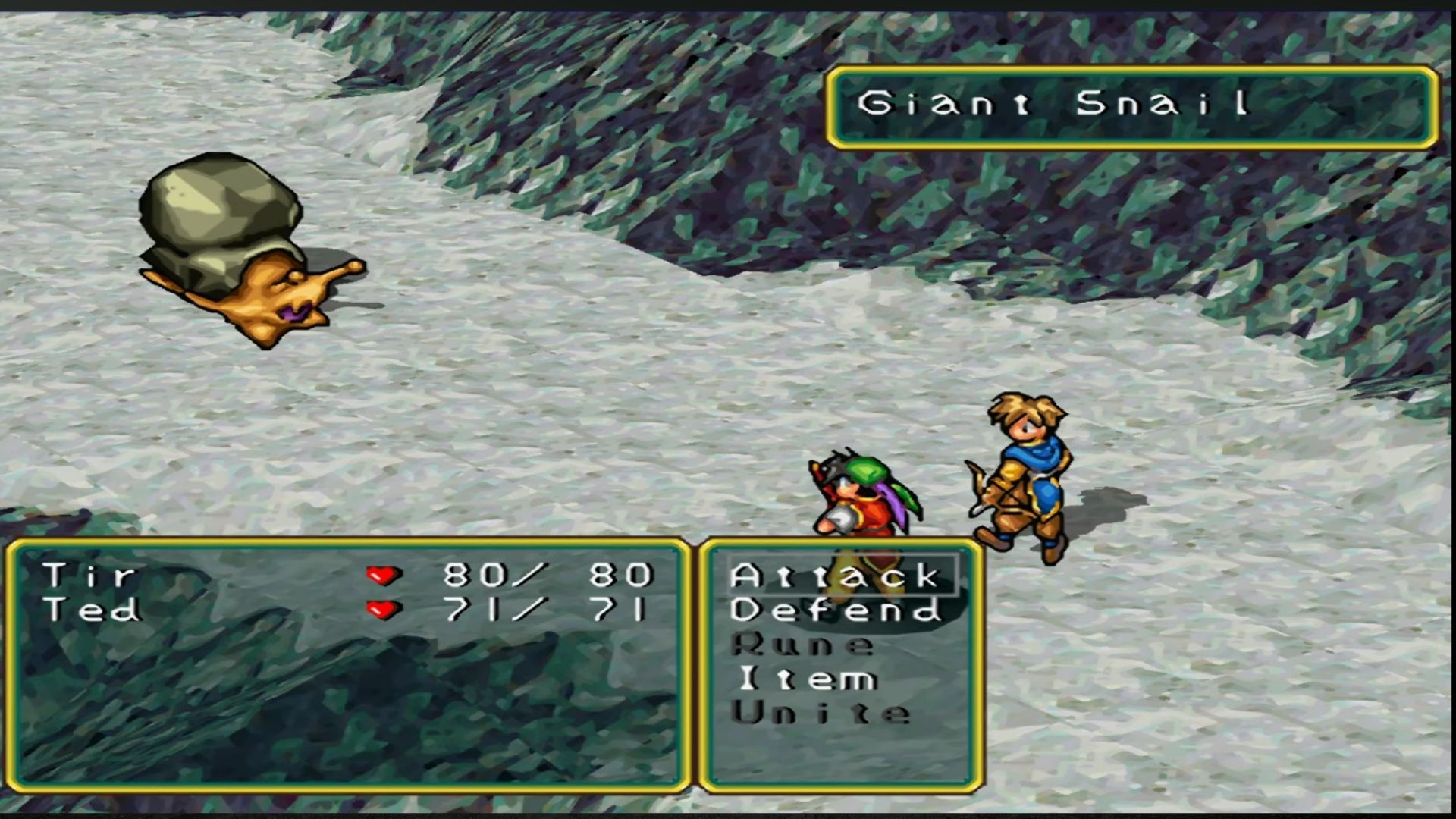
Released in 1995, Suikoden featured a unique system where you could recruit 108 different characters – a diverse group ranging from powerful generals to everyday people. As you gathered these ‘Stars of Destiny,’ your castle headquarters would grow and evolve. The game combined one-on-one duels with large-scale tactical battles, all within a complex political story. Critics have praised its mature themes and moral gray areas, comparing it to Game of Thrones for its refusal to offer simple solutions to difficult questions.
Warren Spector, known for creating Deus Ex, has always loved the original Suikoden, praising its ability to make even a few choices feel impactful. You can clearly see that game’s influence in newer titles like Eiyuden Chronicle, which has reintroduced many players to what made Suikoden so special. Because of this renewed interest, now is the perfect time to recognize Suikoden’s lasting contributions and legacy.
Read More
- NTE Drift Guide (& Best Car Mods for Drifting)
- How to Get the Wunderbarrage in Totenreich (BO7 Zombies)
- All Aswang Evidence & Weaknesses in Phasmophobia
- How to Get Necrolei Cyst & Strong Acid in Subnautica 2
- Where to Find Prescription in Where Winds Meet (Raw Leaf Porridge Quest)
- Conduit Crystal Location In Subnautica 2
- Diablo 4 Best Loot Filter Codes
- Boruto: Ikemoto Has Already Hinted At Sasuke’s New Eye After Return
- Best Burst & Full Auto Builds for the M16A4 in BF6
- USD RUB PREDICTION
2026-05-20 17:42