Markets
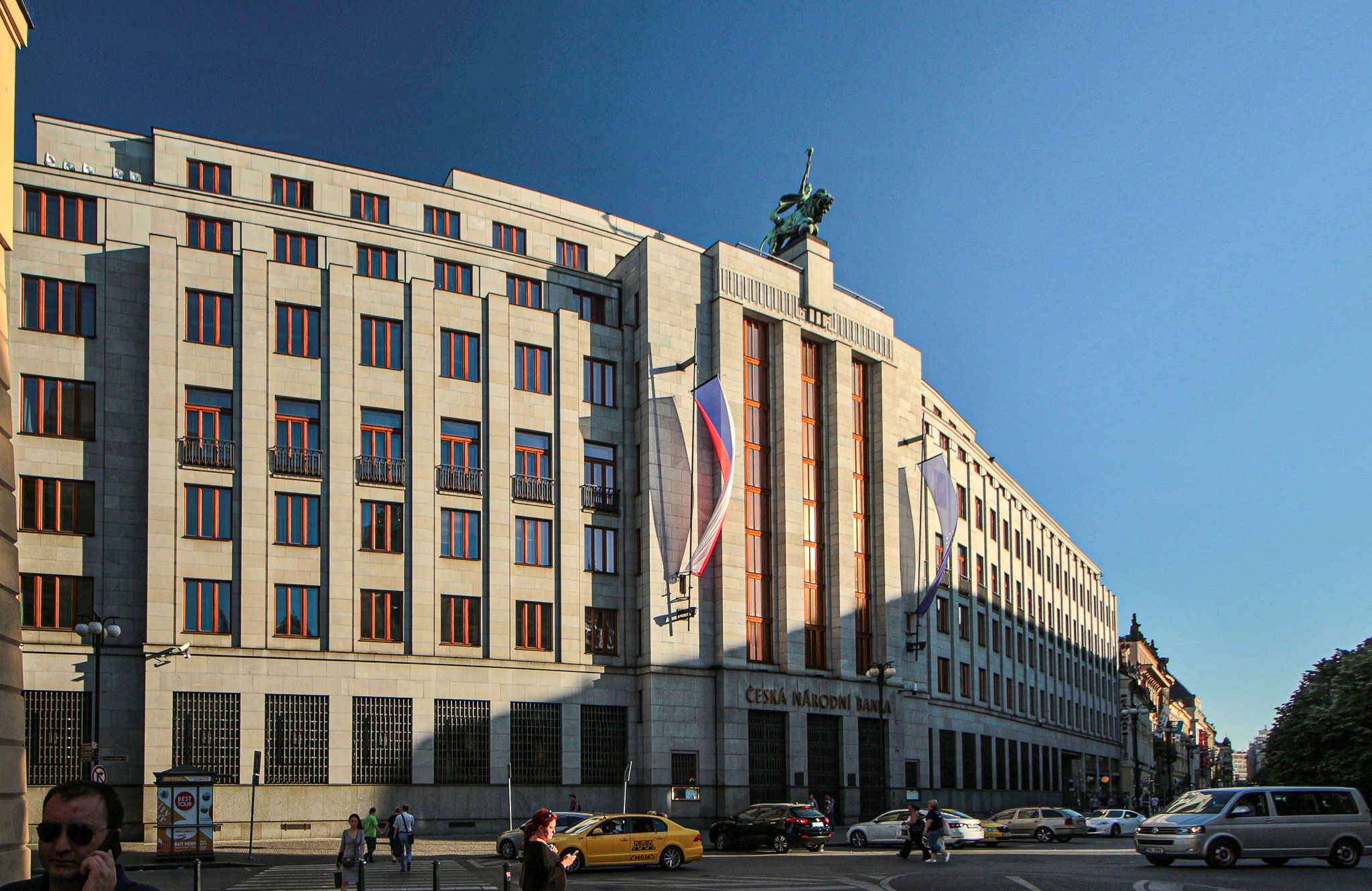
What to know:
- The ever-eloquent Czech central bank governor, Aleš Michl, has proclaimed that the incorporation of bitcoin into reserves might just sprinkle a dash of performance magic upon one’s portfolio. Yet, he cautions with the gravitas of a tragic actor, highlighting its whimsical volatility and the looming specter of it plummeting to the depths of zero.
- A rather intriguing study by the Czech National Bank revealed that bitcoin’s tendency to dance to its own tune-far removed from the somnolent waltz of traditional assets-could elevate returns while keeping overall risk at bay. One might liken it to a more fluid incarnation of venture capital, albeit with less pantomime.
- Despite such tantalizing prospects and a $1 million test portfolio that dares to include bitcoin, the esteemed Bank Board of the CNB, in a fit of prudence befitting a cautious parent, resolved in February 2026 not to entrust the nation’s foreign-exchange reserves to this capricious digital sprite.
During a symposium in the glittering oasis of Las Vegas at the Bitcoin 2026 conference, the sagacious Michl remarked, “Its volatility is much higher than other assets.” Ah, the joys of gambling! “One day its price may soar to ethereal heights, or it could simply vanish into the abyss of nothingness. Yes, zero.” How delightfully dramatic!
In a moment of uncharacteristic humility, Michl recognized that all assets harbor the delightful potential for total obliteration, which is precisely why banks curiously maintain diverse portfolios. “A stock can go to zero. Even a bond can fail. So for me, that is why it is not wise to place all your bets on a single asset.” Wise words from a man who understands the art of financial juggling.
With a twinkle of nostalgia, he recounted his inaugural encounter with bitcoin: “The first time I used bitcoin, I bought a coffee. Today, that coffee costs about $350, making it the most extravagant cup of caffeine I’ve ever indulged in.” What a rich brew of regret!
However, our dear Michl insists that despite the dazzling allure of bitcoin’s historical returns, its inherent riskiness casts a long shadow over any hopeful investment strategy. “Very high returns,” he muses, “but honestly, it appears rather perilous.”
In a groundbreaking move, the Czech National Bank boldly became the first central bank to embrace bitcoin in November, unveiling a $1 million test portfolio that includes the enigmatic BTC, a USD stablecoin, and a tokenized deposit. This initiative, sanctioned by the CNB’s bank a month prior, aimed to cultivate an intimate understanding of blockchain-based assets, which they speculate could transform the very essence of the country’s financial choreography in the years to come.
According to the aforementioned CNB study, bitcoin’s long-term estrangement from conventional assets means it can frolic away in a different direction, an essential characteristic indeed.
“When you introduce an asset of this nature, the entire portfolio may flourish. Returns could ascend, all while risk remains steadfastly anchored in place,” he elucidated, adding that in the grand tapestry of finance, “bitcoin can yield returns that are blissfully detached from other assets. In some respects, it resembles venture capital but with a delightful liquidity.”
Yet, in a twist worthy of the finest comedies, despite recognizing bitcoin’s potential to enhance returns with mere pinches of allocation-perhaps even more so than gold-the CNB’s venerable Bank Board ultimately decided, with a flourish of caution, not to invest its foreign exchange reserves in bitcoin at this juncture, as articulated in their February 2026 missive.
Read More
- NTE Drift Guide (& Best Car Mods for Drifting)
- How to Get the Wunderbarrage in Totenreich (BO7 Zombies)
- All Aswang Evidence & Weaknesses in Phasmophobia
- How to Get Necrolei Cyst & Strong Acid in Subnautica 2
- Conduit Crystal Location In Subnautica 2
- Where to Find Prescription in Where Winds Meet (Raw Leaf Porridge Quest)
- Diablo 4 Best Loot Filter Codes
- Best Burst & Full Auto Builds for the M16A4 in BF6
- Best Where Winds Meet Character Customization Codes
- How to Craft Repair Tools in Subnautica 2
2026-04-29 15:10