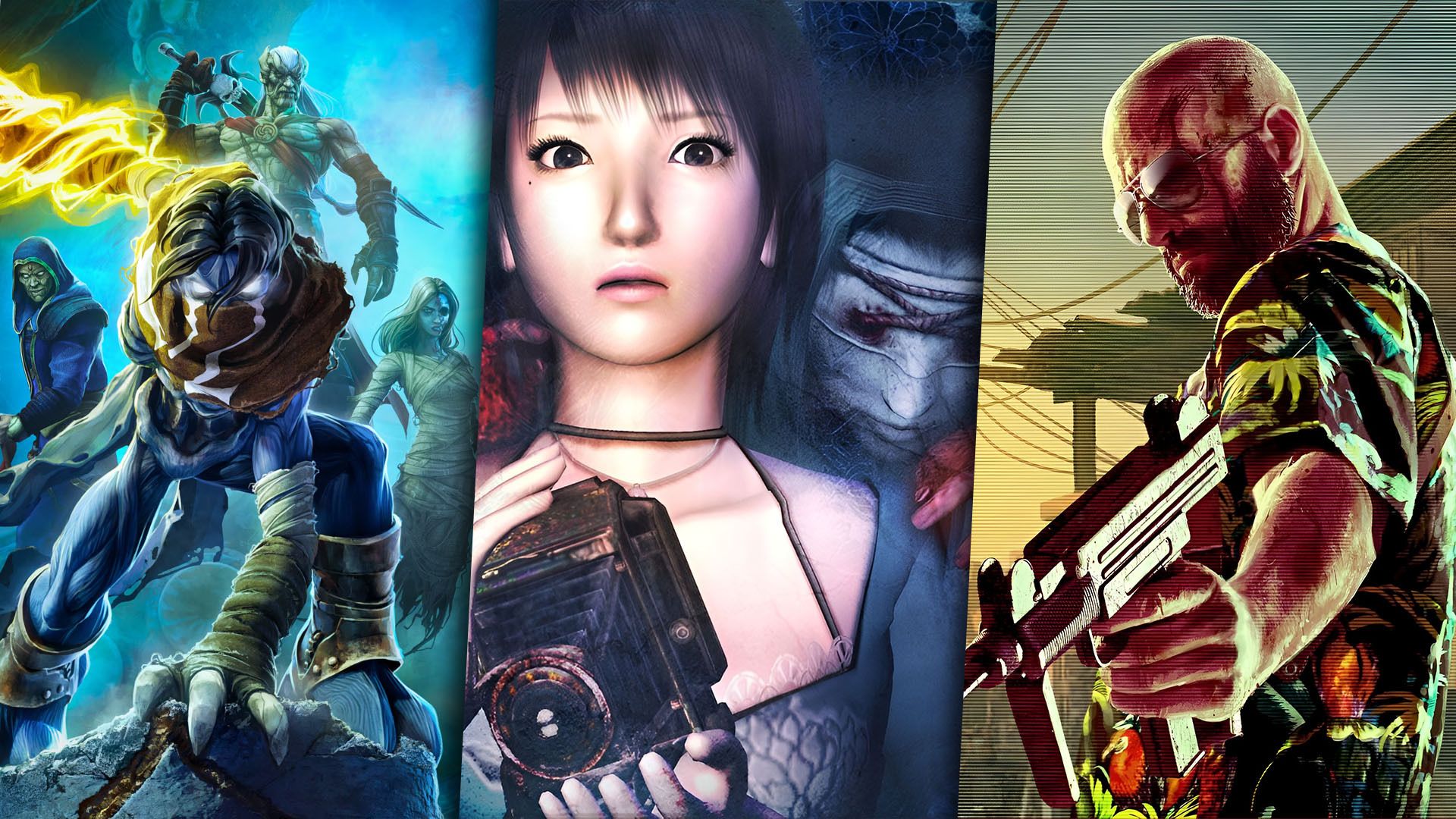
Games often end with a big choice: become the hero or embrace a darker path. This is especially common in role-playing games. However, when a sequel comes along, the ‘good’ ending is usually considered the official story, while the ‘evil’ path is treated as just an alternative, non-canonical option.
These games are different. Sometimes, a negative outcome is so subtle you won’t even know it’s possible, while other times it’s very clear. Regardless, when the sequel came out, fans were surprised to learn that the “bad” ending was actually the one that became the official storyline, creating a major twist before the next game even began.
Discussing how video games end is tricky because it often means revealing key plot points. So, be warned: the following contains spoilers!
XCOM 2
Building Off A Game Over Screen
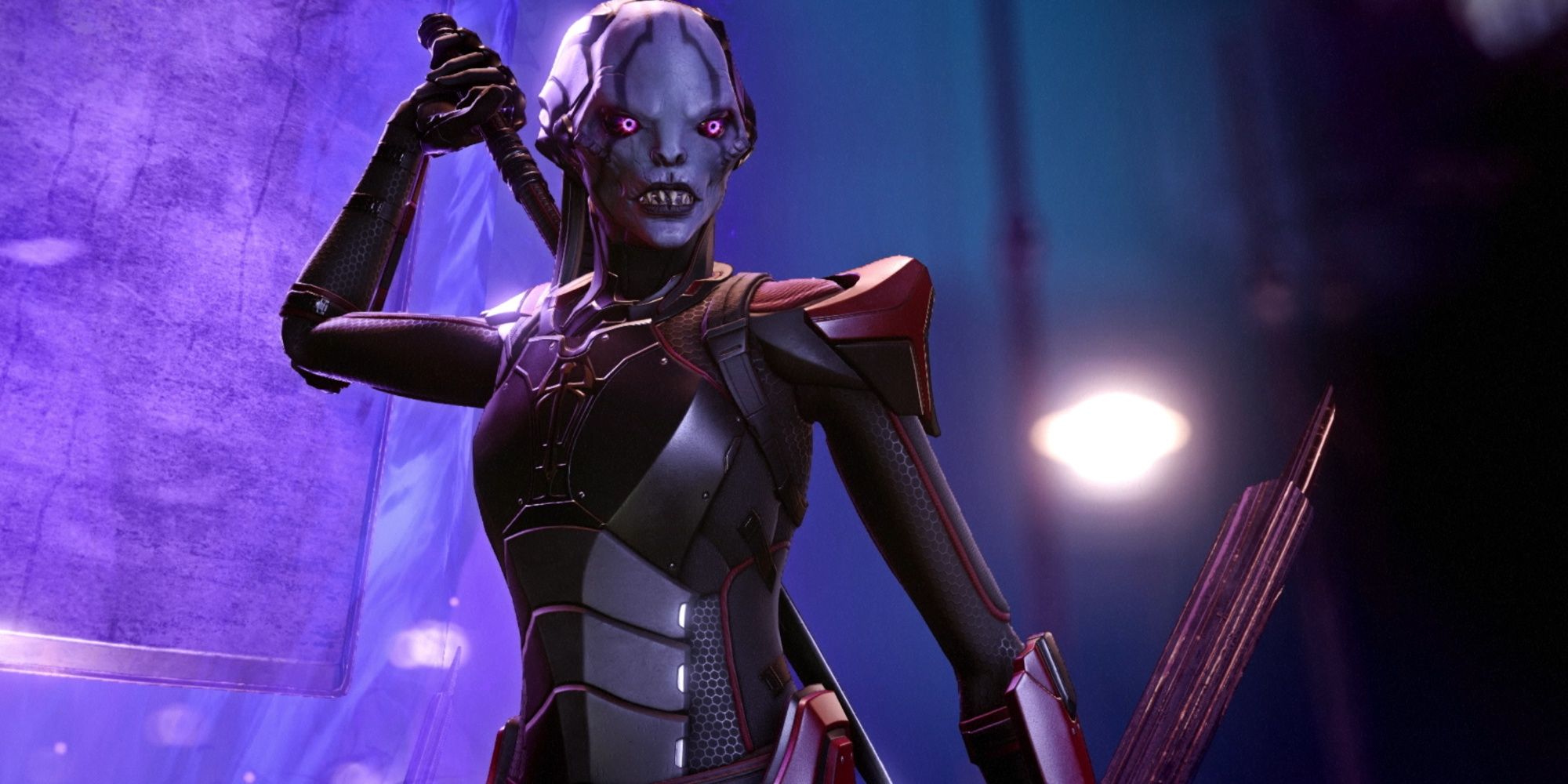

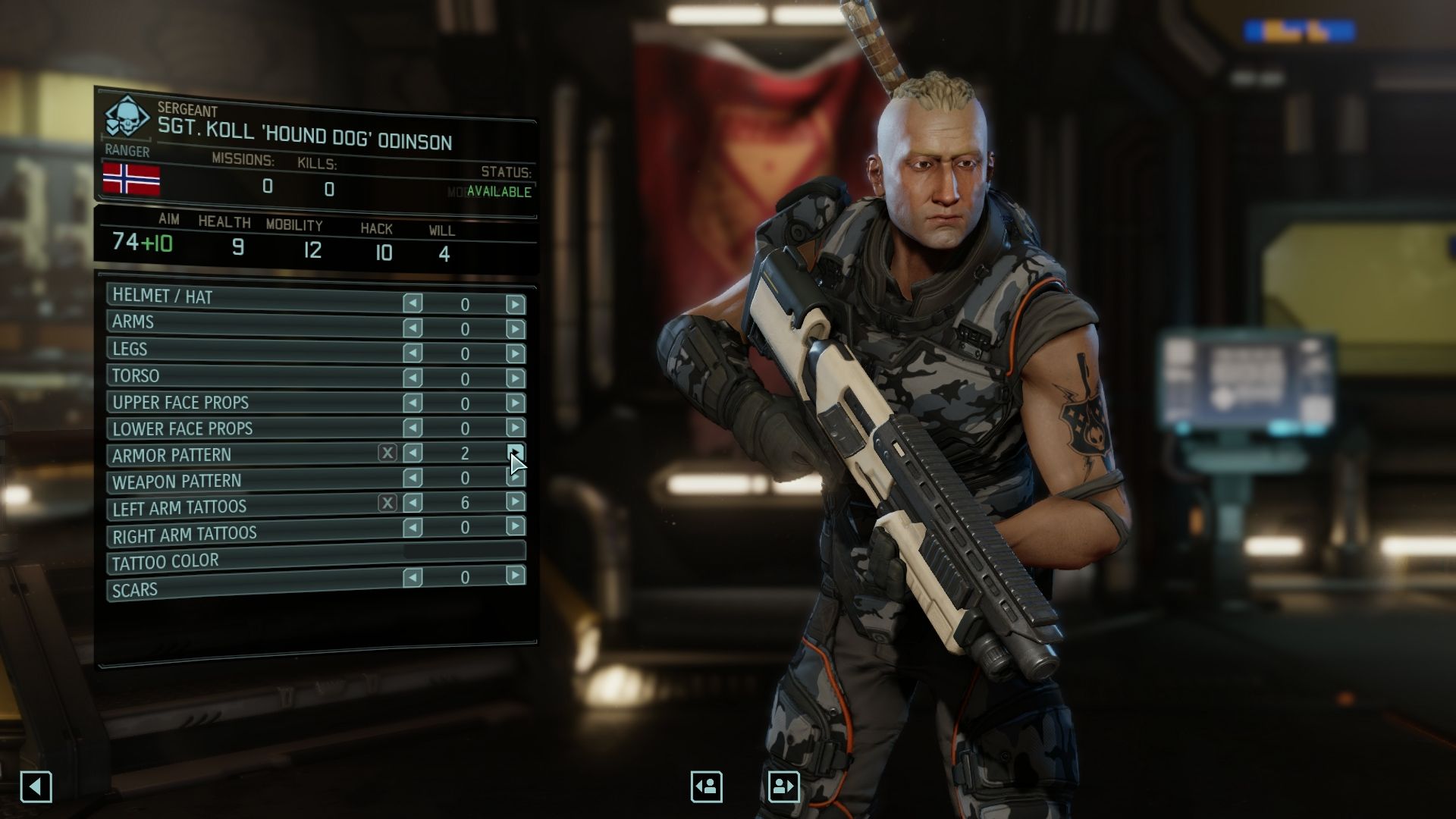
One of the most unusual entries on this list, XCOM 2 doesn’t really have an “ending” that follows directly from XCOM: Enemy Unknown. Instead, it presents a “game over” scenario. Both XCOM games operate with a ticking clock. If you don’t make enough progress quickly enough to stop the alien invasion, you’ll see a cutscene showing the aliens taking over Earth, controlling the population, and crushing XCOM’s attempts to fight back.
This situation is irreversible. In XCOM, everything is permanent – if a soldier dies or a mission fails, it’s final. Reaching this cutscene means starting your game over, or loading a much older save. It’s a harsh ending, and a surprising one, because when XCOM 2 begins, you’ll discover the game world is a direct result of what happened in that cutscene.
Legacy Of Kain: Soul Reaver
The Making Of An Evil Vampire Lord
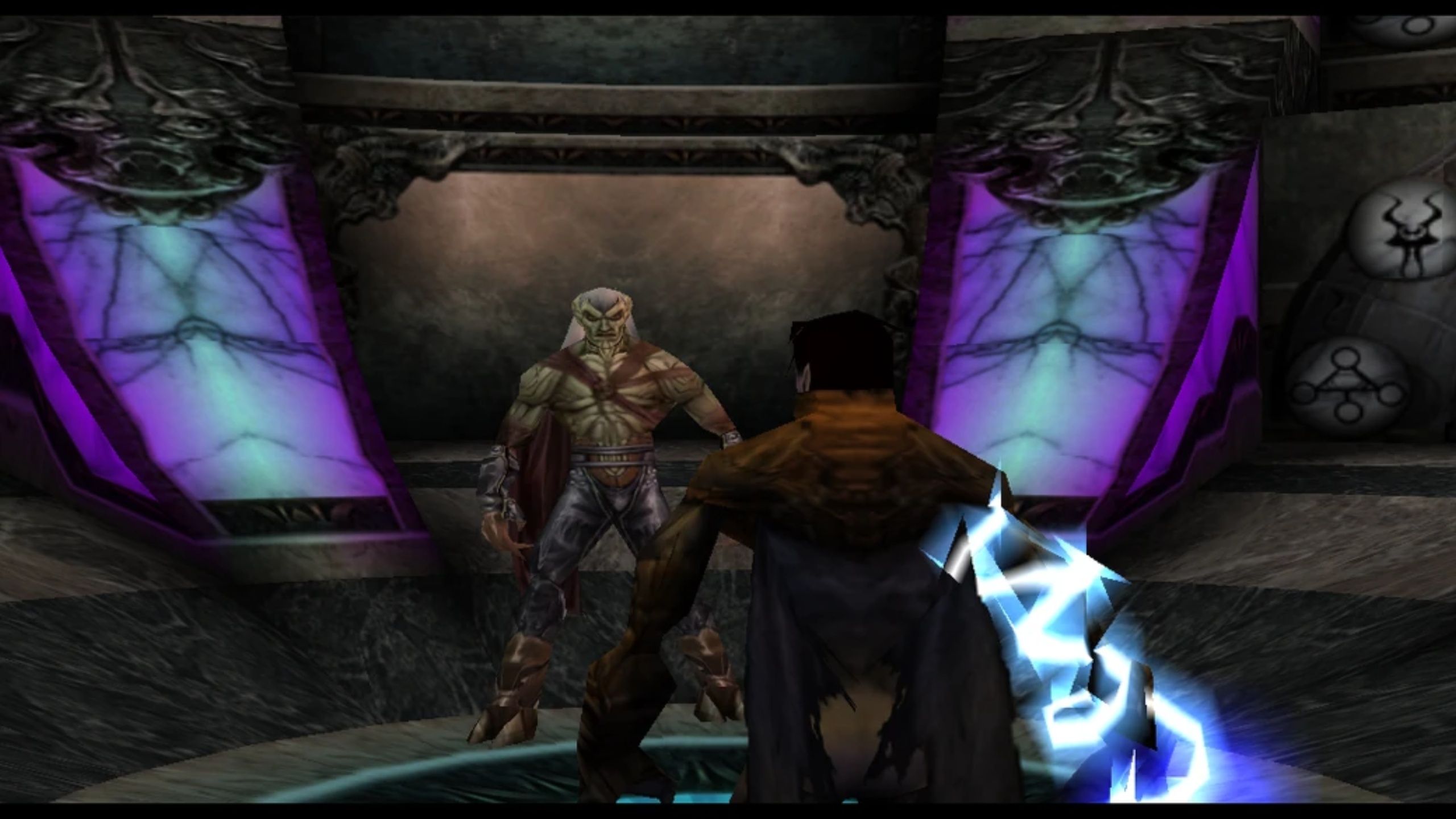
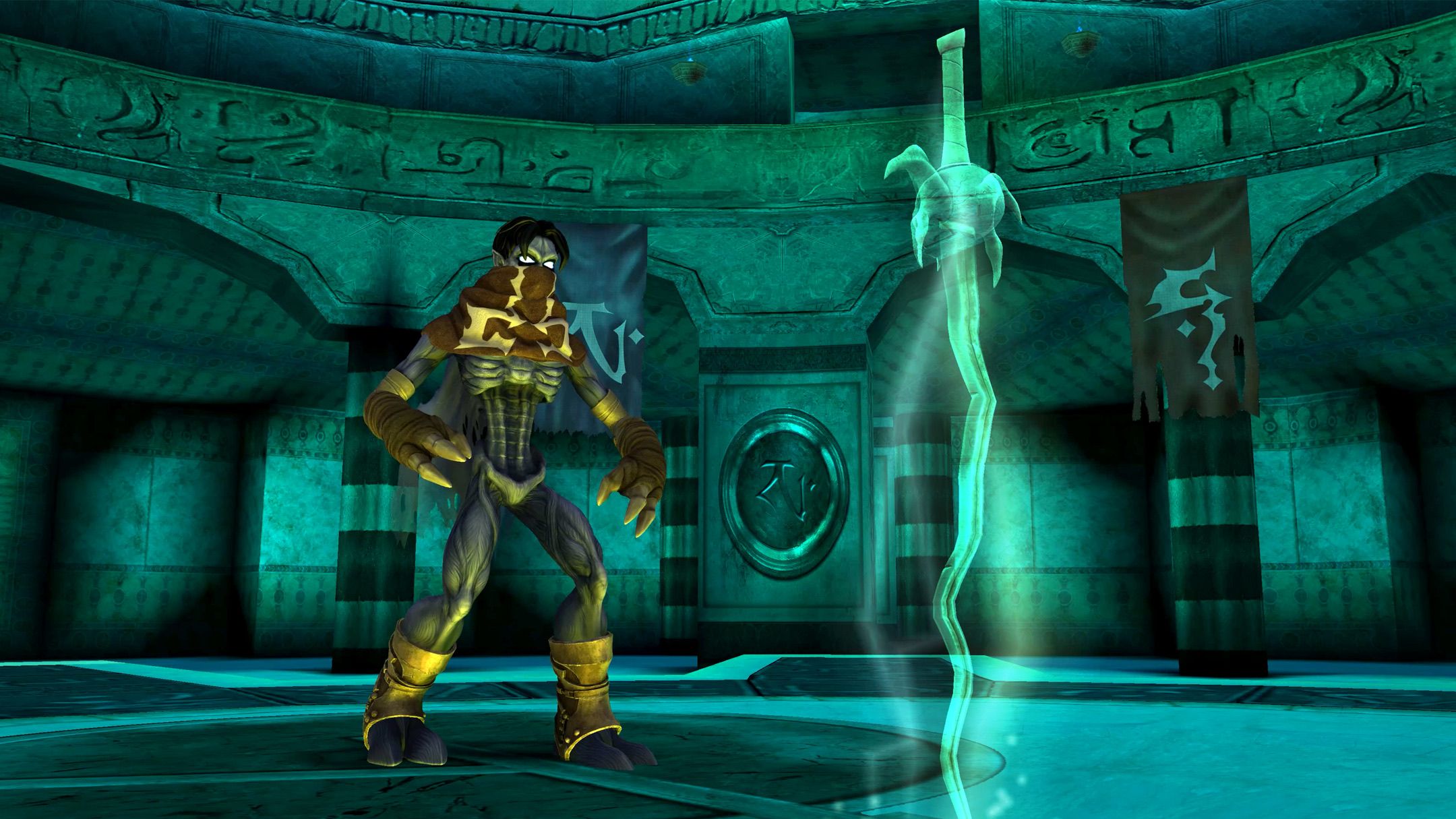
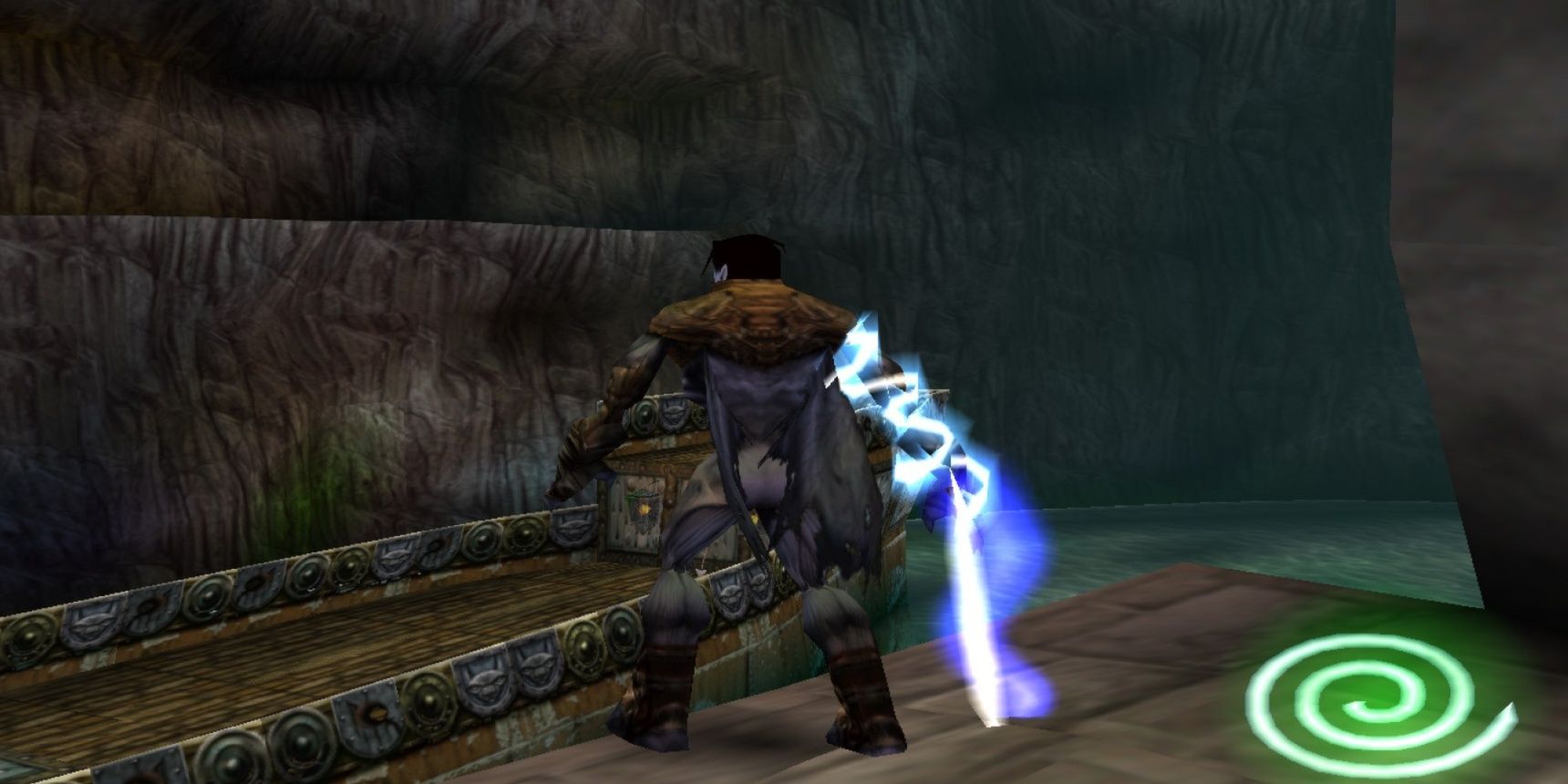
It’s likely most gamers haven’t experienced Legacy of Kain: Blood Omen, and that’s understandable. The game hasn’t been updated for modern systems and, aside from its story, hasn’t held up very well over time. However, it’s notable as one of the earliest games to offer a clear good or bad ending after you finished the game, instead of letting your choices throughout the game determine the outcome.
Choosing the ‘good’ path, where Kain saves the world by sacrificing himself, feels a bit weak, but the ‘evil’ choice – where he builds a vampire-ruled wasteland and rules from a bone throne – is undeniably awesome. The story really takes a surprising turn when you begin Legacy of Kain: Soul Reaver and realize 1,500 years have passed, and you’re no longer playing as Kain. Instead, you control Raziel, his second-in-command. Shortly after the game starts, Kain unexpectedly betrays and kills Raziel. Raziel is, of course, brought back to life, and the rest of the game revolves around his quest to get revenge on the hero from the first game. Pretty epic, right?
Metro Last Light
No Enlightenment For Artyom
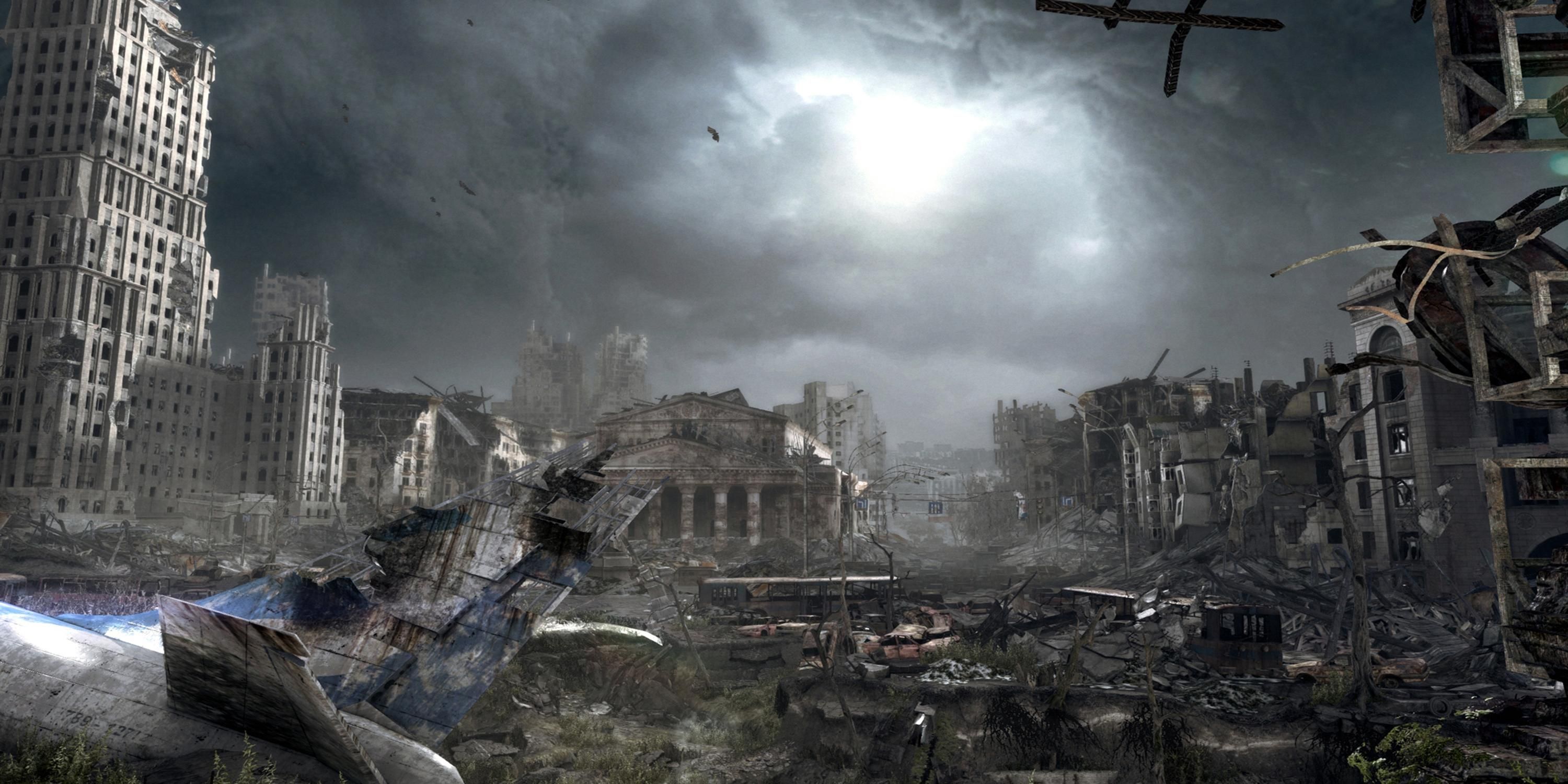
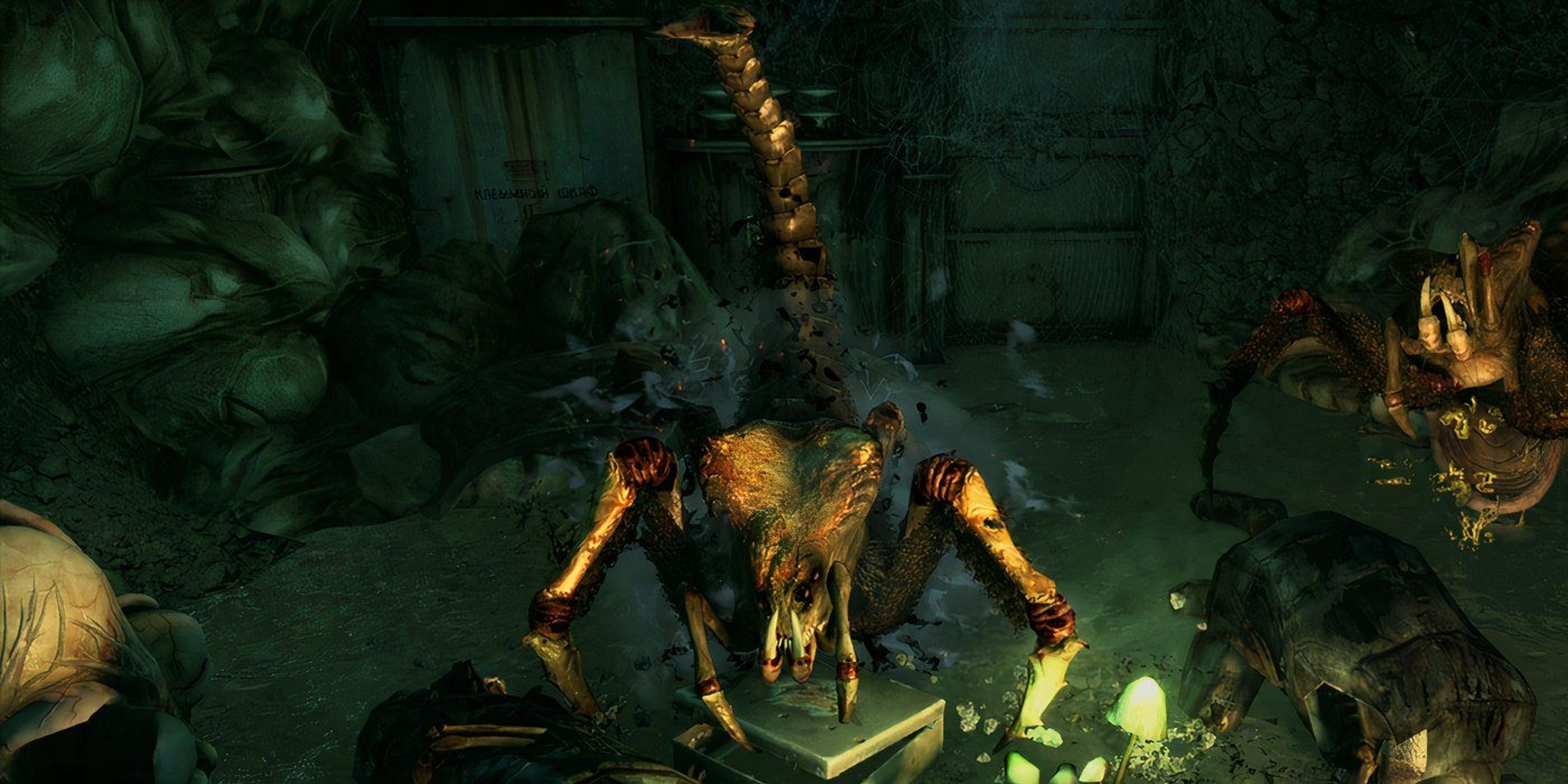
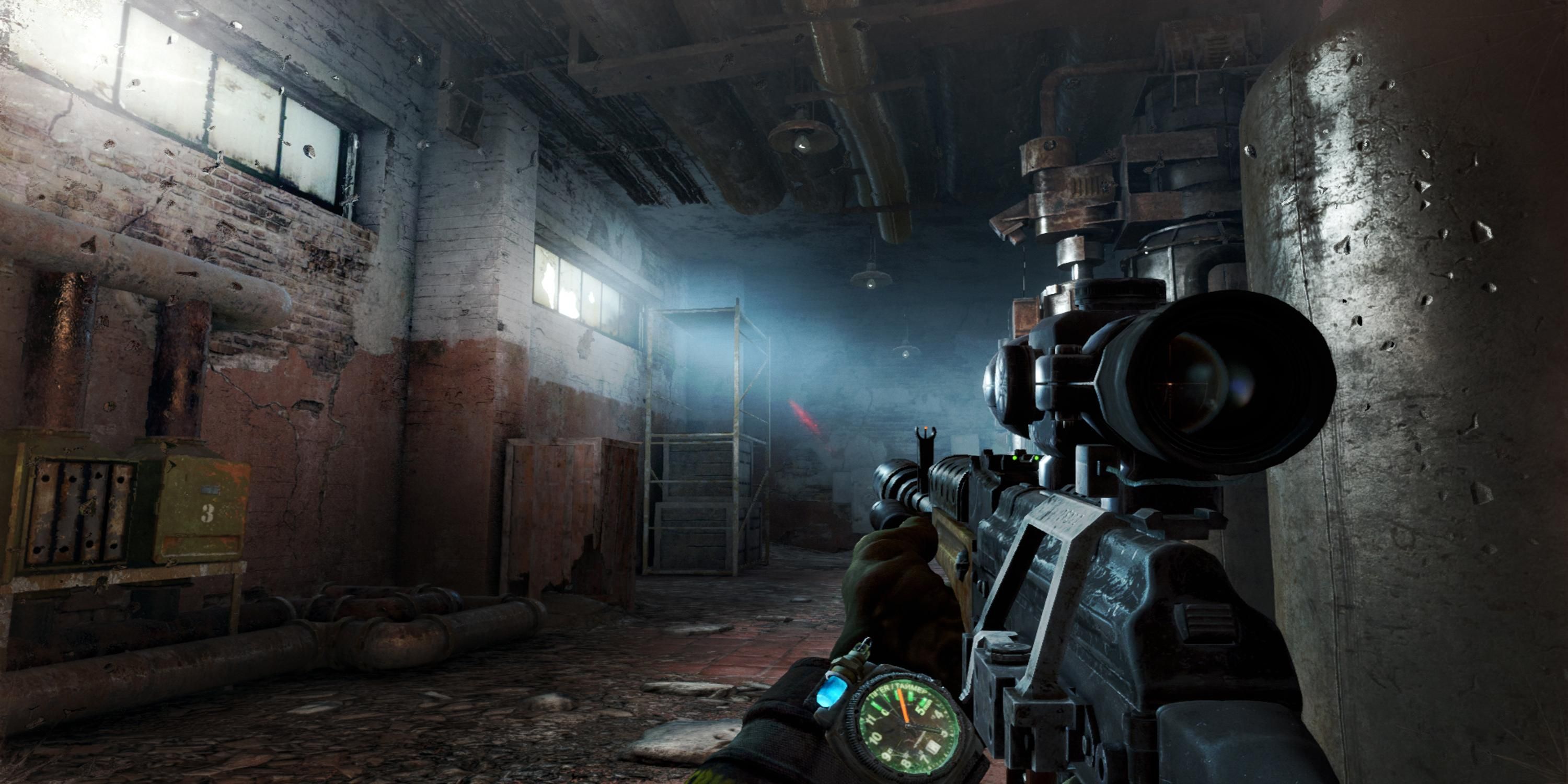
The Metro games are known for their bleak endings, making the hopeful “Enlightenment” ending in Metro 2033 stand out. It’s difficult to achieve, which adds to its impact, but considering the grim world of Metro, does Artyom really saving the Dark Ones from destruction seem believable? It feels out of character for the series.
The book that inspired the game presented a different outcome, and the game Metro: Last Light continued that darker path. It begins with the assumption that Artyom fired the missiles, destroying the Dark Ones’ home. This sets the stage for Last Light, where Artyom must save the last remaining Dark One – a child – from Nazis, a traveling circus, and a ruthless general. Interestingly, the game considers the hopeful ending of Metro: Last Light to be the ‘true’ ending, which is a surprising twist for the series.
Warcraft 2: Tides Of Darkness
The Orcs Take This One
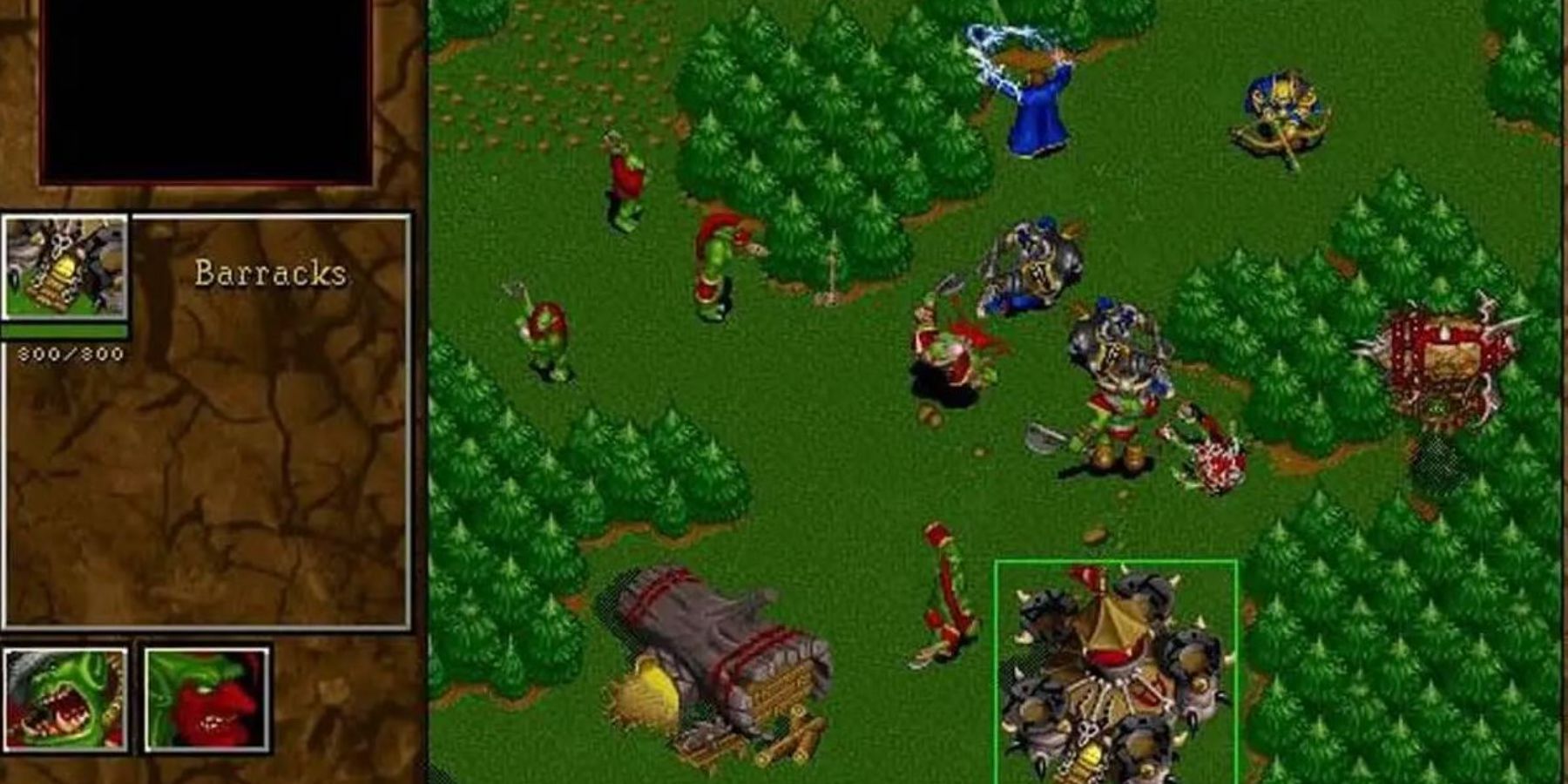
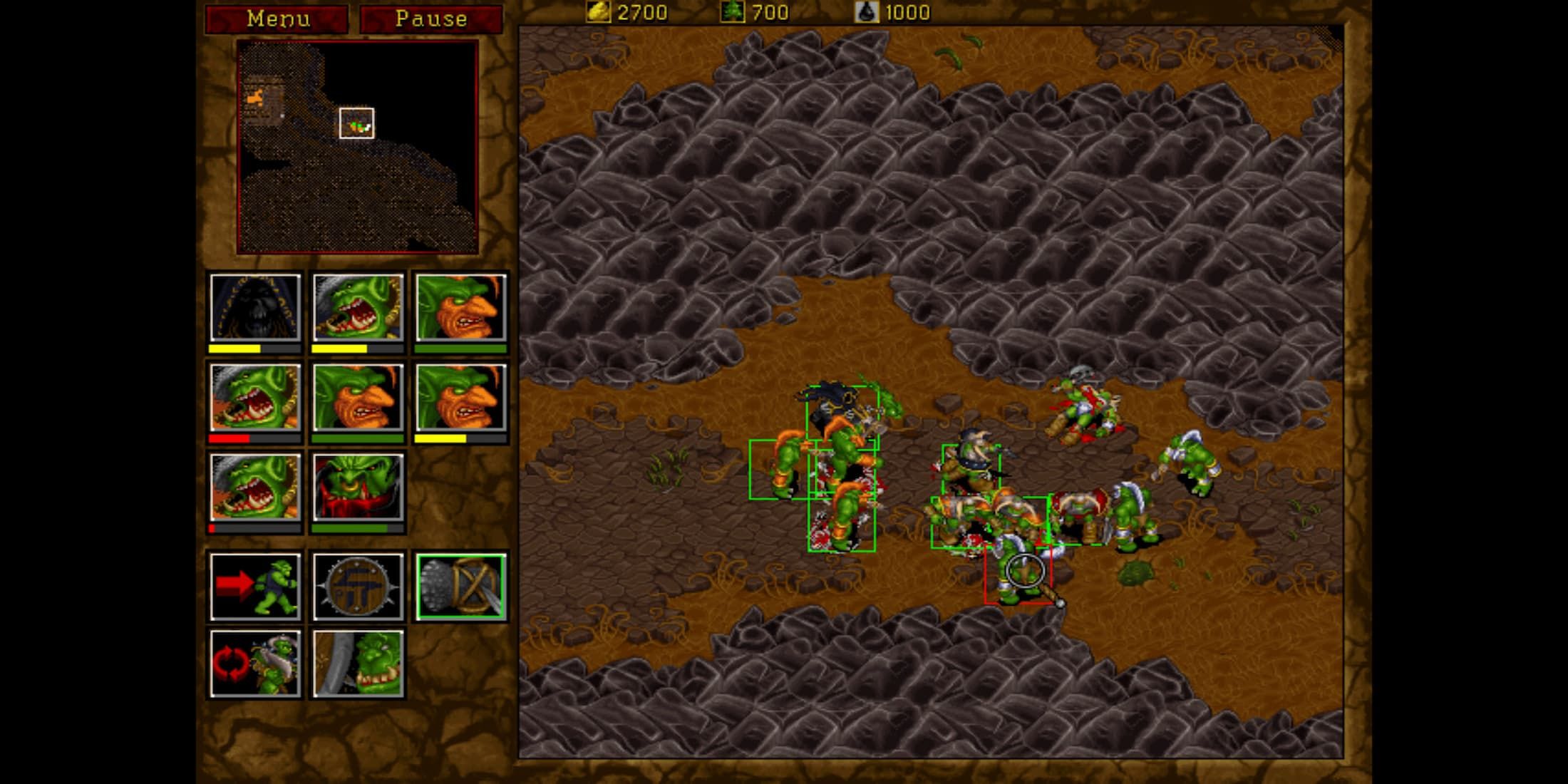
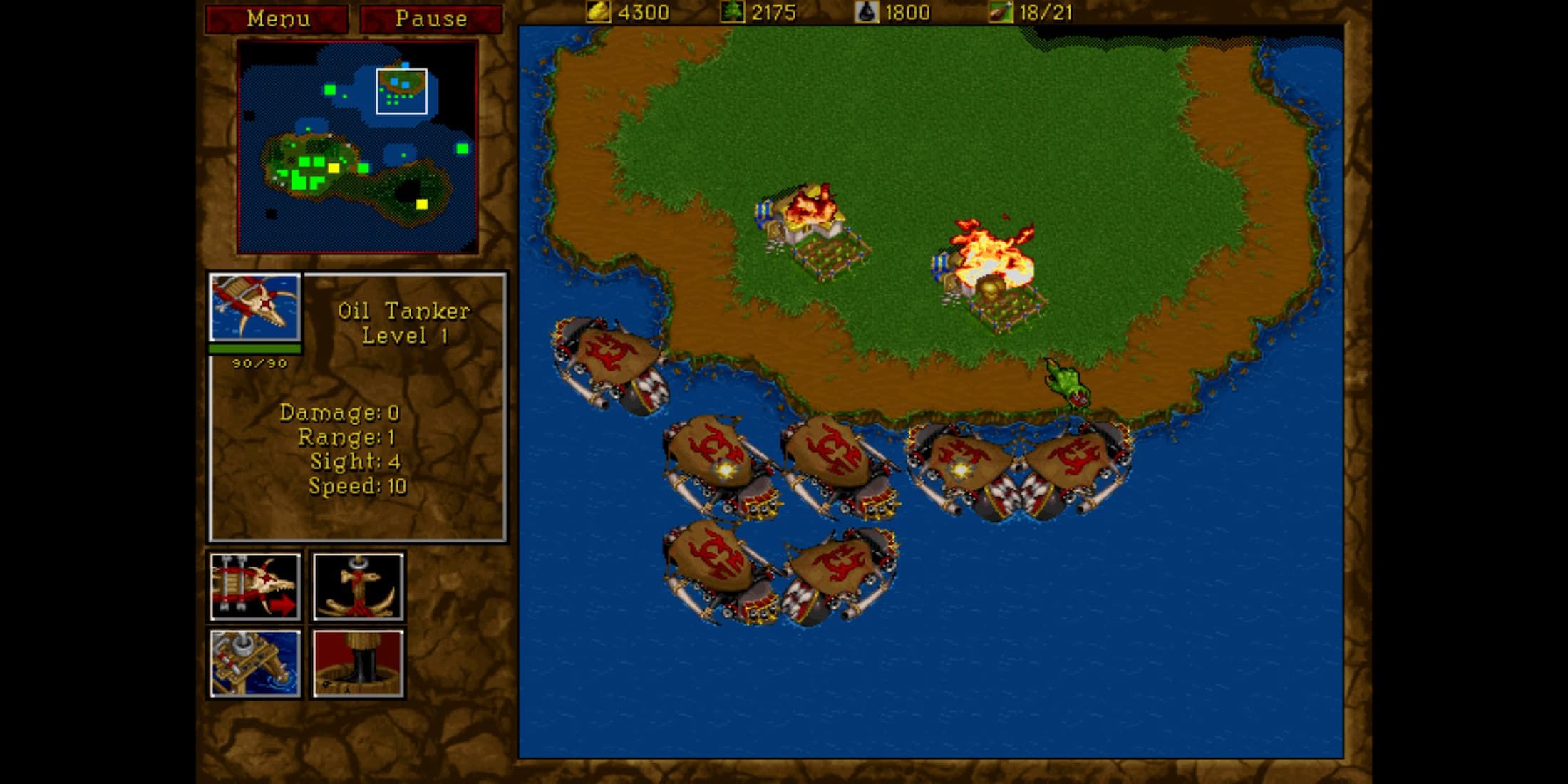
Unlike many games, Warcraft: Orcs & Humans doesn’t just have two endings – it features two complete storylines. You can play as either the humans or the orcs. If you choose the humans, the game concludes with a traditional fantasy victory: the orcish Horde is defeated, and the human kingdoms look forward to a brighter future led by the new king of Stormwind.
The orcish storyline is much darker and more violent, resembling the gritty style of author Joe Abercrombie. In this version, the orcs conquer Stormwind, killing its king, and Orgim Doomhammer rises to become the new Warchief. While this ending is harsher, it logically sets the stage for the increased conflict seen in Warcraft 2: Tides of Darkness. It’s worth noting that some details from the human campaign, like Medivh’s death, were also established as part of the official story.
Far Cry New Dawn
Joseph Seed Was Right All Along
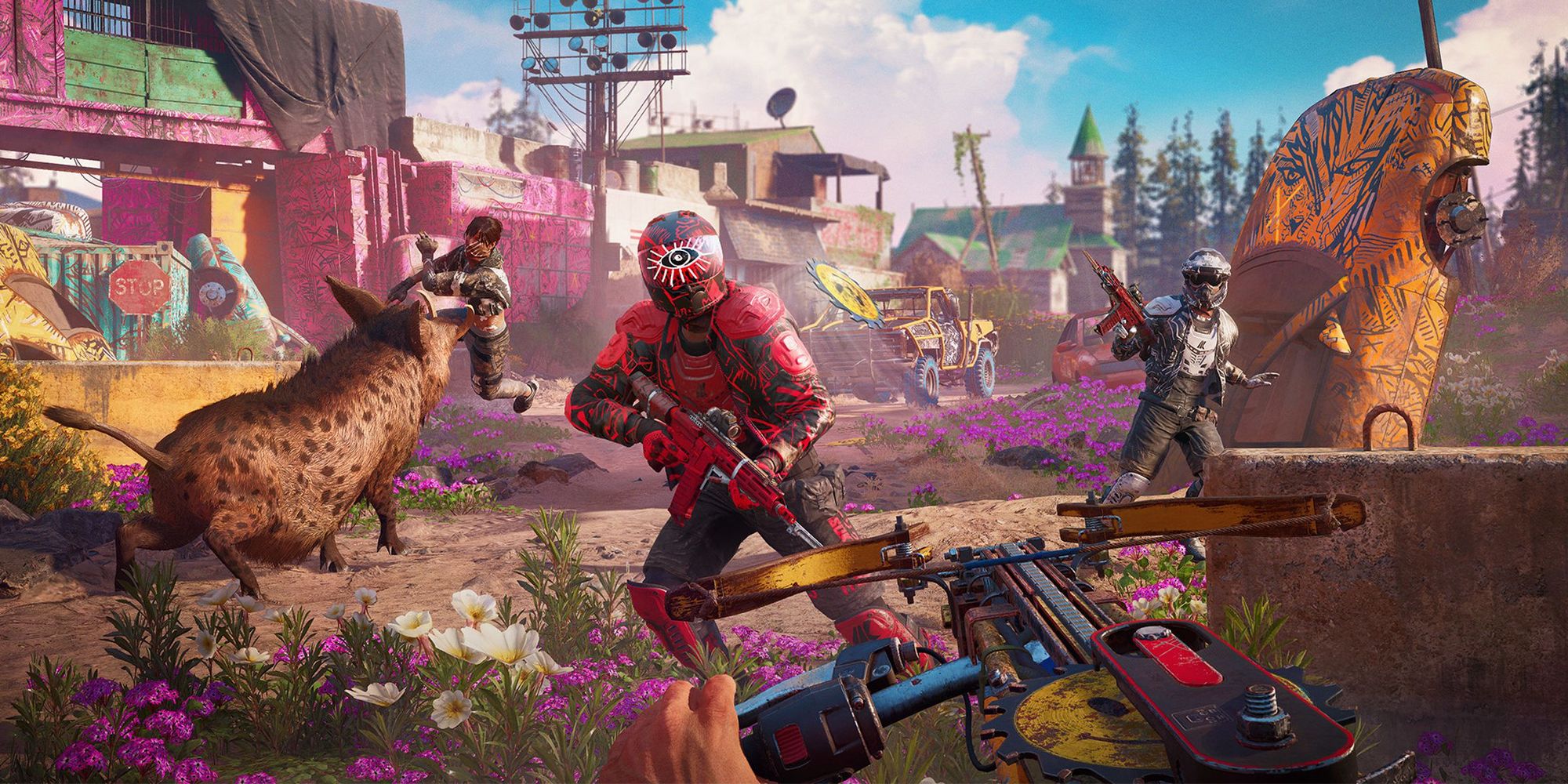
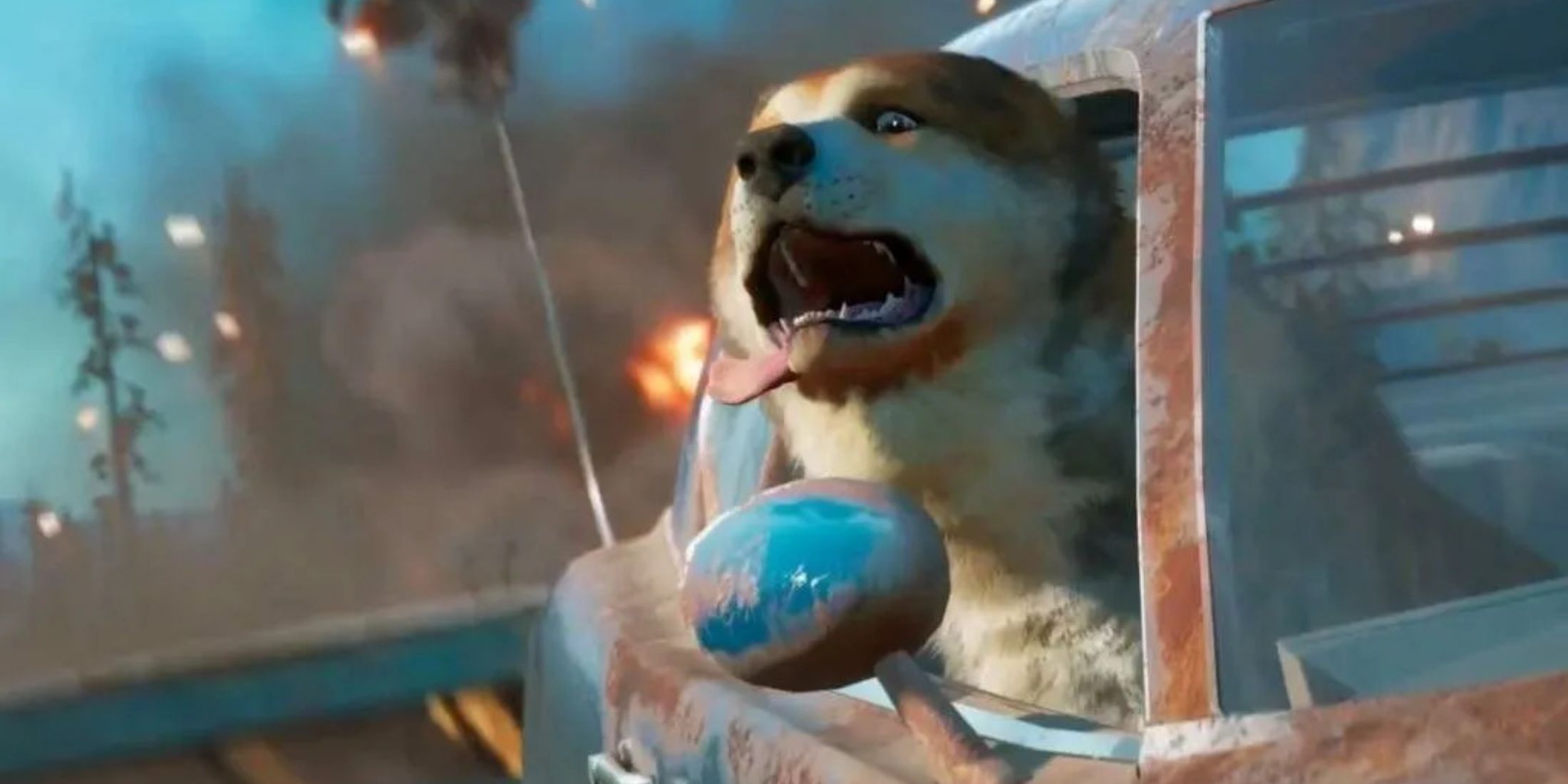
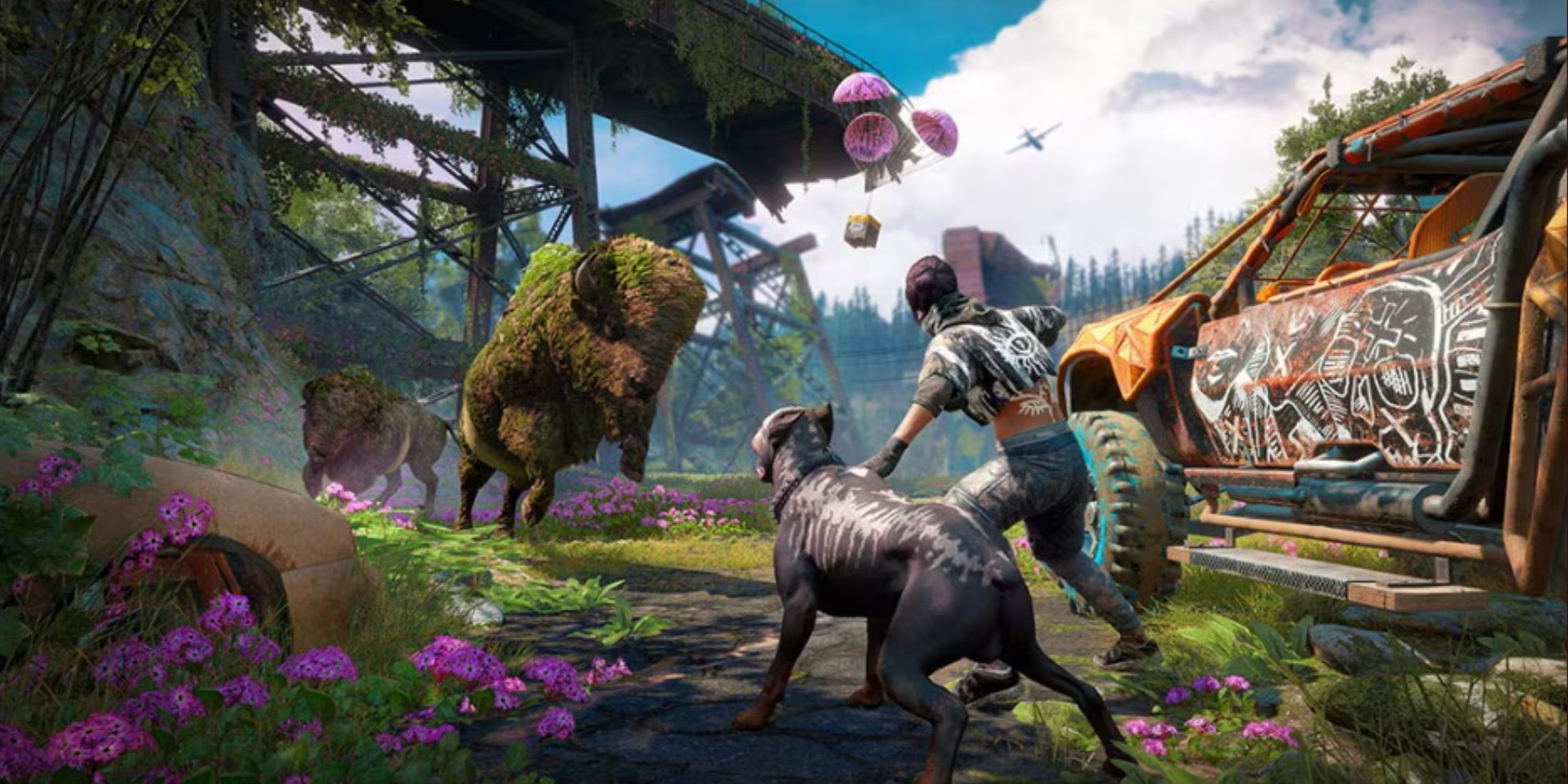
As a big fan of Far Cry 5, I always found the story behind the villains really interesting. Basically, the cult in the game, led by Joseph Seed, isn’t just being evil for the sake of it. They genuinely believe the world is heading for a massive disaster – they call it ‘the Collapse’ – and that they’re the only ones who can stop it. Seed thinks God picked him to save Hope County from this apocalypse, and he’s built his whole following around that idea. It’s a creepy belief system, but it definitely makes them feel like more than just typical bad guys.
It’s wild, but he was right! In Far Cry New Dawn, the story takes place after a huge nuclear disaster called “the Collapse.” And you can actually cause that disaster in Far Cry 5. It’s a little unclear how much your choices matter, but if you try to arrest Joseph Seed at the very end, after taking out his whole family, nuclear missiles start flying and hit Montana – and probably the rest of the country! You can just let Seed go, but even that ending isn’t great. It just isn’t quite as catastrophic.
Dark Souls 3
The Cycle Repeats Until It All Falls Apart
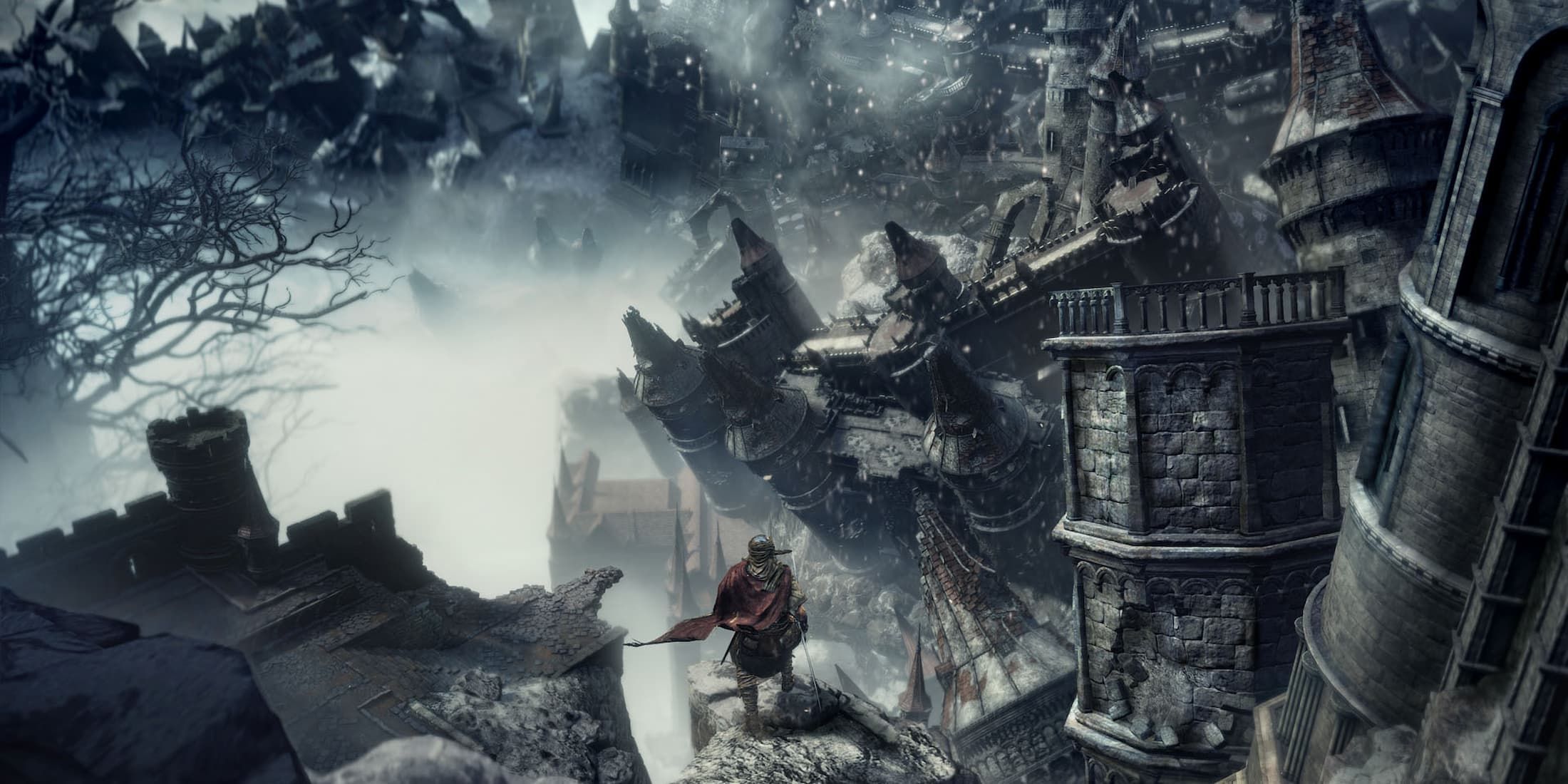
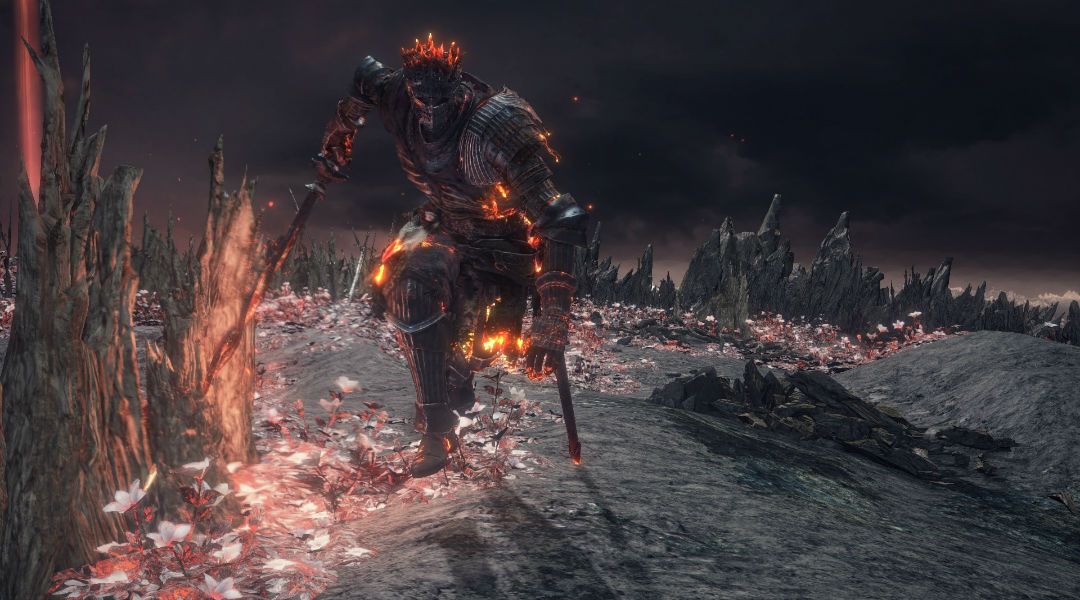
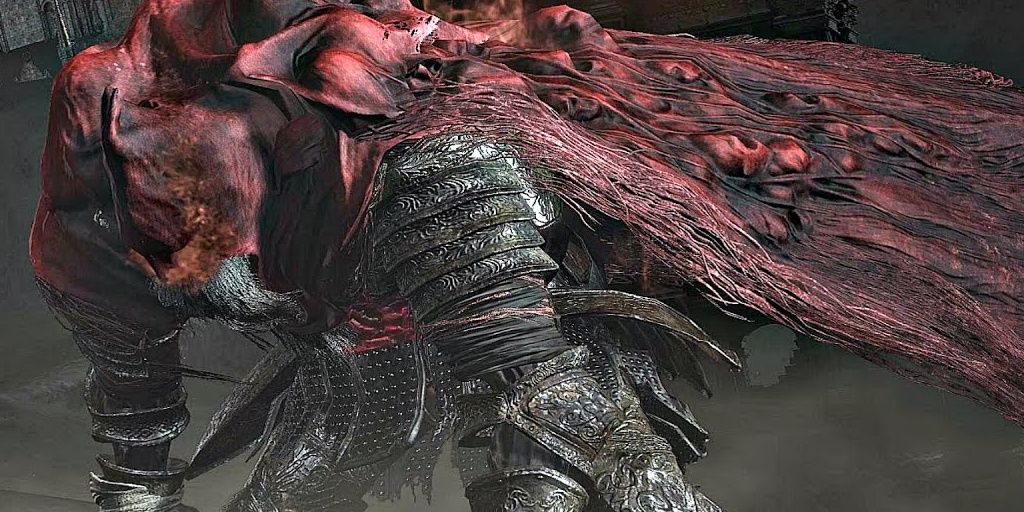
You can easily finish the three Dark Souls games without paying close attention to the story, since it’s told mostly through item details and unclear conversations. However, the first game does require a key decision: either continue the cycle by linking the flame, or let the world fall into darkness. While choosing darkness initially seems like the wrong option, it’s more complex than that. Linking the flame is what Gwyn did before the games begin, and it’s the reason Lordran is filled with undead and ruled by unstable or absent leaders when you start playing.
While playing Dark Souls 3, you’ll revisit places that feel familiar from previous games. For example, you’ll find Anor Londo, a city that appeared in the original Dark Souls, and the Grand Archives, which are similar to the Duke’s Archives. The Ringed City DLC makes these connections even clearer, featuring areas like Ruined Earthen Peak and references to King Vendrick, both from Dark Souls 2. This suggests that many characters, including the one you played in Dark Souls and Dark Souls 2, have repeatedly linked the flame, endlessly restarting the cycle of decay and ultimately leading to the world’s destruction.
Pikmin 4
Olimar Rises Again… Or Not
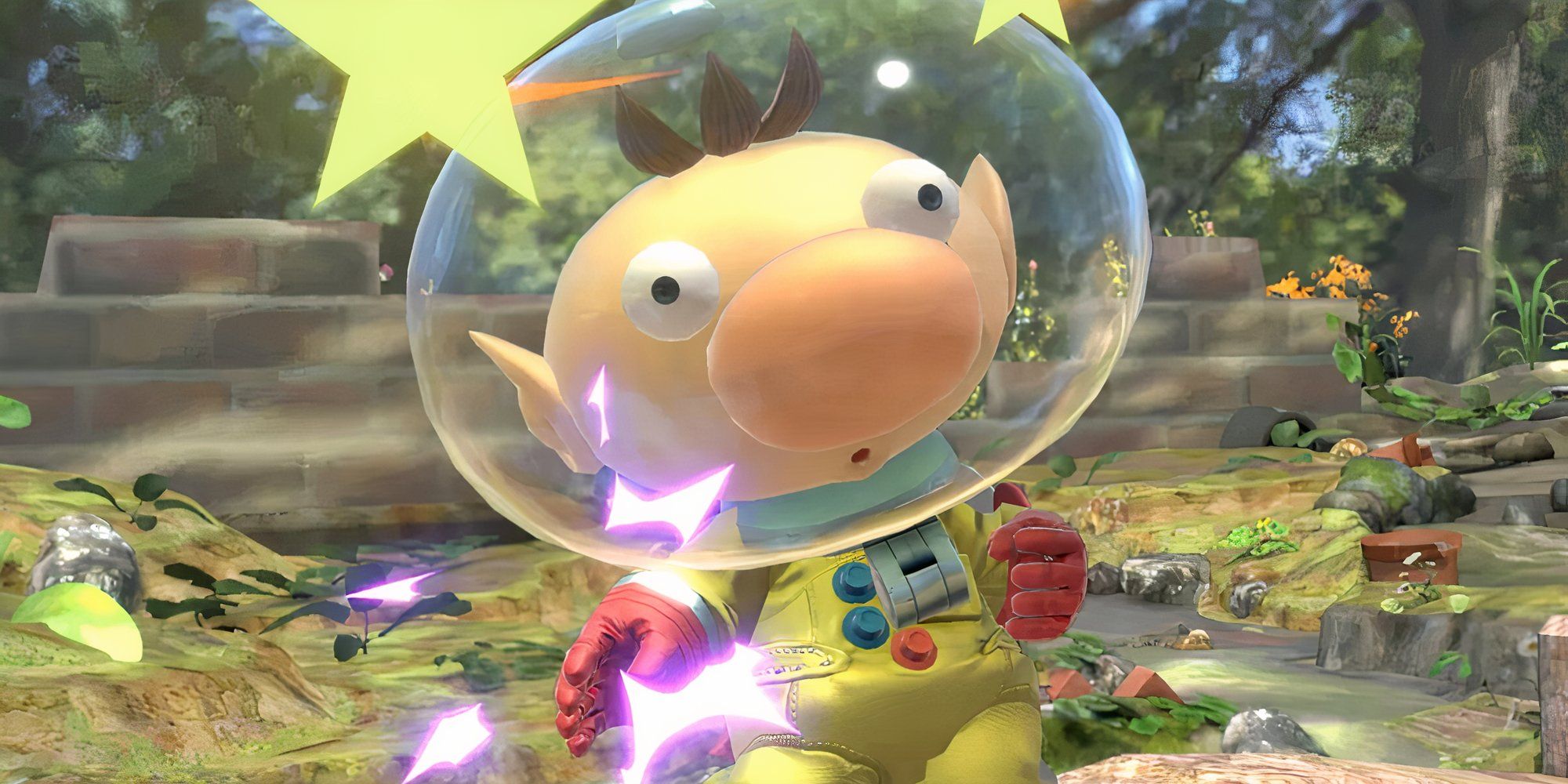
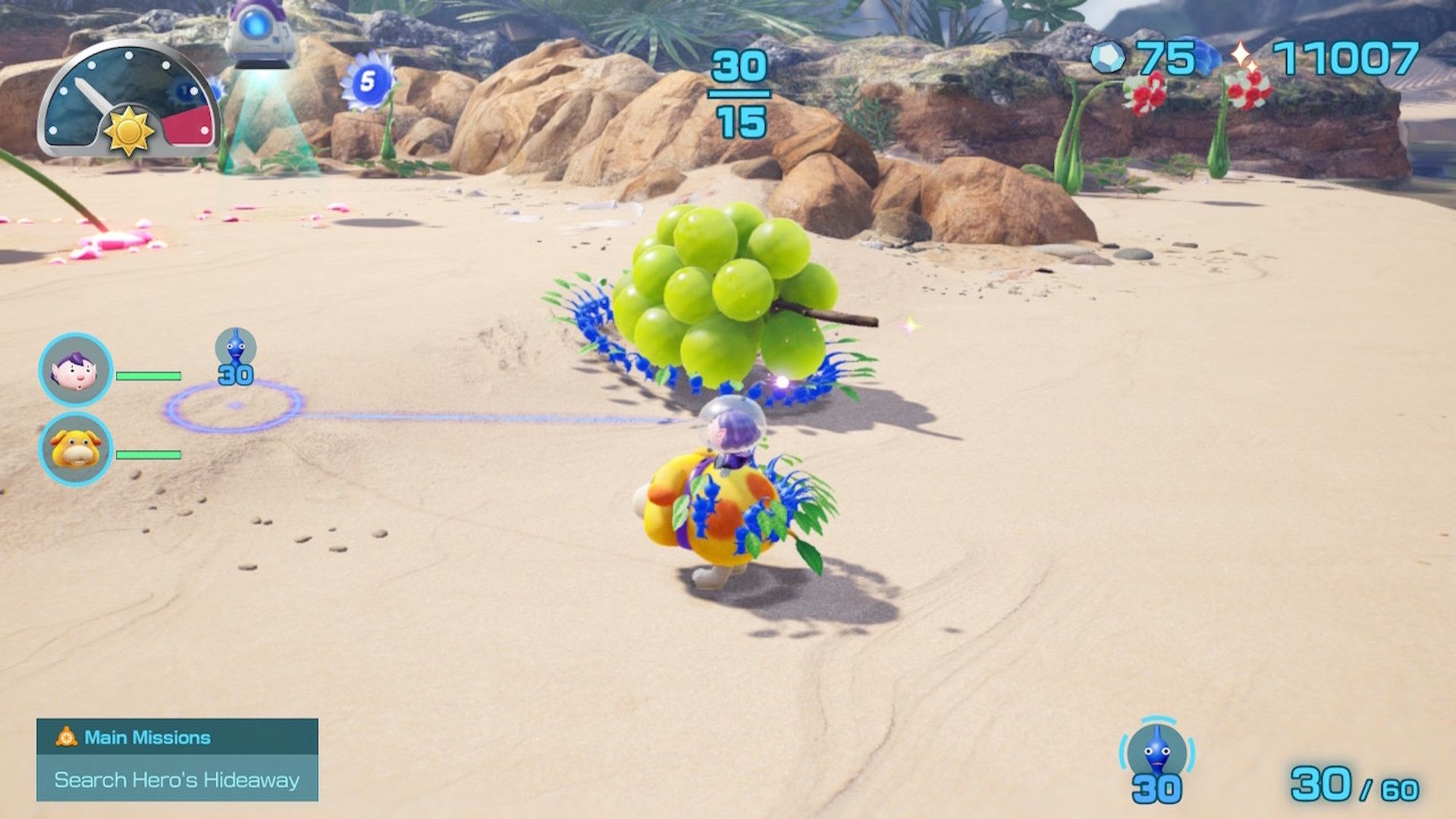
Okay, so a lot of people don’t realize the first Pikmin game has different endings! It all comes down to how many ship parts you find in the 30 days you have. There are 30 parts total, but if you only manage to get less than 25, things go really wrong. When I tried it, Olimar’s ship blew up on launch! It’s super morbid, but all the Pikmin collect his… remains, put him in an onion, and this weird Pikmin-Olimar hybrid, they call ‘Pikmar’, pops out. It’s definitely a surprising (and kinda creepy) outcome!
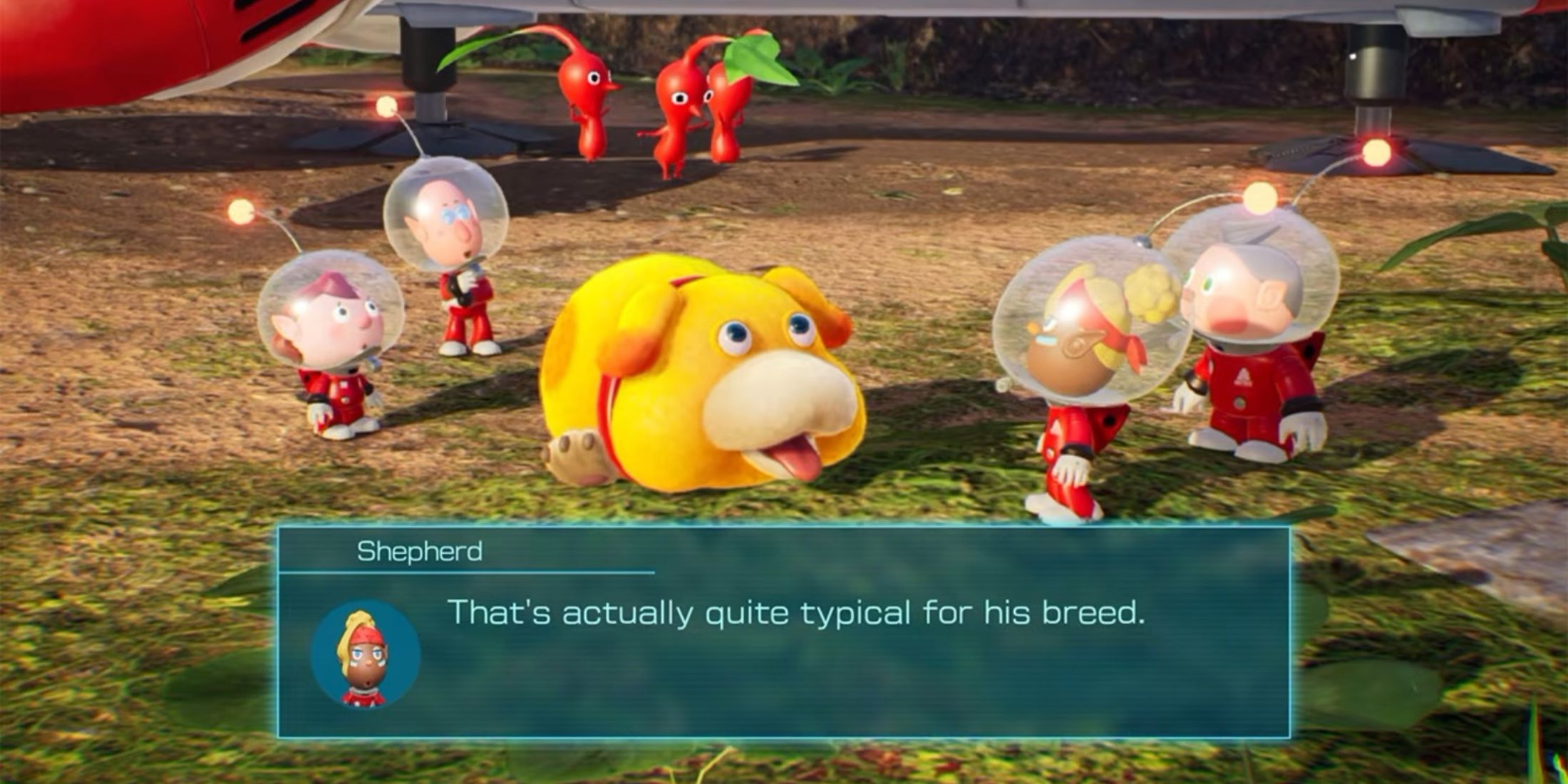
The game Pikmin 4 begins with a rescue team, led by Captain Sheperd, responding to a distress signal from PNF-404 – the same planet where the original Pikmin game took place. During your exploration, a member of your crew is captured and transformed into a Leafling, which is a new type of Pikmin that confirms the unhappy ending of the first game as the official storyline. While Pikmin 2 and Pikmin 3 continued the story as if the first game had a happy ending, Pikmin 4 makes the original game’s darker conclusion the definitive one.
Fatal Frame 3: The Tormented
Sibling-Centric Trauma
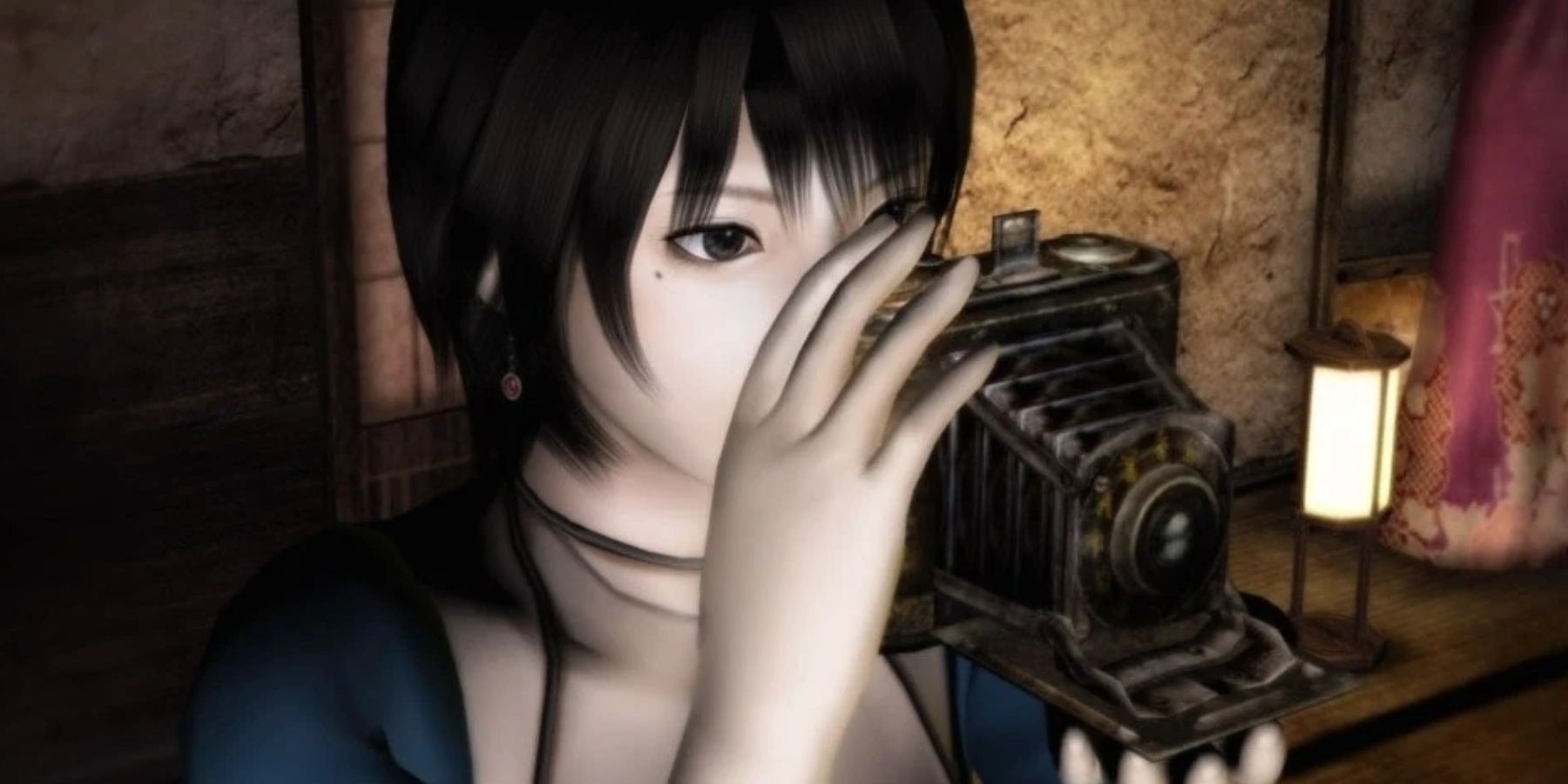
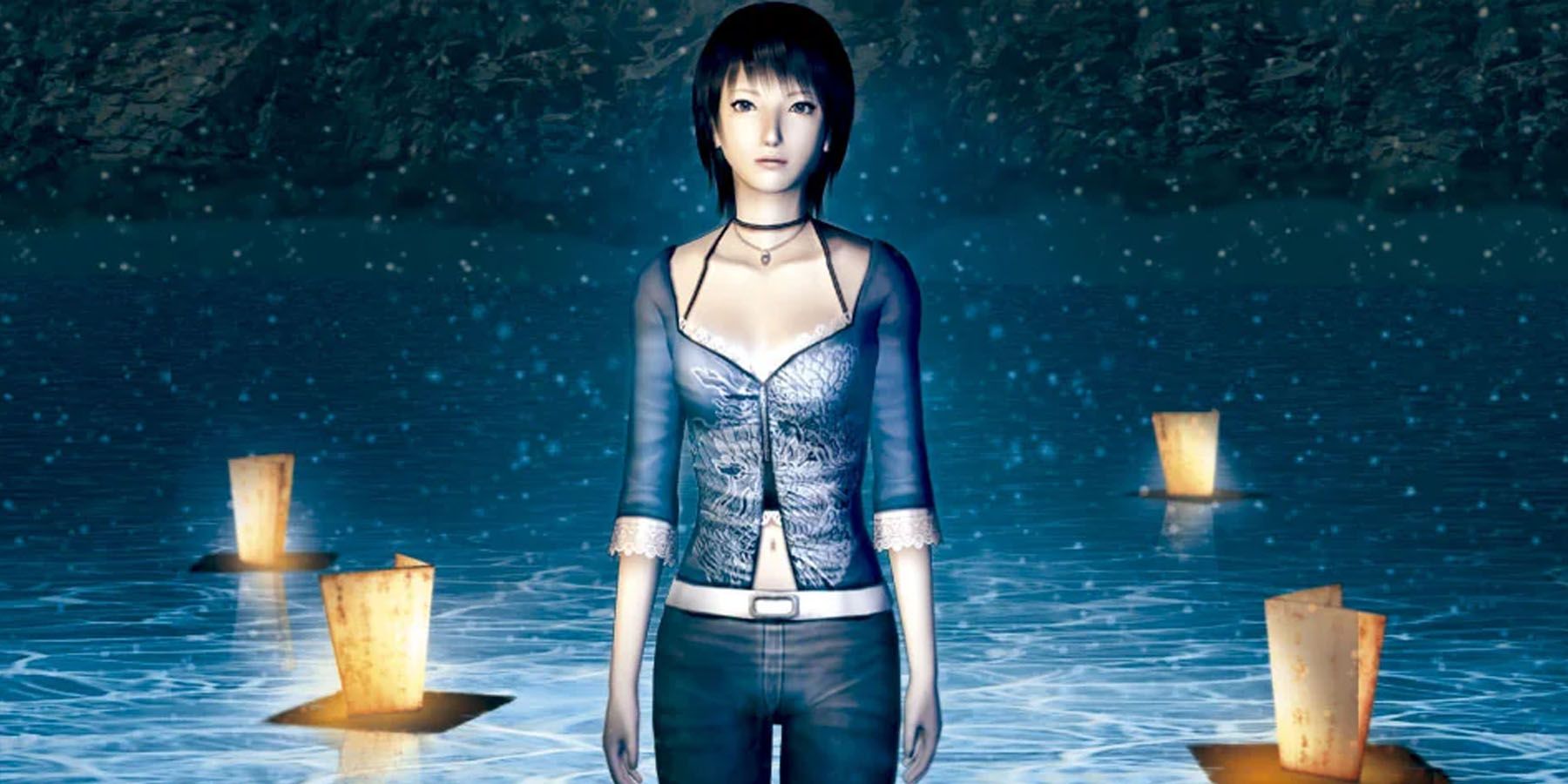
The first two Fatal Frame games share a similar dark outcome in their less desirable endings, though they arrive at it differently. In the original Fatal Frame, the hero Miku’s brother, Mafuyu, makes the ultimate sacrifice to stop a looming evil. However, Fatal Frame 2: Crimson Butterfly‘s bad ending, appropriately named the “Crimson Butterfly” ending, is far more disturbing: the player character, Mio, tragically suffocates her sister while possessed.
Miku and Mio both appear in Fatal Frame 3: The Tormented, which clarifies their individual fates. The game establishes that in both their stories, the sibling dies – Miku is still mourning her brother, and Mio is haunted by having to kill her sister. As is common in the Fatal Frame series, the characters face tragic outcomes, but this creates a compelling narrative.
Max Payne 3
It’s His Last Name Because That’s What He Feels
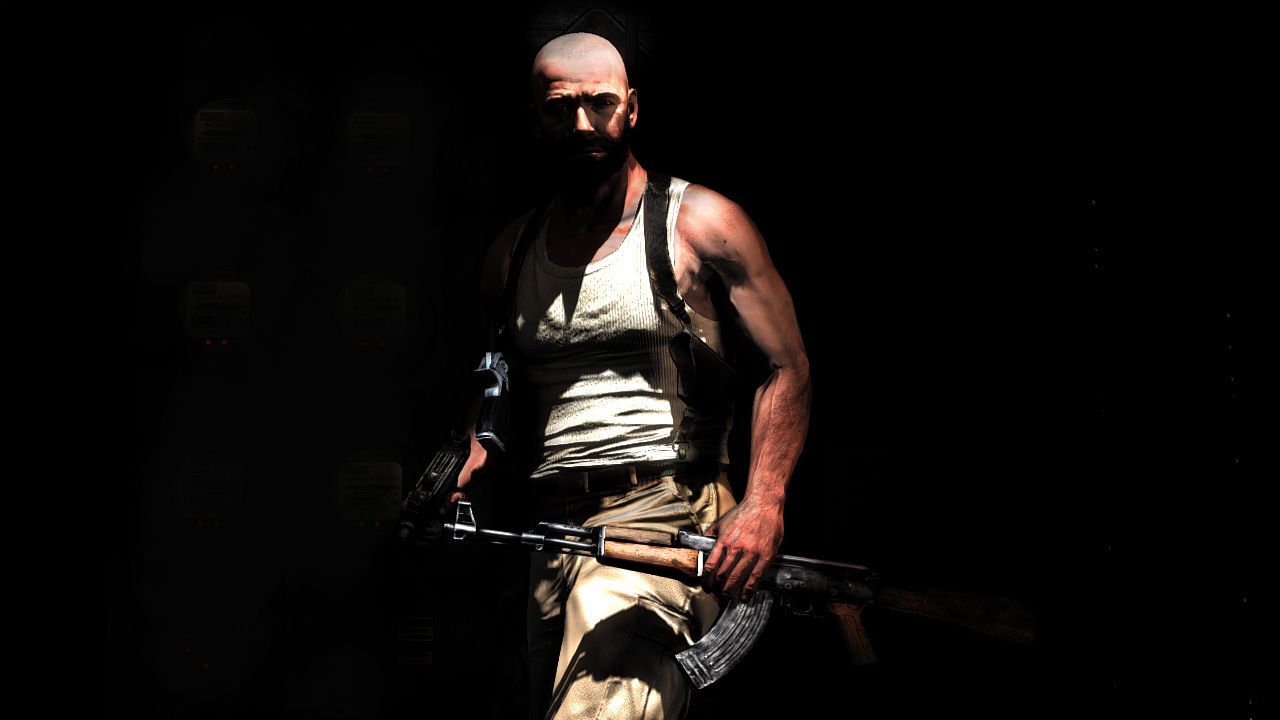
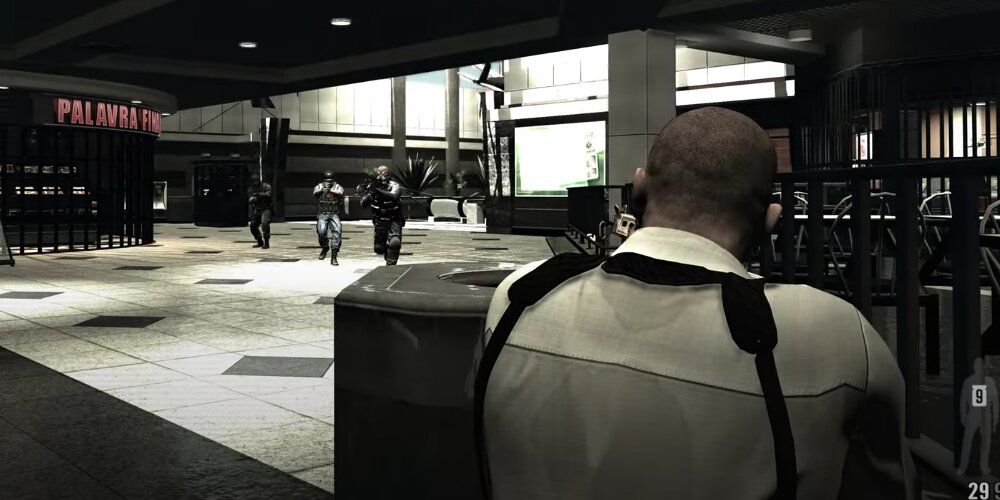
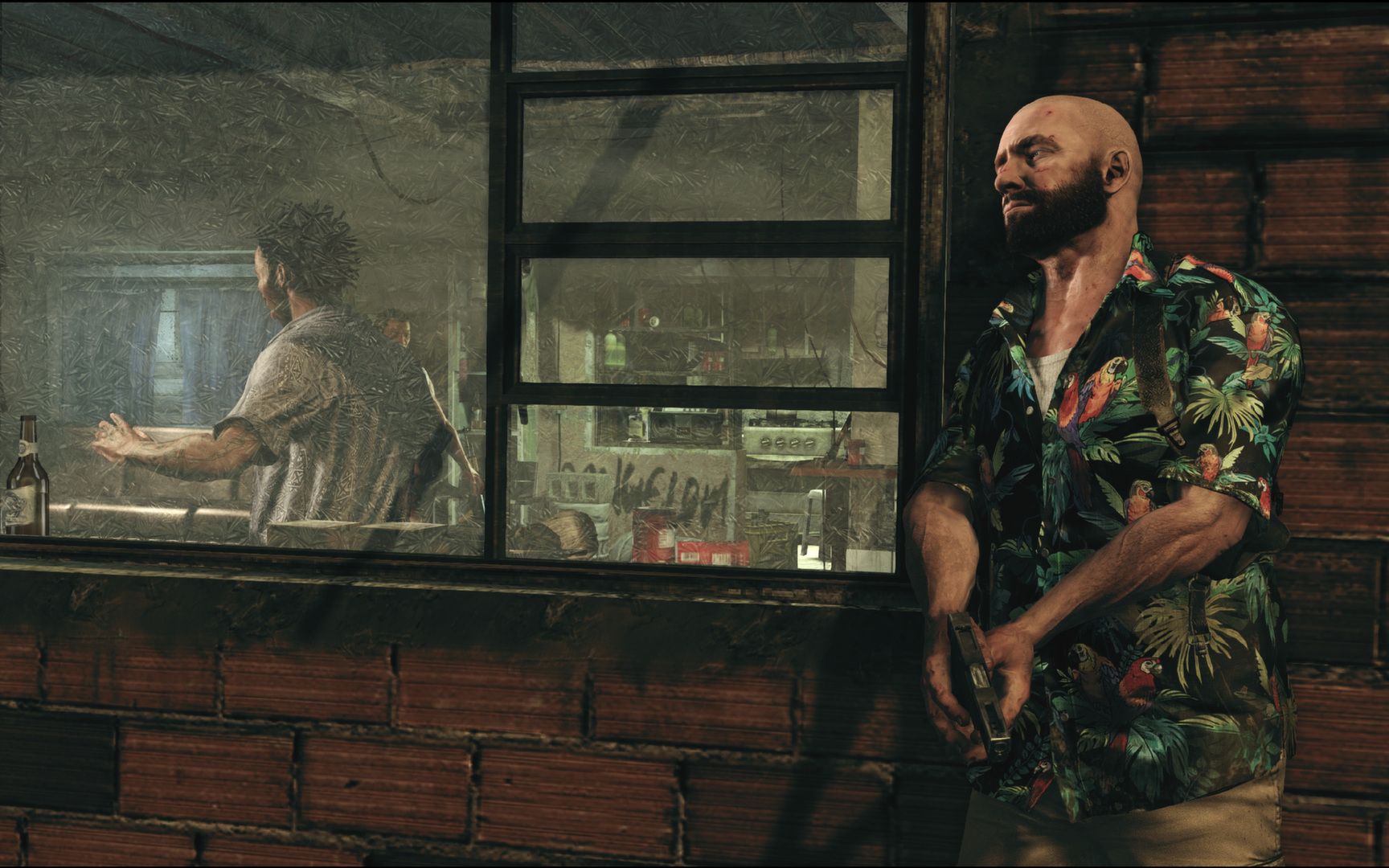
It’s no surprise Max Payne is often considered a tragic hero – his life is genuinely awful, and that’s a core part of what makes him so memorable. He’s defined by his suffering. Think about the ending of Max Payne 2: The Fall of Max Payne: he’s saved by Mona Sax, the woman he loves, only for her to turn on him. Then, even though she can’t bring herself to kill him, she’s killed by a gangster right in front of him, and dies in his arms.
Fortunately, there’s a positive outcome possible in Max Payne 2. If you finish the game on Hard mode, you’ll unlock a different ending where Mona survives. However, this happier ending feels out of place considering the game’s dark themes and the overall mood of the series. Max Payne 3 seems to acknowledge this. The game begins with Max as a deeply troubled and desperate man, which explains why he readily accepts a nearly impossible and dangerous task. Mona isn’t mentioned at all in Max Payne 3, and Max’s willingness to risk his life suggests he has no one waiting for him back home.
Nier
When The Gag Ending Becomes Canon
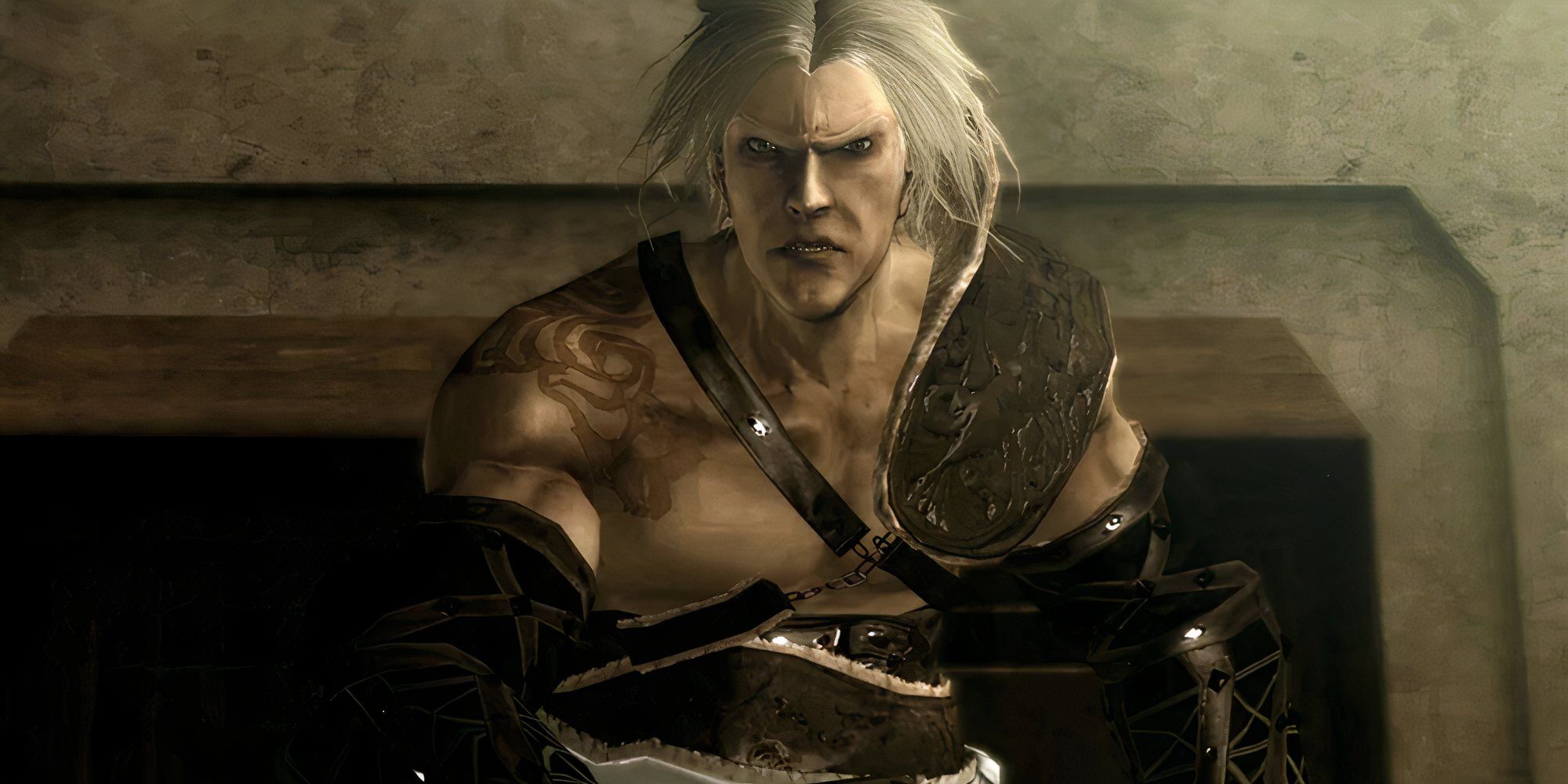
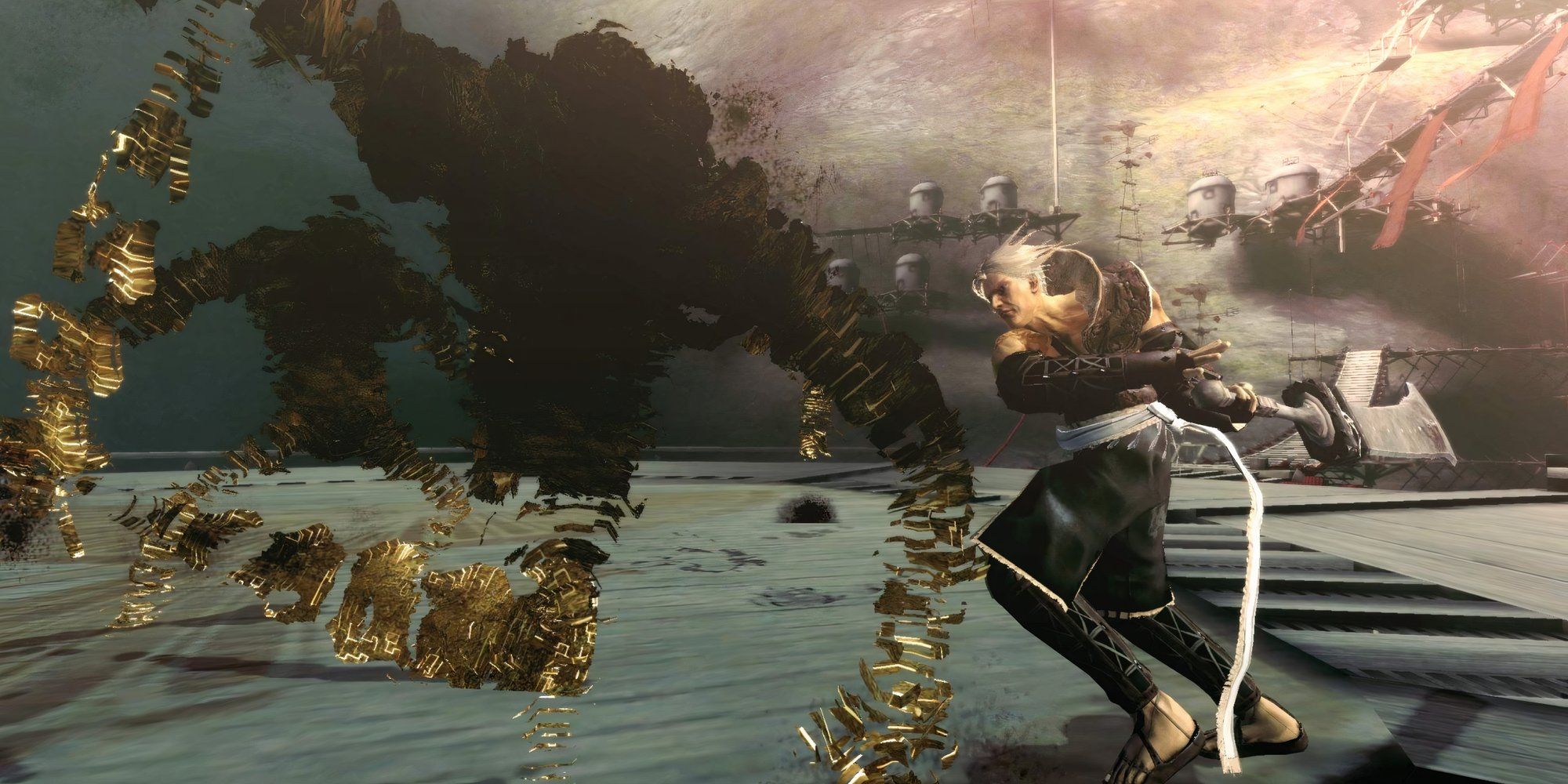
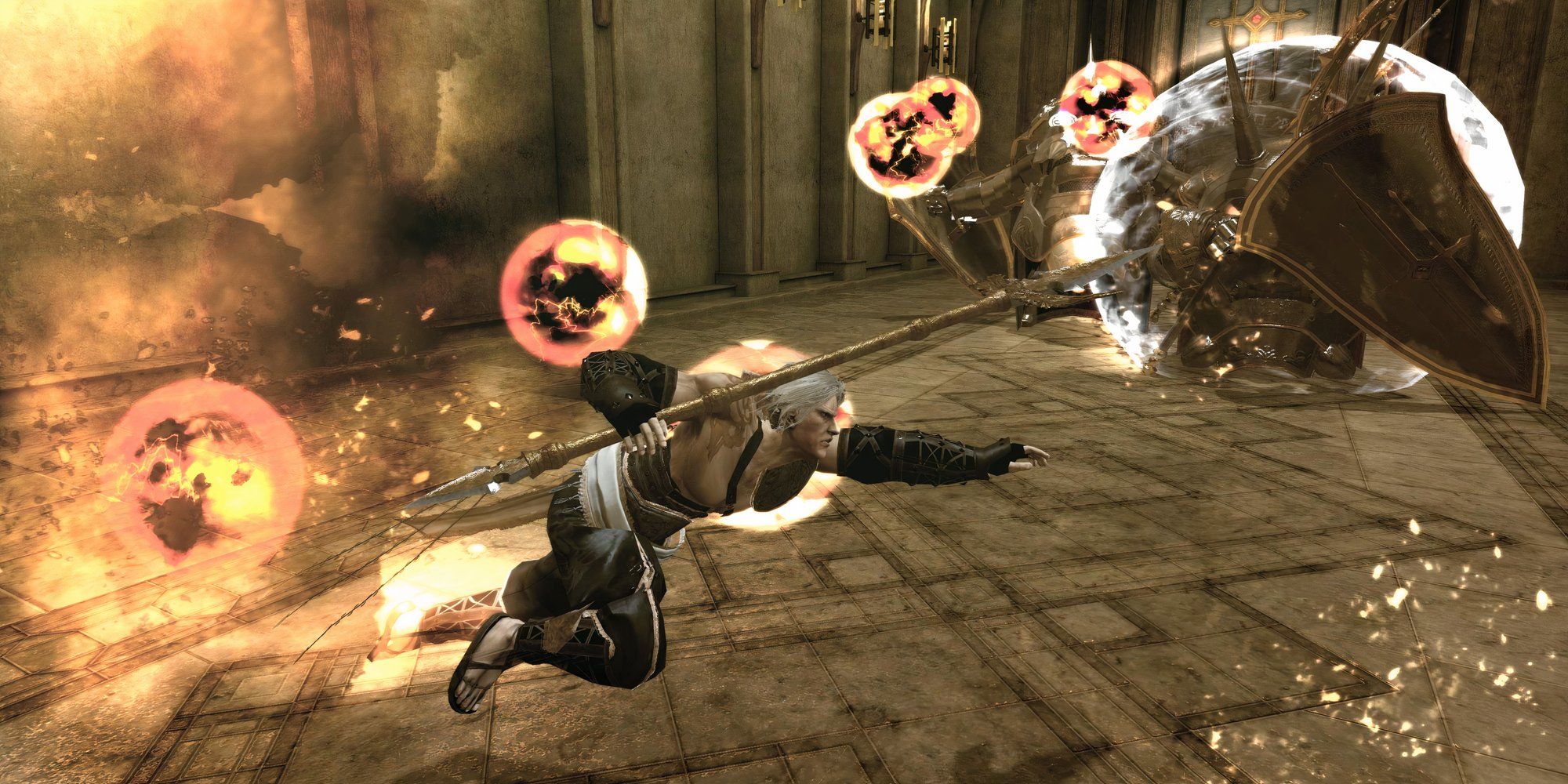
Let’s dive into the story connections within Yoko Taro’s games, but keep in mind we won’t be able to cover every detail. The Nier and Drakengard series are linked in more ways than just sharing a creator. Specifically, the fifth ending of the original Drakengard – often seen as a joke or the worst possible outcome – actually sets the stage for the first Nier game, though it takes place some time later.
Simply put, the final boss of Drakengard, known as the Queen-beast, is about to obliterate the world by manipulating time and space. The hero, Caim, can either use the powers of Seere to trap her in crystal – unlocking the game’s true ending – or fight her directly with Angelus. Choosing to fight results in the Queen-beast unleashing a massive burst of energy, unexpectedly sending Caim, Angelus, and the Queen-beast to Tokyo in 2003. There, you battle the Queen-beast in a unique rhythm game, and if you win, she’s turned into a salt statue… only to be promptly destroyed by the Japanese Air Force. Believe it or not, this bizarre sequence of events is what ultimately causes White Chlorination Syndrome, the disease that devastates the world and sets the stage for the events of Nier a thousand years later.
Read More
- Re:Zero Season 4, Episode 6 Release Date & Time
- How to Get the Wunderbarrage in Totenreich (BO7 Zombies)
- NTE Drift Guide (& Best Car Mods for Drifting)
- How to Beat Turbines in ARC Raiders
- All Aswang Evidence & Weaknesses in Phasmophobia
- How to Get Necrolei Cyst & Strong Acid in Subnautica 2
- Diablo 4 Best Loot Filter Codes
- Conduit Crystal Location In Subnautica 2
- How to Craft Repair Tools in Subnautica 2
- Best Where Winds Meet Character Customization Codes
2026-05-19 01:39