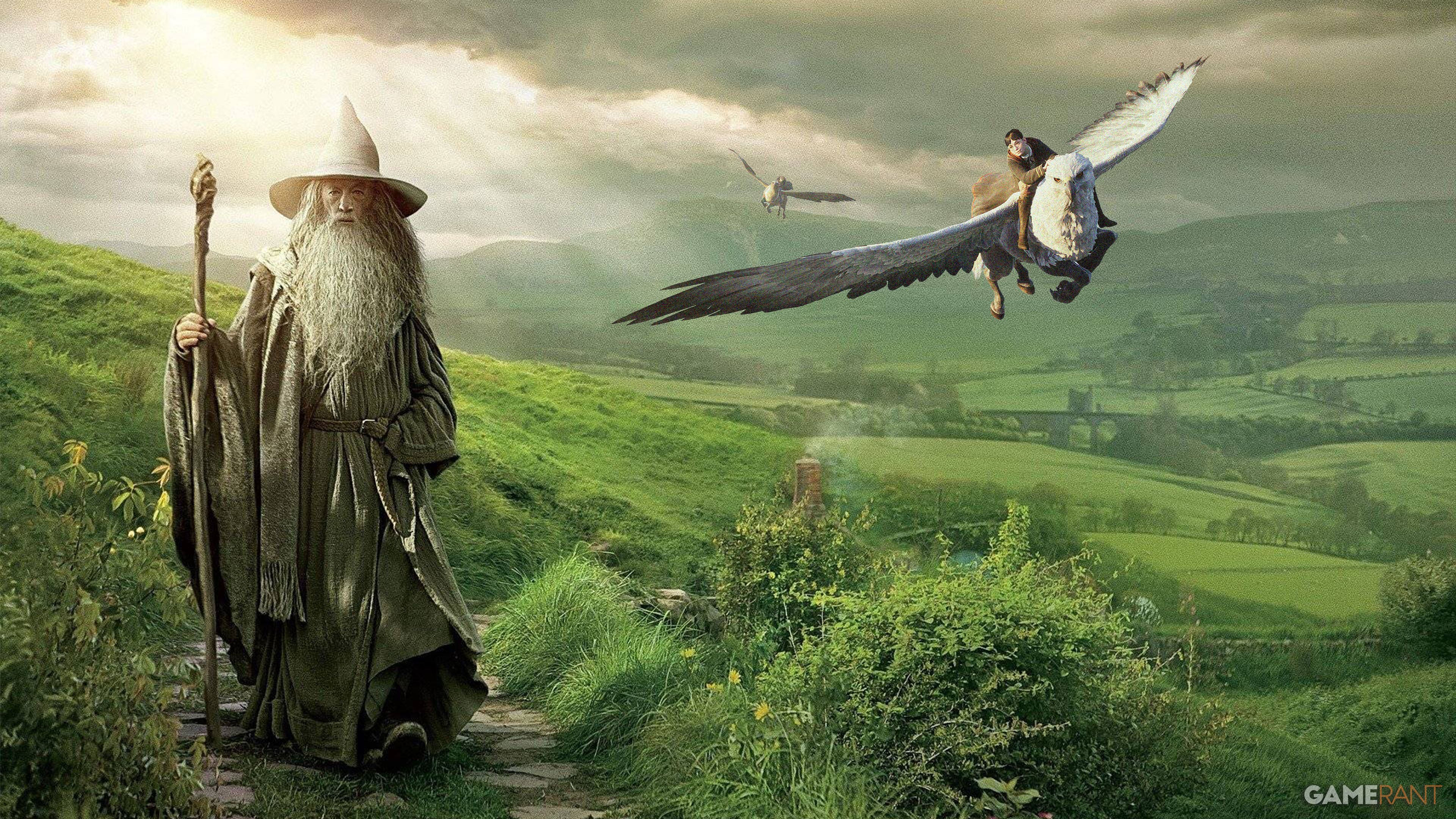
Middle-earth, the setting of The Lord of the Rings, is a perfect fit for a large, open-world role-playing game, but it hasn’t yet had a breakout moment like Hogwarts Legacy. While there have been good Lord of the Rings games in the past, particularly the Shadow of Mordor series, the franchise hasn’t had a modern RPG where players can create their own character, explore the world freely, and truly immerse themselves in Tolkien’s creation, similar to how Hogwarts Legacy let players live within the Wizarding World.
There’s growing excitement about a potential new Lord of the Rings game. Reports suggest it could be a third-person action title aiming to deliver a similar experience to Hogwarts Legacy, and it feels like Lord of the Rings gaming could finally have its breakthrough moment. While nothing is confirmed yet, the idea alone is promising. However, a great Lord of the Rings RPG shouldn’t just try to match Hogwarts Legacy’s sales or copy its features. Instead, it should focus on what made Hogwarts Legacy so successful: creating a truly immersive and believable world that allows players to really live within it.
Hogwarts Legacy Understood the Power of Letting Players Belong Somewhere


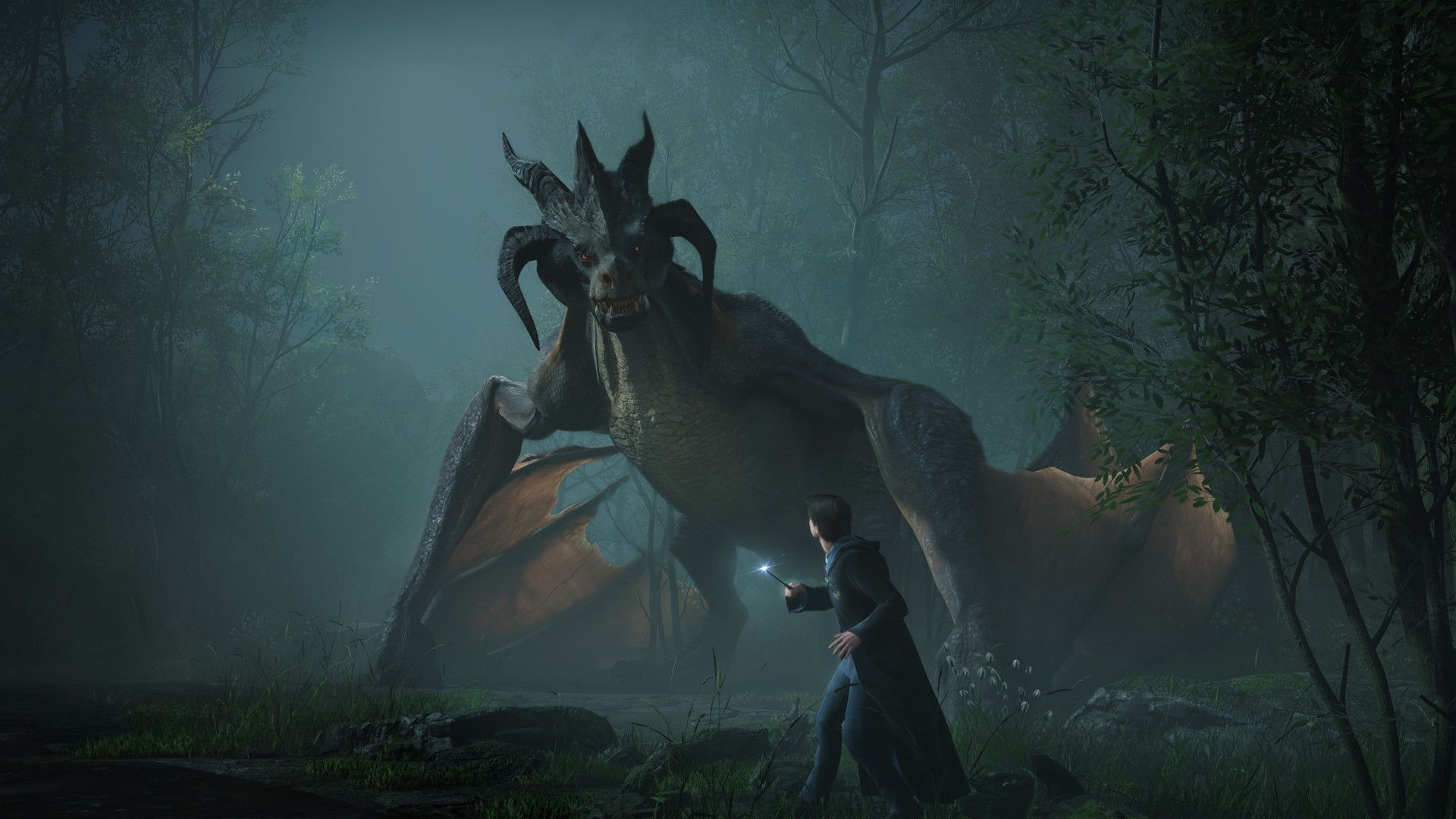
In Hogwarts Legacy, players can do many things – cast spells, fly on broomsticks, and even rescue magical creatures. But what truly makes the game special is the feeling of being a student at Hogwarts in the 1800s. From getting sorted into a house and attending classes, to exploring Hogsmeade and the Forbidden Forest, the game lets you build relationships and learn magic as if you’re actually living in the Wizarding World. The game’s marketing emphasizes this, promising you can become “the witch or wizard you want to be,” and that’s ultimately why it’s been so successful.
What truly made Hogwarts Legacy‘s open world special wasn’t its size, but how well it captured the feeling of being at Hogwarts. It wasn’t just a castle to explore; it felt like an actual school, with daily classes, house rivalries, interactions with professors and classmates, cozy common rooms, and trips to Hogsmeade – all things fans already loved about the series. This made the game feel less like a checklist of locations and more like a fully realized experience, even if the areas outside Hogwarts sometimes relied on familiar open-world game tropes.
Middle-earth Needs That Same Player-Shaped Opening
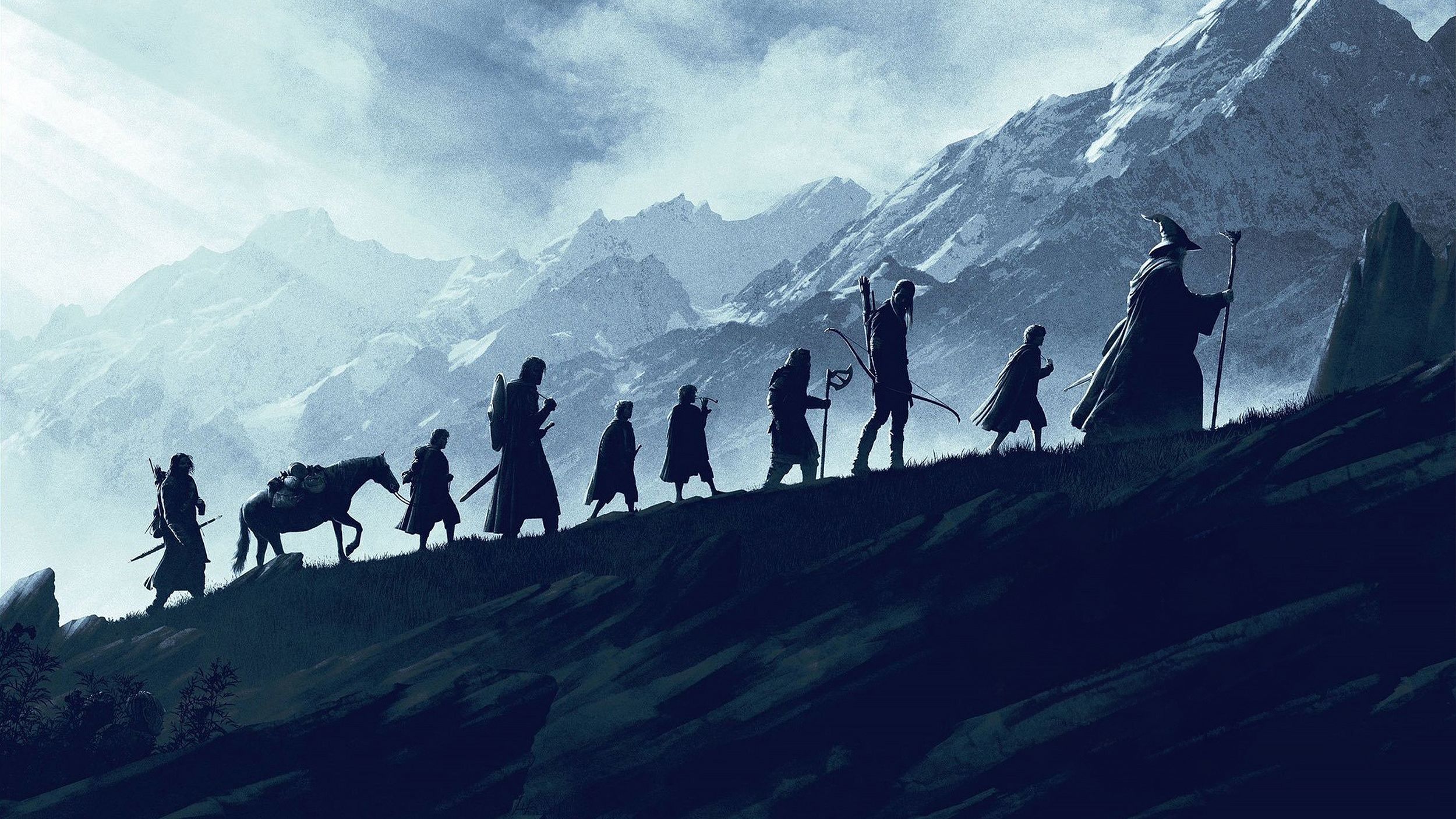
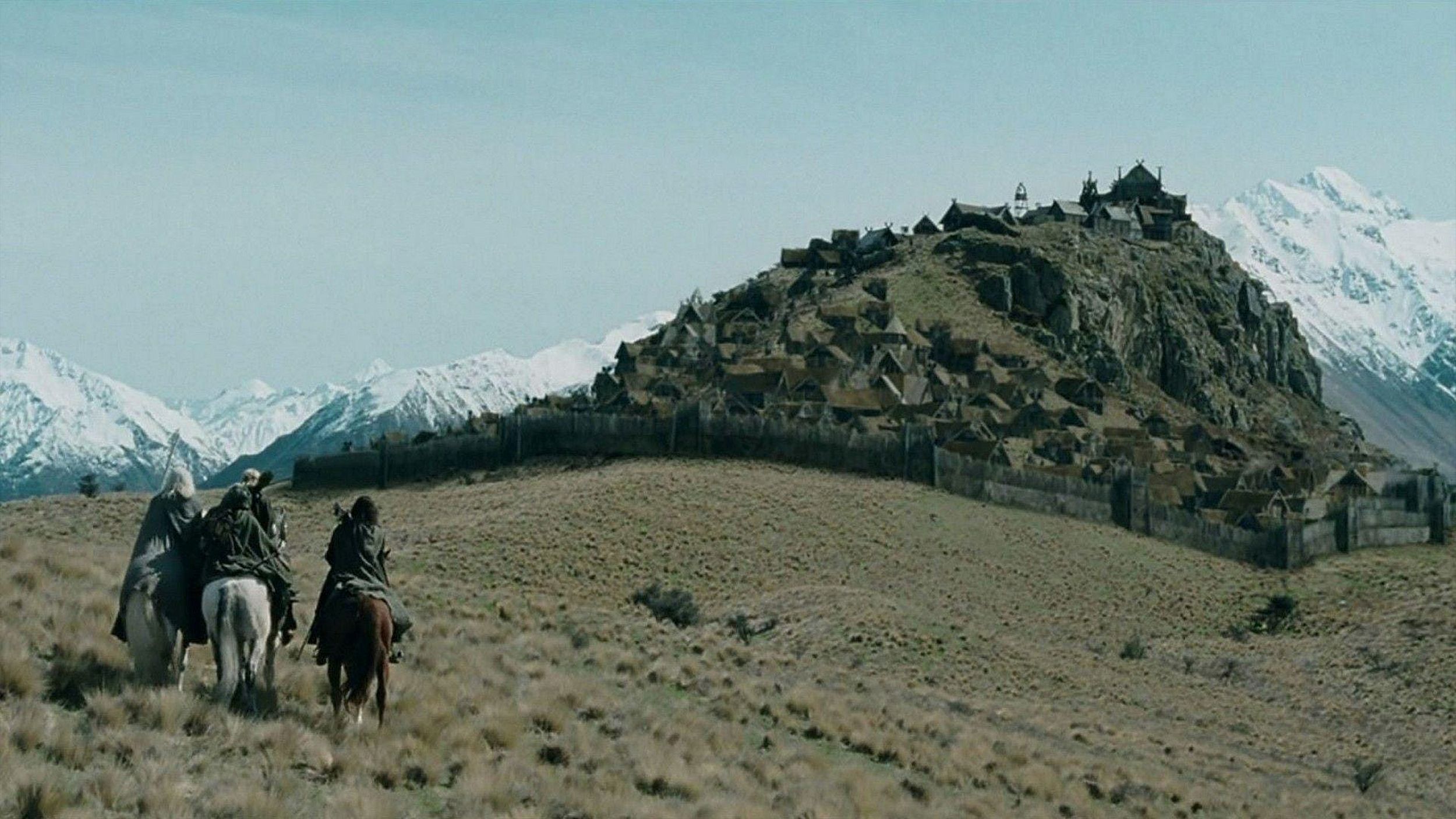
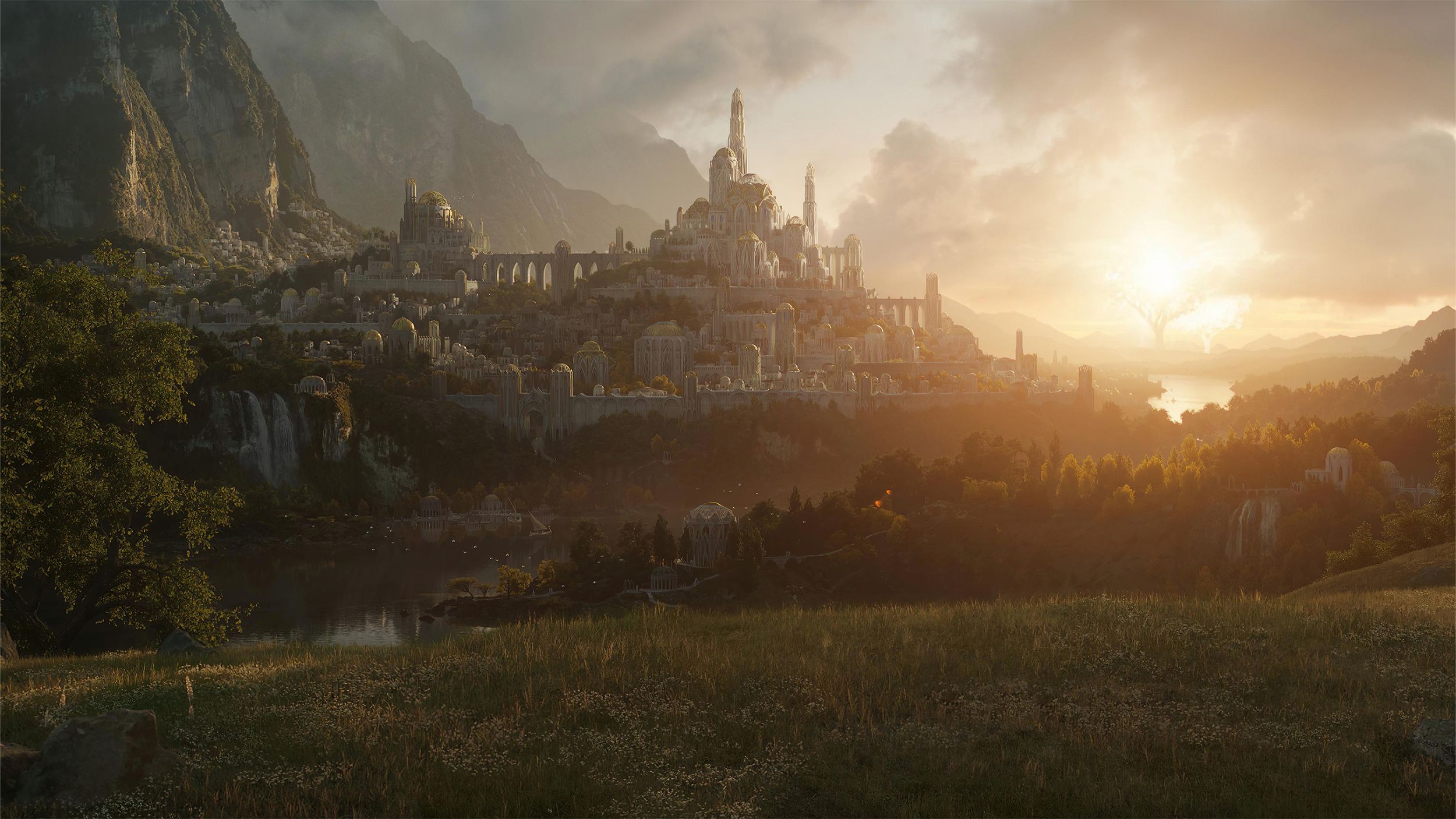
As a gamer, one of the things that immediately excites me about a Middle-earth game is that, like Hogwarts Legacy, it’s built on a world people already care about. Seriously, the places – The Shire, Rivendell, Rohan, Gondor, Moria, Mordor, and everywhere in between – aren’t just locations, they each feel unique. They’ve got their own distinct culture, history, vibe, and look, which is awesome and gives the developers so much to work with.
An open-world Lord of the Rings role-playing game should start by establishing the player’s identity within that world, instead of just placing them on a map with recognizable locations. Whether the player is a Hobbit starting a journey, a Ranger exploring the wilderness, a Dwarf revisiting ancient halls, an Elf torn between the past and present, or a Gondorian soldier facing war, their background would shape their connection to Middle-earth even before the main story begins.
It’s important for a new role-playing game to let players create their own unique story within Middle-earth, rather than forcing them to replay events from The Lord of the Rings. The existing story is already so well-known, a new game would be more compelling by focusing on a smaller, personal narrative that feels connected to the larger legend, instead of trying to make the player a central figure in the familiar plot.
Like Hogwarts Legacy, Middle-earth has a built-in advantage: people already have strong feelings and a connection to its world, which makes a new game set there instantly appealing.
There’s been talk of a new Lord of the Rings game in development, potentially aiming for the same immersive, open-world experience as Hogwarts Legacy. While it’s not confirmed, if true, this could be a chance for a Lord of the Rings game to truly let players explore Middle-earth and create their own story, instead of just following a pre-defined path.
There were reports that Warhorse Studios, the team behind Kingdom Come: Deliverance 2, was working on an open-world role-playing game set in the world of Lord of the Rings. However, the studio has since stated that these reports are untrue.
A Lord of the Rings RPG Should Learn From Hogwarts Legacy’s Weaknesses Too
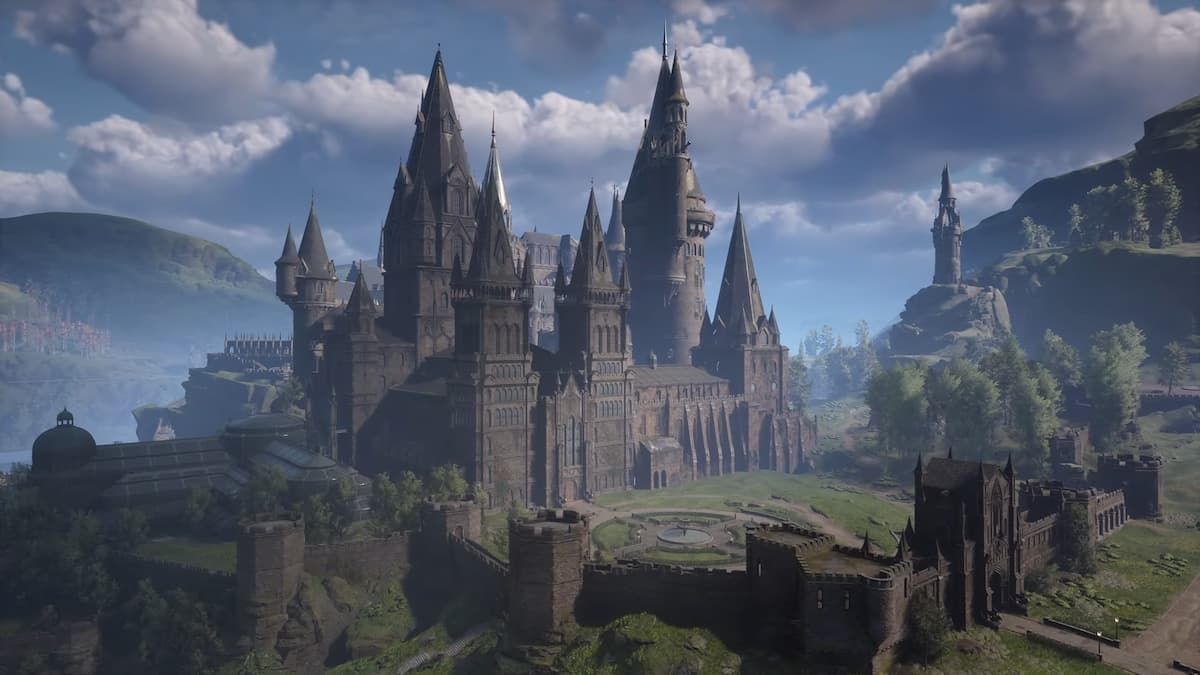
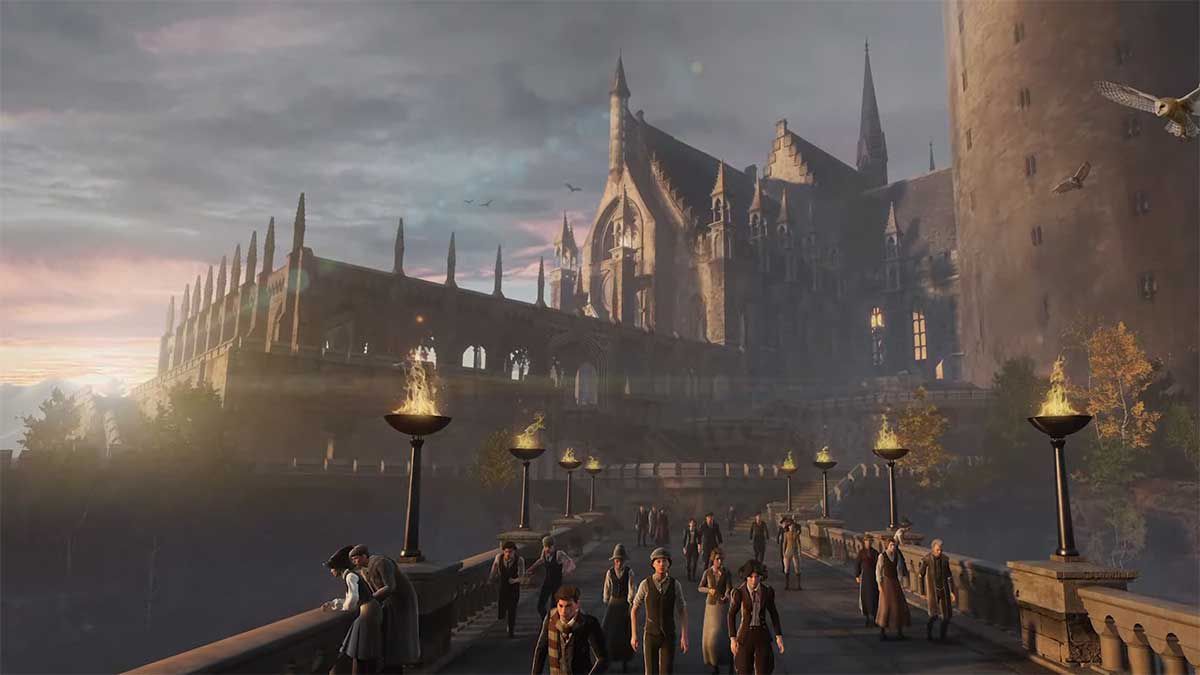
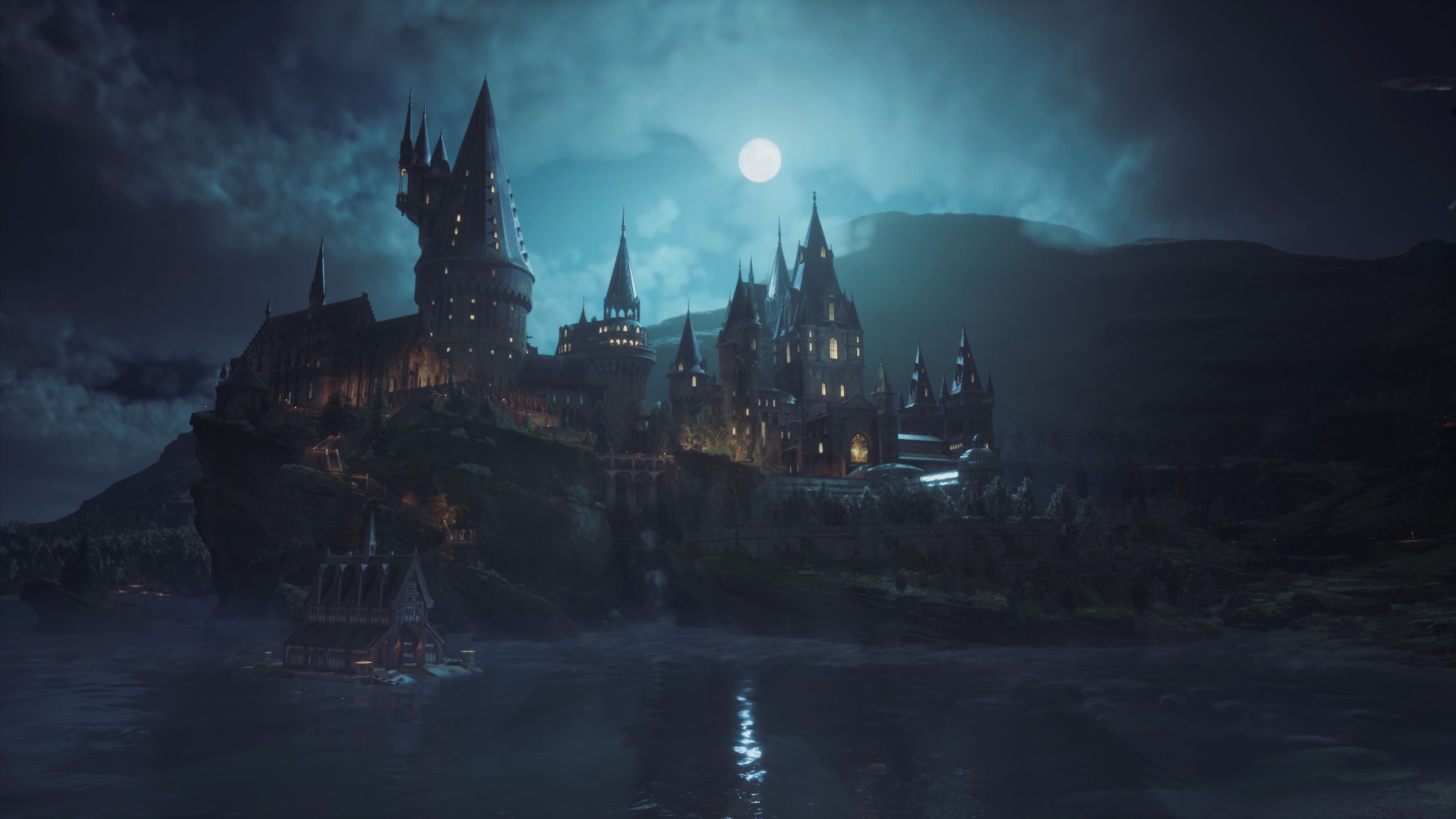
A potential Lord of the Rings role-playing game can definitely take inspiration from the successes of Hogwarts Legacy, but it needs to avoid the pitfalls of its open-world design. Despite being a popular game, Hogwarts Legacy received criticism for its open world feeling like a series of repetitive tasks – collecting items, clearing camps – which distracted from the immersive magical school experience that was its biggest strength.
As a huge Lord of the Rings fan, I really hope any RPG based on Tolkien’s work avoids the pitfalls I saw in games like Hogwarts Legacy. That game showed how amazing it feels to be in a world you love, but it also proved that sprawling, checklist-style open worlds can actually hurt that feeling. Middle-earth is already so rich and powerful on its own – a crumbling ruin should feel like a piece of lost history, not just another spot to find slightly better gear. Tolkien’s world doesn’t need endless collectibles and puzzles; it needs to feel authentic and lived-in. We don’t need a huge map filled with stuff, just a world that feels true to the books.

The same holds true for how the game lets you improve your character. Hogwarts Legacy used typical RPG elements like collecting gear and upgrades, which fit the genre, but didn’t really feel connected to the experience of being a student at Hogwarts. This kind of system would work better in a Lord of the Rings RPG, though even then, it shouldn’t be the only focus. Instead of just getting better gear, a Lord of the Rings RPG could focus on things like your reputation, skills, relationships, ability to survive, crafting, and how well you understand the world. Middle-earth is rich with history and culture, so the game’s mechanics should reflect that world just as much as they rely on traditional RPG systems like collecting loot.
A role-playing game based on The Lord of the Rings can definitely take inspiration from the successful elements of Hogwarts Legacy, but it’s important to avoid repeating the mistakes made in that game’s open-world approach.
The same principle applies to optional activities. While Hogwarts Legacy offered a lot to do, having too many open-world tasks can make them feel repetitive and unimportant. A Lord of the Rings RPG would benefit from fewer distractions, and those that are included should feel more connected to the story or the world’s culture. This is a key reason why The Witcher 3‘s side quests are so highly regarded – they were more in-depth, memorable, and ultimately, more meaningful than typical optional activities in open-world games. The goal isn’t to make a Lord of the Rings RPG smaller in scope, but to focus on creating a sense of a meaningful journey, rather than simply filling the map with things to do.
A Lord of the Rings RPG Should Build a Life in Middle-earth, Not Just a Map
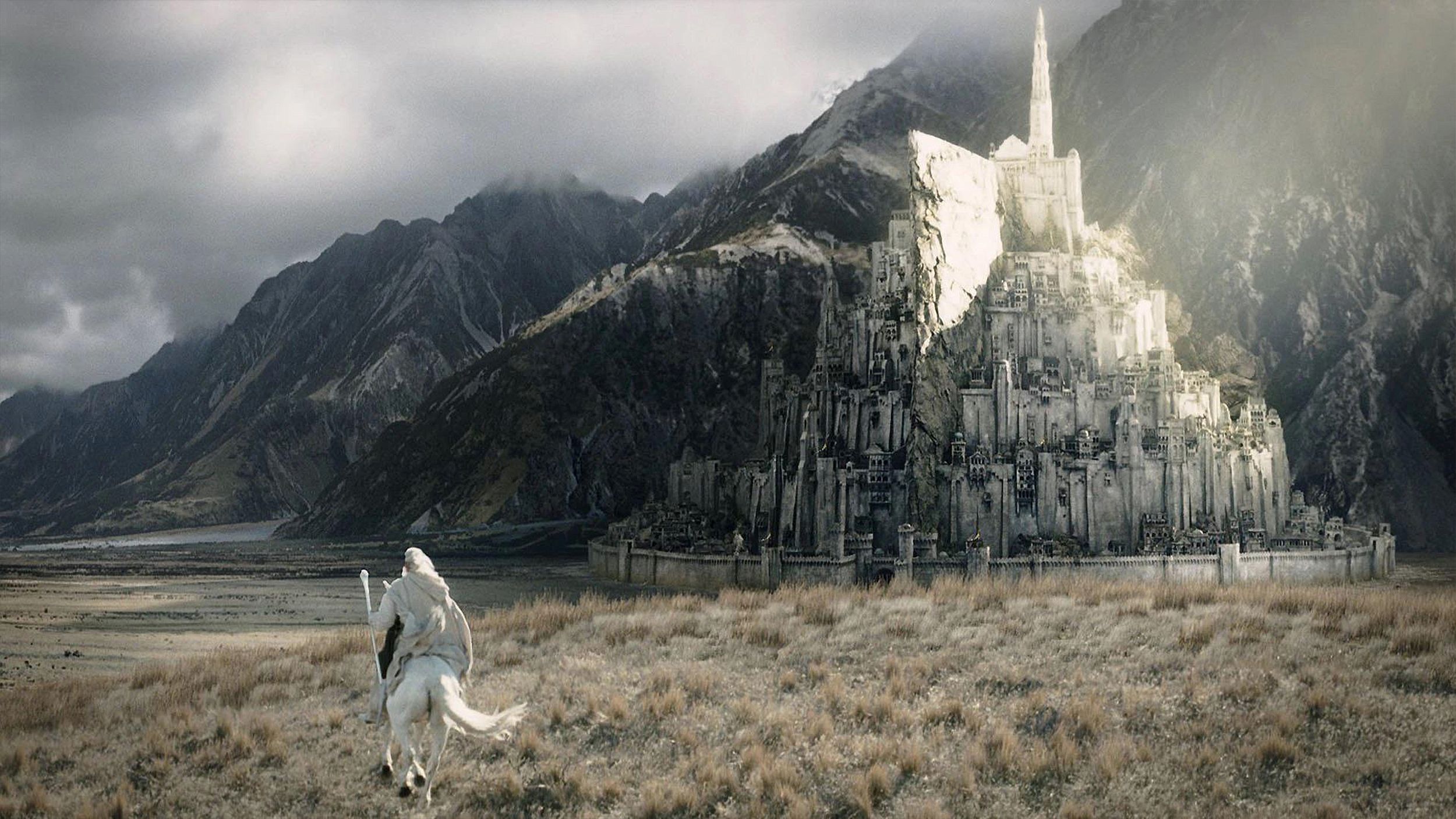
At its heart, Hogwarts Legacy shows us how to make a great open-world Lord of the Rings RPG. It proved that players want to live in these fantasy worlds, not just explore them. While a huge map of Middle-earth would be impressive, it wouldn’t matter unless players felt like their character truly belonged there. The ideal experience would be feeling like your character has a genuine purpose in places like the Shire, Rivendell, Rohan, or Gondor – a background, a culture, and a personal journey that feels meaningful without overshadowing Tolkien’s original story.
In many ways, Hogwarts Legacy offers valuable lessons for a potential Lord of the Rings RPG – both what to do and what to avoid. The game demonstrates that letting players shape their own story can breathe new life into a well-known fantasy world. However, it also shows how easily that immersion can be lost when the game relies too much on tired open-world tropes. If a new Lord of the Rings RPG aims for a similar scope, it should prioritize a strong sense of connection to the world, avoid unnecessary clutter, and ensure that the journey through Middle-earth feels as meaningful as reaching the final goal.
Read More
- Re:Zero Season 4, Episode 6 Release Date & Time
- NTE Drift Guide (& Best Car Mods for Drifting)
- How to Get the Wunderbarrage in Totenreich (BO7 Zombies)
- How to Beat Turbines in ARC Raiders
- Diablo 4 Best Loot Filter Codes
- Change Your Perspective Anomaly Commission Guide In NTE (Neverness to Everness)
- Top 8 UFC 5 Perks Every Fighter Should Use
- Brent Oil Forecast
- Alan Wake Event in Phasmophobia, Explained
- Danganronpa 2: A Complete Guide To Gifts
2026-05-15 01:05