
This article was produced in collaboration with our sponsor, Logitech
Esports is changing quickly. Popular games like League of Legends and Dota 2 have hosted major, well-regarded competitions, which have helped to change how people view esports. A recent survey by Logitech found that two-thirds of people believe professional esports players should have access to more formal training and education.
A recent Logitech G PRO Series survey, conducted January 20-27, 2026, by Censuswide, polled 18,000 people across 12 countries. The survey explored how people view careers in gaming and esports, and what challenges prevent them from becoming professional gamers.
Esports Careers Are Growing In Appeal


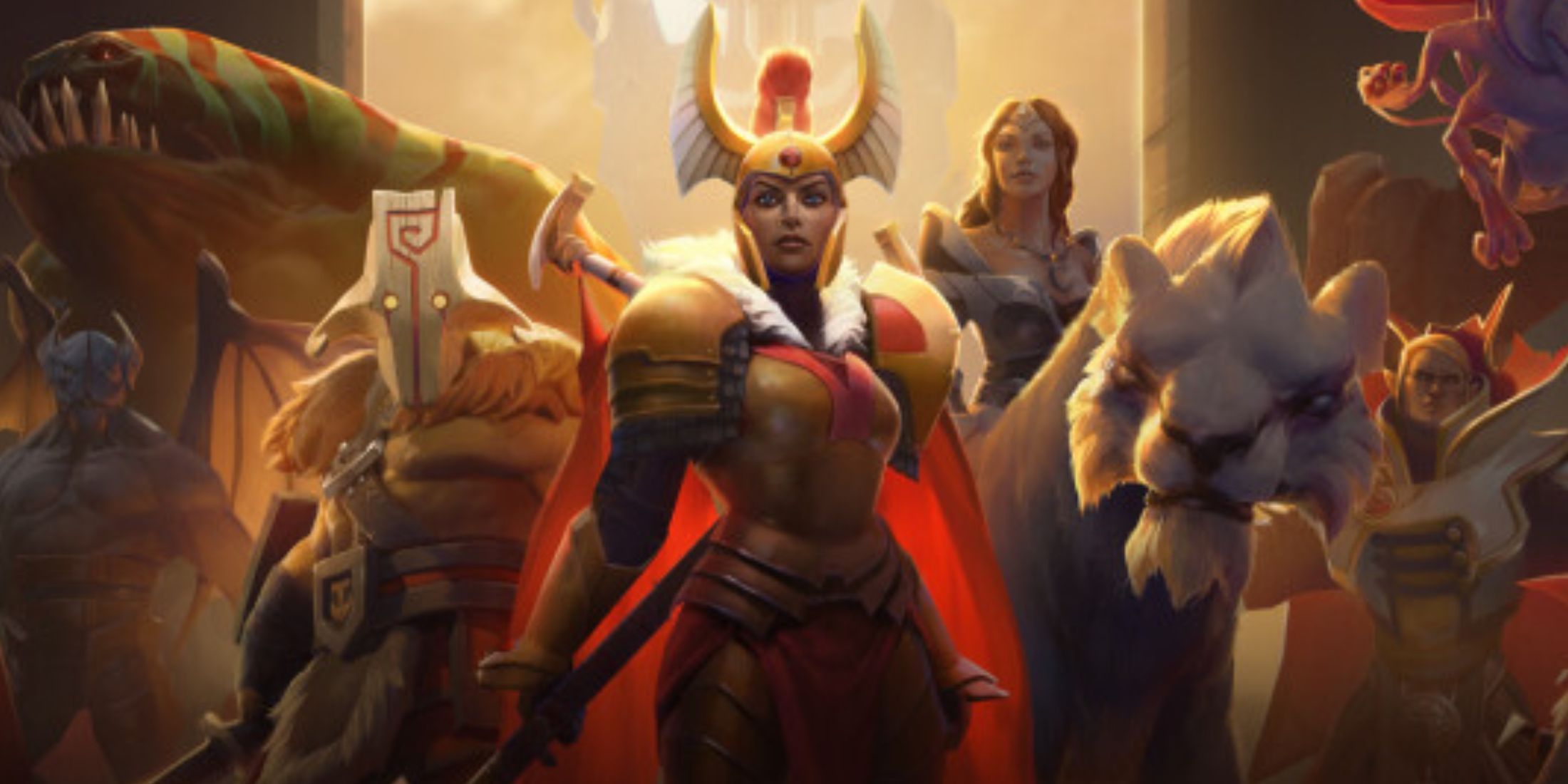
Today’s esports competitions offer much larger prize money, and popular gamers streaming on platforms like Twitch and YouTube have made gaming a global phenomenon. This shift is reflected in how people view gaming as a career, with generally positive attitudes, especially among younger people. In fact, 40% of those surveyed reported that the appeal of gaming as a profession has grown since 2016 and is expected to continue to do so by 2026.
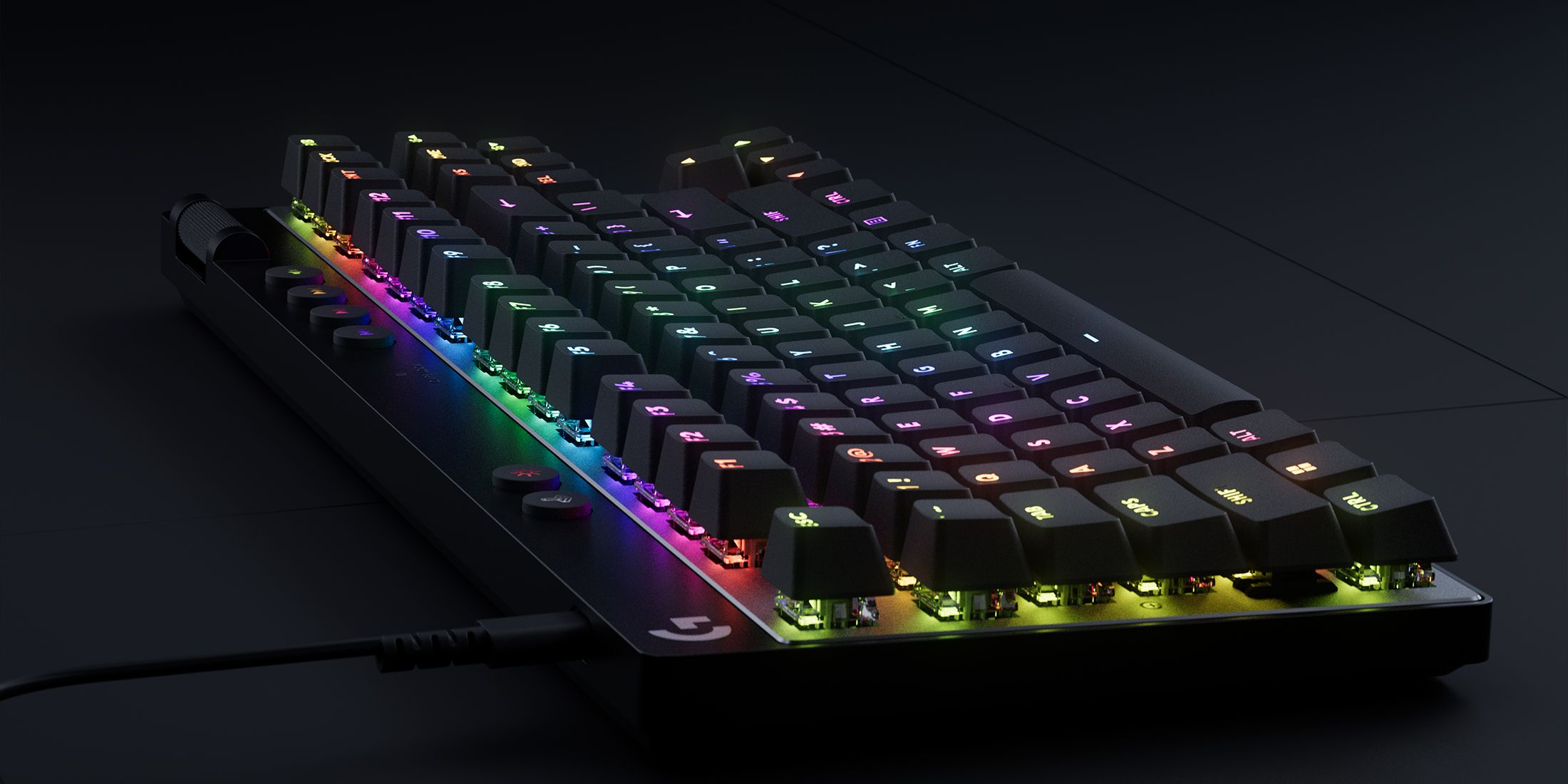
There’s increasing support for gamers from both the public and companies in the gaming industry. Brands like Logitech are helping players succeed with innovative tools, such as the PRO X2 SUPERSTRIKE mouse – featuring a unique haptic trigger – and the versatile G512 X TMR analog/mechanical keyboard. Despite this growing support and improved technology, there’s still more progress to be made.
There’s More Support, But A Lot of Ground Still Left To Break
Professional Gaming is Still Considered a Risky Venture
Just because people are looking at esports more positively doesn’t mean it’s all sunshine and roses if you’re thinking about going pro. The survey really drove that home – everyone, from older to younger folks, acknowledged the huge number of risks involved. Basically, a lot of things can get in the way of actually making it as a professional gamer, and here are the biggest hurdles we found:
- 42% are concerned about the perceived financial risk.
- 34% recognize how competitive the industry already is.
- 31% note that gaming careers lack parental and societal support.
- A third of participants do not believe professional gaming offers sufficient job security.
You know, as much as I love watching esports, it strikes me that one of the biggest hurdles for aspiring pros is that there’s just no clear path for them through school. A lot of people – about 20% in a recent survey – feel there aren’t enough resources out there, which unfortunately fuels the idea that gaming isn’t a legitimate career. But things are definitely starting to shift! Almost half of those surveyed – 47% – think esports should be taught in schools, just like regular sports. That’s a huge sign that people are finally taking it seriously.
More Education = More Success
More and more people want professional gaming to be a viable career, and support for this is increasing despite the lack of traditional paths to success. A recent survey found that 65% of participants believe universities, colleges, and specialized courses should offer formal education programs for esports and professional gaming, better preparing aspiring players. Derek Perez, Logitech’s Global Communications Gaming Lead, shares this view.
To help professional gaming careers thrive, it’s crucial to provide players with training, good facilities, and the latest technology.
Helping future gamers succeed doesn’t end with basic education. Survey respondents also pointed out several other important improvements that would help people understand what it really takes to become a professional esports player.
- 33% say more media coverage on mainstream channels and professional training facilities is needed.
- 32% want to see more transparency around professional gaming earnings.
- 30% would like to see gaming taken more seriously as a career.
More and more people are realizing that professional gaming requires just as much mental effort (84%) as a typical job, and over half (55%) believe it’s also as physically demanding as a standard workday.
Gaming has evolved from a simple pastime into a major cultural force, and its increasing popularity – fueled by successful streamers and players – is undeniable. It’s likely that schools and universities worldwide will soon start to acknowledge this shift and incorporate gaming into their programs.
Read More
- Re:Zero Season 4, Episode 6 Release Date & Time
- NTE Drift Guide (& Best Car Mods for Drifting)
- How to Get the Wunderbarrage in Totenreich (BO7 Zombies)
- How to Beat Turbines in ARC Raiders
- Diablo 4 Best Loot Filter Codes
- How to Get Necrolei Cyst & Strong Acid in Subnautica 2
- Top 8 UFC 5 Perks Every Fighter Should Use
- Alan Wake Event in Phasmophobia, Explained
- Brent Oil Forecast
- Danganronpa 2: A Complete Guide To Gifts
2026-05-16 00:39