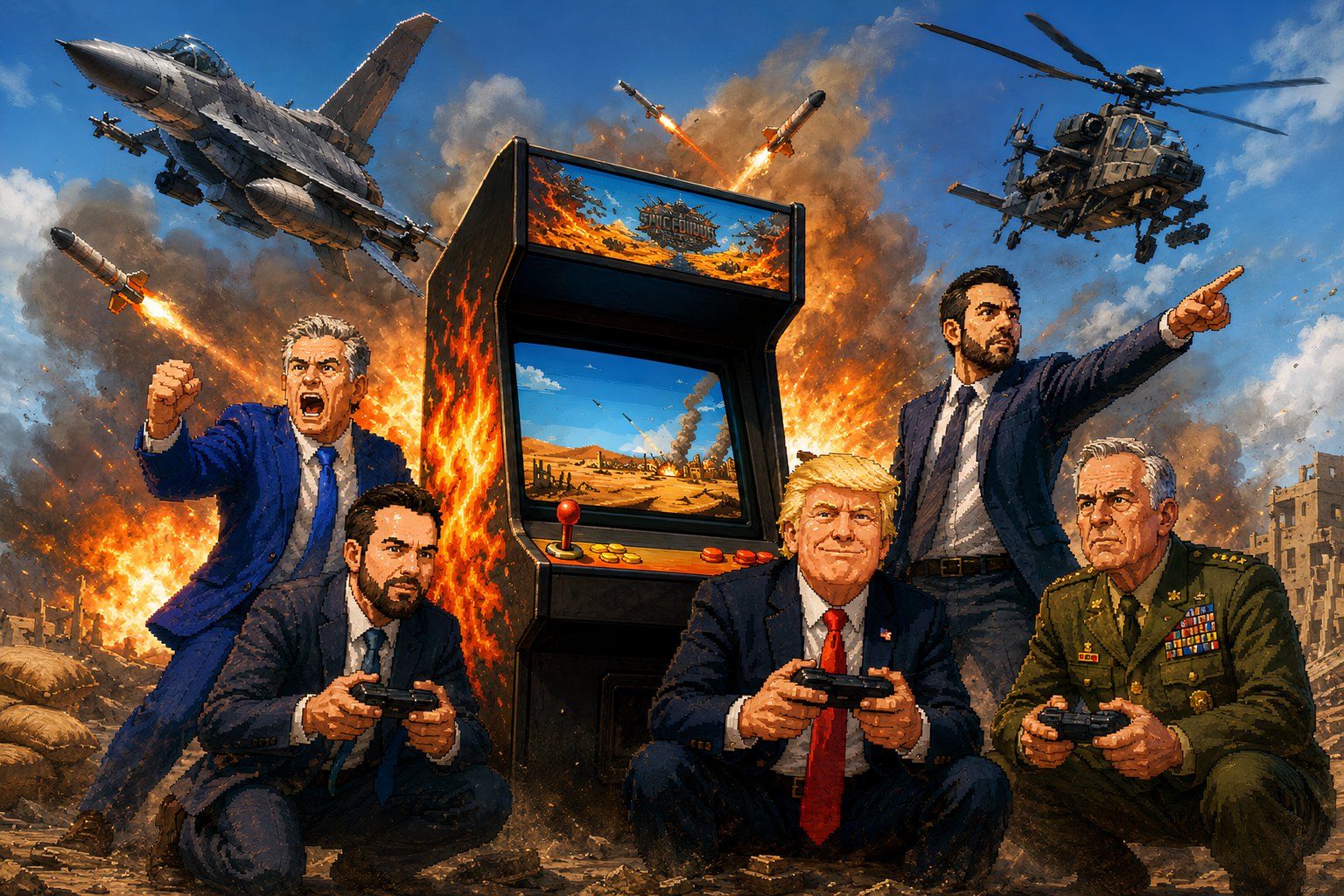
The White House shared video clips from the video games Call of Duty and Grand Theft Auto, even mixing them with footage of real missile strikes, to build support for potential military action against Iran. An art group known as Secret Handshake saw these videos and felt the best way to respond was to continue the absurdity.
The game is called Operation Epic Furious: Strait to Hell, a pixel-art arcade title currently located on the National Mall near the D.C. War Memorial. It’s widely considered the most politically charged video game of 2026, and a remarkably clever piece of protest art.
The White House Made the First Move
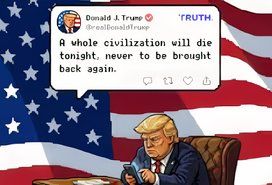
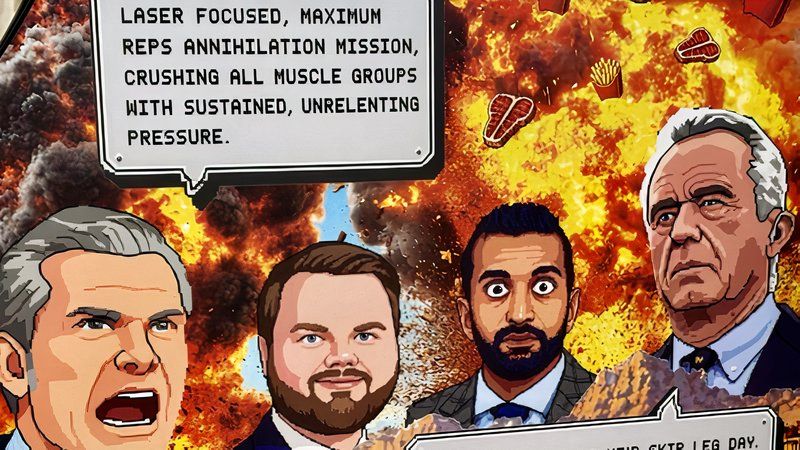
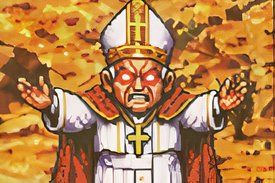
I’ve played a lot of ‘political games’ and honestly, most of them feel like they’re trying to tell me something instead of letting me experience it. They’re heavy on the message and kinda forget to be fun, so it ends up feeling like I’m doing homework, not playing a game. The developers clearly have a point they want to get across, and they’ll push it whether I’m enjoying myself or not. It’s like a lecture dressed up as entertainment, and I usually lose interest way before the end. But Operation Epic Furious is different. The team at Secret Handshake just let the gameplay speak for itself, and it totally works. They didn’t need to hit me over the head with anything – the game just is effective.
Secret Handshake didn’t start using game-like tactics in war – the Trump administration did. They openly shared propaganda on official White House accounts, using clips from movies like Iron Man and Top Gun, even footage from Wii Sports alongside real footage of missile strikes. This turned the propaganda into something resembling a video game before Secret Handshake’s work, Operation Epic Furious, even began. Secret Handshake didn’t create this trend; they simply highlighted what was already happening. This wasn’t just satire – it was a pointed and effective critique.
This Game Was Designed So You Can Never Win
Many political games miss a key point: how the game plays can be as important as what it says. Take Operation Epic Furious – it’s deliberately impossible to win. You control Donald Trump in a retro-style world, gathering oil and battling enemies like an Iranian schoolgirl, the Pope, and even a character representing ‘Diversity, Equity, and Inclusion’. Supporters like Pete Hegseth and Kash Patel guide you with over-the-top commentary, but ultimately, you’re destined to fail. The game’s central conflict never resolves, and it continues endlessly, because that’s exactly how it was created – to make a point, not to offer victory.
That design choice speaks volumes more powerfully than any protest sign ever could. It doesn’t simply tell you the war in Iran is a losing battle; it lets you feel it. There’s a huge difference between understanding an idea intellectually and truly experiencing it, and great games have always excelled at that. While a book can describe the feeling of being trapped, a game can actually make you feel trapped. It’s remarkable that a small art group has grasped this power when major game companies are still churning out endless, consequence-free war games without any real depth or thought. That fact alone deserves some serious consideration.
This Protest Didn’t Happen Online and That Matters
We could have simply released this as an online game and been done with it. Many political art projects do that – they get some attention, then quickly fade away. But Secret Handshake went above and beyond. They created three actual arcade machines, transported them to Washington D.C., and placed them right outside the War Memorial, near the Lincoln Memorial Reflecting Pool. This wasn’t just for show; the way it’s presented is just as important as the art’s message.
Arcade games are known for being noisy, played in public spaces, bringing people together, and being short-lived experiences. They naturally draw crowds and encourage interaction between strangers, which is especially meaningful in a place like a national memorial. The fact that National Guard members were seen playing the game on the Mall adds another layer of political significance. With over 14,000 downloads and access at epicfurious.com, it’s clear people are interested and engaged with the game’s message.
Why Humor Is the Right Weapon
It’s time for gamers to consider the impact of Call of Duty. The series has released over thirty games centered on glorified, unrealistic military combat, and most players haven’t questioned it, enjoying the fast-paced action and popular online play. However, Operation Epic Furious challenges that acceptance. It uses the same visual style as military shooters, but flips it to critique the very institutions that have used those games to promote war and normalize military intervention.
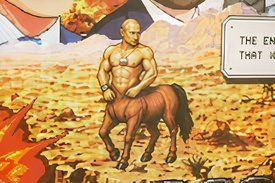
The game’s humor is what truly makes it work, and it’s brilliantly done. It starts with a ridiculous choice – order a Diet Coke or invade Iran – and keeps going from there. Expect the unexpected, like Putin as a centaur, and a powerful weapon called the Mar-a-Lazer. Even something as mundane as low-flow shower heads is treated as a serious threat to liberty. This game understands that funny, thought-provoking experiences stick with people longer than preachy political messages, and the impressive number of downloads – over 14,000 in just a few days – proves audiences agree.
Operation Epic Furious: Strait to Hell is a simple, free arcade game created by a group of artists. It won’t solve international conflicts or influence elections, but it’s remarkably effective in what it does accomplish. The game isn’t just entertainment; it makes a point through its very design. While the physical arcade cabinets might be removed soon, the game remains available online at epicfurious.com. It’s designed for you to lose, but experiencing it is a powerful and worthwhile experience.
Read More
- Re:Zero Season 4, Episode 6 Release Date & Time
- NTE Drift Guide (& Best Car Mods for Drifting)
- How to Get the Wunderbarrage in Totenreich (BO7 Zombies)
- How to Beat Turbines in ARC Raiders
- Diablo 4 Best Loot Filter Codes
- Change Your Perspective Anomaly Commission Guide In NTE (Neverness to Everness)
- Top 8 UFC 5 Perks Every Fighter Should Use
- How to Get Necrolei Cyst & Strong Acid in Subnautica 2
- Brent Oil Forecast
- Alan Wake Event in Phasmophobia, Explained
2026-05-15 20:05